Support

Awara

About

Awara is a charming city in Japan, nestled in Fukui Prefecture on the scenic coast of the Sea of Japan. Situated between lush green hills and vast rice fields, it offers guests a unique blend of natural beauty and traditional Japanese hospitality. The city covers an area of about 117 square kilometers with a population of approximately 27,000, creating a peaceful and measured atmosphere far from the hustle and bustle of major metropolises.
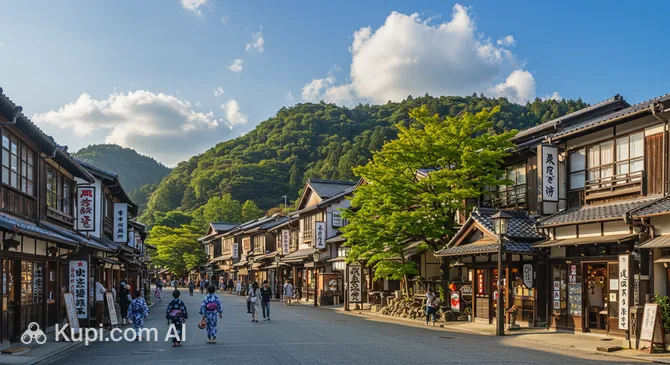
Awara. Illustration.
Source: Kupi.com AI

The crown jewel of Awara that attracts travelers is the famous Awara Onsen resort—one of the leading hot spring resorts in the Kansai region. This is an entire district of traditional ryokan inns where you can enjoy healing mineral baths, including outdoor ones. Immersing yourself in the hot springs and taking leisurely strolls in a kimono through the picturesque streets provides an unforgettable experience and complete relaxation.

Beyond the onsens, Awara offers other points of interest. Ancient temples where you can touch history, cozy farms introducing local life, well-maintained parks for walks, and even modern art spaces coexist harmoniously here. For a tourist, Awara is a chance to see the authentic side of the country, get acquainted with local traditions, and try dishes rarely found in large cities.

If you are looking for a place for a peaceful getaway, rejuvenation, and an introduction to true Japanese culture, Awara is an excellent choice. This city will give you harmony, inspiration, and warm travel memories.

You can find more interesting facts on the history of Awara page.
Weather Overview

The weather in Awara is characterized by noticeable seasonal changes. Summer, especially in July and August, is warm here, with average temperatures around 25-26.5°C, with August being the hottest month. Winters are cool; the coldest month is January, with an average temperature of about 4.2°C. Precipitation is distributed throughout the year, but January and December stand out with the highest number of rainy (or snowy) days, while spring months like April and May are usually drier. Overall, expect a warm summer with occasional rain and cool, damp winters.

To get a more detailed forecast and learn about the weather in Awara by month, you can visit our dedicated page: More about the weather in Awara.

Average monthly temperature

Average monthly precipitation

Interesting Facts

In addition to its fame as an onsen resort, Awara hides many curious stories and features that make the city even more attractive for explorers of Japanese culture. Here are just a few interesting facts that will help you look at Awara from a new perspective:

  • The famous Awara Onsen was discovered entirely by accident in 1883. While drilling an ordinary well, workers struck a hot spring, which began the transformation of this place into a popular resort that attracted the Japanese aristocracy and creative intelligentsia.

  • Awara still preserves ancient ryokans (traditional Japanese inns) where the hospitality traditions of the Meiji era are strictly honored. Guests are greeted here in kimonos, and breakfast is served directly to the room on tatami mats, allowing you to dive into the atmosphere of the past. Many of these buildings are architectural gems with a century of history.

  • The city is proud of its Yoshizaki Gobo temple, which was historically an important center of the Jodo Shinshu Buddhist school. Many legends are associated with this place, telling of monks who not only protected locals from disasters but also contributed to the development of agriculture in the region.

  • Awara is famous for its festivals dedicated to traditional arts and crafts. Here you can meet unique masters who create authentic Japanese umbrellas, exquisite ceramics, and the famous washi paper. Many of these items are produced exclusively in this region and are highly valued by collectors.

How to Get There

A trip to Awara begins with choosing the optimal route. Although there is no airport in the city itself, the country's developed transport network makes it easy to get here from the nearest airports or major railway hubs. You can explore all ways to get to the city on our dedicated page; below we will look at the main and most convenient options for tourists.

There is no airport in the city of Awara itself, so the nearest and most convenient option for arrival is Komatsu Airport (KMQ), located in the neighboring city of Komatsu. It is only 25.8 km from the center of Awara. The journey by taxi or bus takes approximately 60 minutes. This is a fairly busy transport hub serving many domestic flights, making it an excellent entry point to the region.

If you are planning an international flight, consider Chubu Centrair International Airport (NGO), located in the city of Nagoya, about 159 km from Awara. This is a major international hub with a huge passenger flow and wide geography of flights. Traveling from here by road will take about 4–4.5 hours; however, many tourists prefer to get from the airport to Awara by high-speed trains, which significantly saves time.

For convenience, here is a summary of the main airports:

AirportPassenger trafficDistance
Komatsu Airport1.8 mln26 km
Toyama Airport736 74099 km
Nagoya Airport735 000123 km
Noto Airport207 427137 km
Tajima57 194152 km

The railway remains one of the most popular and comfortable ways to reach Awara. The city's main gateway is Awaraonsen Station. It is an important stop for trains on the Hokuriku line, including limited express trains that connect the region with major metropolises like Osaka and Kyoto. With the opening of the extended Shinkansen line, the city's accessibility has significantly improved, allowing tourists to quickly get here even from Tokyo. From the station, most hotels and hot springs can be reached in a few minutes by taxi or local bus.

Main Attractions

Awara, nestled in Fukui Prefecture, is primarily known for its healing hot springs and offers guests a harmonious blend of relaxing vacations, cultural discoveries, and gastronomic delights. This city is a true find for those seeking peace and an authentic Japanese experience.

The main gem of Awara is undoubtedly Awara Onsen—a famous hot spring resort area with a history spanning over 130 years. It is renowned for its numerous ryokans (traditional Japanese inns) and public bathhouses (yu), where you can enjoy baths with mineral-rich water. Each spring and ryokan here takes pride in its unique water composition and special atmosphere, allowing visitors to choose the type of relaxation they prefer. Immersion in Awara's hot springs is not just about health; it is a touch of centuries-old Japanese hospitality traditions.

In the heart of the Awara Onsen resort lies Yukemuri Yokocho (Steam Alley). This charming street with rows of small traditional eateries and bars (yatai) comes alive in the evenings. Here, you can sample various local delicacies such as yakitori (chicken skewers), oden (stewed vegetables and meat), fresh seafood, and, of course, enjoy local sake or beer. Yukemuri Yokocho is the perfect place to feel the authentic atmosphere and chat with locals.

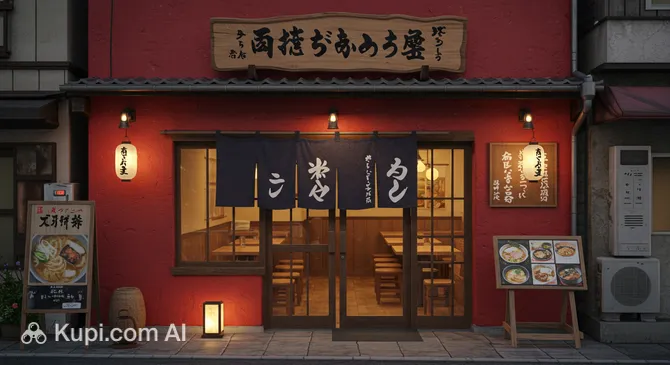
For lovers of Japanese cuisine, a visit to Ramen Fukunokami Awara is a must. This establishment is popular for its delicious ramen, prepared according to all traditions. Rich aromatic broth, firm noodles, and high-quality ingredients make the local ramen a true gastronomic discovery for both tourists and the Japanese themselves.

Ramen Fukunokami Awara. Illustration.
Source: Kupi.com AI

Traveler photos:

If your trip to Awara falls in early summer, usually in June, do not miss the opportunity to visit the Awara City Lake Kitagata Iris Garden. During this period, the park is transformed, covered with a carpet of thousands of blooming irises of all shades. Walking along the well-kept paths amidst this splendor, inhaling the delicate scent of flowers, will provide unforgettable impressions and a beautiful backdrop for photos. This place will especially appeal to nature lovers and those who enjoy quiet, contemplative relaxation.

Local Cuisine

Awara is a true gastronomic paradise, especially for lovers of the freshest gifts from the Sea of Japan. The main pride of the local cuisine is crabs, oysters, and various types of fish. Be sure to try kani-suimono—an exquisite crab soup served during specific seasons when the meat is particularly tender. This dish is a hallmark of Awara, attracting gourmets from all over.

No less worthy of attention are dishes made from the famous "Koshihikari" rice, grown in the fertile fields of Fukui Prefecture. Try traditional onigiri with seaweed or appetizing rice cakes filled with fresh vegetables and fish. At local farmers' markets, you will find not only seasonal vegetables but also authentic products like umeboshi pickled plums and rare varieties of soy sauce produced only in this region.

Awara's gastronomic scene is diverse: from cozy restaurants to vibrant street food. Locals and tourists alike enjoy snacking on light seafood snacks, grilled squid on skewers, and sweet dango rice balls. Of course, one cannot overlook the famous ice cream made from local milk. If you are a fan of Japanese noodles, stop by Ramen Fukunokami Awara to enjoy a flavorful and hearty meal.

Ramen Fukunokami Awara. Illustration.
Source: Kupi.com AI

Traveler photos:

Special mention should be made of the local drinks. Excellent sake is produced in Awara using the purest spring water and rice harvested in the surrounding area. Some varieties of this traditional Japanese drink can only be tasted here, and they perfectly complement seafood dishes, giving the meal a unique local character. In spring, the city comes alive with gastronomic festivals where you can taste culinary masterpieces from the prefecture's best chefs and even participate in workshops.

Travel Tips

Planning a trip to the charming city of Awara? To ensure your journey through this corner of Japan goes smoothly and leaves only pleasant impressions, we have prepared some practical tips.

  1. Clothing and Essentials:

    The climate in Awara, as in all of Japan, is characterized by four distinct seasons. In summer (June-August), it can be hot and humid, so bring light, breathable clothing. Spring (March-May) and autumn (September-November) offer comfortable temperatures—perfect for layering. In winter (December-February), it can be chilly and sometimes snowy, so warm clothes are a must. Comfortable shoes are your best friend, as Awara is pleasant to explore on foot. Don't forget an adapter for electrical appliances (types A and B sockets are used in Japan, with 100V voltage). If you plan to visit the onsens (hot springs) for which Awara is famous, familiarize yourself with the rules for visiting; special clothing is usually not required, but hygiene is very important.

  2. Local Transport:

    Awara is a relatively small city, so you can get around on foot or by bicycle, especially if you stay in the central part. For longer trips around the city and the Fukui Prefecture area, you can use local buses or taxis. Japan has an excellent railway network, and the nearest major JR station can serve as your hub for regional travel. Renting a car can be a good option if you plan to actively explore nature and less accessible corners of the prefecture, but keep in mind that driving in Japan is on the left, and an international driver's license is required for rental.

  3. Finances:

    The local currency is the Japanese yen (JPY). Although credit and debit cards are becoming increasingly common, especially in hotels and large stores, cash is still very important, particularly in small restaurants, shops, and when visiting temples. It is recommended to exchange some money in advance or withdraw cash from ATMs found in post offices (Japan Post Bank) or 7-Eleven stores (Seven Bank ATMs), which usually accept international cards. Tipping in Japan is not practiced and may even be seen as impolite. A rough daily budget can vary greatly, but for a comfortable stay (food, transport, small souvenirs), you should aim for 7,000-15,000 yen, excluding accommodation.

  4. Health and Safety:

    Japan in general, and Awara in particular, are very safe places for tourists. The crime rate is low. Pharmacies (薬, kusuri) are available, but not all staff speak English, so it is helpful to have a list of necessary medications with international names or use a translation app. If you need medical assistance, contact your hotel reception; they can help call a doctor or point you to the nearest clinic. Standard precautions, such as watching your belongings, are always relevant.

  5. Communication:

    The official language is Japanese. In tourist areas and hotels in Awara, staff may speak basic English, but in general, its knowledge is not as widespread as in major metropolises. Learn a few simple phrases in Japanese, such as "konnichiwa" (hello), "arigato" (thank you), and "sumimasen" (excuse me)—this is highly appreciated by locals. For convenience, it is recommended to purchase a local SIM card or rent a pocket Wi-Fi router upon arrival in Japan. Free Wi-Fi is available in some hotels and tourist spots. Useful apps: Google Maps (for navigation), Japan Travel by Navitime (for transport schedules), Google Translate (for translation).

  6. Local Etiquette:

    The Japanese are very polite and value respect for tradition. A greeting is usually accompanied by a bow; its depth depends on the situation and the status of the person. In public places, especially on transport, try to speak quietly. When entering a Japanese home, some temples, and traditional restaurants (ryokans), it is customary to remove your shoes. If you are invited as a guest, a small gift (such as a souvenir from your country) would be appropriate. When visiting onsens, be sure to shower before entering the communal bath.

  7. What to Avoid:

    Never stick your chopsticks vertically into rice—this is associated with funeral rituals. Also, try not to point at people or objects with your chopsticks. Loud telephone conversations in public places, especially on trains and buses, are considered bad manners. Do not litter—cleanliness is highly valued in Japan.

  8. Immerse Yourself in Onsen Culture:

    Awara is famous for its hot springs—onsens. Don't miss the chance to visit one! It is not only a pleasant procedure but also an important part of Japanese culture. The city has several public onsens and many ryokans (traditional hotels) with their own springs. Check the rules for visiting a specific onsen in advance. It is an excellent way to relax after a day full of impressions.

We hope these tips help you better prepare for your trip and get the most out of your stay in hospitable Awara. We wish you an unforgettable experience!

Entertainment & Nightlife

Awara, known for its onsens, offers a calm and relaxing atmosphere for evening leisure that differs from the noisy nightlife of major cities. Instead of loud clubs, you will find cozy establishments here where you can spend time pleasantly after a busy day, enjoying the tranquility of this resort town in Fukui Prefecture.

The foundation of evening entertainment in Awara consists of restaurants and traditional Japanese drinking establishments called izakayas. Here you can enjoy local cuisine and drinks in a relaxed setting. For example, Ramen Fukunokami Awara is great for dinner, where you can try authentic Japanese ramen. While specific data on other bars or clubs is limited, the city likely features small local bars, especially near hotels and ryokans, offering sake, beer, and other beverages. Establishments serving dishes made from the fresh seafood for which the region is famous are quite popular.

Nightlife in Awara is more oriented toward quiet pastimes. Many ryokans (traditional Japanese inns) may offer evening entertainment for their guests, such as karaoke or small lounge areas. Finding large nightclubs with DJs and dance floors here is unlikely, as the city values silence and tranquility, especially in the evening. The atmosphere in local establishments is usually friendly and welcoming, and the dress code is typically casual or smart-casual.

The best time to visit restaurants and izakayas is in the evening, usually from 18:00 to 22:00 or 23:00, although some places may stay open later, especially on weekends. Prices vary but generally remain moderate for a resort town. You can get around Awara at night on foot if your accommodation is near your points of interest, or by taxi. It is recommended to check with your hotel in advance about calling a taxi or to find out local service numbers, as public transport may run less frequently at night.

Awara, like most cities in Japan, is considered a very safe place. Night walks along lit streets are usually safe. Nevertheless, it is always worth following standard precautions. If you need a taxi late in the evening, the most reliable way is to ask the reception of your hotel or the restaurant you are visiting to call one.

During the day, Awara offers other types of leisure. The main attraction is, of course, the numerous onsens (hot springs), where you can relax and rejuvenate. You can also stroll through the city and visit local souvenir shops selling handmade items and local delicacies. While Awara is not famous for large museums or amusement parks, the city itself, with its traditional Japanese atmosphere and picturesque surroundings, is a pleasant place for leisurely exploration and rest.

Parks & Museums

The city of Awara, famous for its healing hot springs, offers travelers not only health benefits but also an introduction to local culture and picturesque nature. Although Awara may not be known for massive park ensembles or world-famous museum complexes, you will find charming corners for relaxation and interesting sites that reflect the unique spirit of this region of Japan.

Nature lovers will appreciate the surroundings of Awara, located in Fukui Prefecture, which is rich in beautiful landscapes. One striking example is the Kitagata Lake Iris Park. This park is particularly stunning during the iris blooming period, when thousands of flowers create a breathtaking sight against the backdrop of the lake. It is an excellent place for leisurely walks, admiring nature, and taking photographs. Additionally, within the city and its environs, you can find well-kept gardens at traditional ryokans (Japanese-style inns) or small public parks ideal for quiet rest and enjoying the tranquility.

The cultural life of Awara is closely intertwined with its history as a resort city. Although there are few large museums here, one can find small but interesting local exhibitions. For instance, exhibitions dedicated to the history of onsens—the hot springs that are the heart of Awara—are of particular interest. Such displays may tell of bathing traditions, the healing properties of the waters, and the development of the resort. Some traditional ryokans may also have their own small galleries introducing guests to the Japanese culture, lifestyle, or local crafts of Fukui Prefecture. Visiting such places will allow for a deeper understanding of local traditions and the city's history.

As in many Japanese cities, in Awara and its surroundings, you will encounter traditional temples and shrines. They are not only spiritual centers but are also interesting as architectural objects, often surrounded by peaceful gardens. A walk through the city may also lead you to old buildings or monuments telling of the past of this resort location. Special attention should be paid to the buildings of old onsen hotels, some of which have preserved their historical appearance and unique atmosphere.

Undoubtedly, the main cultural "attraction" of Awara remains its onsens. Visiting a public bathhouse or the onsen at your ryokan is not just a relaxing procedure, but a true immersion into an important part of Japanese culture, offering the chance to experience the healing power of local waters.

For more authentic impressions, don't be afraid to turn off the beaten tourist paths and stroll through the quiet streets of Awara. Look into local shops where you can find unique handmade souvenirs or local products. And, of course, don't miss the chance to try the local cuisine, for example, at establishments like Ramen Fukunokami Awara, to fully feel the flavor of this hospitable city.

Getting Around

Public transport in Awara is primarily represented by buses and trains, allowing for fairly convenient travel around the city and its surroundings, including the famous hot springs (onsens).

The main railway hub is Awaraonsen Station, which is served by several lines, including JR and the private Echizen Railway. This provides connections to other cities in Fukui Prefecture and larger transport hubs. Train tickets can be purchased at station ticket offices or from vending machines. In Japan, IC cards (such as ICOCA, Suica, Pasmo) are widely used and may be accepted on JR lines; it is worth checking their applicability for the Echizen Railway.

The bus network, primarily operated by Keifuku Bus, connects the railway station with various city districts, hotels, onsens, and tourist sites. Bus fares are most often paid in cash upon boarding or exiting (depending on the system). It is recommended to carry small change. Sometimes, special day passes may be offered for popular tourist routes; it is best to inquire about their availability on-site, such as at a tourist information center.

Tourists should pay attention to the schedule, especially for buses, as the frequency of service may be low, particularly in the evening and in remote areas. Schedules are usually available at stops and at the station. Train ticket validation occurs at the turnstiles when entering and exiting the station. In buses, if you are not using a pass, payment is made directly to the driver.

As an alternative to public transport in Awara, you can always use a taxi. Taxi stands are usually located at the railway station and major hotels. For a leisurely exploration of the city and its picturesque surroundings, especially in the resort area, bicycle rental is an excellent option—rental points can often be found near the station or in tourist centers.

Accommodation

When planning a trip to Awara, you will find a variety of accommodation options to suit different preferences and budgets. The city is famous for its hot springs, so traditional Japanese inns—ryokans—are particularly popular, offering a unique experience with onsens (hot springs), tatami mats, and local cuisine. In addition to ryokans, you can find more conventional hotels in Awara, as well as potential guesthouses or apartments for rent.

The most sought-after areas for staying are usually those located near Awara's famous onsens, which allows for easy enjoyment of the thermal baths. Places near major transport hubs can also be convenient if you plan to move actively around the region. While specific hotel names are not provided in the data, rest assured that Awara offers a spectrum of options from simpler, budget-friendly choices to luxury ryokans with full board.

Regarding the price range, it varies: you can find relatively inexpensive options as well as premium accommodation, especially in well-known ryokans. It is recommended to book your accommodation in Awara in advance, as with most popular tourist destinations in Japan, especially if your trip coincides with peak seasons (such as cherry blossom season, autumn leaves, or national holidays). Popular international online platforms or the official websites of hotels and ryokans are convenient for booking.

Nearby Cities

For those who want to explore the surroundings of Awara, the city serves as an excellent starting point for exciting day trips to several interesting nearby locations. Here are some of them:

The nearest major city, Fukui, the administrative center of the prefecture of the same name, attracts visitors with the ruins of Fukui Castle and the picturesque Yokokan Garden. It is also a convenient base for visiting the famous Fukui Prefectural Dinosaur Museum, which is especially interesting for family trips.

A little further away is Komatsu, where you should pay attention to the Natadera Temple, known for its unique rock formations and ancient caves, as well as the Yunokuni-no-Mori traditional crafts village, where you can get acquainted with traditional Japanese arts.

A trip to Kanazawa is also worth considering—it is one of Japan's best-preserved historical cities. It is famous for its magnificent Kenrokuen Garden, one of the three great gardens of the country, as well as its old samurai quarters and tea house districts, offering immersion in rich history and culture.

CityPopulationDistance
Kaga62 99713 km
Eiheiji18 92115 km
Fukui261 47416 km
Sabae68 66629 km
Komatsu106 02329 km

These nearby destinations provide insight into the diverse culture and landscapes of the region, complementing the experience of staying in Awara and expanding the horizons of your journey through Japan.

Shopping & Souvenirs

Although Awara is better known for its hot springs (onsens) than for large-scale shopping, you can still find interesting local goods and souvenirs here that will serve as pleasant reminders of your trip to Japan. Shopping in Awara is more focused on authentic products and regional items rather than large shopping centers and international brand boutiques.

Main shopping opportunities in Awara are likely concentrated near tourist zones, such as the areas around the onsens or the central part of the city, possibly near the Awara-Yunomachi railway station. Here you can find small shops selling local delicacies and craft items. Stroll through the streets, and you are sure to discover something unique.

There are likely no large shopping malls in Awara comparable to those in metropolises. Finding a wider range of products from famous brands may require a trip to larger cities in Fukui Prefecture. However, within the city itself, there may be small department stores or specialty shops offering high-quality Japanese goods.

As for markets, in Japanese cities of this size, you can sometimes find morning markets (asaichi), where local farmers and fishermen sell fresh produce. This is a great place to get acquainted with the region's seasonal products and perhaps purchase edible souvenirs. Information about the availability and schedule of such markets is best checked on-site, for example, at a tourist information center.

For souvenirs from Awara and Fukui Prefecture, look for items that reflect the local culture. These could be items related to onsens (e.g., bath salts, towels, yukata), local sweets (wagashi), as well as the region's famous crafts like Echizen-yaki ceramics, Echizen-washi paper, or Echizen-nuri lacquerware. Local food products, such as Echizen soba, are also popular.

Shops in Awara, as in most small cities in Japan, usually operate from 10:00 or 11:00 AM until 7:00 or 8:00 PM. Small family-run shops may have individual schedules and a day off once a week. Credit cards are accepted in most stores, but it is preferable to have cash (Japanese yen) with you in small shops or at markets.

For foreign tourists in Japan, a Tax-Free system is available. In stores marked with the corresponding logo (usually "Japan Tax-free Shop"), you can process a consumption tax refund when purchasing goods worth over 5,000 yen (excluding tax). To do this, you must present your passport. Check the conditions directly in the stores.

Reached the end of the page?

That means the route is fully explored