Support

Gujo

About

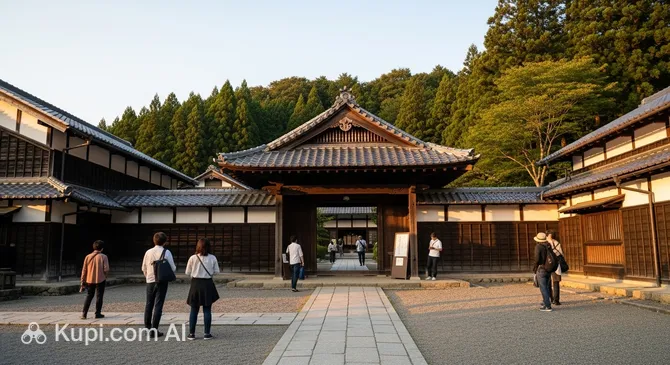
Gujo is a charming city nestled in the heart of Gifu Prefecture in Japan. Surrounded by picturesque green mountains and crisscrossed by two crystal-clear rivers—the Nagara and the Yoshida—its location makes Gujo a true gem of the Tokai region, where traditional Japanese architecture blends harmoniously with the natural landscape. Despite its secluded feel, it is easily accessible from major cities, and most attractions can be explored in a single day.

With a population of about 39,000 people, Gujo retains the unique atmosphere of a small provincial town where time seems to slow down. Narrow streets, old wooden houses, and the unhurried rhythm of local life create a special sense of peace and immerse visitors in the atmosphere of old Japan.
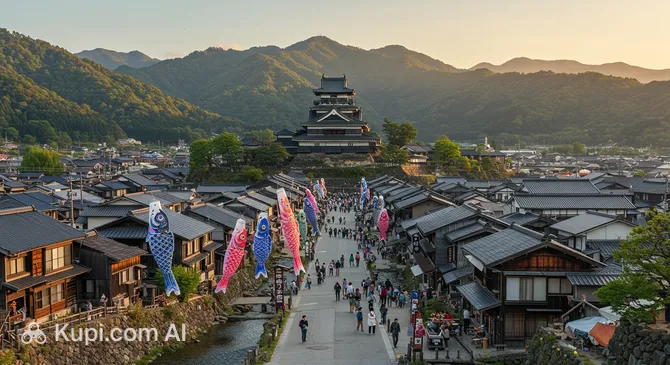
Gujo. Illustration.
Source: Kupi.com AI

Gujo is famous for its magnificent wooden castle, proudly perched on a hill offering breathtaking views. The city is also known for its vibrant summer Gujo Odori dance festivals, which attract many participants and spectators, as well as its unique local crafts. Strolling along the pristine water canals that thread through the city provides a feeling of tranquility and harmony.

Gujo is definitely worth a visit if you are looking for authentic experiences and wish to dive into the country's traditional culture. This city is an ideal destination for those who appreciate leisurely walks, historical heritage, and the beauty of Japanese nature. Here, everyone will find something for the soul: from exploring ancient traditions and crafts to enjoying peace and quiet away from the hustle and bustle of the city.

You can find more interesting facts on the history of Gujo page.
Weather Overview

The weather in Gujo is characterized by noticeable seasonal changes. Summer, especially in July and August, is warm here: the average temperature in August reaches 24.7°C, with maximum values potentially rising to 28.2°C. July is the wettest month with the highest rainfall (about 15 mm) and a high number of rainy days. Winters are cold: in January, the average temperature is about 0.3°C, with night frosts dropping to -3.2°C. December is also cold, with an average temperature of around 2.7°C. In winter, the amount of precipitation is small (about 4 mm per month), but it occurs frequently, mostly as snow, with many overcast days.

Spring and autumn are transitional seasons with more moderate temperatures. For example, in April, the average temperature rises to 10.9°C, and in October, it is about 14.8°C. Precipitation is distributed throughout the year, but its peak occurs in the summer months. Expect a warm and humid summer with frequent rain, and cold winters with frequent snow. For more detailed weather information, you can explore the climate of Gujo.

Average monthly temperature

Average monthly precipitation

Interesting Facts

Beyond its picturesque streets and rich history, Gujo hides many surprising features that make it a truly unique place. Ready to learn some curious details about this charming city?

Gujo Hachiman Castle. Illustration.
Source: Kupi.com AI

Traveler photos:

  • The Birthplace of "Appetizing" Replicas: Gujo is rightfully considered the capital of food replica production, which decorates restaurant windows all over Japan. This is where the famous Iwasaki Sample Village is located, where anyone can try their hand at creating surprisingly realistic models of sushi or tempura.

  • The Endless Summer Dance: Every summer, Gujo comes alive thanks to the Gujo Odori festival—one of the longest and largest dance celebrations in Japan. For over 30 nights from mid-July to early September, the city streets are filled with music and dancing, culminating in the four days of Obon, when the dancing continues all night long. This event is recognized as an Important Intangible Folk Cultural Property of Japan.

  • The Wooden Guardian of History: The majestic Gujo Hachiman Castle, originally built in the 16th century, was reconstructed in 1933 entirely out of wood. This makes it a rare example of wooden castle architecture in Japan, unlike many other castles that were restored using concrete. Its walls offer a magnificent view of the city.

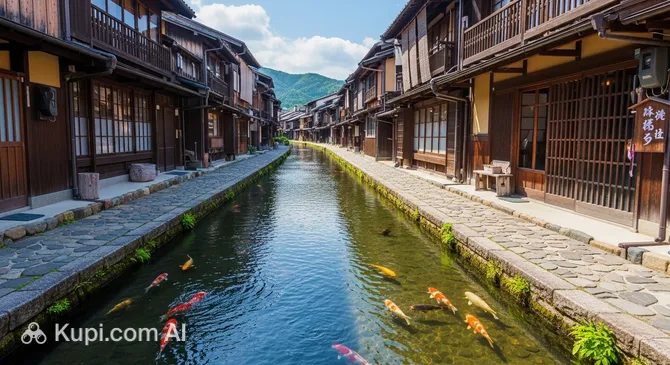
  • Crystal Clear Water Arteries: Gujo is famous for its pure water canals that thread throughout the city. The water is so clean that locals still use it for household needs, such as rinsing vegetables or cooling drinks, and koi carp swim peacefully in the canals. There is even a legend that once you could send a paper boat down these canals, and it would float all the way to the castle.

How to Get There

When planning a trip to this picturesque mountain region, it's important to think about your route in advance. Gujo is located deep in Gifu Prefecture, and there are several ways to get here using a combination of trains and buses. You can find all the details and schedules by following the link: all ways to get to the city.

There is no airport in Gujo itself, so travelers usually fly into major transport hubs in neighboring cities. The main gateway for the region is Chubu Centrair International Airport (NGO), located in Nagoya, about 100 km from Gujo. It is a major hub with many international and domestic flights. A trip from there by taxi or rental car takes about 2 hours. You can also take an express train to Nagoya and then transfer to a bus or train to Gujo.

Another convenient option is Komatsu Airport (KMQ), located in the city of Komatsu, approximately 88 km away. It is a regional airport with fewer flights but is geographically slightly closer. Travel time by car is about 1 hour and 40 minutes. You could also consider flying into Toyama Airport (TOY) in Toyama (about 102 km from Gujo) if your route takes you through the northern coast.

For your convenience, here is a summary of the main airports:

AirportPassenger trafficDistance
Nagoya Airport735 00055 km
Komatsu Airport1.8 mln88 km
Matsumoto Airport112 61898 km
Chubu Centrair International Airport12.3 mln100 km
Toyama Airport736 740102 km

Regarding rail connections, Gujo does not have Shinkansen bullet train stations. The city's main rail artery is the scenic Nagaragawa Railway, which connects Gujo with Mino-Ota (where you can transfer to JR lines leading to Nagoya and Gifu). A train ride on this line is an adventure in itself, with views of the river and mountains. However, many tourists prefer the highway express buses that depart from Nagoya and Gifu, delivering passengers directly to the center of Gujo (Gujo Hachiman Inter) faster and often without transfers.

Main Attractions

Gujo, a charming city in Gifu Prefecture, is famous for its picturesque waterways and rich history. Every traveler will find something interesting here, from ancient castles to unique museums and natural wonders.

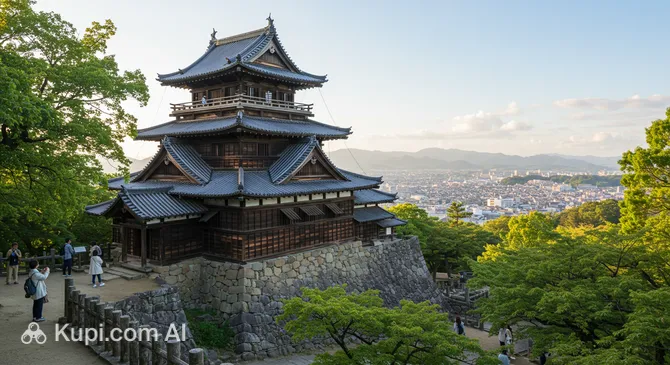
One of the city's main jewels is Gujo Hachiman Castle. Perched proudly on a hill, this castle is considered one of the oldest reconstructed wooden castles in Japan. It was rebuilt in 1933 and serves as a symbol of the city. Its observation deck offers breathtaking panoramic views of Gujo and the surrounding mountains. A visit to the castle is an opportunity to touch samurai history and enjoy magnificent architecture.

Gujo Hachiman Castle. Illustration.
Source: Kupi.com AI

Traveler photos:

Equally interesting and unique is the Iwasaki Sample Village. Gujo is the birthplace of the art of creating incredibly realistic plastic food replicas, which today decorate restaurant windows across Japan and beyond. In this museum-village, you can learn the history of this unusual craft, see impressive exhibits, and even try your hand at creating your own "appetizing" souvenir. This place will especially appeal to those interested in Japanese culture and unusual crafts.

Sample Village Iwasaki. Illustration.
Source: Kupi.com AI

Traveler photos:

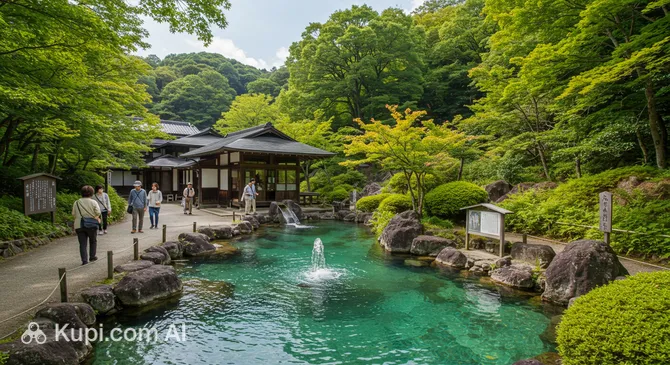
Nature lovers and those seeking quiet walks should visit Sogi Spring, also known as Sogi-sui. This picturesque source of crystal-clear spring water is named after the famous 15th-century poet Iio Sogi, who, according to legend, stayed here. The water from the spring is considered among the best in Japan, and locals still use it for drinking. It is a peaceful place to relax and enjoy the beauty of nature.

Sogi Spring. Illustration.
Source: Kupi.com AI

Traveler photos:

For those seeking adventure and natural beauty, the Otaki Limestone Cave is a must-see. It is one of the largest limestone caves in the Tokai region, offering visitors a fascinating journey into the subterranean world. Inside, you can see impressive stalactites and stalagmites, as well as the largest underground waterfall in Japan, reaching a height of about 30 meters. A walk along the cave's well-equipped trails will provide unforgettable impressions.

Otaki Limestone Cave. Illustration.
Source: Kupi.com AI

Traveler photos:

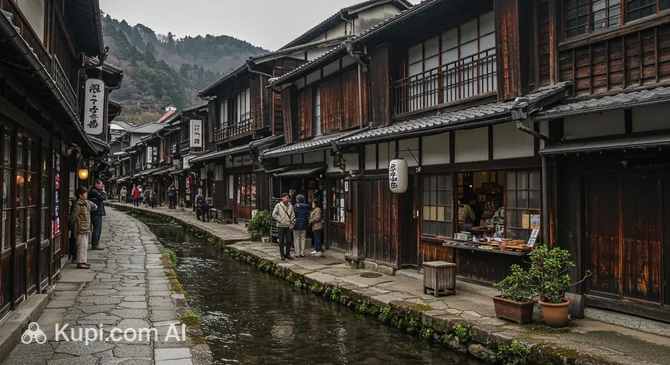
End your introduction to Gujo's charm by strolling through Igawa Lane. This narrow, stone-paved street runs along a picturesque canal where koi carp swim gracefully in the clear water. Traditional houses have been preserved on both sides of the canal, creating an old-town atmosphere. It is the perfect place for a leisurely stroll, photography, and feeling the essence of authentic Japan.

Igawa Lane. Illustration.
Source: Kupi.com AI

Traveler photos:

Local Cuisine

The gastronomy of Gujo is a true reflection of its rich nature and cultural traditions. The city is famous for dishes made from the freshest local products, and the culinary pride is rightfully the river fish, especially ayu (sweetfish). It is grilled over charcoal right on the streets during festivals or served in traditional restaurants, where minimal processing is used to highlight its delicate flavor.

Be sure to try Gujo udon—thick handmade noodles served in a fragrant broth with seasonal vegetables and mushrooms. This dish is particularly popular during the colder months. Also, look out for dishes based on miso, made from fresh local ingredients grown on mountain terraces. Another iconic dish is, of course, the aforementioned ayu fish, which is often grilled.

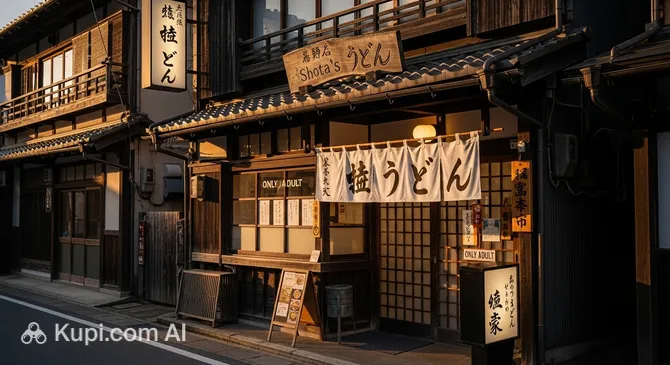
Fans of unusual sweets will enjoy warakuzu—a transparent jelly made from kuzu root, served with honey or soy sauce. At farmers' markets and street stalls, you can always find fresh vegetables, pickled root vegetables, and homemade dumplings. To enjoy authentic udon, we recommend visiting Shota's Udon, known for its traditional recipes.

Shota's Udon. Illustration.
Source: Kupi.com AI

Traveler photos:

Regarding drinks, in Gujo you should try the local sake, which perfectly complements fish dishes and other traditional fare. For those who prefer non-alcoholic options, there are always refreshing drinks based on pure mountain water or local herbal teas. The food culture in Gujo is diverse: locals and tourists alike enjoy both cozy traditional restaurants and lively street stalls, especially during gastronomic festivals like Bon Odori, when the streets are filled with the aromas of grilled fish and onigiri rice balls.

Gujo's culinary scene attracts with its authenticity and use of the freshest seasonal ingredients. In addition to traditional dishes, the city offers unique experiences, such as workshops on creating the famous Japanese food replicas, which is another highlight of Gujo. A trip here is an opportunity not only to enjoy delicious food but also to touch the unique culinary traditions of the region.

Travel Tips

Welcome to charming Gujo! To make your journey to this picturesque corner of Japan as comfortable and memorable as possible, we have prepared some practical tips. They will help you find your way around and enjoy every moment in this amazing city.

  1. Clothing and Essentials:

    The climate in Gujo, as in all of Japan, is characterized by distinct seasons. It can be hot and humid in summer, so choose light, breathable clothing. In winter, it can be cold, sometimes with snow, so warm clothes, including a hat, gloves, and a scarf, will be very useful. Spring and autumn offer moderate weather. The key element of your wardrobe is comfortable shoes, as Gujo, with its old streets and water canals, is best explored on foot. Don't forget an adapter for electrical appliances (Japan uses type A and B sockets, 100V voltage) and a small umbrella or raincoat, especially if you are traveling during the rainy season (June-July). When visiting temples and shrines, choose modest clothing that covers shoulders and knees, and be prepared to remove your shoes before entering.

  2. Getting Around the City:

    Gujo is a small city, and its historic center is perfect for walking. For longer distances, you can use local buses, such as the Gujo Hachiman Town Loop Bus, but keep in mind that their schedule may not be very frequent. Taxis are available but can be quite expensive with frequent use. Renting a car can be useful if you plan to explore the surrounding Gifu Prefecture, but you may encounter parking difficulties within Gujo itself. An international driving permit is required to rent a car.

  3. Finances:

    The official currency of Japan is the Japanese Yen (JPY, ¥). You can exchange currency at banks or post offices, but in small cities like Gujo, there may be fewer than in major metropolises. It is recommended to have some cash on arrival. Credit cards (Visa, Mastercard) are accepted in hotels, large stores, and some restaurants, but small shops, markets, and traditional ryokans often prefer cash. ATMs that accept international cards can usually be found at post offices (Japan Post Bank) and 7-Eleven convenience stores (Seven Bank ATMs). An estimated daily budget could be 7,000-15,000 JPY, excluding accommodation. It is important to remember that tipping in Japan is not expected and may be perceived as a gesture of disrespect.

  4. Health and Safety:

    Japan is one of the safest countries in the world, and Gujo is no exception. The risk of encountering crime is minimal, and you can feel at ease even during evening walks. There are pharmacies in the city, but the staff may not always speak English, so it's better to have a basic set of medications with you. Not all pharmacies are open 24/7. If you need medical assistance, contact local clinics or hospitals. Travel insurance is highly recommended. General precautions are standard: watch your belongings in crowded places and be ready to follow instructions in case of rare natural events like earthquakes.

  5. Communication:

    The national language is Japanese. The level of English proficiency among the local population, especially outside major tourist centers, may not be high. However, you can find English-speaking staff in tourist information centers and some hotels. Learn a few basic phrases in Japanese: "Konnichiwa" (Hello), "Arigato" (Thank you), "Sumimasen" (Excuse me/I'm sorry)—it is always appreciated. For connectivity, you can purchase a tourist SIM card (usually at airports or large cities) or rent a portable Wi-Fi router. Free Wi-Fi is often available in hotels and some public places. Google Maps and Google Translate will be useful apps.

  6. Local Etiquette:

    Japanese people are very polite and value respect for their traditions. A greeting is usually accompanied by a slight bow (o-jigi). In public places, especially on transport, try to speak quietly. It is not customary to eat or drink while walking on the street (except in designated areas). Be sure to remove your shoes when entering private homes, temples, many traditional restaurants, and ryokans. Japanese people are usually reserved in showing emotions, and a direct refusal is considered impolite, so "no" is often expressed indirectly.

  7. Things to Avoid:

    To avoid offending locals and embarrassing situations, try not to stick chopsticks vertically into rice (this is associated with funeral rituals) and do not blow your nose loudly in public (it's better to go to a restroom). Also, as mentioned, do not leave tips—it is not done.

  8. Gujo Speciality:

    Gujo is famous for its summer dance festival Gujo Odori, which takes place from July to September. If your trip falls during this time, don't miss the chance to join the fun and dance with the locals—it's an unforgettable experience! The city is also famous for producing incredibly realistic plastic food models (sampuru). You can even attend a workshop and try to create your own culinary "masterpiece."

We hope these tips help you plan an unforgettable trip to Gujo. This city, with its unique atmosphere, rich culture, and hospitable residents, will surely leave you with the warmest memories!

Entertainment & Nightlife

In the evening, Gujo offers its guests a peaceful and authentic atmosphere rather than the noisy nightlife of a metropolis. You won't find large nightclubs or neon-lit districts here, but you can enjoy a quiet evening in traditional Japanese style. Most entertainment is centered around cozy restaurants, small bars, and izakayas where you can taste local cuisine and sake.

The heart of Gujo's evening life usually beats in its historic center. A walk through ancient streets, such as the picturesque Igawa Lane or the charming Yanaka Lane, can be a wonderful start to the evening. Many local restaurants and bars are located here, creating a cozy and welcoming environment. The atmosphere in these establishments is usually very calm, perfect for leisurely conversation. The crowd here consists of both locals and tourists who appreciate the traditional way of life.

Igawa Lane. Illustration.
Source: Kupi.com AI

Traveler photos:

For dinner, you might consider places like Shota's Udon, which serves excellent noodles, or Uotora, known for its fresh fish dishes and local delicacies. These spots are great for getting to know the region's gastronomic culture in a pleasant setting. The dress code in most places is casual, so you can feel comfortable.

When planning an evening in Gujo, keep in mind that many establishments may close earlier than in large cities, especially on weekdays. It is recommended to arrive for dinner not too late and, if possible, check opening hours in advance. Prices in local restaurants and bars are generally moderate. It is convenient to move around the city center on foot. If your accommodation is further away, you can use a taxi, though their availability late at night might be limited. It is better to book a taxi in advance through your restaurant or hotel.

Gujo is a very safe city, and evening walks here are pleasant and worry-free. Locals are friendly, and the overall atmosphere is very calm. Taxis are usually called by phone or through the staff at the venue.

During the day, Gujo offers plenty of interesting activities. You can visit the majestic Gujo Hachiman Castle for beautiful views, stop by the unique Iwasaki Sample Village where the famous Japanese food replicas are made, or enjoy the coolness at Sogi Spring. These attractions will help you better understand the history and culture of this charming corner of Japan.

Parks & Museums

Gujo, a charming city in Gifu Prefecture, invites travelers to enjoy not only its picturesque streets but also to touch its rich cultural heritage through unique museums and peaceful natural spots. Here, everyone will find something for the soul, whether it is contemplating nature or diving into history.

For lovers of natural beauty, Gujo offers several notable sites. Among them are the famous Sogi Spring, known for its crystal-clear water and associated with the name of a famous poet, and the impressive Otaki Limestone Cave. This cave, one of the largest in the Tokai region, amazes with its scale and subterranean beauty, including a unique 30-meter indoor waterfall.

The cultural program in Gujo is equally rich. The majestic Gujo Hachiman Castle is an iconic historical landmark rising above the city and offering panoramic views. To discover unusual local art, visit the Iwasaki Sample Village, where they create incredibly realistic "sampuru" food models. These places provide a vivid look at the city's multi-faceted character.

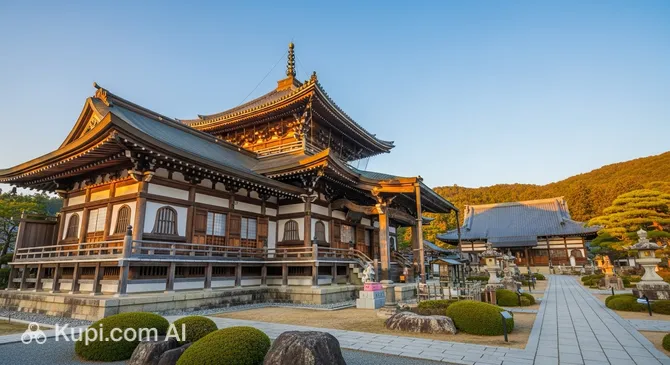
Special attention should be given to Jonzenji Temple. This ancient Buddhist temple is not just an architectural monument, but a place of power and peace. Visitors can immerse themselves in an atmosphere of tranquility while admiring traditional Japanese temple architecture, a well-tended garden, and perhaps witnessing a local ceremony. The temple is an important part of Gujo's spiritual life and offers a deep connection with Japanese traditions.

Jionzen-ji Temple. Illustration.
Source: Kupi.com AI

Traveler photos:

To truly feel the spirit of old Gujo, go for a walk through its picturesque alleys. Igawa Lane is known for its pristine canals where koi carp swim gracefully, creating a peaceful scene. However, Yanaka Lane is equally charming, also famous for its waterways and well-preserved traditional houses. This narrow, stone-paved street, with a crystal-clear stream flowing alongside it, feels like a step back in time. Here you can take magnificent photos, enjoy the silence, and watch the slow flow of local life, feeling the authentic atmosphere of an ancient Japanese city.

Yanaka Lane. Illustration.
Source: Kupi.com AI

Traveler photos:

Exploring these parks, museums, and atmospheric corners will allow for a deeper understanding of the culture and beauty of Gujo, leaving unforgettable memories of your trip.

Getting Around

Getting around Gujo and its surroundings is possible via public transport, taxi, as well as by bicycle or on foot, which is especially pleasant for exploring the historic center. Public transport mainly consists of buses and a regional railway line.

The primary form of public transport within the city of Gujo is the bus. They connect various districts, including the train station, the center, and main tourist spots. Fares are usually paid in cash when exiting the bus; sometimes you need to take a ticket when entering, which determines the price upon exit. Bus fares in Gujo typically depend on the distance and can start from about 150-200 yen for a short trip. It is recommended to have small bills and coins, as the driver may not have change for large amounts. Regarding the use of common Japanese IC cards (such as Suica or Pasmo), their acceptance on local bus routes in Gujo may be limited, so it is best to check in advance or be prepared to pay in cash. Information about special bus passes, if available, can also be obtained at the tourist information center. Bus schedules can be found at stops or in the tourist information center; keep in mind that intervals on some routes can be long, especially in the evening and on weekends.

The scenic Nagaragawa Railway passes through Gujo, which is not just a means of transport but also an attraction in itself. Trains on this line connect Gujo with other settlements in the region. Train tickets can be purchased at station counters or, if the station is small and unstaffed, directly from the conductor on the train. The fare on the Nagaragawa line also depends on distance; for example, a trip between key stations can vary in price. Tourists may be interested in special offers, such as one-day passes or excursion packages sometimes offered for this scenic line—check for availability and current prices at stations or the Gujo tourist information center. Acceptance of nationwide IC cards on the Nagaragawa line may not be universal, especially at small stations, so it is recommended to have cash for ticket purchases. This line is particularly popular with tourists wanting to enjoy views of the Nagara River.

For more comfortable and faster travel, especially if you are traveling with luggage or heading to remote areas, you can use taxi services. Taxi stands are usually located at train stations and in the central part of the city. Another popular option for sightseeing in Gujo, especially its historic Gujo Hachiman center, is bicycle rental. Rental points can often be found near tourist sites or information centers. This is a great way to leisurely explore the narrow streets and embankments.

Many of the key attractions in the central part of Gujo, such as Gujo Hachiman Castle and the ancient water canals, are within walking distance of each other. Walking through the city is very enjoyable and allows you to better feel its atmosphere. Before your trip, it is recommended to stop by the local tourist information center to get up-to-date maps, transport schedules, and useful tips.

Accommodation

In Gujo, you will find a variety of accommodation options that will allow you to immerse yourself in the atmosphere of this charming city. The main choices include traditional Japanese inns (ryokans), family-run guesthouses (minshuku), as well as a few small modern hotels and guesthouses. You can find housing for various budgets, from more affordable options to ryokans offering full board with exquisite local cuisine.

For tourists, the most convenient areas are those located near the historic city center. Staying here provides easy access to the main attractions, such as Gujo Hachiman Castle, the picturesque Yanaka Lane, and Sogi Spring. Many ryokans and minshuku are located in these authentic neighborhoods, allowing guests to experience the spirit of old Japan.

Gujo Hachiman Castle. Illustration.
Source: Kupi.com AI

Traveler photos:

When planning a trip to Gujo, especially during the peak tourist season (such as summer during the famous Gujo Odori dance festival or autumn during the maple leaf viewing period), it is strongly recommended to book accommodation in advance. Popular ryokans and guesthouses can be fully booked several months ahead.

As for the price range, it varies: you can find both budget options in small guesthouses and more expensive offers in high-end ryokans with meals included (often featuring a kaiseki dinner and a traditional Japanese breakfast). It is convenient to book accommodation through popular online platforms or, in the case of some traditional ryokans, directly through their websites or by phone if you speak Japanese or English.

Nearby Cities

For those who want to explore the surrounding area, Gujo serves as an excellent starting point for day trips to several interesting nearby locations.

For example, you can head to Mino, famous for its centuries-old tradition of making washi Japanese paper, or visit Gifu, the prefecture's capital, where Gifu Castle stands tall and you can witness the unique ukai night cormorant fishing on the Nagara River. More detailed information about some of these and other neighboring cities is presented below:

CityPopulationDistance
Mino136 97625 km
Yunoshima30 64126 km
Kamikawabe9 78427 km
Yaotsu10 07034 km
Minokamo57 00735 km

These nearby destinations offer a great opportunity to get a deeper look at the rich culture, history, and scenic landscapes of Gifu Prefecture.

Shopping & Souvenirs

Shopping in Gujo is primarily an immersion into the atmosphere of traditional Japan and an opportunity to purchase unique items from local artisans. The city is not known for giant shopping malls but charms with its small shops and craft workshops. Gujo is especially famous for the production of incredibly realistic food replicas (sampuru), which are considered a true art form here.

The main shopping spots are concentrated in the old part of town, where you can stroll through picturesque streets. For example, in the area of Igawa Lane and Yanaka Lane, besides the beautiful views, you will find shops offering local souvenirs, textiles, and sweets. These are not noisy commercial arteries, but rather places for leisurely shopping and getting to know the local culture.

There are no large modern shopping centers in Gujo typical of big cities. The charm of shopping here lies in finding unique items in small family-run stores and workshops scattered throughout the city. This allows for a deeper feel of the local flavor.

There are no permanent large markets in Gujo comparable to those in metropolises. However, small fairs for local products or crafts are sometimes held, especially during festivals or on weekends. It is best to check for information on such events locally or at the tourist center.

The main souvenir worth bringing from Gujo is definitely food replicas (sampuru). They can be found in specialized shops, and at the Iwasaki Sample Village, you can not only buy finished products but also try making them yourself. Also popular are items made from local textiles, specifically indigo-dyed (aizome) fabrics, ceramics, local sake, and traditional Japanese sweets.

Most shops in Gujo are open from approximately 10:00-11:00 until 18:00-19:00. Small stalls and family shops may have more flexible hours and a day off (often Wednesday or Thursday). Credit cards are usually accepted in tourist areas and larger stores, but cash is preferred in small private shops. It is always useful to have some Japanese Yen on hand.

In Japan, a Value Added Tax (VAT) refund system (Tax Free) is available for foreign tourists. Look for shops with the "Japan Tax-Free Shop" logo. To process a tax refund, you must make a purchase of a certain amount (usually from 5,000 yen excluding tax in one shop on one day) and present your passport. Conditions may change, so check the details directly at the store.

Reached the end of the page?

That means the route is fully explored