Support

Ena

About

Ena is a true hidden gem on the map of Japan, nestled in the north of Gifu Prefecture in the heart of Honshu Island. This city offers travelers a unique opportunity to immerse themselves in the atmosphere of the traditional Land of the Rising Sun, far from the hustle and bustle of major metropolises.
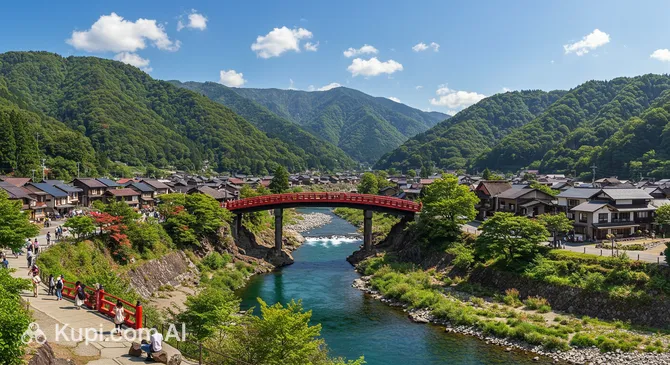
Ena. Illustration.
Source: Kupi.com AI

The city of Ena is surrounded by picturesque hills and forests, while its rivers and lakes lend a special charm to the local landscapes. With a population of about 48,000 people, Ena maintains an ideal balance between a quiet provincial life and the developed infrastructure necessary for tourists. The city plays an important role in the region not only as a cultural and historical center but also as a starting point for exploring the natural beauty of Gifu Prefecture.

The atmosphere of Ena enchants from the very first minutes: imagine leisurely walks along ancient paved streets, past traditional houses home to cozy family cafes and craft workshops. It is here that you can get acquainted with authentic Japan, where century-old traditions and crafts are still carefully preserved. The city is famous for its opportunities to dive into a calm, measured life, allowing guests to enjoy clean mountain air and the hospitality of local residents.

If you are looking for a harmony of nature and culture, wish to discover little-known pages of Japanese history, or simply dream of enjoying a slow pace of life filled with beauty and authenticity, then Ena undoubtedly deserves your attention. This city will be a true discovery for every traveler.

You can find more interesting facts on the history of Ena page.

Weather Overview

The weather in Ena is characterized by distinct seasonal changes. Summers are warm, and sometimes hot, with average temperatures in July and August reaching 24.0°C and 25.3°C respectively, and maximum values up to 27.5°C - 29.0°C. The summer months also see the highest amount of rainfall, especially in July (averaging 13 mm and 24 rainy days).

Winters in Ena are cool, with average temperatures in January and February around 1.8°C - 3.0°C, while minimum temperatures can drop below freezing. Winter months are generally drier, with the lowest precipitation in December (2 mm) and January (3 mm). Spring and autumn are transitional seasons with moderate temperatures and changeable weather. Expect warm, humid summers and cool, relatively dry winters. For more detailed information, check the weather forecast on the Ena Climate page.

Average monthly temperature

Average monthly precipitation

Interesting Facts

Beyond its picturesque landscapes and traditional atmosphere, Ena hides many amazing stories and features that make this city truly unique. Here are just a few interesting facts that will help you see it in a new light:

  • The famous Nakasendo route passes through Ena—one of the five ancient highways of Japan that connected Edo (modern-day Tokyo) and Kyoto. In the city's surroundings, you can still see preserved post stations and merchant houses that transport travelers back to the days of the Edo-period samurai.

  • The city is famous for its distinctive festivals. The spring and autumn celebrations are considered particularly vibrant, when the streets fill with music, dancing, theatrical processions in traditional costumes, and the aromas of local street food.

  • Ena is the birthplace and creative home of several famous Japanese artists and craftsmen, whose works can be seen in local museums and galleries. The city takes pride in its rich craft traditions, including pottery production and unique Japanese washi paper.

  • According to local legend, a guardian spirit dwells in the forests around Ena. It is said that he helps lost travelers find their way and brings luck to those who treat nature with respect.

How to Get There

When planning a trip to this picturesque corner of Gifu Prefecture, it's important to think about your route in advance. The city has good transport accessibility, making it easy to include in your Japanese itinerary. You can find more details on how to get to Ena by checking the information below.

There is no airport in the city of Ena itself, so most tourists arrive via the air gateways of neighboring large cities. The most convenient option is Chubu Centrair International Airport (IATA: NGO), located in Nagoya. It is approximately 86 km from Ena and hosts many international and domestic flights. The journey by car or taxi takes about 2.5 hours. It is a major transport hub with developed infrastructure, from where it is easy to continue your journey by train or bus.

Another option, especially for domestic flights, could be Matsumoto Airport (IATA: MMJ) in Matsumoto, located about 92 km from Ena. This is a small regional airport, and the journey by car takes about 2 hours and 40 minutes. You could also consider Shizuoka Airport (IATA: FSZ) in Shizuoka, located 100 km away, though the number of flights there may be limited compared to Nagoya.

For convenience, here is a summary of the main airports:

AirportPassenger trafficDistance
Nagoya Airport735 00049 km
Chubu Centrair International Airport12.3 mln86 km
Matsumoto Airport112 61892 km
Shizuoka Airport691 274101 km
Toyama Airport736 740135 km

In addition to air travel, the primary way to reach Ena is by rail. The city is served by Ena Station on the JR Chuo Main Line. Most travelers come here from Nagoya: the journey by Rapid train takes about an hour and is the most popular and comfortable route. If you are traveling from Tokyo or Osaka, it is most convenient to take the Shinkansen to Nagoya and then transfer to the local line to Ena.

Main Attractions

The city of Ena and its surroundings are rich in interesting places that attract travelers with their beauty and history. Here, everyone will find something for themselves, from picturesque natural landscapes to cultural sites.

One of the main natural attractions is Ena Gorge (Ena-kyo). This scenic gorge, formed by the Kiso River, is famous for its bizarre rock formations, emerald water, and lush vegetation. It is especially beautiful here in spring during the cherry blossom season and in autumn when the slopes are painted in vibrant colors. Boat trips are organized through the gorge, allowing visitors to fully enjoy the views.

Japanese art lovers should visit the Hiroshige Museum of Art, Ena. The museum is dedicated to the work of Utagawa Hiroshige, one of the greatest masters of ukiyo-e. The exhibition includes many of his famous prints, including works depicting the ancient Nakasendo trail that passed through Ena. This is a wonderful opportunity to immerse yourself in the atmosphere of Edo-period Japan.

For those interested in history, the Iwamura Castle ruins are a must-see. Located on a mountaintop, this castle was once one of Japan's three great mountain castles and the highest among them. Today, impressive stone walls and foundations remain, and a walk through them allows you to touch the past and enjoy panoramic views of the surroundings. The castle is also known for its dramatic history associated with its female ruler, Otsuya-no-kata.

Not far from the center of Ena, in the Akechi district, lies the Nihon Taisho Village (Nihon Taisho-mura). This unique open-air theme park recreates the atmosphere of the Taisho era (1912–1926). Here you can see authentic buildings from that time, including the old town hall, a bank, a hospital, and a post office, as well as feel the spirit of romanticism and modernization characteristic of this period in Japanese history. Visiting Taisho Village is like a journey back in time.

Local Cuisine

The cuisine of Ena is a true reflection of the wealth of local nature and centuries-old culinary traditions. A gastronomic journey through this Japanese city promises an introduction to unique flavors born in harmony with the surrounding mountains and clean rivers. Freshness of ingredients and authenticity of recipes are highly valued here, making every meal a special event.

Be sure to try ayu—a local river fish caught in the crystal-clear waters of the surrounding rivers. It is traditionally grilled with just a light dusting of salt, allowing you to fully enjoy the delicate taste of this delicacy. Another pride of the region is the famous Hida beef. Thanks to its marbled structure and exceptional flavor, it is magnificent as juicy steaks, aromatic yakiniku skewers, or as an ingredient in rich traditional Japanese soups.

Those with a sweet tooth will enjoy desserts made from local chestnuts and rice, as well as traditional dango rice balls. These treats, along with fresh seasonal fruits and vegetables, can be found at Ena's farmers' markets. Street food also offers a variety—from hearty fried dumplings to light snacks that are convenient to try on the go while exploring the city.

As for drinks, it is certainly worth tasting the local sake, which is brewed here according to ancient recipes passed down through generations. Food culture in Ena is closely tied to local products and traditions. Residents and tourists can enjoy a meal in restaurants offering fine cuisine as well as in cozy family-run establishments. Lively markets create a special atmosphere. Throughout the year, the city also hosts gastronomic festivals where you can not only taste a wide variety of local specialties but also participate in masterclasses on cooking traditional Japanese dishes, diving into the secrets of local culinary arts.

Travel Tips

Planning a trip to the charming city of Ena? These practical tips will help you prepare for your journey and enjoy every moment in this picturesque corner of Japan, located in Gifu Prefecture!

  1. Seasonal Clothing and Useful Items: The climate in Ena, as in all of Japan, is clearly divided into four seasons. In summer (June-August), it is quite hot and humid, so bring light clothing and possibly a raincoat, especially in early summer. In winter (December-February), it can be cold and sometimes snows—dress warmly! Spring and autumn offer comfortable weather, ideal for layering. Be sure to bring comfortable walking shoes, as Ena and its surroundings, including Ena Gorge, are perfect for exploration. Don't forget an adapter for your electronics (Japan uses Type A and B sockets, 100V voltage). When visiting temples, choose clothing that covers your shoulders and knees out of respect for local traditions.
  2. Getting Around the City: Ena is a relatively small city, so getting around is quite simple. The main form of public transport is local buses. The JR Chuo Main Line passes through the city, with Ena Station being an important transport hub. If you plan to travel a lot in Japan by train, consider purchasing a Japan Rail Pass. Taxis are available but can be expensive. Renting a car can be convenient for exploring the surroundings of Gifu Prefecture, but remember the need for an international driving permit and that traffic is on the left.
  3. Financial Matters: The local currency is the Japanese Yen (JPY). It is recommended to have some cash on hand, as not all small establishments accept cards, though their use is becoming more widespread. You can exchange currency at airports, large banks, or the post office. International bank cards (Visa, Mastercard) are usually accepted in hotels, large shops, and restaurants, and they work at 7-Eleven and Japan Post Bank ATMs. When budgeting, aim for 7,000 to 15,000 yen per person per day (excluding accommodation and major purchases), depending on your dining and entertainment preferences. You can save money by choosing budget cafes and using transport passes. Tipping is not customary in Japan—good service is considered the norm.
  4. Health and Safety: Japan in general, and Ena in particular, is a very safe place. Pharmacies (look for the sign "薬" - kusuri) are available, but staff may not always speak English, so it's better to have a basic first-aid kit with you. If medical assistance is needed, your hotel staff can help or direct you to a clinic. Travel insurance is highly recommended. Follow standard precautions, especially in crowded places.
  5. Communication and Connectivity: The official language is Japanese. English proficiency in smaller cities like Ena may be limited, especially among the older generation. However, in tourist areas and hotels, staff often speak English. Learn a few simple phrases: "konnichiwa" (hello), "arigato" (thank-you), "sumimasen" (excuse me/sorry). For connectivity, consider renting a pocket Wi-Fi router or buying a local SIM card (available at airports). Free Wi-Fi is found in hotels, some cafes, and public places. Download useful apps to your smartphone in advance: offline maps (e.g., Maps.me or Google Maps with downloaded maps), a translator (e.g., Google Translate with an offline Japanese pack), and a public transport route planner (e.g., HyperDia or Jorudan).
  6. Local Etiquette: Japanese people are very polite and value respect for their culture. When greeting someone, a slight bow is appropriate. In public places, especially on transport, try not to speak loudly. Remove your shoes before entering Japanese homes, some temples, and traditional restaurants (ryokans). It is not customary to eat or drink while walking on the street.
  7. What to Avoid: Try not to stick your chopsticks vertically into a bowl of rice—this is associated with funeral rituals. Also, avoid passing food from your chopsticks directly to another person's chopsticks. Loud phone conversations in public places, especially on trains and buses, are considered bad manners.
  8. Special Tip for Ena: Be sure to visit the picturesque Ena Gorge (Ena-kyo)—it is the city's main natural attraction. You can take a boat trip or simply enjoy the views. Ena is also famous for its chestnuts. Don't miss the chance to try local chestnut sweets, especially "kurikinton"—it's a true delicacy of the region!

We hope these tips make your trip to Ena as comfortable and enjoyable as possible. Enjoy the unique atmosphere, beautiful nature, and hospitality of this wonderful Japanese city!

Entertainment & Nightlife

Ena offers its guests a calmer and more authentic version of nightlife, which differs from the noisy entertainment of large cities. Here you won't find massive night clubs operating until dawn, but you can enjoy the cozy atmosphere of local establishments and have a pleasant evening.

The core of evening entertainment in Ena consists of traditional Japanese pubs—izakaya—where you can try various local dishes, sake, and other drinks in an informal setting. Small bars and restaurants offering both Japanese and international cuisine that operate during evening hours are also popular. The atmosphere in such places is usually very friendly and welcoming, geared towards locals and tourists looking for a quiet rest. The dress code is generally casual and requires no special preparation.

Most establishments where you can spend an evening are concentrated in the central part of the city, especially around Ena Railway Station. By walking through these streets, you can choose a place to your liking. If you are looking for something specific, look for places specializing in local drinks or restaurants with good reviews. For example, you might look for a cozy bar with local beer or sake, or a restaurant offering a traditional dinner. Singing enthusiasts can also find karaoke bars, which are popular throughout Japan.

When planning your evening, keep in mind that many establishments in small cities like Ena may close earlier than in large centers—usually around midnight or slightly later, especially on weekdays. The best time to visit is from 8:00 PM to 10:00 PM. While card payments are becoming more common, it is recommended to carry some cash. To get back to your hotel at night, it is most convenient to use taxis, which can be found at the station or called by phone.

Regarding safety, Ena, like most Japanese cities, is considered very safe. However, as elsewhere, it is worth following standard precautions during night walks, especially if traveling alone.

During the day, Ena and its surroundings also offer many interesting activities. Located in Gifu Prefecture, known for its rich nature and cultural heritage, Ena can serve as a starting point for exploring picturesque valleys, mountains, and traditional villages. You can visit local museums to get a deeper look into the history and crafts of the region, or simply enjoy a walk in one of the city parks.

Parks & Museums

The city of Ena, located in Gifu Prefecture, offers its guests a harmonious blend of picturesque natural landscapes and rich cultural heritage. Here you can enjoy the tranquility of parks and squares, as well as immerse yourself in history and art by visiting local museums and historical sites.

One of the main natural jewels of Ena is Ena Gorge (Enakyo). This impressive site, formed by the Kiso River, is famous for its bizarre rock formations and magnificent views, which are especially beautiful during the autumn foliage season. Boat trips through the gorge or contemplating its beauty from observation decks, such as those in Megumi-no-Oka Park, will provide unforgettable impressions. For outdoor enthusiasts, there are also hiking trails that allow you to fully appreciate the beauty of the local nature.

Ena's cultural life is just as vibrant. A must-see for connoisseurs of Japanese art is the Ena City Nakasendo Hiroshige Museum. It presents an extensive collection of works by the famous ukiyo-e master Utagawa Hiroshige, including his renowned series of prints "The Sixty-nine Stations of the Kisokaido". To better understand the history of the region, it is worth visiting the Ena Nakasendo Museum, whose exhibitions tell the story of the city's role on the ancient Nakasendo highway and the life of local residents across different eras.

Ena and its surroundings are rich in historical monuments. Special attention should be paid to the old town of Iwamura, which is part of Ena and has preserved the charm of feudal Japan. Walking through its narrow streets, you can see traditional houses, old shops, and feel the atmosphere of past centuries. Nearby rise the Iwamura Castle ruins, one of Japan's three greatest mountain castles. The climb to the ruins is rewarded not only by a touch of history but also by breathtaking panoramic views of the surrounding countryside.

For a more authentic experience in Ena, try visiting small craft shops where you can find unique handmade souvenirs, or visit local markets to get acquainted with the region's seasonal products. Also, don't miss the opportunity to try local cuisine in cozy family restaurants hidden away from the main tourist routes—this will allow for a deeper immersion into the city's daily life.

Getting Around

When planning your travel around Ena, it's worth noting that it is a small city, and its transport system reflects its size. The main form of public transport here is the bus, which connects various districts of the city and its surroundings, including access to Ena Railway Station, which is an important transport hub.

The bus network in Ena is managed by several companies, and routes cover both the city center and more remote areas. Bus fares are most often paid in cash directly upon boarding or exiting the bus (depending on the specific carrier's system). The fare usually depends on the distance traveled. In some cases, regional IC transport cards may be accepted, but it's easier for tourists to rely on cash. Information about routes and schedules can be found at bus stops and sometimes on the transport companies' websites, though it may be predominantly in Japanese.

For tourist convenience: single-trip tickets are purchased from the driver. When entering the bus through the rear door (a common practice in Japan), you can take a ticket with a stop number, and when exiting through the front door, pay the driver the amount corresponding to your ticket on the display above the driver's cab. Buses usually run from early morning until evening, but the frequency of service may be low, especially in the evenings and on weekends. It is recommended to plan your trips in advance, especially if you are heading to less central areas.

In addition to buses, other ways of getting around are available in Ena. Taxis can be found at the railway station and other key points in the city, or called by phone. This is a more expensive but comfortable option, especially for trips with luggage or at night. Bicycle rental is also a popular choice for exploring the city, especially its central part and picturesque surroundings. Rental points can be found near the station or in tourist information centers. This is a great way to leisurely explore Ena and enjoy its atmosphere.

While there is no subway or tram system in Ena itself, Ena Station, served by the JR Chuo Main Line, plays a key role in connecting with other cities in the region and the country. For movement directly within the city limits, the main emphasis is on bus services and individual modes of transport.

Accommodation

When planning a trip to Ena, you will find a variety of accommodation options to suit different preferences and budgets. More economical options like guesthouses are available in the city, alongside comfortable mid-range hotels. Traditional Japanese inns—ryokans—deserve special attention, offering a unique experience of immersion into the local culture.

When choosing a place to stay in Ena, many tourists prefer areas near Ena Railway Station. This provides easy access to public transport for trips around the city and its surroundings. Accommodation options near major attractions are also popular if you plan to spend a lot of time sightseeing.

In Ena, you can find standard hotels offering the usual set of services for a comfortable stay, as well as the aforementioned traditional ryokans. Ryokans often offer not just a place to sleep, but also "kaiseki" style dinners (a traditional multi-course Japanese meal) and the opportunity to visit communal Japanese baths. The choice of a specific hotel or ryokan will depend on your preferences and budget.

Booking Tip: It is highly recommended to book accommodation in Ena in advance, especially if your trip coincides with peak tourist seasons. These seasons include the cherry blossom period in spring or the "momiji" autumn foliage viewing time. Early booking not only guarantees availability but often allows you to get better prices.

The price range for accommodation in Ena is quite wide: from budget options to more expensive offerings in high-class ryokans or hotels with an extended range of services. You can book accommodation through various methods: via popular international online booking platforms, travel agencies, or directly on the official websites of hotels and ryokans.

Nearby Cities

For those who want to explore the surrounding area, Ena serves as an excellent starting point for day trips to several interesting nearby locations:

CityPopulationDistance
Nakatsugawa75 5009 km
Mizunami36 72117 km
Toki55 38823 km
Yaotsu10 07025 km
Mitake17 53626 km

These nearby destinations offer insight into the diverse culture and landscapes of the region.

Shopping & Souvenirs

Shopping in Ena is more about immersing yourself in the local atmosphere and finding authentic goods than chasing global brands. The city offers a pleasant experience for those who value unique finds and the work of local artisans. Here you can purchase both traditional Japanese souvenirs and high-quality everyday goods.

The main shopping spots in Ena are usually concentrated along the central streets and near the railway station. These can be small family-run shops, specialty boutiques, and a few larger department stores offering a diverse range of products—from food to clothing and household supplies. A walk through these areas will allow you to feel the city's rhythm and find interesting items.

While Ena may not have the massive modern shopping malls typical of metropolises, you can find smaller-scale shopping centers or department stores where various shops are gathered under one roof. They offer convenient shopping and a wide selection of goods, including clothing, cosmetics, electronics, and souvenirs.

To get to know local products and handmade items, pay attention to markets if any are held during your visit. These could be morning markets with fresh farm products, seasonal vegetables, and fruits, as well as craft fairs where local artisans sell their creations. Such places are a great opportunity to buy something truly unique and support local producers.

As souvenirs from Ena and Gifu Prefecture, you can bring back traditional Japanese ceramics (for example, Mino-yaki style pieces, characteristic of this region), woodwork, and textiles, including beautiful scarves or small silk accessories. Local sweets, such as senbei rice crackers or traditional Japanese wagashi confectionery, are also popular. Don't forget to stop by shops specializing in local sake or green tea.

Most shops in Ena operate from around 10:00 or 11:00 AM until 7:00 or 8:00 PM. Small family-run shops may have their own, more flexible schedules. Large stores and department stores usually accept credit cards, but in small shops and at markets, it is preferable to have cash (Japanese Yen). ATMs that accept international cards can usually be found in post offices and some convenience stores (konbini).

For foreign tourists in Japan, a Tax-Free system applies to purchases over a certain amount in participating shops. These are usually shops with the corresponding "Japan Tax-free Shop" logo. You will need your passport to process a tax refund. Check the specific conditions directly in the stores, as rules may apply to certain categories of goods and minimum purchase amounts.

Reached the end of the page?

That means the route is fully explored