Support

Iida

About

Iida is a charming city nestled in the south of Nagano Prefecture, in the very heart of Japan. Surrounded by picturesque mountains and valleys, the area seems designed for those who appreciate leisurely walks, fresh air, and breathtaking natural views. Thanks to its location, the city has become a gateway to the scenic and welcoming region of southern Nagano, where centuries-old traditions meet modernity.
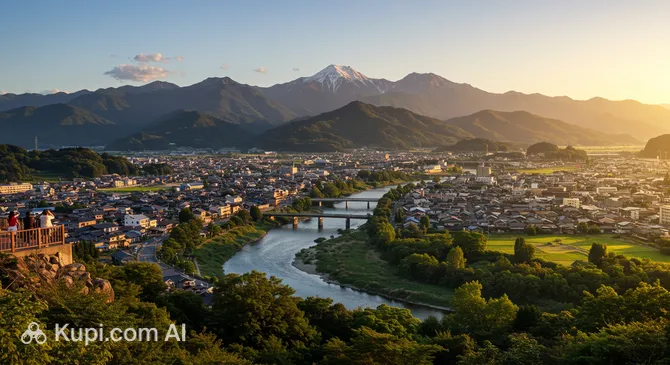
Iida. Illustration.
Source: Kupi.com AI

With a population of about 96,642 people, Iida is not a metropolis, which gives it a special atmosphere of comfort and tranquility. Originating as a castle town for the Hori samurai clan, it received official city status in 1937. Today, Iida is an administrative center where ancient traditions and modern amenities blend harmoniously. The city's atmosphere is a unique combination of antiquity and the energy of modern Japanese life: narrow streets, historical buildings, picturesque parks, and numerous onsens (hot springs) create a special, peaceful mood.

Iida attracts tourists with its natural treasures, such as magnificent mountain landscapes and clear rivers, ideal for active recreation. One of the city's key features is its famous thermal springs (onsens), offering relaxation and rejuvenation. Also noteworthy is the rich cultural heritage associated with samurai history and traditional crafts, which are still carefully preserved by local residents.

If you are looking for a place to escape the city bustle, want to enjoy the beauty of Japanese nature, and immerse yourself in the atmosphere of authentic provincial life, Iida will be a real discovery for you. This city offers something for everyone: from relaxing in onsens and walking along scenic trails to exploring the region's unique history and delicious local cuisine.

You can find more interesting facts on the history of Iida page.
Weather Overview

The weather in Iida is characterized by a distinct change of seasons. Summer, especially in July and August, is warm here: the average temperature in August is 22.4°C, and maximum values can reach 26.2°C. Summer months are also the wettest; for example, in July there is about 12 mm of precipitation, and this month has an average of 23 wet days. Winters in Iida are cold. In January, the average temperature drops to -2.1°C, and the minimum can reach -5.8°C. Winter precipitation is moderate, about 3-4 mm per month, often falling as snow, with November usually having the lowest number of wet days (about 11). Spring and autumn are transitional seasons with milder and more changeable weather.

For more detailed climate information and a current forecast, you can visit the weather in Iida page.

Average monthly temperature

Average monthly precipitation

Interesting Facts

Beyond its main attractions, the city of Iida holds many fascinating secrets and unique features that make it a truly special place in Japan. Here are just a few interesting facts to help you look at Iida from a new perspective:

  • "The City of Puppets" – this is how Iida is often called, and for good reason! Every year, it hosts the famous Puppet Theater Festival, bringing together masters and enthusiasts of this art from across the country and abroad. This vibrant tradition has deep historical roots and is the city's hallmark.

  • Iida is famous for its hot springs (onsens). The Hirugami resort is particularly popular, where you can not only relax in healing waters but also enjoy stunning views of the surrounding mountain landscapes.

  • In the past, Iida played an important role as a trade and cultural hub for the region. Significant trade routes connecting northern and southern Japan passed through the city, and local fairs and holidays, many of which have preserved their atmosphere to this day, were famous far beyond its borders.

  • The history of Iida is inextricably linked with the Hori samurai clan, who are considered the city's founders. Local legends and lore still carefully preserve the memory of these warriors, and the city itself prides itself on its rich cultural heritage, including masters of traditional crafts and puppet theaters.

How to Get There

Reaching the picturesque city of Iida, located in the mountainous region of Nagano Prefecture, can be done in various ways. Since the city is situated deep within the island of Honshu, the journey here often involves a combination of high-speed trains and local lines or buses. If you are planning a route, we recommend reviewing the full information and discovering all ways to get to the city.

Iida does not have its own airport, so most international travelers fly into major hubs in neighboring regions. The most convenient option is Chubu Centrair International Airport (IATA: NGO), located in Nagoya. It is approximately 118 km from Iida. This is a major transport hub with many international flights. The drive from the airport to Iida by rental car or taxi will take about 3–3.5 hours, but most tourists prefer using the convenient bus service or trains with a transfer in Nagoya.

Another option, especially for domestic flights, is Matsumoto Airport (IATA: MMJ). It is located in the city of Matsumoto, much closer to the destination—only 73 km from Iida. This is a small regional airport that accepts fewer flights, but the journey from there will take less time—about 2 hours by car. You can also consider Shizuoka Airport (IATA: FSZ) in Shizuoka City (86 km), which also serves several destinations.

For clarity, here is summary information on the main airports through which you can reach the region:

AirportPassenger trafficDistance
Matsumoto Airport112 61873 km
Shizuoka Airport691 27486 km
Nagoya Airport735 00086 km
Chubu Centrair International Airport12.3 mln118 km
Toyama Airport736 740138 km

Regarding rail connections, Iida is served by the JR Iida Line, which is famous for its scenic views of the valley and mountains. Although there are no direct Shinkansen bullet trains to the city itself, you can travel to major transfer hubs like Toyohashi or Okaya and transfer to a local train to Iida Station. Traveling by rail takes longer than by bus but offers unforgettable impressions of the Japanese landscape.

Main Attractions

Iida, comfortably located in Nagano Prefecture, offers travelers both natural beauty and unique cultural sites. Surrounded by the Japanese Alps, this city is a wonderful place to experience the traditions and art of the region.

One of the popular family attractions is the Iida City Zoo. It is a small but very cozy zoo where you can see a variety of animals, including capybaras, penguins, and red pandas. It is especially valued for its friendly atmosphere and the opportunity for close encounters with some inhabitants, making it an ideal place to visit with children. The zoo is also known for its efforts in rare species conservation.

Iida City Zoo. Illustration.
Source: Kupi.com AI

Traveler photos:

For connoisseurs of traditional Japanese art, the Mizuhiki Museum is a must-visit. Mizuhiki is an ancient Japanese art of creating decorative knots and figures from special paper cords. The museum features both historical specimens and modern works, demonstrating the incredible delicacy and elegance of this craft. Visitors can not only admire the exhibits but also learn about the history and techniques of mizuhiki, and sometimes even participate in workshops.

Another iconic site is the Kawamoto Kihachiro Puppet Museum. It is dedicated to the work of the famous Japanese puppet master and animator Kawamoto Kihachiro. The exhibition displays his amazing puppets used in films and theatrical productions. This place immerses you in the magical world of puppet art and allows you to appreciate the skill and imagination of the creator.

History buffs should pay attention to the Iida Castle Ruins (Iida-joshi). Although not much remains of the castle itself, which was built during the Sengoku period, the surrounding area has been turned into a picturesque park. It is a great place for walks, especially in the spring during the cherry blossom season. Here you can feel the spirit of the past and imagine what the castle looked like in former times while enjoying beautiful views of the city and the surrounding mountains.

Local Cuisine

The gastronomy of Iida is a true reflection of the bounty of Nagano Prefecture's fertile lands. The culinary pride of the city lies in the use of the freshest seasonal products. Local vegetables, aromatic mushrooms, and tender river fish become the basis for many delicious dishes, from light soups to hearty fried delicacies.

One of the most recognizable and beloved traditional treats of the region is gohei-mochi. These are appetizing rice cakes skewered on sticks, grilled and coated with a sweetish miso sauce or aromatic nut paste. This simple but incredibly tasty dish can often be found at street markets and during numerous local festivals. Don't miss the chance to try dishes made from freshly caught river fish, which are prepared here in a wide variety of ways.

Traditional drinks make a wonderful accompaniment to local dishes. Iida is famous for its exquisite varieties of sake and fragrant umeshu (plum wine). These drinks harmonize perfectly with both fish and vegetable dishes, revealing new facets of their taste. In the markets, you can also find fresh seasonal fruits and homemade sweets prepared according to ancient recipes.

Food culture in Iida is closely linked to seasonality and local traditions. You can get acquainted with authentic cuisine at lively markets, which are especially colorful in spring and autumn when the harvest brings new flavors and aromas to the city. Iida regularly hosts gastronomic festivals where you can try not only classic Japanese dishes but also bold original interpretations from local chefs. This is a great opportunity to immerse yourself in the holiday atmosphere and enjoy the full diversity of local cuisine.

Travel Tips

Planning a trip to the charming city of Iida? Wonderful! To ensure your journey through this corner of Japan goes smoothly and leaves only pleasant impressions, we have prepared some practical tips.

  1. Clothing and Essentials: The climate in Iida, as in all of Nagano Prefecture, is characterized by distinct seasonality. In summer (June-August), it is warm and humid, so choose light, breathable clothing. Spring and autumn will please you with comfortable temperatures, ideal for walking—layering will be your best friend. In winter, expect cold and snow, so warm clothes, including a hat, gloves, and a scarf, are mandatory. Always bring comfortable shoes, as exploring the city and its surroundings is best done on foot. Don't forget an adapter for electronics (Japan uses Type A and B sockets, 100V voltage). When visiting temples and shrines, choose modest clothing that covers shoulders and knees.

  2. Getting Around the City: In Iida, the main form of public transport is buses. Schedules and routes can be checked at stations or using online maps. For longer trips within Nagano Prefecture or to other cities in Japan, it is convenient to use trains. Taxis are available but can be expensive. International taxi apps are less common here than local services. Renting a car can be a good option for exploring the region's natural beauty, but keep in mind that you will need an International Driving Permit, and parking in cities can be paid and limited.

  3. Finance and Currency: The official currency of Japan is the Japanese yen (JPY). It's best to exchange currency at the airport upon arrival or at major banks; in small cities like Iida, exchange points may be limited. Credit and debit cards are accepted in many hotels, large shops, and restaurants, however, cash remains very important, especially in smaller establishments, at markets, and for paying entrance fees to some attractions. ATMs in post offices (Japan Post Bank) and 7-Eleven stores usually accept international cards. Tipping in Japan is not practiced and may be perceived as impolite.

  4. Health and Safety: Japan is one of the safest countries in the world, and Iida is no exception. The crime rate here is very low. Pharmacies (薬 - "kusuri") are easy to find, but staff may not always speak English, so have a list of necessary medications or use a translator. If you need medical assistance, contact a local clinic or hospital. Travel insurance is highly recommended. There are no specific "unsafe" areas in Iida, but always observe basic precautions.

  5. Language and Communication: The official language is Japanese. The level of English proficiency in Iida, as in most smaller Japanese cities, may be low. Learn a few basic phrases: "Konnichiwa" (Hello), "Arigato" (Thank you), "Sumimasen" (Excuse me/I'm sorry). For stable internet access, it's recommended to purchase a local SIM card or rent a pocket Wi-Fi router. Free Wi-Fi is available in some hotels and public places. Translation apps and maps like Google Maps will be useful.

  6. Local Etiquette: Japanese people are very polite and value respect for traditions. When greeting someone, a slight bow is appropriate. In public places, especially on transport, try to speak quietly and not disturb others. When entering a Japanese home, some temples, and traditional restaurants (ryokans), it is necessary to remove your shoes. When using chopsticks, do not stick them vertically into rice or pass food from chopsticks to another person.

  7. What to Avoid: Try not to talk loudly on the phone in public transport—this is considered bad manners. It is also not customary to eat or drink while walking on the street (though this rule is becoming less strict in tourist areas). Never leave trash behindJapan is famous for its cleanliness; always take trash with you or dispose of it in designated bins.

  8. Special Features of Iida: Iida is known for its traditional puppet theater, known as "Iida Ningyo Geki" (Bunraku puppets). If your trip coincides with the Iida Puppetry Festival, which usually takes place in August, be sure to try and visit—it is a unique cultural experience. The city is also located on the banks of the scenic Tenryu River, where you can enjoy boat tours known as "Tenryu Rhine Kudari."

We hope these tips help you better prepare for your trip and get the most out of your stay in Iida. This city and its surroundings are full of charm and hospitality, and your journey is sure to be unforgettable!

Entertainment & Nightlife

Iida, located in Nagano Prefecture, may not be famous for wild parties until dawn like Japan's metropolises, but here too you can find interesting options for evening leisure and getting to know the local atmosphere. The city offers its own, more intimate and authentic, nightlife experience.

Evening entertainment in Iida is mainly concentrated around traditional Japanese drinking establishments – izakayas, where you can not only drink but also try various snacks. Small cozy bars and, of course, karaoke boxes, which are an integral part of Japanese leisure culture, are also popular. While specific nightclubs or widely known bars with dedicated pages aren't listed in our data, you will certainly discover welcoming local spots while strolling through the city's central streets. The atmosphere in such places is usually relaxed and friendly, encouraging conversation.

Most evening activity is typically concentrated around Iida's main railway station and the adjacent shopping streets. Here you can find most of the restaurants, izakayas, and bars. The crowd is mostly local, allowing for a deeper immersion into the everyday life of a Japanese city. There is usually no specific dress code; a smart casual style is welcomed.

When planning an evening out, keep in mind that many establishments open around 6:00 PM - 7:00 PM and stay open until midnight or slightly later, especially on weekends. Taxis are the most convenient option for moving around the city late at night. Iida is considered a safe city; however, standard precautions, as in any other place, are never out of place, especially if you are walking alone late at night.

During the day, Iida also offers leisure options. Visitors can visit local parks or small museums to learn about the region's culture and history. For example, one place that might be interesting for families is the Iida City Zoo. It is a great place for a walk and to see various animal species.

Iida City Zoo. Illustration.
Source: Kupi.com AI

Traveler photos:

Overall, nightlife and entertainment in Iida offer a quieter and more local experience compared to major cities. This is a wonderful opportunity to enjoy the authentic atmosphere of the Japanese countryside, taste local food and drinks in a cozy setting.

Parks & Museums

The city of Iida, nestled in Nagano Prefecture, invites travelers to enjoy the harmony of nature in its parks and immerse themselves in the rich local culture through unique museums.

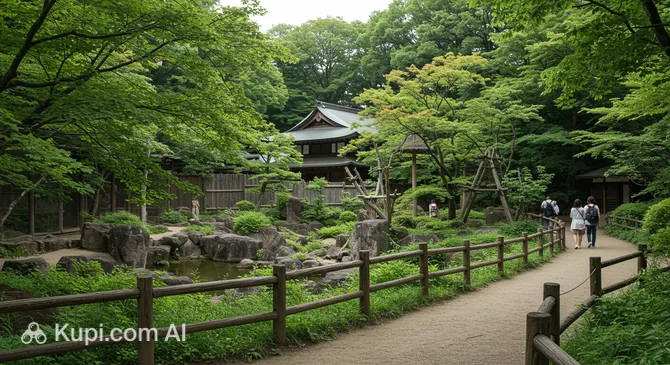
One of the iconic places for a stroll is the Iida Castle Ruins Park. Here you can not only touch history, imagining the former greatness of the fortress, but also enjoy beautiful views, especially in the spring when the cherry blossoms are in bloom, or in the autumn during the period of vibrant colors. This park serves as a popular resting spot for citizens and visitors alike, offering peace and picturesque landscapes.

Iida's cultural heritage is vividly represented in its specialized museums. Special attention is deserved by the Mizuhiki Museum, dedicated to the traditional Japanese art of creating decorative knots and figures from paper cords. Visitors can see exquisite products and learn about the history of this refined craft, which is an important part of the region's cultural identity. No less interesting is the Kawamoto Kihachiro Puppet Museum, where works by the famous puppet theater master are exhibited. This museum highlights Iida's fame as one of the centers for traditional puppet art, known as Bunraku, and allows for a deeper understanding of this unique phenomenon of Japanese culture.

For family leisure and getting to know the animal world, the Iida City Zoo is perfect. Here you can see various representatives of the fauna and spend time usefully, especially if you are traveling with children. The zoo often offers educational programs, making the visit even more engaging.

To feel the atmosphere of Iida more deeply, take a walk through the old streets, where you can find small temples and shrines, each with its own unique history. Stop by local craft shops—perhaps it is there that you will find a souvenir that holds the warmth of a master's hands and a piece of the soul of this charming city.

Getting Around

Public transport in Iida is mainly represented by buses and rail connections, providing fairly convenient travel both within the city and its surroundings. Although there are no subways or trams, the existing system handles the needs of residents and tourists well.

The main form of city transport is buses. Various routes connect central areas, residential neighborhoods, and key sites, including the railway station. Buses generally run on a schedule, which can be found at stops or on the websites of transport companies. Fares are usually paid in cash upon boarding or exiting the bus (depending on the system adopted by the specific carrier). Fares typically start from 200-250 yen for a short trip and increase based on distance. In some regions of Japan, transport IC cards (e.g., Suica, Pasmo, TOICA) are accepted, but in smaller cities like Iida, it's worth checking if they can be used on local bus lines or being prepared to pay in cash. Sometimes drivers can change large bills, but it's better to have small change with you.

Rail connections play an important role, especially for traveling longer distances. The JR Iida Line passes through Iida, linking the city with other towns in Nagano Prefecture and beyond. Trains on this line run less frequently than in major metropolises, so it is recommended to check the schedule in advance, especially if you plan to travel on weekends or holidays. Train tickets can be purchased at station ticket offices or from vending machines. Major Japanese IC cards are usually accepted for payment on JR lines.

Practical tips for tourists:

  • Always carry some cash, especially for paying bus fares.
  • Bus and train schedules are your best friends. They can be found at stations, stops, or online.
  • Public transport hours in Iida may be more limited compared to large cities, especially in the evening and at night. Plan your late-night trips in advance.
  • If you're unsure how to pay the fare or which bus/train you need, don't hesitate to ask drivers or station staff for help, even if it requires using gestures or a translator.

As an alternative to public transport, taxis are always available in Iida. They can be found at dedicated stands by the railway station or called by phone. This is a more expensive but more comfortable way to travel, especially with luggage or when short on time. For exploring the scenic surroundings of the city and Nagano Prefecture, you might consider renting a car, which provides greater freedom of movement. Also, in some areas of the city, you can find bicycle rentals, which is a great way for leisurely rides and getting to know the area. Specialized car-sharing services in Iida are less common, but car rental remains a reliable choice for maximum route flexibility.

Accommodation

When planning a trip to Iida, you will find a variety of accommodation options to suit different preferences and budgets. The city offers both traditional Japanese inns (ryokans) and more familiar Western-style hotels. Guesthouses and possibly short-term rental apartments are also available, though the selection of the latter may be more limited compared to major metropolises.

When choosing a place to stay in Iida, it is worth paying attention to areas located near major transport hubs or attractions of interest. The central part of the city typically offers easy access to shops, restaurants, and some cultural sites. If you are looking for a quieter atmosphere, you can consider options on the outskirts or near the natural beauty for which Nagano Prefecture is famous.

In Iida, you can find accommodation for every taste: from budget options to more comfortable mid-range hotels. Prices can vary depending on the season, the level of the hotel, and its location. It is recommended to book accommodation in advance, especially if your trip coincides with the peak tourist season or national holidays. For searching and booking, it is convenient to use popular online platforms or contact selected hotels directly.

Overall, Iida offers guests a cozy and authentic atmosphere, and the variety of accommodation options will make your stay as comfortable as possible. Don't forget to consider your preferences and itinerary when choosing a hotel so that your trip across Japan leaves only pleasant impressions.

Nearby Cities

For those looking to explore the surrounding area, Iida serves as an excellent starting point for day trips to several interesting nearby locations:

CityPopulationDistance
Matsukawa12 43512 km
Iijima9 03820 km
Komagane31 76326 km
Nakatsugawa75 50029 km
Miyada8 61630 km

These nearby destinations provide insight into the diverse culture and landscapes of the region.

Shopping & Souvenirs

Shopping in Iida offers visitors the chance to discover local goods and traditional crafts of Nagano Prefecture. Although Iida is not a major metropolis with huge shopping districts, you can find unique products and quality items that reflect the region's culture. The city is particularly famous for its traditional crafts, specifically the art of mizuhiki—decorative knots made from paper cords.

Major shopping spots in Iida are generally concentrated in the city center, especially around Iida Railway Station. Here, you can find small shops offering a variety of goods—from clothing and daily necessities to local delicacies. A walk along the central streets will allow you to discover charming boutiques and specialized stores.

You may come across small shopping centers or department stores in Iida that offer a wider range of goods under one roof. These can be convenient for finding clothes, cosmetics, and household items. However, do not expect the giant malls typical of Tokyo or Osaka; shopping in Iida has a more local and cozy character.

While large permanent markets may not be as common as in big cities, you can occasionally find local farmers' markets (asaichi) in Iida and its surroundings. These markets sell fresh seasonal products grown in Nagano Prefecture, such as vegetables, fruits, as well as local pickles and other delicacies. This is a great opportunity to taste and purchase something authentic.

From Iida, it is worth bringing back unique souvenirs that reflect the region's culture. Special attention should be given to mizuhiki products—the traditional Japanese art of creating jewelry and decorative knots from paper cords, for which Iida is famous. Also popular as souvenirs are local products: soba noodles, Nagano apples and products made from them (juices, jams), as well as local sake. In souvenir shops, you can also find other traditional craft items.

Most shops in Iida are typically open from 10:00 or 11:00 AM until 7:00 or 8:00 PM. Small private shops may have their own working schedules. Regarding payment, cash is still widely used, especially in small shops and markets. Credit cards are accepted in most department stores and large retail outlets, as well as in some restaurants and hotels. Contactless payments and IC card payments (e.g., Suica, Pasmo) are also becoming increasingly common.

Foreign tourists in Japan, including those visiting Iida, can take advantage of the Tax-Free system on purchases. This usually applies to goods with a total value exceeding 5,000 yen (excluding tax) purchased at licensed stores. To process a tax refund, you must present your passport at the checkout or a special Tax-Free counter in the store. Look for shops with the "Japan Tax-free Shop" sign.

Reached the end of the page?

That means the route is fully explored