Support

Komagane

About

Komagane is a charming town nestled in the heart of Honshu Island, in Nagano Prefecture. It is situated at the foot of the majestic Japanese Alps, between the Kiso and Koma mountain ranges, making it a true find for nature lovers and fans of picturesque landscapes. With a population of just over 31,000, the city maintains an atmosphere of quiet provincial life with a unique Japanese flavor, offering guests peace and harmony.

Founded on July 1, 1954, Komagane has won the hearts of travelers thanks to its unique harmony of nature and carefully preserved traditions. The city is famous for its crystal-clear mountain air, abundant greenery, and sparkling rivers that feed local rice fields and orchards. It is an ideal place to escape the hustle and bustle of the city, enjoy the silence, and perhaps feel that very sense of "Zen."
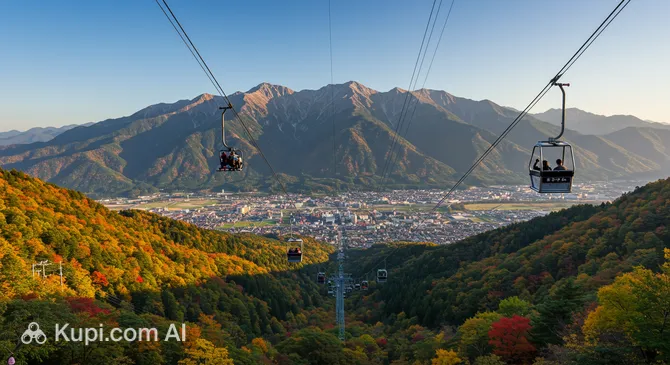
Komagane. Illustration.
Source: Kupi.com AI

Komagane offers many opportunities for an unforgettable vacation. It is an excellent starting point for trekking along the ancient routes of the Japanese Alps. After an active day in nature, it is especially pleasant to relax in traditional onsens (hot springs) or taste authentic home-cooked dishes. Visiting Komagane is a chance to get to know the real, non-touristy Japan, its culture, and its hospitable residents.

If you are looking for a place for a peaceful holiday in the lap of nature, dream of touching Japanese traditions, and enjoying breathtaking mountain scenery, Komagane will be a true discovery for you. This city will give you a sense of tranquility and leave you with the warmest memories.

You can find more interesting facts on the history of Komagane city page.
Weather Overview

The weather in Komagane is characterized by clearly defined seasons, offering diverse climatic conditions throughout the year. Expect warm summers with occasional rain and quite cold winters, when precipitation most often falls as snow.

Summer months, especially July and August, bring pleasant warmth: the average air temperature fluctuates around 20-22°C, while maximum values can reach 24-26°C. During this period, the highest amount of precipitation is also observed; for example, in July, about 11 mm falls, and there can be more than twenty rainy days. Winter, from December to February, is cold in Komagane. The average January temperature is about -2.9°C, and the minimum can drop to -6.6°C. Winter precipitation is usually low, about 3-4 mm per month, and often falls as snow.

For more detailed information on climatic conditions and monthly forecasts, we recommend visiting the Komagane Climate page.

Average monthly temperature

Average monthly precipitation

Interesting Facts

In addition to its famous alpine landscapes, Komagane hides many curious secrets and amazing stories that are not revealed to every tourist. Here are just a few interesting facts about this charming city:

  • Historical Path: Komagane was once an important part of the historic Nakasendo trade route, which connected the ancient capitals of Kyoto and Edo (modern Tokyo). Samurai and merchants traveled along this road, and in the vicinity of the city, you can still find old post stations and walk along forest paths that follow the ancient routes.

  • Ancient Sanctuary: The city is home to one of Japan's oldest temples – Kozenji Temple, believed to have been founded in the 7th century. There is a belief that a wish sincerely made here will surely come true. Even today, the temple is a center for traditional festivals with colorful processions and ancient rituals.

  • Living Symbols: The official natural symbols of Komagane are the lily of the valley (flower) and the Japanese red pine (tree). These plants not only decorate the city parks but are also reflected on the city's emblem, symbolizing the deep respect of local residents for nature.

  • Cradle of Talent: Komagane has given Japan and the world several famous artists and masters of applied arts. To this day, the city is famous for its traditional crafts, especially wood and ceramic products, which can be found in local workshops.

How to Get There

When planning a trip to this picturesque corner of Nagano Prefecture, it is worth thinking through your route in advance. Komagane is located in a mountainous area, so there are no direct flights here, but Japan's transport system allows for comfortable travel with transfers. You can find out more about how to get to Komagane by studying various route options.

There is no airport in the city of Komagane itself, so travelers usually fly into neighboring large cities. The most convenient option for international tourists is Chubu Centrair International Airport (IATA: NGO) in Nagoya. It is located approximately 141 km from Komagane. It is a major transport hub receiving many flights. The journey from here by car or a combination of train and bus will take approximately 4 hours.

If you are looking for a closer option, consider Matsumoto Airport (MMJ) in the city of Matsumoto. It is located just 49 km from Komagane. This is a small regional airport, but it significantly reduces overland travel time—you can reach the city in about 1.5 hours. You can also consider Komatsu Airport (KMQ) in the city of Komatsu (about 156 km, travel time over 4 hours), if your route passes through the west coast.

For clarity, here is a summary of the main airports:

AirportPassenger trafficDistance
Matsumoto Airport112 61849 km
Nagoya Airport735 000105 km
Shizuoka Airport691 274106 km
Toyama Airport736 740122 km
Chubu Centrair International Airport12.3 mln141 km

Regarding rail connections, Komagane is served by the JR Iida Line. A train trip is a pleasure in itself, as the route passes through picturesque valleys and mountains. Usually, tourists transfer at Okaya or Toyohashi stations to catch local trains heading to Komagane. Additionally, express buses (Highway Buses) are a very popular way to reach the city, running from Tokyo (Shinjuku Station) and Nagoya directly to the Komagane bus terminal. This option is often faster and cheaper than the train and eliminates the need for transfers.

Main Attractions

The city of Komagane, located in Nagano Prefecture, offers tourists a unique combination of natural beauty and cultural heritage. Here, everyone will find something for themselves, from breathtaking mountain landscapes to peaceful temple complexes and interesting museums.

One of the main gems of Komagane is the Komagatake Ropeway, which will take you to the stunning Senjojiki Cirque. This place is striking for its alpine landscapes, which are especially picturesque in the warm season when the slopes are covered with a carpet of flowers, and in autumn when the foliage turns vibrant colors. In winter, you can enjoy views of snow-capped peaks. The ropeway ride itself is a thrilling adventure with panoramic views of the Japanese Alps.

For those interested in history and spirituality, Kozenji Temple is a must-visit. This ancient Buddhist temple is famous for its magnificent moss garden, which is particularly beautiful during the rainy season, and the legend of the loyal dog Hayataro. The temple is surrounded by centuries-old cedars, creating an atmosphere of calm and serenity, making it an ideal place for a leisurely stroll and meditation.

You can get acquainted with local traditions and crafts at the Komagane Silk Museum. The museum's exhibition tells the story of sericulture in the region, demonstrates the silk production process from cocoon to finished fabric, and presents exquisite silk products. It is a great place to learn more about an important aspect of Komagane's cultural heritage.

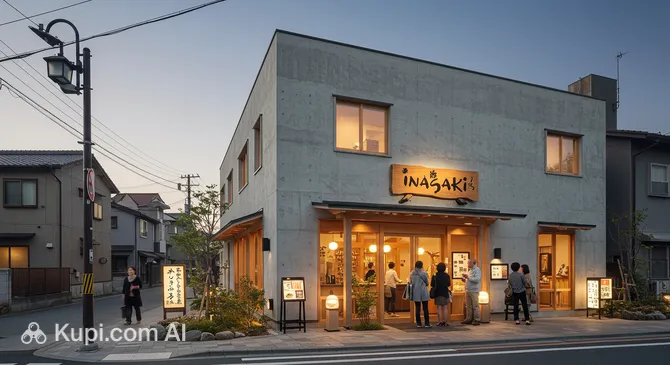
After a busy day of exploration, you can refuel at one of the local establishments. For example, the restaurant Inagaki offers visitors local cuisine. This is a good place to get acquainted with the gastronomic features of the region.

Inagaki. Illustration.
Source: Kupi.com AI

Traveler photos:

These attractions are only a small part of what Komagane has to offer. The city and its surroundings are rich in natural beauty and cultural sites that will make your trip to Japan unforgettable.

Local Cuisine

Komagane is a true gastronomic paradise for travelers wishing to get acquainted with authentic Japanese cuisine. The city is famous for its culinary traditions based on the use of the freshest local products and ancient recipes passed down from generation to generation.

The main gastronomic pride of Komagane is undoubtedly soba – buckwheat noodles. The local variety of soba is distinguished by its particularly delicate taste. It is served both hot and cold, often with seasonal vegetables, fresh herbs, and fragrant homemade sauce. You can try this iconic dish in small family restaurants as well as at bustling street fairs.

In addition to soba, foodies should pay attention to dishes made from local beef and fresh trout caught in the region's clear mountain rivers. Especially popular are yakiniku (grilled pieces of meat) made from tender beef and trout sashimi, which is often served with spicy mountain wasabi and rice grown on nearby terraces. These dishes perfectly demonstrate Komagane's commitment to quality and natural ingredients.

Among the drinks in Komagane, local fruit liqueurs and, of course, sake, produced using traditional technologies, stand out. Often, tourists are offered tastings, allowing them to appreciate the wide variety of flavors. At farmers' markets, you can find not only fresh vegetables and fruits but also homemade pickles, as well as traditional Japanese sweets, such as mochi filled with local berries.

Food culture in Komagane is closely linked to tradition and seasonality. Locals and tourists prefer cozy family restaurants where dishes are prepared with heart. One such place where you can enjoy authentic cuisine is the restaurant Inagaki. Street fairs and farmers' markets are also popular, where you can not only eat but also soak up the city's atmosphere. Special attention deserves the annual autumn Soba Festival, where the best chefs compete in the art of making noodles, and guests can try dozens of its varieties and even participate in masterclasses.

The gastronomic scene in Komagane is a combination of centuries-old traditions and the freshness of local products. A trip here will provide unforgettable impressions for everyone who values delicious and high-quality food, as well as a unique cultural experience.

Travel Tips

Welcome to Komagane! This charming city in Nagano Prefecture, Japan, offers a unique blend of natural beauty and Japanese culture. To ensure your trip goes smoothly and leaves only pleasant impressions, we have prepared some practical tips.

  1. Clothing and Essentials:

    The climate in Komagane, as in all of Nagano Prefecture, depends on the season. In summer (June-August), take light clothing, but don't forget a sweater or a light jacket for evenings or mountain trips. In winter (December-February), warm layered clothing will be needed, including a hat, gloves, and a scarf, especially if you plan outdoor activities. Spring and autumn will please you with mild weather, ideal for walks—layering will also be useful here. Comfortable shoes are extremely important, as you will be walking a lot. Don't forget a universal adapter (in Japan, Type A and B sockets are used) and a portable charger. When visiting temples and shrines, there is usually no special dress code for tourists, but showing respect with modest clothing (shoulders and knees covered) is appropriate.

  2. Transport:

    You can get around Komagane and its surroundings in several ways. There are local buses in the city—this is the main form of public transport. For trips to other cities or districts of Nagano Prefecture, Komagane Railway Station on the Iida Line is convenient. Taxis are available but can be quite expensive. If you plan to actively explore the natural beauty of the region, such as the Central Japanese Alps, renting a car can be a good option (an international driving permit is required). The city center can easily be explored on foot or by bicycle.

  3. Finances:

    The local currency is the Japanese Yen (JPY). It is best to exchange currency at the airport upon arrival or at banks in major cities. In Komagane, exchange options may be limited. Credit cards are accepted in many hotels, large stores, and some restaurants; however, it is strongly recommended to always have enough cash with you, as small establishments, local markets, and some types of transport may only accept cash. International cards work at ATMs in post offices (Japan Post Bank) and some convenience stores (e.g., 7-Eleven). Tipping is not customary in Japan—good service is considered the norm.

  4. Health and Safety:

    Japan is one of the safest countries in the world, and Komagane is no exception. The crime rate here is very low. Pharmacies (look for the "薬" - kusuri sign) exist, but pharmacists may not speak English. It is recommended to carry a basic set of medicines. For medical assistance, tourists should contact their hotel for help or, in case of serious problems, look for the nearest large hospital (you may need to go to a larger city). Travel insurance is mandatory. Follow normal precautions: watch your belongings and stay informed about the weather forecast, especially if you are heading into the mountains.

  5. Communication:

    The official language is Japanese. English proficiency among the local population may be low, especially outside tourist zones. However, Japanese people are very helpful and will try to assist even if they don't speak English. Learn a few basic phrases: "konnichiwa" (hello), "arigato" (thank you), "sumimasen" (excuse me/sorry). For connectivity, we recommend purchasing a local SIM card or renting a pocket Wi-Fi router at the airport. Free Wi-Fi is available in some hotels and public places, but not everywhere. Apps like Google Maps (for navigation and transport schedules) and Google Translate will be useful.

  6. Local Etiquette:

    Japanese people value politeness and respect. When greeting, a slight bow is sufficient; handshakes are not common unless initiated by a Japanese person. In public places, especially on transport, try to speak quietly. Remove your shoes before entering Japanese homes, some temples, and traditional restaurants (ryokans). When using chopsticks, do not stick them vertically into rice or pass food from chopsticks to chopsticks. In Japan, it is customary to stand in line.

  7. What to Avoid:

    Try not to speak loudly or make noise in public places, especially in temples, shrines, and public transport—this may be perceived as disrespectful. Also, avoid pointing at people or objects with one finger; use an open palm for this. Don't forget about the strict garbage sorting system—pay attention to the instructions on the bins.

  8. Special Tip for Komagane:

    Komagane is the gateway to the stunning Central Japanese Alps and the famous Komagatake Ropeway. If you plan a climb, be sure to check the weather conditions and the operational status of the ropeway in advance, as weather in the mountains can change very quickly. During peak seasons (e.g., during autumn foliage or the summer hiking season), book accommodation and transport tickets well in advance. And, of course, don't miss the chance to try local Nagano delicacies like soba noodles and apples.

We hope these tips help you better prepare for your trip and enjoy every moment of your stay in beautiful Komagane. We wish you an unforgettable journey!

Entertainment & Nightlife

Evening Komagane offers its guests a cozy and calm atmosphere, ideal for those seeking relaxation after a busy day. Although the city is not famous for boisterous nightclubs, you can find pleasant places for dinner and conversation here. The main focus of evening life is shifted toward restaurants where you can enjoy local cuisine and traditional Japanese bars – izakayas.

Nightlife in Komagane is concentrated around cozy restaurants and small bars where you can try local drinks and dishes. A popular place for dinner could be, for example, the restaurant Inagaki, which invites guests to get acquainted with the gastronomic traditions of the region. The atmosphere in such establishments is usually welcoming and conducive to leisurely relaxation. As for prices, the average check for dinner in such a restaurant can range from approximately 2,000 to 5,000 yen per person, and the cost of drinks in an izakaya is about 500-800 yen per glass. Of course, these are approximate figures, and you can always find both more budget-friendly and more exquisite options. The dress code is generally casual, and most establishments are open until late evening, but not into the early hours of the morning like in major metropolises.

Inagaki. Illustration.
Source: Kupi.com AI

Traveler photos:

When planning your evening leisure, it is better to focus on the central areas of the city, where most of the establishments are concentrated. For moving around late at night, it is most convenient to use a taxi, as public transport may run less frequently. Komagane, like most cities in Japan, is considered a safe place; however, standard precautions during night walks are never out of place.

As for daytime entertainment, Komagane and its surroundings in Nagano Prefecture offer opportunities for connecting with nature, visiting local temples, and getting to know the culture of the region. You can explore scenic parks or small museums to better understand the charm of this corner of Japan.

Parks & Museums

Komagane, comfortably nestled at the foot of the Japanese Alps in Nagano Prefecture, offers guests not only breathtaking natural scenery but also the opportunity to touch the region's rich cultural heritage. The city and its surroundings abound with picturesque parks, gardens, and interesting museums that will make your trip unforgettable.

Among the green gems of Komagane, Komagane Kogen (Komagane Highlands) stands out. This is a vast natural area at the foot of Mount Komagatake, ideal for walks, picnics, and enjoying the fresh mountain air. Here you will also find the picturesque Komagaike Pond, in whose mirrored surface the majestic peaks are reflected. The highlands also serve as the starting point for the Komagatake Ropeway, leading to the stunning Senjojiki Cirque. This high-mountain amphitheater strikes with alpine flowers in summer and dazzling whiteness in winter, offering some of the most beautiful views in Japan.

For those seeking peace and the beauty of traditional Japanese gardens, Kozenji Temple is a must-visit. This ancient Buddhist temple is famous not only for its rich history and legends but also for its magnificent gardens, especially famous for their ancient weeping cherries and mossy stones. A walk through its grounds is a true immersion into an atmosphere of tranquility and harmony.

The cultural life of Komagane also offers interesting discoveries. To better understand the history and traditions of this region, stop by the Komagane City Folk Museum. Here you will find exhibitions telling about the everyday life, crafts, and significant events from the city's past. Another important cultural point is the Komagane Kogen Art Museum, where you can get acquainted with the works of local and Japanese artists, often inspired by the surrounding nature.

Kozenji Temple itself is not only a natural but also a significant historical and architectural site. Its ancient buildings and sacred cedars hold centuries of history and legends, including the famous story of the loyal dog Hayataro.

For authentic impressions, we suggest exploring the small local shrines scattered around the area or taking a walk along the Otagiri River, enjoying the views and the silence. Also, don't miss the opportunity to try the fresh local products that Nagano Prefecture is famous for at one of the farmers' markets.

Getting Around

The backbone of public transport in Komagane is the bus system, which connects various city districts and its surroundings, including the railway station. For trips to neighboring cities and more distant corners of Nagano Prefecture, it is convenient to use the trains of the Iida Line, which passes through Komagane.

One of the main transport "highlights" and a popular tourist route is the Komagatake Ropeway. It is not just a means of transportation but a true adventure, lifting you to the breathtaking alpine landscapes of the Senjojiki plateau. Tickets for the ropeway are purchased at its stations.

The payment system on local Komagane buses is quite simple. Most often, payment is made in cash to the driver upon exiting. The fare usually depends on the distance; the starting price for a short trip can be approximately 150-200 yen, increasing as you follow the route. On some routes, you need to take a special ticket with a stop number (整理券 - seiriken) when entering, and pay the amount shown on the display opposite your number when exiting. Information regarding the possibility of using nationwide IC cards (such as Suica or Pasmo) on local bus lines is best checked on the spot, as their acceptance may be limited. For the Komagatake Ropeway, tickets are bought at the ticket offices at the lower or upper stations, which usually accept both cash and bank cards.

Buses in Komagane usually run from early morning until evening; however, the schedule can change depending on the season and day of the week, especially for routes leading to tourist sites. It is recommended to check the current schedule at stops or information boards in advance. It is customary to enter the bus through the back or middle door and exit through the front after paying the fare.

In addition to public transport, other ways of moving around are available in Komagane. Taxis can be found at the railway station and at popular tourist spots, but this is a more expensive option. For leisurely strolls around the city and its immediate surroundings, you might consider bicycle rental. If you plan to actively explore Nagano Prefecture with its many natural beauties, then car rental may be the most convenient solution, providing freedom of movement.

Accommodation

When planning a trip to Komagane, you will find a variety of accommodation options to suit different preferences and budgets. The city features traditional Japanese inns (ryokans) as well as more familiar hotels, guesthouses, and short-term rental apartments. This allows you to choose accommodation ranging from budget-friendly options to more comfortable and authentic ones.

For tourists, areas located near transport hubs, such as Komagane railway station, can be particularly convenient, as they provide easy access to the main attractions of the city and its surroundings. Accommodation offering beautiful views of the surrounding Japanese Alps is also popular. The choice of area depends on your plans: whether you want to be in the center of the action or prefer a secluded holiday in nature.

The price range for accommodation in Komagane varies from budget offers to mid-range and high-class options. It is recommended to book your accommodation in advance, especially if your trip falls during the peak tourist season (for example, during the cherry blossom season or autumn foliage viewing). The main booking methods are popular online platforms and, in some cases, direct contact with the hotel or ryokan. This will allow you to compare prices and choose the most suitable option for your trip to this picturesque corner of Japan.

Nearby Cities

For those looking to explore the surrounding area, Komagane serves as an excellent starting point for day trips to several interesting nearby locations:

CityPopulationDistance
Miyada8 6164 km
Iijima9 0386 km
Ina65 67011 km
Matsukawa12 43515 km
Minamiminowa15 72716 km

For example, Iida attracts visitors with its famous Bunraku puppet theater and the beauty of the Tenryu Gorge. Nakatsugawa, a historic post town on the Nakasendo trail, offers a chance to immerse yourself in the atmosphere of old Japan and try local chestnut sweets. And Shiojiri is known for its wineries and is part of the "Japanese Alps Wine Valley," offering tastings and picturesque views of fruit orchards.

These nearby destinations provide an insight into the diverse culture and landscapes of the region.

Shopping & Souvenirs

Shopping in Komagane offers tourists the opportunity to immerse themselves in the atmosphere of the Japanese countryside and find authentic goods. The city is not famous for huge shopping centers with global brands, but here you can purchase high-quality local products, souvenirs, and handmade items that reflect the culture of the Nagano region.

The main shopping spots in Komagane are likely concentrated along the central streets or in the area of the railway station. Here you will find small shops offering everyday goods, local delicacies, and souvenirs. A walk along such streets will allow you to better feel the local flavor.

Major shopping malls are generally not found in Komagane, which is typical for small Japanese cities. However, there may be local department stores or supermarkets where, in addition to food, you can find clothing, household goods, and souvenir products. These places are convenient for comprehensive shopping.

Although information about large permanent markets in Komagane may be limited, it is worth asking locals or the tourist center about the possibility of visiting morning markets (asaichi). At such markets, fresh farm products, seasonal vegetables and fruits, as well as local specialties are often sold. This is a great opportunity to try and buy something truly local.

As souvenirs from Komagane and the Nagano region, you can bring back various local products: the famous soba noodles, apples and products made from them (juices, jams), local sake, or wine. Also, look out for wooden items, ceramics, and other craft goods characteristic of this mountainous area. Small souvenirs with symbols of the Japanese Alps can also be a pleasant reminder of your trip.

Shops in Komagane usually operate from 10:00 or 11:00 AM to 7:00 or 8:00 PM. Small private shops may have individual schedules and a day off during the week. Cash (Japanese yen) is accepted for payment, especially in small shops and at markets. In larger retail outlets and supermarkets, you can generally pay by credit card. Electronic payments and IC cards (e.g., Suica, Pasmo) are also gaining popularity.

For foreign tourists in Japan, a Tax-Free system is in place. When purchasing goods for a certain amount (usually over 5,000 yen in one store on one day) in stores with the corresponding designation ("Tax-Free Shop"), you can arrange for a refund of the consumption tax. You will need to present your passport for this. Check the conditions directly in the stores.

Reached the end of the page?

That means the route is fully explored