Support

Azumino

About

Azumino is a wonderful corner of peace and natural beauty, nestled at the foot of the majestic Northern Japanese Alps in Nagano Prefecture, Japan. This city is famous for its unique atmosphere of harmony, where spacious rural landscapes blend seamlessly into cozy urban neighborhoods, and the proximity to nature is felt at every step.

The city of Azumino covers a significant area of over 330 square kilometers and is home to approximately 94,000 residents. It borders well-known cities such as Matsumoto and Omachi. Although Azumino became an administrative center relatively recently, it has quickly gained a reputation as one of the most picturesque places in the region, offering a leisurely, almost village-like life filled with tradition and respect for the environment.
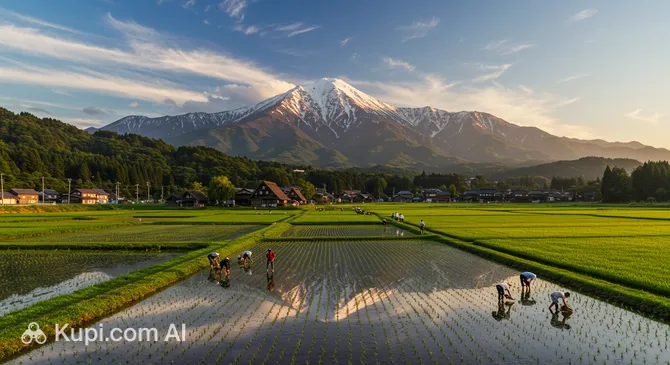
Azumino. Illustration.
Source: Kupi.com AI

The main appeal of Azumino lies in its breathtaking scenery: alpine meadows meet crystal-clear river waters here, and snow-capped mountain peaks are always visible on the horizon. Each season reveals the city in a new way: in spring it is immersed in a riot of cherry blossoms, in summer it delights the eye with emerald rice fields, in autumn it flares up with the fiery colors of maples, and in winter it appears in all its mountain glory, offering magnificent views.

Azumino is the perfect destination for those seeking peace, inspiration from nature, and a desire to experience authentic Japanese hospitality. Visit this charming city to enjoy its tranquility, beauty, and unique atmosphere.

You can find more interesting facts on the Azumino city history page.
Weather Overview

The weather in Azumino is characterized by noticeable seasonal changes. Winters here are cold, with average January temperatures around -5.6°C, while minimums can drop to -8.8°C. Summers are warm and humid; the hottest month is August, with an average temperature of +21.5°C and maximums up to +25.0°C. Precipitation is distributed throughout the year, peaking in July (about 14 mm and 25 rainy days) and lowest in the winter months (about 5 mm). Expect warm summers with occasional rain and cold winters with moderate precipitation, often in the form of snow.

For a more detailed forecast and monthly weather information, you can visit the Azumino climate page.

Average monthly temperature

Average monthly precipitation

Interesting Facts

In addition to its picturesque landscapes and famous landmarks, Azumino hides many fascinating secrets and little-known details that make it truly special. Here are just a few of them:

  • Azumino is famous throughout Japan for its Daio Wasabi Farm – the largest in the country. Crystal-clear meltwater from the alpine peaks is used to grow this delicate plant. Guests can not only see how wasabi grows but also taste exotic products based on it, including ice cream, chocolate, and even beer.

  • One of the unique features of Azumino is its ancient water mills, some of which are still operational on local farms. They serve as a picturesque reminder of the traditional way of life and harmony with nature.

  • The city is a recognized center for traditional Japanese arts. In Azumino, workshops and themed excursions dedicated to ceramics, calligraphy, and other crafts are often organized, allowing visitors to dive deeper into the region's culture.

  • Azumino often serves as a starting point for travels through the Japanese Alps and the famous Kurobe-Tateyama Alpine Route, which attracts both outdoor enthusiasts and connoisseurs of breathtaking mountain scenery.

How to Get There

When planning a trip to this picturesque corner of Nagano Prefecture, it's worth thinking through your route in advance. You can explore all ways to get to the city in more detail, and below we will highlight the main transport hubs that will help you reach Azumino.

There is no airport in the city of Azumino itself, but the nearest and most convenient option is Matsumoto Airport (MMJ) in Matsumoto, which is only 15.3 km from the center of Azumino. This is a small regional airport that accepts domestic flights. The journey from here by taxi or bus will take approximately 40–50 minutes, making it an excellent choice for those who want to save time on ground transfers.

An alternative option is Toyama Airport (TOY), located in Toyama, about 75 km from Azumino. It is a larger hub with medium passenger traffic. The journey from there takes about 2 hours 15 minutes by car. If you are looking for international flights or more flight options, you might consider Komatsu Airport (KMQ) in Komatsu. It is significantly further away, at 135 km, and the transfer takes about 3.5 hours; however, this airport serves significantly more passengers and destinations.

For convenience, here is a summary of the main airports:

AirportPassenger trafficDistance
Matsumoto Airport112 61815 km
Toyama Airport736 74075 km
Komatsu Airport1.8 mln135 km
Noto Airport207 427138 km
Nagoya Airport735 000146 km

Railway travel is one of the most popular and scenic ways to get to the region. Although there are no direct Shinkansen high-speed trains to Azumino itself, the city is conveniently connected to major transport hubs via the JR Ōito Line. Most travelers first reach Matsumoto Station (by express from Tokyo or Nagoya) and then transfer to a local train heading towards the Northern Alps. The main station for tourists in Azumino is Hotaka Station, located near the main attractions.

Main Attractions

Azumino, located in Nagano Prefecture, offers travelers an enchanting blend of natural beauty and local culture. The city and its surroundings are famous for the picturesque landscapes of the Japanese Alps, clean rivers, and unique places worth visiting.

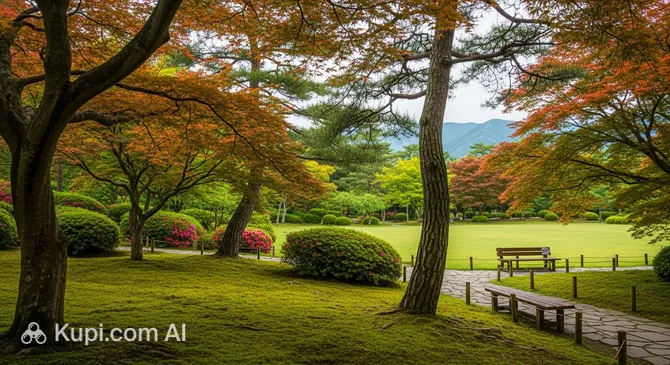
One notable attraction is Toyoshina Nambu Park. It is a wonderful spot for outdoor recreation, where you can enjoy the tranquility of nature, stroll through well-maintained paths, and perhaps catch local seasonal events. The park attracts both locals and tourists seeking peace and beautiful views.

Toyoshina Nambu Park. Illustration.
Source: Kupi.com AI

Traveler photos:

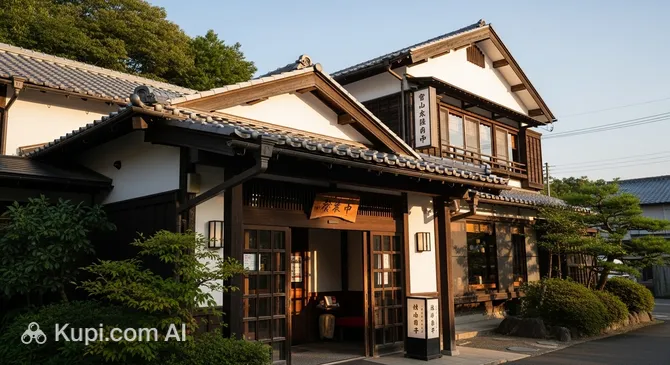
To get a taste of the local cuisine, check out the restaurant Honoka. Here, visitors can sample dishes that reflect the gastronomic traditions of the region. The cozy atmosphere and quality food make this place a popular choice for lunch or dinner in Azumino.

Honoka. Illustration.
Source: Kupi.com AI

Traveler photos:

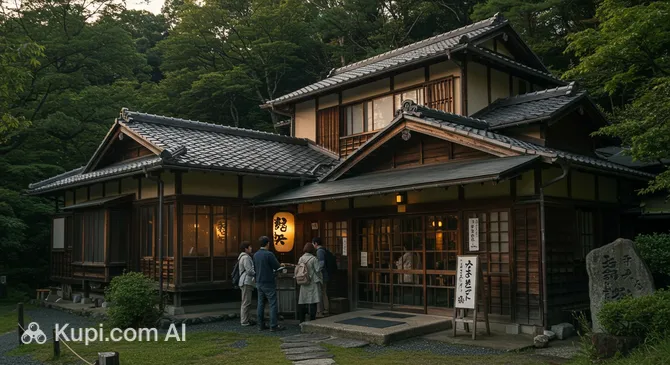
Another establishment worth mentioning is the Chako-Choan Main Restaurant in Azumino. This place is likely famous for its signature dishes or its special approach to service. A visit to this restaurant can be a pleasant gastronomic experience and an opportunity to delve deeper into the culinary features of Azumino.

Azumino Chakochoan Main Store. Illustration.
Source: Kupi.com AI

Traveler photos:

Local Cuisine

The cuisine of Azumino is a true reflection of the natural bounty of the Nagano region. Here, fresh local products are highly valued, and gastronomic traditions are carefully preserved and creatively reimagined. Immersing yourself in the world of Azumino’s flavors promises many pleasant discoveries for every gourmet.

The gastronomic hallmark of the city is, without a doubt, the freshest wasabi. Grown in the crystal-clear water of alpine streams, it has a unique taste and aroma. In Azumino, wasabi is not just a pungent condiment for sushi or noodles. Local chefs surprise guests by offering wasabi ice cream, pastries, chocolate, and even wasabi beer! Such boldness in using a traditional ingredient makes tasting wasabi in Azumino a real gastronomic adventure.

Another dish that is a must-try in Azumino is soba buckwheat noodles. Prepared according to old Nagano Prefecture recipes, it is often served with that very same famous local wasabi and fresh seasonal vegetables. This hearty and healthy dish is especially appreciated by travelers after long walks through the picturesque surroundings. For drinks, in addition to the already mentioned wasabi beer, it's worth checking out the local sake, and for non-alcoholic options, fresh juices and herbal teas that reflect the richness of the local flora.

Locals and tourists enjoy food in cozy little restaurants as well as at bustling farmers' markets. Restaurants like the Chako-Choan Main Restaurant in Azumino offer authentic local cuisine. Azumino's farmers' markets are famous not only for fresh fruits and vegetables but also for artisanal cheeses, yogurts, and other dairy products produced on local farms. Here you can find unique products that are rarely encountered in other parts of Japan.

Azumino's food culture is also vividly manifested during numerous food festivals held throughout the year. At these events, local chefs and farmers present their best dishes and drinks, tastings are held, including wasabi-based dishes, and seasonal harvests are celebrated. This is an excellent opportunity to get acquainted with the culinary diversity of the city and its hospitality.

Travel Tips

Welcome to Azumino! This charming city in Nagano Prefecture offers a unique blend of natural beauty, art, and Japanese culture. To ensure your trip goes smoothly and leaves only pleasant impressions, we have prepared some practical tips.

  1. Clothing and items for the season: The climate in Azumino, like in all of Nagano Prefecture, features distinct seasons. In summer, it is warm and humid (light clothing, raincoat), in autumn – pleasantly cool (layered clothing, jacket), in winter – cold and snowy (warm winter clothing, hat, gloves, scarf), and in spring – moderate (layered clothing). Comfortable shoes are your best friend, as you will be doing a lot of walking while exploring natural beauties and temples. Don't forget an adapter for electrical appliances (Japan uses type A and B sockets) and a portable charger. There is usually no specific dress code when visiting temples and shrines, but showing respect through modest clothing is always welcome.

  2. Transport subtleties: Within Azumino itself, it is most convenient to get around by local buses or rented bicycle, especially for visiting scenic surroundings and wasabi farms. For trips to neighboring cities, like Matsumoto, JR Oito Line trains are suitable. Taxis are available but can be expensive. If you plan to actively explore the Azumino Valley and its natural parks, renting a car can be a good option; this requires an international driving permit. Roads in the region are of excellent quality.

  3. Financial matters: The official currency is the Japanese Yen (JPY, ¥). It is recommended to exchange some cash in advance or upon arrival at major airports. In Azumino, currency exchange is possible at banks, but their operating hours may be limited. Credit and debit cards are accepted in many hotels, large stores, and tourist sites; however, cash remains the preferred method of payment in small restaurants, local shops, and for buying tickets at some temples. ATMs that accept international cards can be found in post offices (Japan Post Bank) and 7-Eleven stores (Seven Bank). Tipping is not practiced in Japan – quality service is included in the bill.

  4. Health and safety: Pharmacies (look for "薬" or "kusuri" signs) are available in the city, but the staff may not speak English, so a translation app is useful. 24-hour pharmacies are rare. If serious medical assistance is needed, you will likely have to go to hospitals in neighboring Matsumoto. It is highly recommended to take out travel medical insurance. Azumino, like most of Japan, is a very safe place with a low crime rate. Observe standard precautions, especially if you are heading for mountain hikes.

  5. Language and communication: The official language is Japanese. The level of English proficiency among the local population, especially the older generation, may not be high. However, at tourist information centers and some hotels, staff will be able to communicate in English. Learn a few basic phrases: "Konnichiwa" (Hello), "Arigato" (Thank you), "Sumimasen" (Excuse me/I'm sorry). For constant internet access, it's better to purchase a tourist SIM card or rent a pocket Wi-Fi router at the airport. Free Wi-Fi is found in some cafes and tourist sites, but not everywhere.

  6. Local etiquette: When greeting someone, Japanese people usually bow; the degree of the bow depends on the situation and the status of the person. Handshakes are not as common. In public places, especially on transport, try to speak quietly. Eating or drinking on the go is not common practice. When entering a Japanese home, some temples, traditional restaurants (with tatami), and ryokans (traditional inns), it is necessary to remove your shoes. Pay attention to the rules for using chopsticks: do not stick them vertically into rice and do not pass food with chopsticks to another person.

  7. What to avoid: Try not to make noise or behave provocatively in public places, especially on trains and buses – Japanese people value peace and order. It is also considered impolite to point at something or someone with one finger; if you need to indicate a direction, use a gesture with your entire palm.

  8. Special tip for Azumino: The city is famous for its stunning alpine landscapes, pristine rivers, and famous wasabi farms, such as Daio Wasabi Farm. Be sure to set aside time for a bicycle ride along the river, a visit to one of the farms, and getting to know the local art galleries, of which there are many here. Early morning is the best time for clear views of the mountains.

We hope these tips help you better prepare for your trip and get the most out of your stay in Azumino. This city will surely enchant you with its unique atmosphere and beauty!

Entertainment & Nightlife

Evening Azumino offers its guests an atmosphere of tranquility and comfort, quite different from the bustling nightlife of major metropolises. You won't find neon-lit districts with 24-hour clubs here, but you can enjoy authentic Japanese hospitality in local establishments, perfect for a relaxed evening.

The core of evening entertainment in Azumino consists of restaurants and traditional Japanese drinking establishments known as izakayas. These provide a wonderful opportunity to try local cuisine and sake in a casual setting. Notable dining spots include Honoka, known for its pleasant atmosphere, or the Chako-Choan Main Restaurant in Azumino, where you can sample local specialties. These venues typically stay open until late evening but not all night. The atmosphere is generally calm and conducive to conversation, with a casual or smart-casual dress code.

While Azumino is not known for a large number of nightclubs, you can find small local bars where you can enjoy a drink with friends or locals. These establishments are often concentrated near major transport hubs or on the city's main streets. The best time to visit is early evening, as many places may close earlier than in larger cities. Prices are generally moderate, especially compared to Tokyo or Osaka.

Regarding transportation at night, the most reliable option is a taxi. They can be found at station stands or called by phone. Public transport runs less frequently during late hours. Azumino, like most of Japan, is considered a very safe city, so evening walks along well-lit streets usually do not cause concern. Nevertheless, standard precautions should always be observed.

During the day, Azumino also offers many interesting activities. The city is surrounded by picturesque nature, and walking through the parks is a true pleasure. For example, Toyoshina Nambu Park is a lovely place for relaxation and contemplation of nature. Additionally, the region is known for its art galleries and museums dedicated to both traditional and contemporary art, as well as its famous wasabi farms, many of which are open to visitors.

Thus, Azumino offers its own special rhythm of life. In the evening, you can enjoy delicious food and quiet conversation, and during the day, explore the cultural attractions and natural beauty of this charming corner of Nagano Prefecture.

Parks & Museums

Azumino, nestled comfortably at the foot of the majestic Japanese Alps, offers its guests a delightful combination of picturesque natural landscapes and rich cultural heritage. Here you will find peaceful parks and gardens, perfect for leisurely strolls, as well as fascinating museums that introduce you to the art and history of this unique region.

One of the city's main green jewels is the Alps Azumino National Government Park. This extensive park, divided into two main zones – Horigane/Hotaka and Omachi/Matsukawa – offers diverse recreational opportunities for every taste: from walking through themed gardens and forested trails to modern playgrounds and impressive seasonal flower displays. It's a great place to enjoy the fresh alpine air and breathtaking views of the mountain peaks.

Equally attractive is Toyoshina Nambu Park, which offers a calm and relaxing atmosphere for rest and contemplation of nature. It is especially charming during the cherry blossom season in spring or the riot of autumn colors, making it a favorite spot for both locals and tourists seeking solitude.

Special mention should be made of the famous Daio Wasabi Farm – one of the largest and oldest wasabi plantations in Japan. Although it is a working agricultural enterprise, walking through its picturesque fields, crisscrossed by crystal-clear streams, provides true aesthetic pleasure. Here you can not only see how this unique plant is grown but also try various dishes and products based on fresh wasabi.

For art lovers, Azumino has several wonderful museums. The Rokuzan Art Museum is dedicated to the work of the prominent sculptor Rokuzan Ogiwara, one of the pioneers of modern Japanese sculpture. The museum building itself, designed in the style of a European chapel and surrounded by greenery, is an architectural landmark and creates a special atmosphere for viewing the master's works.

If you are traveling with children or simply appreciate the art of illustration, be sure to visit the Azumino Chihiro Art Museum. It is dedicated to the work of Chihiro Iwasaki, a famous Japanese artist known for her delicate watercolor illustrations of children. The museum also exhibits works by other illustrators from around the world. The museum is surrounded by a beautiful park where you can relax and enjoy the silence after your visit.

In addition to large museums, many small private galleries and craft workshops are scattered throughout Azumino. A walk through the city or its surroundings can lead you to discover unique works by local artists, potters, and other craftsmen, adding authenticity to your trip.

To deeper experience the atmosphere of Azumino, don't be afraid to step off the beaten tourist path. Explore the rural lanes winding between emerald rice fields – that's often where charming little temples, cozy family cafes with stunning mountain views, or traditional houses are hidden. Don't miss the chance to visit one of the local sake breweries or try freshly prepared soba noodles – the culinary symbol of the Nagano region.

Getting Around

Public transport in Azumino is primarily represented by rail connections and bus routes that link various districts of the city and its surroundings. Given the size of the city and its location amidst picturesque nature, some modes of transport can be particularly convenient for tourists.

The core of the transport system consists of trains operated by JR East, specifically the Ōito Line, which runs through Azumino and connects it with Matsumoto and other settlements in Nagano Prefecture. Stations such as Hotaka are important transport hubs. Train tickets can be purchased at station vending machines or ticket offices. For frequent travelers in Japan, reloadable IC cards (such as Suica, Pasmo, ICOCA) are convenient and accepted on many railway lines.

Buses in Azumino serve local routes, taking passengers to areas not reached by the train, including some tourist sites. Schedules and routes can be found at bus stops and railway stations. Bus fares are usually paid upon exiting; often, you need to take a ticket with a stop number when entering to determine the fare. Cash is always accepted, while the ability to use IC cards depends on the specific bus company.

The fare payment system is quite standard for the region. For trains, tickets are bought for a specific trip or IC cards are used. IC cards can be purchased and topped up at machines in major railway stations. The fare depends on the distance. On buses, payment is generally in cash or, if supported, by IC card. It is recommended to carry small change for bus fares.

Tourists should note the following: train and bus schedules, especially in the evening and on weekends, may be less frequent. It's best to check route and schedule information in advance at stations, tourist information centers, or online. While information at major stations may be duplicated in English, this is less common on buses.

Popular alternative ways to get around Azumino and its surroundings include: Taxis: Available at railway stations and can be called by phone. This is a convenient but more expensive way to travel. Bicycle rental: Given Azumino's picturesque landscapes, a bicycle is an excellent choice for sightseeing, such as the Daio Wasabi Farm or numerous art museums. Rental points are often located near stations, such as Hotaka Station. This is a very popular option among tourists. Car rental: If you plan to actively explore Nagano Prefecture and the mountain areas, renting a car can be a good solution, providing maximum flexibility.

There are no unique historical modes of transport like an old metro or funiculars within the city of Azumino itself, but the surrounding nature and the developed network of bicycle routes make two-wheeled transport a kind of local "feature" for tourists.

Accommodation

In the city of Azumino, travelers will find a variety of accommodation options to suit different preferences and budgets. Choices range from traditional Japanese inns (ryokans) offering a unique cultural experience, and cozy guest houses, to more familiar hotels of various star ratings. Apartment or house rentals are also available for those who prefer more independence and space, especially when traveling as a family or group.

When choosing a place to stay in Azumino, it's worth paying attention to areas that provide easy access to main attractions, such as art museums, wasabi farms, or scenic natural spots. Some hotels may be located near transport hubs, making it easier to move around the city and its surroundings. While specific famous hotels are not highlighted in the provided information, the city offers a wide range of options, from budget-friendly to more comfortable accommodations.

When planning a trip, especially during the peak tourist season, it is recommended to book your accommodation in advance. This will allow you to choose the best option in terms of price and quality, as well as avoid a situation where all suitable rooms are already taken. Accommodation prices can vary depending on the season, type of stay, and level of comfort – from budget options to mid-range and high-end offers. Most hotels and guest houses in Azumino can be booked through popular online platforms or directly on the hotels' own websites.

Nearby Cities

For those looking to explore the surroundings, Azumino serves as an excellent starting point for day trips to several interesting nearby locations:

CityPopulationDistance
Matsumoto239 1159 km
Shiojiri66 18121 km
Omachi25 88323 km
Okaya47 49929 km
Sakaki13 96730 km

These nearby destinations allow for a deeper acquaintance with the diverse culture and scenic landscapes of the region. For instance, a trip to Matsumoto will allow you to see the majestic Matsumoto Castle, one of Japan's oldest and most beautiful original castles, also known as the "Crow Castle." Nagano, the prefectural capital and host city of the 1998 Winter Olympics, attracts pilgrims and tourists with the famous Zenko-ji Temple, one of the most important Buddhist temples in the country. Toyota will be of interest to automotive industry enthusiasts thanks to its museums and sites related to the world-famous Toyota Corporation. In Ueda, you can immerse yourself in samurai history by visiting the historic Ueda Castle and learning about the valiant Sanada clan. And Saku offers a peaceful atmosphere of the Japanese countryside, beautiful mountain views, and the opportunity to enjoy local delicacies and nature.

Shopping & Souvenirs

Shopping in Azumino offers tourists an introduction to local traditions and crafts rather than a pursuit of global brands. The city is famous for its art galleries, workshops, and shops where you can find unique handmade products, as well as fresh local food. Here you can immerse yourself in the atmosphere of the Japanese countryside and purchase authentic souvenirs.

In Azumino, there are no pronounced huge shopping streets like in megacities. Shops and stalls are most often located along central roads, near railway stations, or tourist attractions such as the famous Daio Wasabi Farm. A walk through the city will allow you to discover small family-owned shops offering locally produced goods, from ceramics to textiles.

There are few large shopping centers in the Western sense in Azumino. Instead, you're more likely to find small local department stores or shopping areas where shops with essential goods, clothing, and souvenirs are gathered. The main focus of shopping here is on uniqueness and local color rather than scale.

Markets play an important role in the commercial life of Azumino, especially when it comes to fresh products. Visit local farmers' markets to taste and buy seasonal fruits, vegetables (such as the famous Nagano apples), pickles, honey, and other delicacies. Sometimes you may stumble upon small craft fairs where local artisans sell their creations.

From Azumino, it's worth bringing back souvenirs that reflect the culture and nature of the region. Pay attention to wooden items, handmade ceramics, and textiles with traditional patterns. Wasabi products are particularly popular (from fresh roots to paste and sweets), as are local sake, soba noodles, and jams made from local berries. Art postcards and reproductions of works by local artists may also be of interest, as Azumino is known for its numerous art galleries.

Most shops in Azumino are open approximately from 10:00-11:00 AM to 6:00-7:00 PM. Small private shops may have individual schedules and a day off during the week. Cash (Japanese yen) is accepted in most places, and in larger shops and tourist spots, bank cards are accepted. It is recommended to always have some cash with you, especially for purchases at markets or in small shops.

For foreign tourists in Japan, a Tax Free system is in place. In shops participating in this program (they usually have a corresponding "Tax-Free Shopping" sign), you can arrange for a consumption tax refund when purchasing goods for a certain amount (usually over 5,000 yen excluding tax). You will need your passport for this. Check the conditions directly in the store.

Reached the end of the page?

That means the route is fully explored