Support

Nagano

About

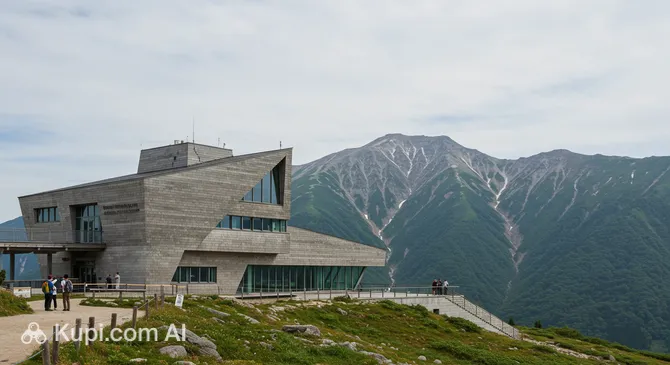
Nagano is a charming city nestled in the heart of the Japanese Alps, known worldwide as the host city of the 1998 Winter Olympics. This city harmoniously combines modern sports infrastructure and ancient cultural traditions, creating a unique atmosphere for travelers. Nagano is the administrative center of the prefecture of the same name in Japan.
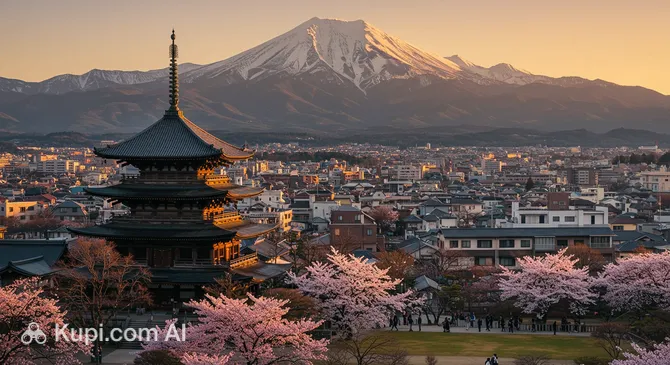
Nagano. Illustration.
Source: Kupi.com AI

The city is surrounded by majestic mountain ranges, which define its climate with four distinct seasons: snowy winters perfect for skiing, and warm, pleasant summers. The population of Nagano is approximately 370,000 people. Thanks to its location, the city serves as a gateway for exploring picturesque natural landscapes and national parks.

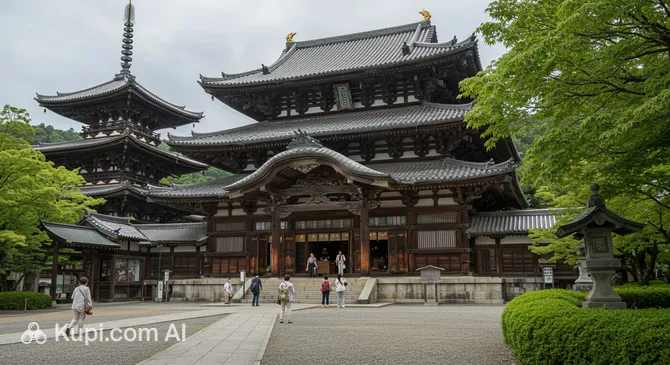
Among Nagano's key attractions is the magnificent Zenko-ji, one of the oldest and most revered Buddhist temples in the country, which has attracted pilgrims for centuries. The city's Olympic legacy is also worth mentioning: facilities such as the M-Wave speed skating stadium and the Big Hat ice arena still serve as reminders of those glorious sporting events. Additionally, Nagano offers easy access to the famous Jigokudani Monkey Park, where you can watch Japanese macaques bathing in hot springs, especially during the winter period.

Nagano is a place where everyone can find something to their liking: whether it's diving into history and culture, active recreation on ski slopes, or simply enjoying the tranquility and beauty of Japanese nature. A visit to this city will undoubtedly leave you with bright and warm memories.

You can find more interesting facts on the Nagano city history page.
Weather Overview

The weather in Nagano is characterized by a distinct change of seasons, making the city attractive to visit at any time of year depending on your preferences. Summer, especially in July and August, is warm here, with average temperatures around 21–23°C, sometimes reaching 25–27°C. Winters, from December to February, are cold and snowy, with average temperatures below zero, often dropping to -5°C or -6°C, creating ideal conditions for winter sports.

Expect a warm summer with periodic rain, particularly in July, which sees the highest rainfall (about 12 mm), and cold, snowy winters where precipitation is lower (5–6 mm per month), but snowy days are quite frequent. Spring and autumn offer pleasant, moderate weather with a gradual transition in temperatures. To find out more about the weather conditions in different months, you can check detailed information about the Nagano climate.

Average monthly temperature

Average monthly precipitation

Interesting Facts

Beyond its Olympic fame and majestic temples, Nagano holds many fascinating secrets and little-known details. Ready to get to know the city a bit deeper? Here are some curious facts:

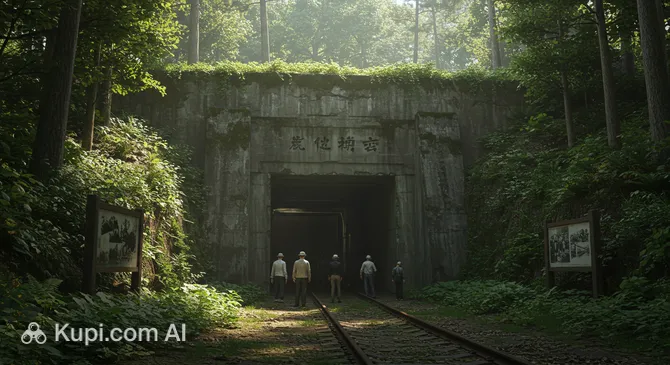
Matsushiro Underground Imperial Headquarters. Illustration.
Source: Kupi.com AI

Traveler photos:

  • The Secret Relic of Zenko-ji Temple: The main object of worship in the famous Zenko-ji Temple, the Amida Buddha statue, is considered the first Buddhist statue brought to Japan over 1,400 years ago. This relic is a hibutsu (hidden Buddha) and is never shown to the general public. Only an exact replica is displayed to the public once every six or seven years during a special ceremony called Gokaicho.

  • Underground Imperial Headquarters: During World War II, a massive construction project for the Matsushiro Underground Imperial Headquarters was undertaken in the Matsushiro district, which is now part of Nagano city. This enormous complex of tunnels was intended for the evacuation of the Emperor and the Japanese government. Today, part of this historical site is open to the public and serves as a reminder of those challenging times.

  • The Birthplace of "Oyaki": Nagano is considered the birthplace of "oyaki"—traditional Japanese dumplings. These hearty flatbreads, most often made from buckwheat or wheat flour, are steamed, pan-fried, or baked and filled with various local products. Popular fillings include seasonal vegetables like pumpkin, eggplant, mushrooms, wild herbs, as well as sweet adzuki bean paste.

  • Apple Capital of Japan: Nagano Prefecture, with Nagano city at its center, is one of the leading producers of apples in Japan. Local apples, especially world-famous varieties like "Fuji," are renowned for their exceptional taste, sweetness, and juiciness. In the autumn, many farms around Nagano invite tourists for apple picking, offering the chance to enjoy the freshest fruit straight from the tree.

How to Get There

There are several ways to reach Nagano, and although the city does not have its own major international airport, it is well-connected to other regions of Japan. Most international travelers fly into Tokyo's major airports—Narita (NRT) or Haneda (HND)—and then transfer to a Shinkansen high-speed train, which will take you directly to Nagano in about 1.5–2 hours. However, if you are considering flights through regional airports, the nearest options can also be convenient.

The closest airport to Nagano is Matsumoto Airport (MMJ). It is located in the city of Matsumoto, approximately 59 km from Nagano. This is a small regional airport, and a taxi or bus ride to Nagano will take roughly 1 hour and 50 minutes. Another option is Toyama Airport (TOY), located in the city of Toyama at a distance of about 90 km. From there, you can reach Nagano in about 2 hours and 35 minutes. It is also worth mentioning Komatsu Airport (KMQ) in Komatsu. Even though it is further away (about 163 km), it is a larger regional hub, and the journey to Nagano will take around 4 hours and 25 minutes.

For clarity, here is a summary of the main airports in the region that can be used for a trip to Nagano:

AirportPassenger trafficDistance
Matsumoto Airport112 61859 km
Toyama Airport736 74090 km
Noto Airport207 427131 km
Komatsu Airport1.8 mln163 km
Niigata Airport1.1 mln167 km

The primary and most convenient way to reach Nagano, especially from Tokyo and other large cities, is by rail. The city's central railway station—Nagano Station—is a major transport hub served by Hokuriku Shinkansen high-speed trains. A Shinkansen journey from Tokyo to Nagano takes only about 1.5–2 hours and offers high levels of comfort and scenic views along the way.

Main Attractions

Nagano and its surroundings are rich in attractions that can satisfy a wide variety of tourist interests. Here, ancient shrines, unique natural sites, and modern entertainment—including the legacy of the Winter Olympics—blend harmoniously. Here are several key places to include in your itinerary:

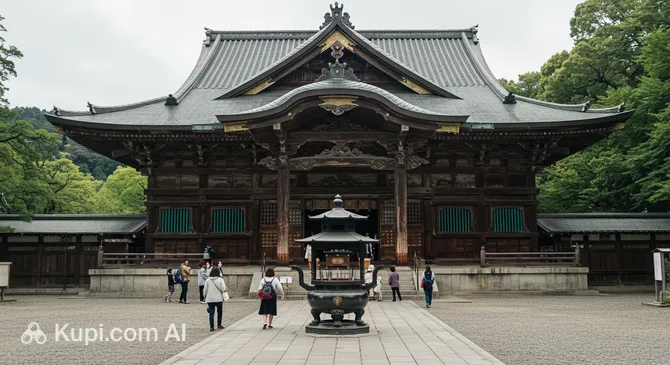
Zenko-ji Temple is undoubtedly the heart and soul of Nagano. As one of Japan's most significant and ancient Buddhist temples, it has attracted pilgrims for over 1,400 years. It is believed to house the first Buddha statue ever brought to the country. The majestic architecture of the temple complex, its special atmosphere, and its rich history make it a mandatory stop for any visitor to the city.

Zenkōji Temple. Illustration.
Source: Kupi.com AI

Traveler photos:

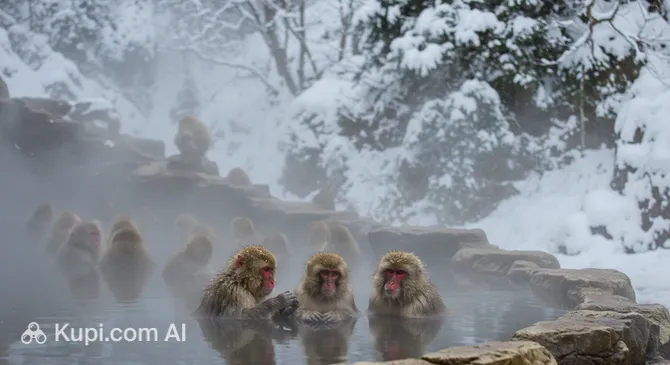
Nagano also gained worldwide fame through the Jigokudani Monkey Park. This unique location allows you to observe Japanese macaques (snow monkeys) as they enjoy hot baths in natural springs (onsens). This is especially picturesque in winter, when the snowy landscape contrasts with the steam rising from the hot water. It is a rare opportunity to see wild animals in their natural habitat.

Jigokudani Monkey Park. Illustration.
Source: Kupi.com AI

Traveler photos:

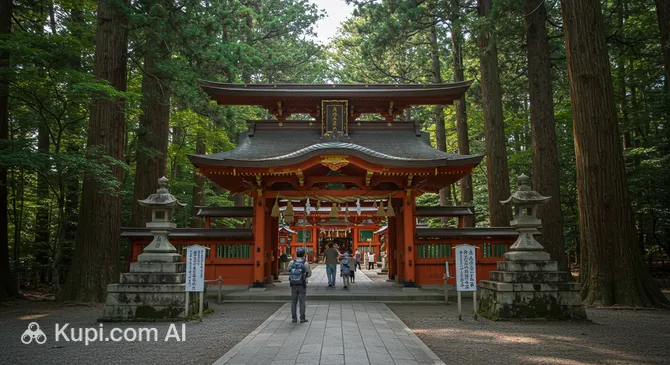
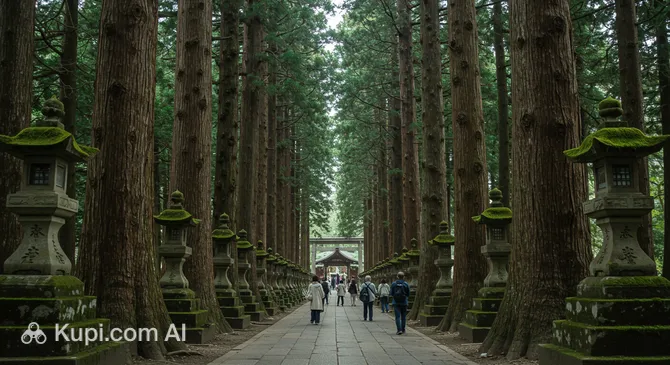
For those seeking to delve deeper into Japanese spiritual culture and enjoy the beauty of nature, a visit to Togakushi Shrine is highly recommended. This vast complex, which includes several shrines, is spread across the foot of the sacred Mount Togakushi. Ancient trails connecting the shrines pass through a majestic forest, and the famous avenue of giant cryptomerias leading to the Upper Shrine (Okusha) creates a truly mystical and unforgettable atmosphere.

Togakushi Shrine. Illustration.
Source: Kupi.com AI

Traveler photos:

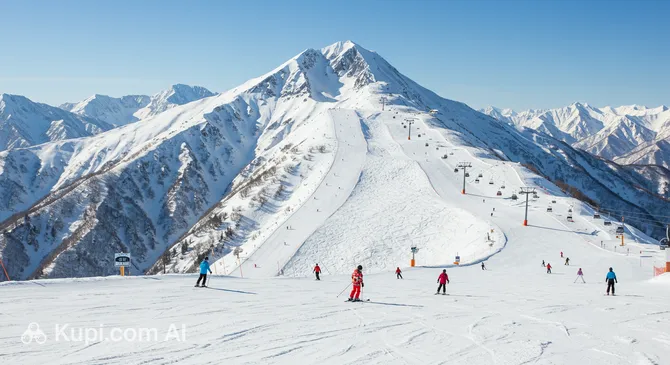
Nagano is a recognized capital of winter sports, and Hakuba Happo-One Ski Resort is one of the brightest proofs of this status. Located in the famous Hakuba Valley, this resort was one of the primary venues for the 1998 Winter Olympics. It offers excellent trails for skiers and snowboarders of all skill levels, along with breathtaking views of the Japanese Alps.

Hakuba Happo-One Snow Resort. Illustration.
Source: Kupi.com AI

Traveler photos:

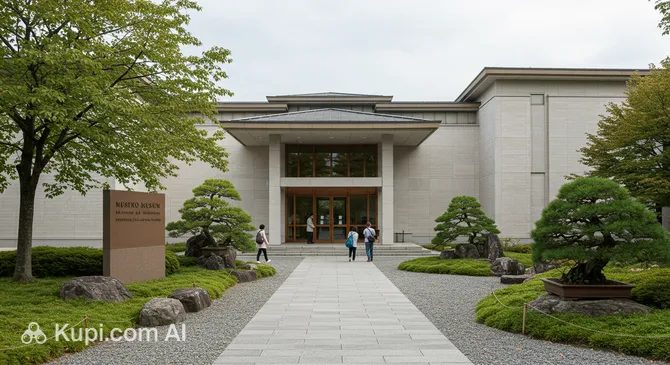
Art lovers are strongly encouraged to visit the Hokusai Museum, located in the town of Obuse near Nagano. The museum is dedicated to the life and work of Katsushika Hokusai, one of Japan's greatest artists and masters of ukiyo-e woodblock prints, and the author of the famous "The Great Wave off Kanagawa." The exhibition includes many of his works created during his final years, which he spent in Obuse.

Hokusai Museum. Illustration.
Source: Kupi.com AI

Traveler photos:

Local Cuisine

The gastronomy of Nagano is a true reflection of its mountainous location and rich agricultural traditions. Local cuisine is famous for using the freshest seasonal products harvested in the surrounding mountains and valleys. The signature dish of the region is undoubtedly "Shinshu" soba noodles. Made from buckwheat flour grown in the fertile lands of the prefecture, these noodles are valued for their delicate aroma and firm texture. You can try them cold with a dipping sauce or in a hot, fragrant broth.

Another iconic dish of Nagano is oyaki. These hearty dumplings, which are steamed, pan-fried, or baked, consist of buckwheat or wheat flour dough with various fillings. Most often, these are seasonal vegetables such as pumpkin, eggplant, mushrooms, or local Nozawana mustard greens, as well as sweet adzuki bean paste. Incidentally, pickled Nozawana-zuke leaves are a very popular local snack served with almost any dish. Fans of more exotic flavors might turn their attention to basashi—thinly sliced raw horse meat, considered a delicacy in the region.

As for drinks, Nagano Prefecture, thanks to its clean water and high-quality rice, is one of the notable producers of sake in Japan. Many local breweries offer unique varieties of this traditional drink. Craft brewing (ji-biru) is also actively developing here. One cannot fail to mention products made from Nagano's famous apples—ranging from freshly squeezed juices to cider. During the cold season, a cup of amazake—a sweet, low-alcohol or non-alcoholic drink made from fermented rice—will warm you up.

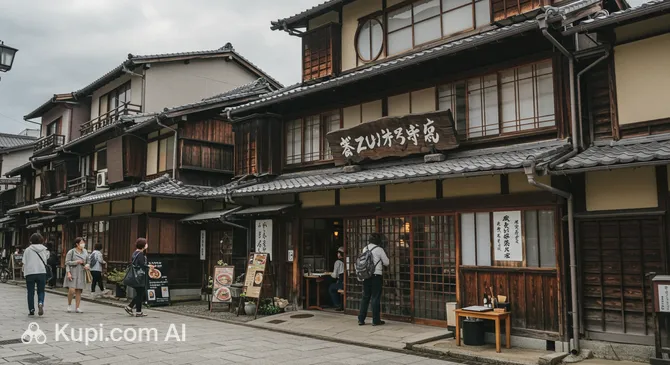
The food culture in Nagano is diverse. Traditional dishes can be tasted in numerous restaurants specializing in soba (soba-ya) or local cuisine. For example, to fully appreciate the taste of authentic Shinshu soba, many recommend visiting the Uzuraya restaurant, known for its quality and authentic atmosphere. In the evening, it's worth visiting an izakaya—Japanese pubs that serve various snacks with sake and beer. For a full immersion into gastronomic traditions, you can stay at a ryokan (traditional Japanese inn), which often offers exquisite kaiseki-style dinners featuring many seasonal delicacies. Street food is also present, especially in tourist spots where you can buy hot oyaki or fragrant skewers.

Uzuraya. Illustration.
Source: Kupi.com AI

Traveler photos:

The gastronomic scene of Nagano is a harmonious blend of simplicity, naturalness, and deep tradition. Getting to know the local cuisine will not only give you new taste sensations but also allow you to better understand the culture of this amazing mountainous region of Japan.

Travel Tips

Planning a trip to charming Nagano? Excellent! To ensure your journey through this corner of Japan goes smoothly and leaves only the most pleasant impressions, we've prepared some practical tips. They will help you navigate better and enjoy every moment of your stay.

  1. Clothing and Essentials: The climate in Nagano has distinct seasons: snowy, fairly cold winters (don't forget warm clothes, a hat, and gloves) and warm, sometimes humid summers. Layering is your best friend in any season. Be sure to bring comfortable shoes, as you will be doing a lot of walking, especially when visiting temples like Zenko-ji and strolling through nature. Don't forget an adapter for your electronics (Japan uses type A and B sockets). When visiting Zenko-ji and other religious sites, choose modest clothing that covers your shoulders and knees as a sign of respect.

  2. Transport in the City and Surroundings: Within Nagano itself, it's convenient to get around by bus. For trips to nearby areas, such as the Jigokudani Monkey Park or the Togakushi zone, you can use local trains (like the Nagano Dentetsu Railway) and buses. Taxis are available, but they are a rather expensive way to travel. Renting a car can be a good option if you plan to actively explore Nagano Prefecture, including the ski resorts. Remember that in Japan, traffic is on the left, and you will need an international driving permit.

  3. Finances: Currency, Cards, Expenses: The local currency is the Japanese Yen (JPY). You can exchange money at the airport upon arrival, at banks, or some hotels. While credit and debit cards are accepted in many hotels, large stores, and restaurants, cash remains very important, especially in small establishments, temples, and rural areas. ATMs that accept international cards can be found in post offices (Japan Post Bank) and 7-Eleven stores (Seven Bank). Tipping in Japan is not practiced and may even be seen as impolite; good service is already included in the bill.

  4. Health and Safety: Japan is one of the safest countries in the world, and Nagano is no exception. Nevertheless, always follow basic precautions. Pharmacies (look for the sign 薬 "kusuri") are everywhere, but the staff may not always speak English. It's recommended to carry a basic first-aid kit. Travel insurance is highly recommended. Tap water in Nagano is safe to drink.

  5. Communication: Language and Internet: The official language is Japanese. In tourist areas, hotels, and at major stations, staff often speak English, but overall English proficiency may not be high. Learn a few basic Japanese phrases, such as "Konnichiwa" (Hello), "Arigato" (Thank you), "Sumimasen" (Excuse me/I'm sorry)—this is always appreciated by locals. For internet access, it's convenient to rent a pocket Wi-Fi router or buy a local SIM card. Free Wi-Fi is available in some hotels, cafes, and public areas. Useful apps: Google Maps for navigation, HyperDia/Jorudan/Navitime for train schedules, and translation apps.

  6. Local Etiquette and Traditions: Japanese people are very polite and value respect for traditions. A slight bow is appropriate when greeting someone. In public places, especially on transport, try to speak quietly and not disturb others. Remove your shoes before entering Japanese homes, many temples, traditional restaurants (where you sit on tatami), and ryokans (traditional inns)—slippers will usually be provided for you. When using chopsticks (o-hashi), do not stick them vertically into rice and do not pass food from chopsticks to chopsticks.

  7. What to Avoid: Try not to talk loudly on the phone in public transport. As mentioned, do not leave tips. Avoid taking photos of people without their permission, especially in temples and shrines, if you see prohibiting signs or feel it might be inappropriate. It is also not customary to eat while walking on the street, except in designated areas or at street food festivals.

  8. A Tip for Onsens: Nagano Prefecture is famous for its onsens (hot springs). If you decide to visit one, be sure to familiarize yourself with the etiquette: before entering the communal bath, you must wash thoroughly in the designated shower area, enter the water without a swimsuit (completely nude), and do not dip your towel into the bath water.

We hope these tips make your journey to Nagano even more comfortable and memorable. Enjoy the beauty of the Japanese Alps, the rich culture, and the hospitality of this amazing city!

Entertainment & Nightlife

While Nagano might not compete with the bustling nightlife of Tokyo or Osaka, the city offers cozy and authentic options for evening leisure. You won't find massive nightclubs operating until dawn here, but you can enjoy the pleasant atmosphere of traditional Japanese drinking establishments, delicious dinners, and quiet strolls through the evening city.

The main concentration of evening entertainment in Nagano is found in the Gondo-dori arcade area and around Nagano Railway Station. These areas come to life as evening falls, offering many izakayas (Japanese pubs), small bars, and restaurants to suit every taste. The atmosphere is usually relaxed and friendly, attracting both locals and tourists. Many establishments in Gondo-dori maintain a traditional appearance, adding a special charm to evening walks.

For dinner, you might consider places like the Uzuraya restaurant, known for its excellent soba noodles, where you can spend a pleasant evening dining. Also worth noting is the MIDORI Nagano shopping complex, located right at the station. Its upper floors house a restaurant zone where many establishments stay open late, offering various cuisines.

MIDORI Nagano. Illustration.
Source: Kupi.com AI

Traveler photos:

The crowd in Nagano's evening spots is mixed: from office workers grabbing dinner with colleagues to tourists exploring the local gastronomy. Styles of establishments range from traditional izakayas with tatami mats to more modern bars and restaurants. Most places open in the evening and work until midnight or slightly later. There is usually no specific dress code; smart casual attire is perfectly appropriate. Prices are generally moderate, especially compared to major metropolises.

The best time to go out is after 7:00–8:00 PM. You can get around the city at night by taxi, which usually wait at the station and in busy areas, or they can be called by phone (though this can be difficult without Japanese language skills). Public transport, such as buses and local trains, finishes relatively early, usually before midnight, so plan your route in advance. Nagano is a very safe city, and night walks along the well-lit central streets generally do not cause concern; however, usual precautions should always be taken.

During the day, Nagano offers many cultural and recreational activities. You can visit interesting museums, such as the Hokusai Museum (in nearby Obuse) or the Mugonkan Museum. For outdoor enthusiasts, parks like Ueda Castle Ruins Park (in the city of Ueda, easily accessible from Nagano) are ideal. Also, don't forget the famous Zenko-ji Temple and the possibility of a trip to the Jigokudani Monkey Park.

Mugonkan Museum. Illustration.
Source: Kupi.com AI

Traveler photos:

Parks & Museums

Nagano is not just a gateway to the magnificent Japanese Alps and sports facilities, but also a city that carefully preserves its cultural heritage and offers cozy green corners for relaxation. Here, everyone will find an opportunity to touch history and art while enjoying the tranquility of nature.

For nature lovers and outdoor enthusiasts, Nagano and its surroundings offer several wonderful spots. One such place is Joyama Park, located on a hill with a beautiful view of the city. It is a popular relaxation spot for locals, especially in the spring during the cherry blossom season. Within the park, you will also find Joyama Zoo, which will be of interest to families with children. If you are looking for a more secluded atmosphere and impressive natural views, head to the Togakushi Shrine Cedar Avenue. This majestic avenue of centuries-old cryptomerias, leading to one of the region's oldest shrines, creates a truly mystical and peaceful impression. For those ready for longer nature excursions, the vast mountain resort of Shiga Kogen, part of the Joshin’etsu Kogen National Park, offers countless hiking trails in summer and ski slopes in winter, along with stunning landscapes.

Cedar Avenue of Togakushi Shrine. Illustration.
Source: Kupi.com AI

Traveler photos:

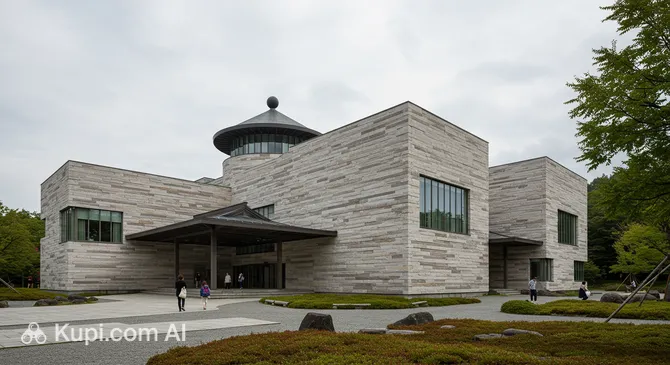
The cultural life of Nagano and its prefecture is rich and diverse. A visit to the Hokusai Museum in the town of Obuse, located near Nagano, is a must. Here, you can immerse yourself in the world of the great Japanese artist Katsushika Hokusai, who spent the final years of his life in this region. Another iconic spot is the Mugonkan Museum in Ueda. This small but very moving museum is dedicated to the works of artists who died young during World War II, prompting reflection on the value of peace and art. For those interested in nature and the history of exploring the Japanese Alps, the Omachi Alpine Museum is fascinating, telling the story of flora, fauna, and mountaineering in this majestic mountain region.

Omachi Alpine Museum. Illustration.
Source: Kupi.com AI

Traveler photos:

The historical heart of Nagano is, without a doubt, the famous Zenko-ji Temple, one of the oldest and most revered Buddhist temples in Japan. A visit here is a mandatory part of any program. However, there are other interesting historical sites in the vicinity. For instance, Gansho-in Temple in Obuse is famous for its ceiling painted by Hokusai, depicting a massive phoenix. This is another opportunity to connect with the legacy of the great master. The region also preserves traces of the samurai era, such as Ueda Castle Ruins Park, where you can walk through historical grounds and imagine times gone by.

Gansho-in Temple. Illustration.
Source: Kupi.com AI

Traveler photos:

In addition to the zoo in Joyama Park mentioned above, for family recreation, you might consider a visit to Chasuyama Zoo. It is located on a mountain slope and offers not only encounters with animals but also beautiful views of the surroundings. You can also find theme parks near Nagano, such as the Kids Ninja Village in Togakushi, where young visitors can try themselves in the role of a real ninja.

To experience the authentic atmosphere of Nagano, take a stroll through the streets adjacent to Zenko-ji Temple, especially Nakamise-dori. Here you will find many shops with local souvenirs, traditional sweets, and handicrafts. Don't hesitate to step into small family restaurants to try real local cuisine—these are often the most memorable gastronomic experiences.

Getting Around

Getting around Nagano and its surroundings is quite convenient thanks to a well-developed public transport system that allows tourists to easily reach major attractions. Although the city is not very large, knowing the main ways to travel will make your trip more comfortable and efficient.

The primary mode of public transport within Nagano city limits is the bus. Local bus companies like Alpico Kotsu and Nagaden Bus operate an extensive network of routes covering most areas of the city and its suburbs. Look out for the "Gururin-go" tourist loop bus, which circulates through popular tourist spots including Zenko-ji Temple and Nagano Railway Station. In Japanese buses, entry is typically through the back or middle door, and exit is through the front, where payment is made upon exiting. Bus schedules are usually posted at stops, but for convenience, you can use online maps or route-planning apps.

For trips to some suburban areas and attractions like the Jigokudani Monkey Park or the Togakushi area, the local Nagano Dentetsu Railway line is used. Trains for this line depart from an underground station adjacent to the main JR Nagano Station. Additionally, local JR (Japan Railways) lines also serve some destinations in the city's vicinity.

The fare payment system in Nagano is fairly standard for Japan. The most convenient method is using rechargeable IC transport cards, such as Suica, Pasmo, or ICOCA. These cards can be purchased and topped up at machines in railway stations or at some convenience stores. They are accepted on both buses and on Nagano Dentetsu and JR trains, making the payment process quick and simple—just tap your card against the reader when entering and exiting (on trains) or only when exiting (on buses). You can also pay the fare in cash directly to the bus driver (it's advisable to have small change, as change availability may be limited) or buy single train tickets at station machines. The cost of a single bus ride within the city is usually a few hundred yen. Sometimes daily passes for specific bus routes or zones are available, which can be cost-effective if using transport frequently.

Practical tips for tourists: Train tickets and IC cards can be purchased at Nagano Railway Station. To plan routes and check schedules, it's convenient to use apps like Google Maps, Navitime, or HyperDia. Public transport in Nagano generally runs from early morning until late evening, though frequency may decrease in the evening and on less popular routes. Always check the schedule in advance, especially if planning late trips.

Among alternative ways to get around Nagano are taxis. They are readily available, especially at the station and large hotels, but are a more expensive option compared to public transport. To explore Nagano Prefecture and ski resorts, you might consider renting a car; remember the need for an international driving permit and that traffic is on the left. During the warmer months, bicycle rental can be a pleasant way to explore the city center and its immediate surroundings, given Nagano's relatively compact size and picturesque landscapes.

Accommodation

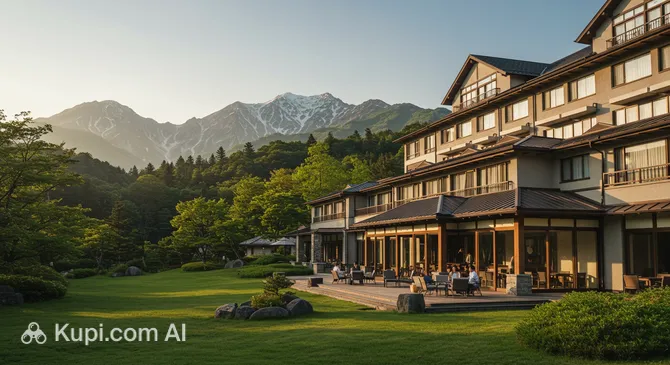
In Nagano, you will find a wide range of accommodation options to suit the needs of all types of travelers. From budget hostels and guesthouses, ideal for budget-conscious tourists, to comfortable mid-range hotels and traditional Japanese ryokans that offer a unique cultural experience. For those seeking luxury and special comfort, particularly in the ski resort areas, high-end hotels and resorts are available. Apartments and holiday rentals through online platforms are also growing in popularity, which can be a convenient option for families or long-term stays.

The most convenient areas for tourists to stay in Nagano are considered to be the vicinity of Nagano Railway Station and the area around the famous Zenko-ji Temple. Staying near the station provides easy access to transportation, including Shinkansen high-speed trains and buses to major attractions. Hotels near Zenko-ji Temple allow you to immerse yourself in the city's historical atmosphere and enjoy morning services. For winter sports enthusiasts, hotels in the Hakuba or Shiga Kogen areas are ideal choices; although they are some distance from Nagano city itself, they offer direct access to the slopes.

Among the many options, one could highlight the Sierra Resort Hotel Hakuba, which offers comfortable accommodation in a popular ski area and is an example of a high-class resort hotel. Such hotels often provide additional services, including restaurants, onsens, and shuttles to the slopes.

Sierra Resort Hotel Hakuba. Illustration.
Source: Kupi.com AI

Traveler photos:

In general, the price range for accommodation in Nagano varies from affordable options for backpackers to more expensive offerings in luxury hotels and ryokans. It is recommended to book accommodation in advance, especially if your trip coincides with peak tourist seasons, such as the cherry blossom period in spring, the autumn foliage season, or the winter ski season. For booking, it is convenient to use popular online platforms or official hotel websites, which sometimes allows you to find better deals or special packages. Some traditional ryokans can also be booked through specialized Japanese travel websites.

Nearby Cities

For those looking to explore the surrounding area, Nagano serves as an excellent starting point for day trips to several interesting nearby locations:

CityPopulationDistance
Suzaka49 39310 km
Obuse10 51012 km
Iizuna10 13412 km
Chikuma58 75514 km
Ogawa28 38620 km

These nearby destinations offer a glimpse into the region's diverse culture and landscapes. Each of these cities has its own unique charm: for example, Matsumoto is famous for its majestic castle, one of the oldest in Japan, while Ueda attracts visitors with historical sites associated with the Sanada clan. A trip to Azumino, known for its picturesque rural landscapes and art galleries, will provide a deeper acquaintance with the nature and art of Nagano Prefecture.

Shopping & Souvenirs

Nagano offers its guests pleasant shopping opportunities, where modern stores stand alongside traditional shops offering unique local goods. While the city is not a major fashion hub, you can find everything you need and, most importantly, purchase authentic souvenirs and delicacies that reflect the culture and nature of Nagano Prefecture.

The main shopping areas in Nagano are the district around the central railway station and the busy covered shopping arcade, Gondo-dori. On the street leading from the station to the famous Zenko-ji Temple, Nakamise-dori, there are also many souvenir shops and stalls with local sweets. In these areas, you will find department stores and chain retailers as well as small family businesses offering products by local artisans.

Among the major shopping centers, MIDORI Nagano stands out, conveniently located right inside the Nagano Station building. This modern complex offers a wide selection of goods: from clothing, accessories, and cosmetics to food products and, of course, souvenirs. There are also several restaurants and cafes here where you can have a snack while shopping.

MIDORI Nagano. Illustration.
Source: Kupi.com AI

Traveler photos:

Although Nagano doesn't have large traditional markets in the European sense, Nakamise-dori street, leading to Zenko-ji Temple, essentially serves as a vibrant market space. Here you can find many shops selling local products, sweets, pickles (especially the famous nozawana-zuke), sake, and various souvenirs. Occasionally, seasonal fairs are held in the city where farmers and artisans present their products.

Be sure to look out for local specialties that make excellent souvenirs from Nagano. These include: the famous Nagano apples and related products (juices, jams, pastries), traditional "Shinshu" soba buckwheat noodles, oyaki dumplings with various fillings, and nozawana-zuke pickled vegetables. Local handicrafts, ceramics, textiles, items with Olympic symbols (commemorating the 1998 games), and, of course, amulets and souvenirs from Zenko-ji Temple are also popular.

Most shops in Nagano are open daily, usually from 10:00 or 11:00 AM to 7:00 or 8:00 PM. Large shopping centers and department stores may stay open a bit longer. Regarding payment, credit cards (Visa, Mastercard) are widely accepted in most stores, especially large ones. However, in small shops and at markets, cash (Japanese Yen) may be preferred, so it's always useful to have some on hand.

For foreign tourists in Japan, a Tax Free system is available. Many large stores and department stores in Nagano participate in this program. Look for the "Tax-Free Shop" sign. To process a tax refund (usually the consumption tax), you need to make a purchase of a certain minimum amount in one store within one day and present your passport at a special Tax Free counter. Conditions may vary slightly, so check the details on-site.

Reached the end of the page?

That means the route is fully explored