Support

Kusatsu

About

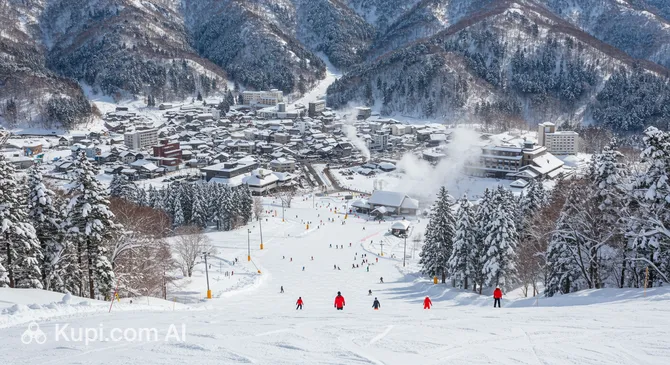
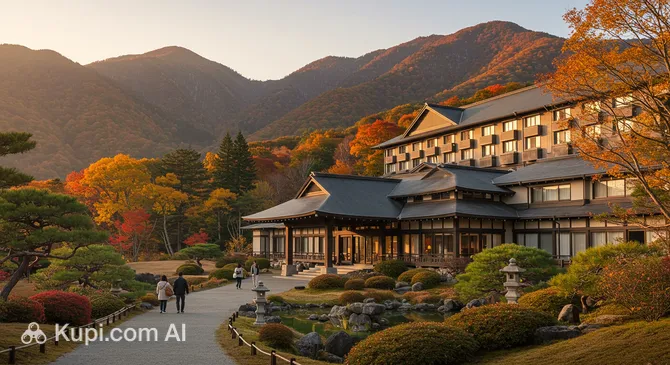
Kusatsu is a true gem of the Japanese mountains, nestled 1,200 meters above sea level in Gunma Prefecture, Japan. Located just a few hours' drive from Tokyo, this charming town is famous throughout the country for its healing hot springs (onsens) and stunning natural landscapes. The beauty of Kusatsu changes with every season: from sparkling snow-covered slopes in winter and delicate cherry blossoms in spring to lush greenery in summer and vibrant crimson hues in autumn.
Kusatsu. Illustration.
Source: Kupi.com AI

With a population of about 143,000, Kusatsu wonderfully combines the atmosphere of a traditional Japanese rural town with the amenities of a modern resort. The town is of great significance as one of the country's most famous onsen resorts. A special atmosphere of slow-paced relaxation and harmony with nature reigns here. Strolling through the narrow streets past wooden ryokans (traditional inns) and watching the clouds of steam rising from the thermal springs, you feel as if you have stepped into another era.

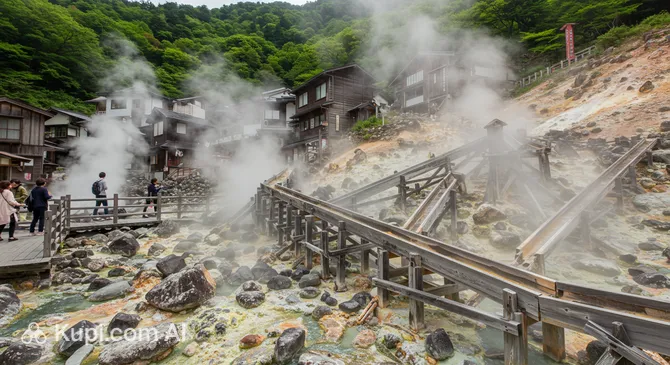
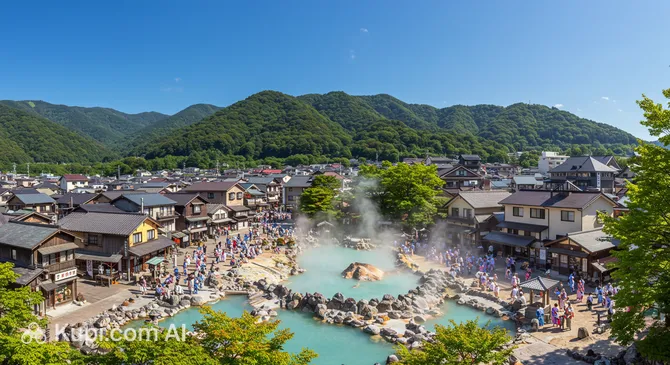
The heart of Kusatsu and its main attraction is Yubatake—a massive "hot water field" under the open sky, where mineral-rich thermal water naturally cools before being distributed to numerous ryokans and public baths. Equally attractive to visitors is Sainokawara Park, where you can walk among steaming streams and bathe in a large open-air bath. Tourists can also witness the colorful Yumomi performance—a traditional ritual of stirring and cooling hot spring water using long wooden planks, accompanied by songs.

Kusatsu is the perfect destination for those who dream of not only restoring their strength in healing waters but also experiencing authentic Japanese culture, enjoying local gastronomy, and truly relaxing away from the city bustle. A trip here will undoubtedly give you unforgettable impressions and a sense of complete peace.

You can find more interesting facts on the history of Kusatsu page.
Weather Overview

The weather in Kusatsu is characterized by noticeable seasonal changes. Summers, especially in July and August, are warm here, with average temperatures around 21-23°C and frequent precipitation. Winters are cold, with average temperatures in January dropping to -2.4°C and frequent snowfall, although the total amount of precipitation in the winter months is low. Spring and autumn offer more moderate temperatures, gradually transitioning from cool to warm and back, with moderate rainfall. Expect warm and humid summers with occasional rain and cold, snowy winters. For a more detailed forecast and monthly information, you can visit the Kusatsu climate page.

Average monthly temperature

Average monthly precipitation

Interesting Facts

In addition to its famous hot springs, Kusatsu hides many amazing stories and unique features. Here are just a few little-known facts that make this resort town even more alluring:

  • The history of Kusatsu is rooted in antiquity. Its healing springs are believed to have been known as early as the second century AD, during the Yayoi period, and the first permanent settlement appeared here around 1200 with the construction of Kosenji Temple.

  • Local residents and guides love to tell the legend that the waters of Kusatsu can cure almost any disease, except for... lovesickness! It was here at the end of the 19th century that Erwin von Bälz, a German doctor serving at the Imperial Court, first scientifically proved the benefits of bathing, which brought the resort world fame.

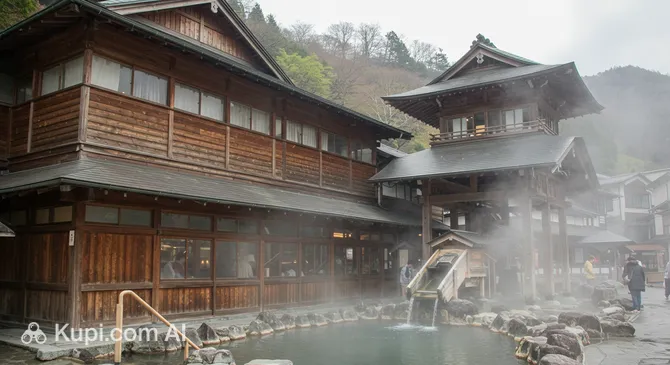
  • Only in Kusatsu can you see the unique "yumomi" tradition—a ritual stirring of hot spring water with special wooden paddles. This is done to cool the water to a comfortable temperature before bathing, and today this exciting sight is an integral part of local culture. Yumomi performances often take place at Netsunoyu at Kusatsu Onsen.

  • Kusatsu Onsen is not just popular—it has been officially recognized as the best onsen resort in Japan for over ten consecutive years by the country's leading travel agencies. Its springs consistently rank among the top three most famous and revered in all of Japan, alongside Gero and Arima.

Netsunoyu at Kusatsu Onsen. Illustration.
Source: Kupi.com AI

Traveler photos:

How to Get There

There are several ways to reach Kusatsu, famous for its healing hot springs (onsens). Since Kusatsu itself does not have its own airport, travelers usually fly to one of the nearest major or regional airports and then continue by land transport—train, bus, or car.

The main international hub for many tourists heading to Kusatsu is Tokyo's Haneda (HND) airport. It is one of the busiest airports in Japan, offering a vast number of international and domestic flights. The distance from Haneda Airport to Kusatsu is about 160 km. A trip by rental car from here takes approximately 4-4.5 hours, depending on traffic. Alternatively, you can reach Kusatsu from Tokyo by public transport: first take the Shinkansen high-speed train (for example, to Takasaki station), then transfer to a local rail line to Naganohara-Kusatsuguchi station, from where buses regularly run to the Kusatsu Onsen resort (the bus ride takes about 25-30 minutes).

The closest airport to Kusatsu is Matsumoto Airport (MMJ), located in the city of Matsumoto, about 79 km away. This is a small regional airport serving primarily domestic Japanese flights. From Matsumoto Airport to Kusatsu, you can take a car or taxi in about 2-2.5 hours. It is also possible to plan a route using trains and buses, but this may require several transfers.

Another option is Niigata Airport (KIJ), located in Niigata city, about 155 km from Kusatsu. This medium-sized airport serves both domestic and some international flights. The drive from Niigata Airport to Kusatsu will take approximately 4-4.5 hours. As with other airports, options using rail and bus connections can be considered.

For clarity, here is summary information on the main airports through which you can reach Kusatsu:

AirportPassenger trafficDistance
Matsumoto Airport112 61879 km
Toyama Airport736 740126 km
Niigata Airport1.1 mln155 km
Haneda Airport85.7 mln159 km
Noto Airport207 427164 km

Since there is no train station directly in the Kusatsu Onsen resort area, the final leg of the journey is often completed by bus. Buses to Kusatsu Onsen depart regularly from the nearest major train station, Naganohara-Kusatsuguchi, as well as from several other stations and major cities in the region. It is recommended to check bus schedules and routes in advance, especially if you plan to travel from airports by public transport.

Main Attractions

Kusatsu, famous for its healing hot springs, offers tourists many unique attractions. This charming resort town in Gunma Prefecture is the perfect place to immerse yourself in traditional Japanese onsen culture and enjoy picturesque nature.

The heart of Kusatsu and its main landmark is Yubatake—a huge "hot water field" under the open sky. Here you can see how hot mineral water from the source is brought to the surface through wooden troughs to cool down and collect mineral deposits called "yunohana." It is an impressive sight and a popular place for walks, especially in the evening when Yubatake is beautifully illuminated.

Yubatake. Illustration.
Source: Kupi.com AI

Traveler photos:

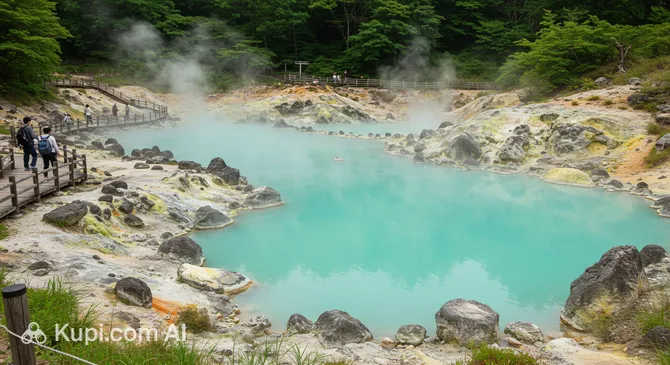
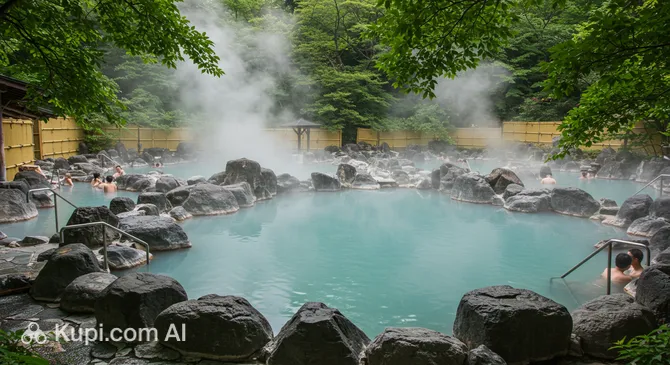
Not far from the city center lies the scenic Sainokawara Park. Walking along its paths, you will see streams and small pools of hot water, creating a fairy-tale atmosphere. The pearl of the park is the Sainokawara Open-Air Bath—one of the largest outdoor baths in Japan, where you can relax in the healing water while admiring the surrounding landscape. This place attracts tourists with the opportunity to enjoy nature and wellness treatments at the same time.

Sainokawara Park. Illustration.
Source: Kupi.com AI

Traveler photos:

Sainokawara Open-Air Bath. Illustration.
Source: Kupi.com AI

Traveler photos:

To get a deeper understanding of Kusatsu's onsen culture, be sure to visit Netsunoyu at Kusatsu Onsen. Here, traditional "Yumomi" performances take place—a ritual stirring of hot water with wooden boards to cool it to a comfortable temperature. This is not only a practical method but also a colorful show with songs and dances that allows tourists to touch the history and traditions of this unique resort.

Netsunoyu at Kusatsu Onsen. Illustration.
Source: Kupi.com AI

Traveler photos:

For outdoor enthusiasts, the Kusatsu Onsen Ski Resort offers excellent opportunities for skiing and snowboarding during the winter season. In the summer, you can enjoy hiking along scenic mountain slopes and fresh air. The combination of active recreation during the day and relaxing onsens in the evening makes this place particularly attractive.

Kusatsu Onsen Ski Resort. Illustration.
Source: Kupi.com AI

Traveler photos:

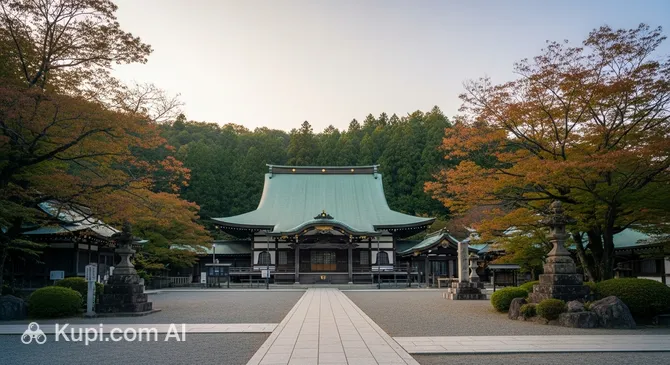
For those interested in culture and history, Kosenji Temple is worth a visit. This Buddhist temple, located near Yubatake, offers a calm atmosphere for reflection and a chance to admire traditional Japanese temple architecture. Its grounds also offer beautiful views of the town.

Kosenji Temple. Illustration.
Source: Kupi.com AI

Traveler photos:

Local Cuisine

The gastronomic world of Kusatsu is a true discovery for foodies, where traditional Japanese cuisine harmoniously blends with unique local products and customs closely tied to the famous hot springs. A journey here promises not only wellness but also vivid culinary impressions.

Be sure to try onsen-tamago—eggs cooked directly in the mineral waters of the hot springs. Thanks to this special preparation method, they acquire an incredibly delicate texture and subtle flavor. Another hallmark of the region is noodles: soba (made from buckwheat flour) and udon (made from wheat flour) are often served here with seasonal mountain vegetables, mushrooms, and aromatic broths. Don't miss the chance to taste dishes made from fresh river fish, such as trout caught in pristine mountain streams.

Traditional Japanese sweets also stand out among local delicacies. Try yokan—a thick paste made from adzuki beans—or delicate mochi. These treats pair perfectly with a cup of aromatic Japanese tea, brewed with special skill in Kusatsu. Locals and tourists love to buy these treats at street markets and specialized shops.

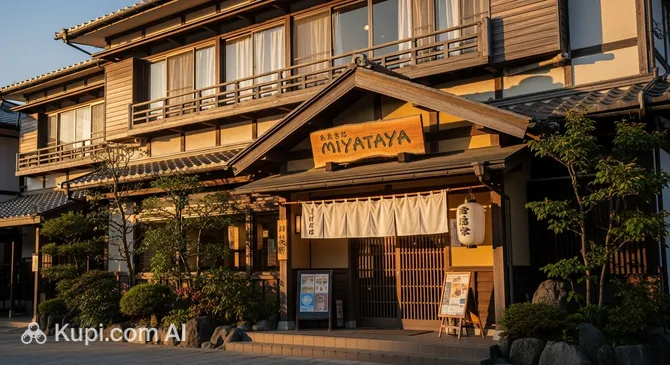
Miyataya. Illustration.
Source: Kupi.com AI

Traveler photos:

Dining culture in Kusatsu is diverse. You can find cozy little restaurants specializing in traditional Japanese cuisine as well as small eateries offering quick and tasty snacks. For example, to get a deeper taste of local flavors, you can visit the Miyataya restaurant. Street food is also popular, especially around the central springs, where you can try freshly prepared snacks and drinks. Markets offer fresh local products and delicacies that can be taken home as souvenirs.

Regarding drinks, besides the already mentioned excellent green tea, it's worth paying attention to local varieties of sake if you prefer alcoholic beverages. In Kusatsu, you can also find a variety of non-alcoholic drinks based on local fruits and herbs. After a relaxing bath in an onsen, it is especially pleasant to refresh yourself with traditional Japanese tea or another local drink.

Kusatsu's gastronomic scene attracts tourists with its authenticity, use of the freshest seasonal products, and unique dishes born from the nature of this resort town. The town is also known for its food festivals, where you can fully enjoy the local culinary arts and hospitality.

Travel Tips

Planning a trip to the famous onsen resort of Kusatsu? Great! To ensure your journey through this charming corner of Japan is as comfortable as possible and leaves only pleasant impressions, we have prepared some practical tips for you.

  1. Clothing and Essentials:

    Kusatsu is located in a mountainous area, so the weather can be changeable. Bring clothing that can be layered, including warm items for evenings, especially during cooler months. Be sure to bring comfortable shoes for walking around town and the surrounding areas. Don't forget an adapter for Japanese sockets (Type A). In ryokans (traditional inns), you will likely be offered a yukata for visiting onsens, so special clothing for this is not required; remember that swimsuits are not used in most public onsens. When visiting temples and shrines, it is sufficient to adhere to general modesty in dress.

  2. Local Transport:

    The central part of Kusatsu, especially around the famous Yubatake source, is quite compact and conducive to walking. For longer distances or to reach Naganohara-Kusatsuguchi station, you can use local buses. Taxis are available but can be expensive. Renting a car can be useful if you plan to explore Gunma Prefecture, but for Kusatsu itself, it's not always necessary, and parking can be limited.

  3. Finances:

    The local currency is the Japanese Yen (JPY). Although bank cards are increasingly accepted in Japan, in Kusatsu, especially in small shops, restaurants, or markets, it's better to carry cash. You can exchange currency at the airport or major banks; within Kusatsu itself, exchange options may be limited. International cards usually work at 7-Eleven or Post Office ATMs. Tipping is not practiced in Japan and may be perceived as impolite.

  4. Health and Safety:

    Japan is one of the safest countries in the world, and Kusatsu is no exception. Pharmacies (薬局 - yakkyoku) are available, but you may need a translation app to communicate. It is highly recommended to take out travel medical insurance. The main safety rule in Kusatsu is to follow onsen etiquette: always take a shower before entering the communal bath and be careful with the hot water.

  5. Communication:

    The main language of communication is Japanese. In tourist areas of Kusatsu (hotels, information centers), staff may speak English, but overall its prevalence is low. Learn a few simple phrases: "Konnichiwa" (Hello), "Arigato" (Thank you), "Sumimasen" (Excuse me/Sorry). For ease of navigation and translation, a SIM card with mobile internet or a pocket Wi-Fi router will be very useful. Free Wi-Fi may be available in hotels and some tourist spots.

  6. Local Etiquette:

    Japanese people highly value politeness and respect. A bow serves as a greeting; for a foreigner, a slight nod is usually sufficient. In public places, especially on transport and in onsen changing rooms, try to speak quietly. It is customary to remove your shoes before entering traditional ryokans, some temples, and private homes. A key point—strictly follow the rules of behavior in onsens: wash before entering the water, and do not put your towel in the bath.

  7. What to Avoid:

    Never stick your chopsticks vertically into rice—this is associated with funeral rituals. It is considered impolite to blow your nose loudly in public; it's better to step aside or go to a restroom. If you have tattoos, check the onsen rules before visiting: some establishments do not allow visitors with tattoos or ask that they be covered.

  8. Extra Tip for Kusatsu:

    Be sure to see the "yumomi" performance at the Netsu-no-Yu complex. This is a traditional ceremony of stirring hot water with special wooden planks to cool it—a unique sight characteristic specifically of Kusatsu. Also, don't miss the chance to try local delicacies like onsen-manju (steamed buns with sweet filling), which are sold at numerous stalls around Yubatake.

We hope these tips help you better prepare for your trip and enjoy every moment of your stay in amazing Kusatsu. Have a great journey!

Entertainment & Nightlife

Nightlife in Kusatsu is quite different from the hustle and bustle of megacities, offering instead a peaceful and authentic evening leisure experience centered around its famous onsen culture. Instead of noisy nightclubs, you will find cozy establishments where you can relax after a day spent in the hot springs and enjoy a traditional atmosphere.

Main evening activity is concentrated around the central Yubatake source and its adjacent streets. After dark, the place is transformed: steam from the hot water, lit by lanterns, creates a magical atmosphere perfect for leisurely strolls. Many hotel guests (staying at ryokans) walk here in traditional yukata, which adds a special charm.

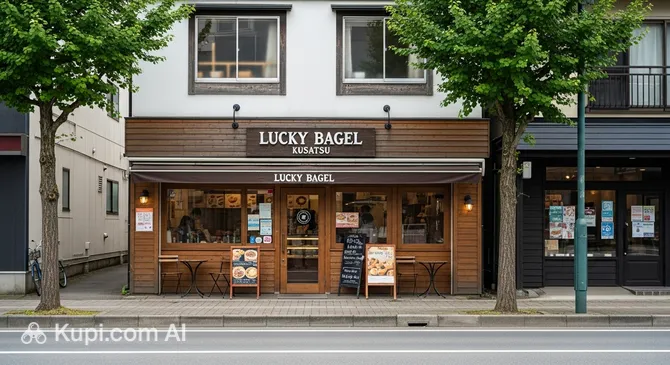
Evening entertainment in Kusatsu is mainly represented by traditional Japanese pubs—izakaya—where you can try local sake, beer, and a variety of snacks. Restaurants offering local cuisine are also popular. For example, you can stop by Miyataya to enjoy an authentic dinner. For a lighter snack or dessert in the evening, you might consider places like Lucky Bagel. Karaoke bars are also an integral part of Japanese entertainment culture and can be found in Kusatsu. Most establishments operate until 10:00-11:00 PM, so plan your evening in advance. The dress code is usually casual and relaxed.

Lucky Bagel. Illustration.
Source: Kupi.com AI

Traveler photos:

In terms of safety, Kusatsu, like most cities in Japan, is very safe for night walks. The central part of the town is well-lit and compact, making it convenient to get around on foot. If you need a taxi late at night, it's best to ask your hotel staff to help call one, as the number of cars may be limited. Average prices in izakayas and restaurants are moderate, allowing you to enjoy the evening without significant expense.

During the day, Kusatsu also offers many interesting activities. Of course, the main focus is visiting numerous onsens, such as the famous Sainokawara Open-Air Bath, or trying the unique Yumomi procedure at Netsunoyu at Kusatsu Onsen. You can also stroll through the picturesque Sainokawara Park, visit Kusatsu Tropical Wonderland, or head to the Kusatsu Onsen Ski Resort during the winter season. These daytime activities perfectly complement your relaxing evenings in this charming resort town.

Parks & Museums

The town of Kusatsu, famous for its hot springs, also offers guests charming green corners for relaxation and interesting places reflecting its rich culture and history. Here, you can combine wellness treatments with educational walks and enjoying nature.

Among the natural areas, Sainokawara Park stands out. This is a unique place where hot springs form an entire river flowing through the park. Visitors can stroll along scenic paths, admire the steaming streams, and even dip their feet into one of the natural foot baths (ashiyu). The park is especially beautiful in autumn when the foliage turns vibrant colors. Another noteworthy location is the Chatsubomi Moss Park, famous for its unique "chatsubomigoke" mosses, which only grow in the acidic water of hot springs. It is a natural monument offering a rare sight of bright green moss carpets that create an almost alien landscape.

Sainokawara Park. Illustration.
Source: Kupi.com AI

Traveler photos:

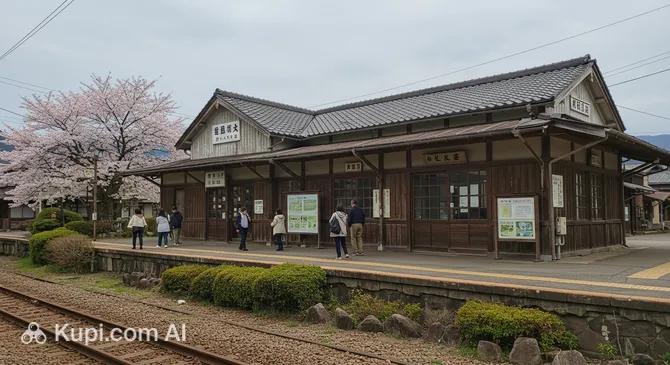
While there are no large traditional museums in the classic sense in Kusatsu, its cultural heritage can be explored through other sites. Kosenji Temple is an ancient Buddhist temple located near the central Yubatake square. It offers a peaceful atmosphere for reflection and introduces visitors to the religious traditions of the region. Its history is closely linked to the development of the Kusatsu Onsen resort itself. An interesting site that tells the story of transport in the region is the Former Oshi Station. This preserved railway station allows a glimpse into the past and shows how Kusatsu was connected to the outside world before the advent of modern roads.

Kosenji Temple. Illustration.
Source: Kupi.com AI

Traveler photos:

For those looking for something a bit exotic, Kusatsu Tropical Wonderland might be of interest. It is a kind of botanical garden and mini-zoo under a dome where you can see tropical plants and some animals. This place can be a pleasant change of pace, especially if you are traveling with children.

Former Ōshi Station. Illustration.
Source: Kupi.com AI

Traveler photos:

For a more authentic experience, don't limit yourself to just the popular spots. Look out for the small shrines scattered throughout the town or explore the numerous hiking trails in the surrounding area, which offer magnificent views of the mountains. It's also worth stopping by local shops, where you can find unique souvenirs and handmade items that reflect the spirit of Kusatsu.

Getting Around

Public transport in Kusatsu, a well-known resort town, is primarily represented by buses. This is the most convenient way to reach different parts of the town and its surroundings, especially if you plan to visit outlying onsens or natural attractions. The town is quite compact, so many central points of interest, such as the famous Yubatake hot spring field, are within walking distance of each other.

The payment system on Kusatsu buses generally involves paying cash directly to the driver upon exiting. In some cases, especially on routes connecting Kusatsu with major transport hubs, Japanese transport IC cards (such as Suica or Pasmo) may be accepted, but it is always best to carry enough cash. Sometimes, special day passes or discount tickets for certain routes are offered to tourists; you should check for these at the tourist information center or the Kusatsu Onsen bus terminal.

Bus tickets are usually purchased upon boarding (if it is a flat-fare system) or paid for upon exiting (if the fare depends on the distance—in this case, you need to take a numbered zone ticket called a "seiri-ken" when entering). Buses in Kusatsu run on a schedule that may change depending on the season. Main routes start in the morning and end in the evening; night services are generally unavailable. The central hub for most bus routes is the Kusatsu Onsen bus terminal, from which you can travel both around town and to neighboring settlements.

An alternative to public transport in Kusatsu is taxis. They can be found at ranks near the bus terminal, large hotels, or called by phone. To get around the central part of the resort, many tourists prefer walking, as distances are small and the process allows for a better immersion in the town's atmosphere. Bicycle rental may be available, but the hilly terrain should be considered, which can make cycling somewhat difficult for those who are unprepared.

A feature of the Kusatsu transport system is its orientation toward the needs of tourists arriving for the hot springs. Bus routes often connect key points of the resort: the bus terminal, famous onsens, hotels, and ryokans. If you plan trips to neighboring regions or natural parks, such as Mount Shirane, the bus will also be your main assistant. It is recommended to check schedules in advance on official websites or directly at the bus terminal, especially if your trip falls on a weekend or holiday when the flow of tourists increases.

Accommodation

Kusatsu, as a famous onsen resort in Japan, offers tourists a wide selection of accommodation options, with traditional Japanese ryokans featuring their own hot springs holding a special place. In addition to these, you can find modern hotels, guest houses, and more budget-friendly options, allowing you to choose accommodation for every taste and budget. Many establishments offer a unique experience of immersion in Japanese hospitality culture.

Most hotels and ryokans are concentrated in the central part of the town, within walking distance of the main attraction—the Yubatake source—as well as near Sainokawara Park and public baths like the Sainokawara Open-Air Bath. Staying in these areas provides easy access to major tourist sites, restaurants, and souvenir shops.

Among the popular accommodation options are resort hotels offering a high level of comfort and various services. For example, places like La Vista Kusatsu Hills or Oyado Konoha often receive good reviews. These hotels usually have their own onsens (hot springs) and offer both Japanese-style rooms with tatami mats and rooms with European-style beds.

La Vista Kusatsu Hills. Illustration.
Source: Kupi.com AI

Traveler photos:

The price range for accommodation in Kusatsu varies from relatively inexpensive guest houses to luxurious ryokans and hotels. It is recommended to book your stay in advance, especially if your trip coincides with weekends, Japanese national holidays, or popular tourist seasons such as cherry blossom time or autumn foliage. Booking is easy to do through well-known international online platforms or directly on official hotel websites, which can sometimes offer better terms or special service packages.

Nearby Cities

For those who want to explore the surrounding area, Kusatsu serves as an excellent starting point for day trips to several interesting nearby locations:

Nearby is Nagano, a city famous for hosting the 1998 Winter Olympics and its majestic Zenko-ji Temple, one of Japan's most important pilgrimage centers. You might also consider a trip to Ueda, a city with a rich history where you can visit the famous Ueda Castle, associated with the Sanada clan. The closest town, Suzaka, located just 26 kilometers away, offers a more tranquil atmosphere and a chance to experience the traditional lifestyle of the region.

CityPopulationDistance
Higashiagatsuma12 35621 km
Yamanouchi11 10622 km
Nakanojo15 18622 km
Suzaka49 39326 km
Obuse10 51027 km

These nearby destinations offer insight into the region's diverse culture and landscapes.

Shopping & Souvenirs

Kusatsu, famous for its healing hot springs, offers tourists a charming and distinctive shopping experience, focused mainly on souvenirs, local delicacies, and goods related to onsen culture. You won't find huge shopping malls here, but you can purchase unique items to remember your trip to Japan.

The main commercial life of Kusatsu bustles around its heart—the famous Yubatake source. The streets radiating from this central square, such as Sai-no-Kawara street leading to Sainokawara Park, are dotted with numerous small shops and stalls. Here you can stroll leisurely, choosing gifts and enjoying the resort town atmosphere.

Sainokawara Park. Illustration.
Source: Kupi.com AI

Traveler photos:

There are no large modern shopping centers in Kusatsu typical of big cities. Shopping here is more of an immersion into local culture through small family-run shops and specialized stalls offering authentic products.

There are few specialized large markets in Kusatsu; the main focus is on shops. However, walking around the town, especially near tourist attractions, you can find small stalls offering local snacks, fresh produce, or handmade crafts.

From Kusatsu, it is worth bringing back souvenirs that reflect its onsen specialty. Popular items include "yunohana"—crystallized minerals from the hot springs for taking baths at home—as well as towels and other items with onsen symbols. Be sure to try and take home some local sweets, such as "onsen manju"—steamed buns with sweet bean paste. Also, look out for local crafts, ceramics, and textiles. Souvenirs featuring Yumomi-chan, the Kusatsu mascot, are frequently found.

Most shops in Kusatsu are typically open from 9:00-10:00 AM to 6:00-7:00 PM. However, opening hours can vary, especially for small private shops. Regarding payment, while credit cards are accepted in many hotels, restaurants, and larger souvenir shops, it is recommended to carry enough cash (Japanese yen), as small shops and stalls may only accept it.

For foreign tourists in Japan, a Tax-Free system is available. Look for shops with the "Japan Tax-Free Shop" logo. When purchasing goods for a certain amount (usually from 5,000 yen excluding tax in one shop on one day) and presenting your passport, you can receive a consumption tax refund. Check the conditions directly at the shops.

Reached the end of the page?

That means the route is fully explored