Support

Numata

About

Numata is a charming city nestled among the picturesque green hills of Gunma Prefecture in Japan. It is located approximately an hour and a half's drive northwest of Tokyo, making it an attractive destination for those looking to take a break from the capital's hustle and bustle. The city is surrounded by magnificent mountain landscapes, dense forests, and crystal-clear rivers, creating an atmosphere of tranquility and harmony with nature.
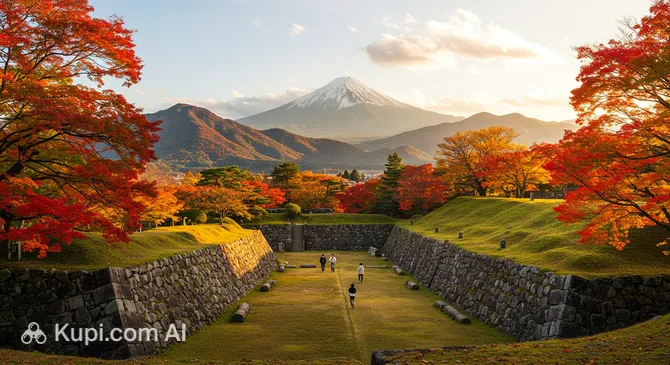
Numata. Illustration.
Source: Kupi.com AI

With a population of about 45,000, Numata retains the spirit of a traditional Japanese provincial town where life flows at a measured and calm pace. Despite its relatively small size, the city plays a significant role as a regional commercial center and transport hub. Modern conveniences and centuries-old traditions blend harmoniously here, giving Numata a special charm.

Numata attracts tourists with its natural beauty and cultural features. One of its main gems is the famous Fukiware-no-taki Falls, often called the "Niagara Falls of Japan" for its power and beauty. Additionally, the city and its surroundings are famous for their hot springs (onsen), where you can relax and recharge after an eventful day of exploration. Numata also serves as an excellent starting point for discovering the rich nature and culture of the Gunma region.

If you are looking for a place where you can experience the real, slow-paced, and soulful Japan, Numata is an excellent choice. This welcoming city is ideal for family trips, romantic weekends, or traveling with friends, offering every visitor unique experiences and warm memories.

You can find more interesting facts on the Numata city history page

Weather Overview

The weather in Numata is characterized by noticeable seasonal changes. Summer, especially in July and August, is warm here, with average temperatures around 21-23°C, and maximum values can reach 25-26°C. This period also sees the highest amount of precipitation, up to 8 mm per month, and a significant number of rainy days. Winters, by contrast, are cold, with average temperatures in January and February below zero (around -1°C to -2°C), and minimums can drop to -5.6°C. Precipitation is also frequent in winter, primarily as snow, with about 3 mm of precipitation per month and many days with precipitation. Spring and autumn are transitional seasons with moderate temperatures and rainfall.

Expect warm and humid summers with frequent rain, as well as cold winters with regular snowfall. You can find more detailed information on weather conditions on the Numata Climate page.

Average monthly temperature

Average monthly precipitation

Interesting Facts

Beyond its scenic landscapes and rich history, Numata hides many surprising details that make this city truly special. Here are just a few lesser-known facts that might interest you:

  • The city of Numata is considered the birthplace of the legendary Tengu masks – mythical creatures with long noses and red skin that, according to Japanese beliefs, protect good people and temples. These expressive, handmade masks have become a true symbol of Numata.

  • Numata hosts a completely unique Tengu Festival that you won't see anywhere else in Japan. The highlight of the celebration is a procession where a palanquin featuring a huge Tengu demon mask is carried through the streets not by men, as is customary, but by about two hundred women dressed in traditional yukata. This vibrant festival is held annually in early August.

  • Located near Numata is a natural wonder – the Fukiware-no-taki Falls. This waterfall is so significant that it was added to Japan's list of specially protected natural monuments as far back as 1936. In autumn, it appears in all its glory, surrounded by flaming maples and golden ginkgo trees.

  • Numata is famous not only for its natural beauty but also for its centuries-old craft traditions. The art of woodworking has flourished here for a long time, and many workshops even offer tourists the unique opportunity to try their hand as a Japanese craftsman in special workshops.

How to Get There

When planning a trip to Numata, a charming city in Gunma Prefecture, it is important to know the most convenient ways to get here. Numata does not have its own airport, so travelers arriving from afar or abroad should consider flying to one of Japan's nearby major air hubs, from where they can continue their journey by land transport.

One of the main options for international travelers is Haneda Airport (HND), located in Tokyo. This is a very large international airport serving a vast number of flights from all over the world. The distance from Haneda Airport to Numata is approximately 138.3 km. A trip by car or taxi from here to Numata can take about 3.5-4 hours, depending on traffic conditions. Various public transport options are also available from Tokyo, including trains and buses that can bring you closer to Numata.

The closest airport to Numata is Matsumoto Airport (MMJ), located in the city of Matsumoto, about 113.8 km from Numata. This is a small regional airport that may be convenient if you are traveling within Japan or arriving via another major Japanese city with connecting flights to Matsumoto. The journey by car from Matsumoto Airport to Numata will take approximately 3 hours.

It's also worth considering other regional airports, such as Ibaraki Airport (IBR, about 133.4 km from Numata) and Niigata Airport (KIJ, approximately 145.5 km). Although they are smaller, they can offer alternative routes depending on your point of departure.

For clarity, here is summary information on the main airports through which you can reach Numata:

AirportPassenger trafficDistance
Matsumoto Airport112 618114 km
Ibaraki Airport776 063133 km
Haneda Airport85.7 mln138 km
Fukushima Airport250 000139 km
Niigata Airport1.1 mln146 km

After arriving at one of these airports, you can reach Numata by rental car, taxi, or by using Japan's well-developed public transport system, which includes trains and buses. It is recommended to plan your route from the airport to Numata in advance and check the current transport schedules.

Main Attractions

Numata is a city where the majesty of nature meets a rich historical heritage. Travelers here have the unique opportunity to see the "Niagara of Japan," walk through the glory sites of a samurai clan, and enjoy the scents of high-mountain flowers. Here are several key attractions that are definitely worth including in your itinerary when visiting this corner of the country.

One of the region's most impressive natural attractions is Fukiware Falls. Due to its unique shape and power, it is often called the "Niagara of the East." Here, the water plunges into a crevice in the riverbed, creating a breathtaking sight, especially during periods of high water. Convenient walking trails are laid out along the river, allowing you to view the falls from different angles. This place is particularly beautiful in autumn when the surrounding cliffs are covered in crimson foliage, creating an incredible contrast with the churning water.

History buffs and those who enjoy quiet walks will love Numata Park (Numata Castle Ruins). Situated on a hill, the park is located on the site of a former castle that was long a stronghold of the famous Sanada samurai clan. Although the castle itself has not survived, you can see restored gates and the remains of stone walls. In spring, the park becomes a magnet thanks to hundreds of blooming cherry trees, and the observation decks offer panoramic views of the city and the surrounding mountains.

During the summer season, Tambara Lavender Park becomes a real draw for tourists. Located in the highlands, this park offers an escape from the summer heat and incredible views of purple fields where about 50,000 lavender bushes are planted. The peak of the bloom occurs in July and August, filling the air with a soothing aroma. In winter, this area transforms into a popular ski resort, making the site relevant for visits year-round.

For those seeking relaxation, the Oigami Onsen hot springs are an ideal choice. This resort village, located along the Katashina River, is famous for its healing waters and the legend of a giant serpent that, according to tradition, healed its wounds here. A special feature of Oigami is one of the largest morning markets in the Kanto region, where locals sell fresh vegetables and seasonal products. A visit to the onsen will be a wonderful conclusion to an eventful day of traveling through Japan.

Local Cuisine

The gastronomy of Numata is a true immersion into a world of fresh flavors and centuries-old traditions. The star of the local cuisine is undoubtedly soba – buckwheat noodles prepared here according to special recipes passed down through generations. Be sure to try "Yutoki soba" – it's not just a dish, but an entire composition served with seasonal vegetables and unique local sauces, reflecting the rich nature of the region.

A special place in Numata's culinary scene is held by dishes made from the freshest vegetables and fruits grown on the fertile lands of surrounding farms. Depending on the season, you may have the chance to visit local fruit orchards and participate in harvesting juicy apples, fragrant pears, or sweet peaches. Freshly squeezed juices and homemade jams from these gifts of nature will be a wonderful addition to your gastronomic experiences. Street food lovers will enjoy the small family-run eateries where you can taste traditional Japanese treats: onigiri (rice balls with various fillings), crispy tempura made from local vegetables, and delicate rice-based sweets.

The food culture in Numata is closely linked to the local community and seasonality. Locals and tourists often choose cozy family restaurants for lunch or dinner. At farmer's markets, you can not only purchase fresh produce but also find artisanal cheeses and even local honey. For instance, if you see a local market on your list of attractions, such as a hypothetical "Numata Farmers' Market," be sure to stop by. As for drinks, besides the already mentioned fresh juices, it's worth trying traditional Japanese tea. For alcoholic beverages, look out for sake, which may be represented by local varieties.

Throughout the year, Numata's gastronomic life is enriched by various festivals where you can get to know the region's cuisine more deeply, try rare delicacies, and even chat with local chefs. Autumn harvest festivals and spring cherry blossom festivals are especially colorful, as the city streets turn into lively fairs with plenty of food and souvenirs. Numata's gastronomic scene attracts with its authenticity, emphasis on fresh seasonal products, and loyalty to traditional recipes, making every dish truly special.

Travel Tips

Planning a trip to Numata? Wonderful! To ensure your journey through this charming corner of Japan goes smoothly and leaves only pleasant impressions, we have prepared some practical tips for you.

  1. Clothing and useful items: The climate in Numata, as in all of Gunma Prefecture, is characterized by four distinct seasons. In summer (June-August), it can be hot and humid; in winter (December-February), it's cool and snow is possible. Spring and autumn delight with moderate weather. Bring seasonal clothing and definitely comfortable shoes for walking – Numata and its surroundings are great for exploring. Don't forget an adapter for electrical appliances (Japan uses Type A and B sockets, 100V voltage). When visiting temples and shrines, choose modest clothing that covers shoulders and knees.

  2. Getting around the city: Numata is a relatively small city, so the main public transport here is buses. For traveling longer distances across Gunma Prefecture or to other cities in Japan, it is convenient to use the well-developed railway network. Taxis are available but can be expensive; you can use apps to call them. Renting a car can be a good option for exploring the region's natural beauty, but remember the need for an international driving permit and left-hand traffic.

  3. Financial matters: The local currency is the Japanese Yen (JPY). It's best to exchange currency at the airport upon arrival or at major banks. ATMs that accept international cards can usually be found at post offices (Japan Post Bank) and 24-hour 7-Eleven convenience stores. Credit cards are increasingly accepted, but cash is still widely used, especially in smaller establishments and outside major tourist centers. Tipping is not customary in Japan – good service is considered the norm.

  4. Health and safety: Japan is one of the safest countries in the world, and Numata is no exception. The crime rate is extremely low. Pharmacies (look for signs saying "薬" or "kusuri") are everywhere. If you need medical assistance, contact your hotel reception or call 119 for an ambulance. It is highly recommended to have travel medical insurance.

  5. Communication and connectivity: The official language is Japanese. English is common in the tourism industry, but in smaller cities like Numata, knowing a few basic Japanese phrases (e.g., "konnichiwa" – hello, "arigato" – thank you, "sumimasen" – excuse me) will be very helpful and appreciated by locals. For connectivity, it's convenient to buy a local SIM card or rent a pocket Wi-Fi router. Free Wi-Fi is often available in hotels and some cafes.

  6. Local etiquette: Japanese people are very polite and value respect for traditions. When greeting, it is customary to bow slightly. In public places, especially on transport, try to speak quietly. Remove your shoes before entering homes, temples, and some traditional restaurants (usually indicated by a special shoe shelf). Observe order in queues – this is an important part of Japanese culture.

  7. What to avoid: Try not to eat or drink while walking on the street (exceptions are festivals or designated areas). Also, it is not customary to stick chopsticks vertically into rice, as this is associated with funeral rituals. Loud phone conversations on public transport are also frowned upon.

  8. Special tip for Numata: Numata and Gunma Prefecture are famous for their beautiful nature and hot springs – onsens. Don't miss the chance to visit one of the local onsens to relax and experience this important part of Japanese culture. Also, keep an eye out for local festivals if your trip coincides with one – it's a great way to dive deeper into the city's atmosphere.

We hope these tips help you better prepare for your trip and get the most enjoyment out of your stay in Numata. We wish you an unforgettable journey!

Entertainment & Nightlife

When the sun sets over the picturesque landscapes of Gunma Prefecture, Numata transforms, offering its guests a cozy and authentic atmosphere for evening relaxation. Although Numata cannot boast bustling entertainment districts like megacities, you will find pleasant places here to unwind after a busy day and immerse yourself in local life.

The foundation of evening entertainment in Numata consists of traditional Japanese pubs – izakaya. They are scattered throughout the city, but the highest concentration, along with small local bars and karaoke salons, is usually found near the central railway station. This is the place to spend time with friends or meet locals while enjoying a laid-back atmosphere.

In the izakayas and bars of Numata, you will mostly find a local crowd, providing a unique opportunity to dive into the everyday life of a Japanese town. The style of these establishments is generally casual, and there is no strict dress code – comfortable clothing will be just right. Most such places are hospitably open until late evening or midnight, especially on Fridays and Saturdays.

To experience a more lively atmosphere, it is best to plan your evening out for the weekend. Prices in local establishments usually remain moderate, making leisure accessible. Regarding night transport, it is worth checking the schedule for the last buses or trains in advance. Late at night, taxis become the primary mode of transportation; they can be found at designated stands or you can ask the staff at your venue to call one for you.

Numata, like most cities in Japan, is characterized by a high level of safety, so evening walks here are generally comfortable and worry-free. Nevertheless, it is always wise to follow standard precautions. If you plan to stay out late, calling a taxi is a reliable and convenient option for returning to your hotel.

To discover the best evening spots in Numata, we suggest starting your search with a stroll through the streets adjacent to the central railway station – this is the traditional hub of activity. Also, don't hesitate to ask your hotel staff for recommendations; they often have information about places popular among locals. While we cannot provide a specific list of bars or clubs with addresses at this time as the relevant data is unavailable, this "on-the-spot exploration" approach is often rewarded with cozy finds and an authentic experience.

During the day, Numata and its surroundings also offer interesting leisure options. Visitors can explore local parks, such as the scenic park at the site of the Numata Castle ruins, which offers beautiful views of the surrounding area. It's also worth paying attention to small local museums that tell the story of the region's history and culture. Nature lovers will undoubtedly appreciate the proximity to the mountains and numerous opportunities for hiking along the picturesque trails of Gunma Prefecture.

Parks & Museums

Numata invites its guests to enjoy both picturesque green spots and a rich cultural and historical heritage. The city offers diverse opportunities for outdoor relaxation and diving into the region's past.

One of the main places for walking and relaxation in Numata is Numata Joato Park (Numata Castle Ruins). Located on the site of the former Numata Castle, this park is steeped in history and attracts visitors not only with its atmosphere but also with beautiful landscapes, especially in spring during the cherry blossom season and in autumn when the foliage turns vibrant colors. Here, you can enjoy a peaceful walk, views of the city, and touch the centuries-old past by exploring the preserved stone walls and foundations of the former fortress. Not far from Numata is another impressive natural site – Fukiware Falls. Its powerful cascades of water cutting through the rocks create a breathtaking sight and are a popular spot for nature lovers and photographers.

To gain a deeper understanding of Numata's history, it's worth visiting the Numata City History Museum. The museum's exhibits are usually dedicated to the city's past, including its close connection to the famous Sanada clan, which played a key role in the region's history. Here, you can see ancient artifacts, samurai armor, and valuable historical documents. The city's cultural palette can be complemented by small art galleries or exhibition spaces where you can see the work of local masters or themed exhibitions reflecting the unique culture of Gunma Prefecture.

For a more authentic experience, stop by one of the local temples or shrines scattered throughout the city and its surroundings. They often offer a peaceful atmosphere and interesting architectural details hidden from the main tourist flow. Also, don't miss the chance to try local culinary specialties in the cozy small restaurants of Numata.

Getting Around

When planning your travel around Numata, it's worth considering that it is a compact city where the main types of public transport are local buses and trains. There are no metro or tram lines here, which is typical for Japanese cities of this size.

Buses are the primary way to get around within the city and its outskirts. Various routes connect the railway station with residential areas, tourist sites, and shopping centers. Bus fares are most often paid in cash when exiting; it is recommended to have small change, as the driver may not always be able to give change for large bills. Some buses may accept regional transport cards or popular IC cards (such as Suica or Pasmo), but it's better to check this in advance or be prepared to pay in cash. The fare usually depends on the distance.

Railway transport is represented by JR Numata Station, which is an important transport hub connecting the city with other settlements in Gunma Prefecture and larger cities in Japan. Trains are convenient for longer journeys. Train tickets can be purchased at station ticket offices or from vending machines. IC cards are usually accepted without issue on the railway lines.

Practical tips for tourists: When boarding a bus in Japan, you often need to take a ticket with a stop number (if the payment system depends on distance) or simply enter. Payment is made upon exiting next to the driver. Bus and train schedules are usually strictly followed; they can be found at stops and stations. Keep in mind that the number of trips may be reduced in the evenings and on weekends. To plan routes, you can use online maps or specialized Japanese transport apps, although information for small cities may be less detailed.

Among the alternative ways to get around Numata, taxis are popular and can be found at the railway station or called by phone. For exploring the central part of the city and nearby attractions, a walk is perfectly suitable. Also, depending on the season and service availability, you might consider renting a bike – it's a great way to leisurely get to know the city and its picturesque surroundings.

Accommodation

When planning a trip to Numata, you will find a wide range of accommodation options to suit every taste and budget. The city offers traditional Japanese inns – ryokans and minshuku, which immerse you in an authentic atmosphere – as well as modern business hotels and more economical guesthouses. For those who prefer independence, apartments and holiday homes are available and can be conveniently booked through online services.

When choosing where to stay in Numata, consider areas near key transport hubs, such as near JR Numata Station – this will make moving around the city and traveling to the surrounding areas easier. Proximity to major attractions, restaurants, and shops will also add comfort to your stay. Some ryokans are located in more scenic and secluded corners, offering guests a peaceful retreat in the heart of nature.

We recommend booking your accommodation well in advance, especially if your trip coincides with peak tourist seasons – the cherry blossom period, the autumn maple leaf viewing season (momiji), or during major local festivals. Early booking not only guarantees a wider choice but often allows you to find better deals.

In Numata, there are accommodation options for every budget – from affordable guesthouses to more upscale ryokans offering fine dining and their own onsens (hot springs). The cost of stay can vary significantly depending on the category of the establishment, the season, and the set of services provided. You can book accommodation through popular online travel platforms, directly on the websites of hotels and ryokans, or by contacting local tourist information centers.

Nearby Cities

For those looking to explore the surrounding area, Numata serves as an excellent starting point for day trips to several interesting nearby locations:

CityPopulationDistance
Minakami17 2235 km
Shibukawa73 06418 km
Nakanojo15 18619 km
Higashiagatsuma12 35621 km
Yoshioka22 23422 km

Among these cities, Maebashi, the administrative center of Gunma Prefecture, stands out as a place to stroll through picturesque parks and experience the region's cultural life; Takasaki is famous for its traditional Daruma dolls and the majestic statue of the Goddess Kannon; and Kusatsu is one of Japan's most famous onsen resorts, offering a unique experience of bathing in healing hot springs.

These nearby destinations provide a more complete understanding of the diverse culture, history, and natural landscapes of Gunma Prefecture and Japan as a whole.

Shopping & Souvenirs

Shopping in Numata offers more of an introduction to local flavor and regional goods than a pursuit of global brands. This charming city in Gunma Prefecture is not famous for huge shopping malls, but here you can find authentic souvenirs, fresh local products, and unique handmade items. Going shopping in Numata is an opportunity to immerse yourself in the daily life of the Japanese countryside and discover something truly special.

Main shopping spots in Numata are likely concentrated in the central part of the city and along the main streets. Here you can find small independent shops, stores with everyday goods, and possibly specialized shops offering locally produced goods. A stroll through these areas will allow you to get to know the city and its residents better.

In Numata, you are unlikely to find the large multi-story shopping complexes typical of megacities. However, there may be small local shopping centers or department stores featuring a range of clothing, household goods, and food. Such places are great for buying everything you need and seeing what is popular with the locals.

Special attention should be paid to local markets, if any are being held in Numata. In Japanese cities, you can often find morning markets (asaichi) where farmers sell fresh vegetables, fruits, pickles, and other delicacies. This is a wonderful opportunity to try seasonal products from the Gunma region and purchase edible souvenirs. Sometimes, you can also find items from local craftsmen at the markets.

As souvenirs from Numata and Gunma Prefecture, you can bring back various local products and items. Look out for traditional Japanese sweets, local sake or beer, products made from konnyaku (a plant product Gunma is famous for), as well as handmade items like ceramics or textiles if they are produced in the region. Daruma dolls, a symbol of good luck, are also a popular souvenir from Gunma Prefecture.

Most shops in Numata, as in Japan in general, are typically open from 10:00 or 11:00 AM to 7:00 or 8:00 PM. Small family-run shops may have individual schedules and one day off per week. Regarding payment, while credit cards are increasingly accepted, especially in larger stores, cash still plays an important role. It is recommended to always have some cash on hand, especially for purchases at markets or small shops. Transport IC cards (e.g., Suica, Pasmo) may also be accepted at some outlets.

For foreign tourists in Japan, a Tax-Free system is in place. When making purchases over 5,000 yen (excluding tax) at licensed stores (look for the "Japan Tax-Free Shop" sign), you can receive a consumption tax refund. You must present your passport to process the refund. This is a great opportunity to save on souvenirs and other goods.

Reached the end of the page?

That means the route is fully explored