Support

Fujioka

About

Fujioka is a charming city nestled in Gunma Prefecture, in the heart of Honshu Island, Japan. It is famous for its tranquil atmosphere, where age-old traditions blend harmoniously with picturesque nature, offering guests a unique experience of immersing themselves in Japanese culture away from the hustle and bustle of megacities.

The city covers an area of about 180 square kilometers and has a population of approximately 62,608 people. Fujioka retains the spirit of a small Japanese town, where every corner breathes history and the locals are renowned for their hospitality. There is no big-city rush here; instead, you will find clean air, peace, and a wonderful proximity to nature.
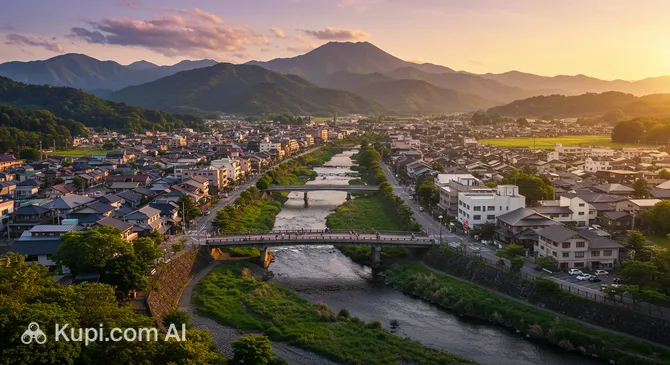
Fujioka. Illustration.
Source: Kupi.com AI

Fujioka attracts travelers with its authenticity. Among its key highlights are ancient temples, picturesque streets that have preserved the spirit of the past, and magnificent views of the surrounding mountains and rivers. The city serves as a bridge between traditional and modern Japan, offering guests the chance to enjoy a slower pace of life.

If you are looking for inspiration, solitude, and an introduction to the real Japanese countryside, Fujioka is an excellent choice. Walking through its scenic surroundings, tasting local delicacies, and experiencing culture in its original form will leave unforgettable impressions. Visit Fujioka to feel its unique atmosphere and discover another side of the Land of the Rising Sun.

You can find more interesting facts on the Fujioka city history page.

Weather Overview

The city of Fujioka experiences distinct seasonal climate variations. Summer months, particularly July and August, bring warm weather with average high temperatures reaching 28.7°C (in August), and are the wettest – with up to 8 mm of precipitation in July across more than 20 rainy days. Winter, spanning from December to February, is characterized by cool weather: the average temperature in January is about 2.4°C, while precipitation is minimal, usually 1–2 mm per month.

Spring and autumn serve as transitional periods with gradual changes in temperature and rainfall levels. Overall, Fujioka is characterized by warm summers with occasional rain and cool, relatively dry winters. For more detailed planning of your trip, we recommend checking the climate and weather in Fujioka.

Average monthly temperature

Average monthly precipitation

Interesting Facts

Beyond its main attractions, Fujioka holds many fascinating secrets and little-known details that make it truly special. Here are just a few that might surprise even the seasoned traveler:

  • Did you know that Fujioka was once a bustling transit point on the ancient trade routes connecting Edo (the old name for Tokyo) with the northern regions of Japan? Traces of that era can still be found in the city in the form of old inns and traditional buildings that preserve the spirit of the samurai times.

  • Fujioka's surroundings are more than just picturesque landscapes. The city is a real Mecca for connoisseurs of seasonal beauty: in spring, visitors admire the cherry blossoms against the mountain backdrop, and in autumn, the flaming maple leaves. These views attract photographers and hikers looking to capture unique moments.

  • Fujioka is a city where ancient traditions come to life during numerous festivals. These colorful celebrations, dedicated to the harvest or the changing seasons, fill the streets with the sounds of traditional music, dancing, and bright processions, offering a rare opportunity to immerse yourself in authentic Japanese culture away from standard tourist routes.

  • The city is proud of its masters of traditional crafts and arts. In Fujioka, you can not only see but also try your hand at the art of calligraphy, ikebana, or even participate in a real tea ceremony by visiting one of the local cultural centers that carefully preserve centuries-old traditions.

How to Get There

There are several ways to reach the city of Fujioka, although the city does not have its own airport. Most international travelers arrive in Japan via major airports located in the Tokyo area, from where they then travel to Fujioka by land transport.

The main and most convenient option for international flights is Haneda Airport (HND), located in Tokyo. It is about 101 km from the center of Fujioka. Haneda is a major international hub serving a huge number of flights. A taxi ride from Haneda Airport to Fujioka can take about 2.5–3 hours, depending on traffic. You can also reach the city from the airport by trains or buses, making the necessary transfers.

Another significant international airport is Narita International Airport (NRT), which also serves the Tokyo metropolitan region. It is located a bit further away, approximately 130 km from Fujioka. Narita is one of Japan's main air gateways for international flights. The drive by taxi from here to Fujioka will take approximately 3.5–4 hours. As with Haneda, various land transport options are available from Narita, including high-speed trains and buses, for further travel to Fujioka.

After arriving at one of these airports, travelers usually use Japan's extensive rail network (including Shinkansen high-speed trains and local lines) or intercity buses to reach Fujioka. Car rental is also possible for greater flexibility in moving around the region.

For clarity, here is a summary of the main airports through which you can reach Fujioka:

AirportPassenger trafficDistance
Haneda Airport85.7 mln101 km
Matsumoto Airport112 618104 km
Ibaraki Airport776 063121 km
Narita International Airport40.8 mln130 km
Fukushima Airport250 000162 km

Main Attractions

Fujioka, a city in Gunma Prefecture, offers travelers a unique opportunity to dive into a rich history and enjoy the natural beauty of Japan. Here are several key places to include in your Fujioka itinerary:

One of the main gems of Fujioka is Sakurayama Park, located on the picturesque slopes of the mountain of the same name. This place is particularly famous for its Fuyuzakura – a rare type of winter cherry blossom that blooms in late autumn and winter, often creating a stunning contrast with the bright autumn maple leaves. Visitors can enjoy well-maintained walking trails and observation decks with beautiful views, making the park an ideal spot for quiet relaxation and admiring Japanese nature at any time of year.

For those interested in the ancient history of Japan, Fujioka offers an introduction to the impressive burial structures of the Kofun period (3rd-7th centuries AD). One of the most significant is the Shichihonyama Kofun – one of the largest burial mounds of its type in the region. A visit to this and other similar ancient burial sites, such as the Shiroishi Inariyama Kofun, allows you to touch the distant past of Gunma Prefecture and learn more about the culture and customs of the people who inhabited these lands many centuries ago.

To dive deeper into the history and culture of the region, it is worth visiting the Fujioka History Museum (Fujioka Rekishikan). Its exhibition features archaeological finds, household items, historical documents, and other artifacts that detail the development of the city and its surroundings from ancient times to the present day. This museum is an excellent addition to visiting historical monuments and will help provide a more complete picture of Fujioka's rich heritage.

Local Cuisine

The culinary scene in Fujioka is a real discovery for foodies, as freshness and the quality of local products are highly valued here. The basis of many dishes is rice, seasonal vegetables, fish, and meat grown with care on the fertile lands of Gunma Prefecture. The city's gastronomic traditions offer travelers an authentic taste of Japan.

Among the dishes that you should definitely try in Fujioka, udon stands out – thick wheat noodles served in a rich, aromatic broth, often with added seasonal vegetables or meat. Another pride of the region is local beef, in particular, the famous "Gunma Wagyu." This marbled beef is renowned for its tender flavor and melting texture, and can be enjoyed in the city's best restaurants. Local pork, raised on environmentally friendly farms, is also popular.

Walking through the streets of Fujioka, you are sure to notice small, cozy stalls offering a variety of street food. This is a great opportunity to grab a snack on the go and get to know popular Japanese treats. Look out for yakisoba (appetizing fried noodles with vegetables and meat), taiyaki (fish-shaped cakes filled with sweet adzuki bean paste), and, of course, onsen tamago – eggs cooked in hot springs, which gives them a special, delicate consistency.

As for drinks, in Fujioka, as throughout Japan, you will find a wide choice. Among traditional alcoholic beverages, sake (rice wine of various strengths and flavor profiles) and shochu (a strong distilled beverage) are popular. Among non-alcoholic options, various types of green tea are always available, as well as refreshing locally produced lemonades and juices.

Food culture in Fujioka is closely tied to local products and traditions. Locals and tourists love to visit farmers' markets where you can buy the freshest seasonal vegetables, fruits, and homemade pickles. At certain times of the year, gastronomic festivals may be held in the city, offering a unique chance to get to know the region's best dishes and even participate in cooking masterclasses. Visiting restaurants, street cafes, or the markets of Fujioka will give you vibrant culinary impressions.

Travel Tips

Welcome to Fujioka! To ensure your journey to this cozy city in Gunma Prefecture, Japan, is as comfortable as possible and leaves only the warmest memories, we have prepared some practical tips for you.

  1. Clothing and Essentials:

    The climate in Fujioka, like all of Japan, is clearly divided into seasons. In summer (June-August) it is hot and humid, so choose light, breathable clothing. In spring (March-May) and autumn (September-November) the weather is pleasant, but it can be cool in the evenings – bring a jacket or sweater. In winter (December-February) temperatures drop and frosts are possible, so warm clothing is essential. The key point is comfortable shoes, as you will likely be doing a lot of walking. Don't forget an adapter for electrical appliances (Japan uses Type A sockets, voltage 100V) and a portable charger. When visiting temples and shrines, choose modest clothing that covers shoulders and knees; be prepared to remove your shoes at the entrance.

  2. Transport in the City:

    The most convenient way to get around Fujioka is by local buses. The network might seem unfamiliar, but it is the main form of public transport in cities of this size. Schedules are usually precise. Taxis are available but can be quite expensive, especially for short distances. Taxi apps like JapanTaxi or DiDi can be useful, but check their availability upon arrival. Renting a car might be justified if you plan to explore the scenic surroundings of Gunma Prefecture, but for moving within the city itself, it is not always necessary. Remember to drive on the left and that an international driving permit is required.

  3. Financial Matters:

    The local currency is the Japanese Yen (JPY, ¥). You can exchange currency at banks or the post office, but in smaller cities like Fujioka, the number of exchange points may be limited, so it's best to take care of this in advance, for example, at the airport. Credit and debit cards (Visa, Mastercard) are accepted in many hotels, large shops, and restaurants; however, cash remains king, especially in smaller establishments, local stalls, and when paying fares on some buses. ATMs that accept international cards are most commonly found in 7-Eleven stores and at post offices (JP Post Bank). An approximate daily budget per person, excluding accommodation, can range from 6,000 to 12,000 Yen, depending on your food and entertainment preferences. Expenses in Fujioka may be slightly lower than in large megacities. Tipping in Japan is not practiced and may even cause confusion.

  4. Health and Safety:

    Japan is one of the safest countries in the world, and Fujioka is no exception. The crime rate here is very low. Nevertheless, basic precautions, such as keeping an eye on your belongings, are always wise. Pharmacies (look for the "薬" - kusuri sign) are easy to find, but some medicines you are used to might be prescription-only or unavailable. Be sure to take out travel health insurance before your trip. If necessary, medical assistance can be obtained at local clinics and hospitals.

  5. Communication and Connectivity:

    The official language is Japanese. The level of English proficiency among the local population in smaller cities like Fujioka may not be high. Learn a few basic phrases: "Konnichiwa" (Hello), "Arigato" (Thank you), "Sumimasen" (Excuse me/Sorry) – this will be very helpful and appreciated by locals. For stable internet access, consider renting a pocket Wi-Fi router or buying a local SIM card. Free Wi-Fi is available in some public places and cafes. Useful apps include Google Maps for navigation and Google Translate for translation.

  6. Local Etiquette:

    Japanese people highly value politeness and respect for tradition. Greetings are usually accompanied by a bow – its depth depends on the situation and the status of the person you are addressing. In public places, especially on transport, try to be quiet and avoid talking loudly on the phone. It is considered impolite to eat or drink on the go (except in designated areas). One important feature is the requirement to remove shoes when entering private homes, many temples, traditional restaurants, and ryokans (Japanese-style inns). Look for a special shoe shelf.

  7. What to Avoid:

    To avoid offending locals and awkward situations, try not to point at people or objects with your finger – use an open palm instead. It is strictly forbidden to stick chopsticks vertically into a bowl of rice – this is associated with funeral rituals. Also, avoid loud nose-blowing in public; it's better to step away to a restroom.

  8. Special Tip for Fujioka:

    Fujioka is located in Gunma Prefecture, known for its onsens (hot springs) and beautiful nature. If you have time, definitely consider visiting one of the nearby onsens – it is an unforgettable experience and a great way to relax. Also, being a small city, Fujioka offers a chance to see a quieter and more authentic side of Japanese life, away from the noise of the megacities.

We hope these tips help you better prepare for your trip to Fujioka and enjoy every moment of your stay in this charming Japanese city. Have an enjoyable and enlightening journey!

Entertainment & Nightlife

Fujioka, while not one of Japan's largest cities, offers its own options for evening and night leisure, allowing you to soak up the local atmosphere. Here, nightlife is centered more on cozy establishments and traditional Japanese entertainment rather than the noisy, crowded clubs typical of megacities.

The main centers of evening entertainment in Fujioka are traditional Japanese pubs – izakaya – and popular karaoke venues. You will find them primarily in the central part of the city, especially in the areas adjacent to the railway station. An izakaya is a wonderful opportunity to try local sake or beer paired with a variety of snacks in a relaxed setting. The atmosphere is usually friendly, attracting both locals and visitors, and there is generally no strict dress code. Karaoke boxes offer a fun pastime for groups of friends. Most of these establishments are open until late evening, with some operating until midnight, especially on Fridays and Saturdays.

In addition to izakayas and karaoke, some restaurants in Fujioka may also stay open during evening hours, offering dinner in a calm environment. Look for signs offering ramen, udon, or other popular Japanese dishes to round off your day with a delicious meal.

As for practical advice, the best time to experience Fujioka's nightlife is Friday and Saturday evenings, when locals relax after the work week. Prices for food and drinks in Fujioka's establishments are likely to be moderate compared to major tourist centers like Tokyo or Kyoto. To get around the city at night, you can use taxi services, which usually wait for passengers at the railway station or can be called by phone via your hotel or establishment staff. It is also worth checking the schedule for the last trains in advance if you plan to travel to neighboring areas or back to your accommodation if it is located further away.

Fujioka, like most cities in Japan, is considered a fairly safe place for nighttime walks, especially in central and well-lit areas. Nevertheless, it is always wise to follow standard precautions. If you need to call a taxi, the staff at your hotel or the establishment you are in can usually assist you.

During the day, Fujioka offers quieter but no less interesting leisure options. You can enjoy walks through local parks, visit small temples or shrines that introduce you to the region's culture and traditions. The city may also have a local history museum or exhibition hall where you can delve deeper into the history and life of Gunma Prefecture.

Parks & Museums

Fujioka, comfortably situated in Gunma Prefecture, offers its visitors a harmonious blend of natural beauty and cultural heritage. The city and its surroundings will delight both lovers of quiet walks in the fresh air and those seeking a deeper understanding of Japanese history and art.

For outdoor recreation, there are several wonderful spots in and around Fujioka. One of the most famous is Sakurayama Park, renowned for its unique winter cherry blossoms (Fuyuzakura). These trees bloom twice a year – not only in spring but also from autumn to winter, creating a truly magical sight, especially if you are lucky enough to see them against a backdrop of snow. The park also offers scenic hiking trails and is a great place for admiring the nature of Gunma Prefecture. Another popular green zone is Koshinyama Sogo Koen (Koshinyama General Park), which offers diverse leisure opportunities, from sports fields to picnic spots and walking paths. Such parks often become centers of attraction for locals and allow tourists to immerse themselves in the everyday life of the city.

The cultural life of Fujioka and the Gunma region is reflected in its museums and galleries. To get acquainted with the rich history of these places, it is worth visiting the Fujioka History Museum (Fujioka Rekishikan). Here, exhibits tell the story of the city's past starting from ancient times, including important archaeological finds from the Kofun period discovered in numerous local burial mounds. Additionally, museums dedicated to famous local crafts, such as silk production or traditional Daruma dolls, can be found in Gunma Prefecture, providing a unique opportunity to touch the local culture. Art lovers will find interest in art galleries showcasing both traditional Japanese art and works by contemporary masters.

Beyond organized parks and museums, Fujioka and its surroundings are rich in historical monuments. Look out for local Shinto shrines and Buddhist temples, many of which have centuries-old histories and feature distinctive architecture. Exploring ancient kofun burial mounds, which are a characteristic feature of the landscape in this region, can also be a fascinating journey into the past, revealing the secrets of the ancient rulers of these lands.

For a more authentic Fujioka experience, we advise not limiting yourself only to the main tourist routes. Peek into small local craft shops or traditional markets to find unique souvenirs. A walk through quiet residential streets will allow you to better feel the atmosphere of the city and perhaps make unexpected pleasant discoveries.

Getting Around

Moving around Fujioka and its surroundings is possible via public transport, which, although not as extensive as in megacities, is convenient enough for tourists. The city's transport system is based on buses and trains.

Buses are the main form of public transport within the city, connecting various districts of Fujioka and linking the city with nearby towns. Routes and schedules can be found at stops and on the websites of local transport companies. Buses generally run on a strict schedule. The approximate cost of a short bus trip around the city starts from 150-200 Yen.

Rail transport plays an important role for longer-distance trips, connecting Fujioka with other cities in the region and country. Local trains stop at stations within the city limits and its suburbs. Fujioka Station is a key transport hub. The cost of a short train journey within the city or to the nearest suburbs can also start from 150-200 Yen, increasing depending on the distance.

The fare payment system is fairly standardized. You can use:

  • IC Transport Cards: Rechargeable cards widely used throughout Japan (such as Suica, Pasmo, or their regional counterparts) are very convenient. They can be used to pay on both trains and buses. Simply tap the card against the reader when entering and exiting.
  • Single Tickets: These can be purchased from machines at railway stations or directly from the bus driver when boarding (often exact change is required as change may not be given or may have limitations).

The fare depends on the distance. As mentioned, bus trips around the city usually start from 150-200 Yen, and the train fare is calculated based on a tariff grid, also starting from similar amounts for short distances.

Practical tips for tourists:

  • Buying tickets and topping up cards: IC cards can be purchased and topped up at machines in major railway stations or special offices. Single train tickets are sold at station machines. In buses, payment is made upon entry or exit, depending on the specific bus company's system.
  • Validation: When using an IC card, don't forget to tap it against the validator both when entering and exiting (on trains and some buses). Paper train tickets are checked at turnstiles or by conductors.
  • Operating Hours: Public transport usually starts operating early in the morning (around 5-6 AM) and finishes closer to midnight. Schedules may change on weekends and holidays. It is recommended to check the schedule in advance, especially for the last services.
  • Route Planning: Mobile apps are very convenient for planning trips, checking schedules, and fares. Popular options in Japan include Japan Travel by Navitime, Jorudan, and the universal Google Maps, which works well with Japanese public transport.

Among alternative ways of moving around Fujioka, you might consider:

  • Taxis: Available at station stands and can be called by phone. This is a more expensive but comfortable option, especially for trips with luggage or at night.
  • Bicycle Rental: Bicycle rentals may be available in Fujioka, as in many Japanese cities. This is a great way to leisurely explore the city and its surroundings, especially if the weather is favorable. Rental point information can be sought near the station or at tourist information centers.
  • Car Sharing: Car-sharing services might not be as widespread directly in Fujioka as in megacities, but it's worth checking their availability through nationwide Japanese services or companies operating in Gunma Prefecture. This can be a convenient option for flexible trips around the region, especially if you plan to visit places difficult to reach by public transport. It is recommended to check conditions and book a car in advance through the relevant apps or websites.

When planning your travel around Fujioka, actively use online maps and the mentioned mobile route-planning apps. They provide up-to-date information on schedules and travel options and will help save time. Pay attention to information stands at stations and stops – they often contain useful maps and schedules.

Accommodation

When planning a trip to Fujioka, you will find various accommodation options to suit different budgets and preferences. The city features both budget-friendly options and more comfortable hotels, as well as possible apartment or room rentals through online services.

While specific neighborhoods in Fujioka that are particularly popular with tourists may vary, travelers usually prefer to stay in places with convenient access to transport hubs or the city's main attractions. If you plan to move actively around the city and its surroundings, look for accommodation near railway stations or bus stops.

In Fujioka, as in many Japanese cities, you can find hotels of various categories. These can range from small family-run guesthouses offering a cozy atmosphere to larger hotels with a wide range of services. Unfortunately, there are no specific examples of famous hotels in Fujioka in the provided data. We recommend exploring current offers on popular booking platforms.

As for the price range, it can be quite broad: from budget options suitable for thrifty travelers to mid-range hotels and possibly more luxurious offerings if available in the city. Online platforms such as Booking.com, Agoda, and Expedia, as well as local Japanese services, are most convenient for searching and booking accommodation. Sometimes direct booking via a hotel's website is also possible.

Booking Tip: Especially if your trip falls during the peak tourist season (for example, during cherry blossom season or major local festivals), it is recommended to book your accommodation in advance. This will help you not only guarantee availability but potentially find better deals.

Nearby Cities

For those who want to explore the surrounding area, Fujioka serves as an excellent starting point for day trips to several interesting nearby locations:

Among them, Takasaki stands out, known for its traditional Daruma dolls and the majestic statue of the goddess Kannon (Takasaki Byakue Dai-Kannon). It is also an important transportation hub. Nearby is Maebashi, the administrative center of Gunma Prefecture, which attracts visitors with its beautiful Shikishima Rose Park and lively atmosphere. It is also worth paying attention to Isesaki, a city with a rich history of Isesaki Meisen silk production and the popular Kezoji Amusement Park with its large Ferris wheel.

CityPopulationDistance
Tamamura36 0416 km
Kamisato29 9876 km
Takasaki372 63910 km
Honjo76 75711 km
Isesaki210 33212 km

These nearby destinations provide insight into the diverse culture, history, and landscapes of the Gunma region, complementing the experience of visiting Fujioka.

Shopping & Souvenirs

Fujioka, located in Gunma Prefecture, offers visitors shopping opportunities that combine everyday goods with unique local items. While the city may not boast giant shopping complexes like the megacities of Japan, you can find authentic Japanese goods and souvenirs reflecting the region's culture. Shopping in Fujioka is more of an immersion into the local atmosphere than a chase for global brands.

Main shopping outlets are typically concentrated in the central part of the city, perhaps near Fujioka railway station or along the main streets. Here you will find small specialty shops, local stalls, and possibly small department stores offering clothing, groceries, and household goods.

Fujioka may not have large international-scale shopping centers found in big cities. However, this does not mean there are no shopping opportunities. It is worth checking out local shopping arcades or small malls if available, where a good selection of everyday goods as well as some Japanese brands may be presented.

Regarding markets, Fujioka may periodically host local farmers' markets or fairs. This is a great chance to purchase fresh seasonal produce from Gunma Prefecture, as well as handmade crafts from local masters. Information about such markets is best checked on-site, as they are often seasonal or event-based.

For souvenirs from Fujioka and Gunma Prefecture, you can bring back traditional Japanese items. Look out for local ceramics, textiles (Gunma Prefecture is historically famous for silk production), as well as regional delicacies and sweets (wagashi). Popular souvenirs from Gunma also include Daruma dolls (although their main center of production is the city of Takasaki, they are considered a symbol of the prefecture) and various products made from konnyaku, which this region is famous for.

Most shops in Fujioka, as in Japan as a whole, usually operate from 10:00 or 11:00 AM to 7:00 or 8:00 PM. Small private shops may have their own schedules. As for payment, credit cards are accepted in many department stores and chain shops, but in small stalls and markets, preference is often given to cash. Therefore, it is recommended to always carry some Japanese Yen with you.

For foreign tourists in Japan, a Tax Free system is available. When making purchases over a certain amount (usually over 5,000 Yen) in shops participating in this program (look for the "Japan Tax-free Shop" sign), you can arrange for a consumer tax refund. For this, you must present your passport at the cash desk or a special Tax Free counter.

Reached the end of the page?

That means the route is fully explored