Chichibu is a charming city nestled in the heart of Saitama Prefecture, surrounded by majestic mountains and dense forests. Despite its proximity to bustling Tokyo—just an hour and a half by train—Chichibu offers a completely different atmosphere of tranquility and harmony with nature.
Chichibu. Illustration.
Source: Kupi.com AI
The city stretches across a picturesque valley through which the Arakawa River flows, forming a unique landscape with steep cliffs, green hills, and breathtaking views of misty peaks. This location makes Chichibu a true magnet for lovers of natural beauty and outdoor activities.
With a population of about 59,000, Chichibu retains the soulful feel of a small town where ancient traditions are harmoniously interwoven with modernity. It is not just a beautiful place, but also an important cultural center of the region, attracting pilgrims to its ancient temples and shrines.
Chichibu's seasonal beauties lend it a special charm: in spring, the famous flower fields of Hitsujiyama Park bloom; in autumn, the Nakatsu Valley erupts in fiery colors; and in winter, you can admire sparkling ice falls. Chichibu is a wonderful opportunity to discover authentic Japan, far from the hustle and bustle of popular tourist routes.
If you are looking for peace, impressive landscapes, and an immersion into Japanese culture, Chichibu should definitely be on your list of places to visit.
The weather in Chichibu is characterized by noticeable seasonal changes. Summer, especially in July and August, is typically warm, with average temperatures reaching 23-25°C and maximum values around 27-28°C. This period also sees the highest amount of rainfall, particularly in July (about 10 mm), and the highest number of rainy days. Winters, from December to February, are cool, with average temperatures around 2-4°C and minimums dropping to -1.8°C in January. Winter months are generally drier, with a small amount of precipitation (1-3 mm).
Overall, expect a warm summer with occasional rain and cool, relatively dry winters. Spring and autumn offer moderate temperatures with a gradual change in precipitation levels. For more detailed information, please check the weather forecast on the Chichibu Climate page.
Average monthly temperature
Average monthly precipitation
Interesting Facts
Beyond its famous landmarks like Chichibu Shrine or Hitsujiyama Park, the city of Chichibu holds many amazing stories and less obvious treasures. Here are a few interesting facts that might surprise you:
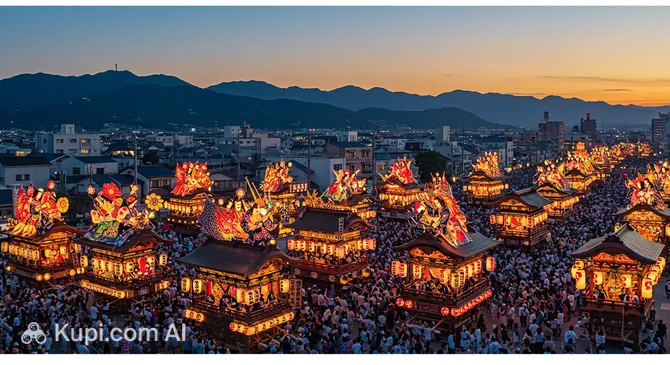
A Festival for the Ages: The famous Chichibu Night Festival (Chichibu Yomatsuri) is not just a beautiful sight. It is one of Japan's top three grandest float festivals and has been held for over 300 years, drawing thousands of spectators in early December.
The Path to Enlightenment: Chichibu is home to the unique Fudasho pilgrimage route, consisting of 34 Buddhist temples. Among them are sacred sites like Jorin-ji Temple (Pilgrimage No. 17) and Jiganji Temple (Chichibu 34 Kannon Pilgrimage No. 13), the paths to which often lead through picturesque mountain trails.
Nature's Ice Sculptures: In winter, you can witness a rare natural phenomenon in Chichibu – the Misotsuchi Icicles. Water trickling down the cliffs freezes, forming impressive ice cascades that shimmer in the sun.
Screen Star: Thanks to its picturesque landscapes and authentic atmosphere, Chichibu has repeatedly served as a filming location for popular Japanese films and anime series, adding special appeal for fans of Japanese pop culture.
How to Get There
The most convenient way to reach the city of Chichibu, located in the picturesque Saitama Prefecture in Japan, is by air, using the major international airports serving Tokyo and the surrounding regions. From the airports, you can reach Chichibu by car, taxi, or via Japan's well-developed public transport network, including trains and buses.
The main international hub for arrival is Haneda Airport (HND), located in Tokyo. This is one of the busiest airports in the world, situated approximately 79.5 km from Chichibu. A taxi ride from here to the center of Chichibu will take roughly 2 hours and 20 minutes. You can also reach stations with easy access to Chichibu from Haneda via trains and buses with transfers.
Another major international airport is Narita International Airport (NRT), also in the Tokyo area but slightly further away – at a distance of about 120.1 km from Chichibu. A taxi journey from Narita to Chichibu can take about 3 hours and 20 minutes. Like Haneda, Narita offers many transfer options via public transport.
While Chichibu itself does not have its own airport, there are other regional airports that could be considered depending on your itinerary. For example, Matsumoto Airport (MMJ) in Matsumoto (about 106.5 km from Chichibu) or Ibaraki Airport (IBR) in Ibaraki (about 121.6 km from Chichibu). However, these primarily serve domestic flights and may require additional transfers for most international travelers.
For your convenience, here is a summary of the main airports used to reach Chichibu:
The city of Chichibu, located in the picturesque mountainous area of Saitama Prefecture, offers tourists many interesting places to visit. Ancient traditions, natural beauty, and cultural heritage blend harmoniously here, making it an attractive destination for travelers seeking an authentic Japanese experience.
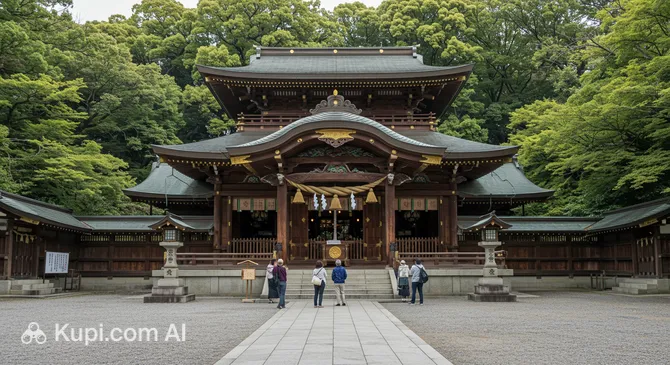
One of the city's main gems is the Chichibu Shrine. This ancient Shinto shrine, with a history spanning over two thousand years, impresses with its magnificent architecture adorned with intricate wood carvings. The shrine is especially famous for hosting the grand Chichibu Yomatsuri night festival in December, which is included in the UNESCO Intangible Cultural Heritage list. A visit to this site allows you to connect with Japan's spiritual traditions.
Chichibu Shrine. Illustration.
Source: Kupi.com AI
Traveler photos:
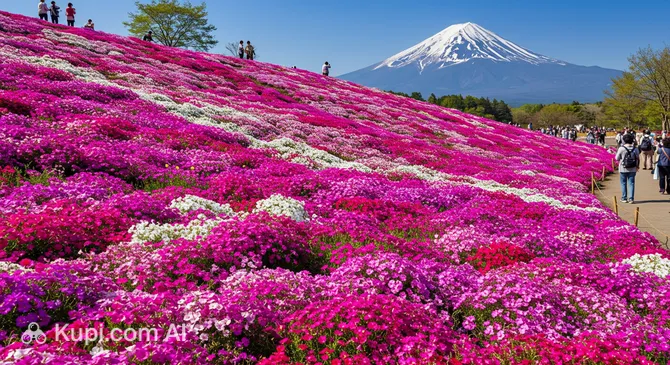
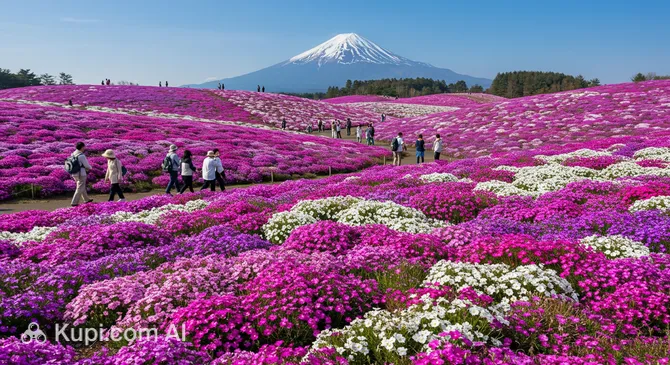
For nature lovers, Hitsujiyama Park is a must-visit. It is particularly famous for its Shibazakura Hill, which from mid-April to early May is covered in a stunning carpet of more than 400,000 moss phlox flowers in various shades of pink, white, and purple. This sight of incredible beauty attracts thousands of visitors and photographers. The hill also offers beautiful views of the mountains.
Hitsujiyama Park Shibazakura Hill. Illustration.
Source: Kupi.com AI
Traveler photos:
You can learn about local crafts at the Meisen Museum. It is dedicated to the traditional technique of producing Chichibu Meisen silk fabric, which was popular in Japan in the first half of the 20th century due to its bright patterns and accessibility. The museum displays fabric samples, tools for their creation, and tells the story of this unique craft. It is a great place to learn about the region's cultural heritage.
Meisen Museum. Illustration.
Source: Kupi.com AI
Traveler photos:
Another wonderful place for relaxation and walks is Chichibu Muse Park. This vast park, spread across the hills, offers a variety of leisure opportunities, from sports grounds and walking trails to an art gallery and an open-air stage. Its observation decks offer panoramic views of the city of Chichibu and the surrounding mountains, making it an ideal place for enjoying nature and quiet relaxation.
Chichibu Muse Park. Illustration.
Source: Kupi.com AI
Traveler photos:
Local Cuisine
The gastronomy of Chichibu is a true reflection of the region's soul, where simple yet incredibly flavorful dishes made from the freshest local ingredients are valued. If you want to get to know authentic Japanese cuisine, Chichibu offers many interesting discoveries.
One of the most famous and beloved local treats is miso-potato. Imagine appetizing pieces of potato deep-fried to a golden crust and then generously drizzled with a thick, sweet-and-savory miso sauce. This dish is a frequent guest at street fairs and on the menus of cozy local eateries, and it is definitely worth a try.
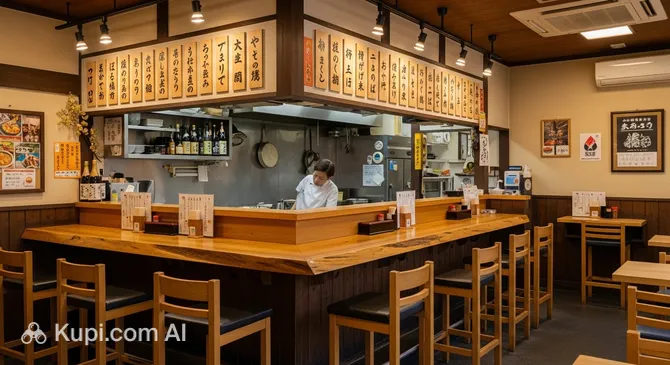
Buckwheat soba noodles play an equally important role in Chichibu's culinary tradition. They are served both hot, warming you up on a cool day, and in a refreshing cold version. Soba made with the purest spring water is especially prized, as it gives the noodles a unique freshness and delicate taste. To enjoy this dish, you can visit, for example, Chichibu Soba, the eatery at Ohana Batake Station, where traditional varieties are offered.
Chichibu Soba Ohana Batake Station Soba Shop. Illustration.
Source: Kupi.com AI
Traveler photos:
Chichibu-na is also a culinary pride of Chichibu – a local variety of leafy greens widely used in aromatic soups and various appetizers. Sweet lovers will find traditional Japanese desserts here, for instance, on busy shopping streets where fresh mochi and rice cakes with red bean filling are sold.
As for drinks, Chichibu is famous for its unique sake and aromatic plum wine. These drinks perfectly complement local dishes and allow for a deeper immersion into the region's gastronomic culture. Of course, various non-alcoholic options, including traditional Japanese teas, are always available.
The food culture in Chichibu is diverse. Locals and tourists alike enjoy visiting small restaurants and eateries to taste authentic dishes. Street food also plays an important role, especially during the numerous festivals when the city is filled with the aromas of freshly prepared treats. Throughout the year, gastronomic holidays are held in Chichibu where you can try farm products, seasonal vegetables, fresh fish, and even game.
Chichibu's gastronomic scene attracts tourists with its authenticity and focus on high-quality local ingredients. By trying signature dishes like miso-potato or the freshest soba, you will discover the true taste of this corner of Japan and take home warm gastronomic memories.
Travel Tips
Welcome to Chichibu! To make your trip to this charming corner of Japan as comfortable and memorable as possible, we have prepared a few practical tips. They will help you better navigate the area and enjoy every moment of your stay.
Clothing and Essentials: The climate in Chichibu is temperate, with four distinct seasons. Summer (June-August) is hot and humid, so bring light clothing and a raincoat for the rainy season. Autumn (September-November) and spring (March-May) offer pleasant weather, ideal for layered clothing. Winter (December-February) can be cold with possible snow – bundle up. Be sure to bring comfortable shoes for walking around town and visiting natural attractions. Don't forget a universal adapter (Japan uses Type A and B sockets, voltage 100V) and a portable charger. When visiting temples and shrines, such as the famous Chichibu Shrine, show respect by choosing modest clothing (covered shoulders and knees) and be prepared to remove your shoes at the entrance.
Getting Around Town: The main way to travel around Chichibu and its surroundings is the Chichibu Railway line. Local buses also run, helping you reach areas not covered by the train. Taxis are available but can be expensive for long trips; you can try using apps like JapanTaxi or Go. Renting a car can be useful if you plan to explore Chichibu-Tama-Kai National Park, but keep in mind left-hand traffic and the requirement for an international driving permit. For moving around the city itself, public transport is usually quite sufficient.
Finances: The local currency is the Japanese Yen (JPY, ¥). You can exchange currency at banks or post offices; it's better to do this in larger cities or at the airport upon arrival, as Chichibu may have fewer options. Credit and debit cards (Visa, Mastercard) are accepted in many hotels, large shops, and tourist spots, but smaller establishments and some temples may prefer cash. ATMs that accept international cards can most often be found in 7-Eleven convenience stores (Seven Bank) and at the post office. Tipping is not practiced in Japan; good service is considered the norm.
Health and Safety: Pharmacies (look for "薬" or "ドラッグストア" signs) are available in the city, but pharmacists may not always speak English. Japan, and Chichibu in particular, is a very safe place with a low crime rate. Observe standard precautions, especially in crowded places. If you need medical assistance, contact local clinics or hospitals; having travel insurance is highly recommended. To call emergency services (ambulance, fire), dial 119.
Communication: The official language is Japanese. English is common in tourist areas and hotels, but knowing a few basic phrases in Japanese will be very helpful: "Konnichiwa" (Hello), "Arigato" (Thank you), "Sumimasen" (Excuse me/Sorry). For internet access, you can purchase a local SIM card (e.g., at the airport) or rent a pocket Wi-Fi. Free Wi-Fi is available in some hotels, cafes, and at stations. Use Google Maps for navigation – it works excellently in Japan.
Local Etiquette: Japanese people value politeness and respect. When greeting, a slight bow is sufficient. In public places, especially on transport, try to speak quietly. Avoid eating and drinking while walking (except in designated areas or during festivals). When paying for purchases, it is customary to place money on a small tray rather than handing it directly to the cashier. Be sure to remove your shoes before entering homes, many temples, and traditional restaurants (ryokans).
What to Avoid: Try not to speak loudly on the phone in public transport – it is considered impolite. It is also not customary to point at people or objects with one finger; use your entire palm instead. Do not leave your chopsticks stuck vertically in rice – this is associated with funeral rituals.
Chichibu Special Feature: The city is famous for its festivals, especially the grand Chichibu Night Festival (Chichibu Yomatsuri) in early December, which is listed as a UNESCO Intangible Cultural Heritage. If your trip coincides with the festival, book your accommodation and transport well in advance. Chichibu also boasts beautiful natural landscapes, including Hitsujiyama Park, known for the spring shibazakura (moss phlox) bloom.
We hope these tips make your stay in Chichibu even more pleasant and help you discover all the beauty and hospitality of this wonderful Japanese city. Have a great trip!
Entertainment & Nightlife
Chichibu offers its guests a cozy and authentic atmosphere for evening relaxation, which differs from the noisy nightlife of megacities. Here you won't find massive night clubs, but you can enjoy a pleasant evening in traditional Japanese bars and restaurants and experience the local culture of hospitality.
The city's main evening life is concentrated around the railway stations, such as Chichibu Station and Seibu-Chichibu Station, as well as on the adjacent streets. Here you can find various izakaya (Japanese pubs), small bars, and restaurants offering local cuisine and drinks. The atmosphere in such establishments is usually very friendly and relaxed, attracting both locals and tourists. The dress code is generally casual.
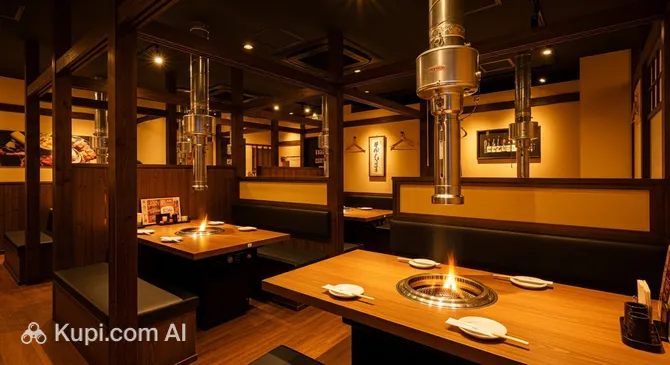
Among the places where you can spend a pleasant evening, Chichibu Soba, the eatery at Ohana Batake Station, is worth noting. It is a great place to try local dishes and drinks in a relaxed setting. For dinner with friends or family, restaurants specializing in yakiniku (Japanese barbecue) are perfect, such as Chichibu Yakiniku Ichibankan or Horumon Takasago, where you can grill your own meat.
Chichibu Yakiniku Ichibankan. Illustration.
Source: Kupi.com AI
Traveler photos:
Practical Tips:
Most establishments in Chichibu open in the evening and stay open until late at night, but not necessarily into the early hours like in major cities. It's best to arrive at popular spots early, especially on weekends. Prices in bars and restaurants are usually moderate. Public transport runs less frequently at night, so for late-night travel, you should consider calling a taxi. Information about taxis can be obtained at your hotel or the tourist center.
Safety:
Chichibu, like most cities in Japan, is considered a very safe place. However, you should always take basic precautions, especially if you are walking alone late at night. Keep your valuables with you and be aware of your surroundings.
Daytime Entertainment:
During the day, Chichibu also offers many interesting activities. You can visit the Meisen Museum to learn more about traditional local silk, or stroll through picturesque parks like Hitsujiyama Park, which is especially beautiful in spring during the moss phlox bloom, or Chichibu Muse Park. The city is also known for its shrines, such as the Chichibu Shrine, which is an important cultural site in the region.
Parks & Museums
The city of Chichibu warmly welcomes travelers, offering both magnificent natural spots for relaxation and walks, as well as fascinating cultural sites that tell the story of this Japanese region's rich heritage.
Parks and Green Spaces of Chichibu – Oases of Beauty and Tranquility
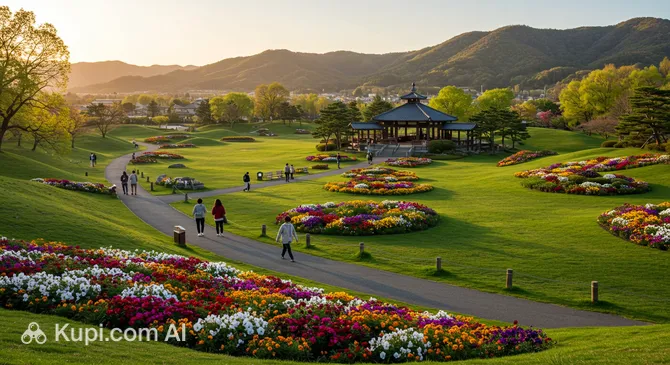
There are several wonderful parks in Chichibu where you can enjoy nature. One of the most famous is Hitsujiyama Park. In spring, it transforms into a real wonder when its famous Shibazakura Hill is covered with a multi-colored carpet of thousands of moss phlox flowers. This sight attracts photographers and nature lovers from all over the country. The park also offers beautiful views of the city and the surrounding mountains.
Hitsujiyama Park. Illustration.
Source: Kupi.com AI
Traveler photos:
Another popular spot is Chichibu Muse Park. This is a vast area with various leisure opportunities: there are walking trails, sports grounds, picnic areas, as well as cultural sites, including an open-air stage and art installations. The observation deck at Chichibu Muse Park offers breathtaking panoramic views.
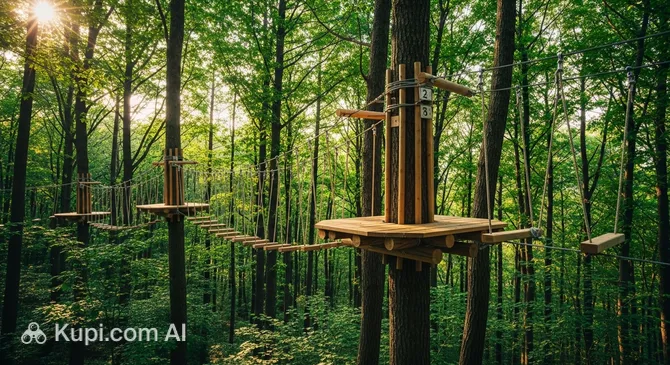
For those seeking active outdoor recreation, Forest Adventure Chichibu is an excellent choice. Here you can test yourself on rope courses of varying difficulty set among the trees, which will provide plenty of bright impressions for both adults and children.
Chichibu Forest Adventure. Illustration.
Source: Kupi.com AI
Traveler photos:
Museums and Cultural Heritage of Chichibu
To get a deeper understanding of the culture and history of Chichibu, it is worth visiting its diverse museums. One of the iconic ones is the Meisen Museum. It is dedicated to traditional Chichibu Meisen silk fabric, known for its complex patterns and bright colors. Here you will learn about the history of this unique craft, see rare fabric samples, and appreciate the skill of local weavers.
Equally important is the Chichibu Festival Museum (Chichibu Matsuri Kaikan), where you can experience the atmosphere of the famous Chichibu Night Festival all year round. The exhibition features magnificently decorated festival floats (yatai and kasaboko), costumes, and other attributes of this grand event, which is part of the UNESCO Intangible Cultural Heritage list. It is a wonderful opportunity to learn more about the traditions that shape the city's spirit.
Art lovers should check out the Chichibu Art Museum (Chichibu Bijutsukan). Its collection features works by both local and Japanese artists, covering various periods and styles. The museum often hosts temporary exhibitions, introducing visitors to contemporary art and traditional regional painting.
Historical and Architectural Treasures
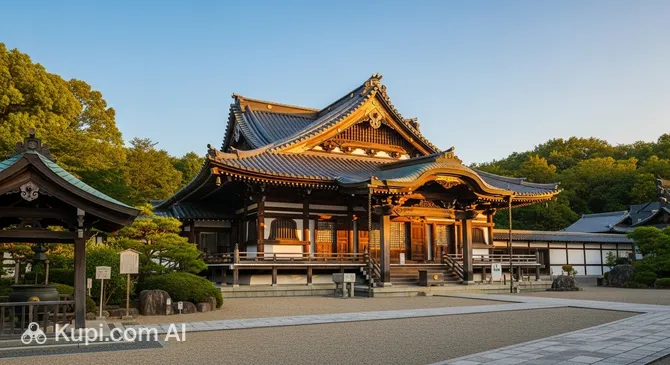
The main historical attraction of Chichibu is the Chichibu Shrine. This ancient shrine with over two thousand years of history impresses with its magnificent architecture and intricate wood carvings, which are often compared to the decor of temples in Nikko. The shrine plays a central role in the famous Chichibu Night Festival.
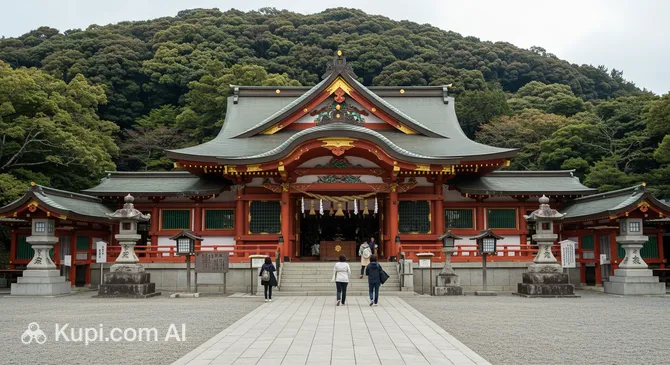
Equally interesting is the Chichibu Imamiya Shrine. This peaceful place is known for its connection to water deities and the presence of a sacred spring. A visit to the shrine allows you to take a break from the city's bustle and connect with the region's spiritual traditions.
Chichibu Imamiya Shrine. Illustration.
Source: Kupi.com AI
Traveler photos:
Authentic Experiences and Traveler Tips
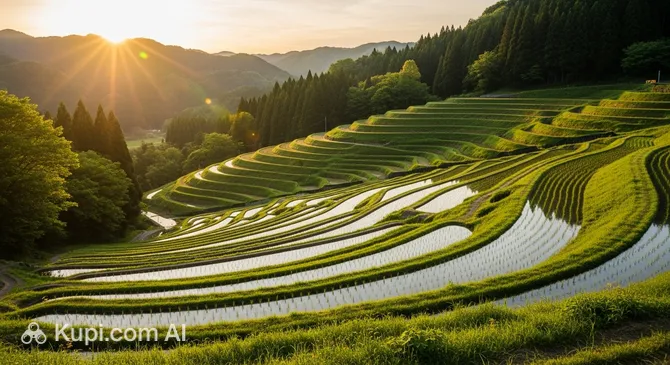
To see the picturesque rural landscapes characteristic of Japan, head to the Terasake Rice Terraces. These stepped fields, created by the labor of many generations, are especially beautiful in spring during rice planting and in autumn before the harvest, reflecting the harmony between humans and nature.
Terasaka Rice Terraces. Illustration.
Source: Kupi.com AI
Traveler photos:
For a deeper immersion into the local culture, we suggest exploring part of the "34 Kannon Temples in Chichibu" pilgrimage route. Visiting temples such as Jorin-ji Temple or Jiganji Temple will reveal lesser-known but equally significant corners of Chichibu's spiritual life and provide a sense of peace and connection to history.
Getting Around
Getting around Chichibu and its picturesque surroundings is quite convenient thanks to a combination of railway and bus services. Public transport allows tourists to reach most key attractions, including the natural parks and temples for which the region is famous.
The core of Chichibu's transport system is the Chichibu Railway. This private line not only connects various parts of the city and neighboring settlements but also offers a unique journey on the SL Paleo Express steam locomotive – a true tourist highlight. Chichibu Railway trains run regularly, linking the main stations from which you can start exploring the region.
Supplementing the rail service are local buses. They are particularly useful for trips to areas not reached by trains, such as certain mountain trails, remote temples, or hot springs (onsens). The bus route network covers both urban and suburban areas.
The payment system in Chichibu is fairly standard for Japan. On the Chichibu Railway, popular transport IC cards (such as Suica or Pasmo) are generally accepted, which is very convenient. Tickets can also be purchased with cash at station ticket offices or machines. On buses, payment is most often made in cash upon entering or exiting; some routes may also accept IC cards. Fares depend on the distance. For tourists, special Chichibu Railway passes might be of interest, offering unlimited travel for a day or several days over specific sections.
To use public transport, it's best to buy train tickets at stations before boarding. On buses, payment is usually made to the driver. Be sure to pay attention to the schedules, especially for buses running in rural areas and for special trains like the SL Paleo Express, for which tickets are recommended to be booked in advance. Public transport usually starts operating early in the morning and stops late in the evening, but on less popular routes, intervals can be long and the last service quite early.
As an alternative to public transport, taxis are always available in Chichibu. They can be found at stands by the stations or called by phone. For more independent exploration of the surroundings, you might consider renting a car, especially if you plan to visit many remote natural sites. Bicycle rentals may also be available in some tourist areas, which is a great way for a leisurely introduction to the city and its immediate vicinity.
Accommodation
When planning a trip to Chichibu, you will find various accommodation options to suit different preferences and budgets. The city offers both traditional Japanese inns (ryokans and minshuku), where you can immerse yourself in local culture, as well as more conventional hotels and guesthouses. The range varies from budget options to comfortable mid-range establishments.
When choosing a place to stay, you should pay attention to areas near major transport hubs, such as Chichibu Station, which will ensure ease of travel. Accommodation options near the city's main attractions, for example, not far from Chichibu Shrine or the scenic Hitsujiyama Park, are also popular. While specific famous hotels are not listed in the available data for direct mention, many options are usually concentrated in these areas.
Hitsujiyama Park. Illustration.
Source: Kupi.com AI
Traveler photos:
Accommodation prices in Chichibu can vary depending on the season, type of accommodation, and level of comfort. Overall, you can find options from budget to mid-price segments. It is recommended to book accommodation in advance, especially if your trip coincides with peak tourist seasons, such as during the shibazakura bloom at Shibazakura Hill (in Hitsujiyama Park) or during local festivals. For searching and booking, it is convenient to use popular online platforms or, in the case of some traditional ryokans, contact them directly.
Nearby Cities
For those looking to explore the surrounding area, Chichibu serves as an excellent starting point for day trips to several interesting nearby locations:
City
Population
Distance
Ogano
10 751
8 km
Minano
9 338
9 km
Yorii
32 172
17 km
Tokigawa
10 470
19 km
Ogose
10 905
19 km
These nearby destinations provide insight into the region's diverse culture and landscapes. Each trip promises new discoveries and experiences, complementing your journey to Chichibu.
Shopping & Souvenirs
Chichibu offers tourists a more traditional and authentic shopping experience rather than a hunt for global brands. The city is famous for its local crafts, especially textiles such as "Chichibu Meisen" silk, as well as regional food products and souvenirs related to its rich nature and cultural events, such as the famous Chichibu Night Festival.
Main shopping spots are concentrated around railway stations like Seibu-Chichibu and Chichibu Station, as well as on the streets leading to major attractions, such as Chichibu Shrine. Here you will find many small independent shops, souvenir stalls, and boutiques selling local delicacies.
In Chichibu, you are unlikely to find large modern shopping malls typical of megacities. Instead, small shopping arcades, local department stores, and specialized shops prevail here, offering unique local products that reflect the culture and traditions of the region.
While there may not be large and widely known markets in Chichibu, it is worth looking out for small local markets or fairs that may be organized periodically, especially near stations or temples. At such markets, you can find fresh local produce, seasonal delicacies, and handmade items. Souvenir shops and stores at temples often offer unique goods as well.
Among the souvenirs worth bringing back from Chichibu, "Chichibu Meisen" silk stands out. Items made from this traditional fabric, such as kimonos, scarves, or accessories, make wonderful gifts. To learn more about this craft, you can visit the Meisen Museum. Local food products are also popular: sake, soy sauce, pickled vegetables (tsukemono), and sweets. Don't forget the charms (omamori) from local temples and shrines, such as Jorin-ji Temple or Jiganji Temple, especially if you are interested in the region's pilgrimage routes.
Most shops in Chichibu typically operate from 10:00 or 11:00 AM until 7:00 or 8:00 PM. Small family-run stalls may have shorter hours or additional days off. Regarding payment, credit cards are accepted in many shops, especially those oriented toward tourists. However, cash (Japanese Yen) is still very important, particularly in small shops, markets, and when buying inexpensive items.
Foreign tourists in Japan can take advantage of the Tax-Free system when making purchases over 5,000 yen in participating stores. To process the tax refund, you must present your passport at the checkout. Look for "Tax-Free" signs in Chichibu shops to find out about this possibility.