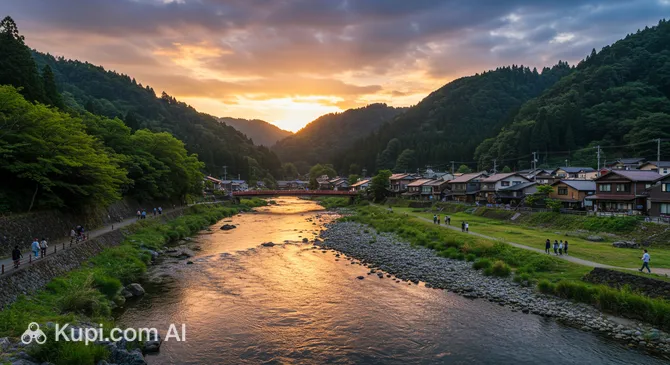
Akiruno is a charming city nestled in the western part of Tokyo Prefecture, where the hustle and bustle of the metropolis gives way to peaceful nature and a relaxed pace of life. The city is cradled by picturesque mountains and dense forests, while the Akigawa River flowing through its surroundings brings freshness and creates magnificent landscapes in every season.
Akiruno. Illustration.
Source: Kupi.com AI
With a population of approximately 79,600 people, Akiruno maintains a wonderfully intimate and welcoming atmosphere. Despite its relative compactness compared to giant Tokyo, the city plays an important role as a magnet for ecotourism enthusiasts, hikers, and families seeking a quiet getaway in the heart of nature.
Akiruno is a true gem for travelers wishing to discover a different side of Japan. Here, you can explore ancient shrines, walk along historical trails, enjoy a rest on the banks of the Akigawa River, or simply admire the scenic views, which are especially breathtaking during the cherry blossom season and the autumn momiji (maple leaf) season. The city is perfect for leisurely walks and experiencing traditional Japanese culture away from the tourist crowds.
The atmosphere of Akiruno is a harmonious blend of natural beauty and centuries-old traditions. It is a place where everyone will find something to their liking, whether it be active recreation or quiet contemplation. Visit Akiruno to immerse yourself in the tranquility of the Japanese countryside and take home unforgettable memories.
The weather in Akiruno is characterized by clearly defined seasons. Summers here are warm and quite humid, especially in July and August. The average temperature in August, the hottest month, is about 25.9°C, with maximum values potentially reaching 29.0°C. July stands out with the highest amount of precipitation (about 9 mm) and the highest number of rainy days (approximately 24 days).
Winters in Akiruno are cool and relatively dry. January is the coldest month with an average temperature of 3.2°C, while minimum temperatures can drop to -1.2°C. The least amount of precipitation falls in January and December—about 2 mm. Overall, expect warm summers with periodic rains and cool, drier winters. To learn more, see the detailed information on the Akiruno climate.
Average monthly temperature
Average monthly precipitation
Interesting Facts
Beyond its well-known landmarks, Akiruno holds many surprising stories and little-known details that make it truly special. Located in Tokyo Prefecture, this city offers a deeper look into Japanese culture and history.
The ancient Otsuka Kofun burial mound is preserved in Akiruno—a mysterious site where you can touch the secrets of Japan's antiquity. This mound is considered one of the gems of the region's archaeological heritage and attracts history buffs.
The city is famous for its cozy Shinto shrines, such as Koyasu-jinja. Locals come here to pray for health and family well-being, and they also participate in traditional festivals accompanied by colorful processions and rituals.
Akiruno is home to the unique Fukasawa Small Museum. Here, visitors can learn about the history of the local lifestyle and crafts, see antique tools, and daily items, feeling the spirit of old Japan.
The city is known for its momiji festivals—traditional celebrations centered around viewing autumn maple leaves. During this time of year, many Japanese people and tourists come here to enjoy the incredible beauty of the crimson leaves and take commemorative photos, often while wearing traditional kimonos.
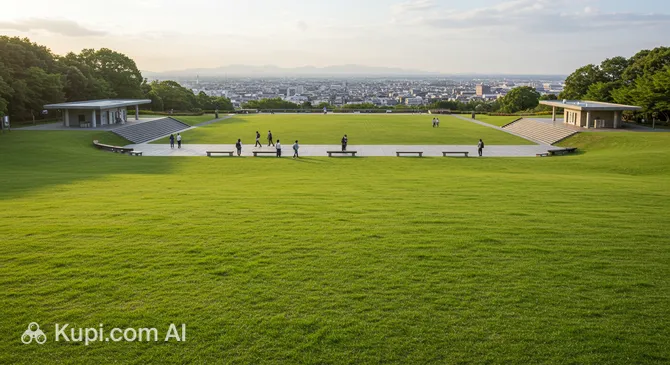
Akirudai Park. Illustration.
Source: Kupi.com AI
Traveler photos:
How to Get There
There are several ways to reach the city of Akiruno, located in Tokyo Prefecture, but for most international travelers, the main points of arrival will be the major airports of the Japanese capital. From the airports to Akiruno, you can travel by train, bus, or taxi, although the latter can be quite expensive due to the distance.
The primary and closest option for flight arrival is Haneda Airport (HND), one of Japan's largest international airports. It is located in Tokyo, approximately 48.2 km from Akiruno. A trip by car or a combination of train and bus from here to Akiruno usually takes about 1.5 hours, depending on traffic and the chosen route.
Another major international hub is Narita International Airport (NRT), which also serves Tokyo and its surroundings. Narita is located significantly further from Akiruno, at about 98.9 km. A journey from Narita to Akiruno can take between 2.5 to 3 hours, most often involving a combination of an express train (such as the Narita Express to central Tokyo) followed by a transfer to a local line to Akiruno or a taxi.
For convenience, here is a summary of the main airports that can be used for a trip to Akiruno:
While specific railway stations for Akiruno are not listed in this overview, the city, being part of Greater Tokyo, is well-integrated into the region's extensive rail network. You can reach Akiruno from central Tokyo districts and neighboring cities using Japan Railways (JR East) trains, such as the Itsukaichi Line, which directly connects the city with other parts of the prefecture. Routes via private railway lines may also be available. We recommend checking optimal routes and schedules in advance on the official carrier websites or via navigation apps, as rail transport is one of the most convenient ways to travel around Japan.
Main Attractions
Akiruno, comfortably situated in Tokyo Prefecture, offers its guests several interesting spots to enjoy their time and get acquainted with the local culture. Among them are both natural corners and places reflecting gastronomic traditions.
One of the main points of attraction for nature lovers and those seeking peaceful recreation is Akirudai Park. This is a vast green area, perfect for walks, picnics, and observing the seasonal changes of nature. The park is especially beautiful during the cherry blossom season or the autumn leaves, attracting visitors with its tranquil atmosphere and well-kept landscapes. Here, you can take a break from the city noise and enjoy the silence.
Akirudai Park. Illustration.
Source: Kupi.com AI
Traveler photos:
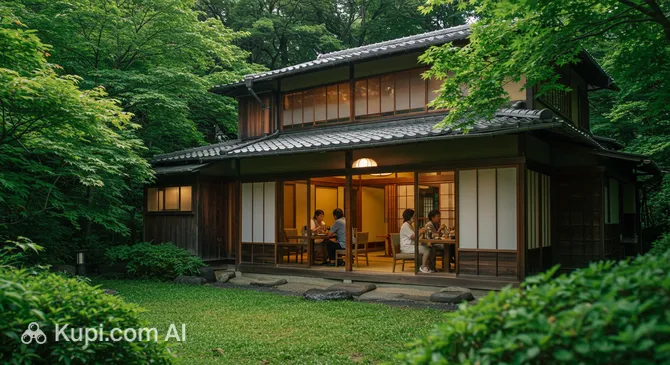
For those who wish to get a taste of the local cuisine, the restaurant Kappa 64 is worth noting. This establishment offers the opportunity to try authentic Japanese dishes in a pleasant setting. Visiting such places allows for a deeper dive into the region's culture through its gastronomic delights and hospitality.
Kappa 64. Illustration.
Source: Kupi.com AI
Traveler photos:
Local Cuisine
The gastronomy of Akiruno is a delightful journey into the world of traditional Japanese flavors, enriched by the freshness of local products. One of the main gems of the cuisine is river fish caught in the crystal-clear waters of the Akigawa River. It is masterfully grilled here, served with seasonal vegetables and aromatic homemade sauces. This simple yet incredibly tasty food reflects the essence of the local culinary philosophy—respect for nature and its gifts.
Among other delicacies that you should definitely try in Akiruno are the seasonal vegetables and fruits grown on nearby farms. In the city's lively farmers' markets, you will find the freshest berries, juicy mushrooms, and the famous Japanese sweet potato. The latter is used to make delicious sweet cakes and crispy chips, which are perfect snacks during walks. Be sure to try yakisoba—fried noodles with vegetables and meat, as well as onigiri—rice balls with various fillings, often grilled to a golden crust.
Street food in Akiruno is a culinary adventure in its own right. In addition to the already mentioned onigiri and yakisoba, you can find sweet mochi, particularly loved by children and tourists. The city is also famous for its gastronomic festivals, where local chefs demonstrate their skills, creating culinary masterpieces from the region's bounty. These events allow you not only to enjoy the flavors of the Japanese countryside but also to soak up its authentic atmosphere.
Locals and tourists enjoy food in a variety of establishments: from cozy family restaurants to bustling street stalls. One of the places to get acquainted with the local cuisine is the restaurant Kappa 64. Meals are usually accompanied by traditional Japanese drinks such as green tea, and in some establishments, you can also find local varieties of sake or refreshing drinks based on seasonal fruits.
Kappa 64. Illustration.
Source: Kupi.com AI
Traveler photos:
The culinary scene in Akiruno attracts tourists with its authenticity, emphasis on the freshest local ingredients, and the opportunity to try dishes prepared with soul. Whether it's the simple but exquisite grilled river fish, aromatic yakisoba from a street stall, or a sweet dessert made from local sweet potato, the gastronomic experience in Akiruno promises to be unforgettable.
Travel Tips
Planning a trip to Akiruno? These practical tips will help you better prepare and enjoy every moment of your journey to this charming corner of Japan. By following these recommendations, you can avoid common mistakes and make your trip as comfortable as possible.
Clothing and Essentials: The climate in Akiruno, as in all of Japan, has four distinct seasons. It is hot and humid in summer, cool in winter, and spring and autumn offer comfortable weather. Be sure to bring comfortable walking shoes, as exploring the city on foot is a real pleasure. Don't forget an adapter for electrical appliances (Japan uses type A and B sockets). When visiting temples and shrines, choose modest clothing that covers shoulders and knees.
Transport: The best way to get around Akiruno and its surroundings is the developed public transport system, including trains and buses. Consider purchasing a Japan Rail Pass if you plan to travel extensively throughout the country, or a local reloadable card like Suica or Pasmo for convenient fare payment. Taxis are available but can be expensive. Renting a car can be useful for exploring natural beauties outside the city, but it is not always necessary for moving within Akiruno itself.
Finance: The local currency is the Japanese yen (JPY). Despite the growing popularity of bank cards, cash is still widely used, especially in small shops, local restaurants, and when visiting temples. You can exchange currency at airports, banks, or exchange offices. International cards are accepted in many large hotels and shops, and cash can be withdrawn from 7-Eleven or Japan Post Bank ATMs. Tipping is not practiced in Japan—good service is considered the norm.
Health and Safety: Japan is one of the safest countries in the world, and Akiruno is no exception. Pharmacies (薬屋, \"kusuriya\") are easy to find, but not all pharmacists speak English, so it's helpful to have a list of necessary medications in Japanese or use a translation app. For serious medical assistance, it's better to go to major hospitals or through a tourist information center. It is highly recommended to take out travel medical insurance. Observe standard safety precautions, especially in crowded places.
Communication: The official language is Japanese. In tourist spots and large hotels, staff may speak English, but overall, proficiency is limited, especially in small establishments. Learning a few basic Japanese phrases (e.g., \"konnichiwa\" – hello, \"arigato\" – thank you, \"sumimasen\" – excuse me) is greatly appreciated by the locals. For constant internet access, consider buying a local SIM card or renting a pocket Wi-Fi router. Free Wi-Fi is available but not everywhere.
Local Etiquette: Japanese people are very polite and value respect for their traditions. Greetings are often accompanied by bows—a slight nod of the head is appropriate. It is important to remove your shoes before entering homes, many temples, traditional restaurants, and ryokans (Japanese-style inns). It is customary to keep quiet and not talk loudly on the phone in public transport. Eating and drinking while walking on the street is usually not common; it's better to find a designated place for this.
What to Avoid: Never stick your chopsticks vertically into a bowl of rice—this is associated with funeral rituals and is considered bad manners. Also, try not to point at people with your finger; if you need to indicate a direction, use an open palm. Don't leave trash just anywhere—always look for bins or take your trash with you.
A Specialty of Akiruno: Being part of Tokyo Prefecture, Akiruno offers a unique combination of urban accessibility and proximity to magnificent nature. Don't miss the chance to explore the picturesque Aki River (Akigawa) valley or go for a walk on one of the many hiking trails in the surrounding mountains. This is a great opportunity to enjoy fresh air and see a different, calmer side of the capital region.
We hope these tips make your stay in Akiruno as comfortable and filled with pleasant impressions as possible. Enjoy your journey to this amazing city and its scenic surroundings!
Entertainment & Nightlife
Akiruno, a charming city in Tokyo Prefecture, offers its guests diverse leisure opportunities, including evening entertainment. While the nightlife here isn't comparable to the buzzing metropolises, it possesses its own cozy and authentic character, allowing for a deeper immersion into the local atmosphere.
Evening Akiruno is conducive to quiet relaxation and heartfelt conversation. You won't find extensive districts entirely dedicated to nightlife here, as you might in central Tokyo. Instead, the main points of evening activity are scattered. The highest concentration of cozy restaurants, traditional izakayas (Japanese pubs), and small bars is found near key railway stations, such as Akigawa Station and Musashi-Itsukaichi Station. These areas serve as local hubs where residents and tourists gather for dinner or a calm evening pastime.
The atmosphere in local establishments is generally very welcoming and friendly. The dress code is usually casual, and most places are open until late evening or midnight. In an izakaya, you can enjoy a wide selection of sake, local beer, and various original snacks in a relaxed setting. One of the places where you can spend a pleasant evening over dinner is the restaurant Kappa 64, which offers local cuisine. Besides restaurants and izakayas, karaoke bars remain a popular evening entertainment in Akiruno, as throughout Japan. Classic nightclubs with dance floors are rare here; the emphasis is shifted towards more intimate and quiet formats of relaxation.
Kappa 64. Illustration.
Source: Kupi.com AI
Traveler photos:
Regarding estimated prices, an evening in an izakaya, including drinks and several snacks, can cost an average of 2,500 to 4,500 yen per person. Dinner in a restaurant like Kappa 64 will cost approximately 3,000–6,000 yen, depending on your choice. A karaoke hour usually ranges from 500 to 1,500 yen per person, excluding drinks. To find a suitable spot, don't hesitate to stroll through the mentioned station areas or ask locals for advice.
In terms of safety, Akiruno, like most Japanese cities, is a very peaceful place. Night walks here are generally safe. For traveling late at night, you can use taxi services, which usually wait for passengers at stations or can be called by phone. Public transport runs on schedule, so it's wise to check the time of the last train or bus in advance if you plan to stay out late.
During the day, Akiruno also offers interesting leisure options. The city is surrounded by picturesque nature, making it attractive for hikers and outdoor enthusiasts. You can visit local parks, such as Akirudai Park, which is a wonderful place for leisurely strolls and enjoying the fresh air. It's also worth paying attention to local temples and shrines, which allow you to learn about the region's culture and history. While there may be few large museums or theaters in Akiruno, the city's charm lies in its nature and local character.
Akirudai Park. Illustration.
Source: Kupi.com AI
Traveler photos:
When planning an evening in Akiruno, it's best to set your mind on experiencing the authentic Japanese atmosphere, visiting local spots, and enjoying a calm but pleasant rest in this corner of Tokyo Prefecture.
Parks & Museums
Akiruno, comfortably situated in Tokyo Prefecture, offers its guests a unique combination of peaceful relaxation in nature and immersion in local culture. This city, surrounded by picturesque landscapes, will be a true discovery for those seeking tranquility away from the capital's bustle, while still wishing to touch the history and traditions of the region.
Among Akiruno's green oases, Akirudai Park particularly stands out. It is a favorite spot for leisurely strolls and family vacations, where well-kept paths and lush greenery create an atmosphere of harmony. Depending on the season, the park enchants with either delicate blossoms or vibrant autumn colors. No less attractive for nature lovers is the Akigawa River Valley, which gave the city its name. Its picturesque banks and surroundings offer many trails for hiking and admiring serene landscapes, allowing you to fully experience the beauty of Japanese nature.
To get acquainted with the history and culture of Akiruno, you should visit the Akiruno City Local History Museum. The museum's exhibits are dedicated to the region's rich past, archaeological finds, and the nature of the Akigawa River basin. It's a wonderful opportunity to learn more about the lives of the people who have inhabited these lands since ancient times. Another significant site is Kotoku-ji Temple, known for its centuries-old ginkgo trees, which are especially impressive in autumn, and its calm, tranquil atmosphere conducive to reflection. Also worth noting is Akiru Jinja Shrine, one of the oldest in the region, which preserves the spirit of ancient traditions and plays an important role in the city's cultural life.
To deeper experience the authentic spirit of Akiruno, don't limit yourself to just the well-known spots. Explore the small streets, look into local shops, or, if your trip coincides, visit one of the local festivals. This is a unique chance to see the living traditions of Japan and feel the sincere hospitality of Akiruno's residents. A walk along the Akigawa River in the early morning or at sunset will also provide unforgettable impressions and allow you to enjoy the silence and beauty of nature away from the tourist trails.
Getting Around
Getting around Akiruno is quite simple, mainly thanks to the network of local trains and buses that connect different parts of the city and link it with neighboring areas. These options provide convenient ways for exploring Akiruno and its surroundings.
The main railway line serving Akiruno is the JR Itsukaichi Line, with key stations like Akigawa providing access to the broader rail network of Japan. Trains are a reliable way to travel, especially for trips to more distant destinations. Ticket machines are available at stations, and clear signage (often with English translations) helps with navigation.
Local bus routes complement the railway network, covering areas not directly accessible by rail and facilitating travel within Akiruno. Bus routes and schedules can usually be found at bus stops and sometimes online. Payment on buses is typically made when boarding or exiting, either with the exact amount in cash or using an IC card.
For ease of payment, reloadable IC cards such as Suica or PASMO are highly recommended. These cards can be used on most trains and buses not only in Akiruno but throughout the Kanto region and a significant part of Japan. They can be purchased and topped up at machines at major railway stations. Alternatively, single-trip paper tickets can be bought for trains, and cash can be used on buses (though having the exact change is often helpful).
Public transport in Akiruno usually operates from early morning until late evening. However, it is always wise to check the departure times for the last train or bus, especially if you plan to travel late at night. Using navigation apps on a smartphone can be very helpful for planning routes, checking schedules, and estimating fares.
In addition to public transport, taxis are available, especially around railway stations, offering a more direct but also more expensive travel option. For short distances or a leisurely exploration of the city, bicycle rentals may be available in some areas, allowing you to enjoy Akiruno at your own pace.
Accommodation
When planning a trip to Akiruno, you will find a variety of accommodation options to suit different preferences and budgets. The city offers a choice ranging from traditional Japanese inns (ryokans), where you can immerse yourself in local culture, to modern hotels and guesthouses. Apartment rentals may also be available for those who prefer more independence and home-like comfort.
When choosing a place to stay in Akiruno, look for areas that provide easy access to the attractions you're interested in or transport hubs if you plan to explore the surroundings. While specific tourist districts are not as clearly defined as in large metropolises, aim for proximity to stations or main roads for ease of movement.
In Akiruno, you can find both small family-run hotels and establishments offering a wider range of services. Although specific examples of famous hotels are not provided in the information, travelers can generally expect the hospitality and quality service characteristic of Japan. It is recommended to check reviews and ratings on popular booking platforms to find the best option.
To ensure the best selection and prices, especially if your trip coincides with peak tourist season or local holidays, it is recommended to book your accommodation in advance. Most hotels and guesthouses in Akiruno are available for booking through popular international online platforms. Direct booking via hotel websites, if available, is also an option.
The price range for accommodation in Akiruno can vary from budget options to more expensive offerings, depending on the level of comfort, location, and services provided. Overall, options can be found to suit both thrifty travelers and those seeking a higher level of service.
Nearby Cities
For those looking to explore the surrounding area, Akiruno serves as an excellent starting point for day trips to several interesting nearby locations:
City
Population
Distance
Fussa
56 713
3 km
Hinode
17 016
4 km
Hamura
53 970
5 km
Akishima
112 110
6 km
Mizuho
56 106
7 km
Hachioji attracts visitors with the famous Mount Takao, a perfect spot for hiking with scenic trails, temples, and panoramic views. The city also offers a lively center with shops and restaurants, making it a great option for a full day out.
Kodaira is a pleasant city where you can enjoy a calmer atmosphere compared to central Tokyo. It is known for its well-maintained parks, such as Koganei Park, and educational institutions, offering a relaxing getaway and a look at local culture.
Hino is interesting for its famous Tama Zoo, one of the largest in Japan, where animals are kept in conditions close to their natural habitat. Additionally, the city preserves the memory of historical events related to the Shinsengumi, which will attract history enthusiasts.
Tachikawa is famous for the magnificent Showa Memorial Park (Showa Kinen Park), which offers extensive gardens, recreation areas, bicycle paths, and seasonal events. This city is also a major transport and commercial hub with many shops and cafes.
Kawashiri (part of Sagamihara City) offers the chance to experience local life and nature in Kanagawa Prefecture. Here, you can find charming corners, recreation parks like the one by Lake Tsukui, and enjoy a more measured pace of life away from the city bustle.
These nearby destinations provide a glimpse into the diverse culture and landscapes of the region. Each trip promises new discoveries, whether it's historical landmarks, natural beauty, or a unique local atmosphere.
Shopping & Souvenirs
Akiruno, located in Tokyo Prefecture, offers opportunities for everyday shopping and discovering local goods rather than the large-scale shopping typical of major metropolises. The city is not famous for specific types of goods or huge shopping centers, but here you can find everything you need and purchase something to remember your trip to Japan.
The main shopping points in Akiruno are generally concentrated near railway stations and on the city's central streets. Here, you will find small shops, supermarkets, pharmacies, and stalls offering daily necessities, as well as some local products.
There are no world-class major shopping centers in Akiruno. However, you might come across small local shopping complexes or department stores oriented toward the city's residents. For a wider selection of brands and large malls, it is worth heading to the larger cities of Tokyo Prefecture.
Regarding markets, in Akiruno, you can find small local markets where farmers sell fresh vegetables and fruits, or periodic fairs. This is an excellent opportunity to try local products and dive into the atmosphere of the city's daily life. Specialized tourist or flea markets are unlikely to be found here.
As souvenirs from Akiruno, you can bring back traditional Japanese items sold in small souvenir shops, if available. Also, take note of local sweets or food products characteristic of this region. Classic Japanese souvenirs include ceramics, textiles, fans, tea, and various sweets.
Shops in Akiruno usually operate from 10:00 or 11:00 AM to 7:00 or 8:00 PM. Small private shops may have their own schedules. Credit cards are accepted in most places; however, cash (Japanese yen) is always useful, especially in small shops or at markets.
For foreign tourists in Japan, a tax refund system (Tax Free) applies to many goods when purchased for a certain amount in shops participating in the program. Look for the corresponding "Tax Free" signs and don't forget to present your passport when purchasing.