Support

Inagi

About

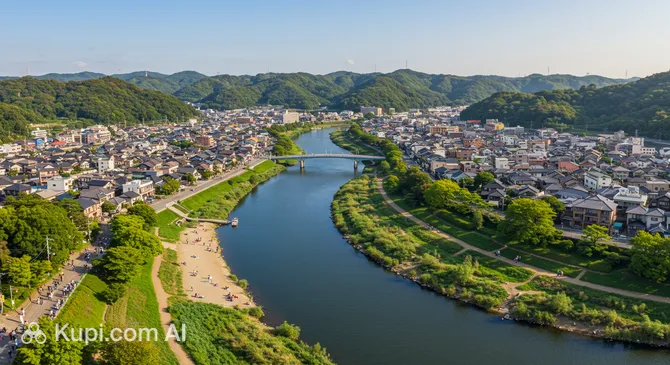
Inagi is a cozy and green city in Tokyo Prefecture that offers travelers a unique blend of suburban tranquility and convenient proximity to the metropolis. Located on the southwestern outskirts of the capital, this town allows you to see a completely different, leisurely, and harmonious side of life that Japan is famous for. There is none of the endless bustle of the central districts; instead, an atmosphere of comfort and good neighborliness prevails.

Inagi. Illustration.
Source: Kupi.com AI

With a population of about 92,000 people, Inagi maintains an intimate character while remaining comfortable for living and visiting. The city is spread across picturesque hills, making its climate and landscape particularly pleasant for nature lovers. An abundance of well-kept parks, squares, and green alleys turns walking through the streets into a real pleasure, allowing you to relax your soul and enjoy the fresh air.

The city's special charm comes not only from its natural beauty but also from modern urban solutions, including original street sculptures and art objects that can be found in the most unexpected places. Although the city looks modern, Inagi's history has filled it with special meaning and traditions carefully preserved by the locals. This destination is an excellent choice for those who want to explore the country on foot, enjoying every step away from overcrowded tourist routes.

Weather Overview

The climate in Inagi is characterized by a clear change of seasons, offering travelers diverse experiences throughout the year. Expect a hot summer with frequent rainfall and cool, mostly dry winters. The warmest month is traditionally August, with an average temperature of about 27.3°C, while in January the air cools to an average of 4.4°C, and it can freeze down to 0°C at night.

Spring and autumn are the most comfortable times for outdoor walks. In May, the average temperature is a pleasant 18.5°C, and in October it stays around 17.4°C. However, it is worth remembering that the summer here is quite humid: in July, the number of rainy days can reach 18, so an umbrella will be an important accessory. Winter, by contrast, is characterized by clear skies and minimal precipitation — for example, in December, only about 6 rainy days are recorded.

To make your trip as comfortable as possible and ensure you choose the right wardrobe, we recommend checking the current weather in Inagi before your departure.

Average monthly temperature

Average monthly precipitation

Interesting Facts

Beyond its main attractions, Inagi holds many fascinating secrets that reveal the city from an unexpected side. High technology, pop culture, and ancient traditions are wonderfully intertwined here, creating a unique atmosphere for exploration.
  • "Mecha City" — this is the unofficial nickname given to Inagi by anime fans. Legenday designer Kunio Okawara, who created the visual style for iconic series including the famous Gundam, lived and worked here. As a tribute to the master, robot sculptures have been installed throughout the city, becoming the district's calling card.

  • At the exit of Inagi Naganuma Station, travelers are greeted by an impressive giant from the world of "mecha." This large-scale art object is not just a decoration but a symbol of the city's connection to the animation industry, attracting fans from all over the world for commemorative photos.

  • Inagi is one of the few places in close proximity to the capital where authentic hot springs (onsens) have been preserved. This is a real find for those who want to experience the traditional relaxation Japan is famous for without traveling far into the mountains.

  • Providing a contrast to the "robotic" part of the city is Inagi-Hachimangu Park. This is a picturesque corner with traditional landscapes where locals hold art festivals and enjoy the harmony of nature away from the noise of the metropolis.

How to Get There

Thanks to its successful location in Tokyo Prefecture, getting to Inagi is not difficult at all. The city is integrated into one of the most efficient transport systems in the world, making it easy to plan your route. You can find all the details and alternative options on the page how to get to Inagi, and below we will look at the main air gateways welcoming tourists.

The nearest and most convenient hub for travelers is Haneda Airport (HND). Although it is not located in Inagi itself but in neighboring Tokyo, the distance to the city center is only about 26.7 km. This is one of the busiest airports in the world with a colossal passenger flow. A trip from the terminal by taxi or bus will take approximately 60 minutes, depending on traffic.

Another popular option for international flights is Narita International Airport (NRT). It also serves the metropolitan region but is located significantly further away — at a distance of 81 km from Inagi. The journey from here will require more time: expect to spend about 2 hours 20 minutes on the road by car or bus. Despite the distance, it is a key hub for many foreign airlines.

For clarity, here is summary information on the main airports through which you can reach the region:

AirportPassenger trafficDistance
Haneda Airport85.7 mln27 km
Narita International Airport40.8 mln81 km
Ibaraki Airport776 063102 km
Shizuoka Airport691 274152 km
Matsumoto Airport112 618154 km

Regarding rail connections, Inagi is perfectly connected to the center of the metropolis by a network of trains. Although there are no Shinkansen terminals in the city, it is easy to get here via the Keio Line (Inagi Station) and JR Nambu Line (Inagi-Naganuma and Yanokuchi stations). A trip from central Tokyo stations, such as Shinjuku, usually takes between 30 and 45 minutes, making the train the most budget-friendly and punctual mode of transport for tourists.

Main Attractions

The city of Inagi may seem like a quiet suburb, but it actually hides many vibrant places capable of surprising even experienced travelers. From large-scale entertainment complexes to unique architectural forms and cultural monuments, this corner of Tokyo Prefecture offers routes for every taste.

Yomiuriland
By far the most famous point of attraction in the area is this massive amusement park, which draws guests year-round. Yomiuriland is famous for its thrilling rides, including the famous Bandit roller coaster that passes right through a forest. However, the park gains particular popularity during the colder months thanks to the magical Jewellumination light show. Millions of lights, created by a world-renowned lighting designer, transform the park grounds into a fairy-tale world that brings tourists from all over Japan. Nearby is also the HANA-BIYORI botanical garden, where flowers coexist with modern digital installations.

Inagi Central Park and the Whale Bridge
For lovers of quiet walks and unusual architecture, the city's Central Park is a must-visit. These are Inagi's "green lungs," featuring spacious lawns and sports fields. The park's main highlight is the Kujira-bashi pedestrian bridge, whose name translates as "Whale Bridge." Its elegant concrete structure truly resembles the back of a giant whale emerging from the green waves of the hills. This spot is very popular among photographers due to its smooth lines and views of the surrounding area.

Mecha Design Monuments (Kunio Okawara Project)
Inagi is a true paradise for fans of Japanese animation and the "mecha" genre. The city is home to the legendary designer Kunio Okawara, the creator of the mechanical designs for iconic anime such as Mobile Suit Gundam and Votoms. Impressive monuments have been installed on the streets in honor of the master. For example, near Inagi-Naganuma Station, you can see giant statues of Gundam and Zaku robots, as well as a full-sized Scopedog figure. These detailed sculptures have become a symbol of the city and a pilgrimage site for pop culture fans.

Anazawa Tenjin Shrine
To touch the traditional side of the city's life, it is worth visiting this ancient Shinto shrine. It is located in a picturesque spot at the foot of a hill and is surrounded by a dense forest, creating an atmosphere of peace and mystery. A natural spring flows on the temple grounds, the water of which is considered sacred and used in rituals. It is an ideal place to take a break from the city bustle and enjoy the silence of nature.

Local Cuisine

Inagi's gastronomic scene is a reflection of its status as an "orchard" within the metropolis. Unlike the noisy central districts of the capital, the focus here is on the freshness of local products and seasonality. The city is famous for its agriculture, so an introduction to local cuisine should start not so much with fine-dining restaurants but with the gifts of the local land that all of Japan is proud of.

The main culinary symbol of the city is the Inagi Pear (Inagi Nashi). This is a special variety characterized by its large size, juiciness, and sweetness. During the harvest season (late summer to early autumn), they can be bought literally at every turn. Local pastry shops and cafes actively use these fruits in their menus: be sure to try pear cakes, jellies, jams, and even pear ice cream. The region is also known for its grapes, so desserts with fresh berries are also highly regarded here.

If we talk about more substantial dishes, then in Inagi, as in many Tokyo suburbs, noodle shop culture is widespread. You can find excellent establishments serving soba (buckwheat noodles) and udon. Thanks to clean water and proximity to nature, the broths here are particularly rich. Tourists should check out small family-run restaurants that serve sets with tempura made from seasonal vegetables grown on neighboring farms.

As for drinks, alcohol enthusiasts should look out for local plum wine (umeshu) or sake produced at small breweries in the Tama region. For those who prefer non-alcoholic options, the best choice would be freshly squeezed juices from local pears and grapes, as well as high-quality green tea, which is served in almost every establishment.

The food culture in Inagi is quite democratic. Locals often dine in family restaurants or visit izakayas (Japanese gastropubs) near train stations like Inagi-Naganuma. A unique feature of the city is the opportunity for agri-tourism: many farms offer a "pick and eat" format where you can enjoy fruit straight from the branch. This is a popular form of leisure for both city dwellers and visitors wanting to experience the true taste of local nature.

Travel Tips

Welcome to Inagi! To make your acquaintance with this cozy and green corner of Tokyo Prefecture as comfortable as possible, we have prepared a list of practical recommendations to help you avoid minor difficulties and feel confident in any situation.

  1. Clothing and Footwear. Inagi is located on hilly terrain, so comfortable shoes with flat soles are your top priority for long walks. In summer, it is hot and humid — choose light natural fabrics and don't forget a hat. In winter, despite the sunny weather, it can be windy, so a warm jacket and scarf will be useful.
  2. Transport Nuances. The city is well-connected to the capital's center by the JR Nambu and Keio lines. To pay for travel, we strongly recommend purchasing a rechargeable IC card (Suica or Pasmo) — it works on trains, buses, and even in shops. Taxis are convenient to call via an app (for example, GO) or take at station stands, but it is quite an expensive pleasure for long distances.
  3. Finances. The official currency is the yen. Although large supermarkets and Yomiuriland accept cards, Inagi is famous for its farm stalls, where cash is often needed. Always have cash with you for buying the famous local pears or souvenirs. You can withdraw money at 7-Eleven ATMs, which operate 24/7 and accept international cards. By the way, tipping is not customary in Japan.
  4. Health and Safety. This is a very quiet and safe city where you can safely walk after dark. Tap water is drinkable. Pharmacies (Drugstores) are usually concentrated around railway stations; you can buy not only medicine there but also cosmetics or drinks.
  5. Connectivity and Apps. Free Wi-Fi is available at stations and in some cafes, but for stable navigation, it's better to rent a Pocket Wi-Fi or buy a tourist SIM card at the airport upon arrival. Install Google Maps for route planning and Google Translate for communication, as not all locals in residential areas know English.
  6. Local Etiquette. Inagi is a quiet, primarily residential area. It is customary to observe silence here: do not talk loudly on trains or in the street late at night. Greetings are accompanied by a slight bow. If you enter a traditional restaurant with tatami mats, be sure to remove your shoes at the entrance.
  7. What to Avoid. Do not eat while walking — it is considered bad manners. After buying food at a store or stall, it is better to stop and eat on the spot or find a park bench. Also, remember that there are very few trash cans on the streets: it is customary to take all your trash with you and throw it away at your hotel or at the entrance to supermarkets.
  8. Seasonal Tip. If you arrive in late summer or autumn, get up early to visit local direct fruit sales points (chokubaijo). The famous Inagi pears are so popular that by lunchtime, the best ones are often already sold out to local residents.

We hope these tips help you easily plan your trip and enjoy the unique atmosphere of Inagi, where high technology coexists with fruit orchards. We wish you a pleasant journey and vivid impressions!

Entertainment & Nightlife

Nightlife in Inagi is fundamentally different from the noisy central Tokyo districts like Shinjuku or Roppongi. You won't find massive nightclubs with loud music until morning here. Evening leisure in this city is primarily about coziness, gastronomy, and a local atmosphere. It is an ideal destination for those who want to immerse themselves in the authentic environment of a "bedroom community" where the Japanese themselves relax, or for those seeking romance away from the tourist crowds.

The undisputed center of evening entertainment is Yomiuriland park. Although this place is popular during the day, it transforms after dark. During the autumn-winter period, it hosts the grand Jewellumination light show. Millions of lights created by famous designers decorate the rides and alleys, creating a magical atmosphere. The park stays open late, and walking here or taking a ride on the Ferris wheel with a view of the metropolis's night lights is a main attraction for city guests.

For "bar" culture and socializing, head to the train station areas, especially Inagi-Naganuma and Yanokuchi. City life after sunset is concentrated around these transport hubs. Numerous izakayas—traditional Japanese pubs—are located here. These establishments have a relaxed atmosphere: there is no dress code, and the crowd consists of friendly locals and office workers stopping by for a glass of sake or beer after work.

If you want to visit specific venues, look into the Inagi Tennen Onsen Tokinoirodori hot springs. This complex is open late into the night (often until 1:00 AM), offering not only relaxing open-air baths but also a restaurant area for a leisurely dinner. For those who enjoy singing, karaoke boxes can be found near the stations, such as the popular Karaoke Manekineko chain, where you can rent a private room and have fun with your group until morning.

Prices in Inagi's establishments will pleasantly surprise you compared to the capital's center. The average check for dinner with drinks at a local bar will be around 3,000–4,000 yen. In terms of safety, the city is impeccable: Japan is famous for its order, and Inagi is no exception—you can safely walk the streets even late at night. However, it is important to watch the time: public transport stops working around midnight (last trains pass at approximately 00:30). If you are late, a taxi can be called via apps or found at the station stand, but the night rate will be higher than usual.

While Inagi comes alive in the evening thanks to the lights of izakayas and illuminations, there is also plenty to do during the day. The city offers quiet relaxation: walks through fruit orchards, visiting parks, and seeing unique robot sculptures dedicated to anime culture. But it is the evening visit that will give you the feeling of true, non-touristic Japanese suburban comfort.

Parks & Museums

Inagi harmoniously combines vast natural spaces and unique cultural heritage, offering tourists the chance to switch from the rhythm of the metropolis to a contemplative mood. Here, modern entertainment technologies coexist with quiet green zones, and historical exhibitions with futuristic street art.

Inagi Central Park (Inagi Chuo Park)
This is the main green artery of the city, occupying an extensive area among the Tama Hills. The park is ideal for those seeking solitude or a place for active outdoor recreation. Its calling card is the famous Kujira-bashi ("Whale Bridge") pedestrian bridge. This white concrete architectural landmark curves gracefully over the road, resembling a whale's back, and serves as a magnificent viewing platform offering views of the city and surrounding forests.

HANA-BIYORI Botanical Garden
Located next to the amusement park, this garden represents a new word in landscape design, combining living flowers and digital art. In a huge greenhouse, visitors can enjoy the blooming of begonias and petunias under ceilings onto which colorful light installations are projected. This place will be of interest to tourists who want to see how Japan combines a love for nature with cutting-edge technology.

Tama River Green Zone
A picturesque recreation area with cycling and pedestrian paths stretches along the bank of the Tama River. This is a popular spot for picnics and observing seasonal changes in nature: cherry blossoms in spring, and banks turning golden in autumn. The spaciousness and fresh river air make this place an excellent choice for morning runs or leisurely evening walks.

Inagi Municipal Folk Museum
This museum, located in the city's cultural center, offers a deep dive into the region's history. The exhibition covers periods from ancient times to the present day, with a special focus on the development of agriculture. Tourists can learn how the cultivation of the famous Inagi pears shaped the economy and lifestyle of local residents, and see traditional tools and household items from past centuries.

"Mecha" Gallery and Pair Terrace
Although not a museum in the classic sense, the Inagi Pair Terrace information and cultural center near Inagi-Naganuma Station serves as a pop-culture gallery. Works and models related to the creativity of designer Kunio Okawara are on display here. Visitors can see robot miniatures and learn more about the city's influence on the anime industry. This is a key point for understanding Inagi's modern cultural identity.

For those looking for hidden gems, we recommend a walk to the ruins of Osawa Castle or visiting the small Buddhist temples scattered along the hillsides. These places rarely make it into guidebooks, but it is there that you can feel the spirit of antiquity and the silence so valued by the locals.

Getting Around

Inagi's transport system is a model of efficiency and convenience characteristic of Tokyo's suburbs. The city does not have its own subway, but its role is brilliantly performed by railway lines connecting the district with the center of the metropolis and neighboring prefectures. The main arteries are the JR Nambu Line (Yanokuchi and Inagi-Naganuma stations) and the Keio Sagamihara Line (Keio-Yomiuri-Land and Inagi stations). Trains run with enviable regularity, allowing you to reach key hubs like Shinjuku in just 30–40 minutes.

Buses are actively used for moving within the city and traveling to residential quarters far from the stations. Routes from major operators Odakyu Bus and Keio Bus, as well as the municipal public transport i-Bus, run here. The latter is especially useful for tourists as its routes cover key administrative and cultural points of the city. Buses are clean, run exactly on schedule, and boarding is via the front or rear door depending on the route — follow the signs on the vehicle.

The most convenient way to pay for travel is using contactless IC transport cards, such as Suica or PASMO. They work on both trains and buses. The card can be purchased and topped up at special machines at any railway station. The fare depends on the distance, but having a card eliminates the need to calculate the tariff from tables and buy paper tickets every time. Simply tap the card on the validator at the turnstile or when entering the bus.

If you prefer individual transport, taxis can always be found at stands near the railway stations. This is a reliable but quite expensive option: the meter starts with a base rate, which increases by distance and waiting time. Drivers rarely speak English, so it is recommended to have the destination address written in Japanese or show the point on a smartphone map.

Given Inagi's hilly terrain, bike sharing has become an excellent alternative to walking. Electric bike rental services (such as Hello Cycling) are popular in the city, helping to overcome uphill climbs effortlessly. Rental and return stations are scattered throughout the city, including areas near parks and stations. You will need to download an app and link a credit card to use it.

A unique feature of Inagi's transport infrastructure is the Sky Shuttle gondola lift. It connects Keio-Yomiuri-Land Station with the entrance to the Yomiuriland amusement park. Although technically an attraction, many use the gondolas as a full-fledged mode of transport to reach the park or botanical garden at the top of the hill. The ride offers breathtaking views of the city and, on a clear day, Tokyo's skyscrapers in the distance.

Public transport starts around 5:00 AM and finishes around midnight. It is important for tourists to remember that during morning (7:30 to 9:00) and evening (17:30 to 19:30) rush hours, trains can be overcrowded as locals travel to work and school. If you have large luggage, try to plan your movements outside these time intervals for greater comfort.

Accommodation

The choice of accommodation in Inagi differs from the usual tourist variety found in central Tokyo districts. Since it is primarily a residential suburb, you won't find an abundance of luxury five-star hotels or large-scale resort complexes here. The core of the hotel stock consists of functional business hotels and small guesthouses aimed at practical travelers. This is an excellent option for those who want to save on accommodation while staying within easy transport accessibility of the metropolis.

The most convenient areas to stay are near the railway stations, such as Yanokuchi and Inagi-Naganuma. Staying here provides a strategic advantage: you are within walking distance of the JR Nambu line, which allows you to quickly reach both business centers and popular tourist locations. Additionally, 24-hour convenience stores and inexpensive cafes are concentrated around the stations, solving the issue of meals.

Special mention should be made of the area around the Yomiuriland amusement park. Although there are few large hotels directly within the city limits here, this zone is popular among families with children and couples coming for the rides and light shows. Tourists often choose accommodation in this part of the city or in adjacent areas to be the first at the park entrance in the morning.

The price range in Inagi can be characterized as budget and mid-range. The cost per night here is generally noticeably lower than in Shinjuku or Shibuya, while maintaining the high standards of cleanliness and service that Japan is famous for. It is best to book through popular international online platforms or Japanese aggregators. Given the small number of options directly in the city, we recommend taking care of finding a room in advance, especially if your trip falls during the cherry blossom season or the winter illumination period, when the demand for housing in the suburbs increases.

Nearby Cities

For those who want to explore the surroundings, Inagi serves as an excellent starting point for day trips to several interesting nearby places. Thanks to convenient rail links, travelers can easily reach neighboring cities, each offering its own unique attractions.

Just a few minutes' drive away is Chofu. This city is widely known for the ancient Jindai-ji Temple, the second oldest in Tokyo after Asakusa. Next to the temple is the magnificent Jindai Botanical Garden, where you can relax away from the city bustle. Chofu is also called the "movie city" as major film studios are based here.

History and tradition lovers should visit Fuchu. The main point of attraction here is the majestic Okunitama Shrine, one of the oldest in the Kanto region. Additionally, the city is home to the Kyodo-no-Mori open-air museum, which features historical buildings and a beautiful park, particularly picturesque during the plum blossom season.

If you are looking for a more lively atmosphere and shopping opportunities, Machida is an excellent choice. This is a major commercial center with many department stores, fashion boutiques, and restaurants. For family fun, there is a unique "Squirrel Park" where visitors can hand-feed animals in a special enclosure.

CityPopulationDistance
Wakabadai33 0363 km
Chofu240 3594 km
Fuchu263 0934 km
Osawa32 6095 km
Tama147 2525 km

These nearby destinations allow you to get a sense of the diverse culture and landscapes of the region, making your stay in Tokyo Prefecture even more fulfilling.

Shopping & Souvenirs

Shopping:

Shopping in Inagi has its own unique character, distinct from the glossy storefronts of central Tokyo. This is not a place for hunting high fashion or luxury brands; rather, the city offers a cozy atmosphere of local trade, where the focus is on everyday comfort and unique local products. Inagi is famous for its agriculture, so the main "stars" of the counters here are the freshest fruits and sweets based on them, as well as goods related to the region's rich anime culture.

Main Shopping Areas
The city's main shopping life is concentrated around the railway stations. The Wakabadai Station area on the Keio line is a modern urbanized cluster. Here, wide streets and spacious squares are filled with electronics, home goods, and clothing stores. This is the most "urban" part of Inagi, convenient for large-scale purchases. In contrast, the surroundings of Inagi-Naganuma Station offer a more intimate experience: small shops, cafes, and a tourist center where you can find souvenirs with local flavor are located here.

Shopping Centers
For comfortable shopping under one roof, head to SOCOLA Wakabadai. This is a popular shopping complex featuring supermarkets, clothing stores (such as Uniqlo), pharmacies, and restaurants. It is geared towards family leisure and covers most traveler needs. Another important point is Aeon Town Inagi-Naganuma — a compact shopping center with a Daiei grocery supermarket and various service points, convenient for those staying in the central part of the city.

Markets and Farm Stalls
The true soul of shopping in Inagi is revealed during the harvest season (late summer to autumn) at numerous direct sales points called chokubaijo. Stalls selling the famous Inagi pears and grapes open along the streets and near farms. These are not quite classic markets, but rather a network of small, cozy spots where you buy fruit directly from the hands of those who grew it. The quality of products here is considered among the best in the prefecture.

Souvenirs
What to bring from Inagi? First and foremost, gastronomic souvenirs. Look for jams, jellies, cakes, and even curry sauces with added local pear. The second important direction is merchandise related to mecha anime. At the Inagi Pair Terrace tourist center near Inagi-Naganuma Station, you can purchase unique items with Gundam and Votoms robot symbolism, as well as works inspired by the creativity of designer Kunio Okawara. Local wine and sake are also popular.

Opening Hours and Payment
Most shops and shopping centers are open from 10:00 to 20:00 or 21:00. Only "konbini" (convenience stores) operate 24/7. Credit cards (Visa, Mastercard) and IC transport cards are accepted without issues in large supermarkets and shopping centers like SOCOLA. However, if you plan to buy fruit at street farm stalls or souvenirs in small private shops, be sure to have Japanese yen in cash, as terminals there are a rarity.

Tax Free
The tax refund system (Tax Free) is available in large chain stores, drugstores, and some department store sections for purchases over 5,000 yen (excluding tax). Look for the "Japan Tax-Free Shop" sticker on the window or at the checkout. You will need your passport with the entry stamp for processing (copies are not accepted). In small local shops and farm stalls, this service is generally not provided.
Reached the end of the page?

That means the route is fully explored