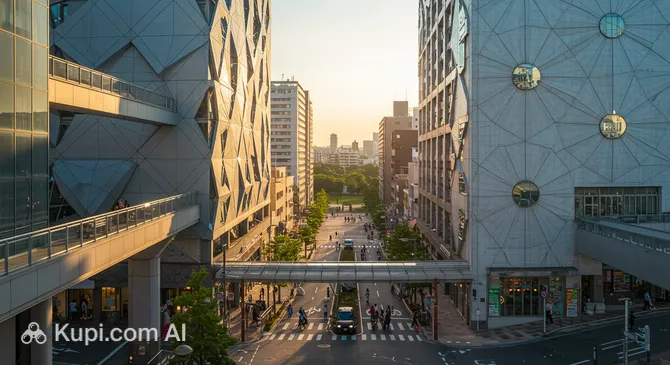
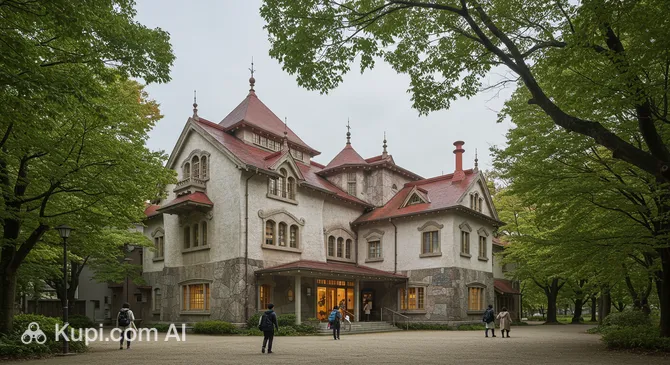
Nerima is a special ward in the northwest of Japan's capital, offering travelers a unique glimpse into the everyday life of Tokyoites. Despite its status as a "bedroom community," the area possesses its own distinct atmosphere, where modern urban development harmoniously coexists with preserved farm plots. With a population of over 740,000, this ward is considered one of the most comfortable and greenest residential clusters in the metropolis.
Nerima. Illustration.
Source: Kupi.com AI
The rich history of Nerima is closely tied to agriculture: the region once fed the entire city with its famous daikon radish. Today, the district is world-renowned as the "cradle of Japanese animation." Many legendary studios originated here, making a stroll through the local streets a must for pop culture fans. The calm pace of life, the abundance of local shops, and cozy parks allow you to feel not just like a tourist, but like a part of the vast city of Tokyo.
Visiting this corner of the Japanese capital is an excellent opportunity to take a break from the neon noise of the central quarters. Here, you can see how gardening traditions intertwine with the entertainment industry, creating a friendly and authentic environment. We invite you to explore Nerima to discover Tokyo from its most sincere and cozy side.
Weather Overview
The climate in this district fully aligns with Tokyo's general weather patterns and is classified as humid subtropical. Travelers should be prepared for distinct seasonality. The weather in Nerima during the summer months (July and August) is characterized by high humidity and temperatures often exceeding +30 °C. Showers are common at this time, and the traditional rainy season, tsuyu, arrives in June.
Winters here are mild and mostly dry. In January and February, daytime temperatures usually stay within +5…+10 °C, while at night they can drop to 0 °C. Snow falls very rarely and almost never forms a lasting cover. The transitional seasons are considered the best time for a visit: in spring, the cherry blossoms delight with comfortable temperatures of +15…+20 °C, and in autumn, clear and pleasant weather sets in, ideal for long walks in the parks.
Thanks to the abundance of green zones and low-rise buildings, summer evenings here can be a few degrees cooler than in the densely built-up central quarters of the capital. Nevertheless, tourists are advised to always carry a supply of water in the heat and a compact umbrella during the rainy season. In autumn and spring, layered clothing is the most practical solution, as the difference between day and night temperatures can be significant.
Average monthly temperature
Average monthly precipitation
Interesting Facts
The Nerima ward is full of surprising stories and hidden features that make it unique compared to other parts of Tokyo. Here are a few curious facts to help you get to know this corner of Japan better:
The Cradle of Anime: Modern Japanese animation was born here. The district is home to historical studios, including the legendary Toei Animation, which has shaped the region's special "animation" identity.
Urban Farming: Nerima is traditionally associated with vegetable gardening. Even today, in dense residential blocks, you can find small farms and vending machines selling the freshest famous daikon—a unique phenomenon for a metropolis.
Young Status: Nerima officially became a separate special ward of Tokyo only on August 1, 1947, after separating from the neighboring Itabashi ward.
International Comfort: More than 13,000 foreign citizens live in the district, making it one of the most attractive and comfortable "bedroom" neighborhoods for expats in the capital.
Military Heritage: In the post-war period, important facilities of the Japan Self-Defense Forces were located here, which largely determined the modern layout and infrastructure development of certain areas of the district.
How to Get There
Thanks to its integration into Tokyo's powerful transport network, reaching this northwestern ward is quite easy. The main gates to the region are the major hubs of the subway and private railway lines that connect quiet residential blocks with the business heart of the capital. Travelers should note that all ways to get to Nerima usually involve a transfer at Ikebukuro or Shinjuku stations.
The nearest international aviation hubs to the district are Narita and Haneda airports. High-speed expresses run from these to Tokyo's central hubs, after which you need to transfer to subway lines or suburban trains. The most convenient routes are considered to be the Seibu Ikebukuro Line and the Toei Oedo Line. A trip from the center can take from 10 to 40 minutes depending on the specific destination station.
For rail travel, the key point is Nerima Station. This is a major interchange hub through which routes pass connecting the district with key Tokyo attractions. It is worth remembering that Shinkansen high-speed trains do not stop here, so for long-distance travel across the country, it is necessary to first reach Tokyo or Ueno stations.
Main Attractions
Although Nerima is primarily a residential area, it hides several real gems for the curious traveler. One of the most unusual locations is the Kato Hobby Center. This is a true paradise for modeling and railway enthusiasts, where you can not only see large-scale model trains but also purchase the detailed models for which the Japanese industry is famous.
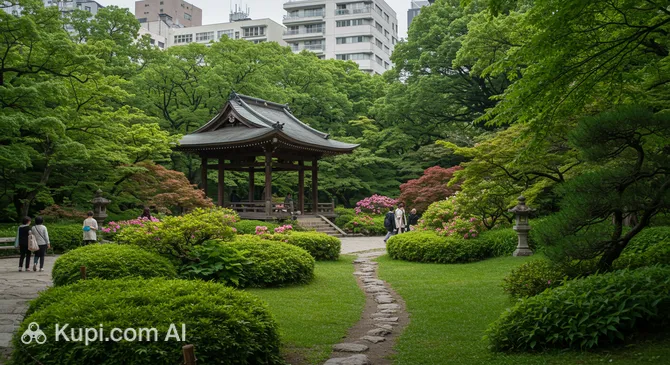
For those seeking aesthetic pleasure and tranquility, Otaguro Park is a must-visit. This is an exquisite Japanese garden created on the site of the former residence of a famous music critic. The park is especially beautiful in autumn, when the maple foliage turns bright crimson, creating picturesque reflections in the mirror-like surface of the ponds.
Otaguro Park. Illustration.
Source: Kupi.com AI
Traveler photos:
The spiritual atmosphere of the region can be felt at the Asagaya Shinmeigu Shrine. This ancient Shinto shrine attracts visitors with its architecture and peaceful setting. While the district is famous for its links to the anime industry, it is places like this that allow you to touch the traditional roots of Japanese culture, preserved amidst the dense urban landscape.
Local Cuisine
Gastronomy in Nerima is an honest reflection of the everyday tastes of the Japanese capital. Here you won't find many pretentious Michelin-starred restaurants, but the district abounds with authentic establishments "for locals." Thanks to the preserved farm plots, local chefs often use the freshest vegetables straight from the garden, making the taste of simple dishes particularly rich. The pride of the district is the daikon radish, which is added to many pickles and side dishes.
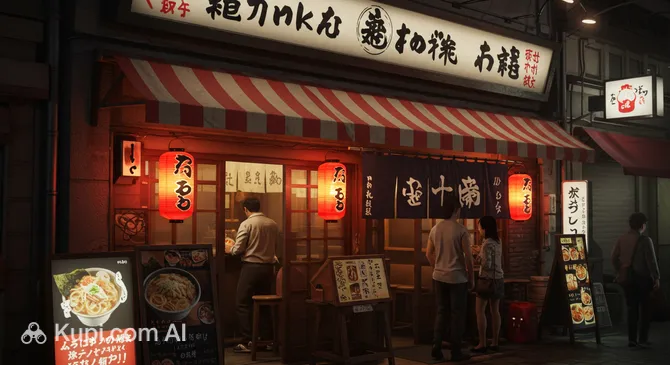
For coffee lovers and those enjoying quiet breakfasts, Musashino Mori Coffee Suginami Igusa is a great spot. This cozy cafe offers an excellent selection of drinks and desserts in a country-house atmosphere. If you crave fiery flavors and classic Japanese noodles, be sure to visit the Mouko Tanmen Nakamoto Main Restaurant in Itabashi, located on the border of the districts. It is famous for its spicy ramen, for which devoted fans are willing to stand in line.
Mouko Tanmen Nakamoto Itabashi Main Shop. Illustration.
Source: Kupi.com AI
Traveler photos:
The food culture here is centered around railway stations, where rows of small ramen shops, takoyaki stalls, and traditional izakayas stand. The main focus is on home cooking and hearty portions. Be sure to try the local soba and udon, and in the evening, peek into one of the small shops to taste seasonal grilled vegetables. The Nerima gastronomic scene is a paradise for those who value sincerity and the freshness of products over expensive interiors.
Travel Tips
Preparing for a trip to a district as unique as Nerima requires attention to details that will make your stay as comfortable and pleasant as possible. We have gathered practical recommendations based on the characteristics of local life.
Clothing and Items: Choose clothing according to the season, favoring layering. In summer, light fabrics and an umbrella for sun/rain are essential; in winter, a warm jacket, as it can be cool indoors. Comfortable shoes are your main ally, as you will be walking a lot. Don't forget an adapter for Type A sockets (two flat pins).
Transport: Be sure to purchase a Suica or Pasmo card immediately upon arrival. This will save you from having to buy paper tickets every time. Use apps like Google Maps or Jorudan for mapping out subway routes.
Finance: Although cards are increasingly accepted, Japan remains a country of cash. Always have yen on hand for small shops and shrines. It is most convenient to withdraw money from ATMs in 7-Eleven stores. Tipping is not customary and may even be perceived as a mistake.
Health and Safety: The district is exceptionally safe. Drugstores are easy to find by signs with the character 薬. For serious assistance, contact large clinics where staff may speak English.
Communication: English is not very widely spoken in residential areas. Download an offline translator in advance. Learn basic phrases: "Arigato" (thank you) and "Sumimasen" (excuse me/sorry). It is better to order a SIM card for internet in advance or buy one at the airport.
Local Etiquette: Be polite, observe silence on public transport—it is not customary to speak loudly or listen to music without headphones. You must remove your shoes when entering some traditional establishments or shrines.
What to Avoid: Never eat on the go in crowded places and do not litter on the street—trash cans are hard to find, so it is customary to take trash home with you. Also, avoid phone conversations on trains.
Extra Tip: Try to plan trips to the city center outside of the morning rush hour to avoid heavy crowds on the subway.
Following these simple rules will help you harmoniously blend into the rhythm of the Japanese capital and ensure your visit to Nerima leaves only the most positive impressions. Enjoy your trip!
Entertainment & Nightlife
Nightlife in Nerima is local and quite calm, which sets it apart from the boisterous districts of Shibuya or Shinjuku. Most after-dark activity is concentrated around key subway and railway stations. Here, you will find cozy izakayas (Japanese gastropubs) and bars where locals relax after a day's work. It is an ideal spot for those who want to enjoy drinks in a casual atmosphere without unnecessary pretense or tourist bustle.
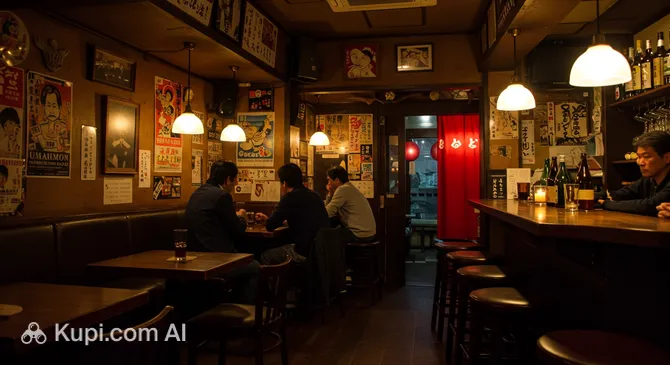
Among the popular venues is the atmospheric bar & BEER, where you can sample interesting varieties of craft beer. If you are looking for a place with traditional flavor and delicious snacks, stop by Umaimon Sakaba Battyo. These places have a friendly, family-like atmosphere, and closing times are usually limited to midnight, as the district caters to people living nearby.
Umaimon Sakaba Baccho. Illustration.
Source: Kupi.com AI
Traveler photos:
During the day, entertainment in the district is often linked to animation culture and park leisure. Local festivals take place regularly, and small theaters and cultural centers offer programs for the whole family. If you crave massive dance floors or large concert venues, the transport system allows you to reach Tokyo's central entertainment hubs in just 20–30 minutes. Nerima remains a quiet haven where it is pleasant to return after a vibrant evening in the capital.
Parks & Museums
Nerima is deservedly considered one of the greenest corners of Tokyo, offering its guests a respite from the concrete jungle. A real jewel of the district is Otaguro Park. This garden, designed in a classical Japanese style, impresses with the precision of every detail: from the elegant stone paths to the ancient trees reflected in the quiet pond water. It is an ideal place for meditative walks at any time of year.
Chihiro Art Museum Tokyo. Illustration.
Source: Kupi.com AI
Traveler photos:
The cultural life of the district is no less interesting and deep. Be sure to visit the Chihiro Art Museum Tokyo, dedicated to the work of the famous illustrator Chihiro Iwasaki. The museum is located in the house where she lived and worked, which creates a wonderfully touching and personal atmosphere. Also, lovers of literature and history will be interested in the Fumiko Hayashi Memorial Museum, which tells the life story of one of the most prominent Japanese female writers of the 20th century.
In general, the parks and museums of Nerima are geared toward thoughtful contemplation. There are no huge crowds here, allowing you to get acquainted with Japanese art and gardening mastery at a calm pace. The presence of compact but meaningful exhibitions gives the district a special intellectual aura, making it an important point on the capital's cultural map.
Getting Around
The Nerima transport system is a model of efficiency and punctuality, characteristic of the entire Japanese capital. The foundation of travel consists of railway lines and the subway. The Toei Oedo line connects the district with the Yamanote loop line, while the private Seibu Ikebukuro line provides a fast connection to the major hub of Ikebukuro. Trains run every few minutes, making trip planning as simple as possible.
For fare payment, it is most convenient to use contactless Suica or Pasmo cards. They can be topped up at any station terminal and used not only on trains but also on buses, as well as for purchases in vending machines and konbini convenience stores. If your path leads deep into residential blocks, neat city buses come to the rescue, with routes covering even the most remote corners of the district.
The bicycle culture deserves special attention. Many residents use bicycles as their primary transport to the nearest station, so huge multi-level parking lots are organized near each transport hub. Travelers should take into account "rush hours" (from 7:30 to 9:00 and after 18:00), when trains can be very crowded. At other times, trips take place in exceptionally comfortable conditions.
Accommodation
Accommodation in Nerima is an excellent choice for those seeking tranquility and looking to save on lodging without sacrificing transport accessibility. There aren't as many massive hotel chains as in the city center, but there is a wide selection of business hotels and cozy guesthouses. Short-term rental apartments are particularly popular, allowing tourists to feel like true Tokyo residents.
The most convenient housing options are located within walking distance of Nerima, Oizumi-gakuen, and Shakujii-koen stations. Staying here is advantageous if you plan a long stay: rental prices in this area are significantly lower than in Shinjuku or Minato. Furthermore, the quiet environment guarantees a full rest after busy walks through the metropolis.
We recommend booking accommodation in advance, especially during the cherry blossom season or when the autumn maples are at their peak. Using international booking systems will help find the best deals in the apartment segment. By choosing Nerima, you get a comfortable home environment and the opportunity to start each morning with a cup of coffee at a local cafe hidden from the tourist crowds.
Nearby Cities
The Nerima district serves as an excellent starting point for exploring both the central quarters of Tokyo and interesting locations in the western part of the prefecture. Thanks to the developed railway network, you can easily change your scenery by taking short trips to neighboring administrative units, each with its own character.
Just a few minutes' ride away is the Nakano ward, famous for its Nakano Broadway shopping arcade—a paradise for collectors of rare figurines and retro goods. It is also worth checking out Suginami, which competes with Nerima for the title of animation center and offers many cozy cafes and bookstores. Neighboring Itabashi will delight history buffs with its old shopping streets and temples.
We recommend not limiting yourself only to major tourist routes and exploring the surroundings in more detail. Proximity to major transport hubs allows you to visit both the ultra-modern skyscrapers of central Tokyo and quiet, history-filled neighboring districts in a single day, creating a complete picture of life in the great metropolis.
Shopping & Souvenirs
Shopping in Nerima is steeped in the atmosphere of everyday Tokyo and is devoid of tourist gloss. Most commerce bustles in the so-called shotengai—traditional shopping streets located near stations. Here you can find everything from the freshest local vegetables to unique household items. It's the best place to observe city life and buy authentic goods at very pleasant prices.
Large shopping centers and chain stores are also concentrated around transport hubs such as Nerima and Oizumi-gakuen stations. Here you will find clothing from popular Japanese brands, high-quality cosmetics, and electronics. Although the district is not a center of high fashion, it offers an excellent selection of goods for a comfortable life. For souvenirs related to the world of animation, it's worth checking out the specialized shops at local studios—such finds will be much more valuable than standard tourist trinkets.
Shops usually operate from 10:00 to 20:00 or 21:00, while supermarkets often close much later. International bank cards are accepted at major outlets, but in small shops on the trading streets, you will definitely need cash. Remember the possibility of Tax Free shopping in large stores—for this, always carry your passport with you. Shopping in this area is primarily a hunt for rare anime goods and an opportunity to bring home a piece of real, non-showcase Tokyo.