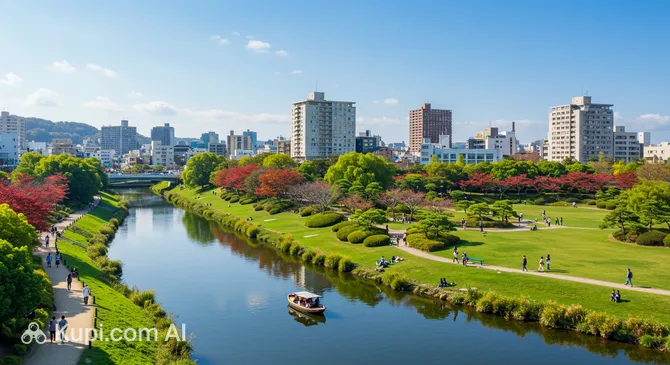
Itabashi is one of Tokyo's special wards, located in the northern part of the Japanese capital. Unlike the neon jungles of Shibuya, Itabashi retains the cozy and quiet atmosphere of a residential district, where life flows at a steady, homey pace. This place is ideal for those who want to see the authentic, non-touristy side of life in Japan, while remaining in close proximity to the metropolis's main attractions.
Located on a plain along the Shakujii River, the district covers an area of about 32 square kilometers. The population of Itabashi is over 580,000 people, making it quite lively, though the building density here is lower than in Tokyo's central neighborhoods. The rich history of this place dates back to the Heian period, and you can learn more about the district's heritage on the page dedicated to the history of Itabashi.
Itabashi. Illustration.
Source: Kupi.com AI
Itabashi literally means "plank bridge," a name it owes to a wooden crossing over the river that was an important point on the Nakasendo trail during the Edo period. Today, tourists are drawn here by picturesque botanical gardens, the unique "Great Buddha" at Jorenji Temple, and the chance to relax in quiet parks. Visiting Itabashi is an invitation to slow down and enjoy genuine Japanese hospitality away from the hustle and bustle.
Weather Overview
The weather in Itabashi is typical of Tokyo's temperate monsoon climate. All four seasons are clearly defined here, each giving the district a special charm. Winters (December–February) are usually cool and dry, with temperatures ranging from 0°C to 10°C, and snow is extremely rare. Summers (June–August) are characterized by high humidity and heat, with temperatures often rising above +30°C.
The most pleasant times to visit are considered spring and autumn. In March and April, the district is bathed in cherry blossoms, and the temperature stays at a comfortable +15–20°C. October and November delight with clear skies and the vibrant colors of momiji foliage. Before your trip, it is recommended to check the current climate of Itabashi to choose your wardrobe correctly.
It is worth remembering the rainy season (tsuyu), which usually falls in June and early July — during this period, precipitation becomes frequent and prolonged. However, even on rainy days, Itabashi retains its coziness. Typhoons are possible in August and September, so tourists are advised to follow weather forecasts and always carry an umbrella, which is a mandatory accessory in Japan at any time of year.
Average monthly temperature
Average monthly precipitation
Interesting Facts
The name of the district, Itabashi, translates from Japanese as "plank bridge." This name refers to a historical wooden bridge over the Shakujii River, built as far back as the Heian period (794–1185).
In the Edo period, Itabashi served as the "northern gateway" to the city, being the first post station (shukuba) on the important Nakasendo trade route that connected Tokyo (then Edo) with Kyoto.
Itabashi is home to the Tokyo Great Buddha (Tokyo Daibutsu) — a majestic bronze statue weighing about 30 tons, located on the grounds of Jorenji Temple.
Despite its dense development, Itabashi is considered one of Tokyo's greenest residential areas thanks to two large botanical gardens and numerous parks along the river canals.
The district officially became part of Tokyo in 1932, and in 1947, a territory separated from it that is known today as the Nerima district.
How to Get There
Itabashi has excellent transport accessibility, making it a convenient base for travelers. Thanks to its location in northern Tokyo, the district is integrated into a powerful network of railways and subways, allowing you to reach the city's major hubs like Shinjuku or Tokyo Station in just 20–30 minutes. You can explore all the options for how to get to Itabashi in advance to plan your route as efficiently as possible.
The nearest international gateways to the district are Narita and Haneda airports. From Narita, it is most convenient to take an express train to Tokyo Station and then transfer to the Mita subway line. From Haneda, the journey takes less than an hour: first by monorail to Hamamatsucho, then by subway to the required station in Itabashi. Public transport operates with legendary Japanese punctuality, though you should consider the heavy congestion on trains during morning and evening rush hours.
The main railway gateways to the district are Itabashi station (JR Saikyo line) and Itabashi-Kuyakushomae station (Toei Mita line). The JR Saikyo line is the shortest path to the city's main shopping and entertainment districts. Within the district itself, Tobu Tojo line trains are also frequently used, linking residential neighborhoods with the major transport hub of Ikebukuro.
Station
Passenger traffic
Distance
Ōtsuka Station
15
3 km
Akabane Station
16
3 km
Mejiro Station
16
3 km
Takadanobaba Station
16
4 km
Shin-Ōkubo Station
16
6 km
Main Attractions
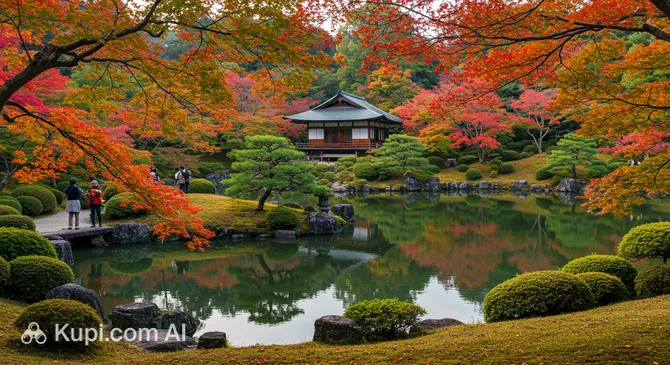
Despite its reputation as a residential area, Itabashi and its surroundings hide several true gems. One of the most impressive attractions is Rikugien Garden. This classic Japanese garden, created in the early 18th century, is considered a masterpiece of Edo-period landscape art. Here, you can spend hours walking around the central pond, admiring artificial hills and tea houses, which are especially beautiful during the cherry blossom season or autumn foliage.
Rikugien Gardens. Illustration.
Source: Kupi.com AI
Traveler photos:
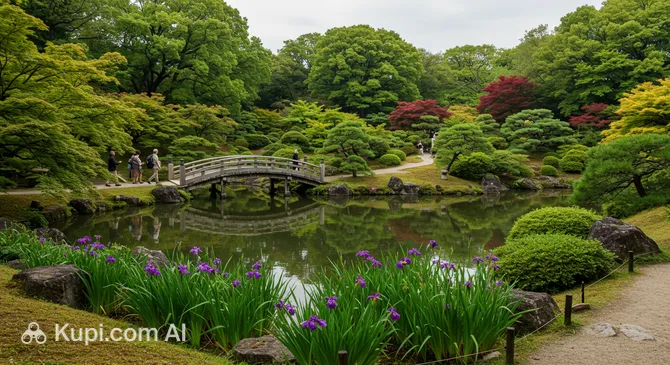
Another important historical site is Gokokuji Temple. Founded in 1681, it miraculously survived the bombings of World War II, preserving its original architecture. The temple is the spiritual center of the region and attracts visitors with its solemn atmosphere and majestic halls. It is also worth visiting the intimate Mejiro Garden, where you can find long-awaited peace among miniature waterfalls and stone lanterns.
Mejiro Garden. Illustration.
Source: Kupi.com AI
Traveler photos:
For those looking for something unusual, Itabashi is home to Jorenji Temple, famous for its enormous bronze statue of the Great Buddha. It is the third-largest Buddha statue in Japan, and it leaves a lasting impression with its tranquility and grandeur. The district is also famous for its green zones, such as the Akatsuka and Itabashi botanical gardens, which offer guests the chance to see rare flora in a natural setting.
Local Cuisine
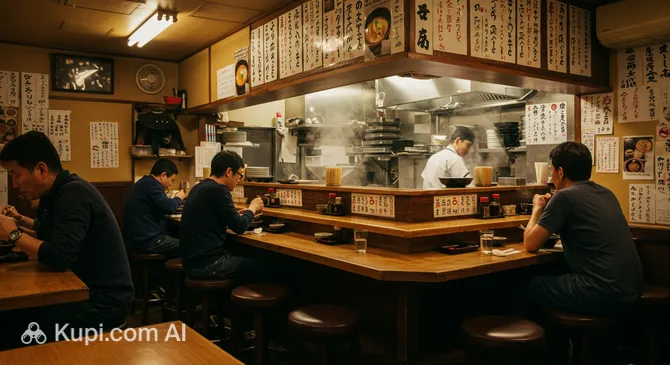
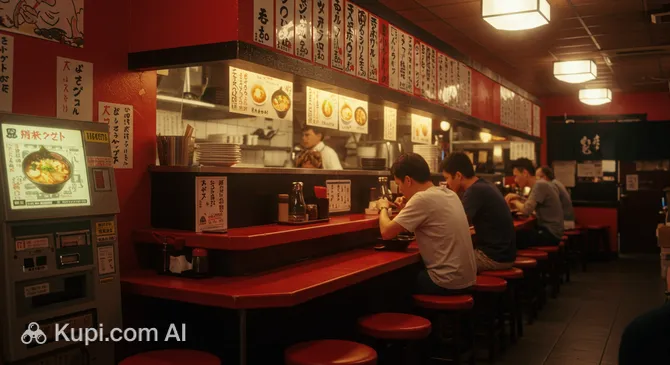
The culinary scene in Itabashi is a paradise for lovers of authentic everyday cuisine. Unlike the high-end restaurants of the center, small family-run establishments where recipes are passed down through generations predominate here. Special attention should be paid to the local ramen shops. For example, the restaurant Nakiryu, a favorite among foodies, offers exquisite noodle dishes that will surprise even seasoned connoisseurs.
Nakiryu. Illustration.
Source: Kupi.com AI
Traveler photos:
If you prefer bolder and more intense flavors, be sure to stop by Kikanbo Ikebukuro. This place is famous for its miso ramen with the addition of signature spicy oil and mountain sansho pepper. Food culture in Itabashi is closely tied to evening gatherings at izakayas, where glasses of cold Asahi beer or portions of sake are served with karaage (crispy fried chicken), yakitori, and fresh seafood.
Kikanbo Ikebukuro. Illustration.
Source: Kupi.com AI
Traveler photos:
Local konbini (convenience stores) and bakeries near metro stations are perfect for a quick snack, where you can always find fresh onigiri and traditional rice-dough sweets. Don't miss the chance to try homemade Japanese cuisine in local cafes — the simplicity of the ingredients and the impeccable quality of the products make a meal in Itabashi truly memorable.
Travel Tips
When planning a visit to Itabashi, take advantage of these proven tips to make your introduction to the district as comfortable and interesting as possible.
Clothing for the season: Tokyo is characterized by high humidity. In summer, bring light clothing made of natural fabrics, and in winter, layered outfits, as it can be hot indoors and cool outside. Comfortable shoes are a must — you'll be walking a lot.
Transport card: Immediately upon arrival, buy an IC card (Suica or Pasmo). This will save you from having to buy tickets at a machine every time and allow you to pay at vending machines and some shops.
Cash: While cards are accepted in major shopping centers, Japan remains a cash-oriented country. Always have yen with you for payments in small cafes, temples, or stalls.
Transport etiquette: It is customary to keep quiet on Japanese trains. Set your phone to silent mode and refrain from loud conversations — it's a sign of respect for those around you.
Connectivity: For navigation, it's better to rent a pocket Wi-Fi router or buy a tourist SIM card. English is not widely spoken in residential areas like Itabashi, so an online translator will be indispensable.
Visiting temples: When entering temple complexes like Jorenji, remain calm. It is customary to wash your hands in special tsukubai basins before praying.
Trash: Finding a trash can on the street in Tokyo is no easy task. Japanese people usually take their trash with them or throw it away in special bins near convenience stores (konbini).
Rush hour: Try not to plan metro trips on weekdays from 8 to 9 AM. The density of people in the cars during this time can be a real test for an unprepared tourist.
Itabashi is a place where you can feel the true rhythm of Tokyo, so be open to new experiences and enjoy every moment of your journey!
Entertainment & Nightlife
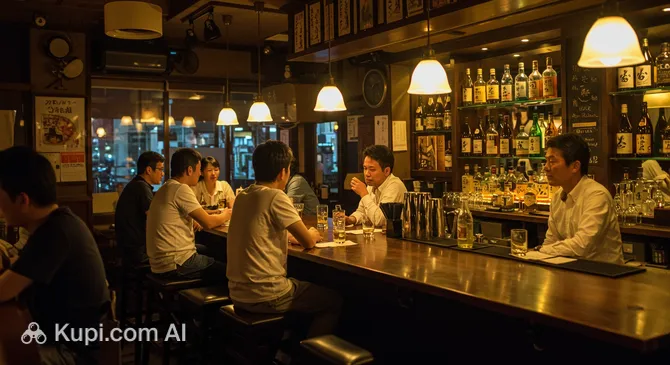
Nightlife in Itabashi is significantly different from the bright districts of central Tokyo. You won't find massive nightclubs or noisy discos here, but the district is famous for its authentic izakayas — Japanese gastropubs. Locals prefer to spend their evenings in cozy establishments near metro stations, enjoying sake and snacks with friends. For those looking for a stylish place for dinner, Dining Kaze is an excellent choice, where modern cuisine meets traditional hospitality.
Dining Kaze. Illustration.
Source: Kupi.com AI
Traveler photos:
If you're looking for more active pastimes or classic bar entertainment, you should check out Moon Walk Ikebukuro or visit Attachment Ikebukuro, which are located very close by. These establishments offer a more youthful and casual atmosphere, with a wide selection of cocktails at affordable prices. Night walks in Itabashi are perfectly safe, and thanks to a well-developed taxi network, getting home after midnight is easy.
During the day, entertainment in the district is more cultural and family-oriented. Local residents enjoy visiting small cinemas, game centers in shopping malls, or spending time in parks along the river. Itabashi is a place for those who appreciate quality rest and the opportunity to chat with locals in an informal setting, avoiding typical tourist pretense.
Parks & Museums
The Itabashi district is rightfully proud of its green zones, which are favorite vacation spots for residents. A special place in the hearts of locals is held by the Itabashi and Akatsuka botanical gardens. Here, you can see rare plants from all over Japan, and in the spring, the gardens transform into a pink cloud of blooming cherry blossoms. A walk along the Shakujii River will also delight nature lovers — the well-maintained embankments are ideal for leisurely strolls.
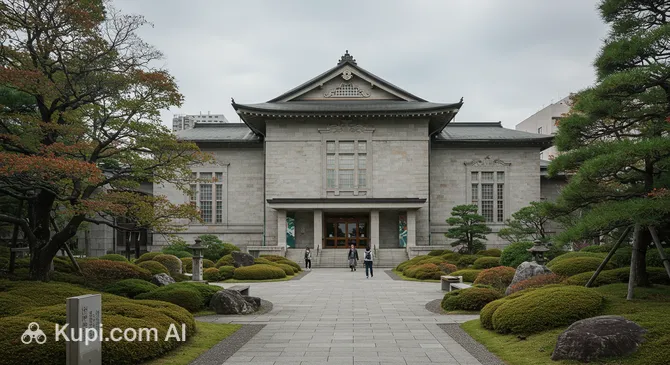
For connoisseurs of culture and history, unique museums operate in Itabashi and its immediate surroundings. Be sure to visit the Toyo Bunko Museum — Japan's largest oriental studies library-museum, where rare manuscripts and books are kept. Equally interesting is the Eisei-Bunko Museum, which presents a private collection of art objects and historical artifacts of the ancient Hosokawa clan.
Eisei Bunko Museum. Illustration.
Source: Kupi.com AI
Traveler photos:
An interesting industrial heritage site is the Old Iwabuchi Sluice Gates, located on the district border. These bright red structures on the Arakawa River have become a popular spot for photoshoots and picnics. The combination of historical monuments, such as Jorenji Temple with its Great Buddha, and modern parks makes Itabashi a wonderful place for cultural leisure for the whole family.
Getting Around
Public transport in Itabashi works like a perfectly tuned machine, providing residents and guests of the district with maximum comfort. The core of the transport system consists of the JR Saikyo and Toei Mita subway lines. These branches connect Itabashi with Tokyo's key business and tourist centers. In addition to these, Tobu Tojo line trains run through the district, which are especially convenient for trips toward Ikebukuro.
For fare payment, it is most convenient to use contactless IC cards like Suica or Pasmo. They can be purchased and topped up at any station machine. The cards work on all types of transport, including buses, which actively supplement the railway network, covering remote corners of the district. The fare depends on the distance, but on average, a single trip within the city costs between 170 and 250 yen.
Travelers should take into account that during the morning (7:30 to 9:00 AM) and evening (5:30 to 7:30 PM) hours, trains can be very crowded — this is common in Tokyo. As an alternative for short trips around the district, you can use municipal bicycle rentals, which are becoming increasingly popular. Taxis in Itabashi are easy to catch near stations, but remember that this is a fairly expensive form of transport, especially at night.
Accommodation
Itabashi's residential status defines the nature of the local hotel sector. You are unlikely to find massive luxury chain hotels here, but the district offers a wide selection of cozy apartments, guesthouses, and budget business hotels. Staying here will cost significantly less than in central Ginza or Roppongi, which attracts budget travelers and those planning a long-term stay in Tokyo.
The most convenient areas to search for accommodation are around Itabashi and Narita-higashi stations. Proximity to transport hubs allows tourists to quickly reach the city center while enjoying the peace and quiet of a residential neighborhood. Room prices in local mid-range hotels usually range from 5,000 to 10,000 yen per night, which is an excellent deal for Tokyo.
If you are planning a trip during high-demand periods, such as the cherry blossom season (late March to early April) or "Golden Week" in May, it is recommended to book your accommodation several months in advance. For those seeking an authentic experience, consider renting an apartment through popular services — this will allow you to feel like a real resident of the Japanese capital, visiting local supermarkets and bakeries in the morning.
Nearby Cities
Itabashi serves as an excellent starting point for exploring the northern and central districts of the capital region. Thanks to the developed railway network, you can switch the quiet atmosphere of a residential neighborhood for the bustling life of the metropolis or head out to the green suburbs in just a few minutes.
Just a few kilometers away is the Toshima district, the center of which is the famous Ikebukuro — a giant hub for shopping, entertainment, and anime culture. It is also worth visiting Nerima, which was once part of Itabashi; this district is known for its parks and is considered the birthplace of Japanese animation. If you want to see neon lights and skyscrapers, a train will take you to the legendary Shinjuku in 20 minutes.
Exploring the surroundings of Itabashi allows you to see Tokyo in all its diversity: from historical temples and traditional shopping streets to ultra-modern fashion centers. Don't be afraid to take local line trains — every direction holds new discoveries and unique Japanese flair.
Shopping & Souvenirs
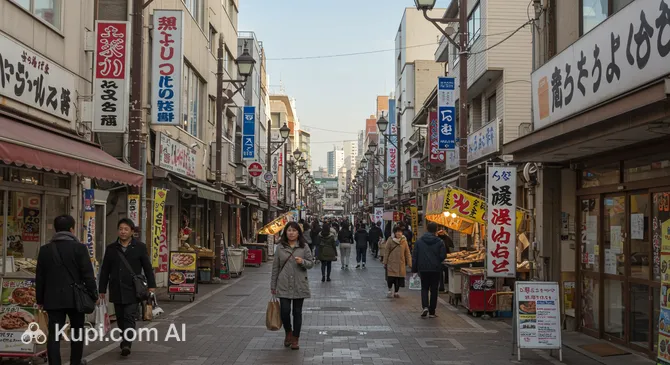
Shopping in Itabashi is oriented toward everyday needs and offers tourists a chance to dive into the atmosphere of authentic Japanese life. You won't find the high-end boutiques of Roppongi here, but charming shotengai shopping streets have been preserved. One of the most famous is Jujo Ginza Shopping Street, located nearby. Here, under covered arcades, dozens of stalls operate, offering everything from fresh delicacies and street food to inexpensive clothing and souvenirs.
Jujo Ginza Shopping Street. Illustration.
Source: Kupi.com AI
Traveler photos:
For larger-scale purchases, residents often choose shopping centers near metro stations, such as Aeon Mall. In these complexes, you can find high-quality Japanese cosmetics, electronics, and home goods at very reasonable prices. In the food departments of large supermarkets, it's worth looking for local sweets, top-grade green tea, or sets of Japanese seasonings as practical gifts for loved ones.
Most shops in Itabashi are open from 10:00 AM to 8:00 PM or 9:00 PM, while supermarkets often close even later. Card payments are accepted everywhere in large centers, but in small stalls at traditional markets, it's better to have cash yen on hand. Don't forget to bring your passport — in many chain stores, you can get a Tax Free refund right at the checkout for purchases over 5,000 yen.