Support

Kita

About

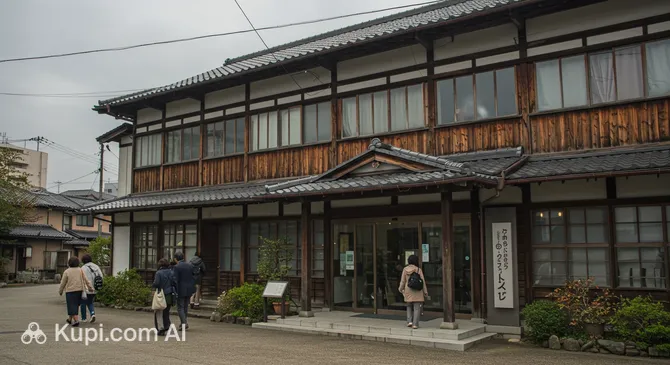
Located in the northern part of the Japanese capital, Kita is a harmonious blend of residential tranquility and industrial heritage. The district's name literally translates to "North," which accurately describes its position within the urban structure of Japan. With a population of over 350,000, this area is free from the tourist hype of the central quarters, offering travelers a chance to dive into the real, everyday life of Tokyoites.
Kita. Illustration.
Source: Kupi.com AI

The history of the district traces a path from the quiet rural landscapes and post stations of the Edo period to the powerful industrial hub of the Meiji era. Today, modern transport hubs sit alongside cozy parks and the banks of the Arakawa and Sumida rivers, which serve as natural boundaries and favorite recreation spots for city dwellers.

Despite its reputation as a "bedroom" community, Kita attracts visitors with its authentic shopping streets and green spaces, such as Asukayama Park. It is an ideal destination for those who want to see Tokyo without filters, appreciating its practicality, convenient logistics, and the welcoming atmosphere of the northern outskirts. We invite you to explore this distinctive corner, where every alleyway holds a piece of authentic urban culture.
Weather Overview

The climate in the Kita district is typical for Tokyo and is characterized by distinct seasonality. Summers here are hot and humid: in July and August, the average temperature ranges between 25–31°C, and high humidity can make being outdoors tiring. Winters, by contrast, are quite mild and dry, with temperatures ranging from 0°C to 11°C, while snow falls rarely and usually melts quickly.

Special attention should be paid to the shoulder seasons. June and early July is the time of the rainy season ("tsuyu"), when precipitation becomes frequent and heavy. Autumn arrives gradually, bringing comfortable 15–20°C temperatures in October and November. To better plan your wardrobe and routes, we recommend checking out the detailed data on the city climate.

Expect warm summers with occasional downpours and cool, sunny winters. Thanks to the proximity of the Arakawa and Sumida rivers, a pleasant breeze is often felt in the district, which slightly tempers the summer heat. However, on windless days in dense urban areas, the heat island effect can be observed, so always keep a bottle of water with you during the peak season.

Average monthly temperature

Average monthly precipitation

Interesting Facts

  • Kita was officially formed in 1947 through the merger of two historical districts — Oji and Takinogawa.

  • Asukayama Park is home to one of the shortest monorails in the world — the Asukayama Park Monorail, which is only 48 meters long.

  • The district is home to the unique Paper Museum, which reflects the region's industrial past when some of the largest paper mills of the Meiji era operated here.

  • Two major rivers flow through Kita — the Arakawa and the Sumida; their banks are used for large-scale marathons and cherry blossom picnics in the spring.

  • The district has preserved active "shotengai" shopping galleries, such as Jujo Ginza, where you can find goods and food at prices significantly lower than those in central Tokyo.

How to Get There

The Kita district is a major transport hub in northern Tokyo, making it easily accessible from both the city center and international airports. Most of the travel is handled by railway lines, which allow you to reach the city's main attractions in just a few minutes. You can find detailed information about routes on the city transport page.

For international travelers, two airports serve as the primary gateways. Narita (NRT) is located about 1.5–2 hours away: the most convenient way is to take the Narita Express train to Tokyo Station and then transfer to the JR Keihin-Tohoku Line. Haneda Airport (HND) is closer, with the journey taking about an hour with a transfer at Shinjuku or Hamamatsucho stations.

AirportPassenger trafficDistance
Haneda Airport85.7 mln23 km
Yokota Air Base35 km
Atsugi NAF42 km
Narita International Airport40.8 mln59 km
Ibaraki Airport776 06378 km

Railway communication is the pride of the district. Oji Station and Akabane Station are key stops. The JR Keihin-Tohoku Line directly connects the district with Ueno and Akihabara (travel time about 15 minutes), while the Namboku Line subway provides a convenient connection to the central and southern wards of the metropolis.

If you prefer traveling by car, Kita can be reached via Expressway No. 5 or the ring road. Usually, the trip from the center takes 20–30 minutes, but during peak hours, you should allow up to an hour due to heavy traffic. There is also a regular network of city buses running between neighboring districts like Ikebukuro and Ueno.

Main Attractions

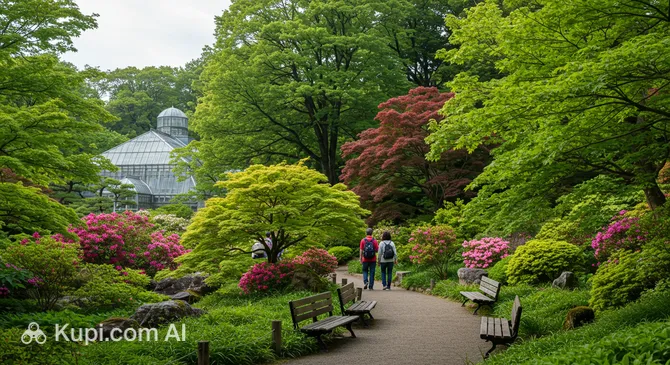
While Kita is primarily considered a residential area, there are many interesting locations concentrated in its surroundings and on the borders with neighboring districts. One of the most picturesque spots is the Koishikawa Botanical Garden. Founded in the 17th century, this garden is the oldest in the country and offers visitors walks among rare plant species and ancient medicinal herb gardens, creating an atmosphere of seclusion and peace.

Koishikawa Botanical Garden. Illustration.
Source: Kupi.com AI

Traveler photos:

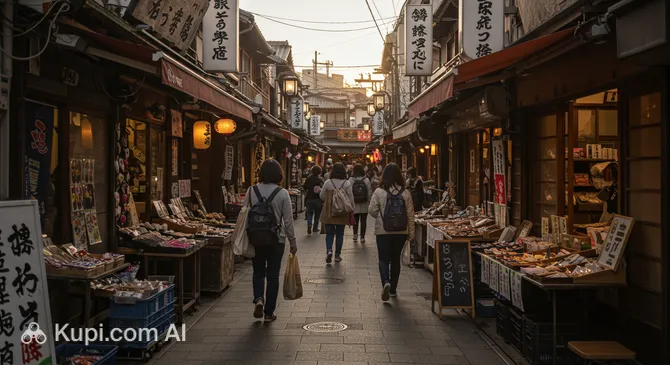
For those seeking the atmosphere of old Tokyo, the Yanaka Ginza shopping district is a must-visit. This is one of the few areas that has preserved the spirit of the Showa era with its tiny shops, street food, and leisurely pace of life. Tourists come here to feel the spirit of "shitamachi" (lower city) and enjoy the sunsets on the famous Yuyake Dandan stairs.

Yanaka Ginza. Illustration.
Source: Kupi.com AI

Traveler photos:

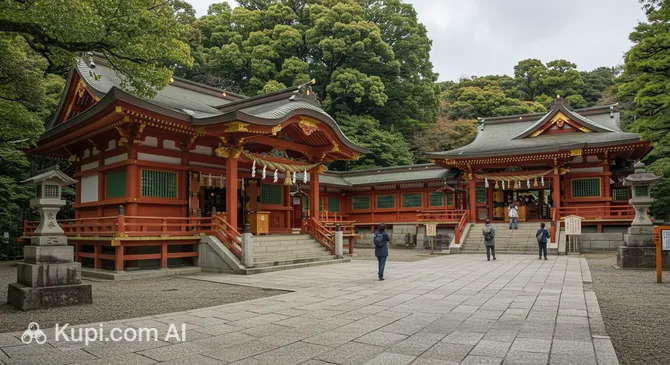
Fans of spiritual architecture should stop by the Hakusan Shrine. This shrine is particularly popular in June when thousands of hydrangeas bloom, turning the grounds into a vibrant sea of flowers. The shrine is known for its long history and for hosting local festivals that allow guests to witness traditional Japanese rituals away from the noisy crowds of the central districts.

Hakusan Shrine. Illustration.
Source: Kupi.com AI

Traveler photos:

Local Cuisine

The gastronomic scene in Kita is a celebration of simple and hearty Japanese cuisine "for locals." You won't find flashy Michelin-starred restaurants here, but there's an abundance of authentic street food stalls and family-run eateries. Particular attention should be paid to the area around Jujo Station, which features a famous shopping street with an incredible selection of inexpensive delicacies, from hot croquettes to freshly made onigiri.

For ramen lovers, Kita offers dozens of versions of this iconic dish, with rich tonkotsu ramen being especially popular. Along the riverbanks during the warmer months, you can often find stalls selling takoyaki (octopus dough balls) and yakisoba. If you are looking for a place for a full breakfast or lunch in an international environment, stop by the Sakura Hotel Nippori, which serves dishes from around the world.

Sakura Hotel Nippori. Illustration.
Source: Kupi.com AI

Traveler photos:

As for drinks, classic Japanese beers like Asahi and Kirin, as well as warming sake, rule the local izakayas. During the day, Japanese people prefer cold or hot green tea, which can be found literally at every turn. The food culture in Kita encourages leisurely walks with breaks to taste local sweets in the parks, especially during the spring hanami season.

Travel Tips

A journey to northern Tokyo promises to be peaceful and authentic if you prepare in advance for some features of local life. These tips will help you feel confident among the residential quarters of the Kita district.

  1. Clothing and Essentials: Choose clothing according to the season — summers here are humid and hot, while winters are dry and cool. Be sure to wear comfortable shoes, as you will be doing a lot of walking. If you plan to visit temples, there is no strict dress code, but it is better to avoid overly revealing outfits out of respect for tradition.
  2. Transport: Be sure to purchase a Suica or Pasmo card — it will save a lot of time when transferring between JR and the subway. Remember that during peak hours, trains on the Keihin-Tohoku Line can be very crowded.
  3. Finances: The main currency is the yen. While cards are accepted in large shopping centers, you will need cash in small shotengai shops. You can withdraw money from ATMs in 7-Eleven stores, which operate 24/7.
  4. Health and Safety: The Kita district is very safe, but keep an eye on your personal belongings at stations during peak hours. Pharmacies are easy to find by the "薬" sign; they usually have a large selection of over-the-counter remedies.
  5. Communication: English is less common here than in the center. Install an offline translator and learn basic phrases: "Arigato" (thank you) and "Sumimasen" (excuse me/sorry).
  6. Local Etiquette: Observe silence on public transport — it is not customary to talk on the phone in train carriages. You may be required to remove your shoes when entering some traditional establishments or fitting rooms.
  7. What to Avoid: Do not eat while walking — it is considered bad manners. Also, do not leave tips in restaurants, as this can be perceived as a mistake or even an insult.
  8. Extra Tip: Visit the Jujo Ginza shopping street on a weekday afternoon — it is the best time to try street food without long queues.

We hope these recommendations help you enjoy true Japanese hospitality and make your stay in this corner of Tokyo as comfortable as possible!

Entertainment & Nightlife

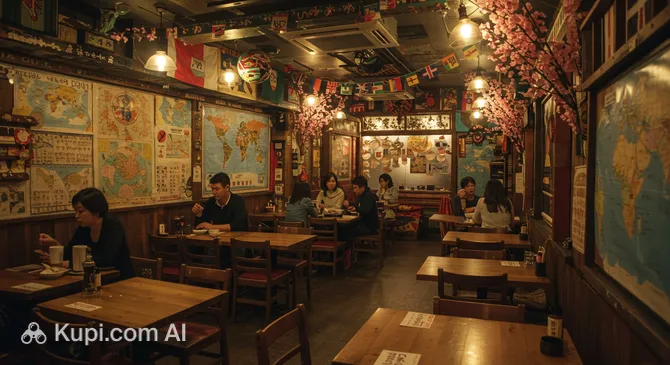
Nightlife in the Kita district is more local and understated. You won't find the massive dance floors of Shinjuku here, but you can enjoy the coziness of small izakayas near Oji and Akabane stations. These are places where locals gather after work to grab a beer and catch up on the news. For fans of vocal arts, the doors of numerous karaoke boxes are open, offering a place to spend an evening with friends.

If you're looking for more active entertainment, it's worth checking out neighboring districts. Very close by is Karaoke Hundred Ikebukuro, where the atmosphere is much more dynamic, and the choice of songs and drinks will satisfy even the most discerning guest. Ikebukuro also hosts large cinemas and entertainment centers that stay open until late at night.

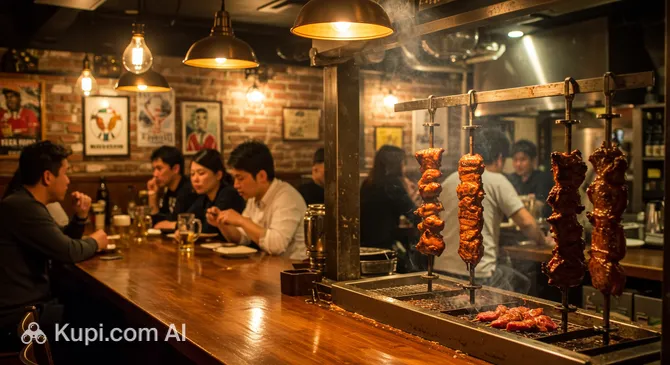
For a gastronomic evening with light drinks, establishments like Golden Italian are perfect, offering an interesting mix of European traditions and Japanese hospitality. If your soul craves a Latin American-style celebration, you can head to Churrasco and Beer Bar Gocchibatta Ikebukuro West Exit, where meat delicacies and unlimited beer create a great mood.

Churrasco & Beer Bar Gotchibatta Ikebukuro West Exit. Illustration.
Source: Kupi.com AI

Traveler photos:

During the summer, Kita comes alive during temple festivals such as the Oji Matsuri. During these days, the streets fill with the sound of drums, street food stalls, and colorful processions, providing tourists with a unique opportunity to see traditional Japanese entertainment in its original form.

Parks & Museums

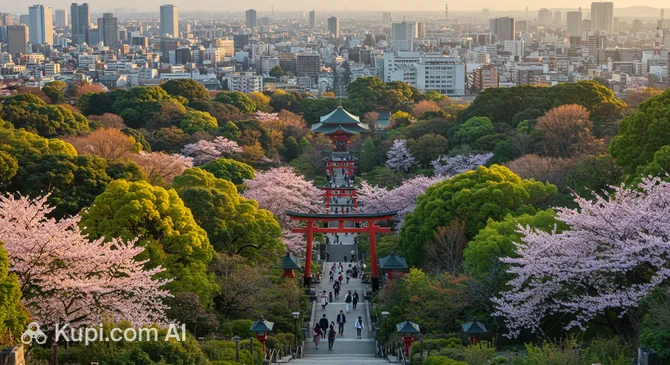
The main pride of Kita is Asukayama Park — one of Tokyo's oldest public parks, established by the eighth Tokugawa shogun. In the spring, it turns into a white and pink cloud due to hundreds of blooming cherry trees, while in the autumn, it delights the eye with crimson maples. It is a unique place where three museums are concentrated on one territory: the Paper Museum, the Shibusawa Memorial Museum, and the Kita City Asukayama Museum.

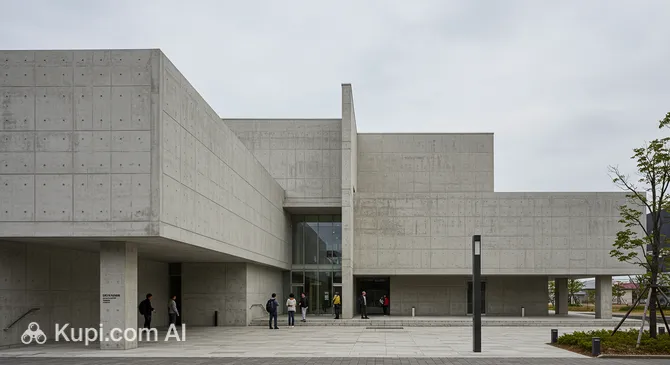
For connoisseurs of art and literature, the district offers more intimate but profound exhibitions. Be sure to visit the Asakura Museum of Sculpture, located in the former home and studio of the famous sculptor Fumio Asakura. The building itself is a work of art, combining Western style and traditional Japanese architecture with a magnificent courtyard garden.

Asakura Museum of Sculpture. Illustration.
Source: Kupi.com AI

Traveler photos:

Another important cultural point is the Mori Ogai Memorial Museum, dedicated to the life and work of the prominent Japanese writer and military doctor. The exhibition is located on the site of his former residence and offers a glimpse into the world of the Japanese intelligentsia of the early 20th century.

Mori Ōgai Memorial Museum. Illustration.
Source: Kupi.com AI

Traveler photos:

Nature lovers will also enjoy Ukima Park, located around a large pond. It is known for its windmill and is a great spot for birdwatching and quiet walks. The river areas along the Arakawa complement the district's green framework, providing space for active recreation and outdoor picnics.

Getting Around

The transport system of the Kita district is integrated into the overall Tokyo network and is characterized by exceptional punctuality and convenience. The backbone of travel consists of JR trains and subway lines. Key stations — Oji, Akabane, and Tabata — allow you to reach the capital's largest hubs, such as Shinjuku or Ueno, in just 15–25 minutes. Within the district, the terrain is mostly flat, so many residents and tourists prefer to get around on foot or on rented bicycles.

The easiest way to pay for travel is with contactless Suica or Pasmo smart cards. They can be purchased at machines at any station and topped up as needed. The cards work on all types of transport: trains, subways, and buses. The cost of a trip depends on the distance but averages from 150 to 300 yen within the city. For active travel during the day, you can consider purchasing a 24, 48, or 72-hour pass.

The bus network in Kita is well-developed and complements the railway routes, reaching deep into residential neighborhoods. Boarding the bus is usually through the front door, and payment by card is made upon entry. It is worth considering that during peak hours (morning from 7 to 9 and evening from 17 to 19), transport can be very crowded, and delays are possible on the roads. Taxis are available everywhere, but trips in them are significantly more expensive than public transport.

Accommodation

Accommodation options in Kita reflect its status as a quiet residential district. While it is hard to find luxury five-star hotels here, there is a wide range of business hotels and cozy apartments that are perfect for budget-conscious travelers. Many choose this district as a base for exploring Tokyo due to more affordable prices compared to central neighborhoods.

The main concentration of hotels is found near major transport hubs like Akabane and Oji stations. For example, the APA business hotel chain is popular, offering compact yet functional rooms with everything you need. If you are looking for something more atmospheric and budget-friendly, consider the Sakura Hotel Nippori, which is located nearby and famous for its friendly international atmosphere.

Sakura Hotel Nippori. Illustration.
Source: Kupi.com AI

Traveler photos:

Price ranges in the area usually vary from 5,000 to 12,000 yen per night for a standard room. For those planning a longer stay, renting a private apartment through popular booking services is a good option — it allows you to feel like a true Tokyo resident. It is recommended to book accommodation in advance, especially during the cherry blossom season or the autumn maple season when demand for budget accommodation spikes.

Nearby Cities

Thanks to its developed transport network, Kita serves as an excellent starting point for exploring the northern and central parts of the capital region. Just a few minutes by train separate quiet residential quarters from the bustling shopping and cultural centers of neighboring districts.

Right next door is the Toshima ward, the heart of which is Ikebukuro — a true paradise for shopping fans and anime culture enthusiasts. For those interested in history and science, a trip to Bunkyo, home to famous gardens and the University of Tokyo, is a wonderful choice. The neighboring Itabashi ward is equally interesting, offering cozy walking areas along the canals.

CityPopulationDistance
Itabashi581 3372 km
Toshima297 9543 km
Arakawa217 8915 km
Bunkyo240 0695 km
Kawaguchi593 3536 km

It is also worth checking out Arakawa with its nostalgic tram and the city of Kawaguchi in Saitama Prefecture, which is famous for its parks. We recommend not limiting yourself to one district and venturing out to explore the surroundings — each of these directions will give you new facets of Japanese hospitality and culture.

Shopping & Souvenirs

Shopping in Kita is primarily focused on everyday needs and offers tourists a rare opportunity to see Tokyo's commercial life "unadorned." There are no luxury Ginza boutiques here, but traditional shotengai shopping streets thrive, where prices are significantly lower than in the tourist center. The main magnet for shoppers is Jujo Ginza — one of the city's largest covered galleries, where you can find everything from clothes and household goods to the freshest produce and ready-to-eat snacks.

Modern retail formats are represented by large complexes near railway stations. The "Atre" and "LaLaGarden" shopping centers offer a familiar range of international and Japanese brands, cosmetics, and electronics. These places are convenient because they house both food courts and supermarkets, allowing you to combine shopping with lunch.

As souvenirs from this district, it is worth bringing back local sweets from the confectioneries near Asukayama Park or unique paper products bought at the gift shop at the Paper Museum. Also, look out for Japanese kitchenware and ceramics in small shops on the shopping streets — they are often cheaper than in specialized tourist shops.

Shops usually operate from 10:00 to 20:00 or 21:00. Large shopping centers accept international bank cards and have a Tax Free system (look for the corresponding logo at the checkout). However, in small family shops at the markets, you might still need cash yen, so we recommend always carrying a small amount of paper money with you.

Reached the end of the page?

That means the route is fully explored