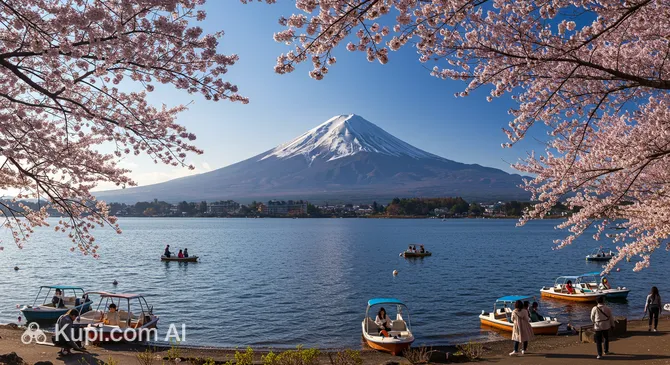
Located in Saitama Prefecture, just a few kilometers north of Tokyo, Kawaguchi is a harmonious blend of industrial heritage and modern urban rhythm. As the second-largest city in its prefecture, it serves as an important residential and transport hub in Japan. Here, the pulse of a typical Japanese suburb can be felt, where functional infrastructure exists alongside cozy residential neighborhoods.
Kawaguchi. Illustration.
Source: Kupi.com AI
The city is known for its high population density, exceeding 590,000 people, making it one of the busiest centers in the Kanto region. Despite its status as an industrial powerhouse, Kawaguchi maintains an atmosphere suitable for those who want to see the real, non-touristy side of the country. The city's rich history is inextricably linked to metallurgy and the production of cast iron goods, which has left its mark on the architectural appearance and the character of the locals.
A visit to Kawaguchi is an excellent opportunity to trade busy tourist routes for peaceful walks through local parks and a taste of authentic gastronomy. The city invites travelers to appreciate the convenience of the Japanese urban environment and serves as a perfect starting point for exploring the surroundings of the capital.
Weather Overview
The climate in Kawaguchi is typical of the Kanto region and is characterized as humid subtropical with four distinct seasons. The most comfortable times to visit are considered spring (March–May) and autumn (September–November) when the weather is mild and dry. To better plan your wardrobe, check the current city climate before your trip.
Summer here can be a real test due to high humidity and temperatures that often exceed 30°C in July and August. During this period, the city sometimes feels like a "heat island" due to the dense urban development. Winter, by contrast, is usually mild and sunny; frosts are rare, and snow falls only a couple of times a season, melting quickly under the sun's rays.
Precipitation is distributed fairly evenly throughout the year, but it's worth remembering the rainy season (tsuyu) in June and the probability of typhoons in September and October. These periods are characterized by short but very heavy downpours. The driest and clearest month is usually December, delighting travelers with transparent skies.
Average monthly temperature
Average monthly precipitation
Interesting Facts
Population Density: Kawaguchi is among the most densely populated cities in Japan, ranking 9th in population size within the entire Kanto region.
Natural Symbols: The city's official tree is the Camellia sasanqua, and its floral symbol is the elegant Leucolirion (lily), highlighting the residents' respect for the region's flora.
Industrial Heart: The city is historically famous as a center for metalworking and foundry production, making a significant contribution to the industry of Saitama Prefecture.
Transport Hub: Due to its location, Kawaguchi is considered a key "gateway" connecting Tokyo with the northern prefectures of Honshu Island.
How to Get There
Kawaguchi boasts excellent transport accessibility, making it a popular place to live and visit. The city is integrated into the Kanto region's powerful public transport network, providing fast and comfortable travel to both central Tokyo and more distant areas. Detailed information on how to get to the city will help you explore all the travel options.
For travelers arriving by plane, the main gateways remain Narita and Haneda international airports. The journey from Narita to central Kawaguchi by train usually takes between 60 and 90 minutes, including transfers. Haneda Airport is located closer and allows you to reach the city even faster using the extensive urban train system.
The main railway hub is Kawaguchi Station. The Keihin-Tohoku Line passes through it, directly connecting the city to Tokyo Station. Travel time is only 30–40 minutes, making trips to the capital extremely convenient. Nearby Nishi-Kawaguchi and Warabi stations also serve the residential neighborhoods.
Station
Passenger traffic
Distance
Akabane Station
16
3 km
Ōtsuka Station
15
8 km
Mejiro Station
16
10 km
Nippori Station
16
10 km
Takadanobaba Station
16
11 km
Main Attractions
While Kawaguchi is often perceived as a commuter town, its convenient location allows for easy access to iconic spots in the region. One notable location frequently visited by residents and guests alike is Ameyoko Shopping Street. This lively area is famous for its vibrant atmosphere and endless rows of stalls selling fresh seafood, sweets, and clothing, where you can always feel the drive of a traditional Japanese market.
Within the city itself, it is worth paying attention to modern shopping spaces and cozy local shrines. The central area around the main railway station is filled with office buildings and shopping areas, such as Kawaguchi AEON, which is the largest entertainment complex in the district. You can spend an entire day here exploring Japanese brands and trying street food.
For those seeking a more relaxing holiday, Kawaguchi offers walks along river embankments and visits to small temples hidden in the shade of residential blocks. These places offer a glimpse into the everyday spiritual life of the Japanese, free from crowds of foreign tourists.
Local Cuisine
Kawaguchi's gastronomic culture is a paradise for lovers of authentic and affordable Japanese food. The city is teeming with small noodle shops, sushi bars, and family-style restaurants. Special attention should be paid to local ramen shops, including Hakata Nagahama Ramen Tanaka Shoten, which serves rich broth and perfectly cooked noodles in the best traditions of the southern regions.
Locals value variety: here you can find both classic donburi (rice bowls with toppings) and okonomiyaki—savory Japanese pancakes. Prices in Kawaguchi's eateries are a pleasant surprise compared to the capital, while the quality of ingredients remains consistently high. For those who want to combine lunch with relaxation, a wonderful option is Maenohara Onsen Sayano Yudokoro, where you can enjoy traditional cuisine in a cozy atmosphere after visiting the hot springs.
Food courts in the city's shopping centers offer a huge selection of both Japanese and international dishes. Be sure to try local sweets and pastries at the small bakeries near the station. In the evening, the city is filled with the aroma of grilled meat from yakitori restaurants, creating a unique atmosphere of a welcoming Japanese suburb.
Travel Tips
Planning a trip to Kawaguchi will be easier if you use these proven tips from experienced travelers. The city is friendly to guests, and knowing local features will help you feel at home here.
Seasonal Clothing: It is humid and hot in Kawaguchi in the summer, so choose light natural fabrics. In winter, the air is dry and cool; you will need a warm jacket and comfortable shoes for long walks.
Transport Cards: Be sure to buy a Suica or Pasmo card immediately upon arrival. This will save you from having to buy paper tickets every time and will allow you to pay for purchases at vending machines.
Finances and Cash: Despite Japan's high-tech nature, small shops and temples in Kawaguchi often only accept cash. Always keep a supply of yen with you.
Rush Hours: Try not to use the Keihin-Tohoku Line from 7:30 to 9:00 AM. Trains heading toward Tokyo are overcrowded at this time.
Language Barrier: In large stores, staff speak a little English, but in local izakayas, a translation app will be very helpful. A few basic phrases in Japanese always win favor with the locals.
Etiquette and Quiet: It is customary to put phones on silent mode and not talk loudly on public transport. This is a golden rule of politeness.
Safety: The city is very safe, but in the evening, it is worth avoiding some neighborhoods with questionable entertainment establishments near the stations.
Trash: It is difficult to find trash cans on the streets. Japanese people take their trash with them or throw it into special containers near 24-hour konbini stores.
May your acquaintance with this lively and authentic city be filled with only pleasant discoveries and comfort!
Entertainment & Nightlife
Kawaguchi's entertainment scene is primarily geared toward locals, giving it a special sense of sincerity. The AEON shopping complex serves as the main center for daytime leisure, featuring modern cinemas and game centers. For family fun, the interactive Glicopia Chiba space is a great choice, where you can learn about the process of creating famous Japanese sweets.
The city's evening life is centered around izakayas—traditional Japanese bars where groups of friends and colleagues gather after work. These establishments have a relaxed atmosphere, serving excellent beer and a variety of snacks. Vocal enthusiasts can drop by numerous karaoke clubs, which are consistently popular in Kawaguchi.
If you're looking for brighter lights and large-scale parties, the city's proximity to the capital allows for a quick trip to places like TK Nightclub or the stylish Park Hotel Tokyo Bar. This gives tourists a unique opportunity to enjoy the peace of a residential area at night while having easy access to world-class entertainment.
Parks & Museums
Kawaguchi's green zones are islands of tranquility amidst dense urban development. Parks located along the riverbanks that cross the city are particularly popular. These are ideal places for morning jogs, leisurely walks, or watching the seasonal tree blossoms. In the warmer months, local families can often be seen having outdoor picnics here.
Cultural leisure in the city is complemented by small but interesting sites for interacting with nature and art. For those traveling with children or animal lovers, the House of Squirrels Zoo or the cozy Kyun Kyun Animal Interaction Petting Zoo, where you can observe charming inhabitants up close, are excellent choices.
While there are no massive national galleries in Kawaguchi itself, its proximity to cultural hubs makes it easy to visit places like the Roppongi Museum, known for its unique exhibitions and modern approach to displays. Kawaguchi's city museums focus more on local history and the industrial past, telling the story of how this industrial center's greatness was forged.
Getting Around
Kawaguchi's transport system operates with legendary Japanese precision. The backbone of travel is the railway, specifically the JR Keihin-Tohoku Line, which is the main artery connecting the city with Tokyo and Yokohama. Trains run at intervals of just a few minutes, ensuring seamless connections. For ease of payment, tourists are strongly encouraged to purchase Suica or Pasmo contactless cards—they are valid on all types of transport.
The city's bus network perfectly complements the rail lines, covering residential areas and shopping zones far from the stations. You can also pay with transport cards on buses by tapping them on the validator when entering and exiting. It's worth noting that transport can be very crowded during morning and evening rush hours, so plan trips with large luggage for the middle of the day.
For short trips, locals often use bicycles, and huge parking areas are provided at the stations. Taxis in Kawaguchi are available 24/7 and are easy to find at stands near the railway stations. While this is a more expensive way to get around, it is indispensable at night when trains stop running (usually around midnight).
Accommodation
The hotel sector in Kawaguchi is mainly represented by modern mid-range business hotels, which are ideal for practical travelers. Most of them are concentrated within walking distance of the main railway station. These hotels offer functional rooms with a full range of necessary amenities and high Japanese service standards at prices significantly lower than in central Tokyo.
For those planning an extended stay, apartments and guest houses are available. These are excellent choices for immersing yourself in local life and saving on meals. In some areas, you can also find traditional Japanese accommodation options, though they are less common here than in historical tourist centers.
If you are looking for luxury or unusual design concepts, it is worth looking at larger properties nearby, such as the stylish hotel featuring the famous Park Hotel Tokyo Bar. It is recommended to book accommodation in advance, especially during national holidays when the load on regional transport and hotels increases.
Nearby Cities
Thanks to its location on the border of Saitama Prefecture and Tokyo, Kawaguchi is an ideal starting point for short trips around the region. Just a few minutes away by train is the city of Warabi, which, despite its small size, charms with its cozy streets and calm pace of life. It is also worth visiting the neighboring city of Toda, known for its picturesque waterfront parks.
For those seeking cultural experiences, the capital's districts of Itabashi and Kita are less than 15 minutes away. Here, travelers will find numerous temples, museums, and traditional shopping streets. Longer trips (about 1.5 hours) will take you to ancient Kamakura with its Giant Buddha or to the picturesque shores of Enoshima Island.
Exploring the surroundings of Kawaguchi allows you to see the many facets of Japan: from ultra-modern metropolises to quiet provincial towns. Convenient rail links make every such mini-trip easy and predictable.
Shopping & Souvenirs
Shopping in Kawaguchi is primarily about convenience and accessibility. The main draw for shoppers is the AEON shopping and entertainment center. This large-scale complex has everything from the latest fashion collections and electronics to fresh Japanese delicacies. It is a great place for those who want to buy quality goods in a calm environment, avoiding the hustle and bustle of the capital's central districts.
Around Kawaguchi railway station, there are shopping arcades and small specialty shops. Here you can buy traditional Japanese goods, ceramics, and products by local artisans, which make excellent souvenirs. For fans of cinema and entertainment, modern complexes like the Ikebukuro Cinema Center or cinemas in the Nishiarai area are located nearby.
Shops typically operate from 10:00 to 20:00 or 21:00, while large supermarkets close even later. Most shopping centers accept international bank cards, though cash may still be required in small private shops. Large chains often offer a Tax-Free system for tourists, allowing for a tax refund upon presentation of a passport.