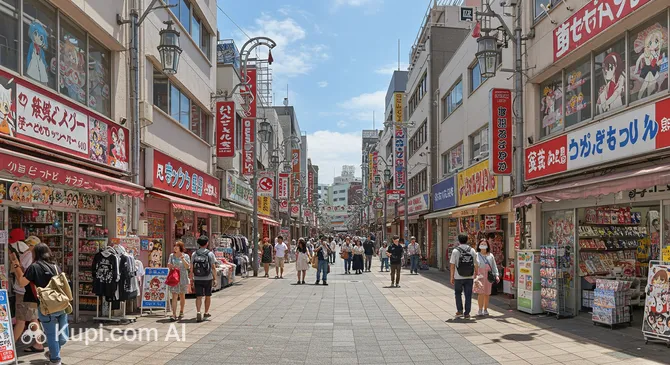
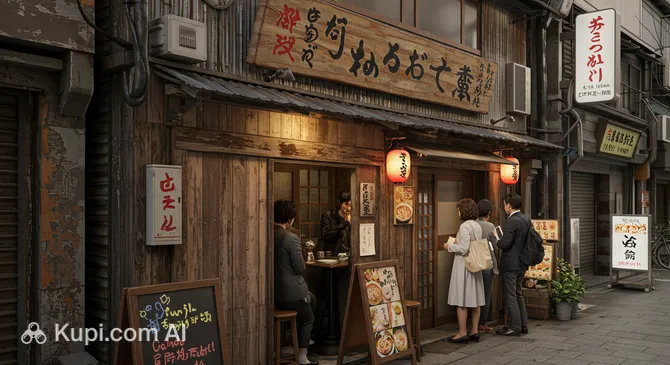
Nakano is one of Tokyo's most colorful and lively special wards, located in the western part of the metropolis. Unlike the futuristic Shinjuku or the glitzy Ginza, Nakano preserves the atmosphere of "good old Tokyo," where modern pop culture harmoniously coexists with quiet residential neighborhoods. Over 341,000 people live in an area of about 15.59 square kilometers, making this district one of the most densely populated and dynamic in Japan.
The rich history of this place has transformed it from the agricultural lands of the Edo period into a major commercial and residential hub. Today, Nakano attracts travelers with its unique energy: here you will find narrow streets lined with traditional izakaya bars, bustling shopping arcades, and modern office buildings. It is the perfect place for those who want to feel the true rhythm of life in the Japanese capital without losing touch with its traditions.
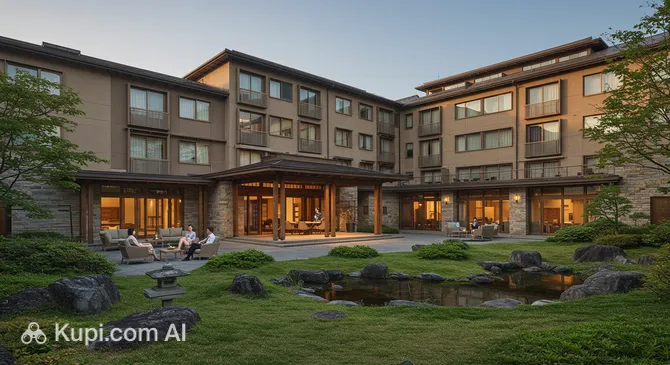
Nakano. Illustration.
Source: Kupi.com AI
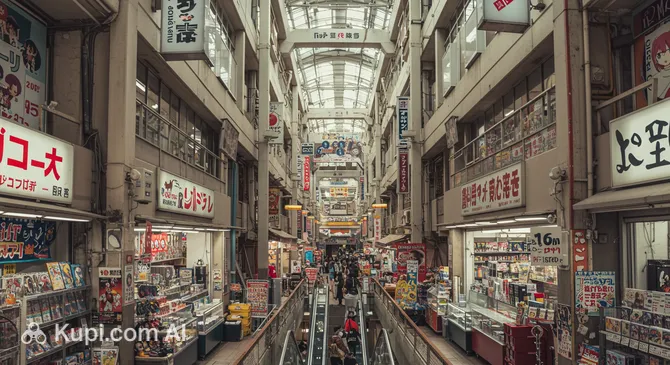
The main magnet for visitors is the famous Nakano Broadway shopping complex, which has become a true sanctuary for anime and manga enthusiasts. However, Nakano is not just "otaku heaven"; it is also a wonderful place for a stroll through the covered Nakano Sun Mall gallery or a visit to ancient Buddhist temples. We invite you to explore this amazing corner of Tokyo, where every alleyway hides a small discovery.
Weather Overview
The climate in Nakano fully matches Tokyo's weather conditions and is characterized as humid subtropical. Summers here are hot and humid: in July and August, average high temperatures often exceed +30°C. During this time, be prepared for frequent but brief rain showers. Winters in the district are cool and dry with bright sunshine; daytime temperatures usually stay in the +5...+10°C range, and night frosts are rare.
The most favorable times to visit are spring and autumn. In spring, during March and April, the entire district is transformed by the cherry blossoms (sakura), and the air temperature becomes ideal for long walks. Autumn, especially October and November, delights with mild warmth and colorful foliage. Given the dense urban development, a "heat island" effect can be felt during the summer months, so the weather in the city requires light clothing and a sufficient supply of water.
Precipitation is distributed relatively evenly throughout the year, but the peak of the rainy season (tsuyu) usually falls in June and early July. September and October can also bring heavy rain due to the typhoon season. Overall, Nakano is comfortable to visit at any time of year if you choose the right wardrobe: from light clothes in summer to a cozy coat in the winter months.
Average monthly temperature
Average monthly precipitation
Interesting Facts
Nakano Broadway, opened in 1966, was originally intended as an elite residential and commercial complex but eventually transformed into "holy ground" for otaku from all over the world.
The district earned the nickname "Otaku Heaven" due to the incredible concentration of subculture shops, including the legendary Mandarake chain, which sells rare second-hand goods.
The Buddhist temple Araiyakushi Baishoin, located in Nakano, is famous for being a place where worshippers come to pray for the healing of eye diseases.
The Nakano Sun Mall shopping gallery, 225 meters long, features a fully covered design, allowing for comfortable shopping in any weather, whether it's pouring rain or summer heat.
Nakano is considered one of the most livable areas in Tokyo because a trip to the major transport hub of Shinjuku takes only about 5 minutes.
How to Get There
Nakano is one of the most accessible areas in Tokyo, making it an excellent base for travelers. Thanks to a well-developed rail network, you can get here from central districts or international airports quickly and without unnecessary transfers. If you are planning your trip in advance, we recommend checking the information on how to best get there to reach this lively destination.
For international travelers, Narita and Haneda airports serve as the primary gateways. From Narita Airport (NRT), it is most convenient to take the Narita Express to Shinjuku Station and then transfer to the Chuo Line. The journey from Haneda Airport (HND) takes about an hour: first via the Monorail to Hamamatsucho Station, then transferring to JR lines. Trains in Tokyo run with perfect precision, which greatly simplifies logistics.
The district's central transport hub is Nakano Station. This is where the JR Chuo and Chuo-Sobu lines intersect with the Tozai Subway Line. A trip from Shinjuku Station to Nakano takes only 5–10 minutes, and from Tokyo Station, it is about 15–20 minutes. This makes the area an ideal starting point for exploring not only Western Tokyo but the entire metropolitan region.
Station
Passenger traffic
Distance
Nakano Station
16
0 km
Shin-Ōkubo Station
16
3 km
Takadanobaba Station
16
4 km
Ogikubo Station
16
4 km
Mejiro Station
16
4 km
Yoyogi Station
18
4 km
Main Attractions
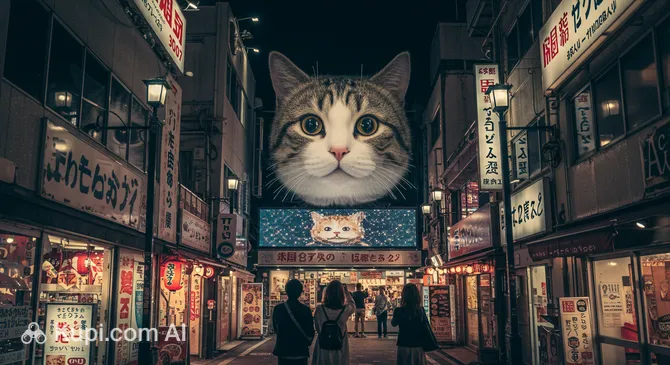
Even though Nakano remains largely a residential area, there are landmarks here and in the immediate vicinity that have become icons of Tokyo. One of the most unusual modern attractions is the Giant 3D Cat. Located nearby, this digital art installation constantly delights passersby with its realism and has become a must-visit spot for memorable photos.
Giant 3D Cat. Illustration.
Source: Kupi.com AI
Traveler photos:
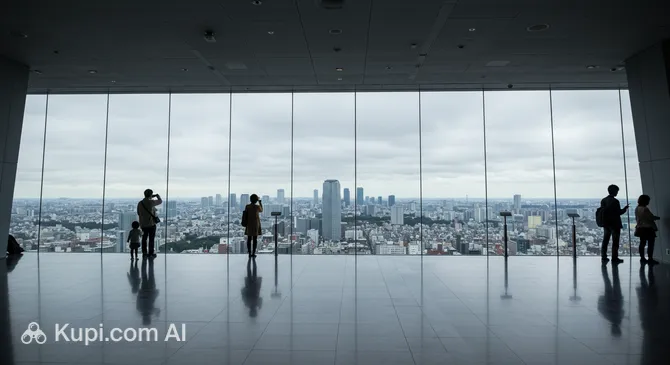
For those who want a bird's-eye view of the Japanese capital, the Tokyo Metropolitan Government Building North Lookout is an ideal choice. It offers breathtaking panoramas of the metropolis, and on a clear day, you can spot the majestic silhouette of Mount Fuji on the horizon. This is one of the best places to appreciate the incredible scale of the world's largest city.
Tokyo Metropolitan Government Building North Observation Deck. Illustration.
Source: Kupi.com AI
Traveler photos:
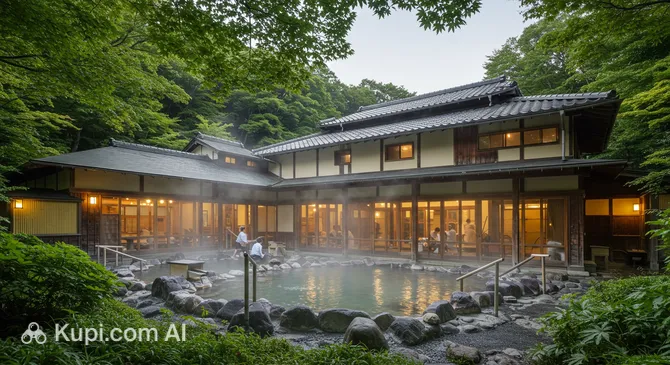
If you are looking for an authentic Japanese way to unwind after long walks, stop by Mannenyu Onsen. This traditional bathhouse complex allows you to experience the centuries-old culture of Japanese sento. The tranquil atmosphere and hot mineral waters will help you fully relax and recharge before your next adventures in Nakano.
Mannenyu Onsen. Illustration.
Source: Kupi.com AI
Traveler photos:
Don't forget to dedicate some time to the district's main symbol—Nakano Broadway. This place is rightfully considered a rival to the famous Akihabara. It houses a vast number of shops with rare collectible figures, vintage toys, and the rarest manga editions, making it a mandatory stop for all fans of Japanese pop culture.
Local Cuisine
Nakano's gastronomic scene is a true paradise for lovers of street food and authentic Japanese dishes. The district is famous for its ramen shops, the concentration of which around Nakano Station is simply astounding. You can find everything here: from rich pork tonkotsu broth to refreshing tsukemen, where the noodles are served separately from the dipping sauce. A walk through the Sun Mall shopping gallery must be accompanied by tasting local snacks like taiyaki—fish-shaped pastries with various fillings.
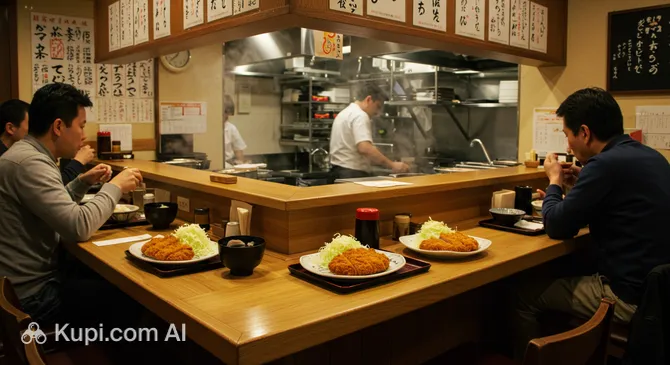
If you want to try something special, look out for Gyukatsu Motomura, Shinjuku South Exit. This establishment specializes in gyukatsu—breaded beef steak that you finish cooking yourself to your preferred doneness on a small stone. For connoisseurs of classic ramen with a rich flavor of seafood and pork, the restaurant Fuunji is a must-visit, as it is rightfully considered one of the best in Tokyo.
Fuunji. Illustration.
Source: Kupi.com AI
Traveler photos:
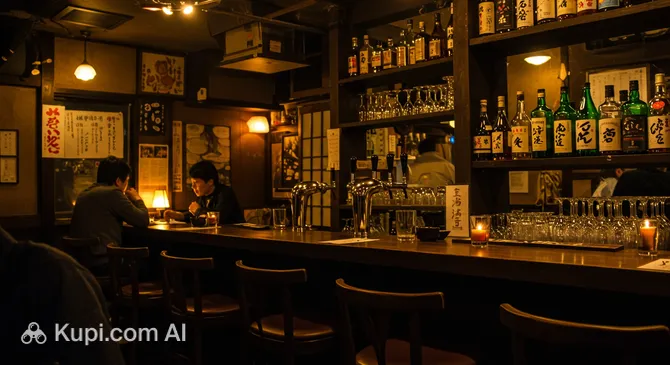
Evening time in Nakano is best spent in local izakayas—Japanese pubs. Here, along with a mug of cold Asahi beer or a glass of sake, you'll be offered various snacks: yakitori (chicken skewers), okonomiyaki, or fresh seafood. The dining culture here is very democratic: many establishments are tiny, with only 5–10 seats, creating a unique atmosphere of intimacy and hospitality.
Gyukatsu Motomura Shinjuku South Exit. Illustration.
Source: Kupi.com AI
Traveler photos:
Travel Tips
A trip to Nakano will be one of your most vivid impressions of Tokyo if you consider a few practical nuances beforehand. We've gathered some tips to help make your stay as comfortable and authentic as possible.
Clothing and Gear: Choose the most comfortable shoes possible, as the labyrinths of Nakano Broadway and Sun Mall are best explored on foot. Tokyo is very humid in the summer months, so bring light clothing made of natural fabrics; in winter, layered outfits are best.
Transport and Navigation: Be sure to purchase a Suica or Pasmo card. This will save you from having to buy paper tickets every time. Use Google Maps for navigation—the service is excellent at planning routes based on train schedules.
Finances: Although cards are increasingly accepted, Nakano remains a place with many small shops where only cash is used. Always keep yen on you. You can withdraw money from ATMs in 7-Eleven stores, which are open 24/7.
Safety and Health: Nakano is an exceptionally safe district. If needed, pharmacies (Drugstores) are easy to find in the Sun Mall shopping gallery. Remember that during rush hours (8:00–9:00 and 18:00–19:00), Nakano Station can be extremely crowded.
Communication: English is common in Nakano Broadway, but in small izakayas on the outskirts, it is not widely spoken. Download an offline translator and learn a few polite phrases: "Sumimasen" (Excuse me) and "Arigato" (Thank you).
Local Etiquette: In Japan, it is not customary to leave tips—this might even offend the staff. In shops and cafes, it is polite to place money on the small tray provided rather than handing it directly to the person.
What to Avoid: Do not talk loudly on your mobile phone on trains and do not eat while walking—this is considered poor manners. Also, try not to block the path in the narrow aisles of Broadway when stopping for photos.
Useful Tip: Visit Nakano Broadway in the afternoon, as many shops do not open until 12:00 or even 1:00 PM.
Nakano is a district that reveals itself gradually, so don't rush and let yourself get lost among its amazing storefronts and cozy backstreets.
Entertainment & Nightlife
Entertainment in Nakano is centered around the main station and the famous shopping passages, offering guests a cozy and somewhat intimate atmosphere. Unlike the boisterous nightclubs of neighboring districts, the scene here is dominated by small themed bars, karaoke rooms, and traditional izakayas where locals and students gather after work. Evening in Nakano means a labyrinth of narrow streets north of the station, filled with the glow of neon signs and the aroma of grilled meat.
For those looking for active nightlife, a great option is the Beer Pong GROVE Shinjuku Bar, located just a few minutes away by train. This spot is popular among young people for its laid-back atmosphere and the chance to play the popular bar game. If you prefer something more refined and quiet, consider Kan Agari, where you can enjoy high-quality drinks in a traditional Japanese style.
Kan Agari. Illustration.
Source: Kupi.com AI
Traveler photos:
Fans of modern club music might be interested in Tide Tokyo, which is part of Tokyo's dynamic night scene. While Nakano itself is more suited for leisurely conversations over a glass of beer or sake, its proximity to major transport hubs makes it easy to head to the center of the action. Safety in the area is very high, making late-night walks comfortable and pleasant.
Parks & Museums
For those who want to take a break from the urban hustle, Nakano offers several quiet and picturesque corners. One of the most notable spots is Tetsugakudo Park (The Temple of Philosophy). This unique garden was laid out to reflect various philosophical teachings; here you can find unusual architectural forms, ancient pagodas, and quiet alleys that are especially beautiful during the cherry blossom season and in autumn when the trees turn crimson.
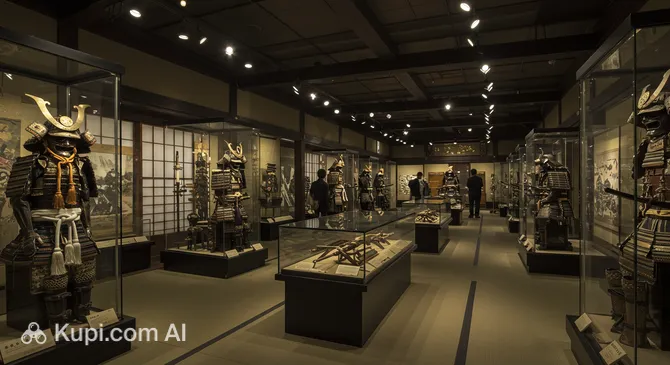
While Nakano itself is better known for its commercial side, there are interesting cultural sites within easy reach. For example, the Samurai Museum allows guests to immerse themselves in the atmosphere of medieval Japan, see authentic armor, and even participate in swordplay workshops. This place is very popular with tourists wanting to get closer to the warrior traditions of the past.
Samurai Museum. Illustration.
Source: Kupi.com AI
Traveler photos:
Another important cultural site is the Memorial Museum for Soldiers Detained in Siberia and Postwar Repatriates. This exhibition is dedicated to difficult pages of history and the fates of people in the postwar period, providing a serious and thoughtful space for studying the country's heritage. Combined with visits to local temples like Araiyakushi Baishoin, visiting these places will help form a complete impression of Tokyo's multifaceted culture and history.
Getting Around
The transport system in Nakano is a model of efficiency and convenience. The district's main hub is Nakano Station, through which the city's key railway arteries pass. The foundation of travel consists of the JR Chuo and Chuo-Sobu lines, which connect the district to major hubs like Shinjuku and Akihabara. Additionally, the Tozai subway line provides direct access to business districts and the historical center of Tokyo.
For fare payment, it is most convenient to use contactless Suica or Pasmo cards. These can be purchased at machines at any station and topped up as needed. The cards work not only on trains and the subway but also on buses, and are accepted at many vending machines and konbini (convenience stores). The fare depends on the distance, but on average within the district, it is about 140–200 yen.
Within the ward, there is also a developed network of bus routes that help you reach residential neighborhoods further from the railway. However, Nakano is a district best explored on foot or by bicycle; there are many bike parking lots, and the terrain is mostly flat. Taxis are available in the area 24/7, though it's worth remembering that this is a fairly expensive mode of transport that can get stuck in traffic during rush hours.
Accommodation
The choice of accommodation in Nakano reflects its status as a primarily residential area, offering travelers a quieter and more affordable alternative to the noisy city center. Huge chain complexes are rare here; instead, there is an abundance of cozy apartments, small guesthouses, and boutique mini-hotels. This is an ideal option for those who want to live "like a local" and save on accommodation without sacrificing transport accessibility.
Areas in the immediate vicinity of Nakano Station are particularly popular, where you can find modern capsule hotels or compact business hotels. If you prefer more classic service and luxury, consider options in neighboring Shinjuku. For example, Hotel Blossom Shinjuku offers a high level of comfort and is just a short train ride from the center of Nakano.
Blossom Shinjuku Hotel. Illustration.
Source: Kupi.com AI
Traveler photos:
When planning a trip during peak seasons, such as the cherry blossom season in April or "Golden Week" in May, it is best to book accommodation several months in advance. Most properties are available through international booking services as well as local Japanese sites, where you can sometimes find exclusive deals on apartments for long-term stays.
Nearby Cities
Nakano serves as a magnificent starting point for exploring the capital region and nearby prefectures. Thanks to its location on the Chuo Line, the district allows you to reach the most interesting locations in Greater Tokyo in just a matter of minutes, turning any outing into an exciting journey.
Just a couple of stops away is the legendary Shinjuku—the administrative and entertainment heart of Tokyo. Here, famous skyscrapers, major shopping centers, and vibrant nightlife districts await you. If you crave a calmer atmosphere and more greenery, head to the neighboring Suginami district, known for its cozy parks and vintage shops in the Koenji neighborhood.
Each of these directions offers its own unique character and attractions, from futuristic landscapes to quiet traditional streets. We recommend not limiting yourself to the center of Nakano and boldly exploring the surroundings, as Japan's transport system makes such trips incredibly comfortable.
Shopping & Souvenirs
Shopping in Nakano is a unique experience that differs drastically from browsing the elite boutiques of Ginza. The district is world-famous as a hub for collectors and subcultures. The heart of this industry is Nakano Broadway—a multi-story labyrinth of shops where you can find everything from vintage watches and rare coins to limited edition anime figures and retro games. This is where the main branch of the Mandarake store is located, attracting collectors from all over the globe.
If you are interested in more traditional shopping, be sure to stroll through Nakano Sun Mall. This covered shopping street stretches from the station all the way to Broadway and features over a hundred establishments. It hosts popular Japanese clothing brands, cosmetics stores, pharmacies, and numerous souvenir stalls. For larger-scale shopping, you can travel to nearby Shinjuku, home to giants like Times Square, which offers a huge selection of international brands.
Times Square. Illustration.
Source: Kupi.com AI
Traveler photos:
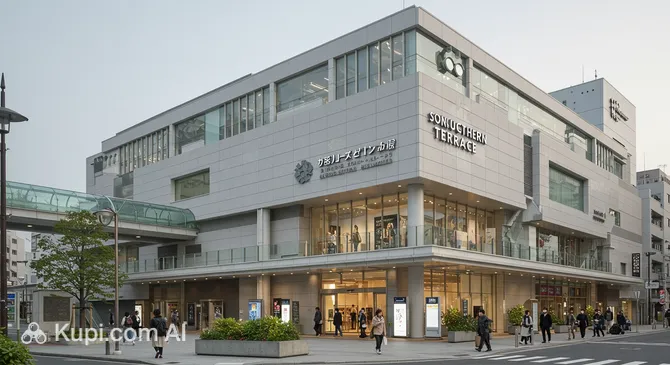
It is also worth checking out Shinjuku Southern Terrace—a pleasant pedestrian area with numerous shops and cafes. In Nakano itself, shops usually open between 10:00–11:00 AM and close around 8:00 PM. Most major retail outlets accept international credit cards, and for foreign tourists, the Tax Free system is available, allowing you to get a tax refund upon presenting your passport. Popular souvenirs from Nakano include unique anime merch, traditional sweets, and rare antique finds.