Support

Soka

About

Soka is a cozy and welcoming city in Saitama Prefecture, located on the island of Honshu in the Kanto region. As part of Greater Tokyo, it harmoniously combines the rhythm of a modern metropolis with the tranquility of a traditional Japanese suburb. Thanks to its rich history, which began as an important post station on the Nikko Kaido road during the Edo period, the city has preserved a special old-world charm.

Geographically, Soka is located just 30 kilometers northeast of central Tokyo, making it an ideal place for those who want to experience authentic Japanese life away from the neon jungles of Shibuya. With a population of about 251,000 people, the city offers comfortable infrastructure, an abundance of green zones, and convenient transport links. The climate here is temperate, with clearly defined seasons, which adds to the picturesque nature of the urban landscapes.
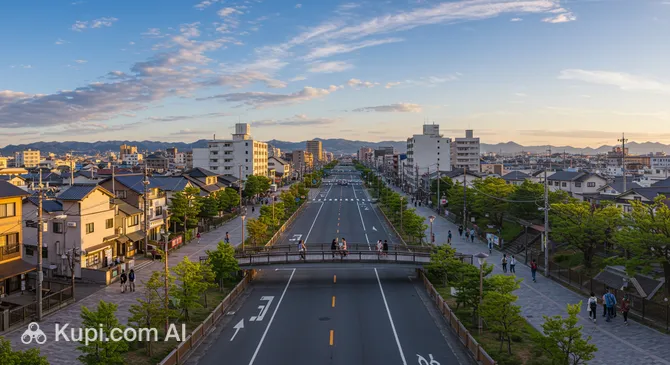
Soka. Illustration.
Source: Kupi.com AI

One of the city's main highlights is the famous Soka Matsubara pine alley, stretching along the Ayase River. This location is inextricably linked with the name of the great poet Matsuo Basho and is recognized as a national monument of scenic beauty. In addition to historical walks, the city is famous for its traditional rice crackers — senbei — the aroma of which can be caught wafting from local shops.

We invite you to visit Soka to enjoy leisurely strolls under the shade of centuries-old pines, touch the heritage of the Edo era, and feel genuine Japanese hospitality. It is a city that reveals its secrets to those who appreciate an authentic atmosphere and cultural depth.
Weather Overview

The climate in Soka is typical for the Kanto region: it is temperate, with four distinct seasons. The weather in the city is largely determined by its proximity to the ocean and the dense urban development of the capital region. Summers here are hot and humid — in July and August, average temperatures often rise to +30°C, and the humidity makes the air feel quite heavy. This is the time of seasonal rains and occasional typhoons.

Winters in the city are cool but mostly sunny and dry. In January, the average temperature is about +4.6°C, and nighttime frosts down to 0°C are common, although snow falls very rarely. Spring and autumn are considered the most favorable periods for a visit: in April, the air warms up to a comfortable +15...+19°C, and autumn October pleases with mild warmth and picturesque foliage changes.

When planning your trip, keep in mind that the highest amount of precipitation falls in June and September. If you decide to visit the city in summer, be prepared for frequent but short downpours. For comfortable walks along the famous pine alleys, it is best to choose April-May or October-November, when the climate is mildest and most predictable.

Average monthly temperature

Average monthly precipitation

Interesting Facts

  • In 1630, Soka officially received the status of a post station on the famous Nikko Kaido road, which connected the political center of Edo (now Tokyo) with the temple complex in Nikko.

  • The famous Soka Matsubara alley, consisting of more than 600 Japanese black pines, inspired the great haiku poet Matsuo Basho to write chapters of his famous travel diary, "The Narrow Road to the Deep North."

  • The city is considered the birthplace of one of Japan's most famous snacks — Soka senbei. These hard rice crackers, seasoned with soy sauce, were originally made here specifically for travelers passing through the post station.

  • In 1958, Soka became the 21st municipality in Saitama Prefecture to receive city status, and today it ranks as the 26th most populous city in the entire Kanto region.

  • Due to its flat terrain and thoughtful urban planning, Soka is one of the most convenient cities in the Tokyo suburbs for getting around on bicycles, which are owned by almost every family here.

How to Get There

Due to its location on the border with Tokyo, Soka enjoys excellent transport accessibility. Most travelers arrive here through the capital's main air gates. The primary entry point is Narita International Airport (NRT), from where you can reach the city by train with a transfer in Tokyo in about 1.5 hours, or Haneda Airport (HND), from which the journey takes just under an hour. Detailed route information can be found in the relevant sections.

AirportPassenger trafficDistance
Haneda Airport85.7 mln30 km
Yokota Air Base42 km
Atsugi NAF52 km
Narita International Airport40.8 mln53 km
Ibaraki Airport776 06368 km

The city's main transport artery is the railway. The main hub is Soka Station, served by the popular Tobu Skytree Line. It provides a direct and fast connection to central Tokyo districts such as Asakusa and Ueno. Trains run very frequently, with intervals of only 5–10 minutes during peak hours, making travel between Soka and the capital extremely convenient for tourists.

If you plan to travel by car, keep in mind that Soka is connected to the capital by a network of highways, but significant traffic jams are possible during morning and evening rush hours. The journey from central Tokyo by taxi or rental car will take between 40 and 60 minutes. For convenience within the city and beyond, it is recommended to use prepaid transport cards, which are valid on all types of public transport.

Main Attractions

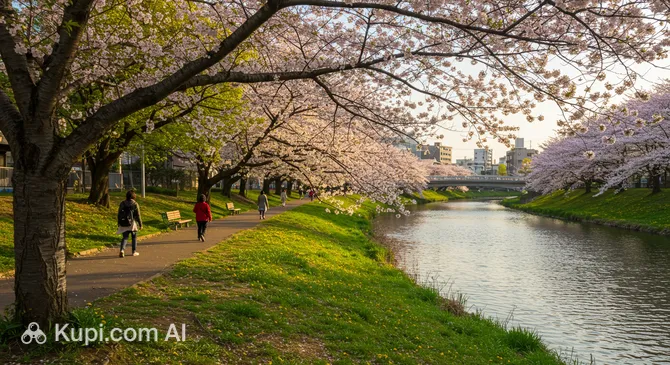
Despite its status as an industrial and residential suburb, Soka hides several unique locations that are a must-visit for history and nature lovers. The main magnet for travelers is the Ayase River Matsubara Park. This picturesque 1.5-kilometer-long alley is decorated with hundreds of pine trees and recreates the atmosphere of the ancient Nikko Kaido road. Walking here, one can easily imagine how pilgrims and travelers of the Edo era passed through here hundreds of years ago.

Matsubara Ayase Riverside Park. Illustration.
Source: Kupi.com AI

Traveler photos:

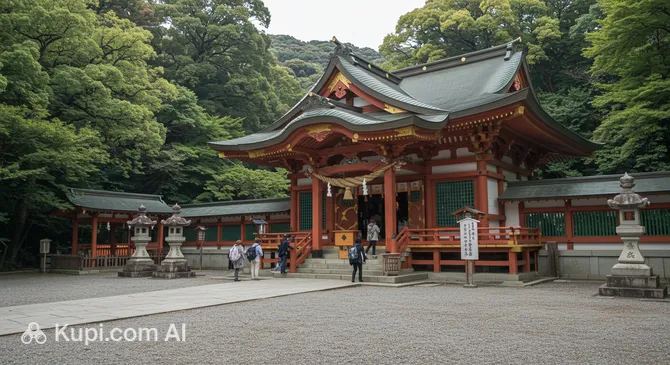
Another important spiritual center of the city is the Soka-jinja Shrine. This ancient Shinto shrine is the heart of the local community and preserves the spirit of bygone centuries. Visitors come here to admire the traditional architecture, perform a purification ritual, and find peace in the shade of ancient trees on the complex grounds.

Soka Shrine. Illustration.
Source: Kupi.com AI

Traveler photos:

For those who want to see Soka from a more modern perspective, Soka Park is worth a visit. It is a favorite vacation spot for locals, featuring a beautiful Japanese garden and artificial ponds. Although the city is not overflowing with world-famous landmarks, it is these locations that allow you to feel the authentic Japanese lifestyle and enjoy the aesthetics of everyday life.

Local Cuisine

The gastronomic scene in Soka is a true paradise for lovers of authentic Japanese flavors. The main culinary symbol of the city for centuries remains the famous Soka senbei — crispy rice crackers. Traditionally, they are charcoal-grilled and coated with aromatic soy sauce. Dozens of shops operate in the city where you can not only buy fresh crackers as a gift but also watch the preparation process or even try making them yourself.

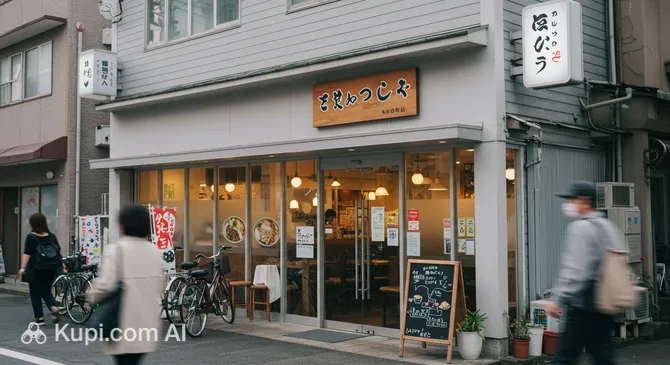
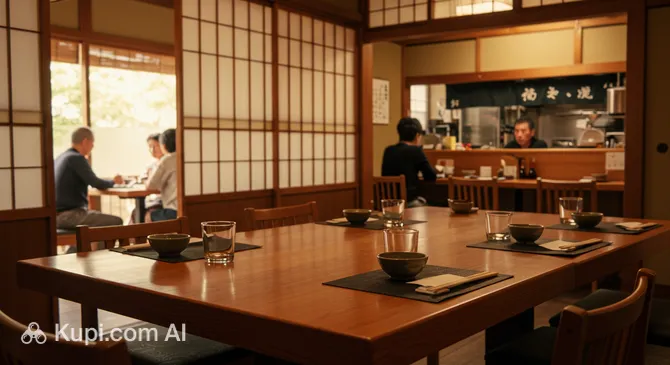
For a more substantial lunch, locals recommend checking out popular spots like Ramen Kaoru. They serve classic Japanese ramen with a rich broth, which is especially good in cool weather. If you're looking for a cozy atmosphere for an evening dinner, look no further than Tokishige, where you can sample seasonal Japanese dishes.

Ramen Kaoru. Illustration.
Source: Kupi.com AI

Traveler photos:

The food culture in Soka is typical of Japan: there are many family-run restaurants and chain establishments with affordable prices. For drinks, be sure to try the local green tea, which perfectly complements the taste of the salty crackers, or order a glass of cold Japanese beer at one of the local izakayas. Soka's gastronomy is about simple but incredibly tasty food that preserves the spirit of the old post station.

Travel Tips

Planning your trip to Soka will be easier and more enjoyable with our practical tips. This city is a great place for a relaxing getaway, and here is what you should know before you go:

  1. Clothing and Essentials: Dress according to the season: in summer (July-August), the region is very hot and humid, so bring light cotton clothing. In winter (January-February), it's cool, and a warm coat may be needed. Be sure to wear comfortable shoes for walking along the Matsubara alley and don't forget a power adapter (Type A/B, 100V).
  2. Transport: The best way to get around is the Tobu Line trains. Be sure to purchase a Suica or Pasmo card — it will save time on buying tickets. For local trips, it is convenient to use a bicycle.
  3. Finances: The official currency is the Japanese yen. Although cards are accepted in large shopping malls and hotels, cash may be needed in small senbei shops. Tipping culture does not exist in Japan — attempting to leave a tip may embarrass the staff.
  4. Health and Safety: Soka is a very safe city with low crime rates. Pharmacies are easy to find by the "薬" sign, and in case of allergies in spring (cedar pollen season), it is worth wearing a mask.
  5. Communication: The main language is Japanese. English is not widely spoken in Soka, so download an offline translator. A few phrases like "Arigato" (thank you) will be received very positively.
  6. Local Etiquette: You must remove your shoes when entering some traditional establishments or private homes. Maintain silence on public transport — it is not customary to talk loudly on the phone here.
  7. What to Avoid: Do not eat while walking — it is considered bad manners. Also, try to avoid entering trains during peak hours with large luggage if possible.
  8. Pro Tip: Combine your visit to Soka with a trip to Tokyo or Nikko. This will allow you to see the contrast between a quiet suburb and vibrant tourist centers.

We hope these tips help you fully enjoy the atmosphere of Soka and make your trip as comfortable as possible!

Entertainment & Nightlife

Entertainment in Soka is of a quiet, family-oriented nature, typical of Japanese suburbs. You won't find noisy night clubs booming until dawn here, but you can enjoy cozy evenings in local establishments. Popular evening leisure activities for residents include karaoke and visiting small izakaya bars, where you can try traditional snacks and drinks in an informal setting.

For those looking for more active entertainment, we recommend checking out Tokishige, where you can spend a pleasant evening in an authentic atmosphere. Young people often head to neighboring areas or large shopping and entertainment centers, such as Aeon Mall in nearby Koshigaya, which features modern cinemas and game centers. If you crave the true nightlife of a megacity, express trains will take you to central Tokyo in 30–40 minutes, specifically to the entertainment districts of Asakusa or Ueno.

Tokishige. Illustration.
Source: Kupi.com AI

Traveler photos:

Daytime entertainment in Soka centers around park walks and attending local cultural events. In summer and autumn, local festivals with traditional dances and street food are often held at Ayase River Matsubara Park. This is a great time to see the city in all its glory, meet the locals, and become part of a vibrant Japanese celebration.

Parks & Museums

The main pride and joy of the city is the Ayase River Matsubara Park. This unique natural area is a long alley of majestic Japanese pines. A walk through this park is not just outdoor recreation, but a touch of history, as this very landscape was celebrated by poets of the past. The park is recognized as a national monument and is the perfect place for a leisurely promenade or a morning jog.

Matsubara Ayase Riverside Park. Illustration.
Source: Kupi.com AI

Traveler photos:

Another oasis of tranquility is Soka Park. It attracts visitors with its magnificent Japanese garden featuring traditional ponds, bridges, and meticulously pruned trees. During the cherry blossom season, the park is transformed, becoming one of the best places in the city for hanami — the ritual of flower viewing. This is a great place to take a break from the city bustle and enjoy the harmony of nature.

While there are few large museums in Soka itself, the cultural component is complemented by the Soka-jinja Shrine, which occasionally hosts exhibitions dedicated to the history of the old Nikko Kaido road. Here you can see ancient artifacts and learn more about how people lived during the Edo period. Soka's urban parks and squares are its "open-air museums," preserving the spirit of old Japan in a modern setting.

Getting Around

The public transport system in Soka is characterized by the punctuality and reliability typical of Japan. The backbone of the connection is the railway, specifically the Tobu Skytree Line. Soka Station is the main transport hub: both local and express trains stop here, taking you to the central districts of Tokyo in just a few dozen minutes. This is the fastest and most convenient way for tourists to get around.

A network of bus routes connects residential areas with the station within the city. Fares for trains and buses are most often paid using universal contactless cards such as Suica or Pasmo. Simply tap the card against the reader when entering and exiting. The fare depends on the distance, and you can top up your card balance at any machine at the station.

For short trips around the city, many locals use bicycles, and tourists can follow suit by using rental services. Taxis are available in Soka and are easy to find at the station exit, but they are the most expensive form of transport. Keep in mind that during morning (07:00–09:00) and evening (17:00–19:00) rush hours, trains can be very crowded, so plan your trips in advance for greater comfort.

Accommodation

Since Soka is primarily a residential suburb, the choice of classic tourist hotels is limited. The main range of accommodation consists of modern business hotels and small guesthouses catering to business travelers and those looking for a more affordable alternative to expensive housing in central Tokyo. Accommodation prices here are noticeably lower than in the capital, which attracts budget-conscious tourists.

The most convenient area to stay is around Soka Station. The main accommodation options are concentrated here, and proximity to the Tobu Skytree line allows for quick access to the main attractions of the capital region. In addition to hotels, apartments and mini-hotels for short-term rental are popular in the city and can be found through international booking services.

If you plan to visit the city during major festivals or during the cherry blossom season, we recommend booking your accommodation at least 2–3 weeks before your trip. Look for places like Tokishige that are within walking distance of infrastructure hubs. Overall, staying in Soka is a great way to save money without sacrificing comfort and mobility.

Nearby Cities

Thanks to its location in the heart of the densely populated Kanto region, Soka serves as an excellent starting point for exploring the surroundings and neighboring cities of Saitama Prefecture. Just a few minutes away by train are interesting locations that offer a completely different experience — from large-scale shopping to a deep dive into Japanese culture.

One of the most popular destinations for a half-day trip is the neighboring city of Koshigaya, famous for its giant Aeon Mall Lake Town, one of the largest in Japan. If you are interested in industrial heritage and modern residential quarters, it's worth visiting Kawaguchi or Adachi. Also nearby are the cozy towns of Yashio and Misato, which offer a peaceful atmosphere and local parks.

CityPopulationDistance
Yashio93 2833 km
Adachi682 3266 km
Misato141 9136 km
Koshigaya346 7687 km
Kawaguchi593 3538 km

For those willing to spend a bit more time on the road, a direct route leads to the majestic Nikko. We highly recommend using the region's convenient rail network to expand your horizons and see how multifaceted life in the Tokyo suburbs can be.

Shopping & Souvenirs

Shopping in Soka offers a pleasant mix of modern shopping centers and traditional local shops. The main commercial activity is concentrated around Soka Station, where the Varia and Marui department stores are located. Here you can find everything from fashionable clothes by famous brands to cosmetics and household goods. These are great places for daily shopping and getting to know modern Japanese life.

However, the main souvenir you must bring home from Soka is the famous senbei rice crackers. Look for small specialized shops with "Sōka Senbei" signs — they offer dozens of varieties of this treat, from classic soy sauce to exotic matcha or plum flavors. Many of these shops have been in operation for several generations, preserving secret family recipes.

For larger-scale shopping, tourists and locals often head to neighboring Koshigaya, home to the massive Aeon Mall Lake Town. In Soka itself, it's worth paying attention to the small markets near temples during festivals, where handmade items are sold. Most shops are open from 10:00 to 20:00, cards are widely accepted, but it is better to have some cash yen for small souvenir shops.

Reached the end of the page?

That means the route is fully explored