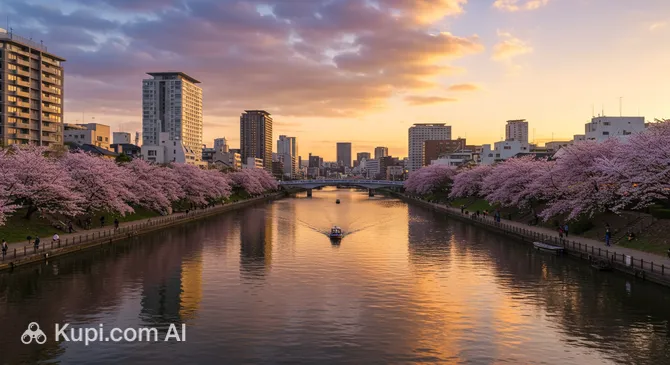
Located in the western part of Chiba Prefecture, just 20 kilometers from the pulsing heart of Tokyo, Ichikawa is a harmonious blend of a quiet residential suburb and a place with deep historical roots. Stretching along the banks of the Edogawa River, this city is home to nearly half a million people and attracts those seeking a balance between metropolitan accessibility and the cozy atmosphere of the Japanese countryside. Founded in 1934, Ichikawa grew from several Edo-period post stations that were well-known at the time for their salt production.
The city's geographical location makes it an important transport hub and a popular "bedroom community" for Tokyo office workers. However, despite its suburban status, Ichikawa possesses its own character, shaped by the centuries-old history of the city. Here, dense modern development sits side-by-side with ancient shrines and green parks, creating a unique urban landscape typical of the Kanto region in Japan.
Ichikawa. Illustration.
Source: Kupi.com AI
For the traveler, Ichikawa is primarily interesting for its authentic temple complexes, such as Hokekyo-ji, and the opportunity to see the daily life of Japanese people away from the neon signs of the megacity. The city is famous for its educational institutions and cultural sites, including the former residence of the writer Kafu Nagai. A visit to Ichikawa is a wonderful way to feel the rhythm of the real Japan, enjoy walks along the river, and discover quiet corners hidden from the mass tourist.
Weather Overview
Ichikawa is dominated by a temperate monsoon climate, typical of the eastern coast of Honshu island. This means travelers should prepare for distinct seasons: hot and humid summers, mild winters, and very picturesque transitional periods in spring and autumn. The average annual temperature is about 15.6°C, making the city's climate quite comfortable for visiting during most of the year.
The summer months, especially July and August, are characterized by high humidity and temperatures reaching +30°C and above. Rain is frequent during this period, and in autumn, the region is sometimes at the mercy of typhoons. Winter in Ichikawa is mild and dry; the thermometer rarely drops below freezing, and snow is infrequent. January is the coldest month with an average temperature of about 5°C, while August is the hottest, with an average value of 28.1°C.
The most favorable times to travel are considered to be April and May, when the cherry blossoms bloom and pleasant warm weather sets in, as well as October and November, when the heat subsides and the tree foliage turns into vibrant autumn colors. The dense urban development can intensify the feeling of heat in the summer, so during this season, we recommend planning walks in the parks or along the Edogawa River embankments, where a light breeze slightly softens the heat.
Average monthly temperature
Average monthly precipitation
Interesting Facts
Archaeological excavations confirm that humans inhabited the territory of modern Ichikawa as far back as 30,000 years ago—unique stone tools and traces of Neolithic culture have been discovered here.
The annual Edogawa River Fireworks Festival, held in August, is considered one of the largest and most spectacular in the capital region, gathering huge crowds on both banks.
The city is home to the mysterious natural site Yawata-no-Yabusirazu—a small bamboo forest that was long considered a "forbidden place" from which, according to legend, it is impossible to find an exit.
Ichikawa officially received city status in 1934, merging several settlements that were important points on the Chiba-kaido highway during the Edo period and specialized in salt production.
The city is closely linked to the name of the famous Japanese writer Kafu Nagai, who spent his final years here; his study is carefully preserved as part of the cultural heritage.
How to Get There
Due to its location on the border with Tokyo, Ichikawa boasts excellent transportation accessibility. Most travelers arrive by train, as the city is integrated into the extensive railway network of the capital region. You can always find up-to-date information on how to get to your destination using modern navigation apps or station maps.
For those flying into Japan on international flights, the most convenient way to reach the city is from Narita Airport (NRT). The journey by bus or Keisei Line trains to Ichikawa-Shiohama Station takes about an hour. Getting here from Haneda Airport is also straightforward using transit lines through central Tokyo. The city's main transport arteries are the JR Sobu and Keisei Lines, which allow you to reach central Tokyo districts in 20–40 minutes.
The railway system is the "heart" of Ichikawa. Ichikawa Station is a key hub on the JR Sobu Line, providing quick connections to Shinjuku and Tokyo Station. Another important point is Motoyawata Station, where the JR lines and the Toei Shinjuku Subway Line intersect. Remember that trains can be very crowded during morning and evening rush hours, so plan your trips in advance to avoid the crush.
Station
Passenger traffic
Distance
Asakusa Station
21
12 km
Uguisudani Station
15
14 km
Okachimachi Station
16
14 km
Akihabara Station
23
14 km
Nippori Station
16
14 km
Main Attractions
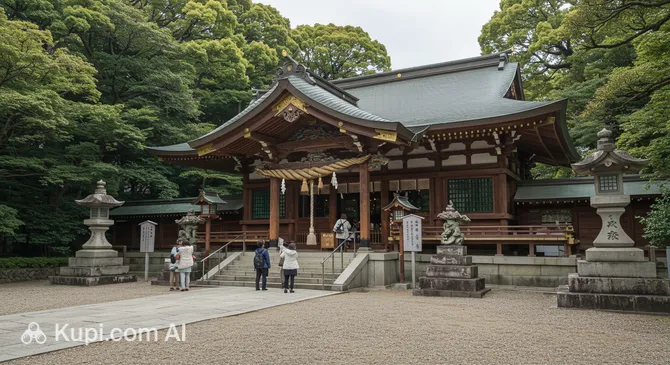
Despite its reputation as a quiet suburb, Ichikawa hides true gems of Japanese architecture and history within its neighborhoods. One of the most revered sites is the Katsushika Hachiman Shrine. This Shinto shrine, dedicated to Hachiman, the deity of war and protector of warriors, is surrounded by ancient trees, including a giant ginkgo tree designated as a natural monument. Its atmosphere of tranquility and spirituality makes it a must-visit destination.
Katsushika Hachiman Shrine. Illustration.
Source: Kupi.com AI
Traveler photos:
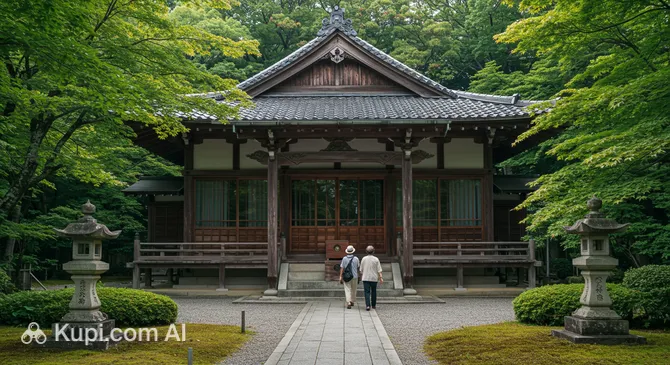
Budding culture enthusiasts should head to the Hokekyo-ji temple complex, which is one of the main temples of the Nichiren sect. The majestic wooden gates and pagoda create an impressive ensemble, especially beautiful during the cherry blossom season. This temple attracts pilgrims from all over the country and serves as an important cultural center for the city, hosting regular traditional rituals and festivals.
Hokekyo-ji Temple. Illustration.
Source: Kupi.com AI
Traveler photos:
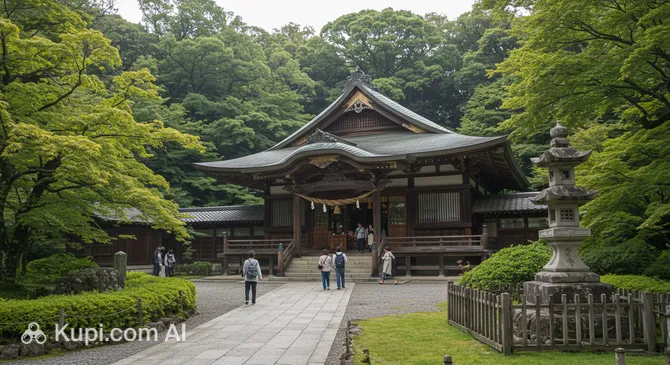
Another noteworthy site is the Mamasan Guhoji Temple, located on a small hill. This temple is steeped in legend and mentioned in the ancient poetry of the "Manyoshu." The grounds offer a pleasant view of the city surroundings, and the architectural details of the buildings reflect the craftsmanship of Japanese builders from centuries past. Visiting these sanctuaries allows you to touch the living heritage of the region and take a break from the hustle and bustle of the modern metropolis.
Mama-san Guho-ji Temple. Illustration.
Source: Kupi.com AI
Traveler photos:
Local Cuisine
The gastronomic scene in Ichikawa is a classic reflection of Japanese culinary diversity, with a light emphasis on the bounty of the Edogawa River. While there are no flashy "starred" restaurants, there is an abundance of cozy family establishments cooking according to time-tested recipes. Locals value simplicity and the freshness of ingredients, preferring traditional dishes like ramen, sushi, and tempura.
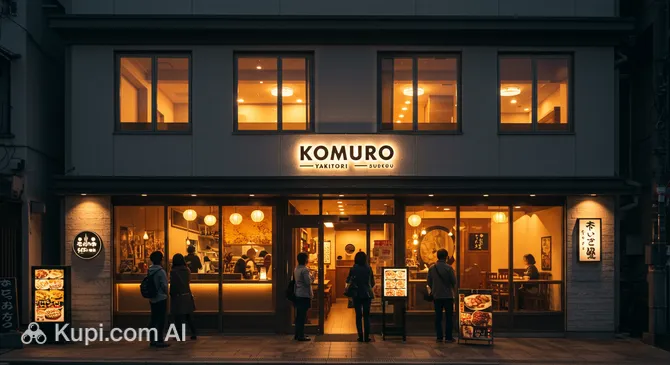
One notable place to experience high-quality Japanese cuisine is the Komuro restaurant. It boasts an authentic atmosphere, and the menu includes classic items popular in the Kanto region. Along the main shopping streets and inside the train stations, you'll find plenty of chain cafes and small street food stalls where you can grab a quick bite like onigiri or hot udon.
Komuro. Illustration.
Source: Kupi.com AI
Traveler photos:
As for drinks, green tea in all its varieties takes first place in Ichikawa, as in the rest of Japan. In the evenings, local izakayas serve popular Japanese beer brands and sake produced in Chiba Prefecture. Although the city doesn't have its own unique "signature" dish, its proximity to the river allows you to try fresh grilled river fish, which is considered a pleasant addition to the local menu.
Travel Tips
Visiting Ichikawa will be a pleasant and easy experience for you if you follow these practical tips, designed to ensure your trip goes as smoothly and interestingly as possible.
Clothing and Essentials: Choose clothing according to the season—summers in the region are very humid and hot, so light natural fabrics are the best choice. Layers are useful in spring and autumn. When visiting temples like Hokekyo-ji, there is no strict dress code, but comfortable shoes that are easy to take off are essential, as you must enter the buildings of some sanctuaries barefoot.
Transport: The best way to get around is by train and subway. Be sure to purchase a Suica or Pasmo card immediately upon arrival—this will save you a lot of time. Be prepared for trains to be crowded during peak hours, so try to plan your trips outside the 7:30–9:30 AM and 5:00–7:00 PM intervals.
Finances: Although cards are accepted in large shopping malls and hotels, Japan remains a country where cash is valued. Carry banknotes for payments in small cafes, temples, and souvenir shops. Tipping is not customary and may even be perceived as awkward—high-quality service is considered the norm here.
Health and Safety: Ichikawa is an extremely safe city. However, you should always keep an eye on your belongings in crowds at stations. Drugstores are easy to find near train stations and are marked with the character 薬 (kusuri).
Communication: The primary language is Japanese. English is spoken in large hotels and at stations, but in small cafes, knowing basic phrases (arigato — thank you, sumimasen — excuse me) will be very helpful. We recommend downloading an offline translator.
Local Etiquette: Be polite and observe silence on public transport—talking on the phone in train cars is considered rude. When entering buildings, check the signs to see if you need to remove your shoes.
What to Avoid: Don't eat on the go in crowded places—this is considered poor etiquette. Also, don't leave trash on the streets: there are few trash cans in Japan, so it's customary to take your trash with you back to your home or hotel.
Extra Tip: If you enjoy walking, take a stroll along the Edogawa River bank at sunset—it's one of the most beautiful and free views in the city.
Ichikawa will reveal to you the true face of modern Japan, combining respect for tradition with everyday comfort. Enjoy every minute of your stay in this cozy city!
Entertainment & Nightlife
Nightlife in Ichikawa is low-key and local, which is typical for a residential suburb. You won't find massive nightclubs or noisy discos that stay open until dawn here. Most activity is concentrated around Ichikawa and Motoyawata stations, where numerous izakayas—traditional Japanese pubs—open in the evenings, welcoming locals to unwind after work with a glass of beer or sake.
For those seeking a more refined atmosphere, the cozy Wine Bar 134 Myoden in the Myoden area offers a good selection of drinks in a quiet setting. If you're looking for large-scale fun with dancing and karaoke centers, most residents prefer to take a 20–30 minute train ride to neighboring Tokyo districts like Asakusa or Akihabara, where the choices are virtually limitless.
Daytime entertainment in the city focuses on family vacations and quiet leisure. The Ichikawa City Zoo and the Daikeien amusement park are popular spots for spending time with children. In August, the city transforms during the massive Edogawa River fireworks festival—a spectacular show that draws thousands of spectators and is the main event of the year. Overall, Ichikawa is a very safe city for evening walks, and taxis can be easily called via mobile apps or found at station ranks if needed.
Parks & Museums
Despite the dense urban development, Ichikawa delights its guests and residents with plenty of green spaces for relaxation. One of the main natural attractions is the Edogawa River waterfront. It is an ideal spot for morning jogs, leisurely walks, or open-air picnics. The wide, open spaces of the embankment create a sense of freedom and provide an escape from urban noise.
For a family visit, the Ichikawa City Zoo is an excellent choice. This cozy place allows you to see red pandas, capybaras, and other animals in comfortable conditions. Right next to the zoo is the Daikeien amusement park, which offers a wide range of rides and gaming areas popular with local youth.
The city's cultural side is represented by niche but interesting sites. Literature fans will find it interesting to visit the house-museum and study of the writer Kafu Nagai, who made a significant contribution to modern Japanese prose. The city also preserves archaeological zones, such as the Yawata-no-Yabusirazu Neolithic site, providing a glimpse into the region's deep past. While Ichikawa lacks giant art galleries, its small museums and historical sites allow you to feel the spirit of the times in a quiet, unhurried atmosphere.
Getting Around
The transport system in Ichikawa is part of the powerful and precisely operating mechanism of the capital region. The backbone of travel consists of railways and the subway. The city is served by the JR Sobu Line (yellow and blue trains), the Keisei Line, and the Tozai subway line. These trains run with enviable regularity—every 5–10 minutes—allowing you to quickly reach key points in Tokyo and Chiba Prefecture.
For fare payment, it is most convenient to use contactless IC cards such as Suica or Pasmo. These cards are universal: they can be used for payment on trains, buses, and even in vending machines or convenience stores (konbini). You can purchase and top up the cards at special terminals at any station. The average price of a trip within the city is low, but keep in mind that in Japan, the fare depends on the distance traveled.
Within the city neighborhoods, municipal buses run, connecting remote residential areas to the railway stations. Nevertheless, many residents and tourists prefer bicycles—the city has flat terrain and a developed network of bicycle parking. Taxis in Ichikawa are available 24/7, but as in all of Japan, they are quite expensive, so they are best used for short distances at night when trains stop running (usually around midnight).
Accommodation
The hotel infrastructure in Ichikawa is primarily geared toward business travelers and those seeking a budget-friendly alternative to expensive accommodation in central Tokyo. The area is dominated by chain business hotels offering compact but functional rooms with all the necessary amenities. Prices in these establishments are usually significantly lower than in the capital, while the level of service remains traditionally high for Japan.
The most convenient area to stay is around Ichikawa and Motoyawata stations. Proximity to transport hubs makes it easy to reach the region's main attractions. In addition to classic hotels, the city offers a wide range of apartments and guesthouses available through booking services, which are particularly popular among students and expats planning longer stays.
If you plan to visit the city during the cherry blossom season (late March – early April) or during the fireworks festival in August, we recommend booking accommodation several months in advance. Demand spikes sharply during these periods. At other times of the year, finding a suitable option is usually easy. Most hotels support booking via international online platforms, making the process simple and transparent.
Nearby Cities
Thanks to its ideal location on the border of Chiba and Tokyo prefectures, Ichikawa serves as an excellent starting point for exploring nearby cities and attractions. The extensive railway network makes it easy to plan day trips, discovering new facets of Japanese culture and entertainment.
Just a few kilometers away is Edogawa, where you can stroll through picturesque parks and enjoy views of the river. If you're traveling with family, be sure to stop by Urayasu—a city world-famous for its theme parks, Tokyo Disneyland and DisneySea. For those who love a traditional atmosphere and old Tokyo, a trip to the Katsushika district, which has retained the charm of the Showa era, is perfect.
The neighboring areas of Shinozaki and Matsudo are also worth noting, offering their own unique park zones and shopping centers. Exploring the surroundings of Ichikawa is an opportunity to see how diverse and multi-layered the Tokyo metropolitan region can be, where every town has its own unique character.
Shopping in Ichikawa is primarily about the convenience and practicality characteristic of a developed residential suburb. You won't find the elite boutiques of Ginza here, but there is an abundance of large shopping centers where you can buy absolutely everything: from trendy clothing to sophisticated electronics and traditional Japanese products. Most commercial activity is centered around the main railway stations.
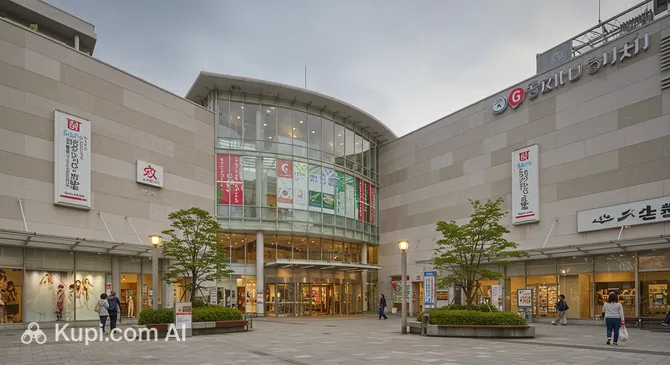
One of the most popular shopping destinations is Nikke Colton Plaza. This is a massive shopping and entertainment complex that houses dozens of famous brand stores, a TOHO CINEMAS movie theater, and a food court area under one roof. It's the perfect place to spend a few hours combining shopping with relaxation and lunch. Another draw is the Motoyawata area, known for its electronics stores and specialized shops.
Ichikawa Colton Plaza. Illustration.
Source: Kupi.com AI
Traveler photos:
For authentic souvenirs, head to small shops near temples or "100-yen" stores, where you can find many interesting trifles. Traditional Japanese wagashi sweets, high-quality green tea, and items made by local craftsmen make excellent gifts. Stores generally operate from 10:00 AM to 8:00 PM or 9:00 PM, and major shopping centers accept all major international credit cards. For foreign tourists, a Tax-Free system is often available in large stores, allowing for a tax refund on purchases.