Welcome to Matsudo — a dynamic city located in Chiba Prefecture, Japan. As an integral part of the Greater Tokyo Area, this city harmoniously blends the rhythm of a modern metropolis with the tranquility of traditional Japanese suburbs. Stretching along the banks of the scenic Edo River, Matsudo offers its residents and visitors (numbering nearly half a million) a cozy atmosphere and convenient access to the main attractions of the capital region.
The city's historical heritage dates back to the Edo period, when Matsudo flourished as an important post town on the Mito-kaido route. Today, ancient temples and preserved estates stand alongside modern residential quarters and green parks as reminders of this past. It is an ideal destination for those who want to experience authentic Japanese daily life away from the neon lights of central Tokyo.
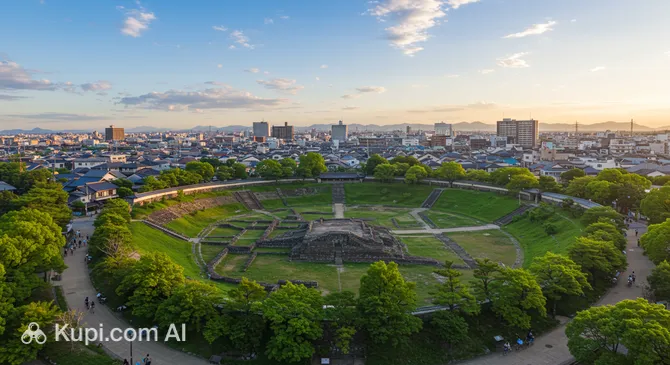
Matsudo. Illustration.
Source: Kupi.com AI
Among the city's unique features are its agricultural traditions: Matsudo is rightfully considered the birthplace of the famous "Nijisseiki" (20th Century) pear variety. Travelers can look forward to not only gastronomic discoveries but also excellent opportunities for outdoor walks. We invite you to discover Matsudo for yourself — a city that surprises with its sincerity and hospitality.
Weather Overview
The climate in Matsudo is typical for the Kanto region: a temperate climate zone with clearly defined seasons prevails here. Summers in the city are hot and quite humid, especially in July and August, when average daytime temperatures often exceed +30°C. Winters are usually cool, sunny, and dry; snow falls rarely and typically melts quickly. Spring and autumn are the most comfortable periods to visit, offering mild warmth and a picturesque change of natural colors.
When planning your trip, it's useful to know that June is considered the rainy season, while typhoons bringing heavy rainfall are possible in September and October. On average, the coldest months are January and February (around +5°C...+10°C during the day), and the peak of precipitation occurs in summer and early autumn. To better prepare for your journey, you can check the detailed weather forecast in Matsudo for the coming days.
Average monthly temperature
Average monthly precipitation
Interesting Facts
Matsudo is officially recognized as the birthplace of the famous "Nijisseiki" (20th Century) pear. It was here in the late 19th century that a chance seedling was discovered, giving rise to one of the most popular pear varieties in Japan.
The Yagiri-no-Watashi is still operational in the city — it is the only remaining traditional ferry crossing on the Edo River, active since the early 17th century. This is a rare opportunity to ride in a wooden boat manually operated by a boatman.
Matsudo is the headquarters and birthplace of Japan's largest pharmacy and cosmetics chain, Matsumoto Kiyoshi. The first store was opened here by the company founder, who later became the city's mayor.
The city is gradually becoming a true hub for ramen culture. The local establishment Tomita Ramen is regularly recognized by critics and popular vote as one of the best (and sometimes the absolute best) in the country.
The city's history spans over 1,300 years — the first mentions of settlements in this area date back to the Nara period, and its status as an important transport hub was established in ancient times.
How to Get There
Matsudo boasts excellent transport accessibility, making it a great base for trips throughout the Kanto region. Most tourists arrive here from Tokyo; the train journey from the center takes between 20 and 30 minutes. Thanks to the well-developed railway network, moving between the cities of Chiba Prefecture and the capital is fast and comfortable. You can learn more about logistics in the special section on how to get to the city.
The nearest major international hub is Narita Airport (NRT). The journey from there to Matsudo on JR Narita Line trains with one transfer takes about an hour. Travelers also frequently use Haneda Airport (HND), which can be reached in a similar amount of time using express trains and city lines.
The city's main transport hub is Matsudo Station, where the JR Joban Line and Shin-Keisei Line intersect. The station is equipped with everything travelers need, including tourist information centers and numerous shops. This is the key node connecting the city with central Tokyo stations.
Station
Passenger traffic
Distance
Asakusa Station
21
13 km
Uguisudani Station
15
13 km
Nippori Station
16
14 km
Okachimachi Station
16
15 km
Akihabara Station
23
15 km
If you prefer water transport as an exotic alternative, look into the Yagiri-no-Watashi ferry. Although it is not a major transit route, this traditional ferry across the Edo River provides plenty of enjoyment for history lovers and fans of beautiful views.
Main Attractions
Although Matsudo is primarily considered a residential suburb, it hides several wonderful green oases and historical monuments. One of the most popular spots for relaxation is Mizumoto Park, famous for its picturesque ponds, metasequoia groves, and abundance of aquatic plants. It is an ideal place for leisurely strolls and birdwatching throughout the year.
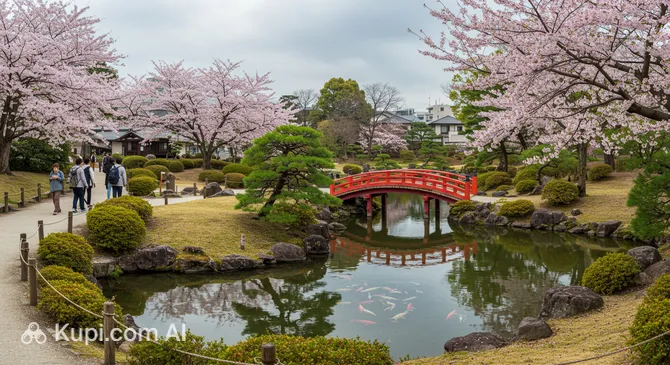
Mizumoto Park. Illustration.
Source: Kupi.com AI
Traveler photos:
Neighboring Misato Park is equally interesting. Located right across the river, it offers beautiful water views and spacious lawns for picnics. For history buffs, a visit to Tojogaoka Historical Park is a must. Here you will find the Tojo-tei House — the only surviving residence of the Tokugawa family from the Meiji period in Japan, surrounded by a magnificent Japanese garden.
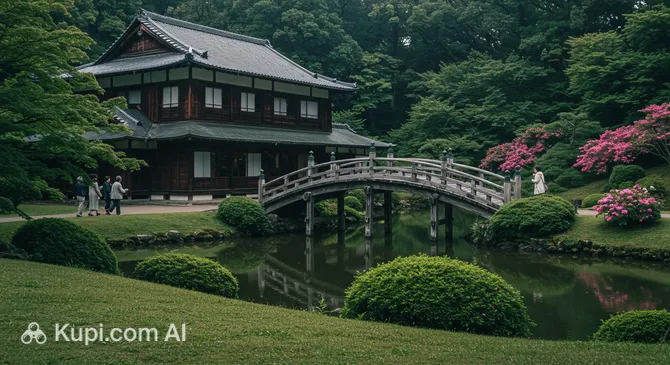
Tojogaoka Historical Park. Illustration.
Source: Kupi.com AI
Traveler photos:
For those seeking spiritual solitude, Matsudo offers the ancient Hondo-ji Temple. Founded in the 13th century, it is informally known as the "Hydrangea Temple" thanks to the thousands of these bushes that bloom here in early summer. In spring, the temple grounds are painted in the pink hues of cherry blossoms, and in autumn, the brilliant reds of momiji maples, making it one of the city's most beautiful photo spots.
Local Cuisine
Matsudo's culinary scene is a paradise for lovers of authentic Japanese cuisine. The city has earned a reputation as one of Japan's major "ramen hubs." You'll find establishments here where people are willing to stand in line for hours for a bowl of noodles. For example, Ramen Jiro Matsudo Ekimae is famous for its massive portions and rich broth, attracting true connoisseurs of the dish.
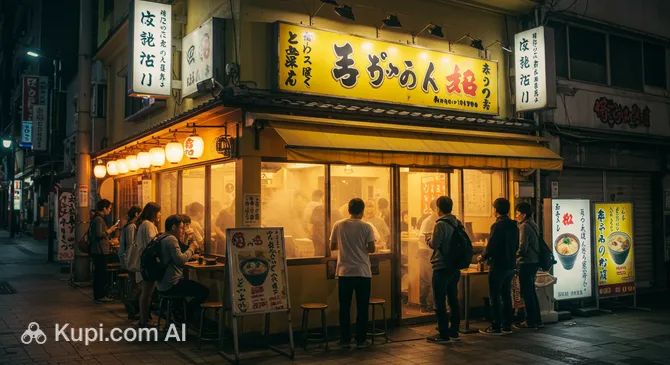
Ramen Jiro Matsudo Ekimae. Illustration.
Source: Kupi.com AI
Traveler photos:
In addition to ramen, be sure to try the local Nijisseiki pears. Their juicy, sweet flesh is a true symbol of the city. During the season (late summer and autumn), pears can be bought on every corner, or you can even visit a farm to pick them yourself. Also, look out for dishes using the local "negi" (long onion), which has a distinctive aroma and is often used as a main ingredient or side dish in traditional restaurants like Ittoku.
Dining culture in Matsudo is centered around the stations, where you will find many small cafes, bakeries, and izakayas. It is customary here to eat simple, tasty, and hearty food. Popular drinks include pear juices and lemonades, as well as traditional green tea and local sake. The absence of pretentious tourist restaurants makes the gastronomic experience in Matsudo truly sincere and accessible.
Travel Tips
To ensure your introduction to Matsudo goes smoothly and leaves only pleasant impressions, we have prepared a list of practical recommendations from experienced travelers.
Dress for the season: Summer in the region is very humid and hot, so choose light, natural fabrics. Winters can be quite chilly, so bring a warm jacket. For walks through parks and estates, comfortable shoes are a must, as you will be doing a lot of walking.
Transport cards: Be sure to purchase a Suica or Pasmo card. This will save you from having to buy paper tickets for every trip and allow you to pay for small purchases in shops.
Cash and cards: While cards are accepted in large shopping malls, small shops and old izakayas may require cash yen. ATMs in 7-Eleven stores usually work with international cards.
Safety: Matsudo is a very safe city. However, during peak hours on trains, keep a close eye on your belongings to avoid accidental misunderstandings in the crowd.
Language barrier: There are English signs in tourist spots and at stations, but knowing basic phrases ("Arigato," "Sumimasen") and having an offline translator on your phone will be very helpful in communicating with locals.
Etiquette and politeness: Japanese people value silence and personal space. Try not to speak loudly on the phone in public transport and always follow the queue when boarding the train.
What to avoid: Do not leave tips in restaurants — it may be perceived as a mistake or even an insult. All service is already included in the bill.
Seasonal pears: If you visit in late summer, be sure to visit a fruit farm for pear picking — it's a unique local experience that the Japanese love.
Matsudo will give you the peace and comfort of a real Japanese suburb if you are open to its traditions and unhurried pace of life.
Entertainment & Nightlife
Matsudo is a city with a relaxed pace, so its nightlife is not as boisterous as that of central Tokyo districts. Most activity after sunset is concentrated around the central railway station. Here you can find cozy izakayas (Japanese pubs), karaoke clubs, and small bars where locals unwind after the workday. One popular spot for evening relaxation is Link Matsudo, which boasts a casual atmosphere.
If you are looking for a place with a pleasant view and quality service, check out Greenroom Rooftop Bar and Cafe, Plare Matsudo. This rooftop establishment atop a shopping center offers the chance to enjoy dinner or a cocktail while admiring the city skyline. Generally, the crowd in Matsudo is friendly, and the dress code in most venues is casual. Prices here are significantly more affordable than in the capital, making evening leisure more budget-friendly.
For those wanting large-scale entertainment or dancing until dawn, remember that a trip to Tokyo districts like Ueno or Asakusa takes only about 20–30 minutes by train. Nevertheless, Matsudo itself is perfect for ending the day peacefully in an authentic setting. Safety in the city is very high, so night walks around the station area are quite comfortable.
Parks & Museums
For nature and culture lovers, Matsudo has several interesting spots in store. One of the main points of attraction is the 21st Century Forest and Park (Mori no Hall 21) — a vast green area featuring a museum, a concert hall, and numerous lawns for relaxation. These are the "lungs" of the city, where it is pleasant to spend time with the whole family, walking among thick trees and well-kept flower beds.
If you want to dive deeper into the region's history, be sure to visit Tojogaoka Historical Park. Located on its grounds is the magnificent Tojo-tei House, an architectural monument from the late 19th century. Inside, you can see traditional interiors, while the windows offer views of an exquisite Japanese garden, recognized as a place of special scenic beauty.
Those who appreciate landscape design and waterscapes should visit Mizumoto Park or the neighboring Misato Park. Although these recreation zones are on the city's border, they are very popular with Matsudo residents. Here you can see blooming irises and water lilies, and visit small farmers' markets located near the riverbanks.
Getting Around
The public transport system in Matsudo operates with flawless Japanese precision. Railways form the backbone of connectivity: the JR Joban Line and Shin-Keisei Line connect the city with Tokyo and other parts of Chiba Prefecture. Matsudo Station is a vital hub through which thousands of people pass daily. Trains run frequently, though it is worth noting that during morning and evening peak hours (7:00–9:00 and 17:00–19:00), the carriages can be very crowded.
Buses are actively used for travel within the city's districts. The route network covers even remote residential quarters and park areas. Fares for trains and buses are most conveniently paid using Suica or Pasmo contactless cards. These cards can be purchased and topped up at machines at any station; they are also accepted for payment at most convenience stores and vending machines.
Taxis in Matsudo are easy to find at station exits; they are a safe and comfortable, though more expensive, way to get around. For short trips, many locals use bicycles — stations are equipped with huge parking areas for two-wheeled transport. If you plan to travel a lot, we recommend pre-installing the Google Maps or Hyperdia apps for accurate route planning and real-time schedule tracking.
Accommodation
Accommodation in Matsudo is primarily geared toward those who value practicality and quiet. While you won't find a huge selection of five-star grand hotels here, the city offers an excellent range of mid-range business hotels and cozy apartments. This type of accommodation is ideal for travelers looking to save on lodging compared to central Tokyo prices while maintaining quick access to the capital.
The most convenient area for booking accommodation is around Matsudo Station. This is where hotels from well-known Japanese chains, such as Toyoko Inn, are concentrated, offering compact but functional rooms with breakfast. Staying in this area keeps you within walking distance of transport hubs, restaurants, and shopping centers.
For those planning a long-term stay, there are many private apartment rental options available in the city. This allows you to feel like a local resident while shopping at local supermarkets. We recommend booking accommodation in advance, especially if your trip coincides with the cherry blossom season in April or the red maple season in November, when demand for hotels in Tokyo's suburbs increases sharply.
Nearby Cities
Matsudo serves as an ideal starting point for exploring the eastern part of the capital region and Chiba Prefecture. Thanks to the compact location of the cities, you can easily plan short excursions and return to the cozy atmosphere of Matsudo in the evening. Neighboring prefectures and districts offer completely different experiences — from modern shopping quarters to quiet park zones.
Just a couple of train stops away is the city of Misato, famous for its parks and large shopping complexes. If you head slightly south, you will find yourself in the Katsushika district, which transports you to the atmosphere of old Tokyo with its traditional streets and temples. Another interesting destination for a walk is Yashio, located nearby.
Don't forget that in just half an hour you can be in the heart of Tokyo. We recommend not limiting yourself to just the main tourist routes and looking into small neighboring towns like Nagareyama or Shinozaki to see the multifaceted and real life of Japan in all its diversity.
Shopping & Souvenirs
Shopping in Matsudo is primarily about convenience and practicality. The main shopping opportunities are concentrated in the immediate vicinity of Matsudo Station. Large department stores and shopping centers such as "Atre" and "Plare" are located here, where you can find everything from popular Japanese clothing brands to high-quality home goods and electronics.
An interesting fact: Matsudo is the birthplace of the famous Matsumoto Kiyoshi pharmacy chain. Visiting one of their stores here is almost a cultural experience. These are the best places to buy Japanese cosmetics, dietary supplements, and unusual sweets. Prices in the city's shops are often lower than in central Tokyo districts, and the selection of products for the domestic market can be a pleasant surprise.
As souvenirs from Matsudo, it's worth bringing back products based on local pears: jams, juices, or sweets. If you are here during harvest season, be sure to visit the small farmers' markets by the Edo River, where they sell the freshest vegetables and the famous local "negi" onions. Shops typically operate from 10:00 to 20:00 or 21:00, cards are accepted everywhere, and many larger outlets offer Tax-Free shopping for foreign tourists.