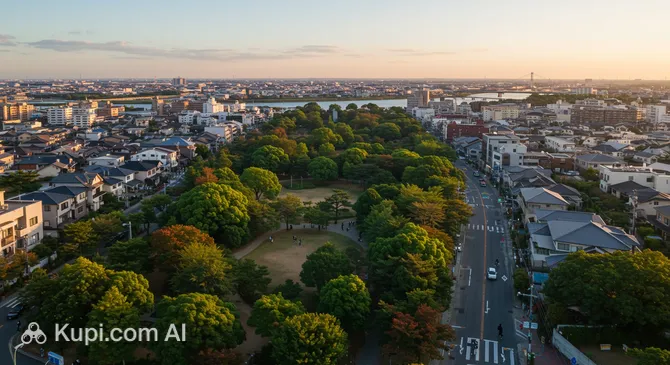
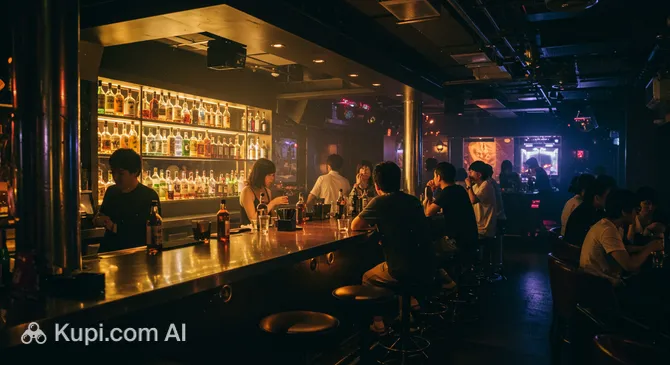
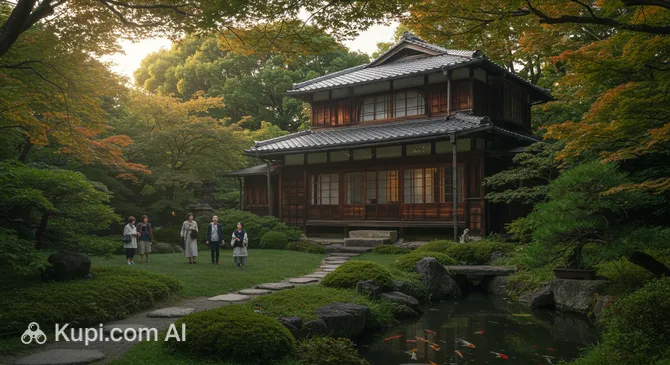
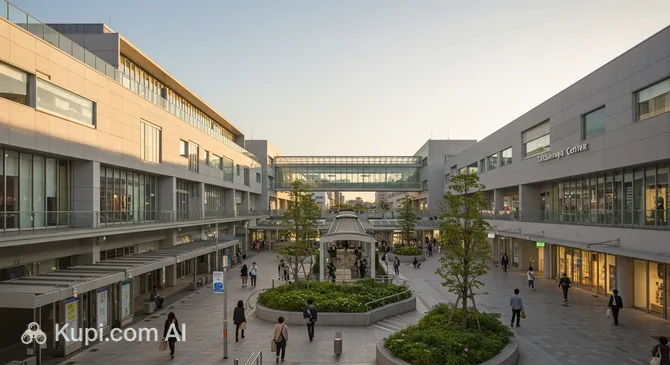
Setagaya is not just one of the districts of a massive metropolis, but the living heart of modern Japan, where the rhythm of a big city and the coziness of quiet residential neighborhoods coexist in harmony. Located in the southwestern part of the Tokyo metropolis, Setagaya is one of the most populous and prestigious wards in the city. With a population of about 940,000, this area has a "city within a city" atmosphere, offering travelers a unique glimpse into the daily life of the Japanese middle class.
Setagaya. Illustration.
Source: Kupi.com AI
Geographically, the district is bordered by the picturesque Tama River, which separates it from Kanagawa Prefecture. Low-rise buildings and an abundance of greenery prevail here, making Setagaya particularly comfortable for walking. The history of the area began as agricultural land, which only became part of the growing capital in the early 20th century, transforming into an important business and residential belt after World War II.
For tourists, Setagaya is attractive for its authentic shopping streets near every subway station and its magnificent parks. This place is ideal for those who want to escape the neon noise of the central districts and experience the real, non-touristy Tokyo. We invite you to explore this amazing corner, where modern comfort meets traditional Japanese hospitality.
Weather Overview
The climate of Setagaya is typical for Tokyo and is characterized by distinct seasonality. Summers here are hot and humid, with temperatures often exceeding +30°C in July and August, which, combined with high humidity, creates a "sauna" effect. Winters, by contrast, are mild and mostly dry: daytime temperatures stay around +5...+10°C, and snow falls very rarely and usually melts quickly.
The most favorable times to visit are spring (March–May) and autumn (September–November), when comfortable warm weather sets in. However, it is worth noting that in June and early July, the tsuyu rainy season arrives, bringing prolonged precipitation. More detailed information on current changes and forecasts can be found on the page describing the weather in Setagaya.
The terrain of the district and the abundance of parks, such as Kinuta, create a pleasant microclimate in Setagaya, softening the "urban heat island" effect characteristic of the central districts of the metropolis. Nevertheless, on hot summer nights it can be muggy here, so having air conditioning in your accommodation is a prerequisite for a comfortable stay.
Average monthly temperature
Average monthly precipitation
Interesting Facts
Setagaya is a place full of fascinating details that reveal the character of this multifaceted Tokyo ward. Here are a few facts to help you get to know it better:
Population Density: Setagaya is one of the city's most densely populated districts, with a population density exceeding 16,000 people per square kilometer, creating a unique urban dynamic.
Railway Towns: The district's development historically occurred around private railway lines, which is why each station has turned into an independent "micro-city" with its own unique shopping center and atmosphere.
Special Status: Setagaya holds the status of a special ward, which effectively makes it an independent municipality with its own administration and budget within the Tokyo Metropolis.
Own History: The Setagaya Local History Museum is active in archaeological research, proving that this land was inhabited long before the appearance of modern skyscrapers.
Green Oasis: Despite the dense development, Setagaya Park is considered a benchmark of Japanese garden art, offering city dwellers peace and quiet amidst traditional landscapes.
How to Get There
Setagaya is integrated into the capital's powerful transport network, making travel within and beyond the district as simple as possible. The main passenger flow is provided by numerous private railway lines, such as Tokyu, Odakyu, and Keio. The journey from the central hub of Shibuya to the district's key stations usually takes no more than 10–20 minutes, allowing tourists to easily plan how to get to Setagaya from anywhere in the city.
While there are no major Shinkansen stations in the district itself, it is excellently connected to Tokyo's main rail hubs. Shinjuku and Shibuya stations serve as the primary gateways to Setagaya. An extensive network of bus routes complements the rail service, providing access to the most remote corners of the residential neighborhoods, though road traffic can be heavy during peak hours.
Station
Passenger traffic
Distance
Yoyogi-Uehara Station
16
3 km
Naka-Meguro Station
16
4 km
Shibuya Station
28
5 km
Ebisu Station
19
5 km
Harajuku Station
21
5 km
For trips from Narita or Haneda airports, it is most convenient to use express trains to central Tokyo stations followed by a transfer to local lines. Taxis are also available everywhere, but due to the cost, they are more often used for short trips within the district from the nearest station to the final destination.
Main Attractions
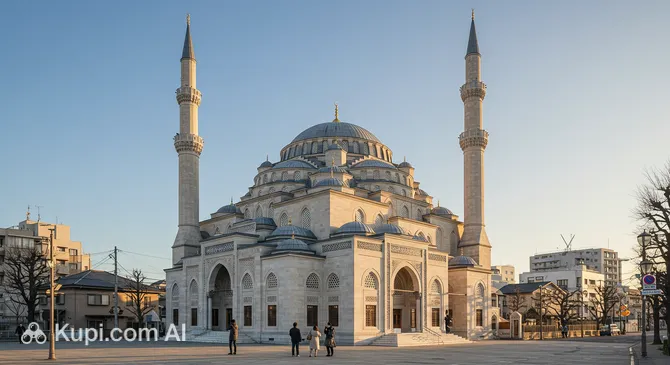
Although Setagaya is rarely the first stop on a tourist's itinerary, there are real architectural and cultural gems hidden here. One of the most impressive is the Tokyo Camii & Turkish Culture Center. This magnificent Ottoman-style building is striking in its exquisite decoration and hospitality, serving as an important spiritual center for the Muslim community and a fascinating site for architecture lovers.
Tokyo Camii & Turkish Culture Center. Illustration.
Source: Kupi.com AI
Traveler photos:
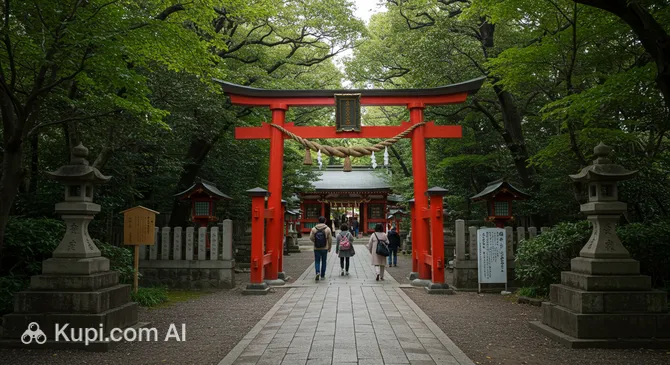
For those seeking a traditional Japanese atmosphere, a visit to the Sakura-shingu Shrine is a must. This tranquil spot is especially beautiful during the cherry blossom season, when the temple grounds are filled with pale pink petals, creating perfect conditions for meditation and memorable photos. Here, you can experience ancient rituals and feel the deep connection the Japanese people have with nature.
Sakura Shrine. Illustration.
Source: Kupi.com AI
Traveler photos:
The famous Hachiko Statue, a world-renowned symbol of loyalty and devotion, is also located near the district's borders. Mentioning this landmark serves as a reminder of Setagaya's proximity to Tokyo's key transport and cultural hubs. Additionally, the ward is famous for its local museums, such as the Setagaya Art Museum, which offers a look at contemporary art surrounded by the magnificent Kinuta Park.
Local Cuisine
The gastronomic scene in Setagaya is a reflection of Tokyo's daily life in all its diversity. There isn't a single "signature" dish here, but the district is famous for its vast number of intimate restaurants serving top-notch ramen, donburi, and the freshest sushi. Around every subway station, you will find izakayas—Japanese pubs where locals gather after work for a glass of cold beer or sake, accompanied by yakitori snacks.
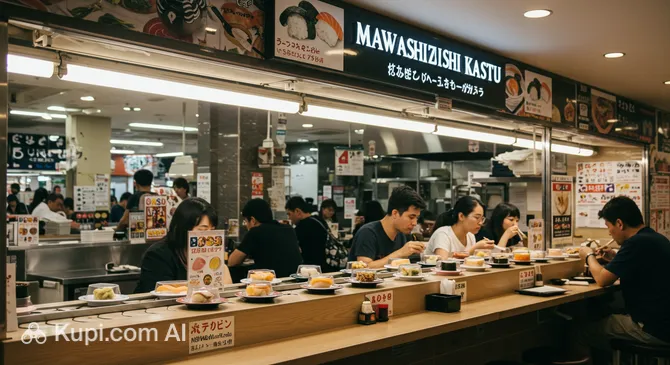
Sushi lovers should check out Mawashizushi Katsu Seibu Shibuya—it's a popular conveyor-belt establishment where the quality of the fish is always high and the atmosphere is lively and casual. The district also has a developed coffee shop culture: small artisanal venues offer excellent specialty coffee, perfect for enjoying during a stroll along the green zones of Futako-Tamagawa.
Mawashizushi Katsu Seibu Shibuya. Illustration.
Source: Kupi.com AI
Traveler photos:
To immerse yourself in local life, be sure to visit the local markets near the stations. There you can find seasonal delicacies, traditional wagashi sweets, and ready-made bento meals prepared from the freshest ingredients. The gastronomy of Setagaya is charming in its sincerity: they cook "for their own," so the food is always of high quality and straightforward, providing an honest representation of modern Japanese cuisine.
Travel Tips
A trip to Setagaya will give you unforgettable impressions if you consider a few practical nuances of life in this cozy Tokyo district. These tips will help you feel confident and enjoy every moment of your journey.
Clothing and items: Choose comfortable shoes, as you will be walking a lot. In the summer months, sunscreen and an umbrella for sun or rain are essential, and in winter, wear layered clothing, as it can be hot indoors and windy outside. When visiting the mosque or temples, remember the modest dress code.
Transport: Be sure to purchase a Suica or Pasmo card immediately upon arrival. This will save time and eliminate the need to navigate the fare tables of different railway companies. Try to avoid traveling on weekdays from 8 to 9 am—Setagaya trains are at their busiest during this time.
Finance: Although cards are accepted in almost all large stores, always have cash yen with you. They will be needed in small shops, temples, and for topping up transport cards. You can withdraw money from ATMs at 7-Eleven stores, which are open 24/7.
Health and Safety: Setagaya is one of the safest districts in the world. Drugstores are easy to find by the "薬" sign, where you can buy basic over-the-counter medicines. Tap water in Japan is drinkable.
Communication: English is moderately common, so download an offline translator. A few basic phrases like "Sumimasen" (excuse me) and "Arigato" (thank you) will bring a sincere smile to local residents.
Local Etiquette: Observe silence on public transport—talking on the phone in a train carriage is considered bad manners. When entering some traditional restaurants or private homes, you must remove your shoes.
What to avoid: Do not eat while walking—this is considered impolite. Also, do not leave tips in restaurants: in Japan, this can be taken as a mistake or even an insult, as quality service is already included in the price.
Extra Tip: Be sure to take a walk along the Tama River at sunset—it is one of the most peaceful and beautiful sights in the area, loved by locals.
Observing these simple rules will help you blend harmoniously into the rhythm of Setagaya life and get the most out of your Japanese adventure!
Entertainment & Nightlife
Nightlife in Setagaya has a more local and cozy character compared to the thundering centers like Roppongi, but it still has its own points of attraction. Main activity is concentrated around Shimokitazawa and Sangenjaya stations, where atmospheric bars, small music venues, and traditional izakayas are hidden in narrow alleys. These are areas where local youth and the creative intelligentsia like to relax, creating a relaxed and friendly environment.
Among the popular venues is Cafe Legato, which offers an excellent selection of drinks and a stylish interior for an evening out. If you're looking for a more energetic atmosphere, you can drop by Voyager Stand Shibuya—this place attracts crowds with its dynamics and great cocktails. For fans of dancing and club culture, Club Vizel operates in close proximity to the district, often featuring well-known DJs.
Voyager Stand Shibuya. Illustration.
Source: Kupi.com AI
Traveler photos:
Daytime entertainment in the area is represented by numerous cinemas and entertainment centers near major transport hubs like Futako-Tamagawa. Safety in Setagaya is at a high level, allowing for peaceful walks even late at night. If you stay out late, you can always use taxi services through popular apps, as trains usually stop running after midnight.
Parks & Museums
Setagaya is rightfully proud of its green spaces, which are considered some of the best in the capital. The main place for outdoor relaxation is Kinuta Park. Its vast lawns and spreading trees make it an ideal spot for family picnics. Deep within the park lies the Setagaya Art Museum, whose contemporary art exhibitions harmonize beautifully with the surrounding landscape.
The district's historical heritage is carefully preserved in places like the Former Marquis Maeda Mansion. This majestic building offers a glimpse into the life of the Japanese aristocracy of the last century and lets visitors appreciate the refined interiors of that era. For those interested in mysticism and history, Kiyomasa's Well, which according to legend possesses a special energy, will be of interest.
Former Residence of Marquis Maeda. Illustration.
Source: Kupi.com AI
Traveler photos:
Another important cultural landmark is the InterCommunication Center (ICC). Here, at the intersection of science and art, unique media installations are born, attracting youth and technology enthusiasts. If you are looking for silence and traditional beauty, visit Setagaya Park, where walking paths are laid out according to the canons of a classical Japanese garden, offering city guests moments of true tranquility.
Getting Around
The transport system of Setagaya is a model of efficiency and punctuality. The basis of movement consists of private railways, such as the Tokyu, Odakyu, and Keio lines. They connect residential neighborhoods with Tokyo's central hubs. For trips within the district, it is also convenient to use the city's only tram line, the Setagaya Line, which has preserved the charm of old Japan and allows you to leisurely admire the city landscapes.
For fare payment, it is best to purchase a contactless card (Suica or Pasmo). It works on all types of transport, including buses, and eliminates the need to worry about buying separate tickets at each station. The cost of a trip depends on the distance, and you can top up the card balance at any machine at the station. Trains run very frequently, but it is worth remembering "rush hours" (from 7:30 to 9:00 and after 18:00), when the carriages can be very crowded.
The district's bus network perfectly complements the trains, delivering passengers directly to residential complexes and parks. If you prefer alternative methods of transportation, bicycle rentals are well-developed in Setagaya, which is especially convenient for rides along the rivers or visiting several parks in one day. Taxis are easy to catch on the street near stations or call through an app, which is a good option at night when public transport stops operating.
Accommodation
The choice of accommodation in Setagaya is focused more on comfort and tranquility than on mass tourist flow. You won't find a huge concentration of giant hotels here, but there is an excellent selection of mid-range business hotels and cozy apartments. Most hotels are concentrated around major transport hubs, such as Futako-Tamagawa or Sangenjaya, providing convenient access to transport and infrastructure.
For those planning a long stay, renting a small apartment or guesthouse is an excellent option. This will allow you to feel like a local, taking morning walks through quiet streets and buying groceries at local shops. Accommodation prices here can be slightly higher than in the remote outskirts, which is explained by Setagaya's reputation as a prosperous and prestigious residential area.
When planning a trip, especially during the cherry blossom or autumn maple seasons, it is recommended to book accommodation in advance. Network hotels offering a standard set of services for business travelers and tourists are popular in Setagaya. It is also worth paying attention to small private hotels, which often offer a more personalized approach and an authentic experience of living in a Japanese home.
Nearby Cities
Setagaya serves as an ideal starting point for exploring not only the heart of the capital but also its most interesting satellite cities. Just a couple of train stops away is neon-lit Tokyo, where the main attractions, skyscrapers, and endless entertainment opportunities are concentrated. Only a few minutes separate you from energy-boiling Shibuya with its famous crossing and Hachiko statue.
If you want to trade cityscapes for a cozier atmosphere, head to the neighboring Meguro district. It is famous for its picturesque canal lined with hundreds of cherry trees, and its many stylish boutiques and cafes. It's also worth visiting the Tamagawa area, located on the banks of the river of the same name—this is a wonderful place for picnics and walks by the water, where you can see Japanese life away from the city hustle.
For those ready for slightly longer trips, the paths to Kawasaki and Yokohama are open. These cities offer massive port zones, interesting museums, and giant shopping centers. Exploring the surroundings of Setagaya will allow you to see the contrasts of the Japanese megalopolis and enjoy the variety of cultural and natural landscapes of this amazing region.
Shopping & Souvenirs
Shopping in Setagaya is an exciting journey through local shopping streets and modern malls. Unlike Ginza with its luxury boutiques, the atmosphere here is dominated by "shopping for life." At every station, you will find shotengai—shopping arcades where bakeries, shops selling handmade ceramics, and small clothing stores by local designers sit side-by-side. This is the best place to find unique items and feel the spirit of old Tokyo.
If you prefer the format of large shopping centers, be sure to visit the Tamagawa Takashimaya Shopping Center. This is one of the largest department stores in the area, featuring both well-known world brands and high-quality Japanese goods—from cosmetics to household appliances. There are also excellent food courts where you can try delicacies from all over the country.
As souvenirs from Setagaya, it is worth bringing back traditional Japanese sweets from local confectioneries or ceramic products, for which the small workshops in the Shimokitazawa area are famous. Most shops are open from 10:00 to 20:00 or 21:00. In large shopping centers, the Tax Free system is available to tourists upon presentation of a passport, and international credit cards are accepted almost everywhere except for the smallest family-run shops.