Support

Minato

About

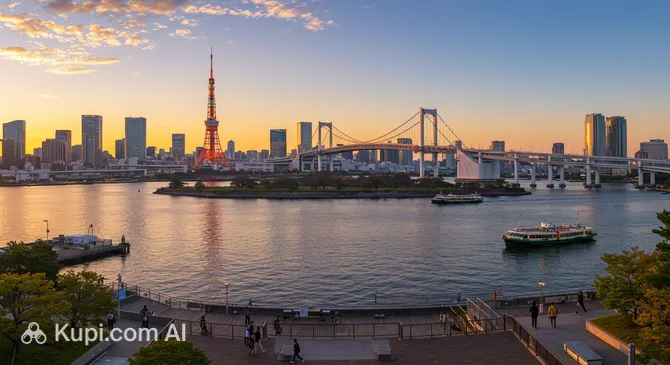
Minato is one of Tokyo's most prestigious and dynamic special wards, renowned for its business districts, luxury residential areas, and vibrant cultural life. This district offers a unique blend of modern architecture, glimpses of traditional culture, and international flair, making it attractive for both business trips and tourist getaways.

Located in the heart of Japan, within the Tokyo metropolitan area, Minato is home to more than 260,000 people. Due to its central location, it serves as an important economic and cultural hub, offering guests convenient access to many of the capital's iconic landmarks.

Minato. Illustration.
Source: Kupi.com AI

Among the key attractions of Minato, the famous Tokyo Tower stands out, offering breathtaking panoramic views of the metropolis. Equally popular is the modern Roppongi Hills complex, which brings together world-class art galleries, trendy boutiques, exquisite restaurants, and cinemas. Additionally, Minato hosts numerous foreign embassies and representative offices of international companies, giving the district a distinctly cosmopolitan atmosphere. For a peaceful break, well-maintained parks such as Shiba Park, located at the foot of Tokyo Tower, are perfect.

If you are looking for a district where ultra-modern skyscrapers stand alongside quiet temples, and business bustle gives way to cultural events and opportunities for relaxation, then a trip to Minato will be a bright and memorable experience. Discover this multifaceted and welcoming corner of Tokyo!

You can find more interesting facts on the history of Minato page.

Weather Overview

The weather in Minato offers guests clearly defined seasons. Summer, especially in July (average temperature 26.6°C) and August (average temperature 27.9°C), is usually hot and humid, with maximum values reaching 30.9°C in August. The summer months also see a higher number of rainy days, for example, 15 each in June and July. Winters, from December to February, are cool, with average temperatures ranging from 4.9°C (in January) to 7.2°C (in December), and are the driest months of the year, with only 1-2 mm of precipitation. Expect a warm summer with occasional rain and cool, drier winters. For the most up-to-date and detailed information, please visit the Minato Climate page.

Average monthly temperature

Average monthly precipitation

Interesting Facts

Beyond its famous skyscrapers and bustling neighborhoods, Minato hides many surprising stories and unique locations. Here are just a few interesting facts that will help you see this Tokyo district from a new perspective:

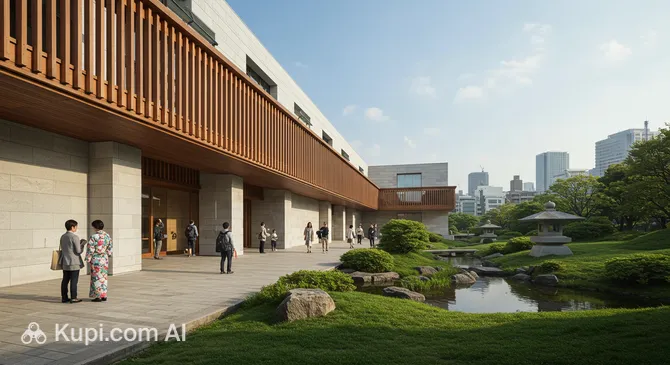
Enkiri Enoki. Illustration.
Source: Kupi.com AI

Traveler photos:

  • The Azabu-Juban neighborhood in Minato served as the real-life prototype for the setting of the world-famous anime and manga "Sailor Moon." Fans of the series can recognize many corners while walking through its atmospheric streets.

  • Minato is home to the unusual Enkiri Enoki tree, whose name can be translated as the "Relationship-Severing Hackberry." According to local beliefs, it helps people rid themselves of unwanted relationships, bad habits, or negative ties.

  • In the famous Aoyama Cemetery, located in Minato, lies the grave of Professor Hidesaburo Ueno—the owner of the legendary dog Hachiko. This touching story of loyalty is known worldwide, and many come here to honor their memory.

  • Minato is home to more than 80 foreign embassies and diplomatic missions. This makes it one of the most international districts of Tokyo and a key center for international diplomacy in Japan.

How to Get There

Getting to Minato, one of Tokyo's bustling central districts, is most convenient by air. The capital of Japan, and consequently Minato, is served by several airports, two of which are major international hubs.

Haneda Airport (HND), officially known as Tokyo International Airport, is located within Tokyo and is the closest to Minato—the distance is only about 12 km. You can get from Haneda to Minato by taxi, limousine bus, or train in about 30-45 minutes. It is one of the world's busiest airports, offering many both international and domestic flights.

Another important international hub is Narita International Airport (NRT). It is also listed as serving Tokyo, although geographically it is located in Chiba Prefecture, about 59 km east of Minato. A trip from Narita to Minato by express train (such as the Narita Express) or limousine bus usually takes between 1.5 and 2 hours. Narita Airport handles most long-haul international flights.

For clarity, here is a summary of the main airports through which you can reach Minato:

AirportPassenger trafficDistance
Haneda Airport85.7 mln12 km
Narita International Airport40.8 mln59 km
Ibaraki Airport776 06383 km
Shizuoka Airport691 274172 km
Matsumoto Airport112 618174 km

In addition to air travel, Minato is perfectly connected to other parts of Tokyo and the rest of Japan thanks to a developed public transport network. The district can be easily reached by numerous metro lines and suburban trains from the capital's major transport hubs, where Shinkansen high-speed trains arrive. Travel by car is also possible, but heavy traffic and limited parking options in the city center should be taken into account.

Main Attractions

Among the attractions of Minato, a special place is held by Enkiri Enoki. This is not just an ancient tree, but a point of attraction for those interested in local traditions and beliefs. A visit to this quiet corner provides an opportunity to feel a special atmosphere and perhaps gain a new perspective on Japanese culture that goes beyond the noisy city blocks. This site offers a unique experience for the thoughtful traveler.

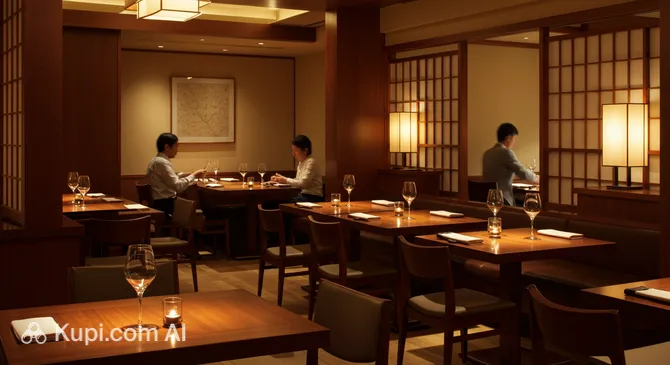
For connoisseurs of fine dining, Minato offers exquisite venues such as the Ariake Grand Restaurant. Located in one of Tokyo's most prestigious districts, it generally meets the high expectations of its guests, offering dishes of excellent quality—whether traditional Japanese delicacies or modern culinary creations. A visit here is a wonderful opportunity to enjoy a magnificent dinner in an elegant setting.

Ariake Grand Restaurant. Illustration.
Source: Kupi.com AI

Traveler photos:

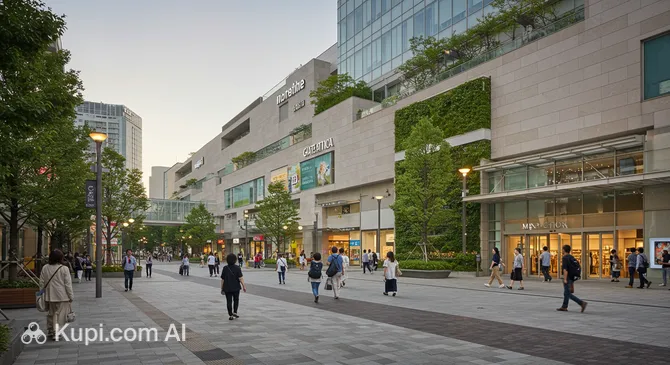
The modern and dynamic face of Minato is perfectly complemented by Miyashita Park. This complex is a striking example of how innovative urban spaces are created in Tokyo, harmoniously combining shops, restaurants, and public recreation areas. Miyashita Park offers visitors an excellent combination of shopping opportunities and a pleasant pastime in a well-maintained environment, making it popular with both locals and tourists.

Miyashita Park. Illustration.
Source: Kupi.com AI

Traveler photos:

Local Cuisine

The gastronomic scene of Minato is a true reflection of its status: sophisticated, diverse, and oriented towards the highest quality. Here you will find both the centuries-old culinary traditions of Japan and the most modern gastronomic trends, presented in numerous world-class restaurants. This district is a paradise for gourmets ready for new flavor discoveries.

Be sure to try dishes in Minato that are the hallmark of Japanese cuisine, but which take on a special character in the hands of local masters. Of course, these are sushi and sashimi made from the freshest seafood, often served in elegant restaurants where every piece is a work of art. It is also worth paying attention to kaiseki ryori—a traditional multi-course Japanese dinner where not only the taste but also the aesthetics of presentation and the seasonality of ingredients are important. Meat lovers will appreciate Wagyu beef dishes, prepared on a teppan or in yakiniku style.

Regarding drinks, in Minato, you can enjoy a wide selection of both traditional and modern options. Get to know the world of sake, choosing from many varieties—from light and fruity to rich and aged. Also popular are shochu (a Japanese distilled spirit) and, of course, the famous Japanese whisky, which you can try in one of the district's stylish bars. Among non-alcoholic drinks, various types of green tea, including matcha, as well as refreshing lemonades based on local fruits, are leading.

The food culture in Minato is very diverse. The district is famous for its high concentration of Michelin-starred restaurants and fine dining establishments, such as the Ariake Grand Restaurant, where you can enjoy exquisite dishes in an elegant setting. In addition to expensive restaurants, there are many stylish izakayas (Japanese pubs) serving quality snacks with drinks, as well as restaurants specializing in international cuisine, reflecting the cosmopolitan character of the district. You should also not overlook the gastronomic departments in the basements of large department stores (depachika), where you can find delicacies and sweets of excellent quality.

Overall, the Minato dining scene is characterized by refinement, attention to detail, and a quest for perfection. It is a place where you can get unforgettable culinary experiences, whether it's a traditional Japanese dinner or an exploration of modern gastronomic delights.

Travel Tips

Planning a trip to Minato? Wonderful! This modern and elegant district of Tokyo, the heart of Japan's business and cultural life, is full of discoveries. To make your journey as comfortable and enjoyable as possible, we have prepared some practical tips.

  1. Clothing and Essentials: The climate in Minato, as in all of Tokyo, has distinct seasons. In summer (June–August), it is hot and humid, so choose light, breathable clothing. In winter (December–February), it is cool; don't forget warm items. Spring and autumn are the ideal times for a visit, with moderate temperatures. Be sure to bring comfortable shoes, as you will be walking a lot. Don't forget a universal adapter (Japan uses type A and B sockets, 100V voltage). When visiting temples and some traditional restaurants, you may need to remove your shoes; a strict dress code for temples is usually not required, but modest clothing is appropriate.

  2. Getting Around the City: The best way to move around Minato and all of Tokyo is the advanced public transport system. The metro (Tokyo Metro and Toei Subway) and JR trains will take you almost anywhere. Purchase a rechargeable Suica or Pasmo card for convenient payment. Taxis are available but quite expensive; you can use apps like JapanTaxi or Go. Renting a car for tourists in Tokyo is generally not recommended due to heavy traffic, parking difficulties, and the excellent public transport.

  3. Financial Matters: The local currency is the Japanese yen (JPY). Money can be exchanged at airports, banks, or specialized exchange offices. Bank cards (Visa, Mastercard) are accepted in many hotels, large shops, and restaurants in Minato, but cash is still very important, especially in small establishments and for transport fares. International cards usually work at 7-Eleven ATMs (7-Bank) and post offices (Japan Post Bank). Tipping in Japan is not practiced—good service is considered the standard.

  4. Health and Safety: Minato, like Tokyo in general, is a very safe district. Drugstores are easy to find, but not all are open 24/7, and staff may not always speak English. Just in case, carry a basic set of medications. Travel medical insurance is highly recommended. There are no specific "unsafe" areas in Minato, but always exercise normal precautions, especially in crowded places like Roppongi at night.

  5. Communication: The official language is Japanese. In Minato's tourist spots, hotels, and large stores, staff often speak English, but knowing a few basic Japanese phrases (e.g., "arigato" – thank you, "sumimasen" – excuse me) will be very helpful. For constant internet access, consider renting a pocket Wi-Fi router (a very popular option) or buying a travel SIM card. Useful apps: Google Maps (works great for navigation and transport schedules), Japan Travel by Navitime.

  6. Local Etiquette: Japanese people are very polite. A greeting is a slight bow. In public places, especially on transport, try to be quiet and not talk loudly on the phone. It is not common to eat or drink while walking on the street (except in designated areas). Remove your shoes when entering homes, some temples, and traditional restaurants. Patience and politeness are key to pleasant communication.

  7. What to Avoid: Do not stick your chopsticks vertically into rice—this is associated with funeral rituals. Try not to point at people with your finger (use an open palm). Do not leave trash anywhere—Japan has very strict rules for waste sorting. Blowing your nose loudly in public is also considered impolite.

  8. Special Features of Minato: This district is known not only for its business centers and embassies but also for its excellent opportunities for cultural leisure and shopping. Visit the art galleries in Roppongi Hills (e.g., Mori Art Museum) or the National Art Center. In the evening, be sure to go up to the observation deck of Tokyo Tower or the Mori Tower in Roppongi Hills to enjoy the breathtaking view of the metropolis.

We hope these tips help you better prepare for your trip and enjoy every moment in Minato. This dynamic and multifaceted district of Japan is sure to leave you with the brightest and most unforgettable impressions!

Entertainment & Nightlife

When the sun sets over Tokyo, Minato transforms, offering guests a kaleidoscope of entertainment and a bustling nightlife. This district is famous for its fashionable clubs, stylish bars, exquisite restaurants, and concert venues capable of satisfying the most discerning taste. From the glittering lights of Roppongi to the more sophisticated atmosphere of Azabu-Juban, everyone will find something for themselves here.

The heart of Minato's nightlife is undoubtedly the Roppongi district. It boasts a huge number of nightclubs, ranging from large-scale dance floors with world-class DJs to more intimate venues with live music. The crowd in Roppongi is predominantly international and trendy. Many clubs stay open until morning, especially on weekends. Dress codes can range from casual to strict clubwear, so it's worth checking in advance. In addition to clubs, Roppongi is full of bars for every taste: from chic rooftop cocktail bars on skyscrapers with panoramic views to cozy pubs and themed venues. The famous Roppongi Hills complex, which also houses restaurants and bars, is located here as well.

If you prefer a quieter and more refined atmosphere, head to the Azabu-Juban area. This charming neighborhood is known for its high-end restaurants, cozy izakayas (traditional Japanese pubs), and stylish wine bars. Here you can enjoy an excellent dinner, for example, at an establishment like the Ariake Grand Restaurant, which serves exquisite dishes, or spend the evening in leisurely conversation at one of the many bars. The atmosphere in Azabu-Juban is more relaxed, and the crowd is predominantly local and affluent. Other areas of Minato, such as Akasaka and Shiodome, also offer a decent choice of evening entertainment, including restaurants with live music and elegant lounges.

When planning your evening leisure in Minato, consider a few practical points. The best time to visit clubs and bars is late evening, especially on Fridays and Saturdays. Prices can vary significantly: Roppongi is generally more expensive than other areas. Public transport (metro and trains) in Tokyo usually stops running around midnight. After that, the main way to get around is by taxi, which is easy to flag down on the street or order via an app (e.g., Go, JapanTaxi). Minato is generally a safe district, even at night. However, in busy areas like Roppongi, you should exercise normal vigilance, especially late at night. Try to use official taxi services and avoid pushy touts.

During the day, Minato also offers many options for leisure. You can visit one of the many museums, such as the Mori Art Museum in Roppongi Hills or the National Art Center. For walks and relaxation, parks like Shiba Park at the foot of Tokyo Tower or the modern urban space Miyashita Park, where you can combine shopping with outdoor relaxation, are excellent. Although there are no major theme parks in Minato, its cultural and commercial facilities more than compensate for this, offering a rich program throughout the day that flows seamlessly into a vibrant nightlife.

Parks & Museums

Minato is not only a business and fashionable hub but also a district that carefully preserves green oases and a rich cultural heritage. Here you can find peace in traditional gardens, immerse yourself in the world of art in world-class museums, and touch history in ancient temples, making Minato attractive to all kinds of travelers.

For nature lovers and those seeking peaceful relaxation, Minato offers several wonderful parks. Shiba Park is one of the oldest in Tokyo, stretching out at the foot of the famous Tokyo Tower and around the historical Zojo-ji Temple. It is a beautiful place for walks with magnificent views of the tower. Arisugawa-no-miya Memorial Park is a picturesque Japanese garden with ponds and lush vegetation, ideal for quiet contemplation. For those who want to see untouched nature in the middle of the metropolis, the Institute for Nature Study in Shirokanedai offers an extensive reserve with natural forests. It's also worth mentioning the modern space Miyashita Park, which, being a multifunctional complex, also offers a green rooftop area for relaxation.

The cultural life of Minato is rich thanks to its many museums and galleries. The Mori Art Museum, located on the 53rd floor of the Mori Tower in Roppongi Hills, specializes in contemporary art and offers breathtaking panoramic views of Tokyo. The National Art Center, Tokyo, one of the largest exhibition spaces in Japan, impresses both with its temporary exhibitions and its futuristic architecture. Lovers of traditional Japanese and East Asian art should definitely visit the Nezu Museum, famous not only for its collection but also for its magnificent Japanese garden. Another important cultural center is the Suntory Museum of Art in Tokyo Midtown, dedicated to "art in everyday life" and showcasing the beauty of Japanese crafts.

Beyond parks and museums, Minato is rich in historical and architectural landmarks. Zojo-ji Temple in Shiba Park is the main temple of the Jodo-shu Buddhist school in the Kanto region and the final resting place of the Tokugawa shoguns. Sengaku-ji Temple is famous as the burial site of the 47 Ronin, whose story of loyalty and honor is one of the most famous in Japan. Among the more unusual cultural objects is Enkiri Enoki, an ancient tree associated with local beliefs about severing unwanted ties.

For an authentic experience and deeper immersion into the culture of Minato, visit the small art galleries in the Nishi-Azabu or Shirokane neighborhoods, where young Japanese artists often exhibit. And for a quiet break away from the tourist routes, take a stroll through the garden at the Nezu Museum—it's a true oasis of silence and beauty that will give you unforgettable moments of peace.

Getting Around

Getting around Minato and exploring its many attractions is incredibly convenient thanks to one of the world's most advanced and efficient public transport systems, which is an integral part of the Tokyo transport network. The system is famous for its punctuality, cleanliness, and thoughtful design, making trips comfortable even for those in the metropolis for the first time.

The core of Minato's transport system consists of metro lines (Tokyo Metro and Toei Subway) and JR trains (Japan Railways). Numerous stations of these systems densely cover the district's territory, providing quick access to all key points both within Minato and to other parts of Tokyo. Metro and JR lines are perfectly integrated, allowing for easy transfers.

In addition to the metro and trains, city buses, primarily run by Toei Bus, operate in Minato. They serve routes that may not be as conveniently covered by rail and are excellent for short trips or for reaching more local spots. A feature of the transport system partly passing through Minato is the automated Yurikamome line—a rubber-tired train running on an elevated track. This line is not just a means of transport but also an attraction in its own right, offering picturesque views of Tokyo Bay and the Odaiba area.

The fare payment system in Minato is very convenient, especially when using rechargeable IC cards such as Suica or Pasmo. These cards can be purchased at station vending machines and used to pay for travel on almost all types of transport (metro, trains, buses), as well as for purchases in some shops and vending machines. The cost of a trip usually depends on the distance. Single-trip tickets are also available and can be bought at machines before travel. For tourists, special travel passes, such as the Tokyo Subway Ticket, which grants unlimited travel on Tokyo Metro and Toei Subway lines for 24, 48, or 72 hours, can be beneficial.

You can buy an IC card or a single ticket at station machines, which usually have an English interface. To pass through the turnstiles, simply tap the IC card against the reader or insert the ticket. Public transport starts operating early in the morning (around 5:00 AM) and ends around midnight or slightly later, depending on the line and day of the week. Mobile apps (e.g., Google Maps, Navitime) and numerous signs at stations, duplicated in English, are very helpful for navigation and route planning.

As an alternative to public transport, you can use taxis in Minato. They are readily available, especially near major hotels and stations, but are a rather expensive way to get around. In recent years, bicycle rentals, including bike-sharing systems, have gained popularity, which can be a pleasant option for exploring individual neighborhoods over short distances. Renting a car for tourists in central Tokyo is generally not recommended due to heavy traffic, high parking prices, and the excellent performance of public transport.

Accommodation

Minato, being one of Tokyo's most prestigious and central districts, offers a wide range of accommodation options to suit the needs of all types of travelers. Here you can find both luxury hotels from world chains and more affordable options, as well as apartments for long-term stays.

The range of available housing in Minato is quite broad: from five-star hotels with impeccable service and breathtaking city views to comfortable mid-range hotels and stylish boutique hotels. Apartments and serviced flats are also popular, which can be convenient for families or those planning a longer stay. Budget options, such as hostels, are less common in Minato itself than in other Tokyo districts, but they can be found nearby.

When choosing a place to stay in Minato, it is worth paying attention to areas such as Roppongi, known for its vibrant nightlife, restaurants, and proximity to art galleries. Akasaka and Shiodome are popular for their proximity to business centers, excellent transport links, and the presence of many high-end hotels and restaurants. The Shinagawa area, although partly outside Minato, is a major transport hub with a large selection of hotels, convenient for access to airports and other cities in Japan. The choice of neighborhood depends on your preferences and the purpose of your trip.

Many famous hotels offering first-class service are located in Minato. While specific examples from our list are currently missing, the district is famous for chains such as The Ritz-Carlton, Grand Hyatt, Andaz, as well as prestigious Japanese hotels. The price range varies from mid-range to luxury, reflecting the district's high status. It is recommended to book accommodation in advance, especially if your trip falls during the peak tourist season (such as cherry blossom in spring or autumn colors) or during major events. The most common booking methods are through popular online platforms or directly on hotel websites.

Nearby Cities

For those who want to explore the surroundings, Minato serves as an excellent starting point for day trips to several interesting nearby locations:

CityPopulationDistance
Chuo169 9952 km
Chiyoda67 0364 km
Shibuya235 1934 km
Meguro286 9055 km
Shinjuku349 3856 km

A trip to other districts of Tokyo from Minato opens up endless possibilities: from visiting the historical temples of Asakusa and the Imperial Palace to immersing yourself in the neon atmosphere of Shinjuku or exploring the trendy neighborhoods of Shibuya. Each district of the capital offers its own unique experience and attractions.

Setagaya, one of Tokyo's largest special wards, attracts visitors with its calmer and greener atmosphere, offering a break from the hustle and bustle of the metropolis. Here you can visit the Setagaya Art Museum, stroll through the vast Kinuta Park, or explore cozy streets and cafes.

The Ota district, where Haneda Airport is located, offers not only a convenient transport hub but also interesting places for relaxation, such as Jonanjima Seaside Park. You can also visit Senzoku Pond with its picturesque temple, enjoying nature not far from the center.

Nearby Honcho is a major urban center that can offer visitors lively shopping streets, a variety of restaurants, and local parks. Such a trip will allow you to see another side of the region's urban life, distinct from central Minato.

Suginami is known for its vibrant subculture, especially in the Koenji area with its vintage shops and music venues. This district is also famous for its numerous parks, offering a pleasant contrast to the business center of Tokyo and a chance to dive into a more bohemian atmosphere.

These nearby destinations provide insight into the diverse culture and landscapes of the region, complementing the experience of staying in Minato. Each of these trips can become a small adventure, revealing new facets of Japan.

Shopping & Souvenirs

Minato offers truly impressive shopping opportunities, reflecting its status as one of Tokyo's most prestigious and fashionable districts. Here you will find everything: from flagship boutiques of world-famous luxury brands and huge department stores to conceptual stores by Japanese designers and unique souvenir shops. Shopping in Minato is a combination of luxury, the latest trends, and impeccable Japanese service.

The main centers of attraction for shopping enthusiasts in Minato are the Roppongi and Aoyama/Omotesando areas (although Omotesando partly extends beyond Minato, its influence on the district's shopping scene is undeniable). Roppongi is home to giants like Roppongi Hills and Tokyo Midtown, offering a huge selection of stores, from high fashion to home goods and electronics. Omotesando street, often called Tokyo's "Champs-Élysées," is famous for the architectural boutiques of the world's leading brands. More relaxed and local shopping can be found on the Azabu-Juban shopping street, which has many small shops and cafes.

Large shopping complexes are a hallmark of Minato. In addition to the already mentioned Roppongi Hills and Tokyo Midtown, where you can spend a whole day moving from boutiques to restaurants and art galleries, other interesting places are worth noting. For example, the modern Miyashita Park complex, although located on the border with the Shibuya district, offers a unique combination of shops, restaurants, and a rooftop public space, making it a popular spot for youth and those who appreciate current trends.

Although Minato is not as well-known for traditional markets as some other Tokyo districts, you can find interesting options here. Farmer's markets are periodically held in various parts of the district, for example, in the square at Ark Hills, where you can buy fresh local produce and handicrafts. In the Azabu-Juban area, you can find small shops selling traditional Japanese sweets and snacks, which adds a special flavor to the shopping experience.

From Minato, it's worth bringing back souvenirs that reflect both the modern and traditional spirit of Japan. These could be high-quality Japanese stationery, designer interior items, unique clothing from local fashion designers, modern electronics (though check for compatibility), traditional wagashi sweets, elite varieties of green tea, or exquisite ceramic and porcelain products. Department stores often have entire sections dedicated to Japanese crafts and souvenirs.

Most shops and shopping centers in Minato are open daily, usually from 10:00 or 11:00 AM to 8:00 or 9:00 PM. Some small boutiques may have individual schedules. Credit cards (Visa, Mastercard, AmEx) are widely accepted, especially in large stores and department stores. However, it's always useful to carry some cash in Japanese yen for small purchases or in small shops.

For foreign tourists in Japan, a Tax Free system is in place. When making purchases of a certain amount (usually over 5,000 yen in one store in one day) at stores that support this system (look for the corresponding logo), you can apply for a consumer tax refund. This is usually done right in the store upon presentation of your passport. This is a great opportunity to save on purchases, especially if you plan to buy expensive items.
Reached the end of the page?

That means the route is fully explored