Support

Koto

About

Koto is an amazing special ward in Tokyo located in the eastern part of the metropolis, where urban bustle meets the tranquility of Tokyo Bay. Its uniqueness is largely defined by its geographical position at the intersection of the Sumida and Arakawa rivers, making Koto a place interlaced with picturesque canals, decorated with numerous bridges, and home to cozy embankments perfect for leisurely walks at any time of year. This proximity to water creates a unique atmosphere where the dynamic energy of a large city harmoniously blends with the peace of coastal zones.

With a population of about 523,117 people, Koto is one of the most dynamically developing districts in the capital of Japan. This ward is a prime example of how modern residential complexes and business districts can coexist with historical corners, giving it a special multifaceted character. Administratively, Koto is one of Tokyo's 23 special wards and plays an important role in the life of the metropolis, as it is home to major exhibition centers, sports arenas, and various cultural venues.
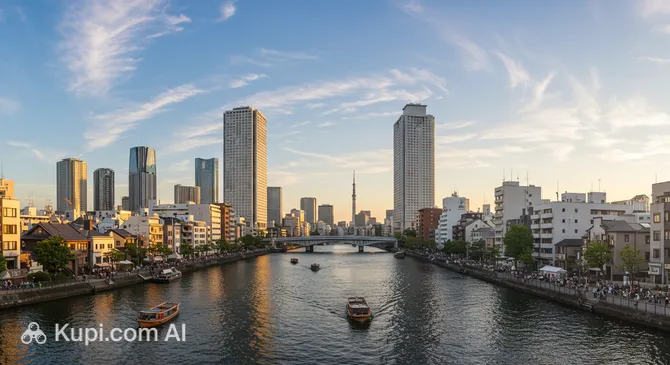
Koto. Illustration.
Source: Kupi.com AI

The atmosphere of Koto charms with its harmony between the past and the future. Here, you can immerse yourself in history by strolling through the old streets of the Fukagawa district, where the spirit of old Edo still lingers, and then, just minutes later, find yourself in the ultra-modern Toyosu district, which captures the imagination with its skyscrapers and innovative architecture. Another essential feature of Koto is its numerous canals and embankments, which serve as wonderful places for relaxation and contemplation. The ward is perfect for family vacations, romantic walks, and those who want to experience authentic Japanese daily life.

Koto offers a chance to see Tokyo from a different perspective: without the excessive hustle, featuring cozy parks, scenic waterways, and a relaxed pace of life. This district will certainly charm you at first sight and provide unforgettable travel impressions.

You can find more interesting facts on the page about the history of Koto City
Weather Overview

In Koto, you can expect warm summers with periodic precipitation and cool winters with less rain. In summer, especially in July and August, the average temperature stays around 26–28°C, while daytime maximums can reach 30°C and higher. In winter, for example in January, the average temperature is about 5°C, and the minimum can drop almost to zero. Precipitation is distributed throughout the year, but the highest number of rainy days and the highest level of rainfall (up to 7 mm) are usually observed in the summer and autumn months, such as July, September, and October. For a detailed forecast and monthly information, see Koto Climate.

Average monthly temperature

Average monthly precipitation

Interesting Facts

The special ward of Koto, part of the vast Tokyo metropolis, is not just about modern landscapes and business bustle. It holds many fascinating secrets and unexpected details. Discover a few interesting facts about this amazing corner of Japan:

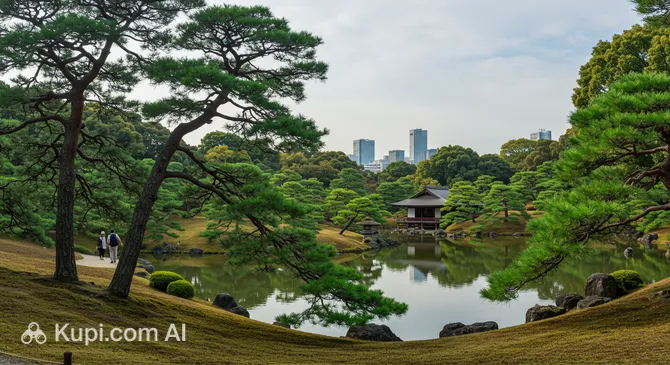
Hamarikyu Gardens. Illustration.
Source: Kupi.com AI

Traveler photos:

  • Koto is often called the "City on the Water." More than 40% of its territory is reclaimed land and artificial islands created during Tokyo's expansion. Because of this, you can see many bridges and picturesque embankments, and canal tours have become one of the district's signatures.

  • Koto is home to the famous Toyosu Market—the successor to the legendary Tsukiji and the largest fish market in the world. Visitors can watch the famous tuna auctions and enjoy the freshest seafood right on the spot.

  • The cultural life of Koto is rich with events and landmarks. It is home to the Museum of Contemporary Art Tokyo (MOT), known for its avant-garde exhibitions. The district is also famous for one of Tokyo's three major Shinto festivals—the Fukagawa Hachiman Matsuri, during which thousands of people carry ornately decorated portable mikoshi shrines through the streets.

  • Koto has left its mark on Japanese cultural history through two great masters. The famous haiku poet Matsuo Basho and the world-renowned ukiyo-e artist Katsushika Hokusai lived and created their masterpieces here. Memorial museums and commemorative sites dedicated to these outstanding individuals still exist in the district today.

How to Get There

Getting to Koto, one of Tokyo's special wards, is quite simple thanks to the well-developed transport infrastructure of the Japanese capital. The main gateways for international travelers are the two major airports serving Tokyo and its surroundings.

The main and most convenient option for a trip to Koto is Haneda Airport (HND). This is one of the busiest airports in the world, located in Tokyo city, only about 14 km south of the central part of Koto. A taxi ride from Haneda to Koto typically takes about 40–50 minutes, depending on traffic. Numerous public transport options are also available, including trains and limousine buses, which will quickly take you to various parts of Tokyo, from where it is easy to reach Koto.

The second major international airport serving Tokyo is Narita International Airport (NRT). It is located significantly further away, about 52.5 km east of Koto, also within the Tokyo region. A taxi trip from Narita to Koto can take between 1.5 to 2 hours. High-speed trains (such as the Narita Express) and buses also run from Narita Airport, connecting it to Tokyo's main stations, where you can transfer to local lines to Koto.

Additionally, one might consider Ibaraki Airport (IBR), located in Ibaraki city, approximately 78 km northeast of Koto. This is a smaller regional airport primarily serving budget airlines. The journey from there to Koto by car or a combination of bus and train will take about 2–2.5 hours.

For convenience, here is a summary of the main airports:

AirportPassenger trafficDistance
Haneda Airport85.7 mln14 km
Narita International Airport40.8 mln52 km
Ibaraki Airport776 06378 km
Shizuoka Airport691 274178 km
Matsumoto Airport112 618180 km

As Koto is part of the vast Tokyo metropolitan area, it is perfectly integrated into the capital's public transport network. After arriving at one of the airports or a major Tokyo railway station (such as Tokyo Station or Shinagawa, where Shinkansen high-speed trains arrive from other regions of Japan), any specific location in Koto can be easily reached by metro, JR commuter trains, or private railway lines.

Main Attractions

Koto is not only an interesting Tokyo district in its own right, known for its modern buildings, exhibition centers, and coastal parks, but also a convenient base for exploring many iconic landmarks of the Japanese capital. Thanks to a well-developed transport network, you can easily reach world-famous Tokyo attractions from Koto. If you are planning a trip and staying in this area, here are several popular locations that will enrich your journey:

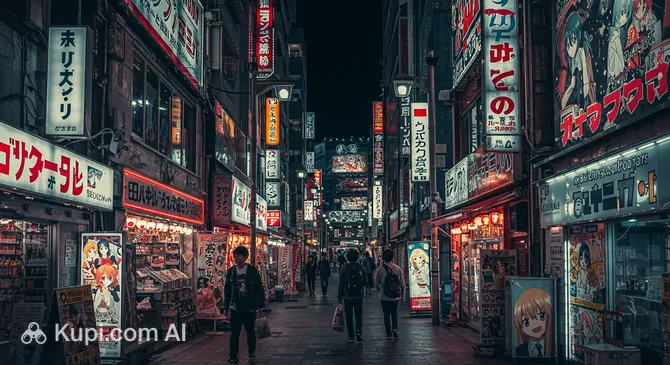
One such place is the world-famous Akihabara — Electric Town. This is a true paradise for fans of Japanese pop culture, technology, and video games. Here you will find multi-story shopping centers filled with the latest electronics, shops with anime and manga, themed cafes, and arcade halls. Akihabara pulses with energy and offers a unique experience of immersion into modern Japanese culture.

Akihabara Electric Town. Illustration.
Source: Kupi.com AI

Traveler photos:

For a contrast to bustling Akihabara, it is worth visiting Hamarikyu Gardens. This is a magnificent traditional Japanese garden located by Tokyo Bay. It is an ideal place for leisurely walks among picturesque ponds, centuries-old trees, and seasonal flowers. In the center of the garden is a teahouse on an island where you can enjoy a cup of matcha while admiring views of the modern skyscrapers framing this oasis of tranquility.

Hamarikyu Gardens. Illustration.
Source: Kupi.com AI

Traveler photos:

To gain a deeper understanding of Japan's rich history, stop by the Samurai and Ninja Museum. Here you can see authentic armor, swords, and other equipment of the legendary warriors, as well as learn about their code of honor, martial arts, and secret techniques. The museum often hosts interactive demonstrations, allowing visitors to try on armor or try their hand at throwing shuriken, making the visit particularly exciting.

Samurai and Ninja Museum. Illustration.
Source: Kupi.com AI

Traveler photos:

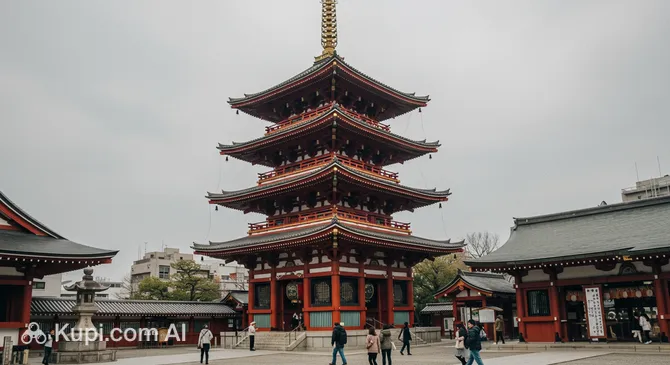
One of the most photographed and significant symbols of Tokyo is the Senso-ji Five-Story Pagoda. Located on the grounds of the ancient Senso-ji Temple in the Asakusa district, this majestic pagoda impresses with its beauty and is an important spiritual center. It serves as a reminder of the city's rich cultural heritage and attracts pilgrims and tourists from all over the world.

Sensō-ji Five-Story Pagoda. Illustration.
Source: Kupi.com AI

Traveler photos:

Local Cuisine

The gastronomic scene of Koto is a true paradise for connoisseurs of Japanese cuisine, especially famous for its freshest seafood. This is home to the renowned Toyosu Market, where, according to local stories, you can taste exquisite sushi and sashimi made from tuna, sea urchins, and oysters, served immediately after the morning fish auction. Many restaurants and sushi bars in Koto pride themselves on offering seafood of the highest quality.

One of the main culinary symbols of Koto is fukagawa-meshi—a traditional dish of local fishermen. It is rice with tender clams cooked in a flavorful sauce. Trying fukagawa-meshi means touching the history and authentic flavors of this district of Japan.

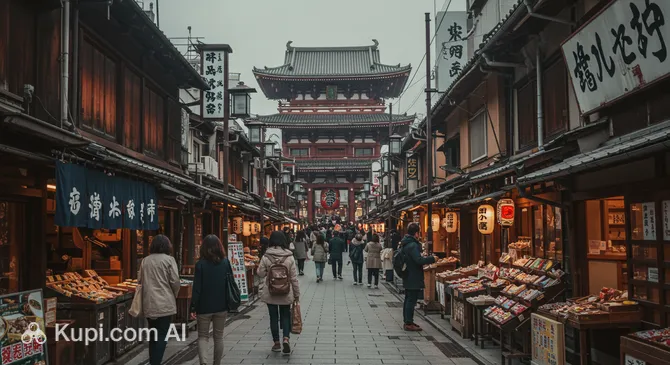
Street food lovers in Koto will not be bored either. In numerous stalls and on busy streets, such as Nakamise Shopping Street, you can find popular Japanese snacks: takoyaki (appetizing batter balls with pieces of octopus), yakisoba (savory fried noodles), and sweet taiyaki waffles, often filled with anko (red bean paste).

Nakamise Shopping Street. Illustration.
Source: Kupi.com AI

Traveler photos:

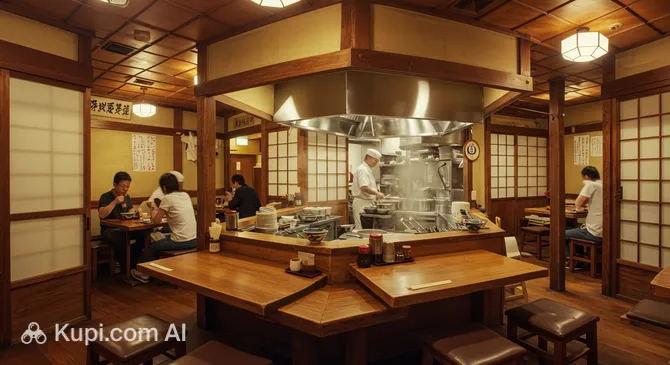
As for drinks, in Koto, it is worth trying traditional matcha green tea, served in cozy teahouses. Among alcoholic beverages, sake and local beer are popular. For those seeking unique gastronomic experiences, the district has themed cafes, such as those dedicated to anime and manga, as well as restaurants specializing in specific dishes, like Godaime Hanayama Udon Nihonbashi, where you can enjoy excellent udon.

Godaime Hanayama Udon Nihonbashi. Illustration.
Source: Kupi.com AI

Traveler photos:

The dining culture in Koto is diverse: locals and tourists alike enjoy food in traditional restaurants and izakayas (Japanese pubs), as well as buying food at markets or from street stalls. The district is also known for its gastronomic festivals, which are often held outdoors and offer a chance to explore culinary delights from both Japanese and world cuisines.

Travel Tips

Planning a trip to Koto, one of Tokyo's dynamic and interesting special wards? To ensure your journey through this corner of Japan is as comfortable as possible and leaves only bright memories, we have prepared some practical tips for you.

  1. Clothing and Essentials: The climate in Koto, like in all of Tokyo, is clearly divided into seasons. In summer (June–August), it is hot and humid, so choose light, breathable clothing. In winter (December–February), it can be chilly, sometimes with snow, so warm clothes, sweaters, and a jacket will be useful. Spring and autumn are the most comfortable seasons with moderate temperatures, ideal for layered clothing. Comfortable shoes are an absolute necessity, as you will be doing a lot of walking. Don't forget an adapter for electrical appliances (Japan uses type A and B sockets, 100V voltage). When visiting temples and shrines, choose clothing that covers shoulders and knees.

  2. City Transport: Koto is perfectly integrated into Tokyo's efficient transport system. The main modes of travel are JR trains, Tokyo Metro lines, and Toei Subway lines. Purchase a rechargeable Suica or Pasmo card for convenient fare payment. Taxis are available but can be expensive, especially for long distances; taxi-calling apps like Go or JapanTaxi are gaining popularity. Renting a car in Tokyo is generally not recommended due to heavy traffic, parking difficulties, and the excellent public transport.

  3. Finance: The national currency is the Japanese yen (JPY). You can exchange currency at airports, banks, and licensed exchange offices. Credit and debit cards (especially Visa and Mastercard) are widely accepted in shops, restaurants, and hotels in Koto, but it is always useful to have some cash on hand for small establishments, markets, or temples. ATMs that accept international cards are easy to find in 24-hour convenience stores (e.g., 7-Eleven) and post offices. Tipping in Japan is not practiced and may be perceived as a misunderstanding—good service is already included in the bill or is considered the norm.

  4. Health and Safety: Pharmacies (look for the sign 薬 "kusuri" or "Drug Store") in Koto are numerous, but not all are open 24/7. For serious medical assistance, tourists are recommended to contact major hospitals that have English-speaking staff; we strongly advise taking out travel medical insurance before your trip. Koto, like Tokyo in general, is considered one of the safest cities in the world. However, standard precautions, such as keeping an eye on personal belongings in crowded places, are still a good idea.

  5. Communication: The official language is Japanese. In Koto's tourist zones, hotels, and at major stations, staff often speak basic English. Nevertheless, knowing a few simple Japanese phrases (e.g., "konnichiwa" – hello, "arigato" – thank you, "sumimasen" – excuse me/sorry) will be very warmly received by the locals. For constant internet access, consider renting a pocket Wi-Fi router (a very popular option) or buying a local SIM card. Free Wi-Fi is available in many cafes, hotels, and stations.

  6. Local Etiquette: The Japanese are very polite and value respect for their traditions. Greetings are usually accompanied by a bow; its depth depends on the formality of the situation. In public places, especially on transport, try to speak quietly and avoid talking on the phone. Remove your shoes before entering homes, some temples, traditional restaurants, and ryokans. Patience and politeness are key to pleasant communication with local residents.

  7. What to Avoid: Never stick your chopsticks vertically into a bowl of rice—this is associated with funeral rituals and is considered bad manners. Also, avoid eating on the go on the street unless it is in specifically designated areas (e.g., food festivals). Do not point at people or objects with your finger—use an open palm instead.

  8. Extra Tip for Koto: The Koto district is famous for its picturesque embankments and parks. Be sure to visit the traditional Kiyosumi Teien garden or the spacious Kiba Park. This ward also offers easy access to the popular Odaiba area with its entertainment and views of Tokyo Bay. Explore the quieter, residential corners of Koto as well to feel the authentic atmosphere of Tokyo.

We hope these tips help you better prepare for your trip and fully enjoy your stay in Koto. This place, where modernity harmoniously intertwines with rich history, will surely give you many unforgettable impressions!

Entertainment & Nightlife

As evening falls, Koto, one of Tokyo's lively special wards, offers its guests a variety of opportunities for relaxation and entertainment. Although Koto may not be as loud as some central Tokyo districts that specialize exclusively in nightlife, you will find cozy bars, interesting clubs, and restaurants here where you can have a great time after sunset.

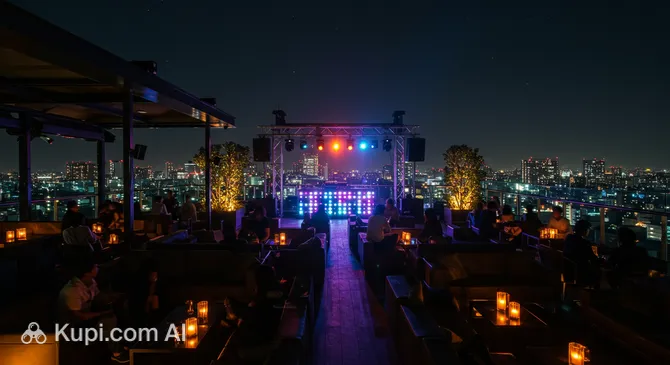
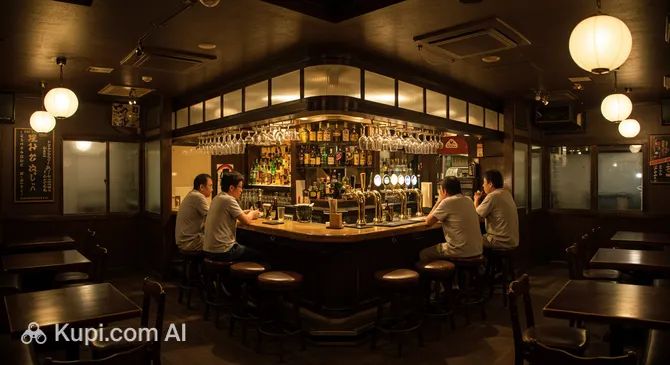
Nightlife in Koto is not concentrated in one specific block but is rather scattered across various parts, offering both traditional Japanese drinking establishments—izakayas—and modern bars and clubs. For example, beer lovers and those seeking a classic atmosphere might enjoy the Ginza Lion Beer Hall, which offers a wide selection of drinks. If you are drawn to a more modern and energetic setting, look into places like the club Mogra, known for its anime and game music focus, or Heaven's Gate Live Restaurant in Akihabara, where you can enjoy live performances in a unique atmosphere. The Akihabara district, which partially borders Koto, is famous for its themed cafes and clubs that attract young people and fans of Japanese pop culture.

Akihabara Heaven's Gate Live Restaurant. Illustration.
Source: Kupi.com AI

Traveler photos:

The atmosphere in Koto's night venues can vary greatly: from relaxed and friendly in small bars to lively and loud in clubs. The crowd is also diverse—from local residents to tourists. Most bars start coming to life in the early evening, while clubs usually fill up closer to midnight and stay open until the early morning, especially on weekends. The dress code in most places is quite casual, though some more upscale establishments may have their own requirements for appearance.

Ginza Lion Beer Hall. Illustration.
Source: Kupi.com AI

Traveler photos:

When planning your evening leisure, keep in mind that the best time to visit bars is after 7:00 PM - 8:00 PM, and clubs after 11:00 PM. Prices for drinks and entrance fees vary but generally align with Tokyo standards. You can reach your destination by metro; however, remember that public transport in Tokyo usually stops running around midnight. After that, the main mode of transport is taxis, which are easy to call or find at taxi stands.

MOGRA. Illustration.
Source: Kupi.com AI

Traveler photos:

Japan as a whole is considered a very safe country, and Koto is no exception. Night walks here are generally safe, though it is always wise to observe standard precautions, especially in crowded areas. Taxis in Tokyo are reliable and run on a meter, making them a convenient option for returning to your hotel late at night.

During the day, Koto also offers many interesting activities. You can immerse yourself in history by visiting the Samurai and Ninja Museum, or enjoy nature and tranquility in places like Hamarikyu Gardens. The district also features shopping centers, galleries, and parks where you can spend pleasant time before evening arrives.

Parks & Museums

The city of Koto, one of Tokyo's special wards, offers its guests a surprising combination of modern urban landscapes, peaceful green zones, and a rich cultural heritage. Everyone will find something for themselves here, from quiet gardens to fascinating museums and historical landmarks located both within the district and in its immediate vicinity.

Koto, a district with developed infrastructure and picturesque embankments, provides many opportunities for outdoor relaxation. Special attention should be paid to the famous Hamarikyu Gardens, which are easily accessible. These magnificent Edo-period landscape gardens, located at the edge of Tokyo Bay, offer visitors a respite from the city's hustle and bustle. Here you can stroll around the Shioiri-no-ike pond, whose water level changes with the tides, and enjoy a cup of tea in the traditional Nakajima-no-Ochaya teahouse. Additionally, within the Koto district itself, there are other beautiful green oases, such as the traditional Japanese garden Kiyosumi Teien with its picturesque pond and rare stones, as well as the spacious Kiba Park, ideal for family vacations and picnics.

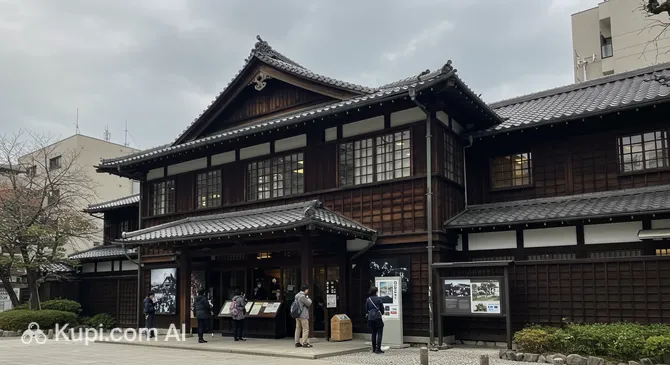
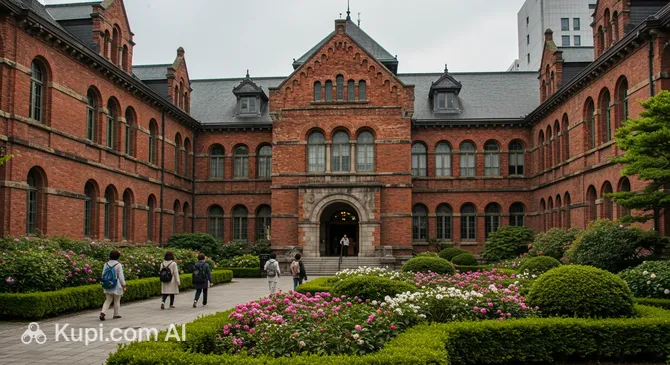
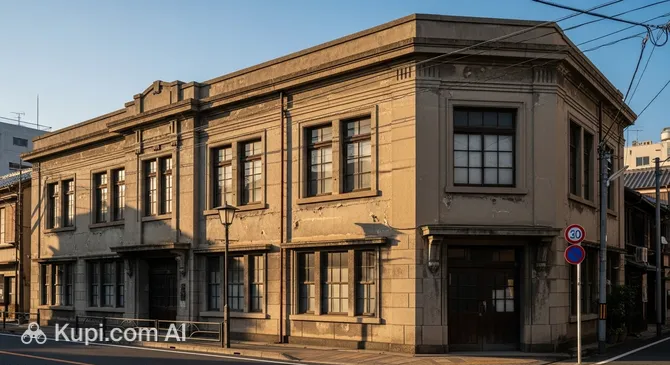
For lovers of history and art, Koto and nearby areas offer several interesting museums. Immerse yourself in the world of ancient warriors at the Samurai and Ninja Museum, where armor, weapons, and fascinating exhibitions tell the story of the lives and traditions of these legendary figures of Japanese history. Another noteworthy place is the Mitsubishi Ichigokan Museum, located in a reconstructed 19th-century building. Its collection focuses on Western art of the same period, creating an interesting dialogue of cultures.

Mitsubishi Ichigokan Museum. Illustration.
Source: Kupi.com AI

Traveler photos:

The cultural heritage of the region is also vividly represented in its architectural monuments, many of which are easily accessible from Koto. In the Asakusa district rises the famous Senso-ji Five-Story Pagoda, which is part of Tokyo's oldest temple complex. Nearby is the Asakusa Shinto Shrine, dedicated to the founders of the Senso-ji temple, attracting many pilgrims and tourists. For those interested in more modern architectural history, the Okuno Building in Ginza is worth noting—a 1930s residential building that has preserved the atmosphere of pre-war Tokyo.

Okuno Building. Illustration.
Source: Kupi.com AI

Traveler photos:

For authentic impressions, take a stroll along the numerous canals and embankments of Koto itself, which is historically connected to water and trade. Here you can find lesser-known but charming corners reflecting the local character and modern life of this dynamic Tokyo district. Also, pay attention to local markets where you can sample fresh seafood and immerse yourself in the daily life of the city's residents.

Getting Around

Getting around Koto and its surroundings is easy thanks to a well-developed public transport system. The core of the transport network consists of metro lines and JR urban trains, which connect Koto with other districts of the metropolis. Numerous stations ensure easy access to major attractions and residential quarters.

In addition to the metro and trains, city buses run in Koto, with routes covering corners that rail transport does not reach. Special mention should be made of the automated Yurikamome line, which offers picturesque views during a trip to Odaiba Island, partially located in Koto. River buses (water buses) are also popular, offering an alternative and pleasant way to travel along the waterways.

The payment system in Koto is very convenient. The most popular method is using rechargeable smart cards, such as Suica or Pasmo. These cards work on almost all types of transport and eliminate the need to buy a ticket every time. You can also purchase single tickets at station vending machines or various tourist passes, which grant the right to an unlimited number of trips for a certain period. The fare usually depends on the distance.

You can buy or top up a smart card at machines at most train and metro stations, as well as at airports. To pass through the turnstiles, simply tap the card against the reader at the entrance and exit. Single tickets are inserted into a special slot in the turnstile. Public transport usually operates from early morning (about 5:00 AM) until midnight or 1:00 AM. For route planning, it is recommended to use navigation apps that show schedules and optimal paths.

If you prefer a more individual approach, taxi services are available in Koto. They are easy to find at stations or call by phone/app, though this is a more expensive way to travel. In some areas, bicycle rentals are gaining popularity, which can be a great option for leisurely rides and exploring the surroundings. Car-sharing services also exist, but for tourists, they may be less convenient due to document requirements and parking specifics.

Accommodation

In **Koto**, one of Tokyo's special wards, travelers can find a wide range of accommodation options to suit various needs and budgets. The selection covers everything from budget-friendly hostels and guesthouses, ideal for backpackers, to comfortable mid-range hotels and modern apartments available for short-term rent that offer more space and a home-like feel.

When choosing a place to stay in **Koto**, it is worth paying attention to areas with good transport accessibility and proximity to sites of interest. Areas adjacent to Tokyo Bay are particularly popular with tourists. For example, Odaiba is famous for its numerous entertainment centers, large shopping complexes, futuristic architecture, and beautiful views. The Ariake district, which often hosts major exhibitions and sporting events, also offers modern hotels. Other parts of **Koto** can offer a quieter atmosphere and accommodation options in residential neighborhoods, from which it is nevertheless convenient to reach the central districts of Tokyo and its attractions.

The price range for housing in **Koto** is quite broad: from budget options to premium-class hotels. It is recommended to book accommodation in advance, especially if your trip is planned for the peak tourist season (such as cherry blossom season or autumn holidays) or coincides with major international events. The most common booking methods are popular international online platforms, as well as direct booking through official hotel websites. Although our current list does not include specific hotel examples in **Koto**, you will easily find many options using these resources.

Nearby Cities

For those looking to explore the surroundings, Koto serves as an excellent starting point for day trips to several interesting nearby locations:

CityPopulationDistance
Sumida270 8234 km
Chuo169 9954 km
Chiyoda67 0366 km
Taito210 5286 km
Minato260 4866 km

These nearby destinations offer a glimpse into the diverse culture and landscapes of the region.

Shopping & Souvenirs

Koto, as one of Tokyo's lively special wards, offers diverse shopping opportunities that reflect both modern trends and the rich traditions of Japan. While the district has its own retail outlets, it is also easy to reach the most famous shopping arteries and complexes of the capital from here. The city is famous for its wide choice of goods: from ultra-modern electronics and fashionable clothes to unique souvenirs and handmade items.

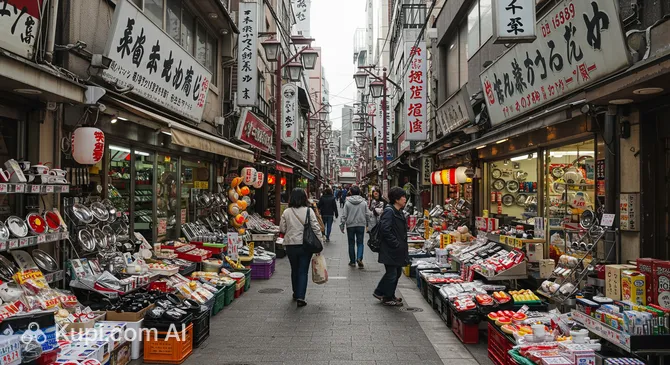
Among the iconic shopping spots conveniently accessible from Koto, several key areas stand out. Undoubtedly, a visit to Akihabara — Electric Town is a must; it is a true paradise for fans of technology, video games, anime, and manga. Here you can find the latest gadgets, rare collectible figures, and numerous themed shops. Another popular destination is Nakamise Shopping Street, leading to Senso-ji Temple. This historical street is filled with stalls offering traditional Japanese sweets, snacks, souvenirs, kimonos, and craft products. For those looking for high-quality Japanese kitchenware, from knives to ceramics, a visit to Kappabashi Street will be of interest.

Kappabashi Street. Illustration.
Source: Kupi.com AI

Traveler photos:

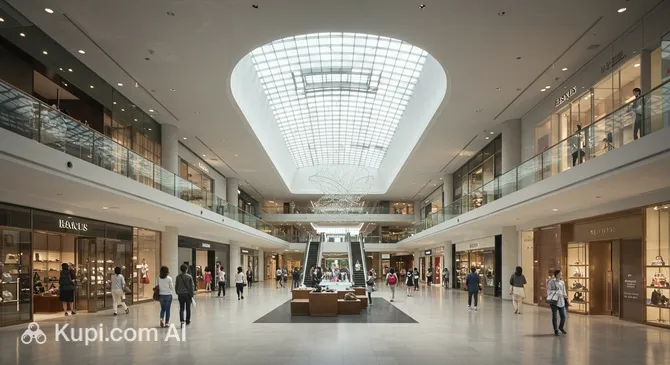
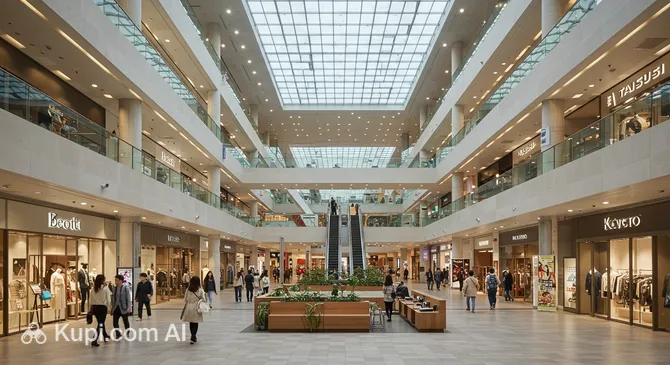
If you prefer shopping in modern malls, Tokyo will not disappoint. One such place is KITTE Marunouchi, located next to Tokyo Station. This complex elegantly combines historical architecture with modern design and offers a wide range of goods—from fashionable clothing and accessories to home goods and unique Japanese brands. Nearby is First Avenue Tokyo Station, which prominently features Tokyo Character Street, offering a huge selection of products featuring popular anime characters and Japanese mascots.

KITTE Marunouchi. Illustration.
Source: Kupi.com AI

Traveler photos:

First Avenue Tokyo Station. Illustration.
Source: Kupi.com AI

Traveler photos:

Although there are modern markets in Koto and its surroundings, such as the famous Toyosu fish market (in Koto itself), the aforementioned Nakamise Shopping Street possesses a special atmosphere of traditional commerce. Its many kiosks and shops create the feeling of a lively open-air market where you can not only buy souvenirs but also try local delicacies.

As souvenirs from Koto and Tokyo in general, it is worth bringing back traditional Japanese items: ceramics, fans, chopsticks, yukata, or kimono. Green tea and various Japanese sweets (wagashi) are also popular. Fans of modern culture will appreciate goods from Akihabara—character figures, manga, or unusual gadgets. Don't forget high-quality Japanese cosmetics and stationery, known for their design and functionality.

Most shops in Tokyo, including those easily accessible from Koto, are typically open from 10:00 AM or 11:00 AM to 8:00 PM or 9:00 PM. Large shopping centers may stay open longer. Credit cards (Visa, Mastercard, American Express) are widely accepted; however, cash (Japanese yen) is still very common and will come in handy in small shops, markets, or some restaurants. Contactless payments using IC cards (such as Suica or Pasmo) are also popular.

For foreign tourists in Japan, a Tax-Free system is in place. When making purchases over a certain amount (usually over 5,000 yen in one shop in one day) at stores marked with the "Tax-Free" sign, you can apply for a refund of the consumption tax. You will need to present your passport for this. The process usually takes place directly in the store at a special counter.

Reached the end of the page?

That means the route is fully explored