Support

Shinjuku

About

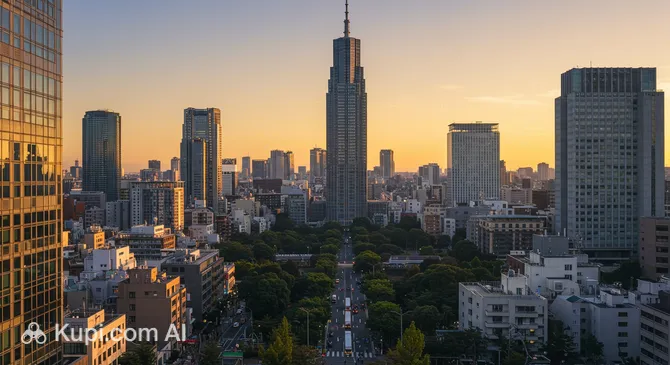
Shinjuku is more than just a district; it is a true city within a city, one of the most dynamic and exciting centers of Tokyo, Japan. It captures the imagination with its contrasts: futuristic skyscrapers stand alongside cozy traditional streets, and quiet gardens neighbor bustling entertainment quarters. It is a place where the energy of modern life meets centuries-old traditions, creating a unique atmosphere.

Shinjuku. Illustration.
Source: Kupi.com AI

Located in the western part of the Japanese capital, Shinjuku is one of Tokyo's major commercial, administrative, and entertainment hubs. This district never sleeps, offering its guests an endless variety of experiences 24/7. The climate here, as in Tokyo as a whole, is temperate with four distinct seasons, making it comfortable to visit at any time of year.

Among the iconic spots that make Shinjuku incredibly attractive to tourists is the magnificent Shinjuku Gyoen National Garden—an oasis of peace and beauty in the middle of the metropolis. Be sure to head up to the observation decks of the Tokyo Metropolitan Government Building, which offer breathtaking panoramic views of the city. In the evening, immerse yourself in the unique atmosphere of the narrow streets of the Golden Gai and Omoide Yokocho quarters (also known as "Memory Lane"), where numerous tiny bars and eateries serve authentic dishes and drinks.

Shinjuku is a place where everyone will find something to their liking: from shopping in giant department stores and boutiques to exploring hidden temples, and from enjoying fine dining to diving into the vibrant nightlife. A visit to Shinjuku will undoubtedly become one of the most vivid and unforgettable impressions of your trip to the Land of the Rising Sun.

You can find more interesting facts on the Shinjuku city history page.

Weather Overview

The climate in Shinjuku is characterized by clearly defined seasons. In the summer months, especially July and August, the average air temperature rises to 26–28°C; this period is marked by high humidity and frequent rains, with the number of days with precipitation reaching up to 15–17. In winter, from December to February, cooler and drier weather prevails, with average temperatures around 4–7°C and significantly less precipitation. Thus, expect a warm, humid summer and cool, drier winters. Spring and autumn are comfortable transitional seasons, ideal for visiting. For more detailed information about the weather by month, including precise data on precipitation and the number of sunny days, check out the Shinjuku Climate page.

Average monthly temperature

Average monthly precipitation

Interesting Facts

In addition to its world-famous skyscrapers and bustling streets, Shinjuku hides many surprising details and stories. Here are just a few interesting facts that will help you look at this district of Tokyo from a new perspective:

  • Shinjuku Station is not just a transport hub; it is the busiest railway station in the world. Every day, more than three and a half million passengers pass through it, a feat recorded in the Guinness World Records.

  • The name of the district, Shinjuku (新宿), literally translates to "new inn" or "new post station." It originated in 1698 when a new postal station was established here on the important Koshu Kaido road, one of the five major roads of the Edo period leading from the capital.

  • The famous Golden Gai quarter, known for its tiny bars and old Tokyo atmosphere, miraculously survived during the district's intensive redevelopment. Many of its 200+ establishments are so small they can accommodate no more than 5–10 patrons at a time.

  • The majestic Shinjuku Gyoen park, which is now a national garden, was originally a private residence of a powerful daimyo (feudal lord) during the Edo period. Later, it became an imperial garden and was only opened to the general public after World War II, in 1949.

How to Get There

The most convenient way to reach Shinjuku, one of Tokyo's key and busiest districts, is by air via one of the two main international airports serving the capital of Japan. These airports are excellently connected to the city center by various modes of transport.

The primary and closest airport is Haneda Airport (HND). It is located within Tokyo city limits, only about 17.2 km south of Shinjuku. This major international airport handles many domestic and international flights. A trip from Haneda to Shinjuku by taxi or a special airport limousine bus will take approximately 45–60 minutes, depending on traffic. Convenient rail routes are also available, such as the Keikyu Line to Shinagawa Station followed by a transfer to the JR Yamanote Line, which goes directly to Shinjuku Station.

The second major international air hub is Narita International Airport (NRT). Located in Chiba Prefecture, about 62.3 km east of Shinjuku, it handles the majority of international flights to Tokyo. The fastest and most comfortable way to get from Narita to Shinjuku is the Narita Express (N'EX) train, which takes you directly to Shinjuku Station in about 80–90 minutes. Limousine buses also run between the airport and various points in Shinjuku; the journey takes about 1.5–2 hours depending on traffic.

While there are other more distant airports, such as Ibaraki Airport (located in Ibaraki city, about 84 km away) or Shizuoka Airport (in Shizuoka city, about 170.5 km away), most tourists heading to Shinjuku choose Haneda or Narita due to their developed infrastructure and convenient transport links to central Tokyo.

For your convenience, here is summary information on the main airports that can be used for a trip to Shinjuku:

AirportPassenger trafficDistance
Haneda Airport85.7 mln17 km
Narita International Airport40.8 mln62 km
Ibaraki Airport776 06384 km
Matsumoto Airport112 618169 km
Shizuoka Airport691 274171 km

Main Attractions

Shinjuku offers an incredible variety of attractions capable of satisfying the tastes of any traveler. From serene gardens to dizzying skyscrapers and atmospheric alleys, everyone will find something for themselves while exploring this iconic district of Japan.

One of the district's main gems is the Shinjuku Gyoen National Garden. This vast park, once an imperial residence, uniquely combines three different styles: French Formal, English Landscape, and a traditional Japanese garden. It is the perfect place for a peaceful walk, admiring seasonal flowers—especially cherry blossoms in spring and the vibrant colors of maples in autumn—as well as for a much-needed break from the city bustle.

For those who want to see Shinjuku and all of Tokyo from a bird's-eye view, a visit to the Tokyo Metropolitan Government Building is a must. Its two impressive twin towers offer free observation decks located at a height of 202 meters. From here, breathtaking panoramic views of the sprawling metropolis below open up, and on clear days, lucky visitors can even spot the majestic silhouette of Mount Fuji on the horizon.

Fans of authentic atmosphere and colorful nightlife should definitely stop by Golden Gai. This iconic quarter is a labyrinth of several narrow alleys packed with tiny two-story bars and eateries. Many of these establishments have preserved their look and atmosphere from post-war Japan, attracting both locals and tourists with their unique, slightly nostalgic aura and the chance to socialize in an intimate, friendly setting.

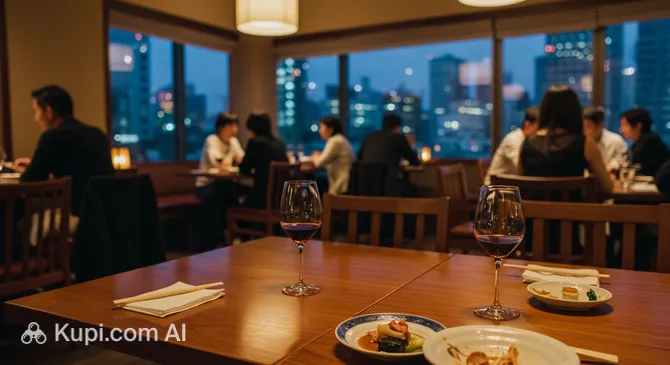
In addition to iconic landmarks, Shinjuku is famous for its diverse gastronomic scene. One notable place to enjoy a meal is Edmont Restaurant. This establishment offers its visitors a pleasant atmosphere and quality service, making it a good choice for lunch or dinner while exploring this dynamic and multifaceted district of Tokyo.

Edmont Restaurant. Illustration.
Source: Kupi.com AI

Traveler photos:

Local Cuisine

Shinjuku is a true paradise for foodies, offering an incredible gastronomic variety that can satisfy any taste and budget. This bustling district of Tokyo is famous for its culinary scene, where modern trends harmonize with centuries-old traditions of Japanese cuisine. From fine dining restaurants to cozy street stalls, a gastronomic journey through Shinjuku promises to be unforgettable.

Be sure to try the famous Japanese ramen—in Shinjuku, you will find countless establishments, each offering its own unique version of this hearty noodle soup. From classic Tonkotsu (rich pork bone broth) to light Shoyu (soy sauce) or savory Miso, the choice is vast. Another iconic dish not to be missed is yakitori (grilled chicken skewers) or kushiyaki (various skewered foods). These are especially pleasant to sample in atmospheric alleys like Omoide Yokocho. Of course, don’t forget the freshest sushi and sashimi, as well as crispy tempura.

Accompany your meal with traditional Japanese drinks. For alcoholic options, look out for sake (rice wine), shochu (a strong distilled spirit), local beer (such as Asahi, Kirin, Sapporo), or popular highballs (whisky with soda). For those who prefer non-alcoholic options, there is always fragrant green tea (matcha or sencha), the refreshing Calpis drink, or various lemonades.

The dining culture in Shinjuku is multifaceted. Here you will find restaurants for every taste—from Michelin-starred venues to small family-run establishments like Edmont Restaurant, which offers a pleasant atmosphere for lunch or dinner. Immerse yourself in the authentic atmosphere of an izakaya—Japanese pubs that serve various snacks with drinks. Don’t pass by the narrow streets of the Golden Gai and Omoide Yokocho quarters, where tiny bars and eateries with unique character are concentrated. It’s also worth visiting depachika—food halls in the basement levels of large department stores (such as Isetan or Takashimaya), where you can find delicacies, sweets, and high-quality ready-made meals.

Shinjuku's gastronomic scene attracts tourists with its incredible diversity, authenticity, and the opportunity to experience true Japanese culture through food. Whether it's a quick snack in a busy alley, a thoughtful sake tasting, or a dinner in a restaurant with a panoramic view, Shinjuku offers a unique culinary experience that will be a highlight of your trip to Japan.

Travel Tips

Planning a trip to Shinjuku, one of Tokyo's most dynamic districts? To ensure your journey to this corner of Japan goes smoothly and leaves only vivid impressions, we have prepared some practical tips. They will help you better navigate this amazing place.

  1. Clothing and Essentials:

    The climate in Shinjuku, as in all of Tokyo, is temperate with distinct seasons. In summer (June–August), it is hot and humid, so choose light, breathable clothing. In winter (December–February), it can be chilly, sometimes with snow, so warm clothes, including a hat and gloves, will be useful. Spring and autumn are the most comfortable seasons with pleasant temperatures. The key tip is layering, as the weather can change. Be sure to bring comfortable shoes, as you will be walking a lot! Don't forget an adapter for electronics (Type A sockets with two flat pins are used in Japan, 100V). When visiting temples or traditional restaurants, you may be required to remove your shoes, so clean socks are a good idea.

  2. Transport in Shinjuku:

    The most convenient way to move around Shinjuku and Tokyo is by public transport. Shinjuku Station is a giant transport hub served by JR lines, private railways, and the metro. Study the map in advance or use navigation apps. For ease of payment, purchase rechargeable Suica or Pasmo cards. Taxis in Tokyo are quite expensive but can be useful for short trips at night or with luggage; taxi apps (e.g., Go, DiDi) are available. Renting a car in Tokyo is generally not recommended for tourists due to heavy traffic, parking difficulties, and the excellently developed public transport system.

  3. Finances and Expenses:

    The local currency is the Japanese Yen (JPY). You can exchange money at the airport, banks, or specialized exchange offices in the city. Credit and debit cards (Visa, Mastercard) are accepted in many hotels, large stores, and restaurants, but cash is still very important, especially in small establishments, markets, and temples. ATMs accepting international cards are easy to find in convenience stores (7-Eleven, Family Mart) and post offices (JP Post). A typical daily budget can range from 8,000 to 15,000 JPY per person (excluding accommodation and expensive entertainment), but this amount varies greatly. Tipping is not practiced in Japan and may be perceived as impolite.

  4. Health and Safety:

    Japan is one of the safest countries in the world, and Shinjuku is no exception. However, as in any major metropolis, basic precautions should be observed. Be particularly attentive in busy areas like Kabukicho late at night and beware of persistent street touts. Pharmacies (薬局, kusuri-ya) are easy to find, but the range of medications may differ from what you're used to, so it’s better to bring necessary prescription drugs with you. Medical care for tourists can be expensive, so having travel insurance is mandatory. Emergency numbers: Police – 110, Ambulance and Fire Service – 119.

  5. Communication and Internet:

    The official language is Japanese. In Shinjuku's tourist zones, hotels, and major stations, staff often speak English, but knowing a few basic Japanese phrases (e.g., "Konnichiwa" – Hello, "Arigato" – Thank you, "Sumimasen" – Excuse me/I'm sorry) will be very helpful and appreciated by locals. For constant internet access, consider buying a local SIM card, renting a pocket Wi-Fi router (can be done at the airport or ordered online in advance), or using an eSIM. Free Wi-Fi is available in many hotels, cafes, shopping centers, and stations. Useful apps: Google Maps (for navigation), HyperDia or Jorudan (for planning public transport routes), Gurunavi or Tabelog (for finding restaurants).

  6. Local Etiquette:

    Japanese people highly value politeness and respect for social norms. Bowing is a traditional form of greeting, but for tourists, a light nod of the head is usually sufficient. In public transport, try to be quiet and avoid talking loudly on the phone. Eating and drinking while walking may be considered impolite in some places; it's better to stop and have your snack. It is important to remove your shoes when entering private homes, some temples, traditional restaurants, and ryokans (Japanese-style inns). Pay attention to signs and the behavior of those around you.

  7. What to Avoid:

    Do not stick your chopsticks vertically into rice—this is associated with funeral rituals. Also, try not to point at people or objects with your chopsticks and do not pass food from chopsticks to chopsticks. Avoid loud conversations, especially on public transport or in quiet places. Do not litter—always look for bins (they can be scarce) or carry your trash with you.

  8. Special Advice for Shinjuku:

    Don't be afraid to get "lost" in Shinjuku Station! It is the busiest railway station in the world, and its scale can be overwhelming at first. Treat it as part of the adventure. Use the numerous signs (often duplicated in English) and don't hesitate to ask station employees for help. Each of the dozens of exits leads to a unique part of Shinjuku—from the skyscraper district with the Tokyo Government Building to the atmospheric alleys of Golden Gai and Omoide Yokocho ("Memory Lane").

Shinjuku is a true kaleidoscope of impressions, a city within a city that never sleeps. We hope these tips help you feel more confident and enjoy every moment of your stay in this incredible district of Tokyo. Have a great trip!

Entertainment & Nightlife

When the sun sets over Tokyo, Shinjuku transforms into one of the most vibrant and lively nightlife centers not only in Japan but in the entire world. This district offers entertainment for every taste and budget, from tiny atmospheric bars to massive nightclubs and neon-lit streets.

The heart of Shinjuku's nightlife is undoubtedly Kabukicho—the famous "red-light district," which, however, offers much more than its controversial reputation suggests. Here you will find countless restaurants, karaoke bars, pubs, game centers, and nightclubs. The atmosphere is always buzzing, and the crowd is incredibly diverse, from locals to tourists from all over the world. Most establishments in Kabukicho stay open until late at night or even until morning. The dress code is usually casual, though some elite clubs may have their own requirements.

For a more authentic and intimate experience, head to Golden Gai. This labyrinth of six narrow streets is dotted with tiny bars, each accommodating only a handful of patrons. Many have their own unique themes and regular customers. It’s a great place to sip sake or shochu and chat with locals. Keep in mind that some bars may charge a cover fee, and photography inside is often discouraged. Nearby is Omoide Yokocho ("Memory Lane" or "Piss Alley"), famous for its yakitori stalls where you can eat delicious and inexpensive food in an old Tokyo atmosphere, often staying open until late evening.

Another iconic area is Shinjuku Ni-chome, known as one of the largest and most open gay quarters in the world. It features a huge concentration of bars, clubs, and cafes friendly to the LGBTQ+ community, creating a vibrant and inclusive atmosphere.

Practical Tips: The best time to dive into Shinjuku's nightlife is after 8:00–9:00 PM when most places come to life. Prices vary: a beer in a regular bar might cost 500–800 yen, and cocktails start from 800 yen up. Clubs often have an entrance fee, especially on weekends (2,000–4,000 yen, sometimes including a drink). Public transport (metro and trains) usually stops running around midnight, so plan your route in advance or be prepared to take a taxi, which is quite expensive in Tokyo. Taxi apps like Go or DiDi can be useful. Shinjuku is generally safe for nighttime walks, but as in any major city, it's worth keeping an eye on your belongings, especially in busy areas like Kabukicho, and avoiding persistent street touts.

Edmont Restaurant. Illustration.
Source: Kupi.com AI

Traveler photos:

If you're looking for a dinner spot that can seamlessly transition into an evening out, Shinjuku offers plenty of options. For instance, Edmont Restaurant offers refined cuisine and a pleasant atmosphere. Beyond that, you will find countless restaurants offering both Japanese and international cuisine, many of which are open until late.

While Shinjuku is famous for its nightlife, there is plenty to do during the day as well. You can visit numerous shopping centers like Isetan or Takashimaya, go up to the Tokyo Metropolitan Government Building observation deck for a panoramic view of the city (free entry), stroll through the Shinjuku Gyoen National Garden, or visit one of the theaters or cinemas. For families, themed cafes and large game centers are great options.

Parks & Museums

Shinjuku is not only a dizzying center of modern urban life in Japan but also a place where you can find surprising corners of tranquility and touch a rich cultural heritage. The district offers both vast green areas for relaxation and fascinating museums revealing different facets of Japanese history and art.

One of the district's primary gems is undoubtedly the Shinjuku Gyoen National Garden. These are former imperial gardens that today represent a magnificent combination of three different styles: English Landscape, French Formal, and traditional Japanese garden. Shinjuku Gyoen is the perfect place for leisurely walks and admiring seasonal flowers, especially cherry blossoms in spring and the vibrant colors of autumn. Here you can escape the city bustle and enjoy nature in the very heart of the metropolis. Another popular park is Shinjuku Central Park (Shinjuku Chuo Koen), located near the skyscrapers of the district's western side. This is a more modern city park, popular among locals for lunch breaks and sports; various events and festivals are also held here occasionally.

For those interested in culture and history, Shinjuku offers several notable museums. The Samurai Museum immerses visitors in the world of Japanese warriors, showcasing a collection of armor, swords, and other artifacts. Sword demonstrations and lectures are often held here, making the visit particularly educational. Contemporary art fans shouldn't miss the Yayoi Kusama Museum, dedicated to the work of the world-famous Japanese artist. The exhibitions featuring her signature pumpkins and polka-dot installations leave a lasting impression. Families with children might enjoy the Tokyo Toy Museum, located in the Yotsuya area (part of Shinjuku), which features an extensive collection of both traditional Japanese and modern toys from around the world, many of which can be touched and played with.

Among the architectural and historical landmarks, the Tokyo Metropolitan Government Building stands out; its free observation decks offer a breathtaking panoramic view of Tokyo, and on clear days, you can even see Mount Fuji. For a more secluded introduction to the spiritual side of Japan, you can visit Hanazono Shrine—an ancient Shinto sanctuary hidden among the busy streets. It is an oasis of peace where you can observe local rituals and find spiritual rest.

Tip for the curious: in addition to large museums, Shinjuku is home to many small private galleries showcasing works by contemporary artists. Also, keep an eye out for seasonal exhibitions and festivals often held in parks and cultural centers—these are wonderful opportunities to see Shinjuku through the eyes of locals and gain unique experiences.

Getting Around

Getting around Shinjuku and its surroundings is an experience in itself, thanks to one of the most developed and efficient public transport systems in the world. The central hub is Shinjuku Station, recognized as the busiest railway station on the planet, with millions of passengers passing through daily. Despite its scale, the system is well-organized and understandable with a bit of preparation.

The main modes of transport you will use in Shinjuku are trains and the metro. Shinjuku Station serves numerous lines of Japan Railways (JR East), including the famous Yamanote loop line, as well as several private railway companies (e.g., Odakyu, Keio, Seibu) and metro lines (Tokyo Metro Marunouchi Line, Toei Shinjuku Line, Toei Oedo Line). This dense network allows you to reach almost any point in Tokyo and beyond. Buses also run through Shinjuku, serving more local routes, but for most tourist travel, trains and the metro will be faster and more convenient.

The fare payment system in Shinjuku, as in all of Tokyo, is very convenient thanks to the use of rechargeable IC cards, such as Suica or Pasmo. These cards can be purchased at station vending machines or ticket offices and topped up as needed. They are used to pay for travel on most trains, metro lines, and buses with a simple tap on the gate or validator. Additionally, IC cards are accepted for payments in many shops, beverage vending machines, and even some restaurants. Single tickets are also available, but if you plan to move around a lot, an IC card will save you significant time and effort. Fares depend on the distance; a short trip on the metro or train usually starts from 150–200 yen. There are also various day passes (e.g., Tokyo Subway Ticket for 24, 48, or 72 hours), which can be advantageous if you plan to use the metro very actively during a specific period.

Practical tips for tourists: Tickets and IC cards can be purchased at station machines (many have an English interface) or at ticket counters. To validate an IC card, simply tap it against the reader on the gate when entering and exiting the station. If you use a paper ticket, insert it into the slot in the gate upon entry and don't forget to take it back; upon exit, the ticket will remain in the gate. Public transport in Tokyo operates very intensively, usually from 5:00 AM until about midnight or 1:00 AM. During rush hours (mornings and evenings on weekdays), trains and the metro can be extremely crowded. Navigating the massive Shinjuku Station can seem daunting, but there are signs everywhere (including in English), and you can always ask station staff for help. Use navigation apps like Google Maps, HyperDia, or Jorudan to plan routes and check schedules.

Alternative ways to get around include taxis. They are clean and safe but quite expensive, especially at night. Payment is usually made in cash or by credit card. Taxi hailing apps (e.g., Go, DiDi) are also available. Bicycle rentals exist, but for traveling across all of Shinjuku and Tokyo, they may be less practical due to distances and heavy traffic. Renting a car is generally not recommended for tourists in Tokyo due to parking difficulties, left-hand traffic, and the excellently developed public transport network.

Accommodation

Shinjuku offers travelers an incredibly wide selection of accommodation options to suit any preference and budget. Here you will find everything: from luxury five-star hotels with breathtaking views from skyscraper windows and comfortable mid-range hotels to more budget-friendly options like modern hostels, unique Japanese capsule hotels, and short-term rental apartments. Some establishments may even offer the experience of staying in a ryokan—a traditional Japanese inn—though they are less common in this ultra-modern district of Japan.

Choosing an area to stay in Shinjuku depends on your plans. West Shinjuku (Nishi-Shinjuku), the business center with high-rise buildings, offers many large hotels from well-known chains, ideal for those who value comfort and proximity to business sites. East Shinjuku (Higashi-Shinjuku), including the lively Kabukicho area and the Golden Gai vicinity, is more saturated with entertainment, restaurants, and shops; here you can find mid-range and budget hotels. Direct proximity to Shinjuku Station guarantees excellent transport accessibility but can be quite noisy. For a quieter stay, consider the areas adjacent to Shinjuku Gyoen park, where you can find cozy boutique hotels and apartments.

The price range for accommodation in Shinjuku is quite broad: from a few thousand yen per night in a hostel or capsule hotel to tens or even hundreds of thousands of yen for luxury suites. Most hotels offer various room categories, allowing you to find the best option. It is most convenient to book accommodation through popular international online platforms, official hotel websites, or travel agencies. Key tip: during peak seasons, such as cherry blossom time (spring) or the autumn leaf viewing period (momiji), as well as during major holidays, accommodation in Shinjuku is in high demand. Therefore, it is strongly recommended to book in advance to ensure the best choice and better prices.

Nearby Cities

For those who want to explore the surroundings, Shinjuku serves as an excellent starting point for day trips to several interesting nearby places:

CityPopulationDistance
Honcho641 4993 km
Shibuya235 1934 km
Toshima297 9544 km
Nakano341 0144 km
Bunkyo240 0695 km

For example, a trip to Tokyo, which is just a few kilometers away, allows for a deeper exploration of this vast metropolis, providing access to world-famous landmarks such as the Imperial Palace, the vibrant Shibuya district, or numerous themed quarters and museums. Setagaya, in turn, offers a more relaxed pace: this green district is known for its parks like Kinuta Park, cozy cafes, and the opportunity to see the daily life of Tokyoites away from the tourist crowds by visiting, for instance, Gotokuji Temple with its famous Maneki-neko cat figurines.

These nearby destinations provide insight into the region's diverse culture and landscapes, complementing the experience of staying in Shinjuku itself.

Shopping & Souvenirs

Shinjuku is a true paradise for shopping enthusiasts, one of the main commercial centers not only in Tokyo but in all of Japan. Here you will find absolutely everything: from massive department stores and flagship stores of global brands to specialized boutiques, electronics shops, and unique little stalls with local goods. Shinjuku is famous for its incredible variety, offering products for every taste and budget.

The main shopping areas in Shinjuku are considered to be the districts around the East and South exits of Shinjuku Station. At the East Exit (Higashi-guchi), giants such as Isetan and Marui (OIOI) are concentrated, along with major electronics stores like Bic Camera and Yodobashi Camera. Numerous fashion, cosmetics, and accessory shops are also located here. The South Exit area (Minami-guchi) is known for the Takashimaya Times Square complex, the Lumine department store, and the Kinokuniya bookstore. Strolling through these streets is an exciting activity in itself, immersing you in the atmosphere of Tokyo shopping.

Shinjuku is home to several iconic shopping centers. Isetan Shinjuku is a legendary department store known for its exquisite selection of goods, especially in the fashion and gourmet food departments (the famous "depachika" basement floor). Takashimaya Times Square is a massive complex including the Takashimaya department store, the Tokyu Hands home and hobby store, and a large bookstore. The Lumine department store chain (Lumine Est, Lumine 1, Lumine 2), directly connected to Shinjuku Station, is very popular with young people due to its wide selection of fashion brands.

While Shinjuku is not famous for traditional street markets in the classic sense, the food floors of department stores, known as "depachika", are true gastronomic treasure troves. Here you can find an incredible variety of ready-made dishes, fresh produce, sweets, tea, and delicacies from around the world, beautifully packaged and of the highest quality. It’s an excellent place to buy edible souvenirs or simply admire the culinary art.

Great souvenirs to bring from Shinjuku include traditional Japanese products: ceramics, fans, textiles, green tea, and wagashi sweets. Fans of modern Japanese culture will appreciate anime and manga-related goods, character figurines, as well as unique Japanese stationery and cosmetics. Electronics stores offer the latest gadgets, though it’s worth paying attention to voltage compatibility and warranty terms. In stores like Tokyu Hands or Loft, you can find many original Japanese household items, gifts, and souvenirs for every taste.

Most large stores and shopping centers in Shinjuku operate approximately from 10:00 or 11:00 AM to 8:00 or 9:00 PM. Some smaller shops may have their own schedule. Credit cards (Visa, Mastercard, JCB, American Express) are widely accepted, but it is always useful to have some cash on hand, especially for purchases in small shops or some restaurants. Transport IC cards (Suica, Pasmo) are also widely used for payments in stores and vending machines.

For foreign tourists in Japan, a Tax Free system is available. Most major department stores and many shops in Shinjuku participate in this program. Usually, to process a tax refund (8% or 10% depending on the item category), you need to make a purchase of over 5,000 yen (excluding tax) in one store within one day. Look for the "Tax-Free Shop" sign. You will need your passport for processing. The refund procedure usually takes place at a special Tax Free counter in the store or directly at the checkout.
Reached the end of the page?

That means the route is fully explored