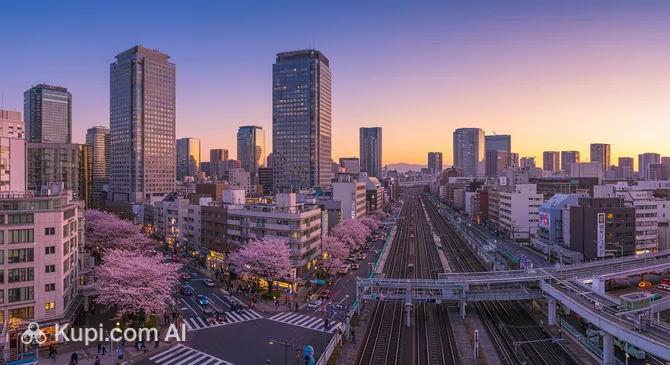
Shinagawa is a fascinating destination where the modern rhythm of a metropolis harmoniously intertwines with historic charm. Located in southern Tokyo on the scenic shores of Tokyo Bay, this district serves as one of the main gateways to the capital of Japan. Shinagawa is known for its dynamic atmosphere, yet it preserves pockets of tranquility and traditional comfort.
With a population of approximately 415,000, Shinagawa is not only a major transportation hub—serving Shinkansen high-speed trains and routes from Haneda and Narita airports—but also an important business and cultural center. Here, modern skyscrapers stand alongside traditional shops, ancient temples, and well-maintained parks, creating a unique local character.
Shinagawa. Illustration.
Source: Kupi.com AI
Shinagawa offers tourists much more than just convenient transport links. Key attractions include the famous Shinagawa Aquarium, where you can discover a diverse range of marine life, and numerous historic temples that preserve centuries-old traditions. Special attention should be given to Tennozu Isle, which has transformed into a trendy art space with galleries, stylish cafes, and waterfront restaurants. History buffs will appreciate walking along ancient routes, while foodies can indulge in the delights of local cuisine.
Shinagawa charms with its versatility: here you can feel the spirit of old Edo, enjoy contemporary art, and immerse yourself in a gastronomic journey. This district of Tokyo is undoubtedly worth including in your itinerary to discover its unique facets.
The weather in Shinagawa is characterized by distinct seasons. Summer, especially in July and August, is quite hot, with average temperatures ranging from 26-28°C. Maximum daytime temperatures during this period average 29.3°C in July and can reach 30.6°C in August. Summer sees the highest number of days with precipitation (15-16 days per month), although the precipitation itself is usually light (averaging 4-7 mm). Winters, conversely, are cool: the average temperature in January is about 4.8°C, and in December about 7.0°C, with minimum temperatures approaching zero (for example, 0.5°C in January). The winter months, especially December and January, are the driest of the year, with very little precipitation (1-2 mm). Spring and autumn are transitional seasons with gradual temperature changes and also light precipitation (averaging 3-7 mm).
Overall, expect hot summers with frequent but light rain in Shinagawa, and cool, relatively dry winters. For more detailed information, please check the Shinagawa climate page.
Average monthly temperature
Average monthly precipitation
Interesting Facts
Beyond its modern skyscrapers and bustling transport hubs, Shinagawa hides many surprising stories and unique locations that not all tourists know about. Here are some interesting facts that will help you see this Tokyo district in a new light:
Odaiba Marine Park. Illustration.
Source: Kupi.com AI
Traveler photos:
Historically, Shinagawa was not just a district but the first and very important post station on the legendary Tokaido road, which connected Edo (the old name for Tokyo) with Kyoto. Daimyo, samurai, and merchants stopped here to rest, and local teahouses and inns still preserve the legends of those times.
Shinagawa is home to the ancient Shinagawa Jinja Shrine, founded back in 1187. Its main highlight is the "Fujizuka"—a miniature replica of Mount Fuji created from volcanic stones brought from the real mountain. Climbing this man-made peak symbolizes a pilgrimage to the sacred Mount Fuji without leaving the city limits.
An amazing transformation took place on Tennozu Isle: this former industrial zone has turned into one of the trendiest art spaces in Shinagawa and all of Tokyo. Today, you can find contemporary art galleries, outdoor installations, designer shops, and cozy cafes overlooking the canals, as well as flea markets with vintage finds.
Shinagawa can boast that many famous Japanese writers, artists, and cultural figures lived and worked here. The district continues to maintain its reputation as a cultural hub today through numerous galleries, theaters, and educational initiatives, attracting creative people from across the country.
How to Get There
Getting to Shinagawa, one of Tokyo's key transport and business districts, is quite simple thanks to Japan's advanced transportation infrastructure. The main methods are by air followed by a transfer, or by train, as Shinagawa itself is a major railway hub.
Air travel is one of the most popular options for international tourists wishing to visit Shinagawa. Several airports serve the region, offering convenient transfer options to this lively Tokyo district.
The main gateway for those arriving in Shinagawa is Haneda Airport (HND). This major international airport, one of the busiest in the world, is located in Tokyo, just 7.7 km from Shinagawa, making it extremely convenient. You can reach Shinagawa very quickly from here: a trip on the Keikyu Line train to Shinagawa Station takes only about 15-20 minutes. Alternatively, a taxi or limousine bus will get you there in approximately 20-40 minutes, depending on traffic.
Another important international aviation hub is Narita International Airport (NRT). It is also located in Tokyo but is significantly further from Shinagawa—about 61.8 km away. Despite the distance, transport links are well-established. The most convenient way to reach Shinagawa is the Narita Express (N'EX), which will take you directly to Shinagawa Station in about 70-90 minutes. A bus or taxi ride will take longer, ranging from 1.5 to 2.5 hours.
For travelers considering more remote or budget options, Ibaraki Airport (IBR) may be relevant. This small airport is located in Ibaraki city, about 88.6 km northeast of Shinagawa. Buses run from Ibaraki Airport to central Tokyo (for example, to Tokyo Station), taking about 1.5-2 hours. From there, it is easy to reach Shinagawa via local trains.
For clarity, here is a summary of the main airports that can be used for a trip to Shinagawa:
Shinagawa itself is a crucial railway junction. Shinagawa Station is not just a stop, but a massive transport hub served by Shinkansen high-speed lines (including the Tokaido Shinkansen connecting Tokyo with Nagoya, Kyoto, and Osaka), numerous Japan Railways (JR East) lines, and the private Keikyu line providing direct access to Haneda Airport. Because of this, arriving in Shinagawa by train from other cities in Japan or directly from the airports is very convenient and often the preferred way to travel around the country.
Main Attractions
Shinagawa, one of Tokyo's special wards, offers tourists a wealth of interesting spots, from modern entertainment complexes to quiet parks and unique museums. Everyone will find something to their liking here when planning a trip to Japan.
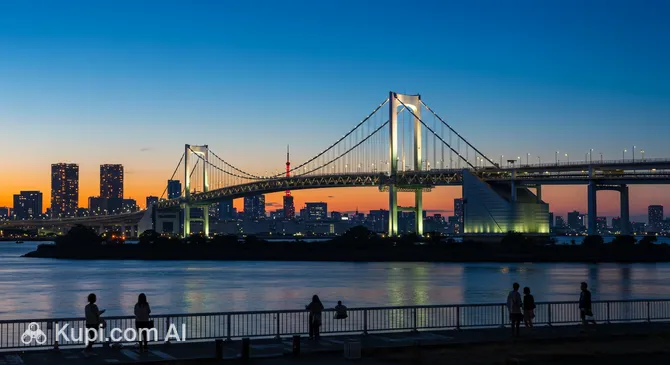
One of the most recognizable landmarks is the Rainbow Bridge. This majestic suspension bridge connects Shinagawa with the artificial island of Odaiba and is especially beautiful in the evening when its multicolored illumination is turned on. The bridge and its surroundings offer breathtaking views of Tokyo Bay and the city skyline, making it a popular spot for walks and photography.
Rainbow Bridge. Illustration.
Source: Kupi.com AI
Traveler photos:
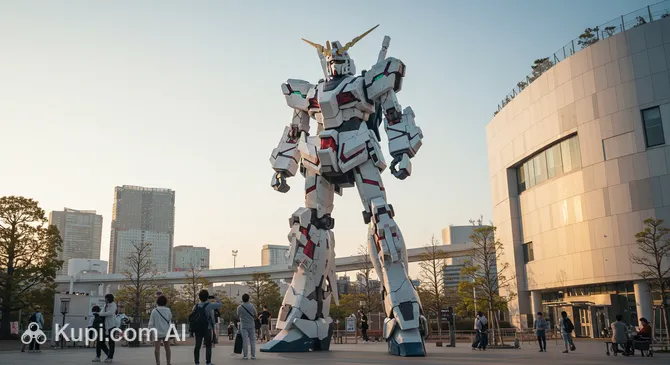
Fans of anime and modern Japanese culture should definitely see the Unicorn Gundam Statue in Odaiba. This enormous, highly detailed robot statue from the popular anime series is impressive in its scale and periodically transforms, attracting crowds of fans and curious tourists.
Unicorn Gundam Statue. Illustration.
Source: Kupi.com AI
Traveler photos:
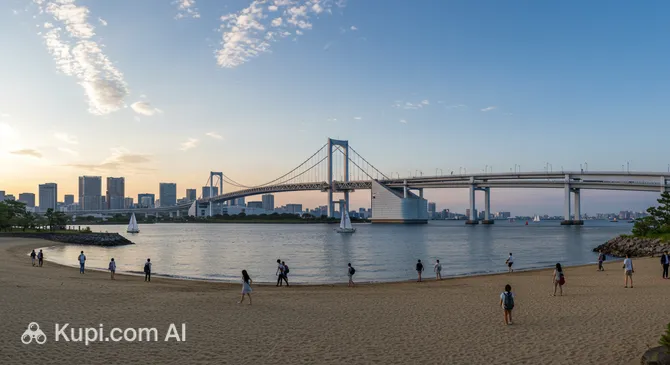
For those seeking a more relaxed outdoor experience, Odaiba Marine Park is ideal. Located on the shores of Tokyo Bay, this park offers a sandy beach (though swimming is usually not recommended), walking paths, and magnificent views of the Rainbow Bridge and central Tokyo. It is a great place for a picnic or simply to relax and enjoy the sea breeze.
Odaiba Marine Park. Illustration.
Source: Kupi.com AI
Traveler photos:
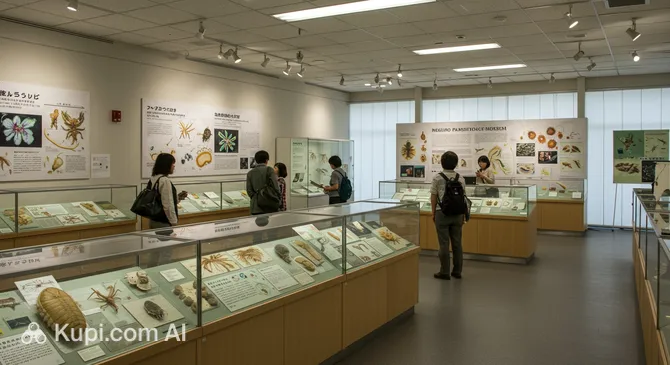
If you are looking for something truly unusual, visit the Meguro Parasitological Museum. It is the only museum in the world entirely dedicated to parasites. Despite its specific theme, the museum is popular for its unique and educational exhibits, presenting the world of parasites from a scientific perspective. This place is sure to leave a lasting impression.
Meguro Parasitological Museum. Illustration.
Source: Kupi.com AI
Traveler photos:
Another beautiful spot, especially during the cherry blossom season, is the Meguro River Cherry Blossom Promenade. Hundreds of cherry trees planted along the river create an incredibly picturesque pink corridor in spring. The evening illumination of the trees during cherry blossom festivals adds a special romantic atmosphere to this location.
Local Cuisine
Shinagawa is a true paradise for gourmands, offering an exciting journey into the world of Japanese cuisine. Thanks to its proximity to Tokyo Bay, you can always enjoy the freshest sushi and sashimi, which are the hallmarks of local gastronomy. Shinagawa harmoniously combines centuries-old culinary traditions with modern gastronomic trends, making every dish special.
Among the signature treats you should definitely try are omiyage—traditional snacks such as sweets, cookies, and rice crackers that locals and tourists often buy as souvenirs. These are handmade according to ancient recipes. On busy streets and in small cafes, you will find popular Japanese street foods: yakitori (flavorful chicken skewers) and takoyaki (appetizing batter balls with octopus pieces). These dishes perfectly capture the city's atmosphere and allow for a quick and tasty snack.
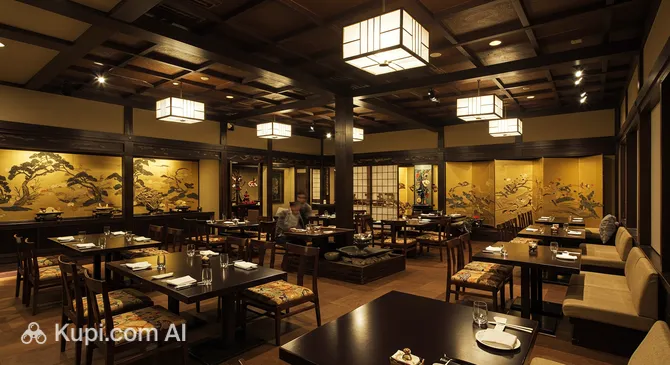
Gajoen Tokyo. Illustration.
Source: Kupi.com AI
Traveler photos:
The food culture in Shinagawa is diverse. Locals and visitors can choose from numerous restaurants, ranging from traditional Japanese eateries to modern establishments. For example, Tennozu Isle is home to restaurants where chefs experiment with ingredients to create culinary masterpieces inspired by both Japanese and global traditions. One notable place to experience Japanese cuisine is Gajoen Tokyo. Additionally, Shinagawa Intercity often hosts food festivals where you can discover the cuisine of different regions of Japan.
Regarding drinks, Shinagawa, like all of Japan, offers a wide selection. Popular alcoholic beverages include various types of sake (rice wine) and shochu (a strong spirit distilled from barley, sweet potato, or rice). Among non-alcoholic options, you can always find various types of green tea (such as sencha or matcha), as well as refreshing mugicha (barley tea), which is especially popular during the hot season.
Travel Tips
Welcome to Shinagawa! This bustling district of Tokyo is a major transportation hub and offers many interesting opportunities for travelers. To ensure your trip goes smoothly and leaves only pleasant impressions, we have prepared a few practical tips.
Clothing and Essentials: The climate in Japan, and specifically in Tokyo, is clearly divided into seasons. In summer (June-August), it is hot and humid, so choose light, breathable clothing. In winter (December-February), it can be chilly, so don't forget warm things. Spring and autumn are the most comfortable times with moderate temperatures. Be sure to bring comfortable shoes, as you will be walking a lot. Don't forget an adapter for electrical appliances (Japan uses type A sockets, 100V voltage). When visiting temples and some traditional restaurants, you may need to remove your shoes, and for temples, clothing that covers shoulders and knees is required.
Transport in Shinagawa: Shinagawa is a major transport hub. Shinagawa Station serves many JR lines, including Shinkansen high-speed trains, as well as private railway lines. This makes moving around Tokyo and beyond very convenient. For traveling within the city, we recommend using trains and the subway. Purchase a rechargeable transport card, such as Suica or Pasmo—it will significantly simplify fare payment. Taxis are available but quite expensive; taxi-hailing apps also work. Renting a car in Tokyo is usually impractical due to heavy traffic and the advanced public transport system.
Finances: The national currency is the Japanese yen (JPY). You can exchange currency at the airport, banks, or specialized exchange offices. Credit and debit cards are accepted in many hotels, large stores, and restaurants; however, cash is still very important, especially in small establishments, temples, and markets. Make sure your card is suitable for use abroad. ATMs accepting international cards can be found in 7-Eleven and Family Mart stores and at post offices (Japan Post Bank). An approximate daily budget in Tokyo can vary, but you should count on 7,000-10,000 yen per person, excluding accommodation. Tipping in Japan is not practiced and may even be perceived as an insult.
Health and Safety: Japan is one of the safest countries in the world, and Shinagawa is no exception. However, standard precautions like watching your personal belongings never hurt. Pharmacies (薬, kusuri) are easy to find, but many medications require a prescription, and staff do not always speak English. It is recommended to carry a basic first-aid kit. Be sure to take out travel medical insurance before your trip. In case medical assistance is needed, large hospitals have departments for foreigners.
Communication: The official language is Japanese. In tourist areas of Shinagawa, hotels, and major stations, staff often speak English, but outside these places, English proficiency may be lower. Learn a few basic phrases: "Konnichiwa" (Hello/Good day), "Arigato" (Thank you), "Sumimasen" (Excuse me/Sorry). For ease of navigation and connection, consider renting pocket Wi-Fi or buying a local SIM card. Free Wi-Fi is available in many hotels, cafes, and stations. Useful apps: Google Maps, HyperDia (for transport route planning), Japan Travel by NAVITIME.
Local Etiquette: Japanese people are very polite and value respect for traditions. Bowing is often used instead of a handshake. When entering a Japanese home, some temples, and traditional restaurants (especially those with tatami), you must remove your shoes. Try not to eat or drink while walking (except for drinks from machines while standing near them). In public transport, it is customary to maintain silence and not talk on the phone.
What to Avoid: Never stick your chopsticks vertically into your rice—this is associated with funeral rituals. It is not customary to point a finger at people or objects; instead, a gentle gesture with the whole palm is used. Loud conversations in public places, especially on transport, are also discouraged.
Additional Tip for Shinagawa: Although Shinagawa is known as a business district and transport hub, there is plenty to see. For example, visit Aqua Park Shinagawa or take a stroll through Shinagawa Kumin Park. Also, from Shinagawa, it is easy to reach other popular Tokyo districts like Shibuya, Shinjuku, or Ginza.
We hope these tips help you better prepare for your trip to Shinagawa and get the most enjoyment out of your journey through this dynamic district of Japan. Have a great trip!
Entertainment & Nightlife
When the sun sets over Tokyo, Shinagawa transforms, offering a variety of options for evening and nighttime relaxation. While Shinagawa is better known as a business district and major transport hub, you can find many cozy spots here to unwind after a busy day. The nightlife might not be as boisterous as in Shibuya or Shinjuku, but it has its own charm, offering a calmer and more sophisticated atmosphere.
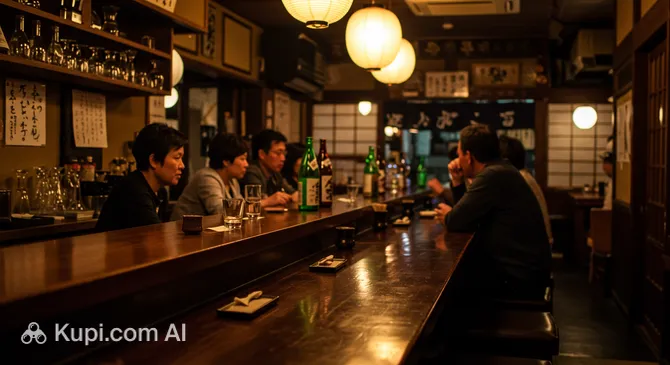
The main centers of evening activity are concentrated around Shinagawa Station. On the east side (Konan exit), you will find modern izakaya (Japanese pubs), restaurants, and bars popular with office workers. The west side (Takanawa exit) is known for its hotels with elegant bars and high-end restaurants. The atmosphere here is usually more reserved, with a crowd consisting of locals, businesspeople, and tourists looking for quality relaxation. Most establishments stay open until midnight or 1:00 AM, and the dress code usually ranges from casual to smart-casual.
For connoisseurs of good drinks and a pleasant ambiance, there are several notable bars in and around Shinagawa. For instance, you can stop by Katsukichi Shibuya, known for its atmosphere, or visit Bar Trench, which offers signature cocktails. These places are perfect for enjoying an evening with friends or colleagues. While there aren't many loud clubs, the focus here is on high-quality drinks and conversation.
Katsukichi Shibuya. Illustration.
Source: Kupi.com AI
Traveler photos:
As for dining, the choice of restaurants in Shinagawa is quite broad: from traditional Japanese restaurants where you can try fresh seafood to international cuisine establishments. Many restaurants stay open until late evening, allowing you to enjoy your meal at a leisurely pace. For a special occasion, you might consider Gajoen Tokyo, which offers exquisite dishes in a luxurious setting.
When planning your evening out, keep in mind that the last subway and urban trains usually depart around midnight. After that, the primary way to get around is by taxi, which can be easily found at the station or ordered via an app. Average prices in bars and restaurants vary but generally align with Tokyo standards. The best time to visit bars and restaurants is after 7:00 PM, when the main rush of office workers subsides.
Shinagawa, like Tokyo as a whole, is considered a very safe area, even at night. However, standard precautions should always be taken. If you need a taxi, it is best to use official stands or call for one through your hotel reception or a dedicated app.
During the day, Shinagawa also offers interesting leisure options. You can visit the Yamatane Museum of Art, take a stroll through the scenic Odaiba Marine Park if it's within reach, or explore unique displays at the Meguro Parasitological Museum. For those who enjoy active recreation, HADO Arena Odaiba might be of interest.
Parks & Museums
Shinagawa, one of Tokyo's dynamic districts, offers its guests not only modern entertainment but also wonderful opportunities for outdoor relaxation in well-kept parks, as well as the chance to immerse themselves in the world of art and history through diverse museums and cultural sites.
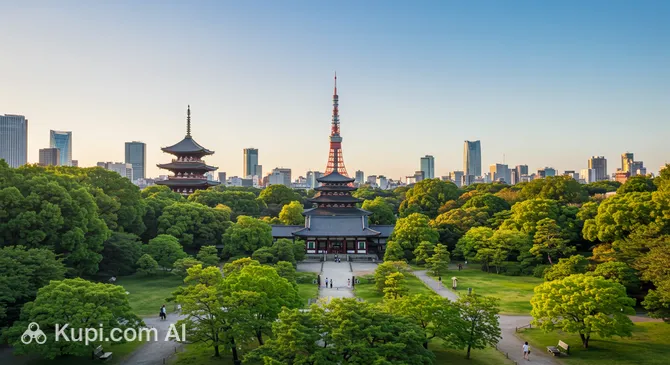
Among the green oases of Shinagawa, Shiba Park holds a special place. This is one of Japan's oldest parks, nestled at the foot of the famous Tokyo Tower. It is renowned for its peaceful atmosphere, ancient trees, and close proximity to the historic Zojo-ji Temple. Shiba Park is a wonderful place for leisurely strolls, a break from the city bustle, and contemplating the harmony of nature and history.
Shiba Park. Illustration.
Source: Kupi.com AI
Traveler photos:
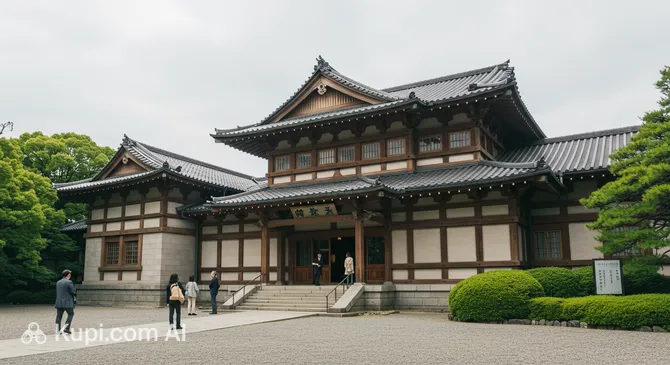
For art lovers, Shinagawa has prepared several unique venues. The Yamatane Museum of Art specializes in modern Japanese nihonga art, showcasing an extensive and impressive collection of paintings created using traditional techniques and natural materials. This is a great opportunity to get acquainted with the refined world of Japanese painting. Fans of more daring and expressive art forms should visit the Taro Okamoto Memorial Museum. The museum is dedicated to the life and work of this outstanding and sometimes eccentric avant-garde artist, whose works, full of energy and deep symbolism, invariably evoke a strong response from viewers.
Yamatane Museum of Art. Illustration.
Source: Kupi.com AI
Traveler photos:
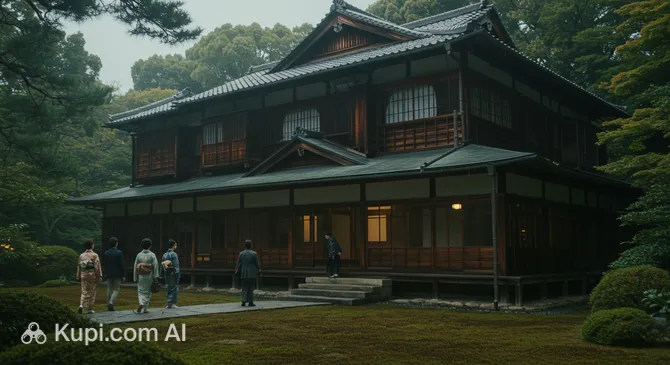
The historical heritage of Shinagawa also deserves close attention. Be sure to stop by the Kyu Asakura House—a beautifully preserved example of traditional Japanese residential architecture from the early 20th century. A walk through its elegant tatami rooms and a tour of the exquisite garden will allow you to feel the atmosphere and lifestyle of a bygone era in Japan. Another iconic site is the Hyakudan Kaidan (The Hundred Stairs), located in the historic wing of the Gajoen Tokyo hotel. This famous staircase, which actually consists of 99 steps, is a true work of art, decorated with magnificent lacquer paintings, inlays, and carvings depicting Japanese legends and daily life. Each of the rooms leading from the stairs represents a unique artistic space.
Kyu Asakura House. Illustration.
Source: Kupi.com AI
Traveler photos:
For authentic experiences and immersion in the local atmosphere, try exploring small but colorful local shrines, such as the Hebikubo Shrine, known for its connection to snakes, which are considered messengers of the deities. Also, leisurely walks through the lesser-known streets of Shinagawa can lead you to discover cozy family cafes, traditional shops, and workshops where you can observe the daily life of the district and find unique souvenirs.
Getting Around
Shinagawa, being one of Tokyo's key transport hubs, offers tourists a developed and efficient public transportation system. Moving around the district and beyond is easy thanks to the variety of available options.
Trains form the backbone of Shinagawa's transport system. Numerous Japan Railways (JR East) lines pass through Shinagawa Station, including the famous Yamanote loop line, the Keihin-Tohoku, Tokaido, and Yokosuka lines, as well as Shinkansen high-speed trains connecting Tokyo with other regions of Japan. Additionally, trains from the private company Keikyu stop here, providing convenient access, particularly to Haneda Airport. The bus network is also well-developed and complements the rail service, allowing you to reach places that trains do not serve directly.
For paying fares, rechargeable smart cards such as Suica or Pasmo are most convenient. These can be purchased at station vending machines and used to pay for trips on most types of transport (trains, buses, and sometimes for purchases in shops). You must tap the card against the reader when entering and exiting a station or bus. You can also buy single tickets at machines, but this is less convenient, especially if you plan to travel a lot. Fares usually depend on distance. Various smartphone apps (e.g., Google Maps, Jorudan, Navitime) help in route planning and checking schedules.
Practical tips for tourists: Tickets and IC cards are purchased from vending machines at stations (many of which have an English interface). Validation occurs by tapping the card on the turnstile at the entrance and exit. Public transport in Shinagawa operates from early morning (around 5:00 AM) until late at night (around 12:00-1:00 AM), but the frequency of service decreases in the evening hours. During peak hours, trains can be very crowded.
Among alternative ways to get around, taxis are popular. There are many of them, especially near station exits, but they are a more expensive option. Bicycle rentals are gaining popularity in some areas of Tokyo, but for long-distance travel in such a metropolis, it is less practical for tourists. Car sharing exists, but for short-term tourist trips, it is usually less in demand due to parking and traffic complexities.
The main feature of Shinagawa's transport system is its status as one of Tokyo's largest transport hubs. Shinagawa Station is not just a stop, but a whole city within a city, with many shops, restaurants, and direct access to Shinkansen high-speed trains and airport expresses.
Accommodation
Shinagawa offers a wide range of accommodation options capable of satisfying the needs of diverse travelers. Here you can find modern hotels from famous international chains, as well as more budget-friendly hotels and apartments for short-term rental. Given Shinagawa's status as a major transport hub and business district, many hotels cater to business travelers, offering comfort and easy access to key locations.
The most popular areas to stay are those immediately adjacent to Shinagawa Station. This provides easy access to Shinkansen trains, JR lines, and private railways, making travel within and beyond Tokyo as convenient as possible. It is also worth looking at the areas around Oimachi and Tennozu Isle stations, which offer a calmer atmosphere and scenic canal views.
The price range varies from mid-range hotels to premium segment options. Most hotels offer a standard set of services, including Wi-Fi, restaurants, and conference rooms. For more economical accommodation, you can consider apartments or guesthouses, though their number in Shinagawa itself may be more limited compared to other Tokyo districts.
It is recommended to book accommodation in advance, especially if your trip coincides with peak tourist seasons (such as cherry blossom season or autumn holidays) or during major exhibitions and events frequently held in this area. Popular online platforms or official hotel websites are convenient for booking. Some hotels offer special rates for direct bookings.
Nearby Cities
For those looking to explore the surroundings, Shinagawa serves as an excellent starting point for day trips to several interesting nearby locations:
These nearby destinations provide insight into the diverse culture and landscapes of the Japan region. Each trip promises new discoveries and experiences, complementing your journey from Shinagawa.
Shopping & Souvenirs
Shinagawa offers a variety of shopping opportunities, though it is not as widely known for its shopping streets as some other Tokyo districts. Here you can find both large shopping complexes and small specialized stores. Most commercial activity is concentrated around Shinagawa Station, one of Japan's largest transport hubs. You won't find unique products manufactured specifically in Shinagawa here, but the range of electronics, fashion, cosmetics, and souvenirs will please any tourist.
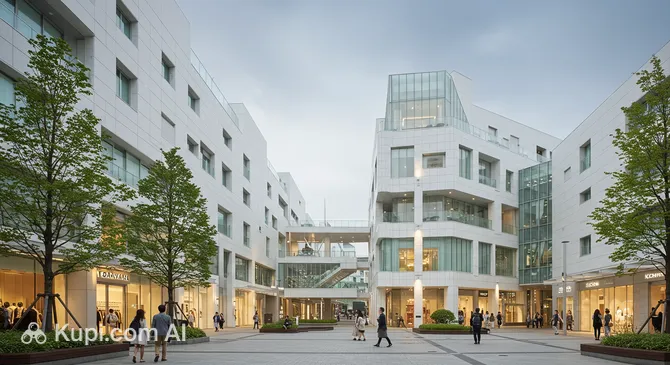
The main shopping areas are located in the immediate vicinity of Shinagawa Station. At the Konan and Takanawa exits, you will find many shops, department stores, and shopping centers. It is also worth paying attention to nearby areas such as Osaki and Gotanda, which also have interesting retail outlets. For more sophisticated shopping and trendy boutiques, you can head to the stylish Daikanyama district, home to the famous Daikanyama T-Site complex, which offers books, music, designer goods, and cozy cafes.
Daikanyama T-Site. Illustration.
Source: Kupi.com AI
Traveler photos:
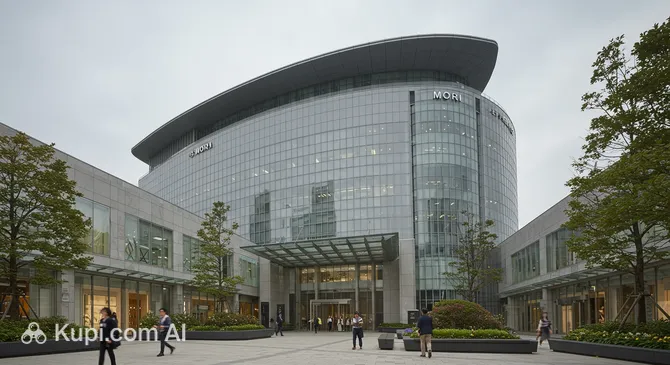
Among the large shopping centers reachable from Shinagawa, the Mori Tower at Roppongi Hills stands out. This multi-functional complex includes hundreds of fashion, accessory, and home goods stores, as well as restaurants, a cinema, and an art museum. Although Roppongi Hills is not in Shinagawa itself, convenient transport links make it easy to reach this popular destination for shopping and entertainment. Right at Shinagawa Station, there are complexes such as Atre Shinagawa and Ecute Shinagawa (inside the station), offering a wide selection of goods from food and souvenirs to fashion and cosmetics.
Roppongi Hills Mori Tower. Illustration.
Source: Kupi.com AI
Traveler photos:
While Shinagawa is not famous for large traditional markets, you can always find fresh produce and local delicacies in the food halls of department stores (depachika). Occasionally, fairs or temporary markets are held in the area where you can buy handmade items and farm products. To find unique souvenirs and antiques, it is better to head to specialized flea markets in other parts of Tokyo.
As souvenirs from Shinagawa and Japan in general, you can bring back traditional items such as ceramics, fans, kimono or yukata, as well as more modern goods: Japanese cosmetics, electronics, anime merchandise, or manga. Local sweets (wagashi) and various types of tea, especially matcha green tea, are also popular. Don't forget about "omiyage"—beautifully packaged edible souvenirs that are customary to give to colleagues and friends after a trip.
Most shops in Shinagawa open around 10:00-11:00 AM and operate until 8:00-9:00 PM. Large shopping centers and department stores may have slightly extended hours. Credit cards (Visa, Mastercard, American Express) are widely accepted for payment, especially in major stores and restaurants. Cash (Japanese yen) is also widely used, particularly in small shops and some eateries. Contactless payments using IC cards (Suica, Pasmo) are becoming increasingly popular.
For international tourists in Japan, a tax refund system (Tax Free) is available. When purchasing goods totaling over 5,000 yen (excluding tax) at participating stores, you can apply for a consumer tax refund. To do this, you must present your passport at a special counter in the store. This usually applies to non-food items such as clothing, electronics, cosmetics, and souvenirs. Conditions may vary slightly depending on the store, so check the details on-site.