Support

Chofu

About

Chofu is a wonderfully cozy city in Japan that enchants visitors with its serene atmosphere and abundant greenery. Located in Tokyo Prefecture, the city offers guests the chance to immerse themselves in the steady pace of Japanese life, far from the noise and bustle of major metropolises.

With a population of about 240,000 people, Chofu is a harmonious space where modern conveniences blend with carefully preserved traditions. This is not a hectic mega-city, but rather a place where you can feel the true pace of provincial Japan and enjoy authentic culture while interacting with hospitable locals.
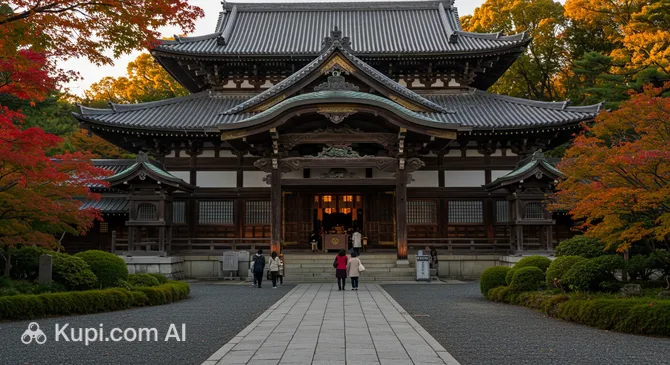
Chofu. Illustration.
Source: Kupi.com AI

One of Chofu's main gems is the exquisite Chofu-teien Garden, which welcomes visitors with the peaceful beauty of its well-kept paths and tranquil atmosphere. The city is also famous for its rich history and special charm: strolls through its old streets with neat houses, cozy cafes, and small craft shops will provide many pleasant discoveries and allow you to feel the spirit of the past.

Chofu is an excellent destination for those seeking a leisurely and thoughtful holiday, aiming to explore off-the-beaten-path tourist routes and valuing the harmony of nature and culture. A visit to this city will undoubtedly leave you with warm memories and inspire new discoveries in the Land of the Rising Sun.

You can find more interesting facts on the history of Chofu city page.
Weather Overview

The weather in Chofu is characterized by distinct seasons. Summer, especially in July and August, is warm and humid here, with average temperatures around 26-27°C, while maximums can reach 30°C. Winters, from December to February, are quite cool, with average temperatures around 4-6°C, sometimes dropping close to zero. The highest amount of precipitation falls during the summer and autumn months, from June to October, while winter is usually drier. Expect warm summers with occasional rain and cool, relatively dry winters. For a more detailed forecast and monthly information, you can explore the Chofu climate.

Average monthly temperature

Average monthly precipitation

Interesting Facts

In addition to its well-known tourist routes, Chofu hides many curious details and stories that make it truly unique. Here are just a few interesting facts about this city:

Jindai Botanical Gardens. Illustration.
Source: Kupi.com AI

Traveler photos:

  • Chofu is often called "Little Kyoto" due to its abundance of ancient temples and preserved traditional architecture. Here you can see buildings in the classical Japanese style and visit historical sanctuaries such as Fuda Tenjin Shrine or Anazawa Tenjin Shrine.

  • The city is famous for its green zones. One of the main attractions is the Jindai Botanical Garden, one of the largest in the metropolitan region, where the Rose Garden is particularly beautiful. This place continues the traditions of Japanese landscape gardening mentioned in old descriptions of Chofu's historical gardens.

  • Legends of samurai who once inhabited these lands live on in Chofu. According to local lore, important meetings and secret councils of noble clans took place here, giving the city a special atmosphere of historical mystery.

  • Chofu is an important scientific hub: it is home to the National Astronomical Observatory of Japan. It is not only a leading research institution but also a place that opens the amazing world of stars and galaxies to visitors.

How to Get There

The most convenient way to reach the city of Chofu is by air, using one of the major international airports serving the Tokyo metropolitan region. Although Chofu does not have its own airport, the nearest aviation hubs are located in Tokyo and its surroundings, from where Chofu is easily accessible.

The primary and most convenient option for most international travelers is Haneda Airport (HND), officially known as Tokyo International Airport. It is located in Tokyo, about 24 km southeast of Chofu. Haneda is a major international and domestic hub and one of the busiest airports in the world. A trip from the airport to Chofu by taxi or limousine bus usually takes about 50-70 minutes, depending on traffic conditions.

Another significant international aviation hub is Narita International Airport (NRT), which also serves Tokyo but is located significantly further from Chofu, about 78 km to the east. Narita handles most long-haul international flights to Japan. The journey from Narita International Airport to Chofu will take longer, approximately 2 to 2.5 hours by car or a special express bus.

For your convenience, here is a summary of the main airports through which you can reach Chofu:

AirportPassenger trafficDistance
Haneda Airport85.7 mln24 km
Narita International Airport40.8 mln78 km
Ibaraki Airport776 06398 km
Shizuoka Airport691 274156 km
Matsumoto Airport112 618157 km

After arriving at one of the airports, you can reach Chofu by taxi, limousine buses (special airport shuttle buses), or by using Japan's advanced public transport system, including trains. Chofu is well-connected by rail to central Tokyo and other areas. It is recommended to check routes and train schedules from the nearest airport stations to stations in Chofu (for example, Chofu Station on the Keio Line) in advance. Rail transport in Japan is very efficient and is often the most convenient way to travel. You might also consider renting a car if you plan to travel extensively around the area; however, keep in mind the left-hand traffic and potential parking difficulties in densely populated areas.

Main Attractions

The city of Chofu, located in Tokyo Prefecture, offers travelers a unique blend of natural beauty, rich history, and modern scientific centers. Among the many interesting places, several attractions stand out as must-sees for your itinerary.

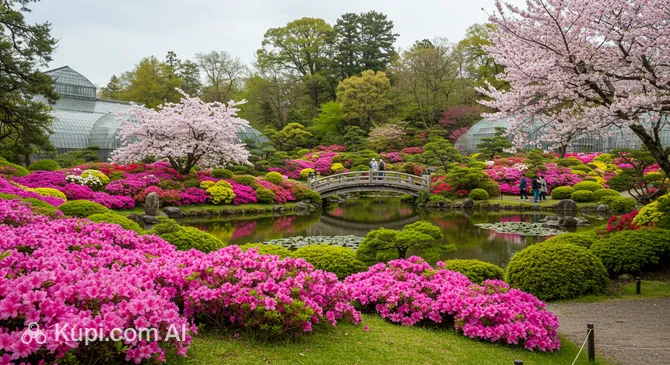
One of the city's main jewels is the Jindai Botanical Garden. It is one of Tokyo's largest and oldest public botanical gardens, sprawling over a vast territory. The garden is famous for its magnificent collection of plants, including about 4,800 species and 100,000 specimens. Of particular note is the famous Rose Garden, which features more than 400 varieties of roses, as well as picturesque gardens of plums, cherries, azaleas, and aquatic plants. It is a wonderful place for leisurely walks, admiring seasonal blooms, and relaxing in nature at any time of year.

Jindai Botanical Gardens. Illustration.
Source: Kupi.com AI

Traveler photos:

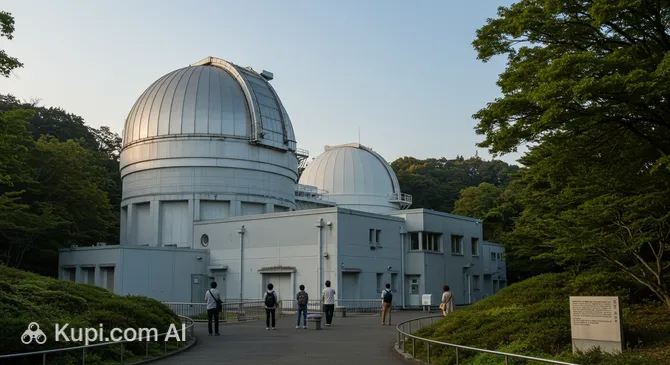
For those interested in science and space, a visit to the National Astronomical Observatory of Japan (NAOJ), Mitaka Campus, is a mandatory stop. It is the country's leading astronomical research center, where cutting-edge research of the Universe is conducted. Visitors can learn about the history of Japanese astronomy, see historical telescopes and modern instruments, and visit interactive exhibitions. It is a unique opportunity to touch the world of science and learn more about the mysteries of space.

National Astronomical Observatory of Japan. Illustration.
Source: Kupi.com AI

Traveler photos:

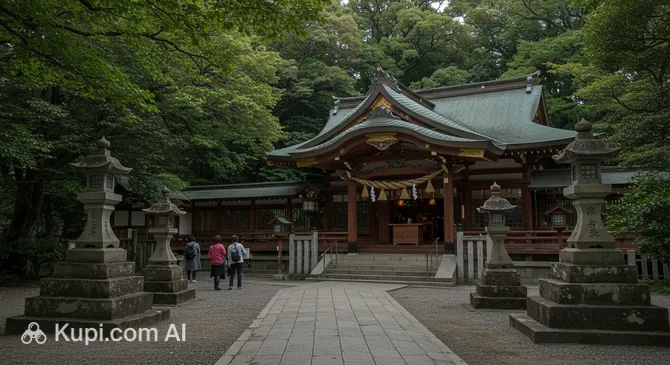
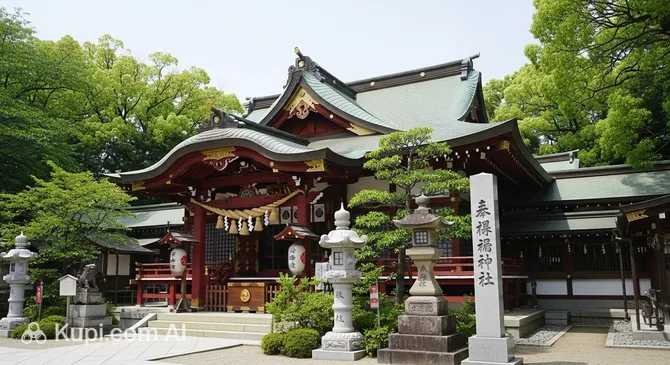
You can immerse yourself in the atmosphere of traditional Japan by visiting the Fuda Tenjin Shrine. This is an ancient Shinto shrine with a rich history, believed to have been founded in the 7th century. It is dedicated to Sugawara no Michizane, revered as the deity of learning, calligraphy, and literature. The shrine attracts visitors with its peaceful atmosphere, beautiful traditional-style architecture, and picturesque grounds, which are especially lovely during the plum blossom season. Various festivals and ceremonies are held here regularly.

Fuda Tenjin Shrine. Illustration.
Source: Kupi.com AI

Traveler photos:

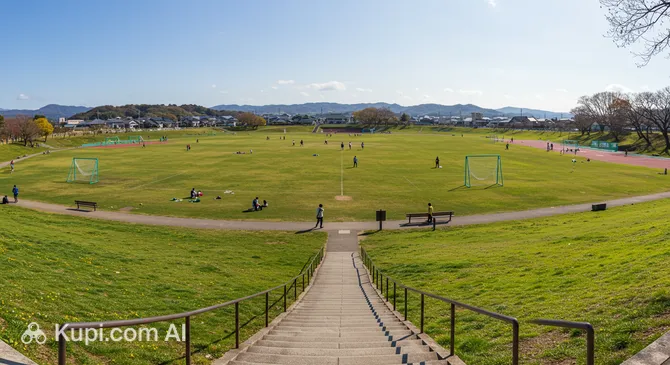
If you are looking for a place for active recreation or a quiet time outdoors, head to Musashino-no-Mori Park. This spacious park, located next to Ajinomoto Stadium, offers large open lawns, sports fields, children's play areas, and paths for walking and running. The park is a popular spot for picnics, family holidays, and various events. It is a great place to take a break from the city bustle and enjoy nature.

Musashino no Mori Park. Illustration.
Source: Kupi.com AI

Traveler photos:

Local Cuisine

The gastronomic scene in Chofu offers an exciting journey for foodies, especially for lovers of seafood. The city is famous for dishes made from the freshest seafood coming straight from the nearby Shimonoseki port. The jewel of the local cuisine is undoubtedly fugu—the famous pufferfish, the preparation of which requires the highest skill and a special license. Many restaurants in Chofu take pride in their art of serving this delicacy, attracting connoisseurs from all over Japan.

In addition to fugu, you should try traditional seaweed-based soups, various rice dishes with seasonal vegetables, and, of course, local sweets. Mochi—soft rice cakes with various fillings that pair perfectly with green tea—are particularly popular. At street markets and fairs, you can taste aromatic yakitori (chicken skewers), as well as fresh sushi and rolls prepared using local ingredients.

As for drinks, besides traditional green tea, you can enjoy various types of sake and shochu in Chofu, which perfectly complement the local dishes. For those who prefer non-alcoholic options, there is always refreshing lemonade or juices made from local fruits.

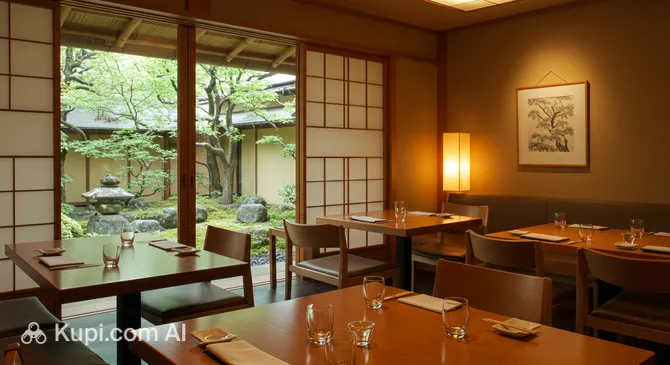
Yusui. Illustration.
Source: Kupi.com AI

Traveler photos:

Food culture in Chofu is diverse. Locals and tourists can choose between cozy traditional cafes serving homemade dishes according to old recipes and more modern restaurants. For example, to experience authentic Japanese cuisine, you can visit the Yusui restaurant. Street food also plays an important role: at markets and during festivals, you can always find something interesting and tasty, from fresh vegetables to ready-made snacks and traditional sauces.

Chofu often serves as a venue for gastronomic festivals. This is a great opportunity not only to try many local delicacies in one place but also to participate in workshops on cooking Japanese dishes. Such a rich culinary life makes Chofu an attractive destination for those who want to get acquainted with real Japanese cuisine and take home unforgettable gastronomic impressions.

Travel Tips

Welcome to Chofu! To ensure your journey to this charming corner of Japan goes smoothly and leaves only pleasant impressions, we have prepared some practical tips. They will help you navigate better and enjoy every moment of your stay.

  1. Clothing and Seasonal Items: The climate in Chofu, as in the entire Tokyo region, is temperate with four distinct seasons. In summer (June-August), choose light, breathable clothing; in spring (March-May) and autumn (September-November), layered clothing including a light jacket or sweater is useful. In winter (December-February), you will need a warm jacket, hat, and gloves. Extremely important is comfortable footwear, as you will be doing a lot of walking. Don't forget an adapter for your electronics (Japan uses type A and B sockets, 100V). When visiting temples like the famous Jindaiji, choose modest clothing that covers shoulders and knees.
  2. Getting Around Town: Chofu is well-connected to Tokyo and its surroundings by rail, with the Keio Line playing the major role. Buses also run throughout the city. For convenience, purchase a Suica or Pasmo transport card—they can be topped up and used to pay for train and bus fares, as well as for purchases in some shops. Taxis are available but can be expensive. Renting a car for moving around Chofu and Tokyo is usually not advisable due to heavy traffic and parking difficulties.
  3. Financial Matters: The official currency is the Japanese Yen (JPY, ¥). Credit and debit cards are accepted in many hotels, large shops, and restaurants; however, cash is still very important, especially in smaller establishments, temples, and markets. You can exchange currency at the airport, banks, or specialized exchange offices. ATMs that accept international cards are easily found in 7-Eleven, Family Mart, and at the post office (Japan Post Bank). Tipping in Japan is not practiced and can be perceived as an insult. An approximate daily budget (excluding accommodation) can range from 7,000 to 15,000 JPY, depending on your plans.
  4. Health and Safety: Japan is one of the safest countries in the world, and Chofu is no exception. The crime rate is low. Nevertheless, follow usual precautions: keep an eye on your belongings, especially in crowded places. Pharmacies (marked with the sign "薬" - kusuri) are easy to find, but many medications may require a prescription or differ from what you are used to. If you need emergency medical assistance, go to a major hospital or call 119. Travel insurance is recommended.
  5. Communication and Connectivity: The official language is Japanese. Proficiency in English varies; in tourist spots and hotels, staff often speak English, but in general, knowing a few basic Japanese phrases (e.g., "konnichiwa" – hello, "arigato" – thank you, "sumimasen" – excuse me) will be very helpful and appreciated by locals. For constant internet access, consider renting a pocket Wi-Fi or buying a local SIM card. Free Wi-Fi is available in some public places, cafes, and hotels. Useful apps: Google Maps for navigation, HyperDia or Jorudan for planning public transport routes, and Google Translate.
  6. Local Etiquette: Japanese people are very polite and value etiquette. Greetings are often accompanied by bows. On public transport, try not to talk loudly on the phone and avoid making noise. In many places, including temples, traditional restaurants, and private homes, it is customary to remove your shoes before entering. Avoid eating on the go in the street unless it is in a specifically designated area (e.g., at festivals).
  7. What to Avoid: It is not customary to point at people or objects with your finger; use an open palm instead. Never stick your chopsticks vertically into a bowl of rice—this is associated with funeral rituals. Also, try not to pass food from your chopsticks directly to another person's chopsticks.
  8. Chofu Specialties: The city is known for its ancient Jindaiji Temple, one of the oldest in the Kanto region, surrounded by a beautiful botanical garden. It is a great place for a quiet walk and an introduction to traditional Japanese culture. Chofu also has a cinematic history, as it is home to the major Nikkatsu studio. Try to find out about local festivals or events that might be happening during your visit—this is a unique chance to dive deeper into local life.

We hope these tips make your trip to Chofu even more comfortable and memorable. Enjoy the hospitality of Japan and the beauty of this amazing city!

Entertainment & Nightlife

Chofu, a cozy city in Tokyo Prefecture, offers its guests a pleasant atmosphere for evening relaxation that differs from the boisterous nightlife of the capital's central districts. Here you will find calmer and more authentic places where you can unwind after a busy day and enjoy delicious food and drinks in the company of locals.

The main concentration of evening venues in Chofu is found around Chofu Station and on adjacent shopping streets, such as Tenjin-dori. Nightlife here is mainly represented by traditional Japanese izakaya (gastropubs), small cozy bars, and restaurants offering a variety of cuisines. The atmosphere in most establishments is quite relaxed and friendly, without a strict dress code. The crowd is mixed: from locals relaxing after work to students and tourists. Most places are open until midnight or slightly later, especially on weekends.

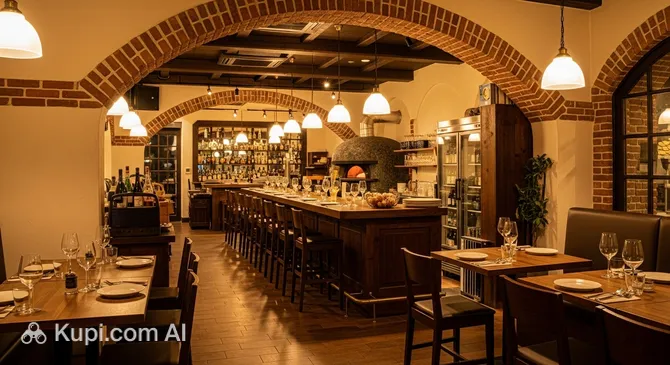
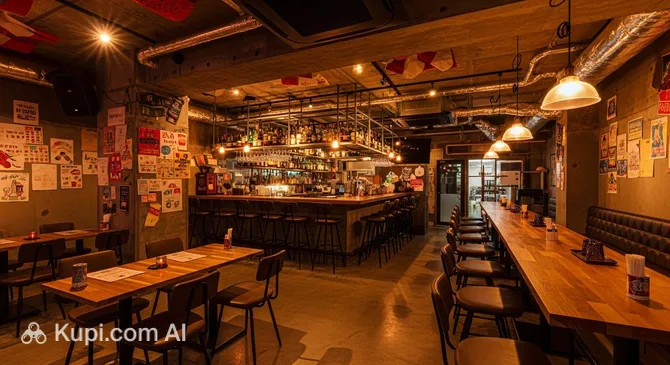
Among the establishments where you can enjoy a pleasant evening, several interesting spots are worth noting. For example, if you are in the mood for Italian cuisine in an informal setting, stop by Pizzeria Napoletana CANTERA Chofu. For lovers of meat dishes and an authentic Japanese atmosphere, the Meat Distribution Center Inadazutsumi, which offers a wide selection of meat delicacies, might be suitable. And if you are looking for a good restaurant for dinner, Yusui will delight you with high-quality dishes.

Pizzeria Napoletana Cantera Chofu. Illustration.
Source: Kupi.com AI

Traveler photos:

Inadazutsumi Meat Distribution Center. Illustration.
Source: Kupi.com AI

Traveler photos:

When planning your evening leisure in Chofu, keep in mind that restaurants usually fill up between 19:00 and 21:00, while bars come to life a bit later. Prices in local establishments are generally moderate, especially compared to central Tokyo. Getting to Chofu and moving around the city is convenient via the Keio Line trains. At night, after the trains stop running, the main way to get around is by taxi, which can be found at the station or called by phone. Note that the last train from central Tokyo to Chofu leaves relatively early.

Chofu is generally a safe city for night walks, especially in the lively areas around the station. Nevertheless, it is always worth following standard safety precautions. If you need a taxi late at night, it is best to go to the taxi stand at the station or ask your hotel or restaurant staff for assistance with calling one.

While the focus here is on nightlife, Chofu also offers interesting daytime leisure options. You can visit the famous Jindai Botanical Garden, one of the largest and most beautiful in Tokyo, or explore the cosmos at the National Astronomical Observatory of Japan. These places are perfect for cultural enrichment and quiet relaxation before your evening adventures.

Jindai Botanical Gardens. Illustration.
Source: Kupi.com AI

Traveler photos:

Parks & Museums

Chofu, nestled in Tokyo Prefecture, offers its guests a pleasant combination of lush green zones for relaxation and interesting cultural sites that allow for a deeper understanding of the region's history and traditions. Here you will find both vast parks for strolling and significant historical and scientific centers capable of satisfying the curiosity of the most discerning tourist.

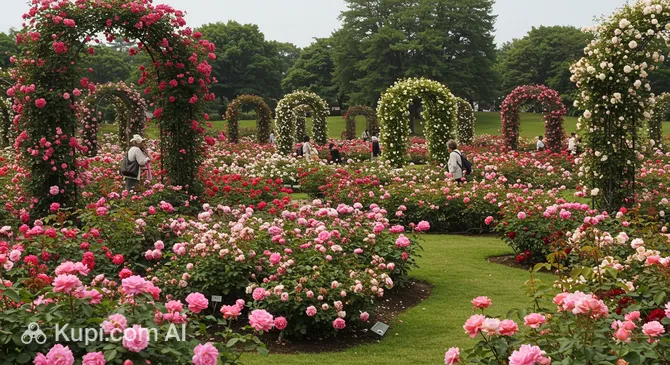
One of the city's main adornments is the Jindai Botanical Garden. This is a vast territory where you can spend hours walking, admiring the variety of plants, seasonal blooms, and themed gardens. The Rose Garden is particularly magnificent during its blooming period, attracting photographers and beauty enthusiasts. Jindai Botanical Garden is an ideal place for quiet relaxation and communion with nature, offering picturesque ponds and well-kept alleys.

Jindai Botanical Garden Rose Garden. Illustration.
Source: Kupi.com AI

Traveler photos:

Another popular spot for outdoor recreation is Musashino-no-Mori Park. This spacious park offers excellent conditions for picnics, sports, and family walks. It features children's playgrounds, cycling paths, and large open spaces where you can simply relax on the grass and enjoy the fresh air.

For those interested in science and space, a visit to the National Astronomical Observatory of Japan is a must. This is the country's leading scientific institution where important research is conducted. Visitors can learn much about the Universe, look at historical and modern telescopes, and get acquainted with current astronomical projects. It is a unique opportunity to touch the world of big science and expand your horizons.

The city of Chofu is also rich in historical shrines. Fuda Tenjin Shrine is one of the oldest and most revered sites in the city, known for its connection with the deity of learning and calligraphy. This is a quiet and peaceful place where you can feel the spirit of old Japan, admire traditional architecture, and perhaps catch a local festival.

For a deeper immersion into the local atmosphere and a search for authentic experiences, it is also worth visiting the Anazawa Tenjin Shrine. It may be less known to the general public, but it is no less charming and offers a quiet retreat among ancient trees. Pay attention to the details of the local architecture and small ceremonies that may take place here, providing a unique cultural experience.

Anazawa Tenjin Shrine. Illustration.
Source: Kupi.com AI

Traveler photos:

Getting Around

Public transport in Chofu is well-developed and integrated into Tokyo's extensive transport system, making travel around the city and its surroundings convenient for tourists. The backbone of the transport network consists of trains and buses.

Trains: The main railway artery passing through Chofu is the Keio Line. Chofu Station is a major hub from which you can easily reach central Tokyo (for example, Shinjuku) and other districts. Trains run frequently and strictly on schedule. For route planning and checking departure times, it is recommended to use navigation apps or Japanese railway websites.

Buses: The city bus network complements the rail service, providing access to areas not reached by trains. Buses connect residential quarters, attractions, and railway stations. Routes and schedules are usually posted at stops (often in Japanese, but key destinations may be duplicated in English).

Payment System: The most convenient way to pay for travel on trains and buses is by using rechargeable smart cards, such as Suica or Pasmo. These cards can be purchased at vending machines at most railway stations and used on almost all types of public transport in Tokyo and many other cities in Japan. You simply tap the card against the reader when entering and exiting stations (or on the bus). You can also buy one-way tickets at station vending machines, but this is less convenient if you plan to travel a lot. Fares depend on the distance; the approximate price for a short train or bus ride starts from around 150-250 yen.

Practical Tips for Tourists:

  • Purchase a Suica or Pasmo card immediately upon arrival for convenience. They can be recharged with cash at station machines.
  • Watch the signs at stations carefully—they are often duplicated in English, especially at major hubs.
  • Public transport in Japan is very punctual. Try to arrive at the platform or stop in advance.
  • Transport typically operates from early morning (around 5:00-6:00) until midnight or slightly later. Night buses and trains are rare, so plan your evening trips in advance.
  • During rush hours (morning and evening), trains can be very crowded.

Alternative Transport Options:

  • Taxis: Available, but quite an expensive way to travel, especially over long distances. Taxi doors are opened and closed automatically by the driver.
  • Bicycle Rental: In some areas of Chofu, you can find bicycle rental points, which can be a good option for a leisurely exploration of the city.

A feature of Chofu's transport system is its close integration with Tokyo's, offering tourists vast opportunities to explore the capital and its suburbs with a high level of comfort and efficiency.

Accommodation

When planning a trip to Chofu, you will find a variety of accommodation options to suit different preferences and budgets. The city offers a range from more economical choices, such as guest houses or small hotels, to comfortable mid-range inns. You can also consider renting apartments, especially if you are traveling with a family or planning a long stay.

When choosing a place to stay in Chofu, it is worth paying attention to areas with good transport accessibility, which will make moving around the city and its surroundings easier. Some tourists prefer to stay closer to the attractions they are interested in, such as the Jindai Botanical Garden, or near major transport hubs. While specific well-known hotels are not highlighted in the provided list, the city has a wide range of hotel services that can be found through popular booking systems.

To ensure the best selection and prices, especially during the peak tourist season or during major events, it is recommended to book your accommodation in advance. The price range varies from budget to more expensive offerings. The most common booking methods are online platforms and travel aggregators, and direct booking through hotel websites is also an option.

Nearby Cities

For those looking to explore the surroundings, Chofu serves as an excellent starting point for day trips to several interesting nearby locations:

CityPopulationDistance
Osawa32 6093 km
Inagi92 6044 km
Komae83 6774 km
Kamirenjaku194 4605 km
Koganei127 2266 km

These nearby destinations provide insight into the diverse culture and landscapes of the region. Each trip promises new experiences. For example, Tokyo, the capital of Japan, beckons travelers with its incredible energy, futuristic architecture, world-famous attractions such as the Imperial Palace or the lively Shibuya Crossing, and endless opportunities for shopping and gastronomic discoveries. In turn, Setagaya, one of Tokyo's special wards, offers a calmer atmosphere with many parks, cozy cafes, and art galleries, allowing for a break from the noise of the metropolis and an introduction to the daily life of its inhabitants. A trip to Nakano will be interesting for anime and manga fans thanks to the famous Nakano Broadway shopping complex, as well as for those looking for authentic local restaurants and bars.

Shopping & Souvenirs

Chofu, being a charming city in Tokyo Prefecture, offers a pleasant and mostly local-oriented shopping experience. While it may not compare to the massive shopping districts of central Tokyo, you will find everything you need here, as well as unique local items. The city is especially known for its connection to manga artist Shigeru Mizuki, the author of "GeGeGe no Kitaro," which is reflected in some of the souvenirs.

The main shopping opportunities in Chofu are concentrated around Chofu Station. Here and in the adjacent shopping arcades (shotengai), there are many shops, from small boutiques and specialty stores to branches of well-known Japanese chains. Strolling through these streets will allow you to immerse yourself in the city's daily life and find interesting goods.

One of the city's major shopping centers is Chofu PARCO, located directly at Chofu Station. This is a multi-story department store offering a wide range of goods: fashion clothing, cosmetics, household items, accessories, and a large selection of restaurants and cafes. It is a convenient place for comprehensive shopping.

Although Chofu is not famous for large tourist markets, you may come across small local markets selling fresh produce, flowers, and sometimes handmade items. They provide a good insight into local products and daily life. It is also worth looking out for temporary fairs or festivals that may be held in the city, especially near shrines like Fuda Tenjin Shrine, where you can sometimes find unique souvenirs and local delicacies.

As souvenirs from Chofu, consider items related to "GeGeGe no Kitaro"—they can be found in specialty shops or sections. Traditional Japanese sweets, local tea, ceramics, and small craft items are also popular. Don't forget to check the shops at local attractions, such as the Jindai Botanical Garden, where themed souvenirs may be sold.

Most shops in Chofu operate from approximately 10:00–11:00 to 20:00–21:00. Major shopping centers may have slightly extended hours. Credit cards are accepted almost everywhere, but in small shops and markets, cash (Japanese yen) may be required. ATMs that accept international cards can usually be found in shopping centers and at 7-Eleven or Japan Post locations.

For foreign tourists in Japan, a Tax-Free system is available. Look for shops with the "Japan Tax-Free Shop" sign. Usually, to qualify for a refund, you need to make a purchase of a certain amount (most often over 5,000 yen) in one shop in one day and present your passport. The refund is processed directly in the shop at the time of purchase.

Reached the end of the page?

That means the route is fully explored