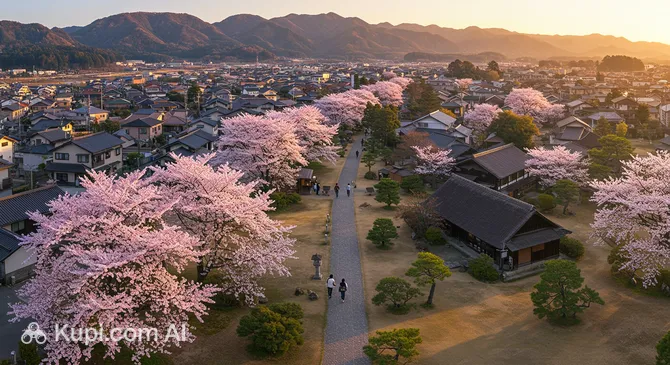
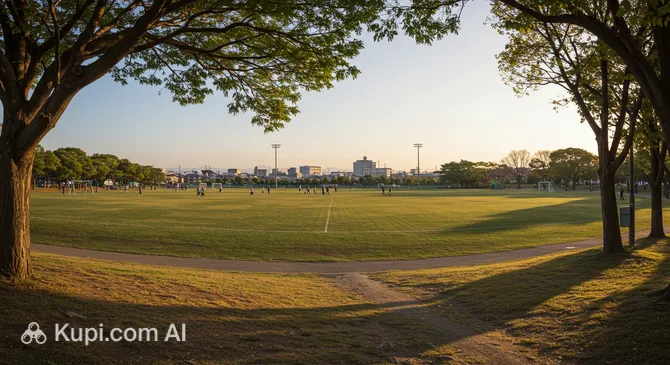
Kodaira is a harmonious blend of a quiet capital suburb and a rich natural heritage, located in the western part of Tokyo Prefecture. Nestled on the picturesque Musashino Plateau, the city offers travelers a unique opportunity to see Japan from its cozy, everyday side, far from the neon lights of the central metropolises. With a population of about 196,000, this city maintains an atmosphere of good neighborliness and a careful attitude towards the environment.
Kodaira. Illustration.
Source: Kupi.com AI
The city's rich history dates back to the mid-17th century, when the construction of a water supply system turned these arid lands into a fertile agricultural region. Today, Kodaira is famous for its green spaces, including the renowned Green Road route, and its status as a "bedroom" community where life flows at a measured and comfortable pace. Here, you can find both modern residential complexes and ancient farm buildings, carefully integrated into the urban landscape.
For tourists, the city is attractive for its unusual technical museums and abundance of parks, where cherry blossoms in spring turn the streets into true works of art. If you are looking for a place to feel the authentic rhythm of life in modern Japanese society and enjoy the silence of shady alleys, Kodaira will be a pleasant discovery for you.
Weather Overview
The climate in Kodaira is typical for the capital region and is characterized by a clear change of four seasons. Summer here is hot and humid, especially in July and August, when temperatures often rise above +30°C. Short but heavy rains are possible during this period. Winter, conversely, is cool and sunny, with temperatures ranging from 0°C to +10°C; snow falls rarely and usually melts quickly.
The most comfortable times to visit are spring and autumn. In spring, the city is transformed by cherry blossoms, and mild temperatures around +15...+20°C are ideal for long walks. Autumn delights with dry weather and the bright colors of fading foliage. You can study the more detailed city's climate to better prepare for your trip.
It is important to consider the rainy season (tsuyu), which usually falls in June and early July. During this time, humidity noticeably increases, and precipitation becomes frequent. Nevertheless, it is during this period that the city's parks, such as Ajisai Park, are filled with blooming hydrangeas, giving Kodaira a special charm.
Average monthly temperature
Average monthly precipitation
Interesting Facts
Kodaira is a city that knows how to surprise with its details. Here are a few interesting facts to help you get to know it better:
Postal Giant: Outside the Rune Kodaira cultural center stands the largest round red mailbox in Japan. It is nearly three meters tall and is not just a monument, but a fully functioning postal facility.
Green Artery: The famous 21-kilometer Kodaira Green Road passes through the city. This is a walking and cycling trail that circles the city, running along historical irrigation canals laid back in the 18th century.
Ancient Guardian: The city is home to the Gyoko-matsu pine tree, which is over 150 years old. This tree is recognized as an important cultural property and is considered a living symbol of the continuity of generations.
City on a Plateau: Kodaira is located on the Musashino Plateau, which historically created water problems. It was the construction of the Tamagawa Aqueduct that transformed this area from a desolate plain into a flourishing agricultural oasis.
How to Get There
Thanks to its location within the Tokyo Metropolis, Kodaira enjoys excellent transport links with the center of the megacity. Travelers can easily plan their route using the developed railway network, which makes the city accessible for both day trips and long-term stays. Detailed information on routes can be found in the getting there section.
For international tourists, the country's major airports serve as the main gateways to the region. Haneda Airport is the closest to the city and is convenient for domestic and many international flights. Narita Airport, as the main international hub, also provides convenient connections to Kodaira via express trains and limousine buses, followed by a transfer to local lines. The journey from the airports typically takes between 1.5 to 2 hours.
The railway service is the "heart" of the city's transport system. Kodaira Station on the Seibu Shinjuku Line provides quick access to the Shinjuku district in just 30-40 minutes. Hana-Koganei Station also plays a vital role, with a significant part of the city's infrastructure concentrated around it. The JR Chuo Line, passing through nearby stations, allows you to reach Tokyo Central Station in about half an hour.
Station
Passenger traffic
Distance
Kichijōji Station
16
10 km
Ogikubo Station
16
13 km
Hachiōji Station
16
15 km
Nakano Station
16
17 km
Yoyogi-Uehara Station
16
19 km
Main Attractions
Despite its status as a residential suburb, Kodaira hides several unique sites that will surprise even seasoned travelers. One of the most unusual spots on the map is the Kodaira Sewerage Museum. This is a rare place where you can descend to a depth of 25 meters and witness the work of a complex urban system firsthand, making it a popular destination for fans of industrial tourism and unusual exhibits.
For those interested in the history of lifestyle and technology, the Gas Museum is a must-visit. It showcases the evolution of gas lighting and domestic appliances in Japan, starting from the Meiji era. The museum's atmospheric buildings and rare exhibits allow you to literally touch the past and see how Japanese life changed with the advent of modern conveniences.
Higashimurayama Central Park. Illustration.
Source: Kupi.com AI
Traveler photos:
Nature walk enthusiasts should head to Higashimurayama Central Park, located on the border of the two cities. It is a wonderful place for seasonal nature viewing, especially during the cherry blossom season or the autumn transformation of the maples. The city is also famous for its Green Road—an extensive pedestrian route that connects parks and historical canals, offering ideal conditions for cycling and long walks surrounded by greenery.
Local Cuisine
The gastronomic scene in Kodaira is a classic reflection of Tokyo traditions with a pleasant emphasis on the use of fresh, seasonal products. The city, which grew out of an agricultural region, still takes pride in its farm vegetables, which often form the basis of dishes in local restaurants. Be sure to try soba (buckwheat noodles) and seasonal rice dishes, which are prepared here with great respect for Edo-period traditions.
For lovers of hearty and popular Japanese cuisine, the city offers excellent ramen options. A real hit among locals is Ramen Jiro Hitotsubashi Gakuen, known for its massive portions and rich broth. It's also worth stopping by Ramen Maruta, which serves excellent noodles perfect for a quick and tasty lunch after a walk around the city.
The food culture here is concentrated around the railway stations, where numerous izakayas (traditional pubs) and family cafes operate. In spring, you must buy sakura-mochi from the city's confectioneries—rice cakes with bean paste filling, wrapped in a salted cherry leaf. As for drinks, locals prefer green tea from the nearby areas of Saitama Prefecture or local sake varieties that perfectly complement an evening meal.
Travel Tips
Planning a visit to this cozy corner of Tokyo? We've prepared some practical tips to help you feel confident and get the most out of your trip to Kodaira.
Seasonality and Clothing: The best time to visit is spring (March–April) for cherry blossoms or autumn (November) for vibrant maples. Bring comfortable shoes for walking the Green Road. It can be quite windy in winter, so a warm jacket is a good idea.
Transport Cards: Be sure to buy an IC card (Suica or Pasmo). This will save you from having to buy tickets for every trip and allow you to pay for small purchases at vending machines and shops.
Finance: Although cards are accepted almost everywhere, always have some cash yen on hand for small temples, markets, or local cafes. You can withdraw money from ATMs in 7-Eleven stores, which are open 24/7.
Quiet Hours: Remember that Kodaira is a residential area. Most establishments close earlier than in central Tokyo. The streets become very quiet after 21:00, so plan your dinner in advance.
Transport Etiquette: It is customary to keep quiet on trains. Set your phone to silent mode and refrain from talking. During rush hours (7:30–9:00), carriages can be very crowded—try to plan your trips outside these times.
Navigation and Connectivity: English is common in museums, but in regular shops, a phone translator may come in handy. We recommend renting a Pocket Wi-Fi or buying a local SIM card directly at the airport upon arrival.
What to Avoid: Don't leave your belongings unattended, even though Japan is extremely safe. Also, don't forget to remove your shoes when entering traditional ryokans or private homes if you decide to visit them.
Postal Souvenir: Be sure to send a postcard from the giant mailbox near Rune Kodaira—it's a great way to keep a memory of the city.
May your introduction to Kodaira be easy and filled with pleasant discoveries. This place is sure to charm you with its tranquility and sincere Japanese hospitality!
Entertainment & Nightlife
Nightlife in Kodaira is reserved and local, which is typical for Tokyo's residential districts. You won't find loud discos or massive clubs here, but the city offers cozy venues for evening relaxation. The center for cultural events is the Rune Kodaira concert hall, which regularly hosts classical music performances and theatrical productions. One of the icons of this place is Japan's largest functioning pillar-style mailbox, installed right in front of the entrance.
For those seeking culinary experiences in the evening, Yakiniku Inoue Kokubunji is worth a visit. It is a popular spot where you can enjoy traditional Japanese barbecue in a relaxed atmosphere. Such establishments usually stay open until late and gather both locals and visitors looking to spend time over a high-quality dinner.
Fans of a quieter atmosphere and authentic drinks should take note of Sansui. Similar local bars and pubs (izakaya) are mainly concentrated near the Kodaira and Hana-Koganei stations. A friendly crowd gathers here, and the menu offers a wide selection of sake and snacks. For more active entertainment and nightclubs, residents usually head to the nearby Shinjuku district, which is about a 30–40 minute trip away.
Parks & Museums
Green spaces are Kodaira's greatest treasure. The pride of the city is the Green Road, a 21-kilometer loop of pedestrian paths surrounded by greenery and flowers. Along this route is Ajisai Park, where thousands of hydrangeas bloom during the rainy season, creating a fairy-tale setting for walks. Another unique natural spot is the Tokyo Metropolitan Medicinal Plant Garden, which houses a rare collection of herbs from all over the world.
The city's museum life is equally fascinating. Be sure to visit the Bridgestone Innovation Gallery, which showcases cutting-edge technologies and the development history of one of the world's industry leaders. This interactive space will be interesting for both adults and children interested in science and technology.
Higashimurayama Central Park. Illustration.
Source: Kupi.com AI
Traveler photos:
For those who want to dive into the past, the Kodaira Furusato Mura open-air museum is open. It recreates the appearance of an old Japanese village, with farmhouses, waterwheels, and barns from the 17th to 19th centuries moved and restored here. This place allows you to see how people lived on the Musashino Plateau before it became part of a huge metropolis, which perfectly complements a visit to the nearby Higashimurayama Central Park.
Getting Around
The transport system of Kodaira is a model of Japanese precision and convenience. Railways form the backbone of movement. The Seibu Shinjuku line crosses the city from east to west, connecting it to the major transport hub of Shinjuku. The Seibu Haijima and Seibu Kokubunji lines provide connections to neighboring districts of the prefecture, making travel between them fast and predictable. Trains run at intervals of 5–15 minutes, and even more frequently during rush hours.
Within the city, there is a developed network of bus routes that connect residential neighborhoods with railway stations. This is particularly convenient for trips to more distant parks or museums. To pay for travel on trains and buses, it's best to use contactless Suica or Pasmo cards. They can be purchased and topped up at machines at any station. These same cards are accepted for payment in many shops and cafes across the city.
Since Kodaira is located on a relatively flat plateau, one of the most popular ways for locals to get around is by bicycle. The city is crisscrossed with a network of bike paths, and along the famous Green Road route, a bike ride turns into a pleasant outing. Taxis are available at stations, but keep in mind that long-distance taxi trips in Tokyo can be quite expensive.
Accommodation
The choice of accommodation in Kodaira reflects its status as a cozy residential area. You won't find massive skyscraper hotel chains here, but you will find authentic lodging options such as small guest houses, apartments, and mini-ryokans. This is an ideal choice for those who want to feel like a local for a while, enjoying the peace and proximity to green parks.
The most convenient areas to search for accommodation are around Kodaira and Hana-Koganei stations. Staying here guarantees walking distance to supermarkets, local cafes, and, most importantly, the railway lines connecting you to central Tokyo. Accommodation prices in Kodaira are generally lower than in the central districts of the metropolis, making the city attractive for budget travelers and expats.
When planning a trip, especially during the cherry blossom season (late March to early April) or during autumn festivals, it is recommended to book accommodation in advance. In the low season, such as winter from December to February, you can find great deals on apartment rentals. If you prefer the luxury segment, it's worth considering options in neighboring districts, using Kodaira as a base for peaceful day trips.
Nearby Cities
Kodaira serves as an excellent starting point for exploring the western part of the capital region. Direct railway connections allow you to be in neighboring cities in a matter of minutes, each possessing its own unique character and set of attractions.
Just a couple of kilometers away is the city of Kokubunji, famous for its historical temples and picturesque gardens. Another interesting destination is Koganei, home to the famous Edo-Tokyo Open Air Architectural Museum. It is also worth taking the time for a trip to Higashimurayama to enjoy the tranquility of local parks and the authentic atmosphere of a Japanese suburb.
City
Population
Distance
Kokubunji
129 619
2 km
Higashimurayama
150 458
3 km
Koganei
127 226
4 km
Higashiyamato
84 260
5 km
Kunitachi
75 133
6 km
Exploring these surroundings will allow you to see the multifaceted Japan: from innovative centers to quiet shrines. Short trips between the cities of Tokyo Prefecture are a great way to diversify your itinerary without spending much time on the road.
Shopping & Souvenirs
Shopping in Kodaira is geared toward everyday needs and offers a cozy experience without any extra fuss. Most commercial activity is concentrated around Kodaira and Hana-Koganei stations. Here you will find small shopping centers and chain supermarkets like AEON or Seiyu, where you can buy high-quality Japanese goods, cosmetics, and food at very reasonable prices.
Special attention should be paid to local shops. Since the region retains its agricultural roots, places like Furusato Mura offer fresh vegetables, local tea, and authentic sweets. If you are looking for an unusual gift, look for items featuring city symbols or miniature replicas of the famous giant mailbox.
Typical shop hours are from 10:00 to 20:00 or 21:00, while large supermarkets are often open until late at night. Most retail outlets accept international bank cards and contactless payments, though small family-run shops may require cash. In large shopping centers and electronics chain stores, a Tax Free system is often available to tourists, making purchases even more advantageous.