Support

Fuchu

About

Fuchu is a charming city located in the western part of Tokyo Prefecture, just 20 kilometers from the bustling center of the Japanese capital. Despite its proximity to the metropolis, Fuchu has managed to preserve its unique atmosphere, where modern conveniences harmoniously intertwine with centuries-old traditions of Japan. This city offers a unique combination of tranquility and dynamic urban life.
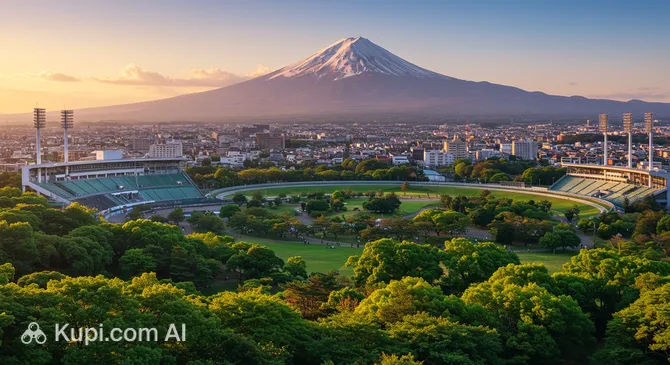
Fuchu. Illustration.
Source: Kupi.com AI

Occupying an area of about 29 square kilometers with more than 263,000 residents, Fuchu is one of Tokyo's significant suburbs, yet it possesses its own distinct character. It is not just a bedroom community, but a self-sufficient city with a developed infrastructure. Fuchu is particularly famous for its extensive green zones—numerous well-maintained parks and picturesque alleys perfect for strolls at any time of year.

Among Fuchu's attractive features for tourists are its cultural heritage and natural beauty. Guests can visit local shrines, explore cultural centers, or simply enjoy the silence in one of the city's parks, taking a break from the capital's hustle and bustle. At the same time, excellent transport accessibility makes it easy to reach all of Tokyo's attractions.

Fuchu is a wonderful place for those who want to experience another side of Japanese life, where the harmony of nature and urban comfort creates ideal conditions for a leisurely vacation, cultural discovery, and genuine Japanese hospitality. Come and discover this amazing corner for yourself!

You can find more interesting facts on the Fuchu city history page.
Weather Overview

The weather in Fuchu is characterized by distinct seasons. Summer, especially in July and August, is warm and quite humid: the average air temperature in these months hovers around 25-27°C, while maximum values can reach nearly 30°C. July and August are also the months with the highest number of rainy days. Winters, conversely, are cool and drier. The coldest month is January, with an average temperature of about 3.8°C and minimum temperatures sometimes dropping below freezing. During the winter months of January and December, the least amount of precipitation falls. Spring and autumn offer comfortable, moderate temperatures with gradual changes in weather conditions.

To get more detailed information about the climatic conditions, including monthly data, you can visit the weather in Fuchu page.

Average monthly temperature

Average monthly precipitation

Interesting Facts

Beyond its famous parks and shrines, Fuchu hides many surprising stories and little-known details that make it truly special. This city with a rich past is ready to surprise even the most seasoned traveler.

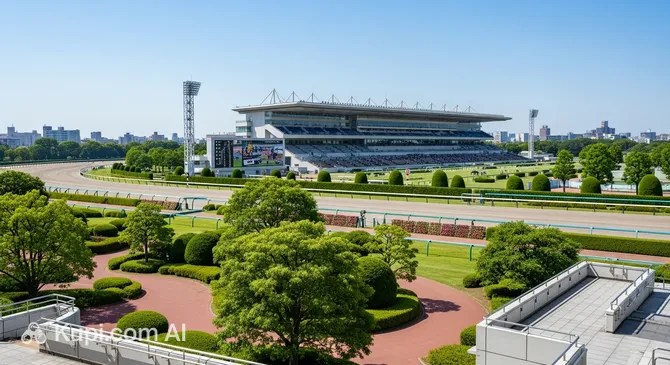
Tokyo Racecourse Hiyoshigaoka. Illustration.
Source: Kupi.com AI

Traveler photos:

  • The city's name Fuchu (府中) literally translates to "government center" or "provincial capital." In ancient times, starting from the 8th century, the city indeed served as the administrative center of the powerful Musashi Province, one of the key provinces in old Japan.

  • One of the five main highways of the Edo period—the Koshu Kaido—passed through the territory of modern Fuchu. This busy road, connecting Edo (the old name for Tokyo) with Kai Province (modern Yamanashi Prefecture), was a route for daimyo, samurai, merchants, and pilgrims. Some sections and old post inns still remind us of this era today.

  • Fuchu is a true paradise for equestrian enthusiasts. It is home to the famous Tokyo Racecourse, where the country's most prestigious races, including the Japan Derby, are held. You can dive into the history of this sport at the JRA Horse Racing Museum, also located in the city.

  • The city is famous for one of the oldest and most unusual festivals in the Kanto region—the Kurayami Matsuri (Darkness Festival). It is held annually in early May at the Okunitama Shrine and features night processions with massive drums and richly decorated palanquins, creating a mystical atmosphere.

How to Get There

When planning a trip to Fuchu, located in Tokyo Prefecture, travelers most often use the major international airports of the Japanese capital. You can reach Fuchu from these airports by train, bus, or taxi.

One of the primary options is Haneda Airport (HND). This very large and modern airport is located in Tokyo, approximately 30 km southeast of central Fuchu. A trip from Haneda to Fuchu usually takes between 60 to 90 minutes by public transport (train or bus with potential transfers) or by taxi, depending on the chosen route and traffic conditions.

Another major international airport is Narita International Airport (NRT), which also serves Greater Tokyo. It is located much further from Fuchu, approximately 83 km to the east. The travel time from Narita to Fuchu is about 2 to 2.5 hours if using rail services (such as the Narita Express followed by a transfer to local lines) or limousine buses.

In addition to air travel, Fuchu, as part of the metropolitan region, is perfectly integrated into the extensive and efficient railway network of Japan. From the airports, as well as from other cities in the country, Fuchu can be easily reached by train, including combinations of Shinkansen high-speed trains and local suburban lines.

For convenience, here is summary information on the main airports used to reach Fuchu:

AirportPassenger trafficDistance
Haneda Airport85.7 mln30 km
Narita International Airport40.8 mln83 km
Ibaraki Airport776 063102 km
Matsumoto Airport112 618151 km
Shizuoka Airport691 274153 km

Main Attractions

The city of Fuchu, located in Tokyo Prefecture, offers its guests several interesting places to visit to get acquainted with the culture, history, and nature of the region. Among them are both ancient shrines and modern parks and museums, capable of satisfying the diverse interests of travelers.

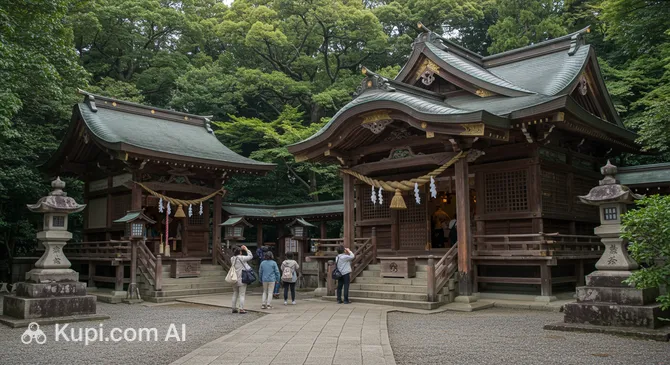
Among Fuchu's cultural treasures, the Yabo Tenmangu Shrine stands out. This ancient and deeply revered site is dedicated to Sugawara no Michizane, the patron deity of learning and scholarship. The shrine attracts visitors with its elegant architecture, peaceful atmosphere, and the opportunity to pray for academic success, making it especially popular among students. Colorful traditional festivals are also held here regularly.

Yabo Tenmangu Shrine. Illustration.
Source: Kupi.com AI

Traveler photos:

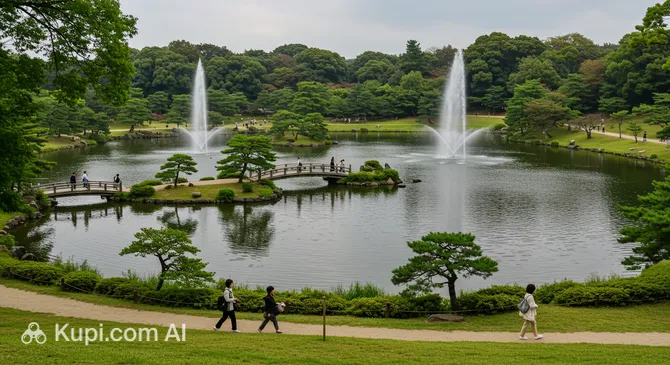
For lovers of nature and active recreation, Fuchu-no-Mori Park is an excellent choice. This extensive city park offers many leisure opportunities: it features a picturesque Japanese garden, an art museum, sports facilities, as well as cozy picnic areas and playgrounds for children. It is an ideal place for leisurely walks and a retreat from the city's noise.

Fuchu no Mori Park. Illustration.
Source: Kupi.com AI

Traveler photos:

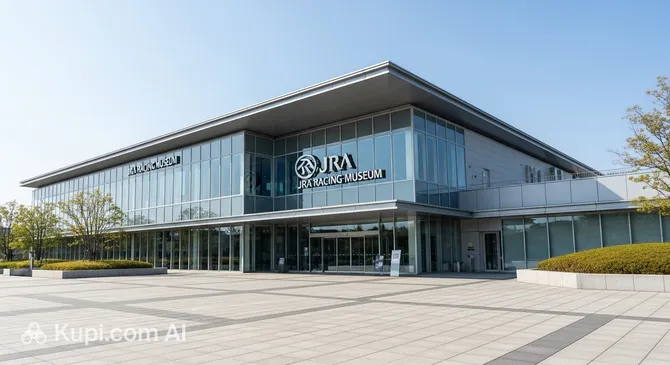
A unique place to visit is the JRA Horse Racing Museum, located near the famous Tokyo Racecourse. The museum immerses visitors in the exciting world of Japanese equestrian sports, featuring interactive exhibits, historical artifacts, and stories about legendary horses and jockeys. This site will be of interest not only to racing enthusiasts but to anyone who wants to learn more about this side of Japanese culture.

JRA Racing Museum. Illustration.
Source: Kupi.com AI

Traveler photos:

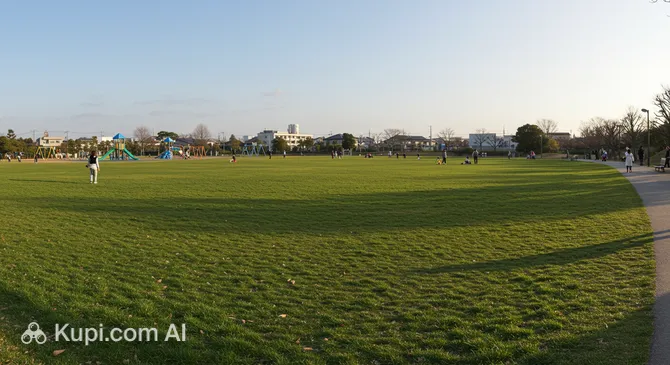
Another green gem of the city is Kyodonomori Park. Its main highlight is the open-air museum, where you can see reconstructed historical buildings from the Tama region, including Edo-period farmhouses and an old school. Additionally, the park has a beautiful plum grove, especially charming during the early spring bloom, and a planetarium. It is a great spot for an educational family outing.

Kyodonomori Park. Illustration.
Source: Kupi.com AI

Traveler photos:

Local Cuisine

The gastronomic scene in Fuchu is a pleasant surprise with its diversity, harmoniously blending Japan's centuries-old culinary traditions with modern gastronomic trends. This city is a real find for gourmets looking for authentic flavors and new culinary experiences.

One of Fuchu's main culinary treasures is udon—thick wheat noodles prepared here according to special local recipes. The dish is often served with a flavorful broth, fresh vegetables, and, depending on the season, seafood. Be sure to try yakitori as well—succulent chicken skewers grilled over charcoal until golden brown. These, along with fresh sushi and sashimi made from fish supplied from Tokyo markets, can be found in many cozy family restaurants across the city.

Fuchu's culinary calendar is closely tied to nature. In spring, delicacies made from young bamboo shoots are prepared, and in autumn, it's time to enjoy roasted chestnuts and various mushroom dishes. Street food lovers should look out for local festivals and fairs, where you can try popular Japanese treats like takoyaki (batter balls with pieces of octopus) and taiyaki (fish-shaped waffles filled with sweet azuki bean paste).

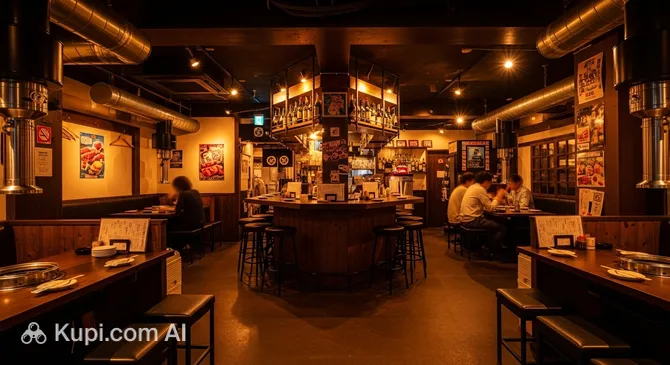
As for drinks, your meal can be perfectly complemented by traditional Japanese green tea, sake, or shochu. Locals and tourists usually dine in small family-run restaurants with a warm atmosphere or visit bustling farmers' markets offering fresh seasonal produce and homemade sweets. For those seeking unique gastronomic experiences, the Fuchu Meat Distribution Center might be of interest, offering its own unique concept.

Fuchu Meat Distribution Center. Illustration.
Source: Kupi.com AI

Traveler photos:

The food culture in Fuchu is permeated with respect for fresh, high-quality ingredients. The city regularly hosts food festivals, which are a great opportunity to get acquainted with dishes from different regions of Japan, participate in culinary workshops, and try rare delicacies. These events are not just a chance to eat well, but an opportunity to immerse yourself in the atmosphere of a real Japanese holiday and better understand the local culture.

Travel Tips

Planning a trip to Fuchu? Wonderful! To ensure your journey through this interesting city in Japan goes smoothly and leaves only pleasant impressions, we have prepared some practical tips for you.

  1. Clothing and Essentials: The climate in Fuchu, like the rest of the Tokyo region, is temperate, with four distinct seasons. In summer (June-August), it is hot and humid, so choose light, breathable clothing. In winter (December-February), it can be cold, so you will need warm items, including a jacket, hat, and gloves. Spring and autumn are the most comfortable seasons, ideal for layering. Be sure to bring comfortable shoes, as you will be doing a lot of walking. Don't forget an adapter for electrical appliances (Japan uses type A and B sockets, 100V voltage). When visiting temples and shrines, such as the famous Okunitama Shrine, it is customary to dress modestly, covering shoulders and knees.

  2. Getting Around the City: Fuchu, like most Japanese cities, boasts an excellent public transport system. The main ways to get around are the JR and Keio train lines. We highly recommend purchasing an IC card (Suica or Pasmo)—this is a rechargeable transport card that significantly simplifies fare payment for trains and buses and is also accepted in some shops. Taxis are available but quite expensive. Taxi apps like JapanTaxi or DiDi can be useful. Renting a car in Fuchu and the Tokyo suburbs is usually impractical due to the developed public transport, parking difficulties, and left-hand traffic.

  3. Financial Matters: The national currency is the Japanese Yen (JPY). Credit cards (Visa, Mastercard) are widely accepted in hotels, large stores, and restaurants. However, it is always useful to have some cash on hand, especially for visiting small establishments, local markets, shrines, and for paying fares on certain types of transport. You can withdraw cash from international cards at Japan Post Bank ATMs (in post offices) and Seven Bank ATMs (in 7-Eleven stores). An approximate daily budget (excluding accommodation) can vary, but you should aim for 7,000-15,000 JPY for a comfortable stay. Tipping is not customary in Japan and may be perceived as impolite.

  4. Health and Safety: Japan is one of the safest countries in the world, and Fuchu is no exception. Pharmacies (look for the sign 薬 - "kusuri") are common, but staff may not always speak English, so it's useful to have a list of necessary medications with international names or a translator app. In case of serious health problems, there are hospitals with English-speaking staff in Tokyo. Fuchu is considered a safe city, but standard precautions, such as keeping an eye on personal belongings and being aware of your surroundings in crowded places, never hurt.

  5. Communication and Connectivity: The official language is Japanese. In tourist areas, hotels, and major stations, staff often speak English, but overall English proficiency among the population may be low. Learn a few basic phrases in Japanese: "Konnichiwa" (Hello), "Arigato" (Thank you), "Sumimasen" (Excuse me/I'm sorry). This will be highly appreciated by locals. For connectivity, we recommend purchasing a local SIM card with a data package or renting a pocket Wi-Fi router—this can be done at the airport or ordered online in advance. Free Wi-Fi is available in many cafes, stations, and public places. Useful apps: Google Maps for navigation, HyperDia or Jorudan for train schedules, Gurunavi or Tabelog for finding restaurants.

  6. Local Etiquette and Traditions: Japanese people are very polite and value respect for their traditions. Greetings are usually accompanied by a bow; its depth depends on the situation and the status of the person you are addressing. In public places, especially on transport, it is customary to speak quietly and not disturb others. Don't forget to remove your shoes before entering private homes, some temples, traditional restaurants, and ryokans (Japanese-style inns). There are specific rules for using chopsticks (for example, do not stick them vertically into rice).

  7. What to Avoid: Try not to talk loudly on the phone on public transport—it is considered bad manners. Do not leave tips—it is not customary and may embarrass the staff. Also, avoid eating and drinking while walking on the street, unless it's in specially designated areas (such as street festivals or food zones).

  8. Special Tip for Fuchu: Fuchu is famous for its majestic Okunitama Shrine (Ōkunitama Jinja), one of the oldest in the Kanto region, and the Tokyo Racecourse, where major races take place. Try to set aside time to visit these iconic spots. Also, Fuchu has the beautiful Fuchu-no-Mori Park, a great place for walks and nature relaxation. Using Fuchu as a quieter base for exploring busy Tokyo can also be a great idea, thanks to the good transport links.

We hope these tips help you better prepare for your trip and get the most enjoyment out of your stay in Fuchu. This city, combining ancient traditions and modern comfort, is sure to charm you with its atmosphere. Have a great trip!

Entertainment & Nightlife

Evening Fuchu offers its guests and residents a cozy and calmer atmosphere compared to the bubbling center of Tokyo. While you won't find massive nightclubs or noisy districts open until dawn here, you can enjoy a pleasant time in local bars, izakayas, and restaurants, savoring high-quality food and drinks in the company of friends or in solitude.

The main evening life of the city is concentrated around major railway stations such as Fuchu and Bubaigawara. Here you will discover many establishments for every taste. Beer and meat snack lovers should check out the Fuchu Meat Distribution Center, known for its relaxed atmosphere. For wine enthusiasts and those seeking a more refined setting, Wine Terrace Yume is a great choice. The city also has restaurants offering diverse cuisines, such as Sizzler or the Hawaiian-themed cafe La Ohana, where you can have a delicious dinner before an evening stroll.

Fuchu Meat Distribution Center. Illustration.
Source: Kupi.com AI

Traveler photos:

The atmosphere in Fuchu's nightlife spots is generally friendly and relaxed. The crowd is mostly local, and the dress code is typically casual unless you have chosen a high-end restaurant. Most bars and restaurants are open until midnight or 1:00 AM. It's best to arrive after 7:00-8:00 PM when the venues start to fill up. Prices are moderate, especially compared to central Tokyo.

Getting around the city at night is most convenient by taxi, as public transport, including trains, usually stops operating around midnight. You can call a taxi by phone or find one at stands near the stations. Fuchu is considered a safe city, but standard precautions, especially at night, are always advisable. If you plan to stay out late, think about your route back to the hotel in advance.

During the day, there is also plenty to do in Fuchu. History and culture buffs can visit the JRA Horse Racing Museum, which tells the story of this popular sport in Japan. For outdoor walks, picturesque parks like Fuchu-no-Mori Park or Kyodonomori Park are perfect. If you want to catch a movie, TOHO Cinemas Fuchu is at your service. These places offer a relaxed and interesting break before the evening entertainment.

JRA Racing Museum. Illustration.
Source: Kupi.com AI

Traveler photos:

Parks & Museums

The city of Fuchu in Tokyo Prefecture offers its guests a pleasant combination of well-maintained green areas for relaxation and interesting cultural sites that allow for a deeper acquaintance with the history and traditions of the region.

Among the green oases of Fuchu, Fuchu-no-Mori Park stands out particularly. This vast space is ideal for walks, picnics, and active recreation. Here you can find sports grounds, a Japanese garden, and even an art museum, making it attractive for visitors of all ages.

Another iconic location is Kyodonomori Park, which is often called an open-air museum. Reconstructed historical buildings demonstrating the lifestyle of past eras are located on its territory, along with a beautiful plum garden and a planetarium. It is a wonderful place for those who want to combine a nature walk with educational leisure.

Nature lovers should also pay attention to Sengen-yama Park, which offers picturesque hiking trails and beautiful views, especially during the cherry blossom or autumn foliage seasons. It is an excellent spot for those looking for more active outdoor recreation.

Sengenyama Park. Illustration.
Source: Kupi.com AI

Traveler photos:

Fuchu is closely connected to equestrian sports, and the main evidence of this is the JRA Horse Racing Museum. Located next to the Tokyo Racecourse, the museum tells the history of racing in Japan, as well as stories of famous horses and jockeys. It is a unique opportunity to learn more about this popular industry in the country.

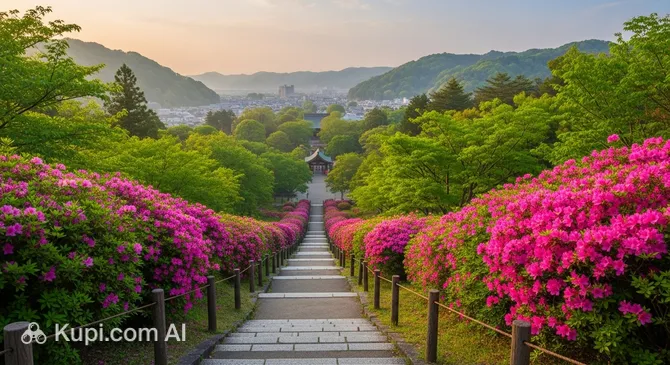
For immersion in the spiritual atmosphere of the city, visit the Yabo Tenmangu Shrine. It is one of the oldest shrines in the region, dedicated to the deity of scholarship, Sugawara no Michizane. It attracts visitors with its calm atmosphere, beautiful architecture, and historical significance, especially during festivals.

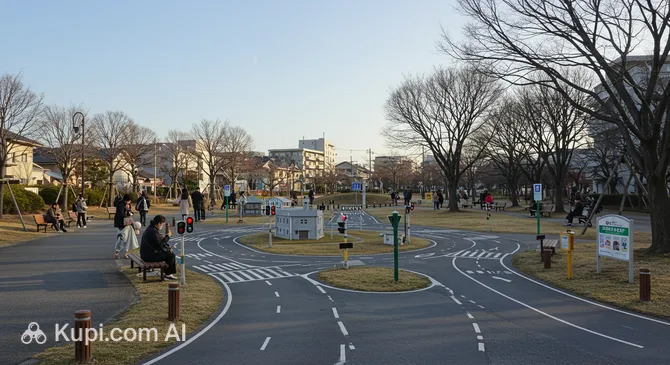
If you are traveling with children, stop by the Fuchu Municipal Traffic Park. This is an interactive site where little ones can learn traffic rules in a playful way, driving small cars and bicycles along specially equipped streets. An excellent option for family leisure!

Fuchu Traffic Playground. Illustration.
Source: Kupi.com AI

Traveler photos:

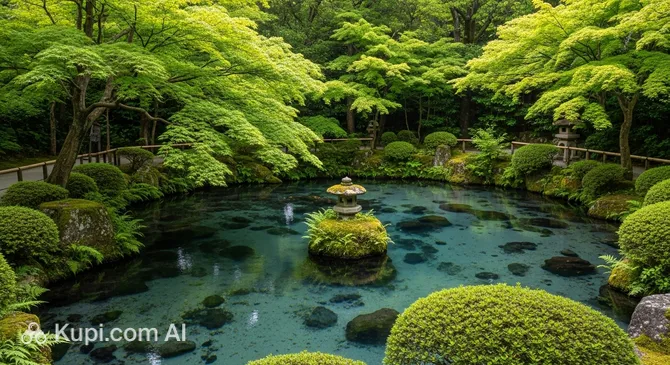
For those seeking secluded corners of nature and authentic experiences, we recommend a walk along the Otaka-no-Michi trail leading to the Masugata Pond Springs. This is a picturesque route along a stream, surrounded by greenery, ideal for a quiet meditative walk and enjoying the silence away from the city noise.

Otaka-no-Michi Masugata Pond Springs. Illustration.
Source: Kupi.com AI

Traveler photos:

Getting Around

Getting around Fuchu is quite convenient thanks to its developed public transport system. The transport network is based on trains and buses, which allow for easy access to most areas of the city and its surroundings.

The main form of transport in Fuchu is trains. Several important railway lines pass through the city, including JR lines (such as the Musashino Line, Nambu Line) and the private Keio Line. These lines provide fast connections not only within Fuchu but also to central Tokyo and other cities in the prefecture. Stations are well-equipped, often with signs in English.

The bus network in Fuchu complements the rail service, linking stations with residential neighborhoods, attractions, and areas not reached by trains. Various bus companies, such as Keio Bus, operate numerous routes around the city. Buses run on schedules, which can usually be found at the stops.

The fare payment system in Fuchu is integrated with the general Greater Tokyo system. The most convenient way to pay is using rechargeable IC cards, such as Suica or PASMO. These cards can be used for both trains and buses by simply tapping them against the reader at the ticket gate or on the bus. Cards can be purchased and topped up at machines at most railway stations. It is also possible to purchase single-trip train tickets (at station machines) or pay the bus fare in cash (small change is recommended). Train fares depend on the distance, starting from approximately 150-200 yen, while bus fares are often fixed or zoned, around 200-250 yen.

Tourists are advised to purchase an IC card immediately upon arrival for maximum convenience. For route planning, you can use popular navigation apps that show schedules and optimal paths. Public transport typically begins operating early in the morning (around 5:00-6:00 AM) and ends around midnight, but schedules can vary depending on the line and day of the week.

In addition to public transport, other modes of travel are available in Fuchu. Taxis can be found at railway stations or called by phone, although this is a more expensive option. For short trips and rides around park areas, bicycle rental might be suitable—some areas of the city have rental points. Car sharing is less common for short-term use by tourists, but it does exist.

Accommodation

When planning a trip to Fuchu, you will find a variety of accommodation options to suit different preferences and budgets. The city offers a choice ranging from modern hotels to more traditional Japanese inns, as well as apartments for short-term rental.

Fuchu has housing options for every taste: from budget hotels and guesthouses to comfortable mid-range hotels catering to both tourists and business travelers. While world-class luxury resorts are less common here than in central Tokyo, the quality of service in local hotels is usually high. It is also worth considering apartment rentals, especially if you are traveling with family or planning a long stay.

When choosing a place to stay, pay attention to areas located near major transport hubs, such as railway stations. This will provide you with easy access to local attractions, such as Fuchu-no-Mori Park or the JRA Horse Racing Museum, as well as other areas of Tokyo. Central Fuchu usually offers a greater variety of cafes, restaurants, and shops within walking distance.

While specific hotel names are not provided in this overview, you can easily find suitable options through popular online booking platforms or by consulting Japan's tourism websites. The price range varies: you can find both economical options and rooms in mid-range and high-end hotels. It is recommended to book accommodation in advance, especially if your trip coincides with major local events or peak tourist seasons (such as the cherry blossom or autumn foliage seasons).

Nearby Cities

For those who want to explore the surrounding area, Fuchu serves as an excellent starting point for day trips to several interesting nearby locations:

CityPopulationDistance
Kunitachi75 1334 km
Koganei127 2264 km
Inagi92 6044 km
Kokubunji129 6195 km
Osawa32 6095 km

These nearby cities offer a unique opportunity to see another side of life in Tokyo Prefecture, away from the hustle and bustle of central districts. In places like Chofu, Nishitokyo, Kodaira, Kamirenjaku, and Hino, you can discover the charm of local temples and shrines, enjoy walks through well-kept parks and gardens, and explore traditional shopping streets with authentic stores and cozy restaurants. These trips will allow you to dive deeper into the daily life of the Japanese people, feel the calm atmosphere of the suburbs, and perhaps witness local cultural events or festivals. Each of these destinations is easily accessible from Fuchu and promises new experiences, complementing your journey through Japan.

Shopping & Souvenirs

Shopping in Fuchu offers a pleasant addition to your visit, although the city is not a major fashion center or a destination for exclusive goods like central Tokyo. Here you will find a mix of local shops, department stores, and modern retail outlets offering everything from everyday necessities to unique Japanese souvenirs. Fuchu is not famous for any specific types of goods, but here you can feel the atmosphere of Japanese shopping away from the tourist crowds.

Main shopping opportunities in Fuchu are generally concentrated around major railway stations, such as Fuchu Station. In these areas, you will find department stores, small boutiques, electronics shops, and various restaurants. Walking through the adjacent streets will allow you to discover local shops offering traditional goods and products.

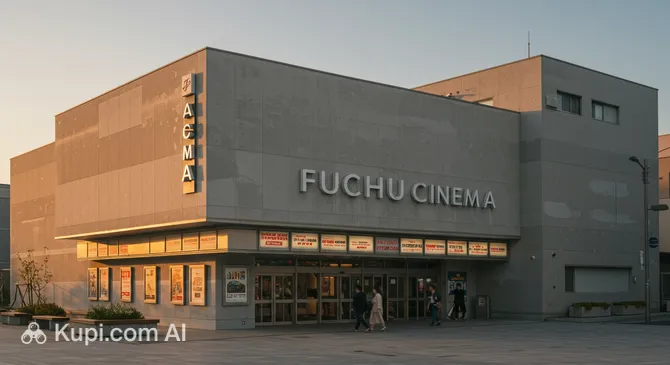
One notable place for shopping and entertainment is TOHO Cinemas Fuchu. Despite the name, it is likely a complex where, in addition to cinema halls, there are various shops offering clothing, accessories, household goods, and more. It is a convenient place to combine shopping with watching a movie or relaxing in one of the cafes.

Fuchu Cinema. Illustration.
Source: Kupi.com AI

Traveler photos:

While Fuchu is not famous for large traditional markets like some other cities in Japan, you may come across small local grocery stalls or temporary fairs, especially near shrines or during city festivals. Here you can purchase fresh local products and unique handmade items.

As souvenirs from Fuchu, you can bring back traditional Japanese sweets (wagashi), ceramics, textiles, or small decorative items. Given the presence of the JRA Horse Racing Museum and the Tokyo Racecourse in the city, you can look for horse racing-themed souvenirs. Also, pay attention to amulets and souvenirs sold at local shrines, such as the Yabo Tenmangu Shrine.

Most shops in Fuchu operate approximately from 10:00 AM or 11:00 AM until 7:00 PM or 8:00 PM. Large shopping centers and department stores may have longer opening hours. Both cash (Japanese yen) and credit cards are accepted, especially in large stores and shopping centers. However, it is always useful to have some cash on hand for small shops or markets.

For international tourists in Japan, a tax refund system (Tax Free) is available. Look for shops with the corresponding "Tax-Free Shopping" logo. Usually, to process a tax refund, you need to make a purchase for a certain amount (typically over 5,000 yen) in one store in one day and present your passport. Conditions may vary, so check details directly at the store.

Reached the end of the page?

That means the route is fully explored