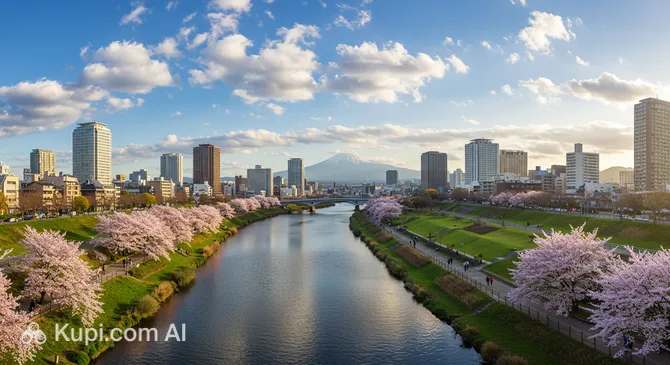
Sagamihara is a dynamically developing city in Kanagawa Prefecture, located in the heart of the Kanto region. As part of the vast Tokyo-Yokohama metropolitan area, the city harmoniously combines the features of a modern industrial center with a cozy residential suburb. With a population of over 722,000, Sagamihara holds the status of a government-designated city, highlighting its importance to Japan.
Sagamihara. Illustration.
Source: Kupi.com AI
The city is known for its role in the country's scientific and technological progress: it is home to important facilities of the JAXA space agency, making it a point of attraction for science enthusiasts. The city's rich historical heritage dates back to the Edo period, when key trade routes passed through these lands, contributing to the development of crafts and agriculture.
Despite its predominantly industrial character, Sagamihara offers guests a calm atmosphere and convenient infrastructure. It is an excellent place for those who want to see the authentic, non-touristy life of a Japanese metropolis, stroll through spacious parks, or use the city as a convenient base for exploring neighboring prefectures.
Weather Overview
Sagamihara is located in a humid subtropical climate zone, which provides the city with a clear change of seasons. Summer here is usually warm and humid; during this period, rains are frequent, especially during the "tsuyu" season and during the passage of typhoons. Winters, on the contrary, are quite mild and dry, and steady frosts and heavy snowfalls occur very rarely, making the weather in Sagamihara comfortable for trips throughout most of the year.
The average temperature in the coldest month, January, ranges from -0.5°C to 7.9°C, while August pleases with heat reaching around 23–29°C. Spring and autumn are considered the most favorable seasons for visiting, when mild temperatures set in and nature is painted in the bright colors of blooming sakura or red maples.
Average monthly temperature
Average monthly precipitation
Interesting Facts
Sagamihara hides many surprising details that set it apart from other suburbs of the capital.
The city is among the top twenty largest settlements in the country and holds a prestigious sixth place in terms of population in the densely populated Kanto region.
Sagamihara is considered one of the centers of the Japanese space program thanks to the JAXA research campuses, where work on major interplanetary missions is conducted.
Its status as a government-designated city puts Sagamihara on the same administrative level as giants like Sapporo or Hiroshima, granting local authorities expanded powers.
Significant Japan Self-Defense Forces bases are stationed in the city, which has historically influenced the layout of certain districts and the development of urban infrastructure.
How to Get There
Sagamihara's transport accessibility is one of its main advantages, as the city is located at a strategic node between Tokyo and Yokohama. Railway connections make travel fast and predictable, allowing tourists to easily plan all ways to get to Sagamihara and its surroundings.
The nearest international gateways are Haneda (HND) and Narita (NRT) airports. The journey from Haneda takes about 1.5 hours by train with transfers, while the trip from the more distant Narita takes between 2 and 2.5 hours.
The main means of transportation are JR lines, such as the Yokohama Line and the Sagami Line. They connect Sagamihara's key stations with major transport hubs, such as Shinjuku Station in Tokyo, a trip that usually takes no more than an hour.
Main Attractions
While Sagamihara doesn't always make it into standard guidebooks, it offers travelers several unique and peaceful locations. The urban environment here is devoid of the hustle and bustle of central Tokyo, allowing you to enjoy cultural sites at a leisurely pace.
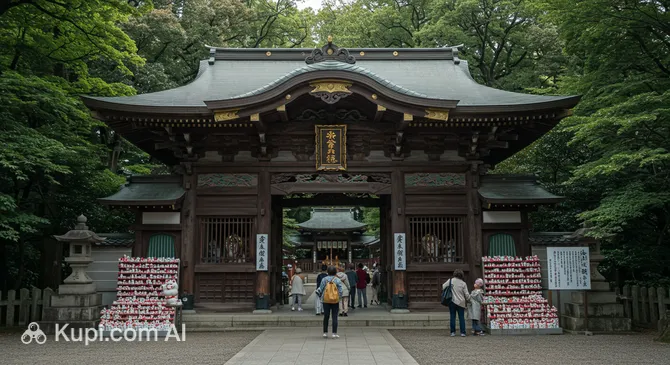
One of the most unusual places in the area is Gotokuji Temple. This site is steeped in legends of the "beckoning cat" or maneki-neko: here you can see thousands of cat figurines with a raised paw, which, according to belief, bring good luck.
Gōtokuji Temple. Illustration.
Source: Kupi.com AI
Traveler photos:
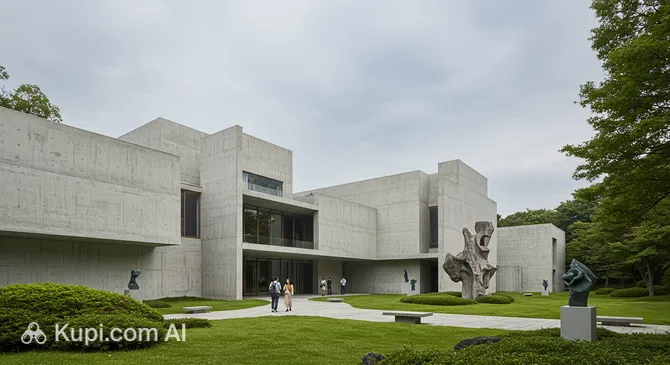
Art lovers should visit the Taro Okamoto Museum of Art. The collection is dedicated to one of Japan's most avant-garde artists, whose expressive style and unusual sculptures leave no one indifferent.
Taro Okamoto Museum of Art. Illustration.
Source: Kupi.com AI
Traveler photos:
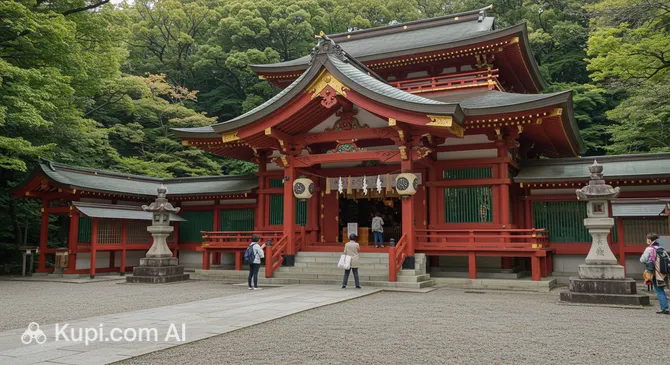
For those seeking a traditional atmosphere, Samukawa Shrine is an ideal choice. This ancient Shinto shrine is considered an important spiritual center of the region, attracting pilgrims with its majestic architecture and the tranquility of its sacred groves.
Samukawa Shrine. Illustration.
Source: Kupi.com AI
Traveler photos:
Local Cuisine
Sagamihara's gastronomic scene reflects the spirit of a modern Japanese metropolis: you can find everything here, from traditional eateries to restaurant chains. Fresh seafood dishes, delivered daily from the nearby ports of Yokohama, are particularly popular in the city.
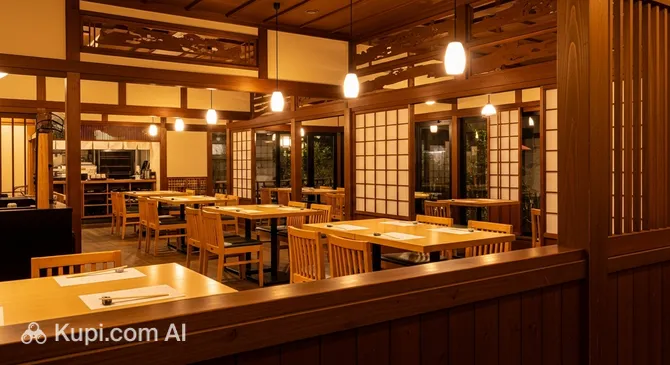
If you are looking for a place with an authentic atmosphere, stop by Motsuno. This establishment is famous for its hospitality and traditional Japanese flavors, offering visitors a chance to dive into the daily dining culture of the locals.
Motsuno. Illustration.
Source: Kupi.com AI
Traveler photos:
Another excellent choice is Kaigaraya, which serves excellent ramen and other popular dishes. The general character of local cuisine is heartiness and quality, while green tea and local beer remain the main drinks. The food culture in Sagamihara is centered around railway stations, where izakayas and family restaurants are always full of patrons in the evenings.
Kaigaraya. Illustration.
Source: Kupi.com AI
Traveler photos:
Travel Tips
When planning a trip to Sagamihara, take note of these practical tips to help make your stay as comfortable and interesting as possible.
Clothing and Gear: Choose your wardrobe according to the season: light clothing and an umbrella for sun or rain are essential in summer, while layering is key in winter. Comfortable shoes are necessary for long walks. Don't forget an adapter for Japanese outlets (Type A/B).
Transport: The main mode of travel is JR trains and private lines. For fares and shopping, purchase a rechargeable Suica or Pasmo card—it will significantly simplify your movements.
Finances: The official currency is the yen. Although cards are accepted in large shopping centers, always carry cash for payments in small cafes. You can withdraw money from ATMs at 7-Eleven stores.
Health and Safety: The city is very safe. Pharmacies are easy to find near stations (look for the 薬 sign), but international medications may have different names, so bring a basic first-aid kit with you.
Communication: The main language is Japanese. English is common in hotels, but translator apps will be useful in small shops. Free Wi-Fi is available in shopping centers and many chain cafes.
Local Etiquette: Maintain silence on public transport and always stand in line for boarding. Bowing when greeting is an important part of the culture that is appreciated by the Japanese.
What to Avoid: Do not eat on the go in crowded places and do not leave tips—this is not customary in Japan and may embarrass the staff.
Waste Sorting: Pay close attention to trash bins—in Japan, it is customary to sort waste carefully, so follow the signs on the bins.
Sagamihara is a welcoming and peaceful city where respect for rules and politeness will help you enjoy your time.
Entertainment & Nightlife
Sagamihara's entertainment infrastructure is primarily geared toward local residents rather than tourists. The areas around the stations usually feature karaoke, game centers, small cinemas, and izakayas. The scale is smaller than in central Tokyo districts, but it is sufficient for a pleasant evening.
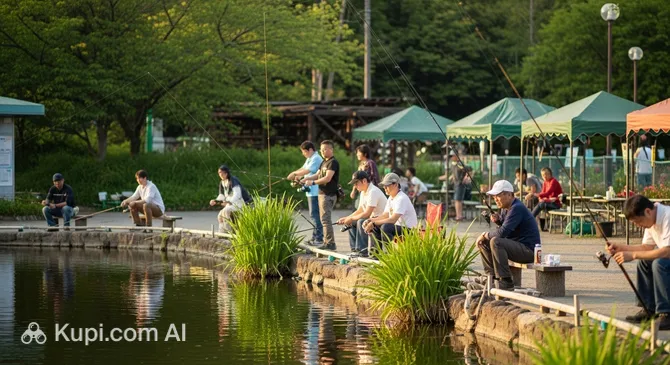
For a night out, the Some Time club is a great choice, where you can enjoy pleasant music and a classic club atmosphere. If you are traveling with friends or family and looking for something more active during the day, check out the Sagamihara Kamimizo Adventure and Fishing Park, which offers a unique outdoor entertainment format.
Adventure Fishing Park Sagamihara Kamimizo. Illustration.
Source: Kupi.com AI
Traveler photos:
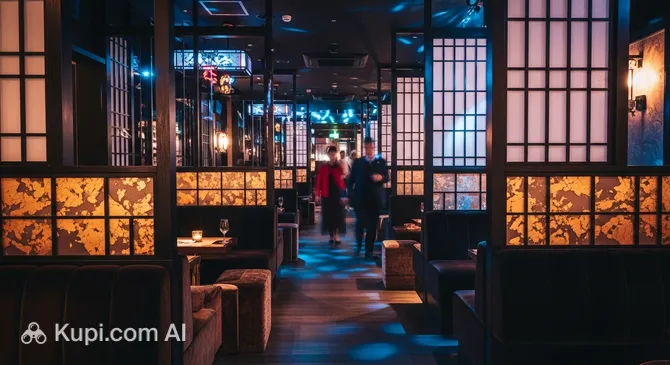
While Sagamihara cannot boast the scale of Tokyo's club life, there are stylish spots like Oriental Lounge Yokohama, where a trendy crowd gathers. Overall, the city is safe at night, and you can reach your hotel by taxi, which is easy to call via an app or find at stands near the railway stations.
Oriental Lounge Yokohama. Illustration.
Source: Kupi.com AI
Traveler photos:
Parks & Museums
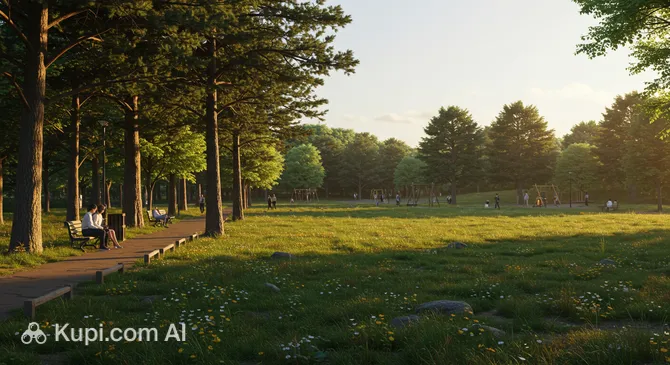
Sagamihara's green zones are an ideal refuge from the industrial landscape. Sagamihara Prefectural Park is the city's pride: its wide alleys, well-kept lawns, and sports areas make it a favorite spot for picnics and morning jogs. This is a modern space designed for comfortable family recreation.
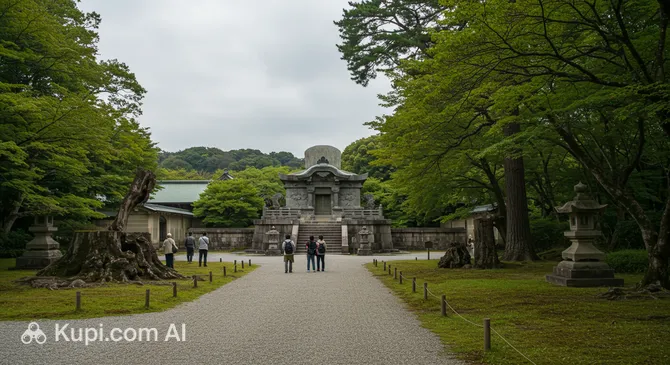
History and culture buffs will be interested in visiting the Musashi Imperial Graveyard. This majestic and solemn place, surrounded by forest, inspires a contemplative mood and allows you to touch the country's imperial past.
Musashi Imperial Mausoleum. Illustration.
Source: Kupi.com AI
Traveler photos:
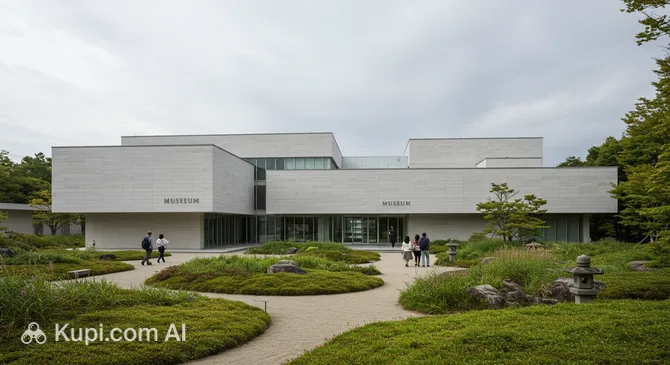
Another notable location is the Nippon Maru—a legendary sailing ship turned museum. It attracts not only maritime fans but everyone interested in engineering. For those who prefer literature, the Setagaya Literary Museum opens its doors, offering a unique look at Japanese prose and poetry.
Setagaya Literary Museum. Illustration.
Source: Kupi.com AI
Traveler photos:
Getting Around
The public transport system in Sagamihara relies on railway lines and an extensive bus network. JR lines (Yokohama Line, Sagami Line, etc.) carry the bulk of passengers, connecting the city with Tokyo, Yokohama, and neighboring municipalities. The stations around these lines form hubs of urban activity where life is always bustling.
Buses complement the railway, linking residential quarters and industrial zones located far from the stations. Remember that in Japanese buses, entry is usually through the rear door, and payment is made upon exit. For ease of payment, tourists are recommended to purchase a rechargeable transport card, such as Suica or Pasmo, which is accepted almost everywhere.
Drivers should keep in mind that roads can be heavily congested during peak hours, and parking near stations is often limited and expensive. For a short-term stay in Sagamihara, it is usually most convenient to use trains and, if necessary, local buses or taxis for short distances.
Accommodation
Sagamihara's hotel stock is primarily oriented toward business travelers and people who need convenient housing in the suburbs of Tokyo. Middle-class business hotels and small guest houses located in the immediate vicinity of major railway stations predominate.
For those looking for more extensive accommodation options with a resort atmosphere nearby, Akishima Mori Park is worth considering. This complex offers a higher level of comfort and additional services for a complete vacation.
Akishima Mori Park. Illustration.
Source: Kupi.com AI
Traveler photos:
Accommodation prices in the city are usually lower than in central Tokyo, making Sagamihara an attractive option for budget-conscious travelers. It is recommended to book accommodation in advance, especially if your visit coincides with the cherry blossom season or major Japanese public holidays.
Nearby Cities
Thanks to its location, Sagamihara serves as an excellent starting point for exploring the central part of Honshu Island. In just an hour, you can find yourself in the heart of the Japanese capital or on the coast, making the city a convenient hub for the curious tourist.
One of the most popular destinations is neighboring Machida, known for its shopping centers and parks. It is also worth visiting the city of Tama, home to famous theme parks, or Zama, which attracts visitors with its sunflower festivals in the summer.
For longer walks, a trip to Kawashiri or a visit to Aihara Minamidani is ideal. The region around the city is rich in hidden temples and local natural attractions that allow you to see everyday life in Japan away from the tourist crowds.
Shopping & Souvenirs
Shopping in Sagamihara is mainly focused on the daily needs of residents. Near major railway stations, there are multi-story shopping centers, department stores, electronics chains, and household stores. The format is typical for the suburban zones of Greater Tokyo: you can find everything you need in one place.
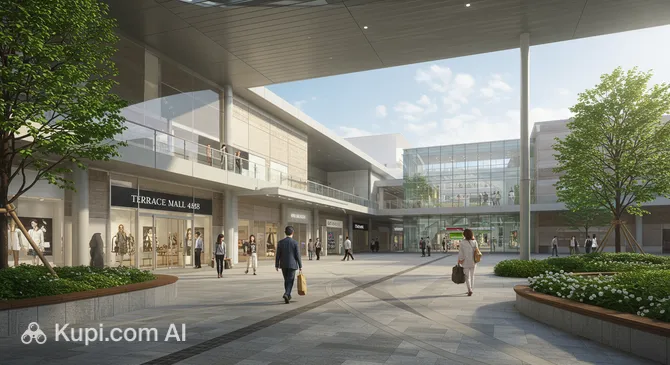
One of the most popular shopping destinations in this region is Terrace Mall Shonan. This modern space brings together hundreds of brands and cozy relaxation areas under one roof, making the shopping process as pleasant and efficient as possible.
Terrace Mall Shonan. Illustration.
Source: Kupi.com AI
Traveler photos:
Shops in the city usually operate from 10:00 to 20:00 or 21:00. In large retail outlets, a Tax-Free system is often available for foreign tourists. If you are looking for something special as a souvenir, look for Japanese sweets or high-quality stationery, which is considered among the best in the world in Japan.