Support

Isehara

About

Isehara is a charming city located in Kanagawa Prefecture, offering its guests a unique blend of natural beauty and rich spiritual culture. It serves as a popular gateway to the sacred Mount Oyama and attracts those seeking tranquility away from the hustle and bustle of Japan's metropolises.

The city is situated in the central part of Kanagawa Prefecture, west of Tokyo, making it easily accessible for day trips. Isehara has a population of over 100,000 people. The climate here is temperate, with clearly defined seasons, allowing visitors to enjoy the beauty of local nature all year round.
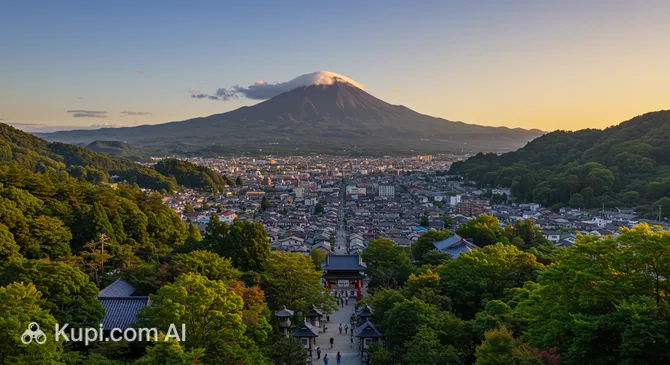
Isehara. Illustration.
Source: Kupi.com AI

One of Isehara's main gems is undoubtedly Mount Oyama. This mountain, revered since ancient times, offers magnificent hiking trails of varying difficulty and breathtaking panoramic views. Located on the slopes of Mount Oyama are two significant religious sites: the Shinto Oyama Afuri Shrine, known for its views and connection to the deity of rain, and the Buddhist Oyama-dera Temple, famous for its statue of Fudo Myoo.

Isehara is a wonderful place for those who want to immerse themselves in a traditional Japanese atmosphere, enjoy nature, and visit historically significant shrines. If you are planning a trip through the Kanto region, be sure to consider visiting this cozy and picturesque city.

You can find more interesting facts on the Isehara city history page.
Weather Overview

The weather in Isehara is characterized by distinct seasonal fluctuations. Summer, especially in July and August, is warm here, with average temperatures around 25-26°C, and daily maximums can reach 29°C. Summer months are also quite humid, with the highest rainfall and about 18 rainy days in June, July, August, and September. Winters, from December to February, are cool: the average temperature ranges from 4°C to 7°C, and night frosts are not uncommon, especially in January when the temperature can drop to 0.5°C. In winter, there is significantly less precipitation, and the number of rainy days decreases to 9-10 per month.

Spring (March-May) and autumn (October-November) are transitional seasons with gradual temperature changes and moderate precipitation. Overall, Isehara is characterized by warm and humid summers with occasional rain and cool, drier winters. To learn more about the climatic conditions, visit the weather in Isehara page.

Average monthly temperature

Average monthly precipitation

Interesting Facts

Beyond its picturesque views and famous temples, Isehara hides many curious details and stories that make this city even more attractive to explorers. Here are a few little-known facts that will help you look at Isehara from a new perspective:

Isehara Daijingu Shrine. Illustration.
Source: Kupi.com AI

Traveler photos:

  • Isehara is known as a center for growing a special variety of persimmon called "Jirogaki" (次郎柿). Thanks to the favorable climate and fertile soil, local farmers harvest a rich crop of these sweet and nearly seedless fruits, which become a true symbol of the region in autumn and attract food enthusiasts.

  • The local Isehara Daijingu Shrine is so revered that it is sometimes unofficially called the "Grand Ise Shrine of Sagami Province" (the historical name for part of Kanagawa Prefecture), emphasizing its spiritual significance to the region.

  • Every year, Isehara hosts the vibrant "Dokan Matsuri" festival, dedicated to Ota Dokan, a famous 15th-century samurai and military commander who is traditionally linked to the history of these lands and is considered the founder of Edo Castle (modern-day Tokyo).

  • The Sannomiya Hibita Shrine has deep historical roots, being the third most important (san-no-miya) shrine of the ancient Sagami Province, which gave it its name.

How to Get There

The most convenient way to reach the city of Isehara is through the major international airports serving the Tokyo metropolitan area. The nearest and busiest is Haneda Airport (HND), located in Tokyo, approximately 45.3 km from Isehara. A trip from there by taxi or express bus to the center of Isehara will take roughly 1.5 hours. Another major international hub is Narita International Airport (NRT), also located in Tokyo but at a greater distance — about 105.1 km from Isehara. The journey from Narita can take about 2.5–3 hours. Both of these major airports offer various transfer options, including trains and buses, which may require transfers to reach Isehara. It is recommended to research public transport routes from the airports to Isehara in advance.

For clarity, here is summary information for the main airports used to reach Isehara:

AirportPassenger trafficDistance
Haneda Airport85.7 mln45 km
Narita International Airport40.8 mln105 km
Shizuoka Airport691 274123 km
Ibaraki Airport776 063132 km
Matsumoto Airport112 618152 km

Main Attractions

The city of Isehara, located in Kanagawa Prefecture, offers travelers several interesting sites that allow them to experience Japanese culture and traditions. These include both spiritual centers and places to discover local cuisine.

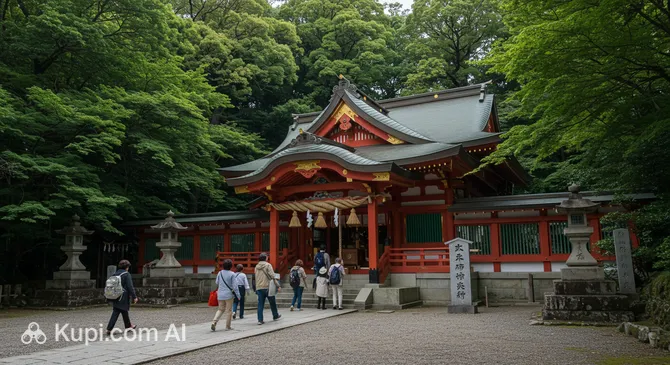
One of the main attractions is the Isehara Daijingu Shrine. This significant Shinto shrine is often associated with the Grand Shrine of Ise, one of the most revered in Japan. Visitors are drawn to its peaceful atmosphere, beautiful traditional architecture, and the opportunity to immerse themselves in the country's spiritual world. This place is ideal for those interested in Japanese religion and history.

Isehara Daijingu Shrine. Illustration.
Source: Kupi.com AI

Traveler photos:

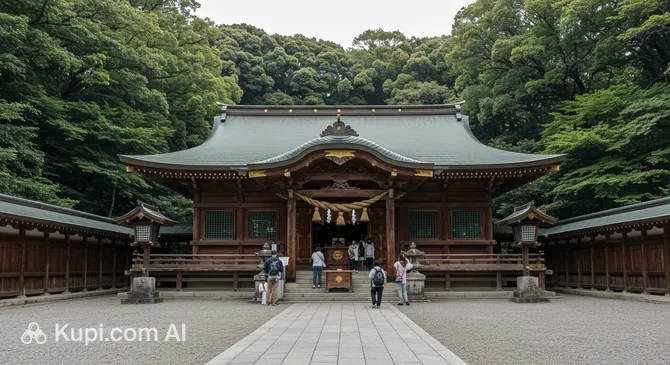
Another notable site is the Sannomiya Hibita Shrine. This ancient shrine plays an important role in local culture and history. It offers visitors a chance to enjoy peace and quiet while learning about local customs and beliefs. A walk through its grounds will leave a pleasant impression and provide a better understanding of Isehara's spiritual heritage.

Sannomiya Hibita Shrine. Illustration.
Source: Kupi.com AI

Traveler photos:

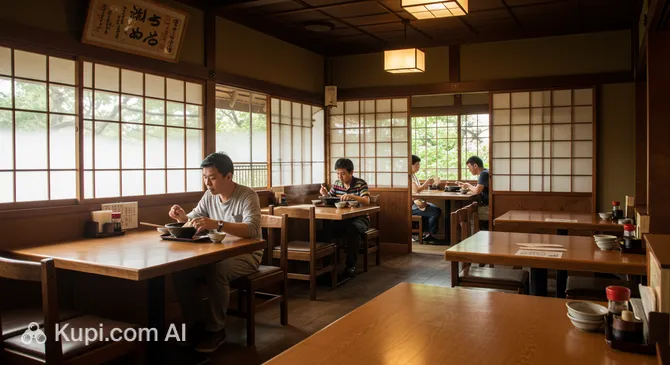
After exploring the spiritual shrines, you can head to the Fujimaru restaurant. This establishment offers guests a taste of local or traditional Japanese cuisine. A visit to Fujimaru is an excellent addition to the cultural program, allowing you to appreciate the gastronomic features of the region.

Fujimaru. Illustration.
Source: Kupi.com AI

Traveler photos:

Local Cuisine

The gastronomic scene of Isehara offers travelers an exciting immersion into the world of Japanese cuisine with its regional characteristics. Located in Kanagawa Prefecture, the city absorbs the culinary traditions of this region, offering both classic Japanese dishes and local delicacies. Fresh ingredients are highly valued here, many of which are supplied by local farms and markets, ensuring high-quality meals.

Be sure to try dishes that reflect Isehara's proximity to natural riches, especially Mount Oyama. One of these iconic products is Oyama Tofu, known for its delicate flavor and texture. It is often prepared using traditional recipes passed down through generations and served in various styles. It is also worth paying attention to dishes using fresh seasonal vegetables characteristic of Kanagawa Prefecture. Don't miss the chance to try local ramen or udon, which may have their own unique variations of broth and toppings reflecting local tastes.

As for drinks, in Isehara, as throughout Japan, traditional green tea of many varieties is popular. Among alcoholic beverages, sake is worth noting, which can be either locally produced or from the country's famous sake-brewing regions, as well as shochu — a strong distilled beverage. Of course, a variety of non-alcoholic drinks, including refreshing lemonades and juices, are always available to tourists.

The dining culture in Isehara is diverse. Locals and tourists can enjoy meals in cozy restaurants specializing in different types of Japanese cuisine — from sushi and sashimi to tempura and yakitori. Izakayas — traditional Japanese pubs — are also popular, where you can order a variety of snacks to accompany drinks in an informal setting. One of the establishments where you can get acquainted with local gastronomy is the Fujimaru restaurant, which offers authentic dishes.

The gastronomic features of Isehara will appeal to tourists with their emphasis on the freshness and quality of local products. Special attention should be given to dishes associated with Mount Oyama, such as the famous Oyama Tofu, as well as seasonal vegetable delicacies. The general character of the city's gastro scene is a harmonious combination of centuries-old traditions and modern approaches to cooking, allowing every traveler to find something to their taste, from simple and hearty home-style meals to exquisite culinary creations.

Travel Tips

Welcome to Isehara! To make your trip to this charming corner of Japan as comfortable and memorable as possible, we have prepared some practical tips. They will help you find your way around and enjoy every moment of your stay.

  1. Clothing and Essentials: Consider the seasonality when choosing your wardrobe for a trip to Isehara. In summer, it can be hot and humid, while in winter it is cool, sometimes with snow on Mount Oyama. Layered clothing is your best choice at any time of year. Be sure to bring comfortable shoes, as you will be walking a lot, especially if you plan to explore the area around Mount Oyama. Don't forget an adapter for electrical appliances (Japan uses type A and B sockets, 100V voltage). When visiting shrines like Oyama Afuri, choose modest clothing that covers shoulders and knees.
  2. Getting Around Town: The main way to get around Isehara and its surroundings is public transport. The city is served by the Odakyu Odawara Line (Isehara Station), from where it is easy to reach Tokyo and other cities. Local buses also run through the city. We recommend purchasing an IC card (such as Suica or Pasmo) for convenient fare payment. Taxis are available but relatively expensive. Renting a car might be justified if you plan to actively explore Kanagawa Prefecture, but it is not a necessity for the city itself.
  3. Finance and Payments: The national currency is the Japanese Yen (JPY, ¥). You can exchange currency at airports, major banks, or specialized exchange offices. Credit cards (Visa, Mastercard) are widely accepted in hotels, department stores, and many restaurants. However, always carry some cash with you for small shops, local markets, shrines, and fares on some buses. ATMs that accept international cards can be found in post offices (Japan Post Bank) and convenience stores (e.g., 7-Eleven). Tipping in Japan is not practiced and can even cause confusion.
  4. Health and Safety: Isehara, like Japan in general, is considered a very safe place for tourists. The crime rate is low. Nevertheless, always follow basic precautions. Pharmacies (薬, kusuri) are easy to find, but the range of products may differ, and the pharmacist may not always speak English. It is recommended to have a basic first-aid kit with you. Be sure to get travel medical insurance before your trip. In emergencies, call 110 (police) or 119 (fire/ambulance).
  5. Language and Communication: The official language is Japanese. In tourist areas, hotels, and major stations, staff may speak English, but overall, the level of English proficiency among the population is not high. Learn a few basic Japanese phrases: "konnichiwa" (hello), "arigato" (thank you), "sumimasen" (excuse me/sorry). This will significantly facilitate communication and will be appreciated by the locals. Consider buying a local SIM card or renting a pocket Wi-Fi router for constant internet access and use of online translators and maps.
  6. Local Etiquette and Traditions: Japanese people are very polite and value respect for their traditions. When greeting, a slight bow is usually used. Avoid loud conversations in public places, especially on transport. Remove your shoes before entering homes, some shrines, traditional restaurants, and ryokans. There are certain rules for using chopsticks (for example, do not stick them vertically into rice, do not pass food with chopsticks to another person).
  7. What to Avoid: Try not to eat or drink while walking on the street unless it is a designated area (like a street food court). Smoking on the streets in most Japanese cities is restricted to specially designated zones. Do not be late for meetings or transport — punctuality is highly valued here. Also, do not leave trash anywhere; use bins or take it with you.
  8. Special Tip for Isehara: The city's main attraction is Mount Oyama and the Shinto Oyama Afuri Shrine located on it. Be sure to set aside time for the ascent (on foot or by cable car) — the views from the mountain are simply breathtaking, especially in autumn when the leaves change color. There is also the Buddhist temple Oyama-dera on Mount Oyama. Try local specialties such as tofu (Oyama-tofu) and fresh vegetables.

We hope these tips help you plan an unforgettable trip to Isehara. Enjoy every moment, explore the culture and nature of this amazing place!

Entertainment & Nightlife

Evening Isehara offers its guests a more quiet and authentic getaway rather than the noisy all-night parties typical of major metropolises. Nightlife here is centered around small, cozy establishments where you can immerse yourself in the local atmosphere. The main activity is observed around the Isehara railway station, where the doors of numerous small restaurants and bars open as darkness falls.

Among the places where you can spend a pleasant evening is, for example, the Fujimaru restaurant, which serves local cuisine. However, the core of evening entertainment in Isehara consists of numerous traditional Japanese pubs — izakayas — and small bars. These establishments, especially concentrated in the Isehara station area, offer an authentic experience: they usually have a relaxed atmosphere where both locals and tourists gather to enjoy sake, beer, and a variety of snacks. The dress code in most places is casual, and the atmosphere encourages socializing.

Fujimaru. Illustration.
Source: Kupi.com AI

Traveler photos:

Most bars and izakayas in Isehara stay open until late evening, usually until midnight or 1:00 AM, especially on weekends. Prices in such establishments are generally moderate, allowing you to try various dishes and drinks without significant expense. The most convenient way to get around the city at night is by taxi, as public transport may have a limited schedule late at night. You can call a taxi by phone or find one at designated stands, particularly near the station.

Isehara, like most cities in Japan, is considered a very safe place. Night walks through well-lit central streets generally do not cause concern. Nevertheless, it is always worth following basic precautions and keeping an eye on your belongings, especially in crowded areas.

During the day, Isehara also offers interesting leisure options. Guests can visit historical and cultural sites such as the Sannomiya Hibita Shrine or the majestic Isehara Daijingu Shrine. These locations allow you to touch the spiritual culture of Japan and enjoy the tranquility and beauty of traditional architecture.

Parks & Museums

Isehara, nestled at the foot of Mount Oyama, offers its guests a harmonious combination of picturesque natural landscapes and a rich cultural heritage expressed in ancient shrines and interesting traditions.

The main natural attraction in the vicinity of Isehara is undoubtedly Mount Oyama. It is part of the Tanzawa-Oyama Quasi-National Park and attracts hikers with its numerous trails leading through forests to the summit, which offers breathtaking views. While the city itself may not have many large formal parks, the entire surrounding area is a vast green zone ideal for outdoor relaxation. One of the pleasant places for walking is Isehara Kobo-no-Sato Park, known for its seasonal blooms and peaceful atmosphere, offering visitors a chance to enjoy the beauty of nature within the city limits.

The cultural life of Isehara is closely linked to its religious sites and historical locations. One of the key places is the Isehara Daijingu Shrine, revered as an important spiritual site. Its history and architecture attract both pilgrims and tourists interested in Japanese traditions and Shinto culture.

Equally significant is the Sannomiya Hibita Shrine, offering visitors the chance to immerse themselves in an atmosphere of peace and tranquility. This site is also an important part of the city's historical heritage, where one can feel the connection between different eras.

While Isehara may not have a large number of traditional museums in the classic sense, the shrines and temples themselves, such as the famous Oyama-dera Temple and Oyama Afuri Shrine located on the slopes of Mount Oyama (though slightly away from the city center), serve as living open-air museums. They tell the story of the region through their impressive architecture, ancient rituals, and legends passed down through generations.

For a deeper dive into the atmosphere of Isehara, try exploring the lesser-known hiking trails on Mount Oyama, which can lead to secluded viewpoints or small shrines. It is also worth paying attention to local shops and markets where you can find unique handmade souvenirs and traditional products of the region.

Getting Around

When planning your travel around Isehara, keep in mind that the basis of public transport here consists of buses and railway connections. The city is served by the Odakyu Odawara Line, which connects it to major transport hubs such as Tokyo. Trains run regularly and on schedule, making them a convenient way for longer-distance travel.

Within the city and for trips to the immediate surroundings, the main mode of transport is buses. The route network is quite developed and covers most areas of Isehara. Buses are generally comfortable and follow a clear schedule. Information on routes and schedules can be found at bus stops and on the websites of transport companies.

The fare payment system in Japan, and in Isehara specifically, is quite convenient. The most popular method is contactless IC cards, such as Suica or Pasmo. These cards can be purchased and topped up at railway stations, in machines, or at some convenience stores. They can be used to pay for travel on both trains and buses by simply tapping the card against the reader at the entry and exit. It is also possible to pay with cash directly on the bus (usually when exiting, by dropping coins into a special machine next to the driver) or to buy single train tickets at machines in the stations. The fare depends on the distance traveled.

Tourists are recommended to purchase an IC card upon arrival, as it significantly simplifies the payment process and saves time. The cards are valid on most types of public transport throughout the country. Train tickets can be bought at station vending machines, which usually have an English menu. Validation of the ticket or IC card occurs at the turnstiles when entering and exiting the station, or when entering/exiting the bus. Public transport usually runs from early morning until late evening, but you should check the schedule for specific routes, especially on weekends and holidays.

As an alternative to public transport, taxis are available in Isehara. They can be found at designated stands near stations or called by phone. Taxis in Japan are known for their high level of service but are a more expensive travel option. For short trips around the city or exploring the surroundings, you might consider bicycle rentals, if available — it's a great way to enjoy the local scenery at your own pace. It is best to check for bicycle rental points locally or at tourist information centers.

Accommodation

When planning a trip to Isehara, you will find several accommodation options suitable for different budgets and preferences. The city offers a choice from modern hotels to more traditional Japanese inns, allowing every traveler to find a comfortable place to rest.

Most accommodation options in Isehara are concentrated near key transport hubs, such as the Isehara railway station, providing convenient access to various parts of the city and its surroundings. You can also find options in quieter areas if you prefer seclusion. The choice of area depends on your plans: proximity to the station is convenient for active travel, while the outskirts can offer a calmer atmosphere.

In Isehara, tourists can stay in mid-range hotels, business hotels that often provide a good balance of price and quality, as well as traditional Japanese inns (ryokans or minshukus) where you can dive deeper into the local culture. Although specific hotel examples are not provided in the data, the city has a sufficient number of options for a comfortable stay. It is recommended to book accommodation in advance, especially if your trip coincides with the peak tourist season or local festivals, to guarantee the best choice and prices.

The price range for accommodation in Isehara varies from budget options to mid-range and higher-end offers. You can book your stay through popular online platforms or, in some cases, by contacting the hotel or guesthouse directly. Comparing offers on different websites will help you find the best option that matches your expectations and budget.

Nearby Cities

For those who want to explore the surrounding area, Isehara serves as an excellent starting point for day trips to several interesting nearby locations:

Just a few kilometers away is Hiratsuka, a coastal city known for its beaches and the colorful Tanabata Festival, making it a wonderful place to relax by the sea and experience vibrant local traditions. A little further, about 11 kilometers away, lies Chigasaki — a popular destination for surfing enthusiasts thanks to its great waves and the famous Southern Beach. It is an ideal spot for an active day on the coast or simply enjoying the ocean views.

CityPopulationDistance
Atsugi225 0006 km
Ebina135 5578 km
Hiratsuka257 6628 km
Hadano164 2929 km
Chigasaki242 34711 km

These nearby destinations offer a glimpse into the diverse culture and landscapes of the region.

Shopping & Souvenirs

Isehara, being a charming city with rich nature and shrines, offers opportunities for experiencing local trade and finding authentic souvenirs rather than large-scale shopping in the style of Japan's major metropolises. Here you are unlikely to find huge shopping malls with global brands, but you can immerse yourself in the atmosphere of Japanese provincial life and purchase something truly unique.

The main shopping spots are generally concentrated around Isehara Station. Here you can find small shops offering everyday goods, local products, and souvenir stalls. Take a walk along the adjacent streets — you might stumble upon traditional Japanese shops selling tea, sweets, or ceramics.

Although there are no giant malls in Isehara, you can find small shopping complexes or department stores geared toward local residents. They offer clothing, household goods, and food. The assortment will differ from what is presented in large cities and may include products from local producers.

Regarding markets, in Isehara, it's worth checking out small local markets where farmers sell fresh vegetables, fruits, and other products. Sometimes, near major temples like the Isehara Daijingu Shrine or the Sannomiya Hibita Shrine, temporary fairs or souvenir rows may appear, especially during festivals.

Isehara Daijingu Shrine. Illustration.
Source: Kupi.com AI

Traveler photos:

For souvenirs from Isehara, consider:

  • Traditional Japanese amulets (omamori) and prayer tablets (ema) from local temples and shrines.
  • Items from local craftspeople, if available (e.g., ceramics, textiles).
  • Local sweets (wagashi) or other delicacies characteristic of Kanagawa Prefecture.
  • Goods related to Mount Oyama, a popular pilgrimage and hiking destination located nearby.

Shops in Isehara typically operate from 10:00 or 11:00 AM until 7:00 or 8:00 PM. Small family-run shops may have individual schedules and a day off (often Wednesday or Thursday). Regarding payment, cash is still widely used, especially in small shops and markets. Credit cards are accepted at larger retail outlets and department stores. Japanese transport IC cards (Suica, Pasmo) may also be accepted for small purchases.

The Tax-Free system is available in Japan for foreign tourists when purchasing goods over 5,000 yen at a single participating store. Look for the "Tax Free" sign at the entrance. To process the tax refund, you will need your passport. In Isehara, such shops will likely be less common than in major tourist centers, but in some department stores or specialized shops, this service may be available.

Reached the end of the page?

That means the route is fully explored