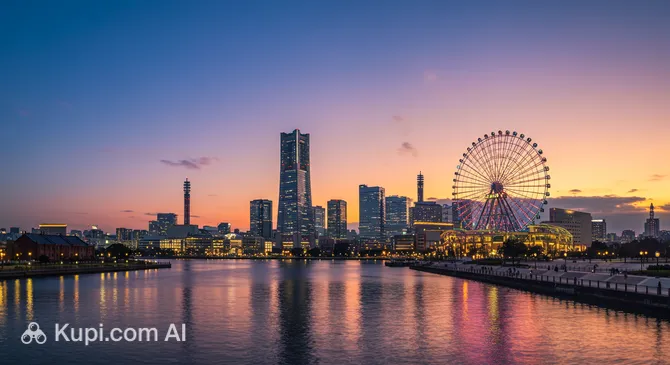
Yokohama is a majestic port metropolis stretching along the shores of Tokyo Bay. As the second-largest city in Japan by population, it harmoniously blends the dynamics of an international business hub with the relaxed atmosphere of a coastal resort. Unlike the ultra-dense Tokyo, there is a sense of space here: wide embankments, open ocean views, and an abundance of parks make strolling through the city particularly enjoyable.
Yokohama. Illustration.
Source: Kupi.com AI
The rich history of Yokohama is inextricably linked to the sea. It was here in the mid-19th century that one of the country's first international ports opened, becoming a window to the world for all of Japan. Today, this heritage is reflected in both the historical districts with European architecture in the Yamate area and the country's largest Chinatown, which fills the streets with the aromas of traditional Chinese cuisine.
The modern face of the city is the futuristic Minato Mirai 21 district, whose name translates to "Port of the Future." The city's main symbols are concentrated here: the Landmark Tower skyscraper, the Cosmo Clock 21 Ferris wheel, and numerous shopping centers. We invite you to discover this amazing place where technological progress meets the sea breeze.
Weather Overview
Yokohama is located in a humid subtropical climate zone, which is significantly influenced by its proximity to Tokyo Bay. Thanks to the sea breeze, temperature extremes are moderated, but the proximity to the ocean makes the air quite humid. Weather in Yokohama is characterized by clearly defined seasons, allowing the city to change its appearance throughout the year.
Winters in the city are mild and predominantly dry: in January, the average temperature ranges from +2°C to +9°C, and snow is extremely rare. Summer, on the other hand, can be hot and humid, especially in July and August, when the thermometer often rises above +30°C. Rainy periods occur in June (the tsuyu season) and September-October, when typhoons bringing heavy rainfall are possible.
The most comfortable times for a visit are considered to be spring and autumn. April delights with moderate warmth and cherry blossoms, while November brings a pleasant coolness and the vibrant colors of autumn foliage. When planning your trip, it's worth considering the "heat island" effect in densely built-up blocks, though the sea air at the Minato Mirai waterfront always provides a welcome freshness.
Average monthly temperature
Average monthly precipitation
Interesting Facts
Yokohama is full of amazing discoveries hidden behind the facades of its skyscrapers and port warehouses. This city often surprises tourists with its pioneer history and unique records.
It was in Yokohama in 1859 that one of Japan's first international ports opened, ending centuries of national isolation and making the city the region's main trading gateway.
It is home to the largest Chinatown not only in Japan but in all of East Asia—a true labyrinth of hundreds of restaurants and shops steeped in the spirit of ancient traditions.
The Minato Mirai 21 district, built on land reclaimed from the sea, was originally conceived as a "city of the future" and is today a benchmark for modern urban planning.
Despite its status as a metropolis, Yokohama does not have its own airport—the city relies on its proximity to Tokyo's Haneda and Narita airports, with which it has perfect connections.
How to Get There
Yokohama boasts excellent transport accessibility, being a vital hub of the Kanto capital region. Thanks to a developed railway network and proximity to major aviation hubs, all ways to get to Yokohama are comfortable and fast. Most travelers arrive here from Tokyo, spending between 15 to 45 minutes on the road depending on the chosen route.
The closest airport to the city is Haneda (HND). The journey from there on Keikyu Line express trains takes only about 30–35 minutes, making it the most convenient option for domestic and many international flights. Narita Airport (NRT) is located much further away, but the direct Narita Express train allows you to reach Yokohama Station without transfers in about an hour and a half.
The main railway hub is Yokohama Station, served by JR lines, private railways, and the subway. If you are traveling by Shinkansen high-speed train, your arrival point will be Shin-Yokohama Station, located slightly north of the center. From there, you can quickly reach the tourist districts by subway or suburban train.
Main Attractions
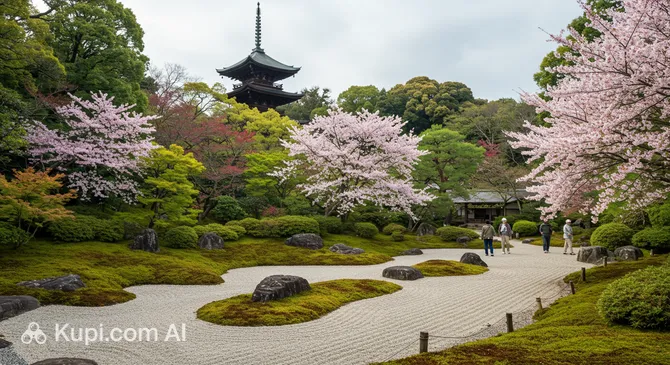
Yokohama offers guests a unique mix of modern architecture and picturesque coastlines. The main magnet for tourists remains the Minato Mirai 21 district, where you can spend a whole day moving between interactive museums, observation decks, and the cozy waterfront of Yamashita Park. If you are looking for tranquility and traditional aesthetics, be sure to visit Sankeien Garden — a magnificent landscape park where historical buildings, temples, and tea houses were relocated from various parts of the country.
Sankeien Garden. Illustration.
Source: Kupi.com AI
Traveler photos:
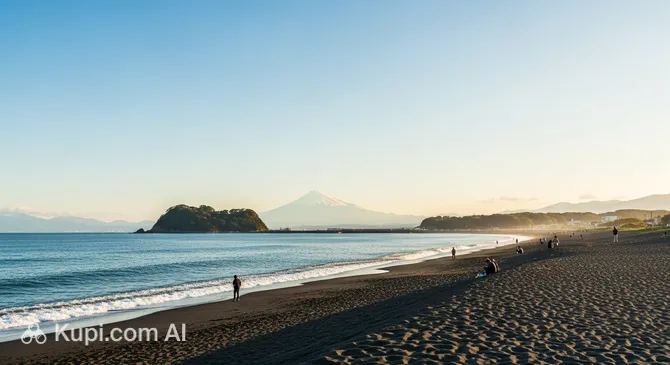
For those who want to trade cityscapes for the sound of the surf, the city's surroundings offer excellent opportunities for relaxation by the water. Shichirigahama Beach is famous for its breathtaking ocean views and is a popular spot for surfing and leisurely sunset walks. This place attracts both locals and travelers with its free-spirited and inspiring atmosphere.
Shichirigahama Beach. Illustration.
Source: Kupi.com AI
Traveler photos:
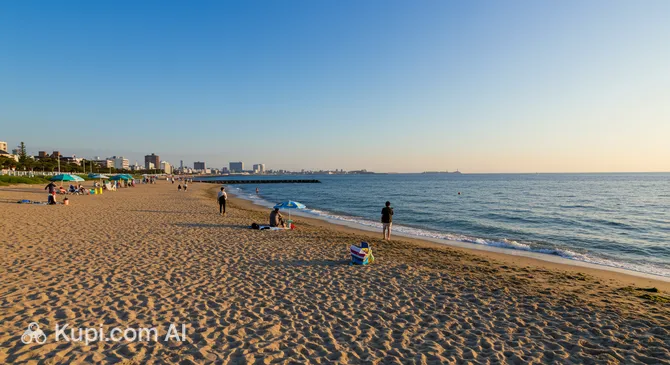
Another charming spot on the regional map is Morito Beach. This coastline is known for its clear waters and calm, making it a wonderful choice for those who want to escape the noise of a large metropolis. A walk along the shore will allow you to fully experience the maritime character of Kanagawa Prefecture.
Morito Beach. Illustration.
Source: Kupi.com AI
Traveler photos:
Local Cuisine
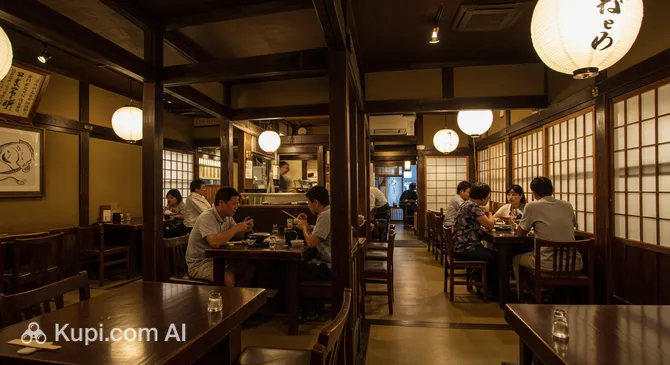
The gastronomic scene in Yokohama is a melting pot of flavors where Japanese traditions meet Western and Chinese influences. The city's main culinary symbol is rightfully considered ramen. It was here that the special "Ie-kei" style originated, characterized by a thick broth made from pork bones and soy sauce. You can try a definitive version of this dish at the famous Yoshimuraya restaurant.
Yoshimuraya. Illustration.
Source: Kupi.com AI
Traveler photos:
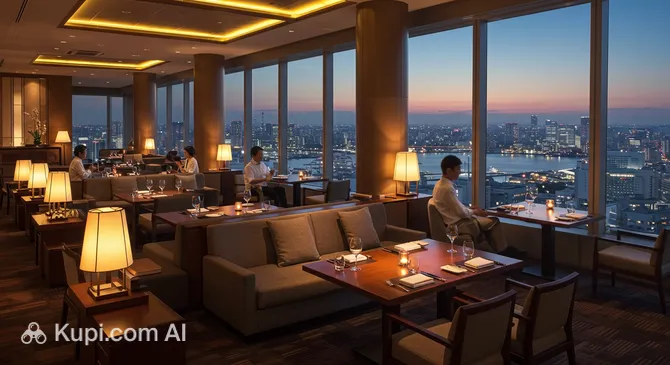
Chinatown holds a special place in the city's food culture. Here, you should try nikuman steamed buns, gyoza dumplings, and Peking duck right from the street stalls. For seafood lovers, the city offers the freshest catches from the bay, served in both elite establishments and small port restaurants. For an unforgettable evening with a panoramic view of the port lights, stop by Sky Lounge Sirius, located at the top of one of the country's tallest buildings.
Sky Lounge Sirius. Illustration.
Source: Kupi.com AI
Traveler photos:
Don't forget to dedicate time to unusual museums, such as the CupNoodles Museum Yokohama, where you can learn the history of instant noodles and create your own recipe. Overall, Yokohama is a gourmet's paradise, where exquisite fine-dining restaurants sit alongside cozy, authentic noodle shops tucked away in the alleys of the old city.
Travel Tips
A trip to Yokohama promises to be comfortable and rewarding, and these practical tips will help you navigate this maritime metropolis like a true pro.
Clothing and Gear: Dress according to the season: it is very humid and hot here in summer, while in winter there can be a piercing wind from the bay. Be sure to wear comfortable shoes, as you will be doing a lot of walking along the long embankments.
Transport Hack: Buy an IC card (Suica or Pasmo) immediately upon arrival at the airport. This will save you from ticket office queues and allow you to pay for small purchases at vending machines and konbini convenience stores.
Finances: Although cards are accepted in large shopping centers, always carry cash Yen for payments in small Chinatown restaurants and temples. Tipping is not customary in Japan and can even be seen as offensive.
Connectivity: Free Wi-Fi is available in many public places, but for navigation, it's better to rent a Pocket Wi-Fi or buy a tourist SIM card. English is more common in Yokohama than in rural areas, but basic Japanese phrases are always appreciated.
Safety: The city is very safe, but in port areas in the evening, it's best to stick to well-lit routes. Pharmacies are easy to find by the 薬 (kusuri) sign.
Etiquette: You must remove your shoes when entering some traditional restaurants or temples. Try to keep quiet on transport and avoid talking on the phone.
What to Avoid: Do not try to cut in line for transport or at a restaurant—this is considered extremely rude here. Also, you should not smoke while walking on the street; there are specially designated zones for this.
Best Time for Walks: Come to the Minato Mirai area half an hour before sunset to catch the "golden hour" and see the city's illuminations turn on.
May your journey to this wonderful city by the sea be filled with bright emotions and pleasant discoveries!
Entertainment & Nightlife
Entertainment in Yokohama is both elegant and grand. The center of attraction in the evening is the Minato Mirai district, which lights up with the glow of skyscrapers and a giant Ferris wheel. Here, you can enjoy a fine dinner overlooking the bay or visit one of the many concert venues hosting world stars.
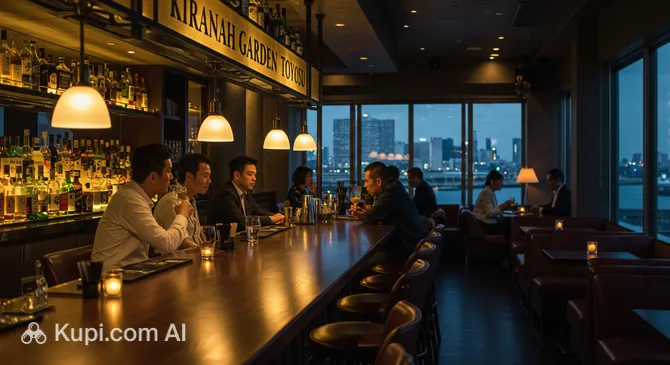
For lovers of a more casual atmosphere and lively vibes, the Hacienda bar is ideal for an evening in good company. Also worth noting are places like Kirana Garden Toyosu, offering a modern open-air leisure format. While the nightlife here is quieter than in Tokyo, the Noge district is famous for its authentic bars and taverns, where life bustles after sunset.
Kiranah Garden Toyosu. Illustration.
Source: Kupi.com AI
Traveler photos:
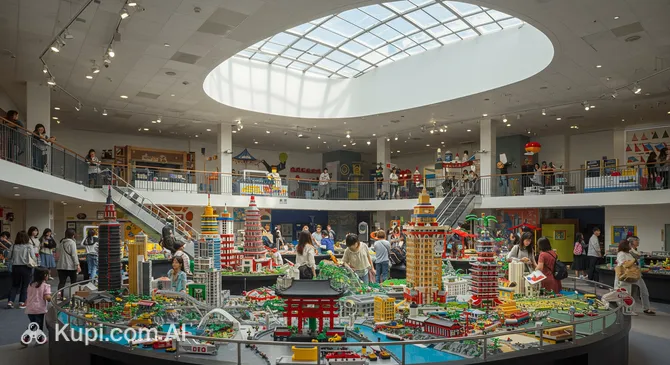
Families with children and fans of active leisure will find plenty of interest in the themed zones. For example, you can visit the LEGOLAND Discovery Center Tokyo, located within easy reach. Most entertainment centers and amusement parks in the city stay open until late evening, and the safety of the streets allows you to enjoy night views of the port without any worries.
LEGOLAND Discovery Center Tokyo. Illustration.
Source: Kupi.com AI
Traveler photos:
Parks & Museums
Yokohama's parks are true oases of tranquility amidst the urban landscape. The most famous is Yamashita Park, stretching along the waterfront: it's a pleasant place to walk, admiring ocean liners and breathing in the salty air. If you want to enjoy panoramic views and dramatic seascapes, visit Cape Inamuragasaki, which is considered one of the best spots for watching sunsets in the region.
Cape Inamuragasaki. Illustration.
Source: Kupi.com AI
Traveler photos:
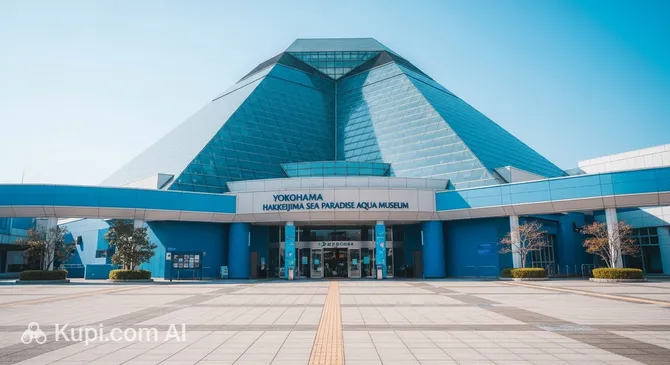
The city's museum program is impressive in its variety. For family fun and an introduction to marine fauna, the Yokohama Hakkeijima Sea Paradise Aqua Museum, one of the largest aquariums in the country, is ideal. If you are drawn to nature and traveling with children, be sure to visit the Petting Zoo at Asamizo Park, where you can interact with animals in a friendly atmosphere.
Yokohama Hakkeijima Sea Paradise Aqua Museum. Illustration.
Source: Kupi.com AI
Traveler photos:
The city's cultural profile is complemented by the Yokohama Museum of Art and the unusual CupNoodles Museum, which make the urban environment not only beautiful but also educational. The combination of green zones and innovative exhibition spaces creates a unique rhythm of life where everyone will find something to their liking.
Getting Around
The public transport system in Yokohama is organized with legendary Japanese precision. The backbone of city travel consists of railways and the subway. The city is served by two municipal subway lines (Blue and Green) and private lines such as the Minatomirai Line, which connects the station with the main tourist attractions of the port. JR trains also play a key role in moving between districts.
For fare payment, it is most convenient to use contactless IC cards such as Pasmo or Suica. They are valid on all types of transport, including buses, and save you from having to buy a ticket before every journey. Fares depend on the distance, and the card can be easily topped up at any station machine. For tourists, there are also special day passes, such as the "Minato Burari Ticket," which covers the main areas of interest.
The city's bus network perfectly complements the rail transport, especially in areas further from the stations. The "Akai Kutsu" (Red Shoes) sightseeing bus is popular, with a route that passes through all the city's iconic spots. Taxis are plentiful, impeccably clean, but quite expensive. Bicycle rentals are also gaining popularity, especially along the flat waterfronts of Minato Mirai.
Accommodation
The choice of accommodation in Yokohama is impressive in its diversity: from futuristic skyscraper hotels in the port area to cozy guest houses. For those who value comfort and panoramic views, hotels in the Minato Mirai district are ideal. Here, you can book a room in modern complexes offering world-class service and proximity to major attractions.
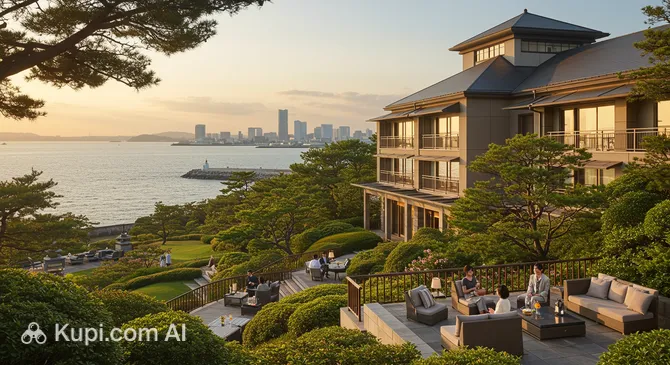
Travelers who prefer a quieter atmosphere away from the central hustle and bustle should consider resort-style accommodation options such as Zushi Marina. If your goal is to immerse yourself in history and be close to sea excursions, the classic Kamakura Park Hotel, located nearby, is an excellent choice.
Kamakura Park Hotel. Illustration.
Source: Kupi.com AI
Traveler photos:
The most practical areas to stay are near Yokohama and Sakuragicho stations—from here, it is easiest to plan trips both around the city and to Tokyo. It is recommended to book accommodation in advance, especially during the cherry blossom season, "Golden Week" in May, or during major port festivals when demand for rooms increases significantly.
Nearby Cities
Yokohama serves as an ideal starting point for exploring the Kanto region. Thanks to excellent transport connectivity, you can easily set off on a journey to neighboring cities, each possessing its own unique character. The proximity to Tokyo and the picturesque corners of Kanagawa Prefecture makes day trips simple and fulfilling.
Just a few minutes away is the industrial and cultural hub of Kawasaki, known for its unique temples and open-air museums. If you are interested in shopping and a European atmosphere with a Japanese twist, it's worth visiting Motomachi—this area is famous for its boutiques and historical cafes. Also of interest to explorers is the central Nishi-ku district, where much of the business and cultural life of the metropolis is concentrated.
We highly recommend not limiting yourself to just the city center and taking time for trips to the surrounding areas. The railway service in this region works like clockwork, allowing you to see both ancient temples and ultra-modern urban blocks of neighboring prefectures in a single day.
Shopping & Souvenirs
Shopping in Yokohama is an exciting adventure that spans both massive modern malls and colorful shopping streets. The main shopping hub is the Yokohama Station area, where hundreds of clothing, electronics, and cosmetics stores are gathered under one roof and in the surrounding skyscrapers. Both global brands and popular Japanese labels like Uniqlo and Muji are represented here.
The Minato Mirai district deserves special attention, where the Queen's Square and Landmark Plaza complexes offer not only shopping but also excellent views of the bay. For unique items and souvenirs, head to Chinatown—there you can find authentic Chinese tea, silk, and exotic sweets. If you prefer European style, Motomachi Street will delight you with its cozy boutiques and jewelry shops with a long history.
Typical souvenirs from the city include items with maritime themes, sets of the famous instant ramen from the local museum, or exquisite cookies from the oldest confectioneries in the Yamate district. Shops generally operate from 10:00 to 20:00 or 21:00. Large retail outlets almost always offer a Tax-Free system, so don't forget to bring your passport to process the tax refund.