Support

Fujisawa

About

Fujisawa is a charming city nestled on the southern coast of Honshu Island, just 50 kilometers southwest of Tokyo in Kanagawa Prefecture. It stretches along the picturesque Sagami Bay, making it one of the most attractive seaside destinations in the Kanto region. Right nearby is the famous Enoshima Island, connected to the mainland by a bridge, which is a true gem for travelers visiting Japan.

With a population of approximately 436,744 people, Fujisawa offers a relaxed pace of life, in contrast to the bustling metropolises. Here, harmony with nature and tranquility are highly valued, and the atmosphere itself invites leisurely walks along the waterfront, visits to cozy cafes, and exploration of historical corners. Thanks to its excellent location and transport accessibility, Fujisawa has become a popular destination for those who want to escape the hustle and bustle of big cities while remaining close to key cultural and natural attractions.
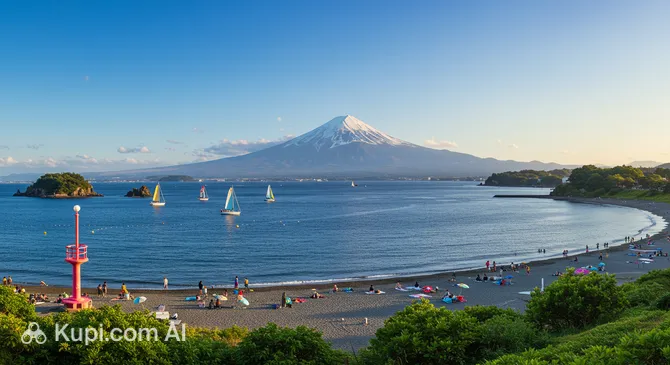
Fujisawa. Illustration.
Source: Kupi.com AI

The city is famous for its long seaside promenade, numerous well-kept parks and gardens, and a rich cultural heritage. Among the key features of Fujisawa are magnificent beaches perfect for relaxation and surfing, ancient temples preserving centuries-old traditions, and modern art objects. Special attention should be paid to the aforementioned Enoshima Island with its shrines, caves, and breathtaking views. Fujisawa feels like a unique combination of traditional Japanese culture and a modern lifestyle.

If you are looking for a place to experience Japanese nature, exquisite cuisine, and rich history without the capital's bustle, Fujisawa is an excellent choice. Here you can enjoy views of Mount Fuji, taste the freshest seafood, immerse yourself in the atmosphere of street festivals, and simply breathe in the healing sea air that fills the city with special energy. Come to Fujisawa to discover another side of Japan!

You can find more interesting facts on the history of the city of Fujisawa page.
Weather Overview

The weather in Fujisawa is characterized by distinct seasons. Summer, especially in July and August, is warm and humid, with average temperatures around 25-27°C, and maximums reaching up to 29°C. Winters, particularly January and December, are quite cool, with average temperatures around 5-7°C and minimums dropping to 1-3°C. Expect a warm summer with occasional rain and cool, relatively dry winters. Spring and autumn offer mild weather, ideal for walking. Rainfall is distributed throughout the year, with peaks in June, July, September, and October, when 7 to 8 mm of precipitation falls and there are the most rainy days.

For a more detailed forecast and monthly weather information, you can visit the Fujisawa Climate page.

Average monthly temperature

Average monthly precipitation

Interesting Facts

Beyond its picturesque beaches and lively atmosphere, Fujisawa hides many surprising stories and unique places that not all tourists know about. Ready to look behind the curtain of the obvious and learn a few interesting secrets of this coastal city?

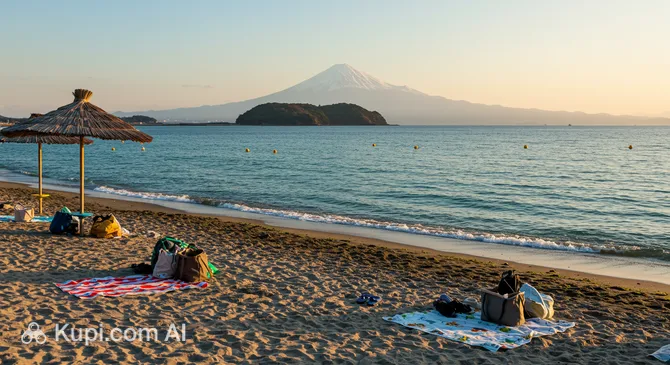
Katase Nishihama Beach. Illustration.
Source: Kupi.com AI

Traveler photos:

  • Enoshima Island, a true gem of Fujisawa, is shrouded in a beautiful ancient legend about the five-headed dragon Gozu Ryu and the goddess Benten, the patroness of art, music, and good fortune. According to legend, the island was once the lair of a fierce dragon that terrified the surroundings. The appearance of the beautiful Benten tamed the monster; the dragon repented for its misdeeds and became a faithful protector of the island and the goddess herself. Today, numerous images and statues of Benten can be found throughout Enoshima, serving as a reminder of this romantic story.

  • On the same legendary island of Enoshima stands the famous lighthouse known as the Enoshima Sea Candle. This structure is not just a navigational landmark, but one of the best observation decks in the Kanto region. From its height, truly breathtaking panoramic views open up over the Pacific Ocean, the picturesque Shonan coast, and, if you're lucky with the weather, the majestic cone of Mount Fuji. In the evening, the lighthouse is illuminated, creating a magical atmosphere.

  • Fujisawa is home to one of Japan's leading aquariums – the Enoshima Aquarium (often called the Shin Enoshima Aquarium). It is particularly famous for its exhibits dedicated to the rich underwater world of Sagami Bay, known for its unique biodiversity. Visitors can not only admire dolphin shows but also see rare deep-sea inhabitants in a giant aquarium that recreates the bay's ecosystem.

  • Fujisawa regularly hosts colorful festivals, and one of the grandest events is the annual Fujisawa Enoshima Fireworks Festival. Usually held in the autumn, this festival attracts tens of thousands of spectators. Thousands of pyrotechnic charges light up the night sky over Sagami Bay, creating an unforgettable spectacle reflected in the calm sea surface.

How to Get There

The most convenient way to reach Fujisawa is by air, using one of the major international airports serving the Tokyo metropolitan area. From the airports, you can then reach Fujisawa by train, bus, or taxi, depending on your preferences and budget.

The main and most convenient option for most international travelers is Haneda Airport (IATA: HND), officially known as Tokyo International Airport. It is located in Tokyo, approximately 35.4 km from the center of Fujisawa. Haneda is one of the world's busiest airports, offering a huge number of both international and domestic flights. A taxi or direct limousine bus from Haneda to Fujisawa can take about 1 hour and 15 minutes, though travel time depends heavily on traffic. The airport also offers easy access to the railway lines connecting Tokyo with Fujisawa.

Another significant international hub is Narita International Airport (IATA: NRT), which also serves Tokyo. It is located significantly further from Fujisawa, at about 94 km. Despite the distance, Narita is a key gateway for many international airlines. A car journey from Narita to Fujisawa will take approximately 2 hours and 40 minutes. Convenient express trains (such as the Narita Express to stations where you can transfer to trains for Fujisawa) and buses to various parts of the Kanto region are available from Narita Airport.

There are other airports, such as Shizuoka Airport or Ibaraki Airport, but they are located much further away and are typically used for flights to other regions of Japan, making them less convenient for direct travel to Fujisawa.

For clarity, here is a summary of the main airports through which you can reach Fujisawa:

AirportPassenger trafficDistance
Haneda Airport85.7 mln35 km
Narita International Airport40.8 mln94 km
Ibaraki Airport776 063125 km
Shizuoka Airport691 274134 km
Matsumoto Airport112 618169 km

Upon arrival at one of Tokyo's airports, the most common and efficient way to reach Fujisawa is by rail. Japan is famous for its excellently developed and punctual train network. From central Tokyo (for example, from Tokyo, Shinagawa, or Shinjuku stations), as well as from major transport hubs connected to the airports, trains from various lines (such as the JR Tokaido Line, JR Shonan-Shinjuku Line, or Odakyu Line) regularly depart, taking you directly to Fujisawa Station. A train journey from central Tokyo typically takes between 45 minutes and one hour. You can also consider intercity buses or car rentals if you prefer more autonomy when moving around the region.

Main Attractions

Fujisawa serves as the perfect gateway to the treasures of the Shonan region and ancient Kamakura. Thanks to convenient transport links, visitors can easily reach some of Japan's most significant historical and cultural monuments. The list of main attractions available to travelers includes majestic temples, unique shrines, and picturesque gardens that create the unique atmosphere of this corner of the country.

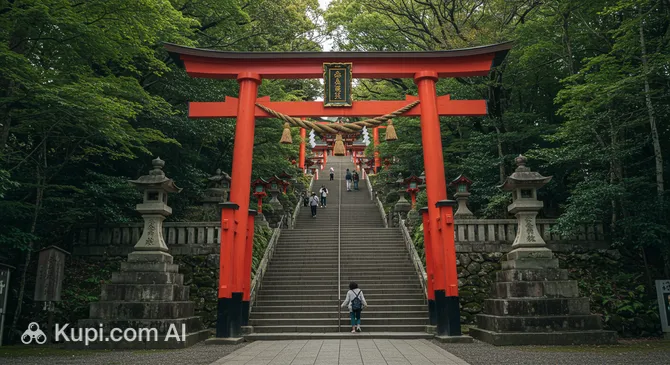
The undisputed landmark and one of the region's most important spiritual centers is Tsurugaoka Hachimangu. This grand Shinto shrine, dedicated to Hachiman, the god of war and patron of the samurai, is striking in its scale and architecture. The complex includes several halls, picturesque lotus ponds, and the famous Dankazura path lined with cherry trees. Tourists come here to feel the spirit of the ancient shogunate capital, admire seasonal festivals, and enjoy the solemn beauty of this place.

Tsurugaoka Hachimangu. Illustration.
Source: Kupi.com AI

Traveler photos:

For those seeking luck and financial well-being, a mandatory stop is the Zeniarai Benten Shrine. This amazing place is hidden in a cave and shrouded in legend. According to tradition, money washed in the sacred spring here will double. Visitors enthusiastically participate in the ritual, placing coins and bills in woven baskets and washing them with water. It is a unique and memorable experience that combines mysticism with the hope for prosperity.

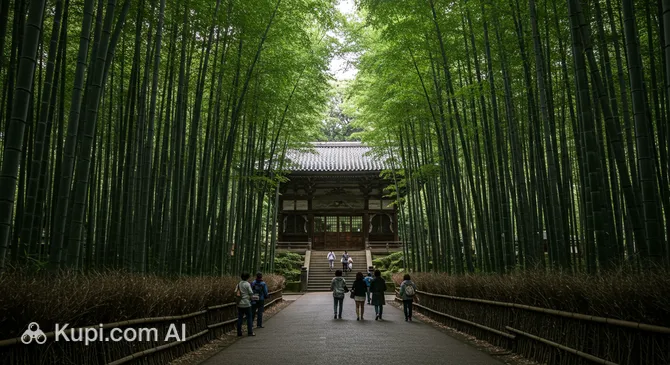
Lovers of silence and natural harmony should visit Hokokuji, often called the "Bamboo Temple." The main highlight of this Zen Buddhist temple is a small but incredibly dense and beautiful bamboo grove located behind the main building. A walk among the towering green stalks gives a sense of peace and tranquility. There is also a teahouse here where you can enjoy traditional matcha tea while admiring the view of the bamboo forest.

Hokoku-ji Temple. Illustration.
Source: Kupi.com AI

Traveler photos:

Another architectural gem is Ichijo Ekan Sanso. Originally built in Kyoto in the 17th century, this exquisite villa was moved to Kamakura, preserving its historical appearance. The building is a magnificent example of shoin-zukuri style architecture and teahouses. The garden surrounding the villa, with its stone lanterns, moss, and seasonal flowers, is a work of landscape art perfectly suited for leisurely walks and an introduction to Japanese aesthetics.

Local Cuisine

Fujisawa is a true gastronomic paradise for Japanese cuisine enthusiasts, especially for those fond of the freshest seafood. The city is famous for its culinary traditions, closely tied to the rich bounty of Sagami Bay. The star of the local gastronomy is undoubtedly shirasu – tiny white bait fish served here in various forms: fresh, boiled, dried, and even in ice cream! Be sure to try shirasu-don – a hearty rice bowl generously topped with fresh shirasu, often with added roe and green onions. This dish perfectly captures the taste and freshness of the ocean.

In addition to shirasu, the coastal areas of Fujisawa and the famous Enoshima Island abound with restaurants and stalls where you can enjoy other seafood delicacies. Here you will be offered freshly caught grilled clams, mouth-watering octopus skewers, as well as classic sushi and sashimi made from fish that was swimming in the bay just that morning. One place where you can taste the gifts of the sea is the Enoshima Koya restaurant, located right on the popular island. Local markets will also delight seafood lovers with their variety, and during certain seasons, lively street food festivals take place here.

Enoshima Koya. Illustration.
Source: Kupi.com AI

Traveler photos:

Those with a sweet tooth in Fujisawa will also find something to enjoy. On Enoshima, original Japanese desserts are prepared with the addition of sea salt and seaweed, giving them a unique local flavor. It's also worth trying the famous "Engetsu" cakes – soft and tender, filled with sweet bean paste. Among drinks, besides the traditional Japanese green tea served everywhere, matcha lattes are popular. Of course, restaurants and bars always offer a wide selection of sake and local beer.

The food culture in Fujisawa is diverse. Locals and tourists enjoy visiting both cozy family-run restaurants and larger establishments. Street food is particularly popular: from grilled squid and takoyaki (batter balls with octopus filling) to seasonal fruits and ice cream with the most unexpected flavors. The city's gastronomic scene is very lively, with frequent festivals where you can not only taste the region's best dishes but also chat with local chefs, who are true enthusiasts of their craft.

Travel Tips

Planning a trip to the charming city of Fujisawa? Wonderful! To ensure your journey through this coastal corner of Japan goes smoothly and leaves only pleasant impressions, we have prepared a few practical tips for you.

  1. Clothing and Essentials:

    The climate in Fujisawa is temperate, with warm, humid summers and mild winters. In summer, bring light, breathable clothing, and in winter, layered clothing including a warm jacket. Sweaters and light jackets will come in handy during spring and autumn. Be sure to wear comfortable shoes, as the city and especially Enoshima Island are perfect for long walks. Don't forget an adapter for electrical appliances (Japan uses type A sockets), sunscreen for the summer months, and an umbrella, especially if you're traveling during the rainy season (June-July). When visiting temples and shrines, choose modest clothing that covers shoulders and knees; be prepared to remove your shoes before entering certain rooms.

  2. City Transportation:

    Fujisawa has an excellently developed public transport system. The main ways to get around are the JR trains, Odakyu Electric Railway, and, of course, the famous retro tram Enoshima Electric Railway (Enoden), which connects Fujisawa with Kamakura along the coast. City buses also operate. Taxis are available but more expensive; you can use apps like JapanTaxi or Go. Renting a car for travel within the city itself is not very practical due to good public transport coverage and potential parking difficulties, but it could be an option for exploring the surroundings if you have an international driving permit.

  3. Financial Matters:

    The local currency is the Japanese Yen (JPY, ¥). You can exchange money at airports, banks, or some hotels; banks usually offer a better rate. Credit and debit cards (Visa, Mastercard) are accepted in many large shops, restaurants, and hotels. However, always carry some cash with you, as small establishments, markets, and temples may prefer it. International cards usually work at ATMs in post offices (Japan Post Bank) and Seven Bank (in 7-Eleven stores). Tipping is not practiced in Japan and may even cause confusion. An approximate daily budget (excluding accommodation) is 7,000-15,000 JPY.

  4. Health and Safety:

    Fujisawa, like Japan in general, is considered a very safe city with a low crime rate. Nevertheless, follow standard precautions: keep an eye on your belongings, especially in crowded places and on beaches. Pharmacies (look for "薬" or "Drug Store" signs) are easy to find, but not all are open 24/7, and staff may not always speak English. It's better to have a list of necessary medications or symptoms in Japanese. For medical assistance, tourists are recommended to have travel insurance. In emergencies, dial 119.

  5. Communication and Connectivity:

    The primary language of communication is Japanese. In tourist areas like Enoshima Island, hotels, and major stations, you may encounter English-speaking staff, but overall English proficiency is not very high. Learn a few basic phrases: "Konnichiwa" (Hello), "Arigato" (Thank you), "Sumimasen" (Excuse me). For internet access, you can purchase a tourist SIM card or rent a pocket Wi-Fi router at the airport. Free Wi-Fi is often available in hotels, cafes, and at some stations. Apps like Google Maps, HyperDia, and Google Translate will be useful.

  6. Local Etiquette and Customs:

    Japanese people highly value politeness. Greetings are usually accompanied by a slight bow (o-jigi). In public places, especially on transport, try to speak quietly and not disturb others. It is not common to eat and drink while walking (except at festivals or in designated areas). It is important to remove your shoes before entering homes, some temples, and traditional restaurants (ryokans, some izakayas). Show respect for local traditions, and your interactions with the people of Fujisawa will be pleasant.

  7. What to Avoid:

    To avoid offending locals and awkward situations, try not to point fingers at people—use an open palm instead. Also, do not stick your chopsticks vertically into a bowl of rice, as this is associated with funeral rituals. Avoid loud mobile phone conversations on public transport.

  8. Special Tip – the Magic of Enoshima and Enoden:

    Do not miss the chance to ride the iconic "Enoden" tram. This picturesque line is not just transport, but a real attraction connecting Fujisawa with Kamakura and passing by Enoshima Island. Be sure to dedicate time to exploring Enoshima Island itself with its shrines, gardens, caves, and stunning ocean views. This is a key experience for any guest in Fujisawa!

We hope these tips help you better prepare for your trip and enjoy every moment in beautiful Fujisawa. We wish you unforgettable impressions and bright discoveries!

Entertainment & Nightlife

Fujisawa, known for its coastal charm and proximity to the popular Enoshima Island, offers a variety of options for evening and night-time relaxation. While the nightlife here may not be as extensive as in Tokyo, the city boasts a cozy and welcoming atmosphere, perfect for a relaxed evening.

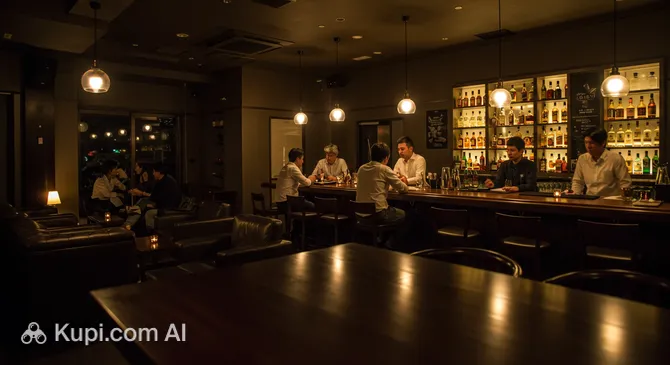
The main centers of evening activity are concentrated around Fujisawa Station and in the area adjacent to Enoshima. Here you will find many traditional Japanese pubs (izakaya), stylish bars, and restaurants open until late. The atmosphere in most establishments is laid-back, attracting both locals and tourists. The dress code is usually casual, unless it is an upscale venue.

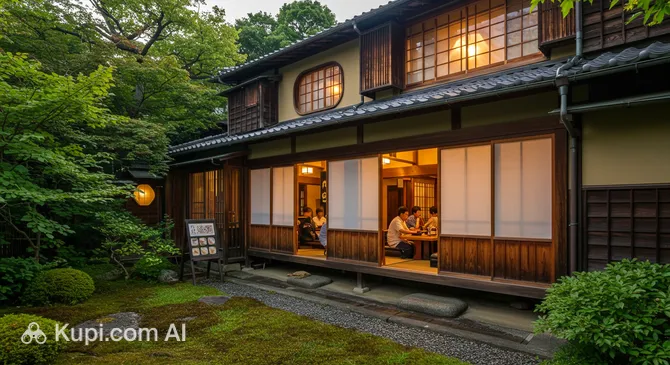
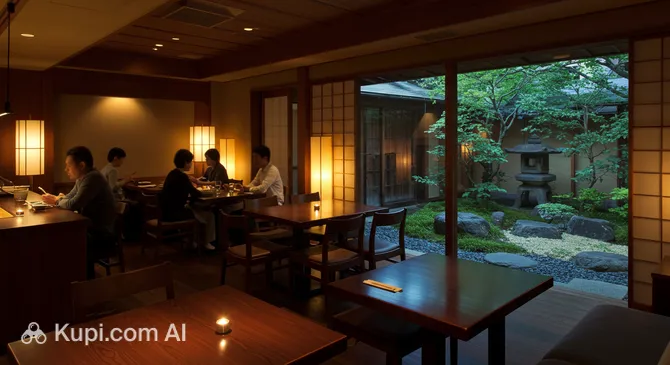
For those looking for a pleasant place for dinner and drinks, consider establishments such as Garden House Kamakura, known for its pleasant atmosphere, or Midtown BBQ, where you can enjoy grilled dishes and a good selection of drinks. Many restaurants, such as Enoshima Koya, also offer excellent options for dinner that transitions smoothly into evening relaxation. While there are few large nightclubs in Fujisawa, some bars offer music and dancing on weekends.

Garden House Kamakura. Illustration.
Source: Kupi.com AI

Traveler photos:

The best time to start an evening walk is after 7:00 PM or 8:00 PM, when most venues come to life. Prices in Fujisawa's bars and restaurants are generally moderate. Public transport, mainly trains, runs until around midnight. After this time, the primary mode of transportation becomes taxis, which can be called by phone or found at designated stands. Fujisawa is considered a safe city; however, as anywhere else, common-sense precautions should be taken, especially late at night.

Midtown BBQ. Illustration.
Source: Kupi.com AI

Traveler photos:

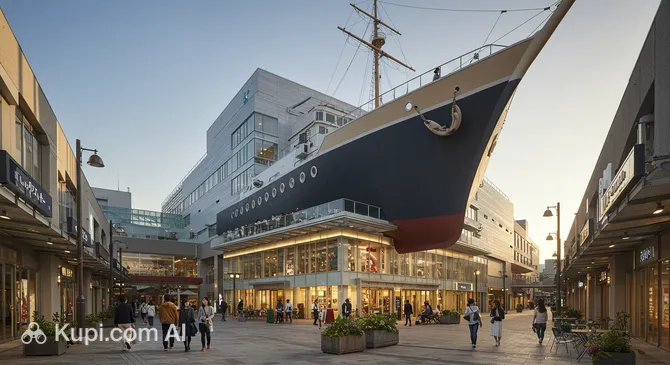
During the day, Fujisawa and its surroundings also offer many interesting activities. You can visit historical sites such as the Egara Tenjin Shrine, or spend time in nature, for example, at Katase Nishihama Beach. For culture lovers, there are museums such as the Memorial Ship Mikasa or Isuzu Plaza, offering informative exhibits.

Parks & Museums

While Fujisawa is better known for its beaches and sea views, the city and its surroundings offer tourists interesting green zones for relaxation and informative cultural venues. Here, the natural landscapes of the Shonan coast blend harmoniously with modern exhibition spaces that allow you to learn more about the region's technology and art.

The main natural attraction in the city is undoubtedly the coastline. Katase Nishihama Beach is not just a place for swimming, but a magnificent space for outdoor walks. The wide sandy strip and the adjacent promenade serve as an excellent alternative to traditional parks. Here you can enjoy the sea breeze, watch surfers, and, if the weather is clear, see the majestic silhouette of Mount Fuji on the horizon. It's an ideal place to watch the sunset when the sky is painted in bright colors, reflecting in the waters of Sagami Bay.

For those looking for more traditional park relaxation, Tsujido Seaside Park is worth a visit. This is a spacious green area with lawns, swimming pools, and even a traffic education park for children. While it may not be on the list of historical gardens, it is a popular spot among locals for picnics and active recreation, offering a break from the city bustle.

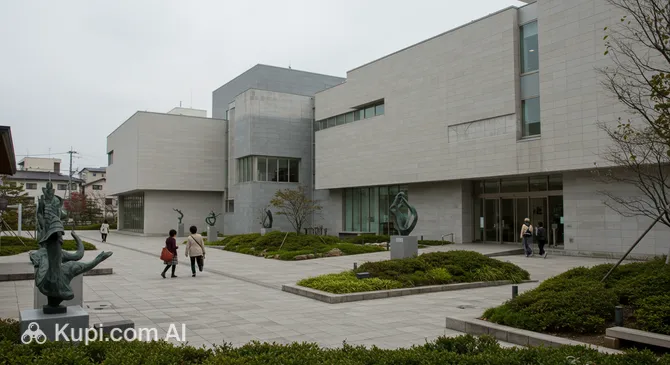
Culturally, Fujisawa can surprise even seasoned travelers. One of the city's most unusual and high-tech attractions is Isuzu Plaza. This corporate museum, dedicated to the history and future of the automotive industry, will be of interest not only to car enthusiasts but also to families with children. The exhibit includes rare truck models, interactive driving simulators, and detailed dioramas demonstrating the role of transport in our daily lives. It is a modern space where you can learn about Japanese engineering and industrial design.

Isuzu Plaza. Illustration.
Source: Kupi.com AI

Traveler photos:

Thanks to Fujisawa's convenient location, guests can easily reach significant cultural sites in neighboring cities. Lovers of painting and architecture should take a short trip to the Yokosuka Museum of Art. Located right on the seashore, this museum is famous not only for its collection of modern art but also for its stunning glass-walled building that offers views of Tokyo Bay. It is a place where art and nature merge into one.

For those who prefer a lighter and more entertaining way to meet wildlife, the Kamakura Owl's Forest operates in nearby Kamakura (just a few minutes' drive away). This is a cozy themed space where you can not only see various owls but also interact with them in a calm environment. And if you love cats, the Meesis Cat Cafe in the same area will give you warm emotions and the chance to relax in the company of furry friends.

Insider Tip: If you visit the coastal park areas, try to plan your walk for the evening hours on a weekday. At this time, the promenades are less crowded, and you can enjoy the sound of the surf and views of Enoshima Island, illuminated by the lighthouse lights, in total peace.

Getting Around

Getting around Fujisawa and its surroundings is quite convenient thanks to a well-developed public transport system. The network is based on trains and buses, which make it easy to reach most points of interest.

Trains are the main mode of transport in Fujisawa. Several important railway lines pass through the city:

  • JR East lines (such as the Tokaido Main Line and Shonan-Shinjuku Line) connect Fujisawa with Tokyo, Yokohama, Odawara, and other major cities in the region.

  • The Odakyu Enoshima Line connects Fujisawa with the Shinjuku district in Tokyo and the popular Enoshima Island.

  • Special mention goes to the Enoshima Electric Railway (Enoden)—a picturesque line running along the coast from Fujisawa through seaside towns to Kamakura. A ride on the Enoden is a tourist attraction in itself.

Nearby, from Ofuna Station (easily accessible from Fujisawa via JR), the Shonan Monorail also departs—a suspended monorail that will take you to Enoshima, offering unique views during the journey.

Buses complement the rail network, providing access to areas far from stations. Local bus routes are managed by several companies, such as Enoden Bus and Kanachu Bus. They run throughout the city and its surroundings.

The fare payment system in Fujisawa is integrated with Japan-wide standards. The most convenient way to pay is by using rechargeable smart cards such as Suica or PASMO. These cards are accepted on all train lines (JR and private) and most buses. The card can be purchased at machines at major stations with a deposit (usually 500 yen), which is refunded when the card is returned. You can also buy single-trip tickets at station machines. For tourists, special passes can be beneficial, such as the Enoden 1-Day Pass "Noriorikun", which allows unlimited travel on the Enoden line for one day. Train fares depend on the distance, with short trips usually costing between 150-300 yen. Bus trips most often have a fixed fare within 200-250 yen.

Practical tips for tourists:

  • It is recommended to purchase an IC card (Suica or PASMO) immediately upon arrival for maximum convenience. You can top it up at machines in stations.

  • To validate your train fare, tap the card on the turnstile at both the entrance and exit of the station. On buses, the card is usually tapped on the reader upon entry (and sometimes upon exit if the fare is zone-based).

  • Public transport operates approximately from 5:00-6:00 AM until midnight. During rush hours, trains run very frequently, with slightly longer intervals at other times. Schedules can always be checked at stations or using online route planners.

Among alternative ways to get around Fujisawa and the surrounding area, popular options include:

  • Taxis: Available at train stations and busy areas, but this is a relatively expensive mode of transport, especially for long distances.

  • Bicycle rental: An excellent option for exploring the coastal areas and Enoshima Island. Bike rental points can be found near stations and in tourist zones. Many areas of Fujisawa are fairly flat, making cycling pleasant.

Car sharing is less common for short-term tourist use within the city due to the excellent public transport and potential parking difficulties.

Accommodation

In Fujisawa, travelers will find a variety of accommodation options to suit different preferences and budgets. You can stay in traditional Japanese ryokans, modern hotels, or consider apartment rentals for longer stays. The city offers budget guesthouses and hostels, mid-range hotels, and more comfortable resort complexes, especially near popular tourist areas.

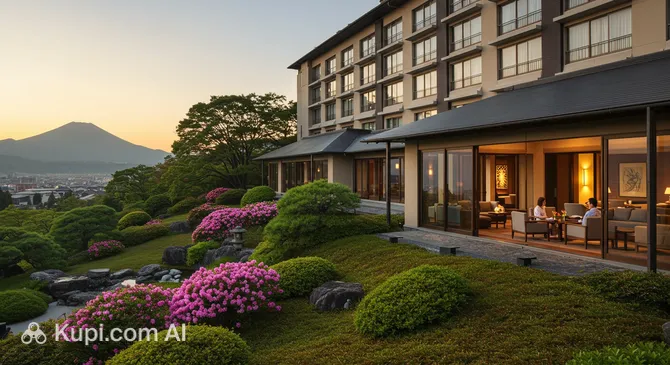
For tourists, areas near railway stations, such as Fujisawa Station, can be particularly convenient, providing easy access to other cities and attractions in the region. Accommodation options in the vicinity of Enoshima Island are also popular, offering picturesque views and easy access to beaches and shrines. Notable options include the Kamakura Park Hotel or Hotel Breeze, which offer comfortable stays.

Kamakura Resort Hotel. Illustration.
Source: Kupi.com AI

Traveler photos:

When planning your trip, especially during the peak tourist season (such as during the cherry blossom season or summer festivals), it is recommended to book your accommodation in advance. This will not only guarantee availability but also help you choose the best option in terms of price and quality. Accommodation prices range from budget to high-end, depending on the level of comfort, location, and season. Most hotels and guesthouses can be booked through popular online platforms or directly on the hotels' websites.

Nearby Cities

For those who want to explore the surrounding area, Fujisawa serves as an excellent starting point for day trips to several interesting nearby locations:

For example, you can head to Yokohama, Japan's second-largest city, known for its bustling port, famous Chinatown, and the modern Minato Mirai district. No less interesting is the city of Yokosuka, which attracts visitors with its rich maritime history and sites like the naval museum and Mikasa Park. For lovers of beach relaxation and surfing, Chigasaki, a charming coastal city located very close to Fujisawa, is a great fit.

CityPopulationDistance
Kamakurayama172 9293 km
Chigasaki242 3478 km
Zushi56 99610 km
Hayama31 54611 km
Ayase84 25712 km

These nearby destinations, along with other cities on the list above, allow for a deeper acquaintance with the diverse culture, history, and landscapes of Kanagawa Prefecture and the entire Kanto region.

Shopping & Souvenirs

Fujisawa offers a variety of shopping opportunities, from large department stores and modern shopping centers to small traditional shops. The city is not famous for any highly specialized goods, but here you can find high-quality Japanese products, fashionable clothing, electronics, and, of course, local souvenirs, especially those related to nearby Enoshima Island and the Shonan coast.

The main shopping area of Fujisawa is the territory around Fujisawa Station, which serves several railway lines, including the JR Tokaido Line and the Odakyu Enoshima Line. Large department stores, such as Odakyu Department Store, are located here, offering a wide range of goods—from clothing and cosmetics to food. Also in this area, you will find many small specialized shops, cafes, and restaurants concentrated in shopping arcades (shotengai).

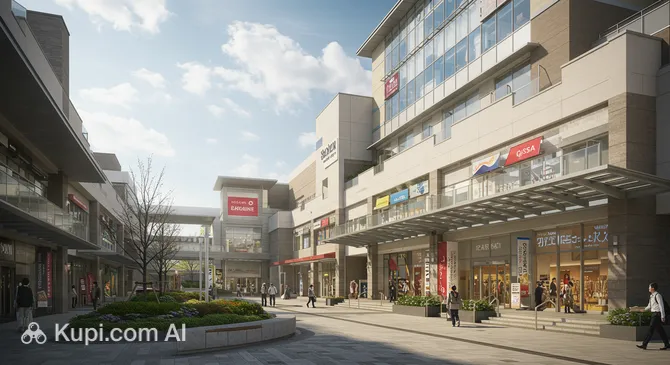
For more extensive shopping, consider visiting large shopping complexes. Among them is COASKA Bayside Stores, which offers numerous shops, restaurants, and entertainment venues. Another interesting site is Yokohama Hammerhead, which combines retail space, gastronomic areas, and a passenger terminal, offering a unique shopping experience with sea views.

COASKA Bayside Stores. Illustration.
Source: Kupi.com AI

Traveler photos:

While Fujisawa may not have large tourist markets like those in Tokyo or Kyoto, you can find local markets selling fresh products, including seafood, which is typical for coastal cities. Fairs or flea markets are sometimes held, where you can find interesting items and handmade crafts, though their schedules should be checked in advance.

Yokohama Hammerhead. Illustration.
Source: Kupi.com AI

Traveler photos:

As souvenirs from Fujisawa and the Shonan region, tourists often bring home items related to the sea and Enoshima: these could be keychains, postcards, or items featuring images of Mount Fuji (which is visible in clear weather). Local sweets are also popular, such as senbei (rice crackers) with seafood or unique desserts. Of course, standard Japanese souvenirs like ceramics, textiles, fans, tea, and cosmetics can also be purchased here.

Most shops in Fujisawa, including department stores and shopping centers, are usually open from 10:00 AM or 11:00 AM to 8:00 PM or 9:00 PM. Small private shops may have their own schedules. Credit cards (Visa, Mastercard, JCB, American Express) are accepted at large stores and shopping centers. However, cash is preferred at small shops and markets. Payments using Japanese IC cards (Suica, Pasmo) are also widely used.

For foreign tourists in Japan, a Tax Free system is in place. When purchasing goods for a certain amount (usually over 5,000 yen excluding tax) at licensed stores, you can apply for a consumption tax refund. To do this, you must present your passport at the checkout or a special Tax Free counter in the store.

Reached the end of the page?

That means the route is fully explored