Support

Zushi

About

Zushi is a charming coastal city nestled on the southern coast of Honshu Island, in Kanagawa Prefecture, Japan. Just an hour's drive from bustling Tokyo, Zushi is a perfect getaway for those seeking tranquility and fresh sea air without wandering too far from the metropolis. The city is bordered by the sparkling waters of Sagami Bay and surrounded by picturesque green hills, creating an atmosphere of peace and harmony.
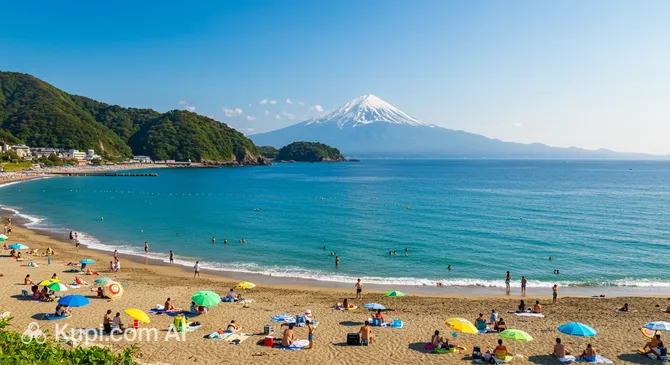
Zushi. Illustration.
Source: Kupi.com AI

With a population of about 57,000, Zushi retains the unique charm of a small town where life moves at a leisurely and unhurried pace. You won't find skyscrapers or noisy avenues here; instead, there are cozy streets, family-run cafes, and stunning ocean views, especially at sunset. The city has long been a popular destination for vacationers and water sports enthusiasts, such as surfers and sailors.

Key features of Zushi include its magnificent beaches, ideal for walking and relaxing by the water, and its overall laid-back vibe. Here, you can spend hours strolling along the promenade, enjoying the sound of the surf, or exploring local temples hidden among the greenery. For many, Zushi offers an opportunity to experience the authentic, non-touristy side of Japan, feel its hospitality, and find inspiration in the beauty of nature.

If you are looking for a place to rest your soul, enjoy the beauty of the Japanese coast, and recharge with positive energy, Zushi will undoubtedly be an excellent choice for your journey.

You can find more interesting facts on the Zushi city history page.
Weather Overview

The weather in Zushi is characterized by noticeable seasonal changes. In summer, especially in July and August, the weather becomes warm and humid: the average temperature in August reaches 27.0°C (with highs up to 29.2°C), and in June and July, there is about 7 mm of rainfall with 16 rainy days. Winters, by contrast, are cooler and drier. In January, the average temperature is 5.8°C (with lows down to 2.4°C), and rainfall decreases to 2 mm with 8 rainy days.

Thus, in Zushi, you can expect a warm summer with occasional rain and cool, drier winters. Spring and autumn months usually provide comfortable temperatures. To learn more about climatic conditions and plan your trip, check the full information on the Zushi Climate page.

Average monthly temperature

Average monthly precipitation

Interesting Facts

Beyond its scenic beaches and peaceful atmosphere, Zushi hides many curious details that make it even more attractive to travelers. The city is full of unexpected discoveries and interesting stories that go beyond regular tourist routes.

Chokozan Myohon Temple. Illustration.
Source: Kupi.com AI

Traveler photos:

  • Zushi is a true paradise for sailing and surfing enthusiasts. It is home to one of Japan's oldest and most famous yacht clubs, which regularly hosts prestigious regattas and water sports competitions. In summer, the city becomes a magnet for surfers and kiteboarders from across the country.

  • The city is famous for its vibrant traditions, and one of the most spectacular events is the Zushi Beach Summer Fireworks Festival. During this time, the sky over Sagami Bay is lit up by thousands of colorful fireworks, and the shore is filled with the atmosphere of a true Japanese festival with music, street decorations like lanterns, dance performances, and tea ceremonies in the parks.

  • In the early 20th century, Zushi became a favorite holiday destination for the creative intelligentsia. Famous writers, artists, and musicians came here seeking inspiration, enchanted by the serene seascapes and peaceful atmosphere. To this day, Zushi maintains its reputation as a city of arts, and local galleries showcase the work of contemporary Japanese masters.

  • According to local folklore, the waters off the coast of Zushi are guarded by a powerful sea spirit protector. Legend says he watches over fishermen and all travelers who head out to sea. A small, secluded shrine located on a coastal rock is dedicated to this spirit, where locals traditionally bring offerings and pray for safe passage.

How to Get There

Reaching the city of Zushi in Kanagawa Prefecture can be done in several ways, though the most common option for international tourists is flying into one of Tokyo's major airports, followed by a transfer by train or car.

The primary and closest major hub is Haneda Airport (IATA: HND), officially known as Tokyo International Airport. It is located in Tokyo, approximately 34 km from Zushi. Haneda is one of the world's busiest airports, offering many international and domestic flights. A trip from Haneda Airport to Zushi by car or taxi takes roughly 1 hour to 1 hour 15 minutes, depending on traffic. Public transport connections from the airport are also excellent, with trains and buses available, requiring transfers to lines heading toward Zushi.

Another significant international airport serving the metropolitan region is Narita International Airport (IATA: NRT). It is also located near Tokyo but further from Zushi—about 90 km away. Narita Airport is Japan's main international hub and handles a huge volume of flights from around the world. The journey from here to Zushi by car or taxi can take about 2 to 2.5 hours. Narita Airport also has excellent rail connections, including express services (like the Narita Express) to major Tokyo stations, where it is easy to transfer to trains bound for Zushi.

After arriving at either of these airports, the most convenient way to continue to Zushi is by train, as Japan's rail network is superbly developed, offering comfortable and fast travel options. Alternatively, you can use buses or book a taxi.

For your convenience, here is a summary of the airports through which you can reach Zushi:

AirportPassenger trafficDistance
Haneda Airport85.7 mln34 km
Narita International Airport40.8 mln90 km
Ibaraki Airport776 063124 km
Shizuoka Airport691 274139 km
Matsumoto Airport112 618178 km

Main Attractions

The city of Zushi, comfortably situated on the coast of Kanagawa Prefecture, offers its guests more than just beach holidays; it provides a chance to experience Japan's rich history and culture. Here, you will find several remarkable places that will leave a lasting impression.

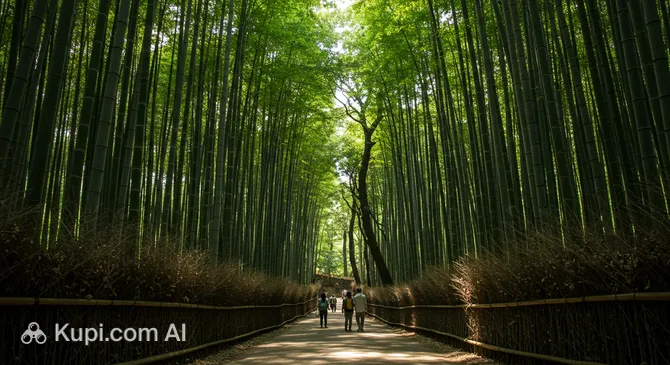
One of the most mesmerizing attractions is the Hokokuji Bamboo Grove, also known as the "Bamboo Temple." This incredibly peaceful spot features thousands of tall bamboo stalks that create an almost fairytale-like atmosphere. Walking along the winding paths of the grove, enjoying the silence, and perhaps having a cup of traditional matcha tea in the local teahouse with a view of the bamboo, is an experience that brings peace and inspiration. The grove is a perfect place for meditative walks and capturing unique photographs.

Hokokuji Bamboo Grove. Illustration.
Source: Kupi.com AI

Traveler photos:

For those interested in ancient temples, Sugimoto-dera is well worth a visit. Belonging to the Tendai sect of Buddhism, this temple is considered one of the oldest in the Kamakura region, with which Zushi is historically closely linked. It is famous for its impressive moss-covered staircase leading to the main buildings and its valuable statues of the goddess Kannon. A visit to Sugimoto-dera allows you to immerse yourself in the atmosphere of ancient Japan and appreciate the beauty of traditional temple architecture.

Sugimoto-dera. Illustration.
Source: Kupi.com AI

Traveler photos:

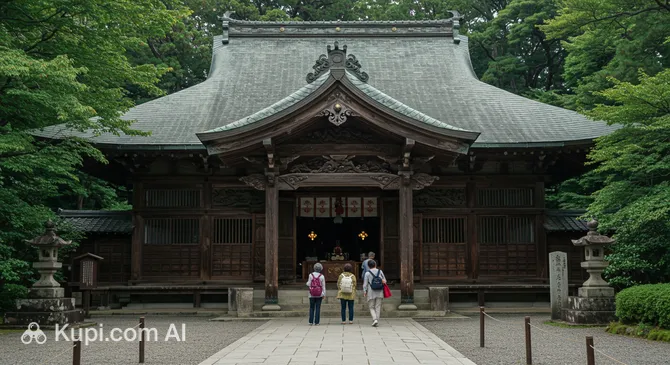
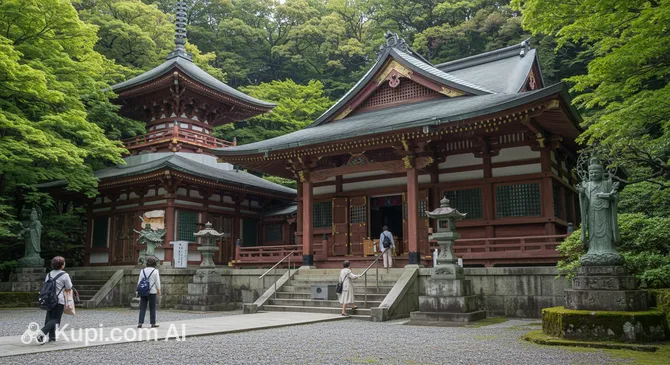
Another iconic site is the Chokozan Myohon Temple. This picturesque Nichiren sect temple is located in a quiet, secluded valley, making it an ideal place for calm contemplation. The temple attracts visitors with its beautiful buildings, a well-kept garden that is particularly stunning during the hydrangea blooming season, and a general sense of serenity. It is a wonderful opportunity to escape the city bustle and learn about the heritage of the Nichiren school.

Chokozan Myohon Temple. Illustration.
Source: Kupi.com AI

Traveler photos:

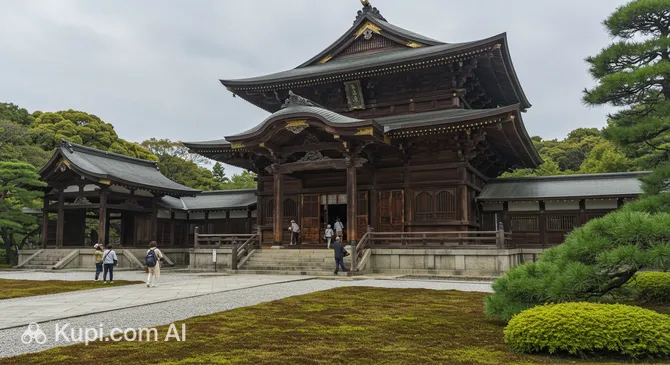
Equally interesting is Jomyo-ji Temple, one of the five great Zen temples of Kamakura. This Rinzai school temple is famous for its traditional Kissen-an teahouse and its beautiful garden, including a rock garden. Visitors can not only admire the architecture and nature but also participate in a tea ceremony while enjoying the tranquil landscape. This site offers a deep immersion into Japanese aesthetics and Zen Buddhist philosophy.

Jomyo-ji Temple. Illustration.
Source: Kupi.com AI

Traveler photos:

Local Cuisine

Zushi's culinary world offers a true immersion into the culture of Japan, where the freshest gifts of the sea play the leading role. If you find yourself in this coastal city, be sure to try the local delicacies. Zushi's signature dishes are made from freshly caught fish and seafood: oysters, mussels, sea urchins, and, of course, sashimi. A particular favorite is kaisen-don—an appetizing bowl of rice generously topped with slices of tuna, salmon, squid, and roe. Another iconic dish is shirasu, tiny white fish served fresh, marinated, or dried.

Additionally, the local cuisine will delight you with a variety of seaweed dishes, flavorful grilled eel, and rich miso soups with seafood. Zushi's chefs are also famous for their original snacks made from seasonal vegetables grown on nearby farms. Don't miss the chance to try local green tea grown on the surrounding hills—it's a perfect accompaniment to any meal. Among alcoholic beverages, sake and Japanese beer are traditionally popular, while you can refresh yourself with various non-alcoholic drinks based on fruit or tea.

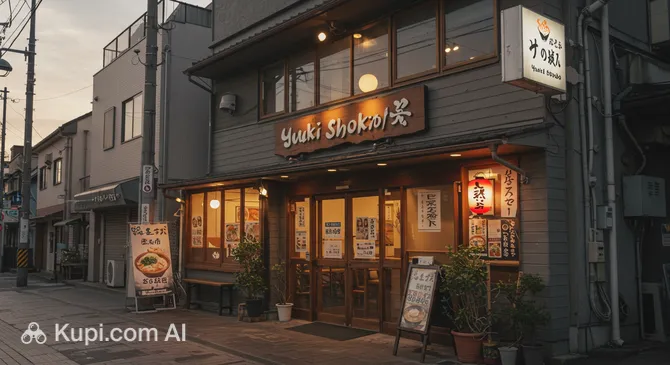
The food culture in Zushi offers options for every taste and budget. Along the promenade, you'll find cozy fish restaurants and cafes where you can enjoy the freshest seafood in a relaxed setting. One such place to experience local cuisine is Yuuki Shokudo. Street food is a treat in itself: on the beaches and in parks, you'll find small stalls serving takoyaki (octopus-filled dough balls), yakisoba (fried noodles), and sweet waffles with various fillings. Local markets are great for buying fresh farm produce, including vegetables and fruit. Throughout the year, Zushi also hosts food festivals, offering a unique chance to taste the best seasonal dishes and mingle with the locals.

Yuuki Shokudo. Illustration.
Source: Kupi.com AI

Traveler photos:

The culinary scene in Zushi is a harmonious blend of tradition and freshness, where everyone will find something to their liking. The primary focus is on the quality and naturalness of the products, especially seafood, which makes the local cuisine truly special and attractive to gourmets.

Travel Tips

Welcome to Zushi! This charming coastal city in Kanagawa Prefecture will give you unforgettable experiences. To ensure your trip goes smoothly and comfortably, we have prepared some practical tips.

  1. Clothing and Essentials: The climate in Zushi is temperate, with distinct seasons. In summer (June-August), bring light clothing, swimwear, sunscreen, a hat, and sunglasses, as the city is famous for its beaches. In spring (March-May) and autumn (September-November), the weather is changeable, so layered clothing is useful. In winter (December-February), you will need a warm jacket, sweater, and hat. Comfortable shoes are a must for walking around the city and its surroundings. Don't forget an adapter for electrical appliances (Japan uses Type A and B sockets). When visiting temples and shrines, choose modest clothing that covers your shoulders and knees.
  2. Transport: Getting around Zushi and its surroundings is most convenient by public transport. The city is served by the JR Yokosuka and Keikyu Zushi railway lines, connecting it to Kamakura, Yokosuka, and Tokyo. Local bus services are also well-developed. For exploring the city center and beach areas, walking is ideal. Taxis are available but can be quite expensive. Renting a car is unlikely to be necessary unless you plan extensive trips to less accessible areas of the prefecture.
  3. Finances: The local currency is the Japanese yen (JPY). Credit cards (Visa, Mastercard) are accepted in most hotels, large shops, and restaurants. However, it is always useful to have some cash with you for payments in small establishments, markets, temples, and for travel on certain types of transport. ATMs that accept international cards can be found in post offices (Japan Post Bank) and convenience stores (e.g., 7-Eleven). Tipping in Japan is not practiced, as good service is already included in the price. An approximate daily budget (excluding accommodation) can range from 7,000 to 15,000 yen.
  4. Health and Safety: Zushi is a very safe city, as is Japan as a whole. Pharmacies (薬局 - yakkyoku) are easy to find and carry over-the-counter medicines. If medical assistance is needed, go to a local hospital; staff may speak English, especially in larger institutions. Having travel medical insurance is mandatory. Observe standard precautions: keep an eye on your belongings in crowded places.
  5. Communication: The official language is Japanese. English is common in tourist areas, hotels, and among young people, but not everywhere. Learn a few basic phrases in Japanese, such as "konnichiwa" (hello), "arigato" (thank you), and "sumimasen" (excuse me/sorry)—this is highly appreciated by locals. For ease of navigation and communication, it is recommended to buy a local SIM card (at the airport or electronics stores) or rent a pocket Wi-Fi router. Free Wi-Fi is available in some public places and cafes. Useful apps: Google Maps, HyperDia (for train schedules), Google Translate.
  6. Local Etiquette: In Japan, it is customary to bow when greeting and saying goodbye. Remove your shoes before entering homes, some temples, and traditional restaurants (ryokans, some izakayas). On public transport, try to speak quietly and avoid talking on the phone. Avoid eating and drinking while walking on the street, although this is more leniently viewed in tourist zones.
  7. What to Avoid: Do not stick your chopsticks vertically into a bowl of rice—this is associated with funeral rituals. Do not point at people with your finger. Try not to make noise or have loud conversations in public places, especially on trains and in temples.
  8. Additional Tip: Zushi is famous for its Zushi Kaigan Beach, which is especially popular in summer. Check the local event schedule—you might be lucky enough to catch a beach festival or fireworks display. Keep in mind that many small shops may close earlier than in large metropolises, so plan your shopping in advance. Enjoy the relaxed seaside atmosphere of this cozy town!

We hope these tips help you better prepare for your trip and get the most out of your stay in beautiful Zushi. We wish you wonderful impressions!

Entertainment & Nightlife

Zushi, a charming coastal city, offers its guests a more peaceful and relaxed evening atmosphere rather than the noisy club life of major metropolises. Nightlife here centers around cozy restaurants, traditional Japanese pubs (izakayas), and perhaps a few bars with ocean views, especially during the warmer months. Instead of loud parties, you can enjoy a pleasant dinner, a quiet stroll along the promenade, or a chat with locals in a friendly environment.

The core of evening entertainment in Zushi consists of establishments where you can enjoy delicious food and a good time. One such place is the Yuuki Shokudo restaurant, where you can get acquainted with local cuisine. While the city may not have a wide selection of large nightclubs, you are sure to find small bars and izakayas, particularly in areas adjacent to the beach or central streets. These venues typically offer a wide range of drinks, including sake and local beer, as well as light snacks.

The evening atmosphere in Zushi is perfect for relaxation. The crowd is usually mixed, including locals and tourists seeking tranquility. Establishments generally stay open until late evening, but not until the early morning hours typical of larger cities. The dress code in most places is quite casual, reflecting the resort character of the town. The best time to visit restaurants is early evening, with bars coming to life a bit later. Average prices can vary but generally remain affordable.

Getting around Zushi at night can be done via taxi, which is the most convenient option once public transport stops running. It is recommended to have your hotel address written in Japanese or to use navigation apps. The city is considered quite safe, but standard precautions should always be taken, especially when walking in poorly lit or uncrowded areas after dark. If you plan to stay out late, check the schedule for the last train or bus in advance if your accommodation is further away.

During the day, Zushi also offers many interesting activities. In addition to relaxing on the beach, you can explore cultural attractions. For instance, visit the serene Hokokuji Bamboo Grove or the ancient Sugimoto-dera temple. The city may also have local museums or parks where you can spend time before evening falls. These places allow for a better understanding of the region's history and culture.

Parks & Museums

The city of Zushi offers its guests a harmonious blend of natural beauty and rich cultural heritage. Here, you can enjoy both relaxation on the coast and immersion into history through visits to ancient temples and shrines.

While Zushi might not have extensive urban parks in the traditional sense, its main natural attraction is the coastline. Zushi Beach is a popular spot for relaxation, swimming, and water sports, attracting both locals and tourists with its picturesque atmosphere and convenient access.

Regarding museums, the focus in Zushi shifts toward historical and religious sites, which are themselves guardians of culture and history. Instead of large museum complexes, the city offers its many temples to explore, each telling its own unique story.

Among the iconic historical sites, the Hokokuji Bamboo Grove stands out. This place is famous for its peaceful bamboo garden, where you can enjoy the silence, walk along shaded paths, and take beautiful photos. The grove creates a feeling of being immersed in a completely different world, far from the city bustle.

Hokokuji Bamboo Grove. Illustration.
Source: Kupi.com AI

Traveler photos:

Another important historical site is Sugimoto-dera. Believed to be one of the oldest temples in the Kamakura region, it attracts visitors with its authentic atmosphere, ancient statues, and its famous moss-covered staircase leading to the main hall. A visit to this temple allows you to touch centuries of Japanese history.

Sugimoto-dera. Illustration.
Source: Kupi.com AI

Traveler photos:

In addition to these gems, there are other notable temples in and around Zushi, such as Chokozan Myohon Temple with its tranquil grounds and Jomyo-ji Temple, known for its traditional garden and teahouse. Each of these locations offers a unique experience and an opportunity to gain a deeper understanding of Japanese culture and spirituality.

For an authentic experience, step off the beaten tourist paths and explore small local shrines often hidden in residential neighborhoods. Also, don't miss the chance to walk along the coast at different times of the day to enjoy the changing views and the peaceful atmosphere of this charming city.

Getting Around

The fare payment system in Zushi is quite convenient, especially when using rechargeable smart cards (IC cards) such as Suica or Pasmo, which are widely used in the Kanto region. These cards can be purchased and topped up at special machines located at railway stations. IC cards are accepted on both trains and buses, eliminating the need to buy a separate ticket every time and significantly simplifying travel around the city and its surroundings.

To validate your trip, tap your IC card against the reader at the ticket gate when entering and exiting a railway station. On buses, the card should be tapped against the validator, which is usually located near the entrance or exit, depending on the specific bus operator's rules. If you only plan for occasional train trips, you can purchase a paper ticket at a station machine immediately before boarding. Buses also typically allow for cash payment to the driver—in this case, it is recommended to have small change for convenience. Train fares are usually calculated based on the travel distance, while bus fares may be fixed per route or also depend on a zone system.

Public transport in Zushi typically begins operation early in the morning, around 5-6 AM, and continues until midnight. However, it is worth noting that schedules can vary, especially for bus routes, and also on weekends and public holidays. Therefore, tourists are strongly encouraged to check the current departure times in advance. This can be done using online route planners or by checking the information boards at stations and stops.

In addition to the public transport system, there are alternative ways to get around Zushi. Taxi services are available at designated stands, most often located near railway stations, or a car can be called by phone. This option offers a higher level of comfort but is more expensive. For a leisurely exploration of the city and its picturesque coastal areas, bicycle rental is an excellent choice. Rental points can sometimes be found at tourist information centers or specialized shops, providing a great opportunity to explore the surroundings at your own comfortable pace.

Accommodation

When planning a trip to Zushi, you will find a variety of accommodation options to suit different preferences and budgets. The city offers everything from traditional Japanese ryokans, where you can immerse yourself in local culture, to more standard hotels, guesthouses, and short-term rental apartments. Options range from budget-friendly choices to mid-range and more comfortable offerings.

When choosing where to stay in Zushi, consider areas closer to the coast if your goal is a beach holiday, or those that provide easy access to transport hubs for exploring the surrounding areas. While the current list of attractions doesn't feature specific hotels, you can find suitable options in and around the city through popular online booking platforms or by contacting a chosen hotel directly. Small family-run inns offering a cozy atmosphere are common.

The price range for accommodation in Zushi can vary depending on the season, the type of lodging, and its location. Overall, options are available for both budget travelers and those looking for extra comfort. It is recommended to book accommodation in advance, especially if your trip coincides with the peak tourist season or public holidays, to ensure the best choice and prices. The main booking methods are international and local online services, as well as direct inquiries with hotels.

Nearby Cities

For those looking to explore the surrounding areas, Zushi serves as an excellent starting point for day trips to several interesting nearby locations:

CityPopulationDistance
Hayama31 5463 km
Kamakurayama172 9296 km
Yokosuka390 2758 km
Fujisawa436 74410 km
Torihama9 64311 km

These nearby destinations offer a glimpse into the diverse culture and landscapes of the region. A trip to any of these cities will provide new experiences and broaden your understanding of Japan.

Shopping & Souvenirs

Shopping in Zushi offers the charm of local finds rather than the scale of large shopping centers. As a coastal city, Zushi can delight you with unique sea-related goods as well as traditional Japanese products. Here you will find small shops, family-run stores, and perhaps seasonal fairs offering an authentic shopping experience.

The main shopping areas in Zushi are likely concentrated around JR Zushi Station and along the main streets leading to the coast. These are typical Japanese shopping streets known as "shotengai," where you can find a variety of shops: from grocery stalls and pharmacies to souvenir shops and small clothing boutiques. Walking along these streets is an interesting experience in itself, allowing you to observe the city's daily life.

Large multi-story shopping centers typical of metropolises may not be found in Zushi. However, you might find smaller shopping complexes or department stores offering essential goods, clothing, and some souvenirs. For a wider selection of brand stores and large malls, you may need to head to neighboring, larger cities in Kanagawa Prefecture, such as Yokohama or Kamakura.

While information on large permanent markets in Zushi is limited, it is worth looking out for possible local markets, especially if you are interested in fresh seafood or farm products. Sometimes Japanese cities host morning markets or weekend fairs where you can buy fresh vegetables, fruit, fish, and items made by local artisans. Keep an eye on local announcements or ask at the tourist information center about such events.

For souvenirs from Zushi, consider items that reflect its coastal location and Japanese culture. These might include:

  • Local sweets (e.g., sea-themed wagashi).
  • Items made from seashells or with marine motifs.
  • Traditional Japanese crafts: ceramics, textiles, small decorative items.
  • Locally produced products such as dried seaweed, sauces, or seasonings.
  • Themed souvenirs related to nearby attractions you have visited.

Shops in Zushi, as in most cities in Japan, are usually open from 10:00 or 11:00 AM to 7:00 or 8:00 PM. Small family-run shops may have their own schedules. Large supermarkets may stay open longer. Regarding payment, credit cards (Visa, Mastercard) are widely accepted in most shops and restaurants, however it is always useful to have some cash on hand, especially for purchases in small stalls or at markets.

Tourists in Japan can take advantage of the Tax Free system. When making purchases of a certain amount (usually over 5,000 yen excluding tax) in participating stores (look for the "Japan Tax-Free Shop" sign), you can receive a consumption tax refund. You will need to present your passport for this. Usually, the procedure takes place directly in the store at the time of payment.

Reached the end of the page?

That means the route is fully explored