Support

Kisarazu

About

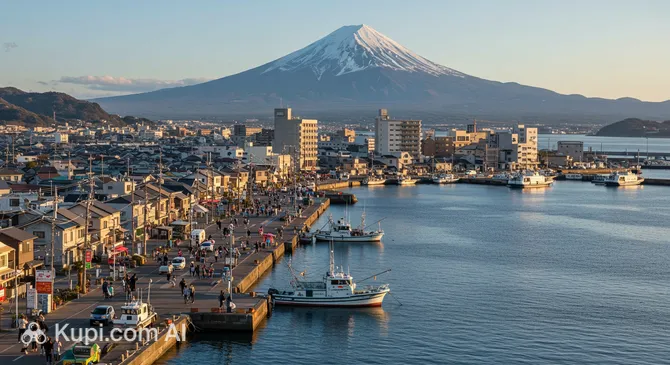
Kisarazu is a charming gateway to the Boso Peninsula in Chiba Prefecture, located just an hour's drive from bustling Tokyo, yet offering a completely different, peaceful atmosphere. The city is nestled on the picturesque shores of Tokyo Bay and is famous not only for its refreshing sea breeze but also for a true engineering marvel — the Aqua Line highway. This unique transport artery, a combination of a bridge and an underwater tunnel, connects Kisarazu with the city of Kawasaki by crossing the bay, making it a must-visit for lovers of unusual routes.

With a population of about 136,000, Kisarazu harmoniously combines the relaxation of a seaside town with the energy of a modern center. It is a place where you can easily feel like both a local and a curious traveler. The city is part of Japan and is actively developing while carefully preserving its centuries-old traditions and natural charm. From embankments with breathtaking bay views to lively shopping districts, Kisarazu offers a wide range of experiences.
Kisarazu. Illustration.
Source: Kupi.com AI

Kisarazu attracts tourists with many interesting sites. Shoppers will appreciate the famous Mitsui Outlet Park, which offers a wide selection of goods. For those seeking spiritual enrichment and natural beauty, the city's surroundings offer the majestic Mount Nokogiri, one of the highest in the prefecture, ideal for hiking, as well as an impressive giant Buddha statue that adds a touch of mystery and inspiration to the area. Don't forget the opportunity to take a gastronomic tour of local restaurants to get to know the authentic cuisine.

Kisarazu is an ideal destination for those who want to swap the hustle and bustle of the metropolis for the calm contemplation of seascapes, stroll through picturesque parks, or simply enjoy the atmosphere of a city where modernity and tradition exist in perfect harmony. This city is capable of surprising, inspiring, and leaving you with a desire to return again and again, discovering something new each time.

You can find more interesting facts on the Kisarazu city history page.
Weather Overview

The weather in Kisarazu is characterized by noticeable seasonal changes. Summers here are warm, while winters are quite cool. Average monthly temperatures in Kisarazu range from approximately 6.3°C in January to 27.6°C in August. Precipitation is distributed throughout the year, with the highest number of rainy days and rainfall volume occurring in June and October. Expect a warm summer with occasional rain and cool, relatively dry winters. To learn more about the weather by month, you can view detailed information about the Kisarazu climate.

Average monthly temperature

Average monthly precipitation

Interesting Facts

In addition to its well-known tourist routes, Kisarazu holds many surprising stories and features that make it truly unique. Ready to learn a few little-known but very interesting facts about this city?

Yatsurugi Hachiman Shrine. Illustration.
Source: Kupi.com AI

Traveler photos:

  • Kisarazu is the starting point for the famous Tokyo Bay Aqua Line — an impressive engineering feat consisting of a 15.1-kilometer route of a bridge and a tunnel crossing Tokyo Bay. Along the way, you can stop at the artificial island of Umihotaru, which offers breathtaking views, especially at sunset.

  • Near the city rises Mount Nokogiri, whose name translates as \"Saw\" because of its jagged shape. It is famous not only for its panoramic views but also for housing one of the largest Buddha statues in Japan, as well as the \"Jigoku Nozoki\" (Hell Lookout) observation deck, which hangs over a precipice.

  • Kisarazu is not only a modern city but also a guardian of ancient traditions. Colorful festivals are regularly held here, where you can see traditional Japanese dances, hear national music, and learn about crafts. One of the places where you can touch history is Yatsurugi Hachiman Shrine.

  • The city serves as an excellent starting point for exploring the Boso Peninsula, known for its flower fields, ancient temples, and picturesque coastlines. Kisarazu is also popular among sea fishing enthusiasts and fans of various water activities.

How to Get There

When planning a trip to Kisarazu, it is important to think through your route. The city is conveniently located in Chiba Prefecture and can be reached in several ways, especially if you are arriving in Japan through one of the international airports in the Kanto region.

The main air gateways for traveling to Kisarazu are the two largest airports in Japan, located in Tokyo. The closest of them is Haneda Airport (IATA: HND), which is about 23 km from the center of Kisarazu. It is a huge international hub, and a trip from here by taxi or bus takes about 50-60 minutes. No less popular is Narita International Airport (IATA: NRT), which also serves Tokyo and is located about 60 km from Kisarazu. As one of the country's main international airports, Narita offers a developed transport infrastructure; the trip to Kisarazu from here will take approximately 1.5–2 hours. If your route involves flying through a smaller hub or if you are looking for regional flights, you can consider Ibaraki Airport (IATA: IBR). It is located in Ibaraki City, at a distance of about 99 km from Kisarazu, and the trip from there can take 2.5–3 hours.

For clarity, here is a summary of the main airports through which you can reach Kisarazu:

AirportPassenger trafficDistance
Haneda Airport85.7 mln23 km
Narita International Airport40.8 mln60 km
Ibaraki Airport776 06399 km
Shizuoka Airport691 274172 km
Matsumoto Airport112 618201 km

In addition to air travel, Kisarazu is connected to other Japanese cities by a network of roads. There is also a rail link connecting Kisarazu to Tokyo and other towns in the region. We recommend checking train and bus schedules and routes on specialized websites or locally, as they may vary.

Main Attractions

Kisarazu, located in Chiba Prefecture, offers travelers a variety of attractions that combine modern entertainment with traditional Japanese culture. This city by Tokyo Bay boasts interesting places worth visiting to better understand the region.

One of the popular spots for shopping and leisure is Kisarazu Outlet Park. This large shopping complex attracts visitors with a wide selection of famous brand stores, restaurants, and cafes. Here, you can not only find great deals but also have a pleasant time enjoying the atmosphere and various entertainment options. It is an excellent place for those who want to combine shopping with relaxation.

Kisarazu Outlet Park. Illustration.
Source: Kupi.com AI

Traveler photos:

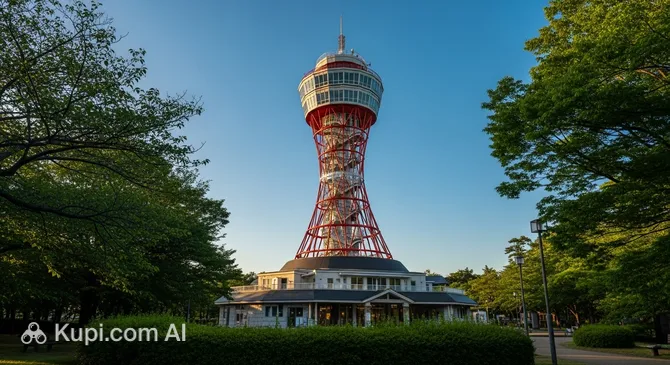
For lovers of panoramic views and unusual architectural structures, Kimisarazu Tower is an interesting site. This tower, known for its unique shape, is a symbol of the city and a popular spot for photography. Its observation deck offers a beautiful view of the surroundings and Tokyo Bay, which is particularly impressive at sunset. The tower is also associated with a local legend, which adds to its charm.

Kimisarazu Tower. Illustration.
Source: Kupi.com AI

Traveler photos:

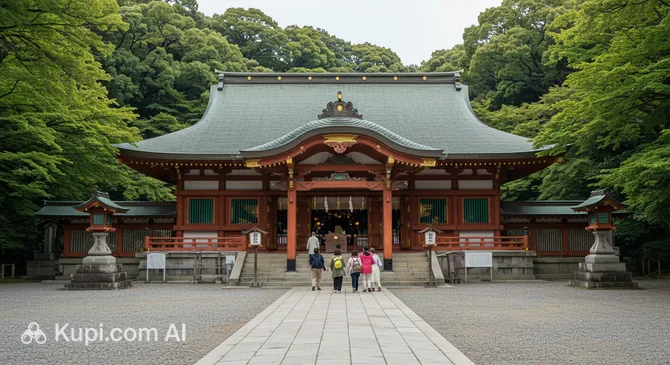
You can immerse yourself in Japan's spiritual atmosphere by visiting Yatsurugi Hachiman Shrine. This Shinto shrine with a rich history is an important cultural and religious center of the city. Visitors can admire the traditional architecture, stroll through the well-kept grounds, and learn more about local customs and beliefs. The shrine often serves as a venue for traditional festivals and ceremonies.

Yatsurugi Hachiman Shrine. Illustration.
Source: Kupi.com AI

Traveler photos:

In addition to these iconic sites, Kisarazu offers other interesting locations, including restaurants serving local cuisine such as Kutta or Uomasa, where you can taste the fresh seafood for which the region is famous. For those seeking evening entertainment, the city also offers bars, such as Yai Chattei Kisarazu Main Branch.

Local Cuisine

The gastronomic world of Kisarazu is a true delight for lovers of fresh seafood, which is not surprising given the city's location on the shores of Tokyo Bay. The main pride of the local cuisine is, undoubtedly, the freshest sushi and sashimi. Salmon, tuna, various mollusks, and shrimp reach the table almost immediately after being caught. Dishes made from local oysters and scallops, which are prepared here in many ways, are particularly popular.

In addition to classic sushi and sashimi, be sure to try donburi — an appetizing bowl of rice with a generous portion of seafood. In local markets, you can taste skillfully grilled fish. For those looking for unusual flavors, Kisarazu offers delicacies made from local seaweed and sea urchins. Street food lovers will enjoy takoyaki (octopus dough balls) and yakitori (chicken skewers).

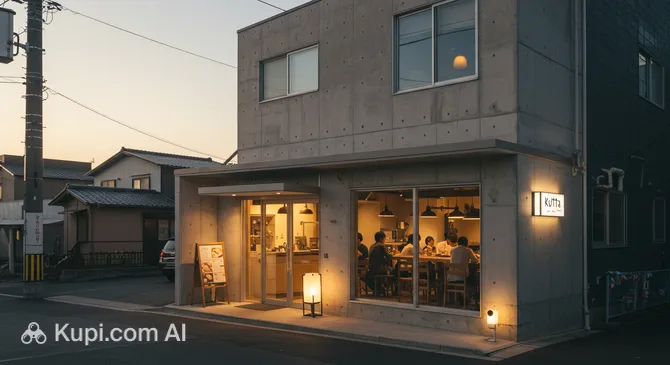
The food culture in Kisarazu is diverse. Locals and tourists alike enjoy visiting both traditional Japanese restaurants and cozy modern cafes. Fresh seafood markets are not only a place to shop but also a popular spot where you can try the catch immediately. A lively atmosphere prevails here, especially in the evenings. One of the places where you can get acquainted with the local cuisine is the Kutta restaurant, which offers authentic dishes.

Kutta. Illustration.
Source: Kupi.com AI

Traveler photos:

Among drinks, refreshing green tea-based options hold a special place, perfectly complementing a seafood meal. Gastronomic festivals often take place in Kisarazu, especially on weekends. This is a great opportunity to get to know the culinary traditions of the region and try seasonal delicacies that are not always available in regular restaurants. The city's gastronomic scene is a harmonious blend of centuries-old traditions and modern culinary trends, offering something to suit every guest's taste.

Travel Tips

Welcome to Kisarazu! To make your journey to this interesting part of Japan as comfortable and memorable as possible, we have gathered some useful tips for you.

  1. Seasonal Clothing and Useful Items: The climate in Kisarazu is humid subtropical. In summer (June-August), it is hot and humid, so bring light, breathable clothing. Spring (March-May) and autumn (September-November) offer comfortable temperatures — ideal for layering. Winter (December-February) is mild, but warm clothes will be useful. Be sure to bring comfortable walking shoes, sunscreen, and a hat in summer, as well as an umbrella or raincoat, especially during the \"tsuyu\" rainy season (June-July). Don't forget an adapter for electrical appliances (Japan has 100V voltage, type A and B sockets). When visiting temples and shrines, choose modest clothing that covers shoulders and knees.

  2. Getting Around Town: The main public transport in Kisarazu consists of local trains (e.g., JR lines, including the JR Uchibo Line) and buses. Bus fares are often paid in cash when exiting. Taxis are available but can be expensive; you can try using Japanese taxi apps if they operate in the region. Renting a car can be convenient for exploring the surroundings of Chiba Prefecture, but remember left-hand traffic and the need for an International Driving Permit. Parking may be limited within the city itself.

  3. Financial Matters: The national currency is the Japanese Yen (JPY). Currency can be exchanged at airports, major banks, or specialized exchange offices. Credit cards (Visa, Mastercard) are accepted in most hotels, department stores, and many restaurants; however, always carry some cash for small shops, some temples, and markets. ATMs that accept international cards can be found in 7-Eleven stores, post offices (Japan Post Bank), and some banks — look for the \"International ATM\" symbol. Tipping is not practiced in Japan; good service is included in the bill.

  4. Health and Safety: Kisarazu, like Japan as a whole, is a very safe place with low crime rates. Pharmacies (\"kusuri\" 薬) are easy to find, but staff may not always speak English. Basic over-the-counter medicines are available. 24-hour pharmacies are rare. It is strongly recommended to take out travel medical insurance before your trip. In emergencies, call 119 (ambulance/fire) or 110 (police).

  5. Language and Communication: The official language is Japanese. English may be common in tourist areas and hotels but not everywhere. Learn a few basic phrases: \"Konnichiwa\" (Hello), \"Arigato\" (Thank you), \"Sumimasen\" (Excuse me/I'm sorry). For communication, it is convenient to rent a pocket Wi-Fi router or buy a local SIM card (available at airports and large electronics stores). Free Wi-Fi is available in many hotels, cafes, and some stations. Useful apps: Google Maps for navigation, HyperDia or Jorudan for train schedules.

  6. Local Etiquette and Traditions: Japanese people value politeness highly. Greetings are often accompanied by a bow; a slight nod is usually sufficient for tourists. In public places, especially on transport, try to speak quietly and avoid disturbing others. It is important to remove your shoes when entering homes, some temples, traditional restaurants, and ryokans (Japanese inns). When using chopsticks, do not stick them vertically into rice or pass food from chopsticks to another person.

  7. Things to Avoid: Try not to talk loudly on the phone in public transport — it is considered impolite. Do not leave tips — it may cause confusion. Avoid eating and drinking while walking on busy streets unless in designated areas (e.g., street festivals).

  8. Kisarazu Specialty: The city is located on the shores of Tokyo Bay and is known for its Nakanoshima Bridge (Kisarazu Nakanoshima Bridge), sometimes called the \"lovers' bridge,\" which is particularly beautiful at sunset. Also nearby is a unique structure — the Umihotaru artificial island parking area (Umihotaru PA) on the Tokyo Bay Aqua-Line, which offers great views. If the season allows (usually in spring), you can try a local pastime — \"shiohigari\" (clam digging).

We hope these tips help you better prepare for your trip and enjoy every moment in Kisarazu. We wish you an unforgettable journey!

Entertainment & Nightlife

Evening Kisarazu offers its guests a cozy and calm atmosphere for relaxation after a busy day. While the city is not famous for wild 24-hour parties, you can find pleasant places to spend the evening and enjoy delicious food and drinks.

The core of Kisarazu's nightlife consists of traditional Japanese pubs — izakayas — as well as various bars and restaurants. Many of them are concentrated in the areas adjacent to Kisarazu Railway Station. Here, you can dive into an authentic Japanese atmosphere and try local dishes and sake. The crowd in such establishments is usually local, but tourists are welcomed warmly. The atmosphere is generally friendly and relaxed. Most bars and restaurants are open until late evening, some until midnight or slightly later. There is usually no specific dress code; a neat casual style is welcomed.

Yai Chattei Kisarazu Main Branch. Illustration.
Source: Kupi.com AI

Traveler photos:

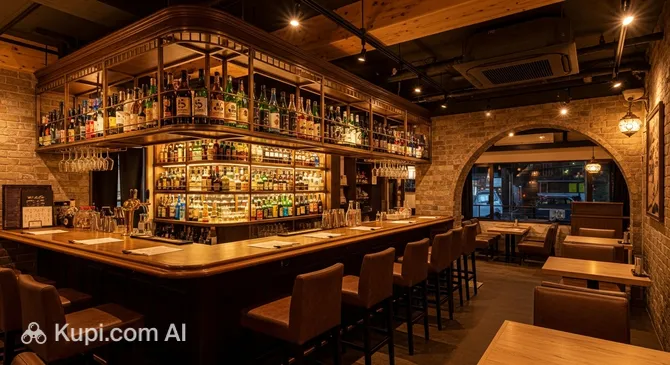
Among the places where you can spend a pleasant evening, it is worth noting the bar Yai Chattei Kisarazu Main Branch, which offers a good selection of drinks and snacks in a cozy setting. If you are looking for a place for dinner, pay attention to the Kutta restaurant, known for its cuisine. Another option for an evening meal is the Uomasa restaurant. As a rule, it is better to arrive at popular places early, especially on weekends, or book a table in advance.

As for practical tips, you can move around the city in the evening by taxi, which is easy to call by phone or find at designated stands. Kisarazu, like most cities in Japan, is considered a safe place for night walks, but it is always worth taking basic precautions. Average prices in bars and restaurants are moderate but can vary depending on the level of the establishment.

During the day, there is also plenty to do in Kisarazu. Shopping enthusiasts can visit Kisarazu Outlet Park, where many famous brands are represented. For those interested in local attractions, a walk to Kimisarazu Tower or a visit to Yatsurugi Hachiman Shrine can be interesting. Although the city has no major theaters or world-class amusement parks, its charm lies in its peaceful atmosphere and the opportunity to get to know the daily life of the Japanese countryside.

Parks & Museums

Kisarazu, a city in Chiba Prefecture, offers its guests a pleasant combination of coastal landscapes, well-kept parks, and sites that preserve cultural heritage. While there may not be large world-class museum complexes here, the city charms with its iconic spots and opportunities for outdoor recreation, allowing tourists to enjoy both peaceful walks and an introduction to local history.

One of the most famous green spaces in Kisarazu is Odayama Park (太田山公園). It is especially popular in spring during the cherry blossom season and in autumn when the foliage turns vibrant colors. The park's main attraction is Kimisarazu Tower, which offers a panoramic view of the city and Tokyo Bay. The tower is associated with a local legend about Princess Oto Tachibana-hime, which adds a romantic flair to the place and makes it attractive for lovers of beautiful views and stories.

Another iconic spot for walking is Nakanoshima Park (中之島公園), located on an island in Kisarazu Harbor. It is accessed by the famous Nakanoshima Ohashi Bridge (中の島大橋), which is considered one of the highest pedestrian bridges in Japan. The bridge itself is a popular attraction, especially at sunset, offering magnificent views. The park is ideal for peaceful relaxation by the water, picnics, and watching sea vessels.

Although Kisarazu does not have a large number of traditional museums, its cultural and historical heritage can be felt through visits to local shrines and iconic structures. One such significant site is Yatsurugi Hachiman Shrine. This ancient shrine attracts both locals and tourists with its rich history, traditional architecture, and peaceful atmosphere, offering a glimpse into the spiritual life of the region.

In addition to the aforementioned Kimisarazu Tower, which serves not only as an observation deck but also as an important cultural monument, the city offers other interesting locations to get to know its character. For example, a walk through the port area can reveal the city's daily life, which is closely linked to the sea, and offer picturesque views of the bay.

For a more authentic experience of Kisarazu, turn off the beaten tourist tracks and explore the city's small streets. It is also worth visiting local markets where you can find fresh seafood for which this coastal region is famous. If your trip coincides with local festivals, don't miss the chance to visit them — it's a great way to immerse yourself in the living culture and traditions of Japan.

Getting Around

Getting around Kisarazu and its surroundings can be done in several ways, making the city quite accessible for tourists. The transport system is based on trains and buses.

The city's main transport hub is Kisarazu Station, served by JR (Japan Railways) lines such as the JR Uchibo Line and JR Kururi Line. Trains are a convenient way to reach neighboring cities and districts of Chiba Prefecture, as well as Tokyo. Within the city and for trips to its more distant parts, buses are the primary form of public transport. There are various local bus routes serving both central areas and suburbs.

The fare payment system in Japan, and in Kisarazu in particular, is quite standardized. The most convenient way to pay is using rechargeable smart cards such as Suica or PASMO. These cards can be used on trains and most buses. They can be purchased and topped up at machines at railway stations. Cash payment is also possible: on trains, tickets are bought at machines before boarding, while on buses, payment is usually made when exiting (sometimes when entering, depending on the specific bus company's system — pay attention to the instructions inside). When paying in cash on a bus, it is advisable to have small change, though there is often a machine for exchanging coins and 1,000-yen notes.

Tourists are recommended to purchase an IC card (Suica or PASMO) upon arrival in Japan, as it greatly simplifies travel. Cards are validated by touching them against a reader at station ticket gates or on the bus. Train and bus schedules are usually punctual and can be found at stations, stops, or using online route planners (e.g., Google Maps or Japanese apps like HyperDia, Jorudan, or Navitime). Public transport usually operates from early morning (around 5-6 AM) until midnight, but schedules can vary depending on the route and day of the week.

Alternative ways to get around Kisarazu include taxis. They are available at railway stations and other key points in the city but are a more expensive option. For short distances or a more detailed exploration of the area, consider bicycle rental, especially if the weather is favorable. Car-sharing services are less common in cities of this size than in major metropolises.

A feature of the transport infrastructure associated with Kisarazu is the famous Tokyo Bay Aqua-Line — an impressive combination of a bridge and an underwater tunnel connecting Kisarazu to Kawasaki and, consequently, to Tokyo. While primarily a highway, express buses run along it, making the trip to Tokyo or Haneda Airport quick and convenient.

Accommodation

When planning a trip to Kisarazu, you will find a variety of accommodation options to suit different preferences and budgets. The city offers both modern hotels and more traditional Japanese inns, ensuring a comfortable stay for tourists.

In Kisarazu, you can find housing for every taste: from functional business hotels, which often offer excellent value for money, to cozy guest houses. While luxury resorts may not be as widely represented as in major metropolises, high-quality mid-range hotels are available. For those seeking a more authentic experience, it is worth considering a stay in a ryokan (traditional Japanese inn), if any are available in the city or surrounding area.

The most convenient areas for tourists to stay are generally those near Kisarazu Railway Station. This provides easy access to public transport for trips around the city and its surroundings, as well as to shops and restaurants. Staying near popular spots like Kisarazu Outlet Park can also be convenient.

Although specific famous hotels were not mentioned in the provided data, various hotel chains and independent hotels are represented in the city. The price range varies from budget options to mid-range and higher-class hotels. It is recommended to book accommodation in Kisarazu in advance, especially if your trip coincides with national holidays or the peak tourist season in Japan. This will help ensure a better choice and more favorable prices. For searching and booking, it is convenient to use popular online platforms or contact the chosen hotel directly.

Nearby Cities

For those who want to explore the surroundings, Kisarazu serves as an excellent starting point for day trips to several interesting nearby places:

Nearby is Yokohama, Japan's second-largest city, which will impress you with its lively port, famous Chinatown, and the futuristic Minato Mirai district. It is a great place to experience modern urban culture and international cuisine.

It is also worth visiting Kawasaki — a city known not only for its industry but also for interesting spots like the Fujiko F. Fujio Museum, dedicated to the creator of the popular character Doraemon, and the majestic Kawasaki Daishi Temple, which attracts many pilgrims.

And Chiba, the capital of the prefecture of the same name, offers strolls through picturesque parks such as Abe Park, a visit to the Chiba Museum of Science and Industry, or the chance to admire the views from the Chiba Port Tower.

CityPopulationDistance
Sodegaura63 9756 km
Kimitsu81 3556 km
Futtsu42 28011 km
Ichihara268 03822 km
Yokosuka390 27526 km

These nearby destinations provide an insight into the diverse culture and landscapes of the Japan region, offering many options for informative and exciting day excursions.

Shopping & Souvenirs

Kisarazu offers tourists pleasant shopping opportunities, although it is not a major global fashion center. The city is known for its fresh seafood and the presence of a large outlet center that attracts visitors from various parts of Chiba Prefecture and beyond. Here you can find both famous brand goods at discounted prices and unique local products.

Main shopping points are concentrated in several areas. Of course, the central place is occupied by the famous Kisarazu Outlet Park, which offers a huge selection of shops. In addition, small shops and stalls can be found near Kisarazu Railway Station and along the city's main streets, selling daily necessities, local delicacies, and souvenirs.

Kisarazu Outlet Park. Illustration.
Source: Kupi.com AI

Traveler photos:

The crown jewel for shopping lovers in Kisarazu is undoubtedly Kisarazu Outlet Park (Mitsui Outlet Park Kisarazu). It is one of the largest outlets in the Tokyo area, featuring hundreds of Japanese and international brands of clothing, footwear, accessories, home goods, and sports equipment. You can spend an entire day here, combining shopping with relaxation in numerous cafes and restaurants.

While Kisarazu is not famous for large traditional markets like some other cities in Japan, you can find small local markets or fairs here, especially those specializing in fresh seafood, given the city's coastal location. Often these places offer seasonal products and delicacies from local farmers and fishermen. It is worth looking for signs or asking locals about nearby weekend markets.

As souvenirs from Kisarazu, it is worth bringing back local delicacies, especially those related to the sea — dried seaweed, canned seafood. Chiba Prefecture is also known for its peanuts, so various sweets and products based on them would be a good choice. In souvenir shops, you can also find traditional Japanese crafts and items with the city's symbols.

Most shops in Kisarazu, including the outlet center, are usually open from 10:00 or 11:00 AM until 8:00 or 9:00 PM. Small private shops may have their own schedule. Credit cards (Visa, Mastercard, JCB, American Express) are widely accepted; however, small stalls or local markets may require cash (Japanese yen).

For foreign tourists in Japan, there is a tax refund system (Tax Free). Many large stores in Kisarazu, especially in the outlet park, provide this service for purchases over a certain amount (usually over 5,000 yen). You will need your passport to process the tax refund. This is usually done directly in the store at a special Tax Free counter.

Reached the end of the page?

That means the route is fully explored