Support

Ichihara

About

Ichihara is a colorful and lively city located on Honshu Island in Chiba Prefecture, which belongs to the Kanto region. Occupying a significant area, Ichihara's advantageous location near Tokyo and Tokyo Bay makes it an excellent starting point for exploring the surrounding areas and experiencing authentic Japan, far from the hustle and bustle of megacities.
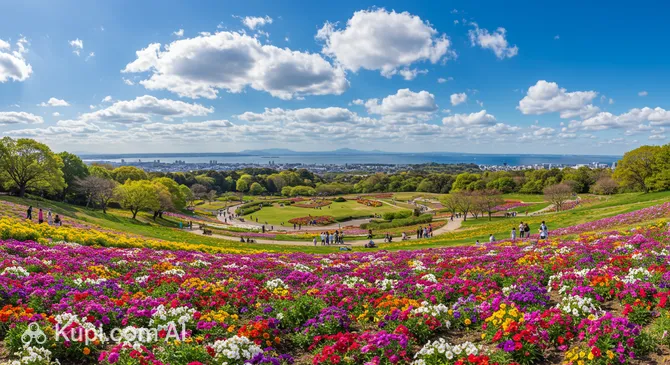
Ichihara. Illustration.
Source: Kupi.com AI

The city is home to approximately 268,000 people, making it one of the major municipalities in the prefecture. Ichihara plays an important role in the administrative, economic, and cultural life of the region while remaining a surprisingly harmonious and peaceful city. Here, modern infrastructure is combined with the traditional Japanese lifestyle, and a special atmosphere of comfort and leisure floats in the air.

Ichihara's main charm lies in its diversity. The city is famous for its well-maintained parks, where you can relax your soul, ancient temples preserving centuries of history, and modern museums offering interesting exhibitions. Also attractive are the green suburbs of Ichihara, where you can feel a sense of unity with nature. Strolling through the city, it is easy to forget about the vanity of large metropolises and plunge into the measured Japanese everyday life, filled with the hospitality and warmth of the local residents.

A trip to Ichihara is a wonderful opportunity to get to know the country's culture, its unusual traditions, delicious cuisine, and peaceful landscapes more deeply. Here, everyone will find something to their liking — whether they are history buffs, art connoisseurs, or simply those looking for inspiration and peace away from the tourist crowds. Ichihara hospitably awaits its travelers!

You can find more interesting facts on the Ichihara city history page.
Weather Overview

The climate in Ichihara is characterized by distinct seasonality. Summer, from June to August, is typically warm, with average temperatures ranging from 22°C (June) to almost 28°C (August). During this period, a moderate amount of precipitation falls (4-7 mm per month), with about 14-15 rainy days per month. Winters, from December to February, are noticeably cooler, with average temperatures staying around 6-8°C, and the amount of precipitation is significantly less than in summer (2-3 mm per month, 8-9 rainy days). October often stands out as the wettest month of the year with the highest amount of precipitation (8 mm) and rainy days (16 days). Overall, expect warm summers with occasional rain and cool, drier winters in Ichihara.

To learn more about weather conditions in different months, including data on minimum and maximum temperatures, you can visit the Ichihara climate page.

Average monthly temperature

Average monthly precipitation

Interesting Facts

Beyond the well-known routes, Ichihara hides many surprising stories and features that make this city truly unique. Here are just a few interesting facts that will help you see Ichihara from a new angle:

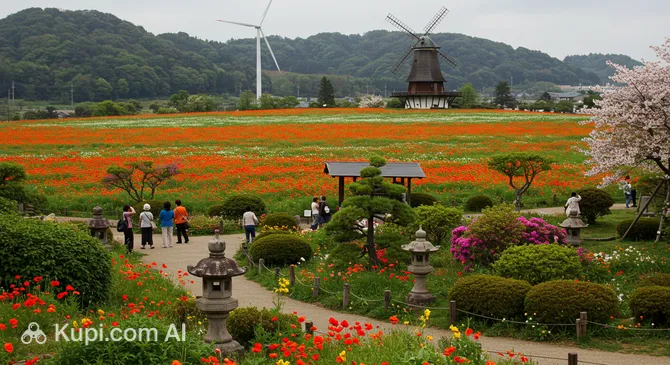
Kazusasarashina Park. Illustration.
Source: Kupi.com AI

Traveler photos:

  • Ichihara is not just a modern city; its history is rooted in ancient times. For centuries, this area was an important crossroads of trade routes and a center of agriculture, which formed the unique culture of the region.

  • The city has its own unique natural symbols reflecting harmony with the surrounding world: the official tree of Ichihara is the majestic ginkgo, the flower is the delicate cosmos, and the symbolic bird is the Japanese bush warbler. These symbols can often be found in the design of the city and its green zones, such as, for example, Kazusa Sarashina Park.

  • Despite its rich history, Ichihara today is a significant industrial center of Chiba Prefecture. Chemical, metallurgical, and machine-building industries are successfully developing here, making a significant contribution to the economy of Japan.

  • Ichihara is famous for its colorful traditional festivals. During the festivities, the city streets come alive with bright processions, the sounds of music, and the aromas of local delicacies, attracting many guests and creating a unique holiday atmosphere.

How to Get There

There are several ways to reach the city of Ichihara, located in Chiba Prefecture; however, the most convenient for international travelers will be a flight to one of the major airports serving the Tokyo metropolitan region. From the airports, you can reach Ichihara by train, bus, or taxi.

The primary and most convenient option is Haneda Airport (HND). This large international airport is located in Tokyo, approximately 31 km west of Ichihara. As one of the world's busiest airports, Haneda offers a vast number of both international and domestic flights. A trip by car or taxi from the airport to Ichihara usually takes between 1 and 1.5 hours, depending on the traffic situation. From Haneda, it is also easy to reach Ichihara by public transport, including trains and buses.

Another excellent choice is Narita International Airport (NRT). Japan's main international airport, Narita, is also located in the Tokyo vicinity, approximately 38.5 km northeast of Ichihara. Travel time by car to Ichihara is comparable to the trip from Haneda and takes about 1.5 hours. Narita Airport is perfectly connected to the region's transport network, offering convenient transfer options via trains (including the Narita Express) and buses.

Although they are located further away, it is also worth mentioning Ibaraki Airport (IBR), located about 80.5 km from Ichihara, and Shizuoka Airport (FSZ), situated at a distance of about 192.6 km. These airports serve mainly domestic and some international flights and may be an alternative option depending on your route. Transferring from them to Ichihara will take significantly more time and require careful planning of transfers.

For clarity, here is a summary of the main airports through which you can reach Ichihara:

AirportPassenger trafficDistance
Haneda Airport85.7 mln31 km
Narita International Airport40.8 mln38 km
Ibaraki Airport776 06381 km
Shizuoka Airport691 274193 km
Fukushima Airport250 000194 km

In addition to air travel, Ichihara, like most cities in Japan, is integrated into an extensive ground transport network. After arriving at one of the airports, the most convenient way to reach Ichihara is often by train. Japan is famous for its efficient and punctual railway system. From Haneda and Narita airports, as well as from central Tokyo, trains regularly depart towards Chiba Prefecture, with possible transfers to local lines to Ichihara. It is recommended to study routes and schedules in advance on the websites of railway companies such as JR East or use navigation apps. Bus routes and taxi services are also available.

Main Attractions

Ichihara, a city in Chiba Prefecture, offers its guests diverse opportunities for relaxation and getting to know the local culture. Here, you will find both quiet parks for peaceful walks and exciting places for family leisure and art connoisseurs.

One of the notable places is Kazusa Sarashina Park. This vast park attracts visitors with its picturesque nature, well-maintained landscapes, and opportunities for quiet relaxation. Here you can enjoy seasonal blooms, stroll through shaded alleys, or simply relax in the fresh air. The park is popular with both locals and tourists seeking solitude.

Kazusasarashina Park. Illustration.
Source: Kupi.com AI

Traveler photos:

For unforgettable experiences, especially if you are traveling with children, it is worth visiting the Ichihara Elephant Kingdom. This is not just a zoo, but a place where you can see elephant shows, feed them, and even go for a ride. In addition to elephants, other animals live here, making a visit interesting for the whole family.

Another great place for family holidays is Chiba Children's Country Kidsdom. This large amusement park offers many attractions, playgrounds, and zones for active pastime. Children of all ages will find something to do here, whether it's riding slides, exploring play complexes, or participating in interactive programs.

Art lovers and those who appreciate beautiful landscapes are recommended to visit the Ichihara Lakeside Museum. Located on the shores of the picturesque Lake Takataki, the museum offers not only interesting exhibitions of modern art but also the opportunity to enjoy the harmony of nature and architecture. A walk through the museum grounds, which also feature open-air sculptures, will provide aesthetic pleasure.

Local Cuisine

The culinary scene of Ichihara is a real discovery for connoisseurs of Japanese cuisine, largely thanks to the city's favorable location. Proximity to Tokyo Bay ensures constant access to the freshest seafood, while the region's fertile lands supply local residents and city guests with selected vegetables and rice.

It is definitely worth trying fish and seafood dishes prepared according to traditional recipes. Notable local specialties include sashimi from freshly caught fish, aromatic seaweed-based soups, and various rice dishes with seasonal vegetables or seafood. These are the foundations of the local gastronomy, reflecting the richness of the sea's bounty.

You can get to know authentic flavors not only in restaurants. Local markets abound with sea gifts such as oysters, mussels, squid, and shrimp, which can often be tried right on the spot as street food. In addition, Ichihara often hosts gastronomic festivals. This is a wonderful opportunity to taste unusual dishes, get acquainted with farm products, and even participate in culinary masterclasses, immersing yourself in the festive atmosphere.

To conclude your gastronomic journey through Ichihara, try some traditional Japanese drinks. Be sure to sample the local sake or a refreshing green tea. Don't forget the local sweets, which will be a pleasant addition to any lunch or dinner and allow you to deeper experience the uniqueness of Japanese culinary culture.

The gastronomic scene of Ichihara attracts tourists with its emphasis on the freshness of ingredients and loyalty to traditions. Be sure to try the delicate sashimi of freshly caught fish, aromatic seaweed-based soups, and hearty rice dishes with seasonal seafood. These culinary experiences will allow you to truly feel the spirit of Ichihara.

Travel Tips

Planning a trip to Ichihara? Wonderful! To ensure your journey through this interesting city in Japan goes smoothly and leaves only pleasant impressions, we have prepared some practical tips.

  1. Clothing and Essentials:

    The climate in Ichihara is temperate, with hot and humid summers and cool, dry winters. In summer, bring light, breathable clothing; in winter, layered warm clothing, including a jacket, hat, and gloves. In spring and autumn, a light jacket or sweater will be useful. Comfortable walking shoes are essential. Don't forget an adapter for electrical appliances (types A and B sockets are used in Japan). When visiting temples and shrines, dress modestly; although a strict dress code for tourists is usually absent, a respectful attitude towards local traditions is always appreciated.

  2. Getting Around the City:

    Ichihara is easy to navigate by public transport. The city is served by local railway lines such as the JR Uchibo Line and the scenic Kominato Railway. Bus routes are also available. Taxis exist but can be expensive; check for taxi-hailing apps like JapanTaxi or DiDi. Renting a car can be useful if you plan to explore the surrounding areas of Chiba Prefecture, but for the city itself, public transport is often sufficient. Remember that an international driving permit is required to rent a car.

  3. Finance: Currency, Cards, Tipping:

    The local currency is the Japanese yen (JPY, ¥). You can exchange currency at airports, banks, or specialized exchange offices. While credit and debit cards (Visa, Mastercard) are increasingly accepted, especially in large hotels, shops, and restaurants, cash remains very important, especially in smaller establishments. International cards usually work at ATMs of the 7-Eleven (Seven Bank) and Japan Post Bank (Yucho Bank) networks. An approximate daily budget (excluding accommodation) can range from 7,000 to 15,000 yen. Important note: tipping is not practiced in Japan and may be perceived as strange.

  4. Health and Safety:

    Pharmacies ("kusuriya" or "doraggusutoa") are easy to find, but pharmacists most often speak only Japanese. Japan is a very safe country, and Ichihara is no exception; the crime rate here is low. Nevertheless, always follow basic precautions: keep an eye on your belongings, especially in crowded places. It is strongly recommended to take out travel medical insurance before your trip.

  5. Communication and Internet:

    The official language is Japanese. The level of English proficiency among the population is not very high, although in tourist zones and hotels, you will be able to find English-speaking staff. Learn a few basic phrases: "Konnichiwa" (Hello/Good day), "Arigato" (Thank you), "Sumimasen" (Excuse me/Sorry). For connectivity, it is convenient to purchase a tourist SIM card or rent a pocket Wi-Fi router. Free Wi-Fi is available in many hotels, cafes, and at railway stations. Useful apps include Google Maps, HyperDia (for train schedules), and GuruNavi/Tabelog (for finding restaurants).

  6. Local Etiquette and Traditions:

    When greeting, Japanese people usually bow (ojigi); the degree of the bow depends on the situation and the status of the person. Handshakes are less common. In public places, especially in transport, try to speak quietly and not disturb others. It is not common to eat or drink on the go. When entering a Japanese home, some temples, and traditional restaurants (especially those with tatami), you must remove your shoes. Show respect for local customs, and your interaction with the residents of Ichihara will be pleasant.

  7. What to Avoid:

    Never stick your chopsticks vertically into a bowl of rice — this is associated with funeral rituals and is considered bad form. Also, avoid loud nose-blowing in public; if necessary, it is better to go to the restroom or do it as inconspicuously as possible.

  8. Special Tip for Ichihara:

    Ichihara is proud of its picturesque Kominato Railway, a ride on which is especially beautiful in spring during the cherry blossom season and in autumn when the leaves change color. If you are traveling with children or simply love animals, consider visiting the Ichihara Elephant Kingdom. The city is also part of the Keiyo Industrial Zone, and for those interested, tours to some enterprises may be available (prior organization required).

We hope these tips help you better prepare for your trip and get the most out of getting to know Ichihara. We wish you an unforgettable journey!

Entertainment & Nightlife

Ichihara, a city in Chiba Prefecture, offers its guests various options for evening and night leisure. While the nightlife here may not be as grand as in Tokyo, you will find cozy places to spend a pleasant time after a busy day.

The foundation of evening entertainment in Ichihara, as in many Japanese cities, consists of traditional izakaya pubs. Here, you can enjoy local dishes such as yakitori or sashimi, and drinks including sake and shochu, in a relaxed atmosphere. You will encounter both small family-run izakayas and establishments of popular chains. Karaoke bars are also immensely popular; these can be either large centers with many "karaoke boxes" (private rooms for groups) or more intimate venues. This is a great way to have fun with friends. Additionally, the city has small local bars, some of which may have their own theme or offer craft beer, and restaurants open until late at night, offering both Japanese and international cuisine. Regarding prices, dinner in an izakaya can cost approximately 2,500-4,500 yen per person. An hour of singing in karaoke usually costs from 500 to 1,500 yen per person (prices may be higher during peak hours and weekends), not including drinks, and a glass of beer or a cocktail in a bar is about 600-1,000 yen. Prices may vary depending on the establishment and the day of the week.

A concentration of evening establishments can usually be found near major railway stations, such as Goi Station or Ichihara Station, as well as on busy central streets. The active nightlife here usually comes alive after 8:00-9:00 PM, especially on Fridays and Saturdays, when locals and visitors come out to relax. The atmosphere in most places is quite casual and friendly. A special dress code is generally not required; casual style is welcomed. Establishments are usually open until late at night, but it is always recommended to check the opening hours of a specific place in advance, especially on weekdays.

When planning an evening out, consider the schedule of the last trains, as they are the primary mode of public transport. Taxis are available but can be more expensive, especially at night. In many smaller establishments, cash payment may be preferred, although credit cards are increasingly accepted. As for safety, Ichihara, like Japan in general, is considered a safe city. However, it is always worth following standard precautions, especially late at night.

While Ichihara may not have large, world-famous nightclubs, the local scene offers an authentic experience of Japanese evening relaxation. To find specific themed bars or events, it is worth checking local listings or online resources upon arrival.

During the day, Ichihara also offers interesting leisure options. Nature lovers can visit the picturesque Kazusa Sarashina Park, an excellent place for walks and outdoor relaxation.

Kazusasarashina Park. Illustration.
Source: Kupi.com AI

Traveler photos:

Furthermore, the city features local museums introducing the history and culture of the region, as well as shopping districts and cozy cafes where you can grab a bite during the day.

Parks & Museums

Ichihara, snugly located in Chiba Prefecture, offers its guests a pleasant combination of well-maintained green zones for outdoor relaxation and interesting cultural sites that provide a deeper understanding of the region's history and art.

One of the wonderful places for walking and enjoying nature is Kazusa Sarashina Park. This park attracts visitors with its picturesque landscapes, well-kept alleys, and the opportunity to take a break from the city's hustle. Here you can spend time with your family, have a picnic, or simply enjoy the tranquility.

Kazusasarashina Park. Illustration.
Source: Kupi.com AI

Traveler photos:

In addition to Kazusa Sarashina Park, in Ichihara, it is worth paying attention to Orikimoto Park, which is especially popular in spring during the cherry blossom season, creating a magical atmosphere for visitors. The city also offers other green corners, such as small urban squares, perfect for a short respite.

For lovers of art and history, Ichihara also offers interesting places. One of the key cultural centers is the Ichihara Lakeside Museum. It is known not only for its collection of modern art but also for its stunning location by the lake, making a visit especially pleasant. The museum often hosts temporary exhibitions and educational programs. Another significant site is the Ichihara City Museum of History and Folklore, where you can plunge into the city's past and learn about traditional life and crafts of the region.

Historical sites of interest to tourists have been preserved in Ichihara and its surroundings. For example, you can visit local temples and shrines, such as the Kazusa Kokubun-ji Temple, which is an important historical monument and reflects the rich spiritual heritage of Japan. These places are not only beautiful from an architectural point of view but also allow you to touch upon centuries-old culture.

To get a more authentic experience of Ichihara, try turning off the beaten tourist paths. Explore local markets where you can try fresh products and chat with residents, or stroll through residential neighborhoods to see the everyday life of the city. Sometimes the most interesting discoveries await where you least expect them, for example, in small family-run restaurants offering local cuisine.

Getting Around

Getting around Ichihara and its surroundings is quite convenient thanks to a developed public transport system. The main modes of transport for tourists and locals are trains and buses, which connect various areas of the city and neighboring settlements.

Railway communication plays a key role in Ichihara's transport system. Lines of Japan Railways (JR) pass through the city, providing quick connections with major cities in the region. Fares on local JR lines usually start from 150-200 yen depending on the distance. Special attention should be given to the local picturesque Kominato Railway. A trip on its retro trains is not just a way to get from point A to point B, but a real small journey, especially beautiful during the cherry blossom season or autumn colors. Mobile applications such as HyperDia, Jorudan, or Google Maps are very useful for planning routes and checking train schedules.

The bus network in Ichihara complements the railway service, providing access to areas not reached by trains. Local buses run on many routes, connecting residential neighborhoods, tourist sites, and public institutions. The cost of a single bus trip within the city is usually about 200-250 yen. Bus schedules are generally precise, but small delays are possible during peak hours; they can also be checked in route planning apps.

The fare payment system in Ichihara is integrated with national transport cards such as Suica or Pasmo. These rechargeable smart cards are very convenient: they can be used for both trains and buses, as well as for small purchases in stores and vending machines. Some of these cards can be added to mobile wallets on smartphones for even greater convenience. You can purchase or top up a physical card at railway stations at special machines or ticket offices. Single tickets, the price of which depends on the distance, are also available for purchase at station machines or directly from the bus driver (it is advisable to have small change).

For tourists, it is important to know several practical points. Train tickets are usually purchased before boarding at machines where you can often select English as the interface language. When entering and exiting the railway platform, you must tap your IC card on the turnstile or insert your ticket. On buses, payment with an IC card is made upon boarding or exiting (depending on the type of bus), and a single ticket is paid to the driver upon exit. Public transport in Ichihara usually starts operating early in the morning, around 5:00-6:00, and ends around 23:00-00:00. However, schedules can vary depending on the route and day of the week, so it is always recommended to check the current departure time of the last service using navigation apps like Google Maps, HyperDia, or Jorudan, especially if you plan late-evening trips.

As an alternative to public transport, taxis are always available in Ichihara. They can be found at stands near stations or called by phone. It is worth noting that taxis in Japan are generally a rather expensive mode of transport but can be a convenient option, especially if you are traveling with luggage or in a group. For active recreation enthusiasts, bicycle rentals may be available in some areas of the city, allowing you to explore the surroundings at your own pace.

Accommodation

In Ichihara, travelers can find a suitable accommodation option that meets both their budget and personal preferences. The city offers a choice from modern hotels of various comfort levels to, possibly, traditional Japanese inns (ryokans) and apartments for those seeking a home-like atmosphere. When choosing accommodation, it is worth paying attention to areas that provide convenient access to transport hubs and places of interest. The central part of the city or areas near railway stations are often good choices, as it is easy to reach various objects from there, including, for example, Kazusa Sarashina Park. Although there are no specific hotels on our list, you will find both chain hotels and small private establishments in the city.

When planning a trip, especially during popular seasons or local festivals, it is wise to book accommodation in advance. This will not only expand your choice but may also help you find more favorable offers. To search and book, it is convenient to use well-known international online platforms, as well as the official websites of the hotels themselves if you prefer direct interaction.

The price range for accommodation in Ichihara is quite wide. Tourists can expect to find both budget options, such as hostels or inexpensive guesthouses, and mid-range hotels offering an optimal price-quality ratio. For those seeking maximum comfort, more luxurious hotels or apartments with a full range of services are also available.

Nearby Cities

For those who want to explore the surroundings, Ichihara serves as an excellent starting point for day trips to several interesting nearby locations:

For example, Chiba, the lively capital of the prefecture, attracts with its modern port, beautiful parks such as Chiba Park, and various museums. A trip to Ichikawa will allow you to get to know a city known for its literary connections and the picturesque Satomi Park, ideal for peaceful walks and admiring nature. And a visit to Urayasu promises unforgettable impressions for the whole family thanks to the world-famous theme parks located on its territory.

CityPopulationDistance
Chiba981 73812 km
Sodegaura63 97516 km
Mobara86 44618 km
Oamishirasato47 72219 km
Yotsukaido93 23320 km

These nearby destinations provide an insight into the diverse culture and landscapes of the region. Each trip promises new discoveries and experiences, complementing your journey to Ichihara.

Shopping & Souvenirs

Planning a trip to Ichihara, you will likely want to set aside time for shopping as well. Although Ichihara is not a major metropolis with countless shopping districts, you can find both modern stores and shops with local flavor here. The city offers opportunities to buy everyday goods, Japanese cosmetics, electronics, and, of course, souvenirs to remember Japan by.

The main shopping spots in Ichihara, as in many Japanese cities, are often concentrated around major railway stations. This is where you can find department stores, small boutiques, and specialty shops. Stroll through the streets adjacent to the central stations to appreciate the range and choose something to your liking.

As for large shopping malls, cities the size of Ichihara usually have several modern complexes offering a wide selection of goods — from clothing and accessories to household items and electronics. Often, these centers also house food courts and entertainment zones. We recommend paying attention to those located near transport hubs.

While Ichihara may not be famous for large traditional markets like some other Japanese cities, there is always a chance to find small local markets where farmers sell fresh produce, or temporary fairs with handmade goods. This is a great opportunity to get acquainted with local products and buy something authentic.

As souvenirs from Ichihara and Chiba Prefecture, of which the city is a part, you can bring traditional Japanese goods: ceramics, fans, chopsticks, green tea, or "wagashi" sweets. Look for items with local symbols. Chiba Prefecture is known for its peanuts, so various products made from them can also be an interesting and tasty souvenir.

Most shops in Ichihara, as throughout Japan, are usually open from 10:00 or 11:00 AM to 8:00 or 9:00 PM. Large shopping centers may stay open longer. Credit cards, especially Visa and Mastercard, are accepted almost everywhere. However, cash (Japanese yen) is still widely used, and it is worth having some on hand, especially for purchases in small shops or at markets.

For foreign tourists in Japan, a Tax Free system is in place. Look for stores with the corresponding logo (usually "Japan Tax-free Shop"). When purchasing a certain amount (usually over 5,000 yen excluding tax), you can apply for a consumer tax refund. For this, you will need your passport. Conditions and procedures may vary slightly in different stores, so don't hesitate to clarify details with the sellers.

Reached the end of the page?

That means the route is fully explored