Support

Kujukuri

About

Kujukuri is a true paradise for those who dream of the sea, sun, and a serene getaway. This charming town is nestled on the east coast of Honshu Island in Chiba Prefecture, just an hour and a half drive from Tokyo, Japan. With a population of about 14,652, Kujukuri maintains an intimate, homey atmosphere that makes it an ideal destination for a peaceful vacation.
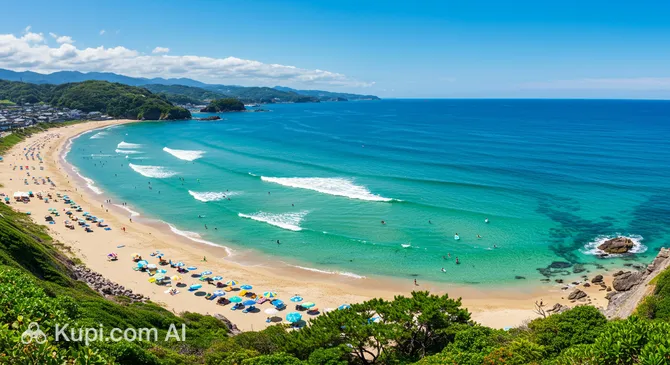
Kujukuri. Illustration.
Source: Kupi.com AI

The main pride and a magnet for tourists is the famous Kujukurihama Beach, which impresses with its 66-kilometer stretch along the Pacific Ocean. This place seems designed for long walks on soft sand, contemplating picturesque sunsets, and simply enjoying the sound of the surf. The mild climate makes staying here comfortable almost all year round.

Kujukuri is famous for its relaxed, slightly surfer-like atmosphere. In addition to beach holidays, the town offers a unique combination of traditional Japanese culture and maritime flavor. Here you will find small family restaurants where you can taste the freshest seafood, cozy ryokans (traditional Japanese inns), and guest houses where every guest feels welcome. Active travelers can enjoy surfing or fishing.

If you are looking for a place to escape the city bustle, enjoy nature, and experience authentic Japanese hospitality, Kujukuri will be your perfect choice. This town offers a great opportunity to reset and gain unforgettable impressions.

You can find more interesting facts on the Kujukuri city history page.

Weather Overview

The weather in Kujukuri is characterized by warm, humid summers and cool, drier winters. In summer, especially in July and August, average temperatures rise to 26-28°C, with maximums reaching 30°C. These months also see a moderate amount of rainfall. In winter, in January and February, the average temperature stays around 5-7°C, with minimums around 2-3°C, and precipitation is significantly less frequent. Spring and autumn are transitional seasons with moderate temperatures and changeable weather.

Overall, expect a warm summer with occasional rain and cool, relatively dry winters. For more detailed information on weather conditions by month, you can visit the weather in Kujukuri page.

Average monthly temperature

Average monthly precipitation

Interesting Facts

In addition to its picturesque beaches, the town of Kujukuri hides many surprising stories and features that not all travelers are aware of. Ready to learn a few of them?

  • Did you know that the name Kujukurihama, Japan's longest sandy beach (stretching a full 66 kilometers!), is linked to an ancient division according to legend? It is said that its coastline was once divided into 99 (in Japanese, "kujuku") sections for fishing guilds, each with its own unique characteristics.

  • While many know Kujukuri as a great seaside getaway, not everyone realizes it is a true mecca for surfers. Thanks to its unique open coastline and consistent waves, surfing enthusiasts from all over Japan come here to conquer the elements, and both amateur and professional competitions are regularly held on the beaches.

  • Not far from Kujukuri is a landmark spot — Cape Inubo with its famous snow-white lighthouse. This isn't just a beautiful point on the map, but one of the most popular places in Japan to catch the first sunrise of the New Year, where Japanese people traditionally come to make wishes under the first rays of the rising sun.

  • Despite its popularity with tourists, Kujukuri carefully preserves the atmosphere of an old fishing village. This is evident not only in the picturesque views of boats pulled up on the shore but also in the colorful annual festivals dedicated to the sea and the rich fishing industry, which are a true source of pride for locals and reflect their deep connection to tradition.

How to Get There

You can get to the town of Kujukuri in several ways, the most convenient of which for most tourists is a flight to one of the major international airports located in or around Tokyo. From there, you can reach Kujukuri by rental car, taxi, or a combination of public transport, including trains and buses to the stations and stops nearest to Kujukuri.

The main international hub for those arriving in this region of Japan is Narita International Airport (NRT). It is located in Chiba Prefecture, the same prefecture as Kujukuri, approximately 26 km northwest of central Kujukuri. This is one of Japan's largest and busiest airports, handling a huge number of international flights. A trip from Narita Airport to Kujukuri by car or taxi usually takes about 1 hour, depending on traffic conditions. You can also take a train from the airport to the nearest major stations and then transfer to local transport to reach Kujukuri.

Another vital international airport is Haneda Airport (HND), officially known as Tokyo International Airport. It is located in Tokyo, about 59.9 km west of Kujukuri. Haneda Airport primarily serves domestic flights but also handles a significant number of international ones. The drive from Haneda to Kujukuri takes approximately 1 hour and 50 minutes. Getting there by public transport is also possible but will require several transfers.

A smaller but potentially convenient option, especially for some regional or budget airlines, is Ibaraki Airport (IBR). It is located in Ibaraki Prefecture, about 71.7 km north of Kujukuri. This airport serves both domestic and some international flights. A car trip from Ibaraki Airport to Kujukuri can take about 2 hours and 10 minutes. Before choosing this airport, it's worth checking the transfer options to Kujukuri.

For convenience, here is a summary of the main airports through which you can reach Kujukuri:

AirportPassenger trafficDistance
Narita International Airport40.8 mln26 km
Haneda Airport85.7 mln60 km
Ibaraki Airport776 06372 km
Fukushima Airport250 000188 km
Shizuoka Airport691 274221 km

Main Attractions

The town of Kujukuri, located in Chiba Prefecture, offers tourists several interesting spots to visit, especially if you appreciate nature and a calm seaside holiday.

The main attraction is undoubtedly Kujukuri Beach. It is one of the longest sandy beaches in Japan, stretching for almost 60 kilometers. It attracts surfers from all over the country thanks to its good waves and is also perfect for long walks, sunbathing, and simply enjoying the sea breeze. In summer, the area is full of life, with numerous beach houses and cafes opening up.

Not far from the coast is the Kujukuri Marine Station (Umi no Eki Kujukuri). This is an excellent place to get acquainted with local products and seafood delicacies. Here you can buy fresh fish, seafood, vegetables, and souvenirs. There is also a tourist information center and a restaurant serving dishes made from the freshest local ingredients, including the famous iwashi sardines.

For those seeking peace and natural beauty, a visit to the Kujukuri Herb Garden is recommended. This charming garden delights visitors with a variety of fragrant herbs, seasonal flowers, and well-kept themed areas. You can take a leisurely stroll, enjoy the scent of the plants, and visit a shop selling herb-based products and a cozy cafe.

Another popular spot for relaxation, especially for families with children, is Hasunuma Seaside Park. This is a large complex offering a variety of entertainment: from swimming pools with water slides (during the summer season) to sports fields, picnic areas, and scenic walking spots. The park is great for an active day in the fresh air.

Local Cuisine

Kujukuri is a true paradise for lovers of the freshest seafood. The town's culinary scene revolves around an abundance of sea treasures, and the star here is undoubtedly the famous iwashi sardine. Local residents and chefs prepare them in numerous ways: grilled to a crispy crust, expertly marinated, added to fragrant soups, and even dried into a savory snack. Tasting iwashi in Kujukuri means experiencing the true flavor of the region.

In addition to sardines, it is definitely worth trying other marine delicacies. A special place is held by hamaguri — large clams that are often cooked right on the beach over charcoal. This is not just food, but a whole gastronomic experience! Another dish you shouldn't miss is kaisendon: an appetizing bowl of rice generously topped with an assortment of the freshest fish and seafood. It’s the perfect lunch to appreciate the full bounty of the Pacific Ocean.

The food culture in Kujukuri is very diverse. You can enjoy fresh seafood in cozy coastal shacks and family cafes, as well as in more refined restaurants with ocean views. Street food and local markets also offer many treats, especially hamaguri prepared right before your eyes. The town often hosts food festivals where you can try dishes made from ancient recipes and purchase local delicacies. Keep an eye out for seasonal offerings: in spring, dishes made from young fish and seaweed are popular, while in autumn, it’s crabs and mussels.

As for drinks, traditional Japanese beverages pair perfectly with the rich selection of seafood. For alcoholic options, try the local sake or Japanese beer, which excellently complement the taste of fresh fish and shellfish. Among non-alcoholic drinks, refreshing green tea is always appropriate and remains an integral part of any Japanese meal.

Travel Tips

Planning an unforgettable trip to the coastal town of Kujukuri? To ensure your journey to Japan goes smoothly and leaves only the best impressions, we have prepared some practical tips for you.

  1. Clothing and Essentials: The climate in Kujukuri, like much of the Chiba Prefecture coast, is temperate. In summer (June-August), it is warm and humid, so bring light clothing, swimwear, sunscreen, and a hat. In spring and autumn, the weather is pleasant, but it can be cool in the evenings—a light jacket or sweater will come in handy. In winter, temperatures rarely drop below freezing, but it is windy, so warm clothing won't hurt. Be sure to bring comfortable shoes for walking along the famous Kujukuri Beach. Don't forget an adapter for your electronics (Japan uses type A and B sockets, 100V voltage).
  2. Transport: Kujukuri is a small town, and public transport is mainly represented by buses. For more freedom of movement around the town and its surroundings, especially if you plan to explore the long beach or neighboring areas, it is worth considering a car rental. Taxis are available but can be expensive for frequent trips. Check bus schedules in advance, as they may not run very often.
  3. Finances: The official currency is the Japanese Yen (JPY). In Kujukuri, as in many small towns in Japan, not all establishments may accept credit cards, especially small cafes and shops, so always have some cash on hand. You can exchange currency at the airport or major banks in large cities; options may be limited in Kujukuri itself. ATMs that accept international cards are usually found in post offices (Japan Post Bank) and 7-Eleven stores. Tipping is not customary in Japan—good service is already included in the bill.
  4. Health and Safety: Japan is one of the safest countries in the world, and Kujukuri is no exception. Pharmacies (薬 - "kusuri") exist, but finding an English-speaking pharmacist can be difficult, so it's better to have a basic first-aid kit with you. If you need medical assistance, contact a local clinic or ask hotel staff for help. Observe standard water safety precautions on the beach.
  5. Communication: The official language is Japanese. English proficiency in small towns like Kujukuri may be low. Learning a few basic phrases in Japanese (e.g., "konnichiwa" – hello, "arigato" – thank you, "sumimasen" – excuse me/sorry) is highly appreciated by locals. For ease of navigation and communication, we recommend purchasing a local SIM card or renting a pocket Wi-Fi router upon arrival in Japan. Free Wi-Fi is available in some hotels and public places.
  6. Local Etiquette: Japanese people are very polite and value respect for traditions. Greetings are usually accompanied by a bow. In public places, especially on transport, try to be quiet and avoid talking loudly on the phone. Remove your shoes before entering homes, some temples, and traditional restaurants (there is usually a special shelf or area for this).
  7. What to Avoid: Do not stick your chopsticks vertically into your rice—this is associated with funeral rituals. It is not common to eat while walking on the street (though this rule is becoming less strict in tourist zones). Try not to point at people with your finger.
  8. Special Tip for Kujukuri: Kujukuri Beach is one of Japan's longest sandy beaches, stretching about 60 km, and it's perfect for surfing and long walks. Even if you don't do water sports, be sure to walk along its vast expanses, especially at sunrise or sunset. Also, try the local seafood, particularly the fresh clams the region is famous for.

We hope these tips help you better prepare for your trip and make your stay in Kujukuri truly comfortable and memorable. Enjoy the unique atmosphere of this Japanese coast and the hospitality of the locals!

Entertainment & Nightlife

Evening Kujukuri offers its guests an atmosphere of tranquility and comfort, markedly different from the noisy nightlife of megacities. You won't find districts with numerous nightclubs here, but you can enjoy a pleasant rest after a busy day on the coast of Japan. The main focus in the evening is on more intimate and relaxed leisure.

The primary venues for evening pastime in Kujukuri are local restaurants and traditional Japanese pubs – izakaya. Many of them specialize in dishes made from the freshest seafood, for which this region is famous. When looking for a place to dine, consider restaurants or cafes that might be part of larger complexes. For example, if there were establishments like a restaurant at the 'Kujukuri Marine Station' or a cafe in the 'Kujukuri Herb Garden' with their own landing pages, they would be excellent choices for a quiet evening. Even if a detailed list of such places isn't available, Kujukuri will still delight you with many cozy izakaya and seafood restaurants. They are easy to find while walking through the central streets or along the coast. We recommend checking local reviews or asking for advice at your hotel.

The atmosphere in Kujukuri's establishments is predominantly informal and welcoming. There is usually no strict dress code, so you can feel comfortable in casual clothes. It's better to start your evening not too late, as small establishments may close earlier than in large cities, especially on weekdays. Prices are usually quite reasonable. For getting around after dark, a taxi is the most convenient option. It is recommended to have the number of a local taxi service or ask the reception at your hotel to call a car for you.

Kujukuri, like most small Japanese towns, is a safe place for evening walks. The crime rate here is low. However, it's always worth taking standard precautions: avoid poorly lit and deserted places, especially if traveling alone, and keep an eye on your personal belongings.

During the day, Kujukuri offers completely different entertainment. The town is famous for its long Kujukurihama Beach, which is a center of attraction for surfing, sunbathing, and sea walks. Here you can rent water sports equipment or just enjoy the beauty of the Pacific Ocean. Besides beach relaxation, you can explore local shops and small markets in search of souvenirs. The cultural program in terms of large museums or theaters is not as dense here; the main emphasis is on nature and active outdoor recreation.

Parks & Museums

The town of Kujukuri, located in Chiba Prefecture, attracts tourists not only with its famous coastline but also with a variety of parks, museums, and cultural sites. Everyone can find something to their liking here, from relaxing in nature to immersing themselves in local history and traditions.

The main natural attraction is undoubtedly Kujukuri Beach. It is one of the longest sandy beaches in Japan, stretching for nearly 60 kilometers. It is perfect for long walks and sunbathing, and it is also a popular spot for surfers due to the quality of its waves. Along the coast, you can find other picturesque areas where you can enjoy the sea breeze and the tranquility of nature.

Beyond the famous beach, Kujukuri offers other green spaces for relaxation. For example, the Kujukuri Herb Garden is a charming place where you can stroll among fragrant plants, enjoy the blossoms, and buy local herbal products. Another popular spot is Hasunuma Seaside Park, which is great for family outings. It features space for active games and picnics, and its proximity to the sea adds a special appeal.

Central among the cultural institutions of Kujukuri that immerse you in the region's history and traditions is the Sardine Museum (Kujukuri Iwashi Museum). This unique facility tells the story of the town's centuries-old connection to the sea and the key role of fishing, particularly the sardine (iwashi) industry, in the lives of the local population. The exhibits showcase ancient fishing tools, fish processing methods, and the daily life of fishing communities, offering visitors a deep understanding of Kujukuri's maritime heritage.

For a deeper dive into the spiritual and cultural life of the region, it is worth visiting Tamasaki Shrine (Tamasaki Jinja), located in the coastal town of Ichinomiya, near Kujukuri. This is one of the oldest and most revered Shinto shrines in Chiba Prefecture, known for its impressive architecture and peaceful atmosphere. The shrine plays an important role in local traditions and festivals, attracting pilgrims and tourists wishing to touch the ancient history of Japan. A walk through its grounds, surrounded by ancient trees, provides a sense of calm and a better understanding of Japanese culture. Of course, in Kujukuri itself, you can find small local temples, each with its own unique atmosphere and history, which are also worth a look during a leisurely walk through town.

If you're looking for authentic experiences, check out the local fish markets (if open to the public) or small family restaurants by the coast. Here you can try the freshest seafood prepared according to traditional recipes—a great way to get to know the gastronomic culture of Kujukuri.

Getting Around

When planning your travel around Kujukuri, keep in mind that this is a relatively small town, and the public transport system will differ from that of large megacities. The main form of public transport is likely local buses, which connect various parts of the town and possibly nearby communities. It is best to check schedules and routes on-site, for example, at bus stops or at tourist information centers, if available.

Regarding payment, in small towns, cash payments directly to the driver upon boarding or exiting the bus usually prevail. It is recommended to have small change with you for convenience. In some regional buses, universal Japanese IC transport cards (such as Suica or Pasmo) might be accepted, but this is not guaranteed for all local routes in Kujukuri. Ticket apps or specialized city passes for Kujukuri are unlikely due to the town's size.

Tourists are advised to plan their trips in advance, especially if you rely on public transport. Buses may run at long intervals, particularly in the evenings or on weekends. Information about schedules should be sought on the official websites of transport companies in Chiba Prefecture or directly at the stops. Ticket validation usually happens by paying the driver or, if using an IC card, by tapping it against a reader when boarding and/or exiting.

As an alternative to public transport in Kujukuri, you can consider taxis. They can be convenient for short distances or if you are traveling with luggage. Given the coastal location and the popularity of Kujukuri Beach, bicycle rentals are very likely available. Renting a bike can be a great way to explore the surroundings at your own pace, especially along the coast. Car-sharing is less common in small towns, but it's worth checking for local services upon arrival if this option interests you.

There are likely no unique or historical forms of transport, such as ancient subways or cable cars, in Kujukuri. The transport system is focused on the basic needs of residents and tourists for moving around the town and its immediate surroundings.

Accommodation

In the town of Kujukuri, famous for its long beach, travelers can find various accommodation options to suit different preferences and budgets. The range of available housing includes traditional Japanese guesthouses (minshuku), small hotels, and self-catering options such as apartments or holiday homes. The choice here is geared toward those who appreciate proximity to nature and a peaceful seaside holiday.

Most accommodation options are conveniently located along the coast, providing easy access to the famous Kujukuri Beach. This allows tourists to enjoy sea views and beach activities. You can also find housing in quieter areas, slightly inland from the main coastline, which may suit those seeking privacy. While there are no large chain hotels in Kujukuri, you can find cozy inns and resort hotels offering a comfortable stay.

When planning a trip to Kujukuri, especially during peak season (summer months and holidays), it is recommended to book accommodation in advance. This will provide you with a wider choice and better prices. Bookings can be made through popular online platforms or, in some cases, by contacting the property directly. The price range varies from budget options in guesthouses to mid-range hotels, allowing you to find the best fit for your trip.

Nearby Cities

For those looking to explore the surrounding area, Kujukuri serves as an excellent starting point for day trips to several interesting nearby locations:

CityPopulationDistance
Togane57 5607 km
Sanmu48 1968 km
Oamishirasato47 72211 km
Shirako10 28011 km
Yokoshibahikari22 27116 km

Each of these cities offers something unique. For instance, a trip to Chiba, the prefecture's capital, allows you to dive into a vibrant urban atmosphere and visit modern shopping malls and parks like Chiba Port Park. Narita is known not only for its international airport but also for the majestic Naritasan Shinsho-ji Temple, surrounded by traditional streets with shops and restaurants offering a unique cultural experience. Meanwhile, Sakura attracts history buffs with its samurai residences and the National Museum of Japanese History, where you can learn more about the country's past.

These nearby destinations provide insight into the diverse culture and landscapes of the region. A trip to any of these cities can be an exciting addition to your holiday in Kujukuri, offering new impressions and discoveries.

Shopping & Souvenirs

When planning a trip to Kujukuri, it's worth remembering that this is a charming coastal town, not a major metropolis, so shopping here has its own specific character. You won't find huge malls or global brand boutiques here, but you can purchase unique local goods, sea-themed souvenirs, and the freshest seafood.

The main shopping spots in Kujukuri are usually located along the coast and on the town's central streets. These are typically small family-owned shops, souvenir stalls, and specialty stores offering goods for beach holidays and surfing. Here you can find everything you need for a comfortable time by the ocean.

There are no large shopping centers in Kujukuri itself. If your goal is large-scale shopping with many famous brand stores, it's better to plan a trip to the larger cities of Chiba Prefecture or to Tokyo.

Regarding markets, in Kujukuri, you can find small local stalls or points selling fresh seafood, for which this region is famous. This is a great opportunity to try and buy local delicacies straight "off the boat." Occasionally, there may be seasonal fairs where farmers offer their products.

As souvenirs from Kujukuri, tourists usually bring home items related to the sea: shells, shell crafts, themed keychains, and magnets. Local food products are popular, especially dried and processed seafood, as well as goods featuring the symbol of the famous Kujukuri Beach. You can also look for surfing and beach gear from local brands, if available.

Standard shop hours in Kujukuri are roughly from 10:00 or 11:00 AM to 6:00 or 7:00 PM. Small private shops may have their own schedules. Regarding payment, in Japan, especially in smaller towns, cash still plays an important role. Credit cards are accepted in many places, particularly those geared toward tourists, but it's always useful to have some Japanese yen with you for small purchases or in case a terminal is not working.

Foreign tourists in Japan can take advantage of the Tax-Free system when making purchases over a certain amount in participating shops (look for the "Japan Tax-Free Shop" logo). To process a refund, you will need your passport. There may not be many such shops in Kujukuri, but if you are making a large purchase, it's worth checking for this option.

Reached the end of the page?

That means the route is fully explored