Support

Asahi

About

Asahi is a cozy city located in Chiba Prefecture, Japan, on the picturesque eastern coast of Honshu Island. Situated about an hour's drive from Tokyo, it offers its guests a unique atmosphere of peace and tranquility, far from the bustle of the metropolis. The city is surrounded by fertile agricultural land and small forests, while its proximity to the Pacific Ocean provides the opportunity to enjoy fresh sea air and beautiful landscapes.
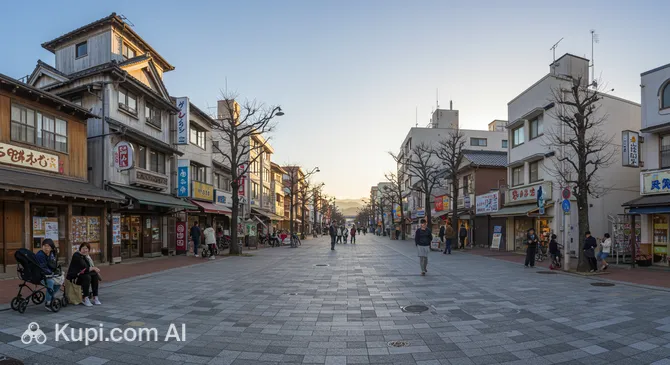
Asahi. Illustration.
Source: Kupi.com AI

The population of Asahi is approximately 63,500 people, which creates the feeling of a small but very welcoming community. While Asahi is not a major administrative center, it plays an important role in the region's agriculture, being particularly famous for its rice and vegetable cultivation. Local residents are known for their friendliness and careful preservation of traditions, always ready to share a piece of their authentic culture with visitors.

Asahi attracts tourists with the opportunity to relax both body and soul. Here, you can take leisurely strolls through quiet streets and visit ancient local temples and shrines that preserve the spirit of history. Nature lovers will appreciate the scenic sea capes and green fields. Additionally, it is a wonderful opportunity to taste the freshest local products. If you are looking for a place to experience the real Japanese province, its steady pace of life, and sincere hospitality, Asahi will be a pleasant and memorable discovery for you.

More interesting facts can be found on the history of Asahi city page.

Weather Overview

In Asahi, you can expect a temperate climate with clearly defined seasons. Summer, spanning the months from June to August, is warm here, with average temperatures in the range of 22-27°C. August is the hottest month, when temperatures can rise to 30°C. Precipitation is possible during the summer period, being particularly heavy in June (about 7 mm). Winters in Asahi, from December to February, are cool. Average temperatures during this time of year hover around 6-8°C, while minimums can drop to 3-5°C. There is less precipitation in winter, which is particularly noticeable in January and December (about 2 mm). Spring and autumn are transitional seasons with comfortable weather conditions; however, it should be kept in mind that September and October can be quite rainy, with precipitation amounts up to 6-7 mm and a high number of rainy days. To get more detailed information and better plan your trip, we recommend studying the climate of Asahi.

Average monthly temperature

Average monthly precipitation

Interesting Facts

The city of Asahi, located in Japan, may seem quiet and peaceful at first glance, but it holds many interesting features that not all tourists are aware of. Here are a few little-known facts that will add new colors to your image of this place:

  • One of the gems of Asahi is Cape Gyobumisaki. This is not only a place with breathtaking views, ideal for sea walks and photo shoots, but also, according to local beliefs, a territory guarded by sea spirits who protect the coast from adversity.

  • Asahi takes pride in its agricultural festivals. These are not just harvest fairs, but colorful events where you can not only taste the freshest gifts of the local land but also witness ancient thanksgiving rituals passed down from generation to generation.

  • For lovers of panoramic views, special observation towers are equipped in the vicinity of Asahi. They offer truly stunning views of the endless expanses of the Pacific Ocean and the picturesque surroundings, making these places particularly popular among photographers and nature enthusiasts.

  • Despite the passage of time and modern development, Asahi has managed to maintain a deep respect for traditions. Here you can still observe how ancient customs and rituals are carefully woven into the daily lives of the townspeople, reflecting their unbreakable bond with their ancestors and nature.

How to Get There

The most convenient way to reach the city of Asahi, located in Chiba Prefecture, is through one of the nearby major airports serving the Japan capital region. Asahi does not have its own airport, so travelers should aim for the air gateways in neighboring cities.

The main and most convenient method of reaching Asahi is flying into one of the region's major airports. The nearest major international hub is Narita International Airport (NRT), located in Tokyo, approximately 24 km from Asahi. This is one of Japan's main air gateways, handling many international flights. A trip from Narita Airport to Asahi by taxi or car will take about 50-60 minutes.

Another major capital airport is Haneda (HND), also in Tokyo, located somewhat further away, approximately 81 km from Asahi. Despite the greater distance, Haneda offers a wide selection of both international and domestic flights. The journey from here to Asahi can take about 2-2.5 hours by car, depending on traffic conditions.

For some routes, Ibaraki Airport (IBR) may be convenient, located in the city of the same name about 55 km north of Asahi. This is a regional airport serving both domestic and some international destinations. Travel time to Asahi will be about 1.5-2 hours.

For clarity, here is a summary of the main airports through which you can reach Asahi:

AirportPassenger trafficDistance
Narita International Airport40.8 mln24 km
Ibaraki Airport776 06355 km
Haneda Airport85.7 mln81 km
Fukushima Airport250 000168 km
Shizuoka Airport691 274247 km

Upon arrival at one of the airports, Asahi can be reached by rental car, taxi, or by using the Japan public transportation system, which may include trains and buses with transfers at larger transport hubs. It is recommended to research local transport schedules and routes from your chosen airport to Asahi in advance.

Main Attractions

The city of Asahi, located in Chiba Prefecture, Japan, attracts travelers with its picturesque coastal scenery and peaceful atmosphere. This place is ideal for those who want to take a break from the hustle and bustle of megacities and enjoy the majesty of the Pacific Ocean.

One of the city's main landmarks is Cape Gyobu (Gyobu Misaki). From the observation deck located on the hill, a breathtaking panoramic view of the ocean and the famous Kujukuri coastline opens up. This spot is especially popular for its stunning sunsets and night landscapes, which create an incredibly romantic setting. On a clear day, you can even see the silhouette of Mount Fuji on the horizon.

Right on the cape is the small but picturesque Iioka Lighthouse. It serves as an important landmark and adds a special charm to the surrounding landscape. A cozy park is laid out around the lighthouse, where tourists love to take leisurely walks, breathing in the fresh sea breeze and listening to the sound of the surf. It is also a well-known filming location for some popular Japanese movies and anime, which draws fans of pop culture here.

Asahi borders the northern part of the famous Kujukuri Beach. This long stretch of sand is a true paradise for water sports enthusiasts, especially surfers. In summer, the beach becomes a hub for those wanting to swim and sunbathe, and in the cooler months, it is pleasant to simply walk along the water's edge, enjoying the space and the power of the elements.

To experience the spiritual culture of the region, it is worth visiting Ryufuku-ji Temple. This ancient Buddhist temple is known for its peaceful atmosphere and beautiful grounds, where you can see many waterfalls. A visit to the temple allows you to connect with local traditions and history, resting your soul surrounded by nature.

Local Cuisine

The gastronomy of Asahi is a true delight for those who appreciate fresh, natural products and authentic flavors. The city's cuisine is based on the gifts of the fertile land and the rich waters surrounding it. The basis of the local diet consists of rice, a variety of vegetables, as well as the freshest fish and seafood, caught and grown literally next door.

Be sure to try fresh fish dishes, which are masterfully grilled here or served as delicate sashimi. A special pride of Asahi is the local rice – grown in fertile fields, it is famous for its unique taste and aroma, valued even outside the region. It is also worth paying attention to traditional Japanese soups and stews prepared with seasonal local vegetables, as well as farm cheeses and dairy products from small family farms.

Regarding drinks, in Asahi, as throughout Japan, green tea is traditionally popular. Given the agricultural focus of the region, you can also find refreshing drinks based on local fruits. Among alcoholic beverages, pay attention to sake, which is often produced from the high-quality rice the area is famous for, and other traditional Japanese drinks.

The food culture in Asahi is closely linked to local production. The best way to get to know it is at farmer's markets, where you can not only buy the freshest vegetables, fruits, fish, and seafood but also try various street foods – from appetizing fried seafood to traditional sweet rice cakes. A special atmosphere is created by agricultural festivals, during which the city streets are filled with the aromas of freshly prepared dishes. This is a wonderful opportunity not only to enjoy local delicacies but also to touch the culture and traditions of Asahi.

The gastronomic scene of Asahi attracts tourists with its authenticity and emphasis on quality. The opportunity to try dishes made from products "straight from the garden" or "fresh from the sea," the unique local rice, and the lively atmosphere of markets and festivals make a culinary journey to Asahi truly memorable.

Travel Tips

Planning a trip to Asahi? Wonderful! To ensure your journey through this cozy corner of Japan goes smoothly and leaves only pleasant impressions, we have prepared some practical tips.

  1. Clothing and Essentials: The climate in Asahi, as in all of Japan, depends on the season. In summer (June–August), it is hot and humid, so bring light clothing. Spring (March–May) and autumn (September–November) are the most comfortable times with moderate temperatures, ideal for layering. In winter (December–February), it can be chilly; you'll need a warm jacket, sweater, and hat. Be sure to bring comfortable shoes, as you will be doing a lot of walking. Don't forget an adapter for your electronics (Japan uses 100V, plug types A and B). When visiting temples and shrines, choose modest clothing that covers shoulders and knees, and be prepared to remove your shoes at the entrance.
  2. City Transport: Asahi is a relatively small city, so getting around is quite simple. The main form of public transport will likely be local buses. Check routes and schedules on-site. Taxis are available but can be expensive. If you plan to explore the surrounding Chiba Prefecture, you might consider renting a car (an international driving permit is required, and traffic is on the left), but for Asahi itself, this isn't always necessary.
  3. Finances: The local currency is the Japanese Yen (JPY, ¥). While credit and debit cards are accepted in many hotels, shops, and restaurants, it is always useful to have cash, especially for small establishments and markets. You can exchange currency at the airport upon arrival or at banks. ATMs that accept international cards are most commonly found in post offices (Japan Post Bank) and convenience stores (e.g., 7-Eleven). Tipping in Japan is not customary and can cause confusion.
  4. Health and Safety: Japan is one of the safest countries in the world, and Asahi is no exception. However, always follow basic precautions. Pharmacies (薬 - "kusuri") are easy to find, but staff may not always speak English. For serious cases, medical insurance is necessary. The emergency number (ambulance, fire) is 119. Before your trip, find out which medical facilities in Asahi or nearby major cities can assist tourists.
  5. Communication: The official language is Japanese. In tourist areas and hotels, staff may speak English, but generally, the level of proficiency is not very high, especially in smaller towns. Learn a few basic phrases: "konnichiwa" (hello), "arigato" (thank you), "sumimasen" (excuse me/sorry). For connectivity, we recommend buying a local SIM card with data upon arrival at the airport or renting a pocket Wi-Fi router—this is very convenient. Free Wi-Fi is available in hotels and some public places.
  6. Local Etiquette: Japanese people highly value politeness and respect for others. Greetings are usually accompanied by a bow. In public places, especially on transport, try to speak quietly and avoid eating on the go. Always remove your shoes when entering homes, temples, and some traditional restaurants (there is usually a special area for this called a "genkan"). It is not acceptable to stick chopsticks vertically into rice or pass food from chopsticks to another person.
  7. What to Avoid: Try not to speak loudly on the phone in public transport—this is considered bad manners. Also, avoid blowing your nose in public; if necessary, it is better to go to a restroom. Do not leave trash on the streets—Japan has a very strict waste sorting system, and there are few street bins; carry your trash with you to the nearest bin or your hotel.
  8. Local Specialty: Asahi is located in Chiba Prefecture, known for its agricultural products and proximity to the Kujukuri coast. Be sure to try fresh seafood in local restaurants. The city is also famous for its "Asahi SPF" pork—don't miss the chance to appreciate its taste if you eat meat.

We hope these tips help you better prepare for your journey to Asahi and get the most out of visiting this charming Japanese city. Have a great trip!

Entertainment & Nightlife

Asahi, located in Chiba Prefecture, offers its guests the atmosphere of a quiet and authentic Japanese evening, which stands in marked contrast to the vibrant nightlife of major cities. Here you won't find massive nightclubs or large-scale concert venues, but you can immerse yourself in local culture and enjoy an evening at a more traditional and leisurely pace.

Evening entertainment in Asahi is centered around local bars, izakayas (traditional Japanese pubs), and restaurants where you can taste regional cuisine and a variety of drinks. Given the city's compact size and its orientation toward a calm lifestyle, noisy nightclubs or large concert halls are unlikely here. You should also not expect the busy night markets characteristic of some other Asian countries. Most activity in the evening is observed around the Asahi railway station and the adjacent shopping streets. This is where you can find small but welcoming establishments.

Unfortunately, without a list of specific local venues (for example, from city attraction data including bars or izakayas with their addresses and specialties), it is not possible to name 2-3 specific places and provide links to them. However, by exploring the mentioned area, you will likely find cozy family-run izakayas serving sake and local snacks, or small bars with a relaxing atmosphere. You might also come across karaoke bars, which are popular among local residents.

The atmosphere in such establishments is usually very relaxed and friendly, encouraging pleasant conversation. Most of them stay open until late evening, especially on weekends. No special dress code is generally required—casual clothing will be quite appropriate. Regarding prices, they are likely to be moderate in Asahi, especially compared to the major tourist centers of Japan. It is best to arrive at popular places closer to the evening to secure a table, especially on Friday or Saturday.

When planning your evening leisure, keep in mind that public transport may run less frequently late at night, so a taxi is a reliable option for returning to your hotel. Asahi, like most cities in Japan, is considered a safe place for walking. Nevertheless, it is always worth taking standard precautions, especially after dark, and sticking to well-lit streets.

During the day in Asahi, there is also plenty to do, although the focus here is shifted from large entertainment complexes to more relaxed pastimes. The city offers opportunities for cultural leisure and outdoor walks. You can visit local parks to enjoy nature or check out small museums (if available and information about them is accessible) that introduce the history and culture of the region. The charm of Asahi lies precisely in its tranquility and the chance to get to know the everyday life of a Japanese city, far from the urban rush.

Parks & Museums

The city of Asahi, located in Chiba Prefecture, offers its guests not only picturesque coastal scenery but also interesting opportunities to learn about local culture and history through its parks, natural areas, and museums. This is a place where you can combine outdoor relaxation with educational excursions.

One of the main natural attractions in the vicinity of Asahi is the famous Kujukuri Beach – one of the longest sandy beaches in Japan. It is an ideal place for long walks along the Pacific coast, surfing, or simply enjoying the sea breeze and impressive sunsets. For more peaceful relaxation within the city limits, you can find cozy urban parks offering green oases for rest and picnics. Also worth noting are places like Cape Iioka Gyobu, which offers breathtaking panoramic views of the coast and ocean, making it popular with photographers and nature lovers.

To dive deeper into the history and culture of Asahi, it is recommended to visit local museums and historical sites. Although there may not be large museum complexes in the city, you can often find a local history museum or an exhibition hall with displays about the development of the region, its traditions, the fishing industry, and agriculture, which play an important role in the life of Chiba Prefecture. Additionally, Asahi and its surroundings preserve traces of the past in the form of ancient temples and shrines. For example, visiting sites like Kyuuhyakume no Kannon-do Temple will allow you to experience the spiritual life of Japan and appreciate traditional architecture.

For authentic impressions of Asahi, don't limit yourself to just the well-known places. Stroll through the quiet streets, look into small local shops, or visit a local market, if available, to try the region's fresh seafood or agricultural products. This will allow you to better feel the atmosphere of this coastal city.

Getting Around

You can get around the city of Asahi and its surroundings using public transport, which, while not as extensive as in major cities, is convenient enough for tourists. The backbone of the transport system consists of buses and local trains.

Buses are the main form of public transport for moving directly within the city of Asahi and for trips to nearby settlements. The route network covers the main areas. Bus schedules can usually be found at stops, but they may be primarily in Japanese. It is recommended to plan your route in advance using online maps or apps that support local bus line data.

Trains, mainly East Japan Railway (JR) lines or other local railway companies, connect Asahi with larger cities in the region and the rest of the country. Railway stations are important transport hubs.

Regarding the payment system, rechargeable smart cards such as Suica or Pasmo are widely used in Japan. These cards can be used to pay for travel on trains and many buses across the country, likely including transport in Asahi. You can purchase and top up these cards at vending machines at railway stations. Cash payment directly to the bus driver is also usually available (it's advisable to have small change), or you can buy single train tickets at ticket offices or vending machines at stations. Fares depend on the distance traveled.

Practical tips for tourists:

  • Buy train tickets at stations from vending machines or ticket offices. For buses, if you aren't using an IC card, prepare cash to pay the driver upon boarding or exiting (depending on the specific bus company's system).
  • When using an IC card, you need to tap it on the reader when boarding and exiting (on trains and some buses) or only upon boarding/exiting (on most buses).
  • Public transport usually runs from early morning until late evening, but the frequency of service may decrease in the evening hours and on weekends, especially on less popular routes. Always check the schedule in advance.

Alternative ways to get around in Asahi include:

  • Taxis: Available, especially at railway stations and in the city center. This is a more expensive but comfortable option, especially for trips with luggage or at night.
  • Bicycle rental: If the city is suitable for it (flat terrain, presence of bike paths), renting a bicycle can be an excellent way for leisurely exploration of Asahi and its surroundings. Check for rental points on-site.
  • Walking: For exploring the central areas of Asahi and compactly located attractions, walking can be the most pleasant option.

There are likely no unique or historical modes of transport, such as ancient subways or cable cars, in Asahi given its size. The transport system here is focused on functionality and convenience for local residents and visitors.

Accommodation

In the city of Asahi, travelers will find a variety of accommodation options to suit different preferences and budgets. The choice ranges from cozy guesthouses and budget hotels to more comfortable mid-range hotels. You can also consider apartment rental options if you prefer more space and independence during your stay.

When choosing a place to stay in Asahi, pay attention to areas with good transport accessibility or those located near the attractions that interest you. Central parts of the city or places near major transport hubs usually offer convenient access to everything you need, making your movement around the city more comfortable.

Hotels of various categories are represented in Asahi. You can find both more economical options for a budget trip and hotels offering an extended range of services for a more comfortable stay. For those who want to dive deeper into Japanese culture, it might be worth looking for traditional Japanese inns – ryokans, which offer a unique living experience, though it's better to check their availability when planning.

It is recommended to book accommodation in advance, especially if your trip to Asahi falls during the peak tourist season or during local festivals, to ensure the best choice and prices. For searching and booking, it is convenient to use popular online platforms that allow you to compare prices, read reviews, and check accommodation conditions. Direct booking through hotel websites is also an option. In general, the price range for housing in Asahi can vary from budget to medium and above, depending on the level of comfort, location, and services provided.

Nearby Cities

For those looking to explore the surrounding area, Asahi serves as an excellent starting point for day trips to several interesting nearby locations:

Among them, Narita stands out, known for its majestic Narita-san Shinsho-ji Temple and the charming traditional Omotesando street leading to it. The city of Sakura attracts history buffs with its samurai residences and the National Museum of Japanese History, as well as picturesque parks that are especially beautiful during the cherry blossom season. Not far away is Kashima, famous for its ancient Kashima Jingu Shrine, one of the three major Shinto shrines in the Kanto region, surrounded by a dense forest.

CityPopulationDistance
Sosa34 4278 km
Yokoshibahikari22 27114 km
Choshi57 53316 km
Tako13 80416 km
Kamisu95 47119 km

These nearby destinations provide a glimpse into the region's diverse culture and landscapes.

Shopping & Souvenirs

Shopping in Asahi is an opportunity to immerse yourself in the atmosphere of the Japanese province and find unique local goods. The city, located in Chiba Prefecture, may not boast giant malls like the metropolises, but here you can purchase authentic souvenirs, fresh local products, and handmade items that reflect the region's culture.

Main shopping zones in Asahi are likely concentrated around the main railway station and on the adjacent streets. Here you can find small shops and family-run stores offering daily necessities, clothing, as well as traditional Japanese goods. You might stumble upon cozy "shotengai"—covered shopping arcades popular in many Japanese cities.

While Asahi is not a hub for major retail chains, there may be small department stores or supermarkets with an expanded range in the city where, in addition to food, you can find clothing, household goods, and souvenirs. Look for local shopping complexes, which often serve as centers of community life.

Special attention should be paid to local markets, if available. In Chiba Prefecture, known for its agricultural products and proximity to the sea, markets can offer the freshest vegetables, fruits, and seafood. This is a great place to try local delicacies and feel the flavor of Japan.

As souvenirs from Asahi and Chiba Prefecture, you can bring back various local products. Chiba is famous for its peanuts, so look out for sweets and snacks featuring them. Traditional Japanese souvenirs are also popular: ceramics, textiles, woodwork, local sake, or shochu. Don't forget about small craft items, which can be a wonderful reminder of your trip.

Shops in Asahi usually operate from 10:00 or 11:00 AM to 7:00 or 8:00 PM. Small family-run shops may have their own schedules. Regarding payment, most shops and supermarkets accept credit cards. However, cash is still very important, especially in small shops, markets, and some restaurants. Transport IC cards popular in Japan (such as Suica or Pasmo) may be accepted for payment in some stores and vending machines.

Foreign tourists in Japan have the opportunity to make tax-free purchases in participating stores. This usually applies to purchases over 5,000 yen. Look for shops with the "Japan Tax-free Shop" logo and don't forget to present your passport when making a purchase to process the tax refund.

Reached the end of the page?

That means the route is fully explored