Support

Kashima

About

Kashima is a city with a unique character, cosily situated in the south of Ibaraki Prefecture, in the heart of the eastern coast of Honshu Island. Thanks to its location on the shores of the Pacific Ocean and its proximity to the picturesque Lake Kitaura, Kashima literally breathes sea air and beckons with its limitless expanses. This is a place where the traditions of ancient Japan meet the modern rhythm of life, harmoniously combining historical monuments, natural beauty, and well-developed infrastructure for travelers.
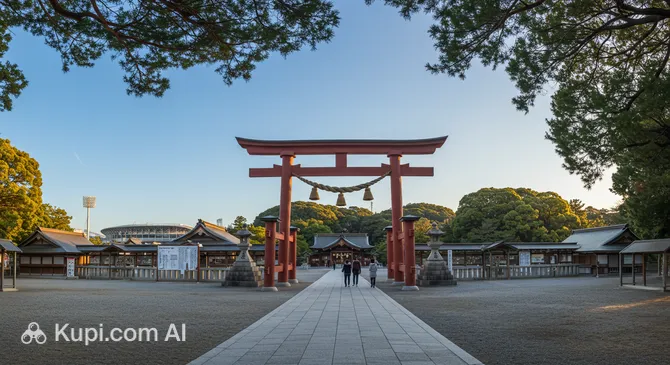
Kashima. Illustration.
Source: Kupi.com AI

With a population of about 67,000 people, Kashima does not feel like a noisy metropolis, yet it is certainly not lost on the country's map. The city occupies an important place in the region, is famous for its rich history, and is considered one of the spiritual centers thanks to the famous Kashima Jingu Shrine. It is one of the oldest and most revered Shinto shrines in the country, attracting pilgrims and tourists with its ancient architecture and mystical atmosphere.

In addition to its main shrine, Kashima offers guests picturesque parks, modern sports facilities, including a well-known soccer stadium, and colorful urban quarters. There is an atmosphere of peace and hospitality here — an ideal place for those who want to experience the real Japan, away from the tourist crowds. Strolls along the coast, exploring local cuisine, and participating in traditional festivals will leave unforgettable impressions.

Kashima is not only a gateway to history but also a city that inspires with its tranquility, unique traditions, and natural charm. It is an excellent choice for travelers seeking an authentic experience and wishing to discover the lesser-known corners of the Land of the Rising Sun.

You can find more interesting facts on the Kashima city history page
Weather Overview

The weather in Kashima is characterized by noticeable seasonal changes. Summer, especially in July and August, is usually warm, with average temperatures reaching 25-27°C and maximum values around 28-30°C. This period also sees a moderate amount of precipitation, with the highest number of rainy days in June, July, September, and October. Winters, conversely, are cool, with average temperatures in January around 6°C and minimums dropping to 3°C. The winter months of January and December are the driest in terms of precipitation.

Spring and autumn are transitional seasons with gradual changes in temperature and precipitation levels. October stands out as the month with the highest rainfall. Overall, expect a warm summer with occasional rain and cool, drier winters. For more detailed information, you can check the Kashima Climate page.

Average monthly temperature

Average monthly precipitation

Interesting Facts

In addition to its famous landmarks, Kashima holds many fascinating secrets and little-known details that make this city truly special. Here are just a few of them:

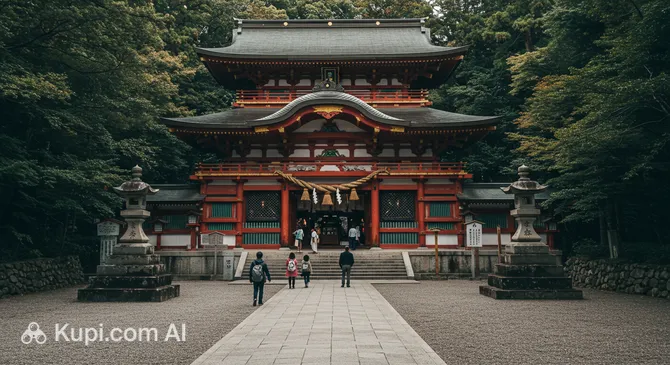
Kashima Jingu Shrine. Illustration.
Source: Kupi.com AI

Traveler photos:

  • One of Japan's oldest Shinto shrines is the Kashima Jingu Shrine, which, according to legends, is over 2,600 years old. It is closely linked to the influential Nakatomi and Fujiwara clans, as well as the first shogun of the Tokugawa dynasty.

  • Once every six years, the Kashima Jingu Shrine is visited by a special imperial messenger to deliver the Emperor's instructions. This ancient tradition underscores the city's enduring connection to the highest circles of Japanese culture and power and continues to this day.

  • Archaeological finds in the vicinity of the temple indicate that people lived on the territory of modern Kashima as far back as 13,000 years ago. This means that Kashima literally stands on land that holds the memory of the region's oldest civilizations.

  • In Kashima, you can feel the spirit of the Edo period. Not only have the ruins of an ancient castle and samurai residences been preserved here, but also entire quarters where, strolling through, it is easy to imagine yourself as a character in the historical chronicles of old Japan.

How to Get There

The most convenient way to reach the city of Kashima is by air, using one of several airports located at varying distances. The main international air hubs are located in Tokyo, from where Kashima can be reached by ground transport, and there are also closer regional airports.

One of the most convenient options is Narita International Airport (NRT). It is located near Tokyo and is one of the closest major airports to Kashima – the distance is only about 32 km. Narita is a major international hub receiving flights from all over the world. A trip from Narita Airport to Kashima by car or bus takes approximately 45-60 minutes.

Even closer to Kashima is Ibaraki Airport (IBR), located in the city of the same name, about 31.6 km away. This small airport serves mainly domestic and some international budget flights. The journey from Ibaraki Airport to Kashima also takes about 45-60 minutes.

For travelers arriving via the capital's main air hub, another option is Haneda Airport (HND) in Tokyo. Although it is further away, approximately 90.7 km from Kashima, it is Japan's largest airport with a huge selection of international and domestic destinations. Traveling from Haneda to Kashima usually takes between 1.5 to 2 hours depending on the transport and traffic situation.

From the mentioned airports, you can reach Kashima by scheduled buses, taxis, or by renting a car. It is recommended to check the current schedule and public transport routes in advance, especially if you plan to travel from more distant airports.

For clarity, here is a summary of the main airports that can be used for a trip to Kashima:

AirportPassenger trafficDistance
Ibaraki Airport776 06332 km
Narita International Airport40.8 mln32 km
Haneda Airport85.7 mln91 km
Fukushima Airport250 000141 km
Sendai Airport3.5 mln242 km

Main Attractions

The city of Kashima, known for its rich history and sporting achievements, offers travelers several remarkable sites. The main attraction, without a doubt, is the Kashima Jingu Shrine. This is one of the oldest and most revered Shinto shrines in all of Japan, with a history that, according to legend, spans over two and a half millennia. The shrine is dedicated to Takemikazuchi-no-Mikoto, the deity of thunder and the sword, as well as the patron of martial arts, making it a cult site for followers of kendo and other traditional Japanese martial arts. The vast territory of the shrine, nestled in the greenery of ancient trees, is perfect for peaceful walks. Visitors can explore the main building (honden), the prayer hall (haiden), a treasury with unique artifacts including a legendary sacred sword, and a deer park, where these graceful animals are considered messengers of the gods. A visit to the Kashima Jingu Shrine is a unique opportunity to touch the origins of Japanese spirituality and culture.

For sports fans, the key attraction in Kashima is the Kashima Soccer Stadium. This is the home arena for the famous football club "Kashima Antlers," one of the leaders of the Japanese J-League. The stadium hosted matches during the 2002 FIFA World Cup and still impresses with its modern architecture and scale. Even if you don't plan to attend a match, there is sometimes an opportunity to take a stadium tour or purchase souvenirs at the club shop.

Another site closely linked to the region's martial arts heritage is Bokuden-no-Sato Park. The park is dedicated to the memory of Tsukahara Bokuden, a legendary 16th-century swordsman and founder of the famous Kashima Shinto-ryu school of fencing. It is a lovely place for leisurely strolls, where you can not only enjoy nature but also learn more about the life of this outstanding warrior. The park periodically hosts themed events and festivals dedicated to martial arts.

If you are looking for a place to relax by the water, pay attention to the Onohama Seaside Park (Ōnohama Seaside Park). Located on the Pacific coast, this park offers picturesque views, equipped sandy beaches, and well-maintained relaxation areas. Here you can take a pleasant walk along the shore, have a picnic with family or friends, or simply enjoy the fresh sea breeze. The park is especially popular during the summer months among both locals and tourists.

Local Cuisine

The gastronomic scene in Kashima is a true immersion into the world of the freshest seafood. The city is rightfully proud of its marine cuisine, as its restaurants draw inspiration and ingredients from the waters of the Pacific Ocean and Lake Kitaura. One of the main delicacies definitely worth trying is unagi – freshwater eel prepared according to ancient local recipes that reveal the full depth of its flavor. Of course, one cannot overlook the magnificent sashimi and sushi made from seasonal fish, which are striking in their freshness and quality.

The local markets of Kashima are a real paradise for gourmets. Here you can not only purchase but often immediately taste famous Japanese oysters, various shellfish, and the freshest shrimp. In addition to seafood, the markets feature farm products grown on the fertile lands around the city. A visit to the fish market in Kashima is an opportunity to touch authentic Japanese culture and enjoy the taste of freshly caught delicacies.

For those who want a quick bite on the go and to feel the atmosphere of a Japanese holiday, Kashima offers a variety of street food. In numerous stalls and at festivals, you can often find popular dishes such as takoyaki (appetizing dough balls filled with octopus), yakisoba (hearty fried noodles), and taiyaki (traditional fish-shaped pastries, usually filled with sweet adzuki bean paste). In autumn and spring, gastronomic fairs are held in the city where you can try seasonal dishes and learn about traditional ways of preparing fish.

The food culture in Kashima is diverse: locals and tourists alike enjoy meals in cozy restaurants specializing in seafood dishes, as well as in busy markets or from street vendors. Meals are often accompanied by traditional Japanese drinks. Among alcoholic beverages, sake and local beer are popular, perfectly complementing the taste of fish and seafood. Among non-alcoholic drinks, green tea remains a constant favorite, along with various refreshing lemonades and juices.

Gastronomic Kashima attracts tourists with the opportunity to try authentic dishes from the freshest local products. It is definitely worth tasting the tenderest unagi, enjoying a variety of sashimi and sushi from just-caught fish, and soaking up the atmosphere of the local fish markets. The city's gastronomic scene is characterized by an emphasis on the highest quality and freshness of ingredients, especially seafood, as well as a harmonious combination of centuries-old culinary traditions and a lively, festive street food culture.

Travel Tips

Welcome to Kashima! To make your journey to this charming corner of Japan as comfortable and memorable as possible, we have prepared some practical tips. We hope they help you better orient yourself and enjoy every moment of your stay.

  1. Clothing and Essentials:

    The climate in Kashima is temperate, with distinct seasons. In summer (June-August), it is quite hot and humid here, so choose light, breathable clothing. In winter (December-February), it can be cool; don't forget warm clothes, a sweater, and a jacket. Spring and autumn will please you with comfortable temperatures, ideal for walking – layered clothing will come in handy here. Comfortable shoes are your best friend, as you will likely be walking a lot, especially if you plan to visit the Kashima Jingu Shrine. Don't forget an adapter for electrical appliances (Japan uses type A and B sockets, voltage 100V). When visiting temples and shrines, it is customary to remove your shoes before entering certain rooms, so socks without holes will be useful.

  2. Getting Around the City:

    Kashima is a relatively small city. The main public transport here is local buses and trains of the JR Kashima Line. For more distant trips within Ibaraki Prefecture or if you value independence, you could consider renting a car. Remember that traffic in Japan is on the left, and you will need an international driving permit. Taxis are available but can be expensive. Taxi-calling apps like JapanTaxi or DiDi can be useful, but their prevalence in smaller cities should be verified.

  3. Finances:

    The local currency is the Japanese yen (JPY, ¥). Although credit cards (Visa, Mastercard) are accepted in many hotels, large shops, and restaurants, having cash is very important, especially in smaller establishments, temples, and when buying tickets for local transport. You can exchange currency at the airport upon arrival or at banks. ATMs accepting international cards are most commonly found in post offices (Japan Post Bank) and 7-Eleven stores (Seven Bank ATMs). Tipping in Japan is not customary and can be perceived as an insult; good service is already included in the price.

  4. Health and Safety:

    Kashima, like Japan as a whole, is a very safe place for tourists. The crime rate is low. Pharmacies (薬局 - yakkyoku) are easy to find, but the staff does not always speak English, so it is useful to have a translator app or write down the names of necessary medicines. It is recommended to have travel medical insurance. If necessary, your hotel staff can help call a doctor or point to the nearest medical facility. Be aware of earthquake procedures, as Japan is in a seismically active zone.

  5. Communication:

    The official language is Japanese. English proficiency may be limited, especially among the older generation and outside major tourist centers. Learn a few basic phrases in Japanese: "Konnichiwa" (Hello), "Arigato gozaimasu" (Thank you), "Sumimasen" (Excuse me/I'm sorry). For connectivity, we recommend renting a pocket Wi-Fi router or buying a local SIM card upon arrival at the airport. Free Wi-Fi is available in some hotels, cafes, and public places. Apps like Google Maps and Japan Travel by Navitime will be very helpful for navigation.

  6. Local Etiquette:

    The Japanese are very polite and value respectful behavior. A slight bow (ojigi) is a traditional greeting. Avoid loud conversations in public places, especially on transport. It is not customary to eat or drink on the go. Remove your shoes before entering private homes, some temples, shrines, and traditional restaurants. When using chopsticks, do not stick them vertically into rice and do not pass food with chopsticks to another person – this is associated with funeral rituals.

  7. What to Avoid:

    In addition to the already mentioned etiquette rules regarding chopsticks, try not to point your finger at people. Also, in Japan, waste sorting is taken very seriously; if you use public bins or dispose of trash at a hotel, follow the waste separation instructions. Do not leave trash anywhere.

  8. Feature of Kashima:

    The main gem of the city is Kashima Jingu – one of the oldest and most revered Shinto shrines in eastern Japan, dedicated to the deity of martial arts. Be sure to set aside time to visit it. Also, Kashima is known for its football club "Kashima Antlers". If your visit coincides with a home match, it can be an interesting cultural experience.

We hope these tips make your trip to Kashima even more pleasant and smooth. Enjoy the unique atmosphere of this city and the hospitality of its residents!

Entertainment & Nightlife

Kashima, a city in Ibaraki Prefecture known for its tranquility and rich history, offers its own special take on evening entertainment. If you're looking for noisy metropolitan clubs, Kashima might offer something different – a more cozy and authentic atmosphere for relaxing after sunset.

Nightlife in Kashima is not characterized by a large number of major night clubs typical of big cities. Instead, it is centered around traditional Japanese drinking establishments – izakaya, small family bars, and karaoke. You can drop into a typical local izakaya, such as "Izakaya Akari" (the name is illustrative of the type of establishments), or spend time at a karaoke bar like "Karaoke Manekineko" (a popular chain that may be represented in the city). Such places can usually be found around Kashima-Jingu railway station or along the central streets. Here, you can enjoy local drinks such as sake or shochu and try various Japanese snacks in a relaxed setting. There are few specialized night restaurants operating into the late night in Kashima, but some izakayas and ramen shops may stay open longer than usual, especially on weekends. Night markets are not a characteristic feature of Kashima, and there are no large concert venues in the city, although small musical performances may sometimes take place in local bars or community centers.

The atmosphere in Kashima's evening venues is generally friendly and welcoming, attracting both locals and the few tourists. There is usually no special dress code – casual, comfortable clothing is quite appropriate. Most izakayas and bars open in the evening, around 5:00 PM - 6:00 PM, and operate until midnight or slightly later, especially on weekends.

The best time to visit local bars and izakayas is in the evening after 7:00 PM, when they come to life. Prices for drinks and food are usually moderate but can vary depending on the establishment. You can get around the city at night by taxi, which are available, although their cost may be higher than during the day. Kashima, like most Japanese cities, is considered a safe place, and walking along the lit central streets in the evening usually causes no concern. Nevertheless, it is always worth observing standard precautions.

During the day, Kashima offers other types of leisure. The city is famous for its ancient shrine – the Kashima Jingu Shrine, which is the main attraction and a must-visit point. This place is steeped in history and offers a peaceful walk through its grounds. As for other daytime entertainment, a small local historical museum reflecting the region's past may be in operation, though major art galleries or specialized museums are unlikely to be found here. There are likely no professional theaters with a regular repertoire in Kashima; cultural events more often take place in public halls. There are also no amusement parks in Kashima, but you can enjoy spending time exploring the local city parks.

Kashima Jingu Shrine. Illustration.
Source: Kupi.com AI

Traveler photos:

Overall, Kashima is a place for those seeking a quiet getaway and an opportunity to immerse themselves in the local atmosphere, including in the evening. While there may not be noisy discos or large concert halls, cozy bars and traditional izakayas offer a pleasant end to the day.

Parks & Museums

Kashima is a city where peaceful natural landscapes and rich cultural heritage are harmoniously combined. Here, travelers will find both quiet green corners for relaxation and significant historical sites that allow them to touch the centuries-old history of Japan.

One of the main places combining nature and spirituality is the Kashima Jingu Shrine. Its vast territory, overgrown with ancient trees, is more reminiscent of a sacred forest or park, where one can walk for hours enjoying the peace and quiet. This oldest shrine in the Kanto region attracts not only pilgrims but also connoisseurs of Japanese nature and architecture.

Kashima Jingu Shrine. Illustration.
Source: Kupi.com AI

Traveler photos:

For those who prefer relaxation by the water, it is worth visiting the Kashima Seaside Park (Kashima Kaihin Park). Located on the Pacific coast, it offers beautiful views, fresh sea breeze, and spaces for walks or picnics. It is a great place to relax and admire the seascapes.

Not far from Kashima lies the picturesque Lake Kitaura, part of the larger Kasumigaura lake system. Although it is more of an extensive natural area than a classic city park, its shores offer wonderful opportunities for quiet relaxation, bird watching, and enjoying the beauty of the water's surface.

The city's main repository of history and culture is certainly the treasury (Homotsuden) at the Kashima Jingu Shrine. Displayed here are ancient artifacts, sacred relics, weapons, and works of art that tell the long and glorious history of the shrine, many of which have National Treasure status. It is a true museum within a sacred place.

To dive deeper into local history, you can visit the Kashima City Historical Museum (Kashima City Dokidoki Center). The museum's exhibits are dedicated to the region's archaeological finds from ancient times, including the Jomon period, and highlight the development of Kashima through the centuries. This is a wonderful opportunity to learn more about the past of this land.

For a more authentic experience, explore not only the main halls of the Kashima Jingu Shrine but also its many small subsidiary shrines scattered across its extensive wooded grounds – each with its own unique atmosphere and history. And after your cultural program, don't miss the chance to try the freshest seafood at one of the local restaurants near the coast, as Kashima is famous for its gifts from the sea.

Getting Around

Getting around Kashima and its surroundings is quite convenient thanks to a public transport system that primarily includes buses and trains. The city is served by the JR Kashima Line, connecting it to other towns in the region. Bus routes cover most of the city and suburbs, providing access to major attractions and residential areas.

There are several ways to pay for public transport in Kashima. The most convenient for tourists are rechargeable smart cards (IC cards) such as Suica or Pasmo, which are widely accepted in the Kanto region, including on trains and buses in Kashima. These cards can be purchased and topped up at railway stations. Single tickets are also available: for trains at vending machines or ticket offices at stations, and on buses often directly from the driver when boarding or alighting (it is advisable to have small change for cash payments if an IC card is not used). The fare depends on the distance.

Tourists will find it useful to know a few practical points. Train tickets should be purchased before boarding and kept until the end of the journey, as they will be needed to exit through the ticket gates at the destination station. When using an IC card, it must be touched against the reader on the gate at both entry and exit. On buses, the IC card is usually touched to the validator upon entry and sometimes upon exit, depending on the fare system. Public transport in Kashima generally operates from early morning until late evening, but it is always recommended to check the specific route schedules, especially if late-night travel is planned. Schedules are usually available at stations and bus stops.

In addition to public transport, alternative ways of getting around are available in Kashima. Taxis can be found at designated stands near railway stations or called by phone; this is a comfortable but more expensive option. For exploring the city over short distances or for strolling through picturesque spots, you might consider renting a bicycle – this is a popular and pleasant way to get to know Japanese cities. Given Kashima's size, a bicycle can be an excellent choice for a leisurely tour.

Accommodation

In the city of Kashima, travelers can find suitable accommodation options to fit various preferences and budgets. The choice of housing here is quite diverse: from modern hotels catering to both tourists and business travelers, to potentially traditional Japanese inns (ryokans) offering a unique cultural experience, and more budget-friendly guest houses.

When choosing a place to stay in Kashima, it is worth paying attention to areas that provide convenient access to key points in the city. For example, staying near significant sites like the Kashima Jingu Shrine or close to major transport hubs will make it easy to explore the city and its surroundings. For those coming for sporting events, a hotel location near the Kashima Stadium might be convenient.

Kashima Jingu Shrine. Illustration.
Source: Kupi.com AI

Traveler photos:

Regarding the price range, in Kashima you can find both affordable options for budget travelers and mid-range hotels offering comfortable accommodation and a good range of services. Luxury accommodation options may not be as widely represented as in major metropolises, but Japanese service is traditionally characterized by high quality.

It is strongly recommended to book accommodation in advance, especially if your trip coincides with major local festivals, sports competitions, or national holidays, when the demand for hotel rooms increases significantly. For searching and booking, it is convenient to use popular international and Japanese online platforms or, if desired, to contact the chosen hotel or guest house directly.

Nearby Cities

For those who want to explore the surrounding area, Kashima serves as an excellent starting point for day trips to several interesting nearby locations:

CityPopulationDistance
Itako27 3738 km
Kamisu95 4719 km
Namegata31 82814 km
Katori74 46915 km
Hokota45 91024 km

These nearby destinations offer an insight into the region's diverse culture and landscapes. Each trip promises new discoveries, whether it's historical landmarks, natural beauty, or unique local traditions.

Shopping & Souvenirs

Kashima may not be a giant shopping center like Tokyo or Osaka, but you can still find interesting places to shop here, especially if you are looking for something authentic and related to local culture. The city offers opportunities for both purchasing everyday goods and finding unique souvenirs.

The main shopping areas in Kashima are likely concentrated around the central railway station or along the city's main streets. Here you can find small specialized stores, shops with local products and goods, as well as clothing and household goods stores. Walking along such streets will allow you to better feel the atmosphere of the city.

As for large shopping centers, in a city of Kashima's scale, they may not be as widely represented as in megacities. However, it is quite likely there are department stores or small malls where you can find Japanese brands, food products, and souvenir departments. Often such centers are located near transport hubs.

While information on large permanent markets in Kashima may be limited, it is worth looking out for possible seasonal fairs or small local markets where farmers and craftsmen sell their products. This is a great chance to buy fresh local products, especially the seafood that Ibaraki Prefecture is famous for, or handmade items.

Kashima Jingu Shrine. Illustration.
Source: Kupi.com AI

Traveler photos:

Speaking of souvenirs, it's worth bringing something back from Kashima that reflects its uniqueness. First of all, these could be items related to the famous Kashima Jingu Shrine – for example, traditional Japanese amulets (omamori), small figurines, or postcards depicting the temple. Local confectionery (wagashi), ceramics, and textiles with regional motifs are also popular. For football fans, souvenirs related to the local football club "Kashima Antlers" may be of interest.

Most shops in Japan, and Kashima is no exception, usually operate from 10:00 or 11:00 AM until 7:00 or 8:00 PM. Large shopping outlets and department stores may have longer opening hours. Regarding payment, credit cards (Visa, Mastercard, JCB, American Express) are accepted in many shops, especially larger ones. However, in small shops or markets, cash may be preferred, so it's always useful to have some Japanese yen with you.

For foreign tourists in Japan, there is a consumption tax refund system (Tax Free). If you make purchases over a set minimum (usually 5,000 yen excluding tax) at participating stores (look for the "Tax-Free Shop" sign or similar), you can arrange a tax refund. To do this, you must present your passport at the checkout or a special Tax Free counter in the store.

Reached the end of the page?

That means the route is fully explored