Support

Hitachinaka

About

Hitachinaka is a charming city nestled on the eastern coast of Honshu island, in the heart of Ibaraki Prefecture, Japan. Its shores are washed by the Pacific Ocean, and its landscapes are adorned with expansive sandy beaches and picturesque green hills. Located approximately 120 kilometers northeast of Tokyo, it makes for an excellent weekend getaway or a destination for a longer exploration of the region.
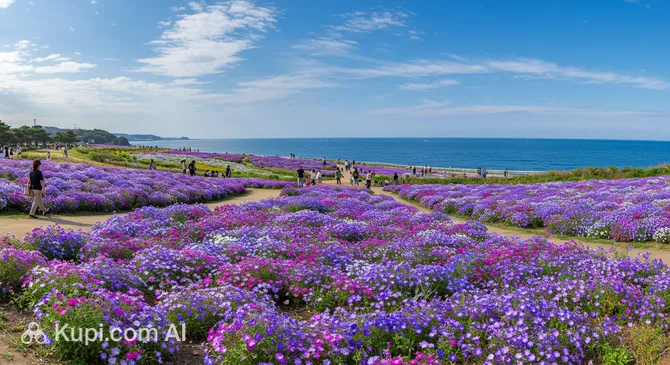
Hitachinaka. Illustration.
Source: Kupi.com AI

With a population of around 154,000, Hitachinaka successfully combines the tranquility of a provincial town with modern infrastructure. It lacks the frantic pace of a metropolis but provides everything necessary for a comfortable stay and an unforgettable vacation: a convenient transport system, well-maintained parks, lively markets with the freshest seafood, and, of course, hospitable locals.

The main appeal of Hitachinaka lies in the wonderful harmony between nature and culture. The city is famous for its magnificent blooming gardens and spacious parks. One of its crown jewels is the renowned Hitachi Seaside Park, which attracts thousands of visitors annually with its fantastic floral fields that change colors depending on the season. Additionally, the city offers opportunities for leisurely strolls along the embankments, enjoying ocean views, and exploring local markets to sample fresh seafood.

Hitachinaka is a place where nature and man exist in amazing harmony. If you want to see the real Japan—without the excessive bustle, but with vibrant colors, rich traditions, and the special charm of a coastal region—then this city is definitely worth your attention.

You can find more interesting facts on the Hitachinaka city history page.
Weather Overview

The weather in Hitachinaka is characterized by distinct seasons. Summer, especially in July and August, is warm here, with average temperatures around 25-27°C and peak values reaching nearly 29°C. The summer months also see the highest amount of rainfall, averaging 5-6 mm, with up to 19 rainy days in July. Winters, from December to February, are quite cool, with average temperatures ranging from 4.7°C to 6.8°C, while nighttime lows can drop to 1.4°C. Winter months are usually drier, with precipitation around 2 mm.

Spring and autumn are transitional seasons with moderate temperatures. In March, the average temperature is about 9.5°C, gradually rising to 17.8°C in May. In autumn, specifically October, the average temperature stays around 17.6°C, decreasing to 12.7°C in November. Precipitation during these periods is moderate. Overall, expect a warm summer with occasional rain and cool, drier winters. To find out more details, you can explore the detailed Hitachinaka climate.

Average monthly temperature

Average monthly precipitation

Interesting Facts

Hitachinaka is not just a city on the Pacific coast known for its flower festivals. Behind the vibrant facade of the Seaside Park lies a wealth of fascinating stories and lesser-known spots that make it a truly unique destination for inquisitive travelers.

Mito Flamingo Seafood Restaurant. Illustration.
Source: Kupi.com AI

Traveler photos:

  • While Hitachi Seaside Park is world-famous for its endless flower fields, not everyone knows that its massive 350-hectare territory is more than just millions of nemophilas and kochias. The park is a complex ecosystem with diverse landscape zones that change their appearance every season, offering new discoveries with every visit.

  • A true paradise for fresh seafood lovers is the Nakaminato Fish Market. Here, you can not only watch fishermen unload their morning catch but also try sashimi made from fish caught just moments ago. For a more refined seafood dinner, you can visit one of the local restaurants, such as the Mito Flamingo Seafood Restaurant.

  • Hitachinaka carefully preserves evidence of its ancient past. In addition to modern attractions, you can find ancient burial mounds here, such as the Torazuka Tomb, and mysterious Shinto shrines, including Sakatsura Isozaki Shrine and Hoshiimo Shrine. Each of these places is steeped in local legends and is an important part of the city's cultural heritage.

  • One of the most recognizable symbols of Hitachi Seaside Park, besides its floral carpets, is the giant "Flower Ring" Ferris wheel. From its peak, you get more than just a view of the park—it's a breathtaking panorama spanning vibrant flower fields, green hills, and the boundless expanse of the Pacific Ocean, making it the perfect spot for unforgettable photos.

How to Get There

The most convenient way to reach Hitachinaka is through one of the airports serving the Kanto and Tohoku regions. Hitachinaka itself does not have its own airport, but several air hubs are located within a reasonable distance, from which you can continue your journey by ground transport.

The closest option is Ibaraki Airport (IBR), located in Ibaraki City, about 26 km from Hitachinaka. This is a small regional airport, but it can be convenient if your flight arrives there. A car or taxi ride to the center of Hitachinaka will take about 1 hour.

The main international gateway for many travelers headed to Hitachinaka is Narita International Airport (NRT). It is located in the Greater Tokyo area, about 71 km from Hitachinaka. Narita is a major international hub with a huge selection of flights. The journey from the airport to Hitachinaka by car or express bus usually takes about 2 hours.

Another major metropolitan airport is Haneda Airport (HND), also located in Tokyo, at a distance of about 116 km from Hitachinaka. It is one of the busiest airports in the world, offering a wide network of both international and domestic flights. The trip from Haneda to Hitachinaka will take over 3 hours, but the convenience of connections may make it a preferred option for some travelers.

After arriving at any of these airports, you can reach Hitachinaka in various ways: by rental car, which offers flexibility for moving around Ibaraki Prefecture, by taxi, or by using bus services. It is also worth checking the possibility of traveling by train from the major railway hubs closest to the airports, such as stations in Tokyo.

For convenience, here is a summary of the main airports through which you can reach Hitachinaka:

AirportPassenger trafficDistance
Ibaraki Airport776 06326 km
Narita International Airport40.8 mln71 km
Fukushima Airport250 00093 km
Haneda Airport85.7 mln116 km
Sendai Airport3.5 mln196 km

Main Attractions

Hitachinaka, located in Ibaraki Prefecture, offers visitors a variety of attractions, from scenic nature parks to bustling markets and cozy restaurants. This city has something to surprise and delight every traveler, and here are just a few of its key spots.

The main gem of Hitachinaka is undoubtedly Hitachi Seaside Park. This massive park is famous for its flower fields that change colors with the seasons. Especially famous are the hills covered in nemophilas in spring, creating the illusion of a blue sea, and kochia bushes, which turn bright red in autumn. Beyond the floral displays, the park features amusement rides, cycling paths, and picnic areas, making it an ideal destination for a full-day family outing.

For lovers of fresh seafood, a visit to the Nakaminato Fish Market is a must. Here, you can not only buy the freshest catch from the Pacific Ocean but also try it in numerous restaurants and stalls right at the market. The market is always lively, offering guests an authentic atmosphere and delicious local delicacies at affordable prices.

If you're looking for a beach holiday, Ajigaura Beach is an excellent choice. This popular sandy beach attracts both locals and tourists, especially during the summer months. Here, you can swim, sunbathe, or simply enjoy the sea breeze and beautiful coastal views.

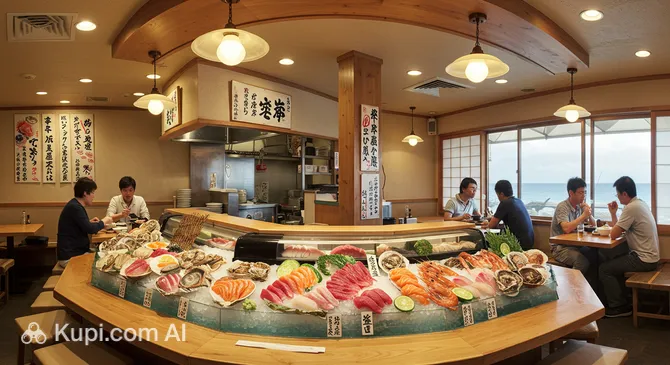
For connoisseurs of gourmet delights, the Mito Flamingo Seafood Restaurant offers an excellent selection of dishes. This establishment is known for its fresh seafood and pleasant atmosphere, where you can enjoy local cuisine after a busy day of exploring the city.

Mito Flamingo Seafood Restaurant. Illustration.
Source: Kupi.com AI

Traveler photos:

Local Cuisine

The gastronomic scene of Hitachinaka is a true feast for lovers of seafood and authentic Japanese flavors. The city is famous for its fresh produce and unique local delicacies that attract foodies from all over the country and abroad.

The culinary calling card of Hitachinaka is undoubtedly its fresh seafood. Thanks to its proximity to the ocean, you can always enjoy magnificent sushi and sashimi made from tuna, sea urchin, and sweet shrimp. Grilled fish deserves special mention, as its taste highlights its exceptional freshness. Local markets, such as the famous Nakaminato market, offer an incredible variety of marine delicacies.

Another iconic product of the region is "hoshi-imo"—sweet dried potato. This traditional treat, prepared according to old recipes, has a delicate taste and a pleasant texture. Hoshi-imo can be found at markets and specialized shops; it is not only a delicious but also a healthy souvenir that reflects the gastronomic soul of Ibaraki Prefecture.

In addition to these specialties, while in Hitachinaka, you should try seafood tempura, aromatic miso soup with local vegetables, and various seasonal dishes. In summer, dishes made from fresh vegetables and seaweed are particularly popular, while in winter, hearty stews and rich soups will warm you up. As for drinks, traditional Japanese sake or refreshing green tea perfectly accompany local dishes. Non-alcoholic options also include a variety of fruit drinks and lemonades.

The dining culture in Hitachinaka is diverse. Locals and tourists often choose lively street stalls and farmers' markets for a meal, where you can grab a quick and tasty snack. Of course, the city has many restaurants offering both traditional Japanese cuisine and dishes from other countries. For those who want to dive deeper into the world of local seafood, a visit to the Mito Flamingo Seafood Restaurant is recommended. Additionally, Hitachinaka regularly hosts gastronomic festivals where you can taste the creations of local chefs and even participate in culinary workshops.

Travel Tips

Welcome to the charming city of Hitachinaka! To make your journey through this corner of Japan as comfortable and pleasant as possible, we have prepared some practical tips to help you find your way and enjoy every moment.

  1. Clothing and Useful Items: The climate in Hitachinaka, as in all of Japan, has distinct seasonality. In summer, bring light clothing, a hat, and sunscreen. In spring and autumn, layered clothing is useful, as the weather can be changeable, especially near the coast. In winter, a warm jacket, hat, and gloves are necessary. Be sure to bring comfortable shoes, as you will be doing a lot of walking, especially if you plan to visit the famous Hitachi Seaside Park. Don't forget an adapter for electrical appliances (Japan uses type A and B sockets, 100V voltage) and a portable power bank.
  2. Getting Around the City: The main way to reach Hitachinaka from other cities is by rail (JR lines). Within the city, it is convenient to use local buses that run on various routes, including access to Hitachi Seaside Park. Taxis are available but can be expensive. Car rental might be an option if you plan to explore the surrounding Ibaraki Prefecture, but note that an international driving permit is required, and parking in cities can be paid and limited. Use apps like Google Maps for planning public transport routes.
  3. Financial Matters: The national currency is the Japanese Yen (JPY). It is recommended to have some cash on hand, as not all small shops, cafes, or markets (like the Nakaminato Fish Market) may accept credit cards. You can exchange currency at the airport upon arrival or at banks in major cities, but there may be fewer exchange points in Hitachinaka itself. ATMs that accept international cards can most often be found in 7-Eleven stores and at the post office (Japan Post Bank). Credit cards (Visa, Mastercard) are accepted in hotels, large stores, and restaurants. Tipping is not practiced in Japan—good service is included in the price.
  4. Health and Safety: Hitachinaka, like Japan in general, is considered a very safe place. However, standard precautions, such as keeping an eye on personal belongings in crowded places, are still wise. Pharmacies (look for the sign "薬" - kusuri) offer a wide selection of over-the-counter medicines. For serious cases, be sure to take out travel medical insurance before your trip, as medical services for foreigners can be expensive. The emergency assistance number (ambulance, fire) is 119.
  5. Language and Connectivity: The official language is Japanese. The level of English proficiency among the local population may not be high, especially outside tourist zones. Learn a few basic phrases: "konnichiwa" (hello), "arigato" (thank you), "sumimasen" (excuse me/sorry). For ease of communication and navigation, it is recommended to rent a pocket Wi-Fi router upon arrival in Japan or buy a local SIM card. Free Wi-Fi is available in some hotels and public places but not everywhere.
  6. Local Etiquette: Japanese people highly value politeness and respect for others. Greetings are usually accompanied by a bow. In public places, especially on transport, try not to talk loudly on the phone or make noise. Remove your shoes before entering Japanese homes, some temples, and traditional restaurants (where the floor is covered with tatami). When using chopsticks, do not stick them vertically into rice and do not pass food from chopsticks to chopsticks.
  7. What to Avoid: Try not to eat or drink while walking on the street, unless it is at a designated area (like food festivals). Japan has very strict garbage sorting rules; pay attention to signs on trash bins and try to follow them. Do not point at people or objects with one finger—use an open palm. When visiting Hitachi Seaside Park, do not step off the paths and do not touch the flowers without permission.
  8. Special Feature of Hitachinaka: The city's main gem is undoubtedly Hitachi Seaside Park. Be sure to check the blooming calendar before your trip to catch it in all its glory: whether it's nemophilas in spring or kochias in autumn. Also, don't miss the opportunity to visit the Nakaminato Fish Market, where you can try the freshest seafood and soak up the local atmosphere.

We hope these tips help you better prepare for your trip and get the most out of your stay in Hitachinaka. We wish you unforgettable impressions and bright discoveries in this beautiful Japanese city!

Entertainment & Nightlife

Evening and nightlife in Hitachinaka offers its own calmer and more authentic rhythm, distinct from large metropolises. Here, the focus shifts from noisy nightclubs to cozy establishments where you can enjoy delicious food and good company. While the choice of large dance floors may be limited, the city offers plenty of options for a pleasant evening.

The core of evening entertainment in Hitachinaka consists of restaurants and traditional Japanese pubs—izakayas. This is a great opportunity to get acquainted with local cuisine and culture. For instance, for dinner, you might consider the Mito Flamingo Seafood Restaurant, which serves fresh ocean delights. You will find many such establishments, as well as small family cafes and eateries, in the areas surrounding Katsuta Station, which is the city's main transport hub, as well as along busy shopping streets where local shops and food outlets are concentrated. These places usually stay open until late evening, creating a warm and welcoming atmosphere for visitors.

Mito Flamingo Seafood Restaurant. Illustration.
Source: Kupi.com AI

Traveler photos:

The atmosphere in evening Hitachinaka is typically relaxed and inviting. The crowd in local bars and izakayas usually consists of locals and tourists who appreciate quality food and unhurried conversation. The dress code in most places is casual, requiring no special preparation. Restaurant hours usually go until 10:00 PM or 11:00 PM, while some bars may stay open later, especially on weekends. It is recommended to arrive early at popular spots or book a table, especially if you plan to have dinner on a Friday or Saturday.

In terms of practical tips, it is best to use taxis for getting around the city at night, as public transport may run less frequently or finish service relatively early. Hitachinaka, like most cities in Japan, is considered a safe enough place for nighttime walks; however, one should always observe standard precautions. Average prices in establishments can vary but generally remain affordable, especially compared to major tourist centers.

During the day, Hitachinaka offers other types of entertainment. Guests can visit local parks, such as the famous Hitachi Seaside Park, explore small museums, or simply enjoy walking through the city to get to know its daily life and architecture. These daytime activities perfectly complement the impressions from your evening leisure.

Parks & Museums

Hitachinaka is a city where nature and culture create a unique atmosphere for travelers. Here, you will find both world-famous park areas and corners that allow you to touch upon local traditions and history.

The main jewel of the city is certainly Hitachi Seaside Park. This massive park is famous for its incredible floral carpets that change depending on the season. In spring, millions of nemophilas paint the hills sky-blue; in summer, roses and zinnias bloom; and in autumn, the hills are covered with bright crimson kochia bushes. The park also features cycling paths, a small amusement area, forest trails, and rock gardens, making it an ideal place for a full day of relaxation. This place is a must-visit for any guest of Hitachinaka.

For lovers of seaside recreation and peaceful walks along the coast, Ajigaura Beach is perfect. This is a popular spot among locals, especially in the summer months, where you can enjoy the sun, sea, and fresh breeze. The beach offers a relaxing atmosphere and beautiful views of the Pacific Ocean.

While Hitachinaka is not abundant in large world-class museums, cultural immersion here happens through interaction with nature and the local way of life. One such place where you can feel the authentic spirit of the city is the Nakaminato Fish Market. This is a lively place where you can see a variety of the freshest seafood, try local delicacies, and observe the daily life of fishermen. Numerous small restaurants serving dishes made from freshly caught fish and seafood are located near the market.

Regarding historical attractions, you can find several Shinto shrines and Buddhist temples in and around Hitachinaka that reflect the spiritual heritage of the region. They may not be as large-scale as those in Japan's major historical centers, but they offer a peaceful atmosphere and a chance to connect with local beliefs and traditions.

For a deeper acquaintance with Hitachinaka, don't limit yourself to just the most famous views in Hitachi Park—explore its less popular corners, such as the coastal zone or forested areas. And after your walk, be sure to stop by the Nakaminato Fish Market to try the freshest sashimi or oysters—it will be a true gastronomic discovery of your trip.

Getting Around

When planning your travel around Hitachinaka, you will find that the public transport system here is quite convenient, though not as extensive as in major cities. The primary ways to move around the city and its surroundings are trains and buses. Railway communication is represented by the JR Joban Line, which connects Hitachinaka with other cities in Ibaraki Prefecture and Tokyo, as well as the scenic local Hitachinaka Seaside Railway (Minato Line), popular with tourists as it leads to the coastal areas and Hitachi Seaside Park.

The fare payment system in Hitachinaka is typical for Japan. The most convenient method is using rechargeable IC cards, such as Suica or PASMO (and other regional equivalents). These cards can be used on both trains and buses by simply tapping them against the reader at the entrance and exit. IC cards can be purchased and topped up at machines in railway stations. There is also always the option to buy single tickets for the train at machines or directly from the bus driver when boarding (or sometimes when exiting, depending on the system). The fare depends on the distance. Tourists might be interested in special passes or day tickets if offered for certain zones or routes, particularly those related to visiting popular attractions.

To use public transport, purchase train tickets at stations before boarding. When using an IC card, don't forget to validate it at both the entrance and exit of the station or bus. In buses, payment is often made upon exiting; if the route has variable pricing, you need to take a numbered ticket upon boarding (if not using an IC card) so the driver can calculate the fare. Public transport usually operates from early morning until late evening, but the frequency of trips may decrease in the evening hours and on less popular routes. It is recommended to check the schedule in advance, especially if you plan to travel to remote areas.

Besides public transport, other ways of getting around are available in Hitachinaka. Taxis can be found at stands near railway stations or called by phone; this is a more expensive but comfortable option. For exploring the coastal zone or the famous Hitachi Seaside Park, renting a bicycle is an excellent choice—rental points are often found in tourist spots. If you plan to travel a lot around Ibaraki Prefecture, you might consider renting a car, but for moving within the city itself, this is not always the most convenient way due to a potential lack of parking spaces.

One of the unique features of Hitachinaka's transport system is the previously mentioned Hitachinaka Seaside Railway (Minato Line). This small private railway line is not just a means of transport but also a kind of attraction, offering pleasant views during the trip to the coast. The trains on this line often have unique designs, adding flavor to the journey.

Accommodation

In the city of Hitachinaka, travelers will find a variety of accommodation options to suit different preferences and budgets. The city features cozy guesthouses and traditional Japanese ryokans alongside modern hotels. You can find budget-friendly choices, mid-range hotels, and short-term rental apartments, which are particularly convenient for families or longer stays.

When choosing a place to stay, it is worth looking at areas near major transport hubs or popular attractions, such as Hitachi Seaside Park. This will ensure ease of travel around the city and its surroundings. Some hotels may offer beautiful views of the Pacific Ocean.

While specific famous hotels might not always stand out in general lists, you can find comfortable establishments in Hitachinaka offering high-quality service. The price range varies from affordable options to more expensive offerings, depending on the level of comfort and services provided.

To search for and book accommodation, it is recommended to use popular online platforms that allow you to compare prices and read reviews from other travelers. Direct booking through official hotel websites is also an option. During peak seasons, especially during the nemophila bloom at Hitachi Seaside Park, it is recommended to book your accommodation well in advance to ensure the best choice and prices.

Nearby Cities

For those who wish to explore the surroundings, Hitachinaka serves as an excellent starting point for day trips to several interesting nearby locations.

Among them, Mito stands out particularly; it is the capital of Ibaraki Prefecture, famous for its magnificent Kairaku-en Garden—one of the three great gardens of Japan, which is especially beautiful during the plum blossom season. Also interesting is Kasama, known for its traditional Kasama-yaki pottery, the Kasama Forest of Art, and the ancient Kasama Inari Shrine. These cities offer unique cultural experiences and are easily accessible for a day visit.

CityPopulationDistance
Mito270 4457 km
Naka53 0358 km
Oarai15 69610 km
Hitachiota47 58616 km
Ibaraki283 83516 km

The cities presented in the table, along with other settlements in the region, open up wonderful opportunities for short trips and discovering the diversity of Ibaraki Prefecture.

Shopping & Souvenirs

Hitachinaka offers tourists interesting shopping opportunities, especially if you are looking for fresh local products and unique Japanese goods. The city may not compare to the giant shopping malls of Tokyo, but it has its own charm and authentic shopping spots that will leave a pleasant impression.

Major shopping points are concentrated in several key areas. Around Katsuta Station, the city's main transport hub, you will find various shops ranging from small local stalls to chain retailers offering clothing, everyday goods, and souvenirs. A stroll through the adjacent streets will allow you to soak up the local atmosphere and find something interesting.

For more concentrated shopping, it's worth visiting the Fashion Cruise Newport Hitachinaka shopping center. This is a large complex where clothing stores of famous brands, electronics, household goods, as well as restaurants and entertainment zones, are gathered under one roof. You can spend several hours here browsing and relaxing.

The main gem for shopping and gastronomy lovers in Hitachinaka is undoubtedly the Nakaminato Osakana Ichiba. This is a bustling fish market where you can buy the freshest seafood caught off the coast of Ibaraki. In addition to fresh fish and seafood, various processed delicacies, dried seafood products, local vegetables, and fruits are sold here. The market atmosphere is very colorful, and it's a great place to try local specialties right on the spot.

As souvenirs from Hitachinaka, it's worth bringing products from the Nakaminato market—for example, dried fish, seaweed, or other marine delicacies. Also, Ibaraki Prefecture is famous for hoshi-imo (dried sweet potato), which makes an excellent and healthy gift. You can also look for local pottery or textiles if you come across them in souvenir shops. Items related to the nearby Hitachi Seaside Park are also popular, especially if your trip coincides with the blooming season of nemophilas or other flowers.

Most shops in Hitachinaka follow a standard schedule for Japan: roughly from 10:00 AM or 11:00 AM to 7:00 PM or 8:00 PM. Large shopping centers may stay open longer. As for payment, credit cards are widely accepted in shopping malls and large stores. However, at markets and in small private shops, it is preferable to have cash (Japanese yen) with you.

For foreign tourists in Japan, there is a tax refund system (Tax Free). Look for shops with the corresponding "Tax Free Shopping" sign. Usually, to process a refund, you need to make a purchase of a certain amount (most often from 5,000 yen) and present your passport. Check the conditions directly in the stores.

Reached the end of the page?

That means the route is fully explored