Support

Daigo

About

Daigo is a charming town nestled among the picturesque rolling landscapes of Japan, in Ibaraki Prefecture. It is famous for its relaxed atmosphere and a special, leisurely pace of life, offering guests a chance to immerse themselves in comfort, tranquility, and a true Japanese provincial idyll. Approximately 15,500 people live here, which further emphasizes its cozy and secluded nature.
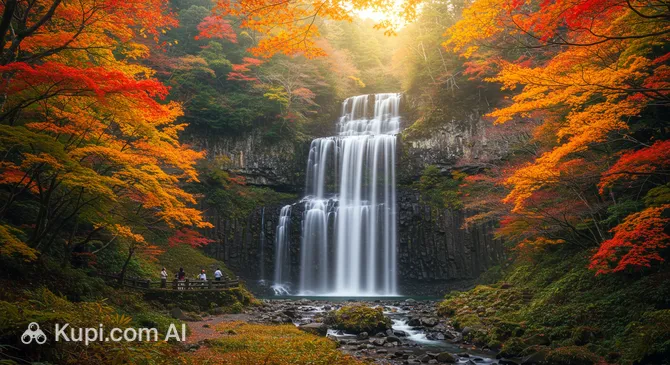
Daigo. Illustration.
Source: Kupi.com AI

The town attracts travelers seeking an authentic experience and a connection with nature. Daigo is known for its majestic mountains, crystal-clear rivers, and, of course, its famous hot springs (onsens), which provide relaxation and rejuvenation. Here, you can enjoy leisurely strolls through ancient streets, admire traditional houses, and peek into small family shops that have preserved the spirit of old Japan.

Daigo takes on a special charm during the changing seasons: in spring, the town is bathed in delicate cherry blossoms, and in autumn, the surrounding hills ignite with crimson and gold colors, creating unforgettable landscapes. It is the ideal place for those who want to take a break from the hustle and bustle of the city, breathe in the fresh air, and discover another, authentic Japan where history and nature harmoniously coexist. Visit Daigo to experience its unique charm!

You can find more interesting facts on the history of Daigo city page.

Weather Overview

The weather in Daigo is characterized by distinct seasonal changes. Winters here are quite cold, with average January temperatures around 1.9°C and minimums dropping below zero. Summer, on the contrary, is warm and humid: in August, the average temperature reaches 25.5°C, and the maximum can approach 29°C. Spring and autumn are transitional seasons with moderate temperatures.

Expect a warm summer with periodic rain, especially in July and August, and cool, relatively dry winters. The highest amount of precipitation occurs in the summer and autumn months, while December and January are the driest. For more detailed information, you can study the climate of Daigo.

Average monthly temperature

Average monthly precipitation

Interesting Facts

In addition to its well-known temples and natural beauty, the Japanese town of Daigo holds many surprising stories and features that make it a truly unique place. Here are just a few curious facts about this charming corner of Japan:

  • The Daigo-ji temple complex, a UNESCO World Heritage site, not only impresses with its antiquity (founded in the 9th century) but also houses over 100,000 unique relics and works of art. Among them is the oldest five-story pagoda in the region, erected in 951.

  • While Daigo is famous for its cherry blossoms, the town's special pride is its weeping cherry trees. In spring, they create a truly magical sight, especially those decorating the grounds near the Reihokan Museum and in front of Sanboin Temple.

  • The famous five-story pagoda of Daigo-ji Temple was originally built not just as an architectural marvel, but as a prayer for the soul of Emperor Daigo, after whom the entire temple complex was named. This gives the structure special spiritual significance.

  • The local mountains and forests around Daigo are considered not only a place of peace and inspiration for creative people but also, according to ancient beliefs, the home of yokai—Japanese mythical creatures. Legends say these spirits still protect these ancient lands.

How to Get There

There are several ways to reach the charming town of Daigo, located in Ibaraki Prefecture. The primary method for most tourists, especially international ones, is an air flight to one of Japan's major or regional airports, followed by a transfer to Daigo.

Although Daigo itself does not have its own airport, several air hubs are within a reasonable distance. One of the main options for international travelers is to fly into Narita International Airport (NRT), which is one of Japan's largest hubs and is located near Tokyo. The distance from Narita to Daigo is approximately 111 km. A trip by car or taxi from there can take about 3 hours, depending on traffic. Various public transport options are also available from the airport, including trains and buses, which can take you to cities from which it is easier to reach Daigo.

A closer option is Ibaraki Airport (IBR), located in the city of the same name in Ibaraki Prefecture, about 65 km from Daigo. This is a small regional airport that can be convenient if you find suitable flights. The drive from Ibaraki Airport to Daigo takes approximately 2 hours.

Geographically closest to Daigo is Fukushima Airport (FKS), which is located in Fukushima city at a distance of about 51 km. This small airport mainly serves domestic destinations. A car journey from Fukushima Airport to Daigo will take approximately 1 hour 30 to 1 hour 40 minutes.

For clarity, here is summary information on the main airports through which you can reach Daigo:

AirportPassenger trafficDistance
Fukushima Airport250 00051 km
Ibaraki Airport776 06365 km
Narita International Airport40.8 mln111 km
Haneda Airport85.7 mln145 km
Sendai Airport3.5 mln160 km

Regarding rail connections, it is important to note that Japan possesses one of the most developed and efficient railway networks in the world. While Daigo itself may not have a major railway station serving long-distance shinkansen trains, the town can be reached with transfers. This usually involves a trip on a high-speed or regional train to the nearest major transport hub (for example, in Mito or other cities in Ibaraki Prefecture, or even from Tokyo), and then a transfer to a local rail line or a bus going directly to Daigo. We recommend researching possible routes and current schedules in advance on the official websites of Japanese railway operators, such as JR East, or using route planners.

Main Attractions

The town of Daigo, located in Ibaraki Prefecture, is famous for its picturesque nature and is a wonderful place for those seeking peace and wanting to enjoy the beauty of Japan. There are several notable sites here that attract tourists.

One of the main jewels of Daigo, and indeed all of Japan, is Fukuroda Falls (袋田の滝, Fukuroda-no-taki). It is ranked as one of the three most beautiful waterfalls in the country. Its powerful streams of water plunge from a height of 120 meters in four cascades, creating an impressive sight. The waterfall is especially beautiful in different seasons: in spring and summer, it is surrounded by lush green colors; in autumn, by bright crimson and gold leaves; and in winter, it can partially freeze, turning into an ice sculpture. Observation decks are equipped for the convenience of visitors, allowing them to enjoy the view from different angles.

Another charming spot is Tsukimachi Falls (月待の滝, Tsukimachi-no-taki), which translates to "moon-waiting waterfall." Although smaller than Fukuroda, its uniqueness lies in the fact that visitors can walk behind its water curtain without getting wet. This creates a special sense of unity with nature and allows you to look at the world through the streams of water. Small cafes can often be found near the waterfall, serving dishes prepared using local spring water.

Daigo is also known for its hot springs—onsens. Visiting Daigo Onsen (大子温泉) is a great way to relax after a day spent in nature. The hot mineral waters help relieve fatigue and have a beneficial effect on health. There are several ryokans (traditional Japanese inns) and public baths in the town and its surroundings that offer outdoor baths (rotenburo) with beautiful views of the surrounding landscapes.

Local Cuisine

Daigo is a true gastronomic corner for those who appreciate simple yet exquisite Japanese cuisine. The town's culinary scene is built around the freshest seasonal products: vegetables, river fish, and aromatic mushrooms gathered in the surrounding forests. A special touch to local dishes is added by yuzu—a citrus with a unique aroma that is masterfully added here to soups, sauces, and even desserts.

One of Daigo's calling cards is tofu, prepared according to ancient traditional recipes. It turns out incredibly tender and airy, with a light nutty aftertaste. Locals proudly treat guests to miso soup with homemade tofu and fresh vegetables. It is also worth paying attention to dishes made from fresh river fish and forest mushrooms, especially in season. Don't miss the chance to try fried pastries filled with wild greens—a simple but very delicious local delicacy.

Those with a sweet tooth will enjoy traditional Japanese desserts, such as mochi filled with sweet adzuki bean paste and seasonal fruits. As for drinks, besides classic Japanese green tea and sake, you can find freshly squeezed juices from local fruits and vegetables at local markets, which perfectly quench thirst and reflect the richness of local nature.

The food culture in Daigo is closely linked to nature and seasonality. To experience the local flavor, visit farmers' markets where natural products, homemade pickles, and marinated vegetables are sold. Daigo is also known for its gastronomic festivals, which are regularly held in the town. This is an excellent opportunity to try the region's best dishes, learn the secrets of preparing traditional treats, and even participate in tea ceremonies. Autumn fairs are particularly colorful, with dishes made from freshly gathered mushrooms and chestnuts dominating the menu.

A trip to Daigo is a chance to discover authentic Japanese cuisine based on freshness, quality of ingredients, and respect for tradition. It is a gastronomic adventure that will give you unforgettable impressions and allow you to experience the true taste of Japan.

Travel Tips

Welcome to Daigo! This charming corner of Japan will give you unforgettable impressions. To ensure your trip goes smoothly and leaves only pleasant memories, we have prepared some practical tips.

  1. Clothing and Essentials:

    The climate in Daigo is temperate, with four distinct seasons. In summer (June-August), it is hot and humid, so choose light, breathable clothing. In winter (December-February), it can be cold, especially considering that Daigo is in Ibaraki Prefecture, so warm items, including a jacket, hat, and gloves, are essential. Spring and autumn offer mild weather, ideal for layering. The key element of your wardrobe is comfortable shoes, as you will be walking a lot, especially if you plan to visit natural beauties like Fukuroda Falls. Don't forget a universal adapter (in Japan, Type A and B sockets are used, with 100V voltage). When visiting temples and shrines, it is customary to dress modestly, covering shoulders and knees.

  2. Transport:

    Daigo is a small town, so the public transport system may be limited to local buses; we recommend checking their schedules in advance. The main way to reach Daigo and move around the region is the JR Suigun line, which passes through Daigo Station. There are taxis in the town, but there may not be as many as in metropolises. Popular taxi-hailing apps in Japan may have limited coverage in this area. For exploring the surroundings of Ibaraki Prefecture, especially natural attractions, renting a car can be a good option. Remember that this will require an international driving permit.

  3. Finances:

    The local currency is the Japanese yen (JPY). In major Japanese cities, credit and debit cards are accepted almost everywhere; however, in small towns like Daigo, it is wise to have enough cash with you. It will be useful for paying in small shops, local restaurants, and for entry tickets to some attractions. You can exchange currency at airports, large banks, and post offices (Japan Post Bank), which often have ATMs that accept international cards. ATMs in 7-Eleven stores (Seven Bank ATMs) also usually work well with foreign cards. It is important to remember that tipping is not practiced in Japan—excellent service is considered the norm. An approximate daily budget in Daigo (excluding accommodation) can range from 7,000 to 15,000 yen, depending on your plans.

  4. Health and Safety:

    Japan is a very safe country, and Daigo, being a small town, is no exception. Nevertheless, standard precautions against petty theft in crowded tourist areas are always appropriate, although such cases are rare. Pharmacies (薬局 - kusuriya) are easy to find, and pharmacists can help with minor ailments; however, 24-hour pharmacies may not be available in a small town. In case of serious health problems, contact a hospital (病院 - byouin). It is highly recommended to take out travel medical insurance. Tap water in Japan is safe to drink.

  5. Communication:

    The main language of communication is Japanese. English proficiency among the local population in Daigo may be lower than in Japan's major tourist centers. Staff at tourist information centers or large hotels will likely be able to communicate in English. Learning a few basic phrases in Japanese will be very helpful and appreciated by locals: "Konnichiwa" (Hello/Good day), "Arigato gozaimasu" (Thank you very much), "Sumimasen" (Excuse me/Sorry). For constant internet access, consider renting a pocket Wi-Fi router or buying a tourist SIM card. Free Wi-Fi may be available in some tourist spots, at stations, or in cafes, but do not rely on it completely. Useful apps: Google Maps and Google Translate.

  6. Local Etiquette:

    Bowing (ojigi) is a common form of greeting and expression of respect. The depth and duration of the bow depend on the situation; for tourists, a slight nod is often sufficient. Don't forget to remove your shoes before entering homes, some temples, traditional restaurants, and ryokans (Japanese-style inns)—there is usually a special place at the entrance (genkan) for this. Loud conversations on public transport or in quiet public spaces are considered impolite. It is generally considered impolite to eat or drink while walking on the street, although this rule is becoming less strict, especially regarding ice cream or drinks.

  7. What to Avoid:

    Do not stick chopsticks vertically into a bowl of rice—this is associated with funeral rituals and is considered very bad manners. Also, try not to point at people with your finger; if you need to indicate a direction or an object, use an open palm.

  8. Additional Tip:

    Daigo is famous for Fukuroda Falls (袋田の滝), which is considered one of the three most beautiful waterfalls in Japan. It is magnificent at any time of year, but especially popular in autumn, during the leaf color change, and in winter, when it sometimes freezes. Be sure to include it in your itinerary! Additionally, the town is known for its onsens (hot springs)—don't miss the chance to relax in one of them.

We hope these tips help you better prepare for your trip and enjoy every moment of your stay in Daigo. This town is capable of providing an authentic experience of Japanese culture and nature. Have a great trip!

Entertainment & Nightlife

Evening Daigo offers travelers the opportunity to immerse themselves in the calm and authentic atmosphere of the Japanese countryside, which differs markedly from bustling metropolises. It is difficult to pinpoint specific large nightclubs or bars typical of big cities in Daigo, and there are no specialized neon-lit districts here. However, the town offers its own cozy and traditional ways to spend the evening.

The foundation of evening life in Daigo, as in many small Japanese towns, is traditional izakayas—Japanese pubs. These are excellent places to try local dishes and sake and to chat with residents. The atmosphere in such establishments is usually very welcoming and relaxed. Besides izakayas, you can find small local bars or "snack bars," which often feature karaoke—a popular pastime in Japan. Some restaurants also stay open until late evening, offering dinner in a quiet setting.

There are no dedicated nightlife streets in Daigo as such. Evening establishments are usually scattered throughout the town, often found near the railway station or central streets. Opening hours are generally until late evening, but not into the early hours of the morning like in large cities. The dress code is usually casual and informal. The best time to visit is early evening to enjoy the atmosphere and local cuisine.

Practical tips for an evening in Daigo:

You can reach places of interest in the evening on foot if they are near your accommodation. Public transport in small towns like Daigo may stop running quite early. If you plan to stay out late, check the possibility of calling a taxi in advance; your hotel or restaurant staff will be able to help with this. Prices in local establishments are usually more affordable than in major tourist centers. Regarding safety, Japan in general, and small towns like Daigo in particular, are considered very safe. Nevertheless, it is always worth taking standard precautions.

While nightlife in Daigo has a measured character, the town also offers interesting activities during the day. You can explore the region's natural beauty, such as the famous Fukuroda Falls, visit local temples and shrines, or relax in one of the onsens (hot springs) for which Ibaraki Prefecture is famous. There are few large theaters, museums, or major amusement parks here; the focus is on natural and cultural heritage.

Parks & Museums

Daigo, comfortably situated in Ibaraki Prefecture, offers its guests a harmonious combination of picturesque natural landscapes and interesting cultural sites. Here, you can enjoy the tranquility of parks and gardens, as well as immerse yourself in the history and traditions of the region through local museums and attractions, discovering the charm of the Japanese countryside.

Nature lovers will find unforgettable experiences in Daigo. A visit to the area surrounding the famous Fukuroda Falls, one of the three most beautiful waterfalls in Japan, is a must. While it is more of a natural landmark than a city park, the surrounding territory is a magnificent green zone with walking trails, especially picturesque in autumn during the changing of the leaves. The town is also part of the Okukuji region, known for its forested mountains and valleys, ideal for hiking and connecting with nature. The banks of the Kuji River, which flows through Daigo, also offer pleasant spots for leisurely strolls and outdoor relaxation.

To get acquainted with the culture and history of Daigo, several interesting places are worth noting. Although the town may not have large museum complexes, you can find unique sites here. For example, the Former Kamioka Elementary School (Kyu Kamioka Shogakko), recognized as a cultural asset, is sometimes used for exhibitions and allows you to touch the atmosphere of the past. A more unusual experience is offered by the Okukuji Shamo Chicken Breeding Center, where you can learn about this special breed, which is an important part of the local gastronomic culture. History buffs will be interested in the Daigo Castle ruins, which offer panoramic views, and the quiet Shinto Tsukuyomi Shrine (Tsukuyomi Jinja), where you can feel a sense of peace. It is also worth looking for small local galleries or craft workshops where the works of local artisans are presented.

To make your trip to Daigo truly authentic, try the local culinary specialties, especially shamo chicken dishes. Don't miss the opportunity to relax in one of the local onsens (hot springs) for which this area is famous, such as Daigo Onsen. A stroll through local markets or small shops can also provide interesting finds and souvenirs to remember your visit.

Getting Around

In Daigo, a cozy town, the primary way for tourists to get around, besides pleasant walking tours, is the local bus network. Although the railway station plays an important role in connecting with other settlements in the region, for travel within Daigo itself and its immediate surroundings, buses will be your main helper.

Buses in Daigo usually run on several key routes, connecting important points in the town, including the railway station, with some tourist sites and residential areas. Given the size of the town, the network will not be as extensive as in metropolises, and intervals between services may be significant. It is recommended to check schedules at bus stops in advance or inquire at the station.

The fare payment system on Daigo buses, as in many small towns in Japan, most often involves the use of cash. Prepare small coins, as the driver may not always be able to provide change for large bills. In some cases, nationwide rechargeable IC transport cards (e.g., Suica, Pasmo) may be accepted. If you have already traveled to other cities in the country and have such a card, it is worth checking the possibility of using it on local routes upon arrival.

Single-trip tickets when paying in cash are usually purchased directly from the driver upon boarding or, less frequently, upon exiting (depending on the system adopted on the specific route—often you need to take a ticket upon boarding and pay according to it upon exiting). If an IC card is used, it must be tapped on a special reader when boarding and exiting. Buses in Daigo generally start running in the morning and finish in the evening. Night services are unlikely.

As an alternative to public transport in Daigo, you can always use taxi services. This is a more expensive but convenient option, especially if you are traveling with luggage or in a group. For freer exploration of the picturesque surroundings of Daigo and Ibaraki Prefecture, renting a car can be an excellent solution. Also, for leisurely rides around the town itself and nearby nature trails, you might consider renting a bicycle if such a service is offered by local rentals.

Accommodation

In Daigo, you will find a variety of accommodation options to suit every taste and budget. The town offers a choice from cozy ryokans (traditional Japanese inns) and minshuku (family guest houses), where you can immerse yourself deeply in the local culture and enjoy authentic hospitality, to small hotels with more familiar amenities. Many establishments take pride in their onsens (hot springs), which adds a special charm to your stay and is an integral part of the Daigo experience.

For tourists, the most convenient areas to stay are often those located near natural attractions or transport hubs, from which it is easy to reach interesting places in the surroundings of Daigo. Choosing accommodation in the central part of town or near popular onsens can also be a good decision, allowing you to combine comfort with easy access to major points of interest.

If you are looking for specific recommendations, consider places in Daigo such as Daigo Onsen Yuyu Land or Okukuji Onsen Hotel Okukuji. Both of these options are known for their hospitality and wonderful onsens, allowing you to fully enjoy the healing properties of local waters. Of course, these are just examples, and many other worthy options can be found and booked through popular online services.

When planning a trip to Daigo, especially during the peak tourist season or on weekends, it is recommended to book your accommodation in advance. This will help you secure the best choice and most favorable prices. The price range varies: you can find relatively budget options in minshuku, as well as more expensive offers in ryokans and full-service hotels. Booking is most often done through well-known international and Japanese travel websites, as well as directly through official hotel websites.

Nearby Cities

For those who want to explore the surrounding area, Daigo serves as an excellent starting point for day trips to several interesting nearby locations:

CityPopulationDistance
Nakagawa50 18617 km
Nasukarasuyama24 45622 km
Hanawa28 92922 km
Hitachiomiya38 83626 km
Tanagura13 26429 km

For example, a trip to Hitachi will delight you with Kamine Park, featuring a zoo and amusement rides, as well as picturesque views of the Pacific Ocean. Nasushiobara is famous for its hot springs (onsens) and the natural beauty of the Shiobara Valley, ideal for lovers of hiking and relaxation. And in the town of Nakagawa, you can visit the Bato Hiroshige Museum of Art, dedicated to the famous ukiyo-e master.

These nearby destinations provide insight into the diverse culture and landscapes of the region.

Shopping & Souvenirs

Shopping in Daigo is an opportunity to immerse yourself in the local atmosphere and find unique goods that are hard to come by in large cities. The town is not famous for huge shopping centers, but it offers the charm of small stores and shops where you can purchase authentic souvenirs and local delicacies.

Main shopping opportunities in Daigo are likely concentrated along its central streets. Here, you can find small family-run shops offering a variety of goods: from locally produced food items to traditional handicrafts. A stroll along these streets can be a pleasant experience in itself.

You probably won't find large, modern shopping malls typical of metropolises in Daigo. The emphasis here is on a more intimate and personalized shopping experience in small specialized stores. This is a great opportunity to support local producers and purchase something truly special.

As for markets, it's worth keeping an eye out for possible seasonal fairs or small markets where local farmers sell fresh produce and artisans sell their crafts. Also popular in Japan are "Michi-no-Eki" roadside stations, which often combine the functions of a market, souvenir shop, and information center. If such a station exists in the vicinity of Daigo, it is certainly worth a visit.

As souvenirs from Daigo and Ibaraki Prefecture, you can bring home local food products such as konnyaku (products made from the konjac plant), mushrooms, apples, or products made from them, if characteristic of the season of your visit. Traditional handicrafts, such as ceramics or textiles, are also popular. Look for souvenirs related to the region's natural attractions, such as Fukuroda Falls.

Shops in Daigo, like in most small Japanese towns, are usually open from 10:00 to 18:00 or 19:00. Some small family-run shops may have individual operating schedules and a day off in the middle of the week. Regarding payment, it is preferable to have cash (Japanese yen) in small shops and markets, although some tourist-oriented places may accept credit cards.

Foreign tourists in Japan can take advantage of the Tax-Free system for purchases over 5,000 yen at participating stores. Look for the "Japan Tax-Free Shop" logo. In small towns like Daigo, the number of shops providing this service may be limited, but it's always worth checking this possibility with the seller before making a purchase.

Reached the end of the page?

That means the route is fully explored