Support

Utsunomiya

About

Utsunomiya is a city with a unique character that doesn't reveal all its secrets at once. It is nestled in the heart of Tochigi Prefecture on the island of Honshu, in Japan. Serving as the administrative center with a population of approximately 518,000 people, Utsunomiya is located just an hour and a half by train from Tokyo, making it a convenient starting point for exploring the Kanto region. The city is surrounded by picturesque mountains, ancient forests, and emerald rice fields, offering a harmonious blend of urban life and natural beauty.

Utsunomiya is famous for its friendly atmosphere and hospitality. It's easy to feel at home here, enjoying leisurely strolls through cozy streets where modern rhythms seamlessly intertwine with the traditional Japanese way of life. City festivals and street celebrations add bright colors to everyday life, while historical shrines sit alongside modern museums and stylish cafes.
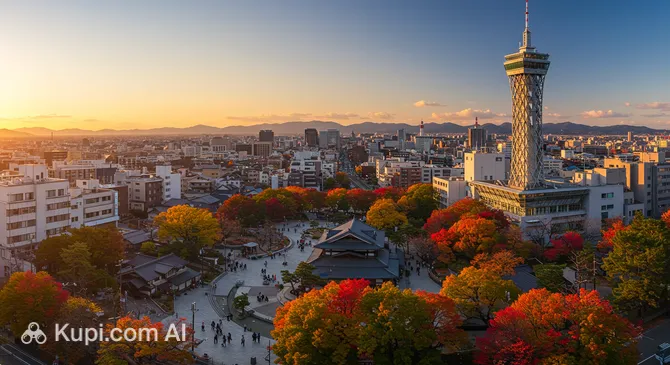
Utsunomiya. Illustration.
Source: Kupi.com AI

One of Utsunomiya's main "highlights" that attracts gourmets from all over the country is the famous gyoza dumplings — they are prepared here in countless variations, and the city is rightfully considered their capital. Additionally, Utsunomiya has unexpectedly established itself as one of Japan's jazz capitals, offering quality music in numerous clubs and at festivals. History buffs will appreciate the ancient temples, some of which are carved directly into the cliffs, old quarters, and carefully preserved cultural traditions.

Utsunomiya is a city that offers a unique combination of antiquity and modernity, an atmosphere of creativity and freedom. If you are looking for authentic experiences and want to get to know the real Japan without the hustle and bustle of megacities, but with a vibrant character and its own style, Utsunomiya undoubtedly deserves your attention.

You can find more interesting facts on the Utsunomiya city history page.
Weather Overview

In Utsunomiya, there is a distinct change of seasons. Summer, especially in July and August, is warm and humid, with average temperatures around 24-25°C and maximum values reaching 27-28°C. During this period, the highest amount of precipitation occurs, and the number of rainy days is significant. Winters, conversely, are cold and relatively dry. The average temperature in January is about 1.9°C, with nightly frosts. Spring and autumn are characterized by moderate temperatures and gradual changes in precipitation levels.

Overall, expect a warm, humid summer with frequent rain and a cold, relatively dry winter. The warmest month is August with an average temperature of 25.5°C, and the coldest is January with an average temperature of 1.9°C. The highest rainfall (9 mm) occurs in July, and the lowest (1 mm) in December. For more detailed information, check the full forecast: Utsunomiya Climate.

Average monthly temperature

Average monthly precipitation

Interesting Facts

Beyond its famous gyoza, Utsunomiya, nestled in Tochigi Prefecture, hides many surprising stories and unique features that make it a truly interesting place to explore.

  • In the outskirts of Utsunomiya lies the unique Oya-ji Temple, carved into the rock over 1,200 years ago. It is one of the oldest Buddhist structures in Japan, where you can still see ancient carved images of deities, including Kannon, the Goddess of Mercy. The temple itself is a true monument to architectural ingenuity and a symbol of centuries-old traditions.

  • Utsunomiya proudly bears the unofficial title of "Jazz City." Legend has it that the famous saxophonist Sadao Watanabe was born here, and the love for jazz music is felt everywhere — from cozy bars to street festivals. In summer, the city turns into one large open-air stage where music resonates and an atmosphere of creativity prevails.

  • The city is famous for its Oya stone quarries, where a special type of volcanic tuff is mined. This stone was used not only for local buildings but also for constructing famous architectural landmarks throughout Japan. At the Oya History Museum, you can descend into impressive underground galleries resembling sets from an adventure movie and learn about the significance of stone mining for the region.

  • In the center of Utsunomiya rises the ancient Futaarayama Shinto Shrine, associated with old legends and traditional festivals. This is a place of power and attraction for locals, where you can not only touch history but also feel the spirit of old Japan.

How to Get There

There are several ways to reach the city of Utsunomiya in Tochigi Prefecture, with the most popular being air travel followed by a transfer, or a railway journey. Although Utsunomiya itself does not have a major commercial airport, the city is conveniently connected to several international and domestic airports in Japan.

The primary air gateways for travelers heading to Utsunomiya are Tokyo's major airports. One of the busiest is Haneda Airport (HND), located in Tokyo about 112 km south of Utsunomiya. This is a major international hub from which Utsunomiya can be reached by train or bus, or by booking a taxi, which takes about 3 hours. Another significant option is Narita International Airport (NRT), also in the Tokyo vicinity, approximately 99 km southeast of Utsunomiya. Narita handles many international flights, and from here, Utsunomiya is accessible by public transport (train, bus) or taxi in about 2 hours and 50 minutes. For some routes, Ibaraki Airport (IBR) might be convenient, located in Ibaraki Prefecture, about 63 km from Utsunomiya. This is a smaller regional airport, and a taxi ride to Utsunomiya city center takes about 1 hour and 55 minutes.

For convenience, here is a summary of the main airports through which you can reach Utsunomiya:

AirportPassenger trafficDistance
Ibaraki Airport776 06363 km
Fukushima Airport250 00089 km
Narita International Airport40.8 mln99 km
Haneda Airport85.7 mln112 km
Niigata Airport1.1 mln170 km

In addition to air travel, Utsunomiya is an important railway hub on the Tohoku Shinkansen line. Shinkansen high-speed trains connect Utsunomiya with Tokyo and many other major Japanese cities. The Shinkansen journey from Tokyo to Utsunomiya takes only about 50 minutes, making rail transport a very convenient and fast way to reach the city, especially if you are already in Japan.

Main Attractions

Utsunomiya, the capital of Tochigi Prefecture, offers its guests a variety of attractions that combine nature, history, and culture. The city is known not only for its culinary pride — gyoza — but also for interesting places worth visiting.

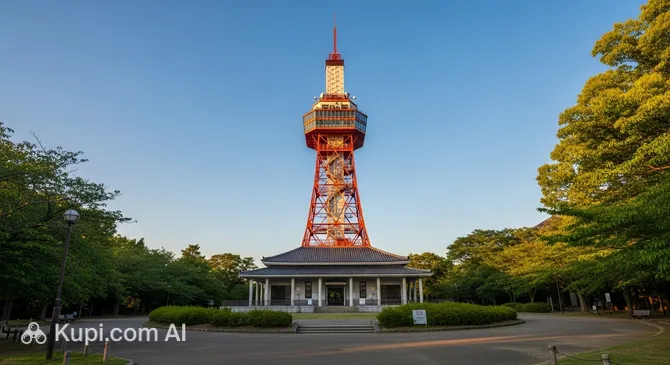
One of the most popular places for relaxation and walks is Hachimanyama Park. This spacious park is especially beautiful in spring during the cherry blossom season and in autumn when the foliage turns vibrant colors. The main landmark of the park is Utsunomiya Tower, whose observation deck offers a magnificent panoramic view of the city and its surroundings. It's a great spot to appreciate the scale of Utsunomiya and take memorable photos.

Hachimanyama Park Utsunomiya Tower. Illustration.
Source: Kupi.com AI

Traveler photos:

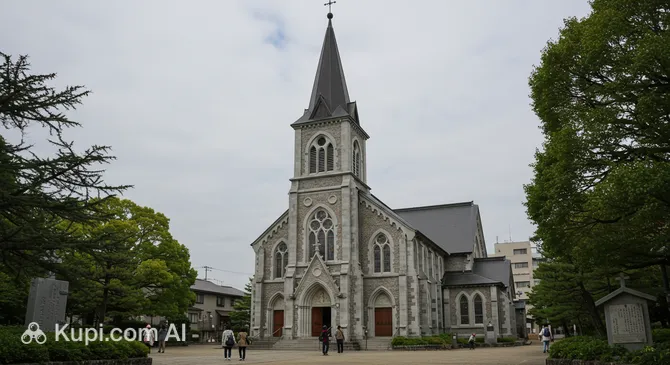
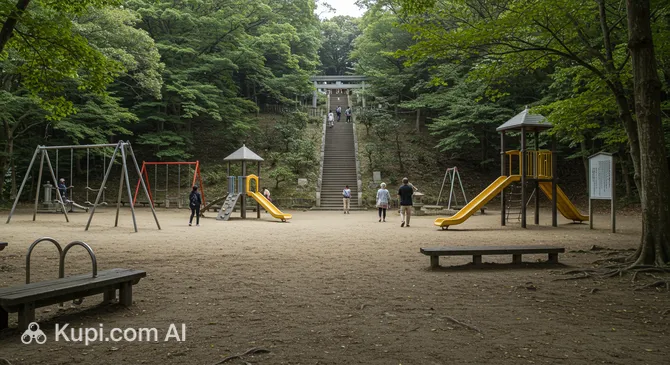
Architecture and history enthusiasts should definitely visit Matsugamine Catholic Church. This unique structure was built from local Oya stone, known for its porous texture. The church was designed by Swiss architect Max Hinde and is an important cultural property. Its majestic appearance and peaceful atmosphere attract both worshippers and tourists interested in unusual architecture.

Matsugamine Catholic Church. Illustration.
Source: Kupi.com AI

Traveler photos:

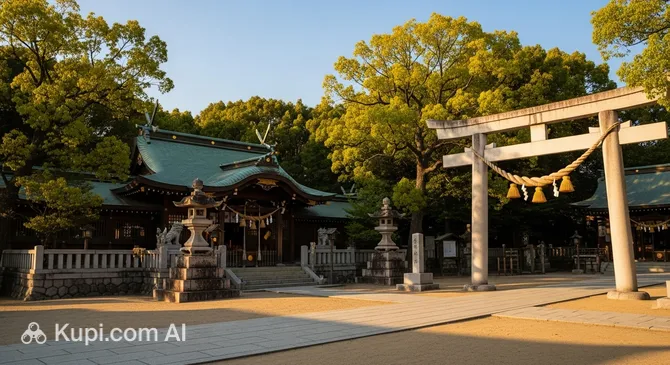
To experience traditional Japanese culture, head to Yasaka Imaizumi Shrine. This Shinto shrine with a rich history is a venue for various local festivals and rituals. Visitors can enjoy the serene atmosphere, admire the traditional architecture, and learn more about Japan's spiritual life. A stroll through the shrine grounds allows for a break from the city's hustle and a touch of centuries-old traditions.

Imaizumi Yasaka Shrine. Illustration.
Source: Kupi.com AI

Traveler photos:

Local Cuisine

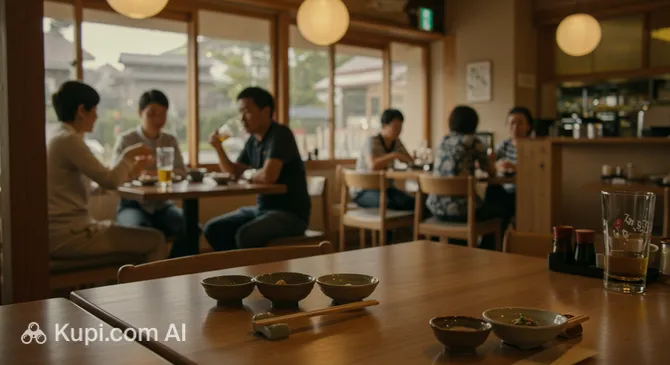
Utsunomiya is a true paradise for gourmets, and the city rightfully holds the title of Japan's unofficial capital of gyoza. These mouthwatering Japanese dumplings are more than just a dish here; they are a cult. They are prepared in every possible way: fried to a crisp, boiled in aromatic broth, or baked with various sauces. Each restaurant—and there are over two hundred in Utsunomiya—prides itself on its signature gyoza recipe, striving to surprise guests with unique fillings and presentations.

Immersion into gyoza culture continues at the famous festivals that turn the city into one large open-air tasting ground. Here you can try dozens of variations of the dish, from classic to the most exotic. Many restaurants in the city, such as Bariron, offer guests not only gyoza but also other local culinary delights, allowing them to fully appreciate Utsunomiya's gastronomic diversity.

Bariron. Illustration.
Source: Kupi.com AI

Traveler photos:

However, Utsunomiya's culinary scene is not limited to gyoza alone. You should definitely try dishes made from the freshest local vegetables and seasonal fish, which are famous for their quality. In the city's farmers' markets, you'll find an abundance of seasonal products, such as juicy peaches, as well as traditional Japanese sweets like mochi. Street stalls and small eateries also offer many interesting and tasty discoveries.

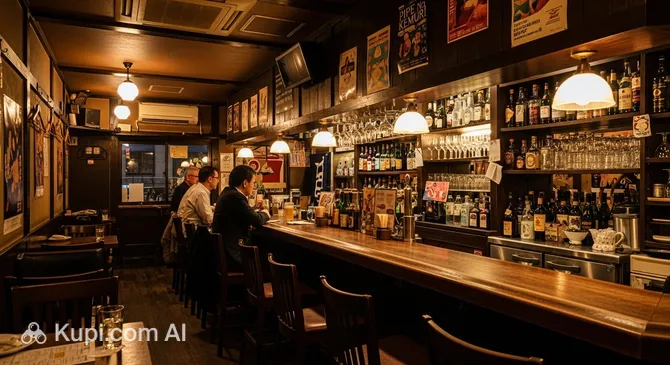
As for drinks, in Utsunomiya, it's worth paying attention to local sake and original types of craft beer, which pair excellently with Japanese cuisine. For those looking for not just tasty food but also a special atmosphere, the city offers many cozy venues. For example, some jazz bars, like Pipe no Kemuri, allow you to enjoy not only drinks and snacks but also live music, creating a unique evening mood.

Travel Tips

Planning a trip to Utsunomiya, the vibrant capital of Tochigi Prefecture? To ensure your journey goes smoothly and leaves only pleasant impressions, we have prepared some practical tips. They will help you better navigate the city and enjoy everything it has to offer!

  1. Clothing and Packing for the Season: Utsunomiya's climate features hot and humid summers, while winters can be cool, sometimes with snow. Dress in layers to adapt to the weather. Be sure to bring comfortable shoes for walking around the city and potential temple visits. Don't forget a universal power adapter for your electronics (Type A and B sockets are used in Japan) and a portable power bank. When visiting temples and shrines, be prepared to remove your shoes; there are usually no strict clothing requirements, but modesty and tidiness are appreciated.
  2. Getting Around the City: The main public transport in Utsunomiya consists of buses and local JR trains. The city center is quite compact, and many attractions can be explored on foot. Taxis are available, but keep in mind they can be quite expensive compared to public transport. Taxi-hailing apps like JapanTaxi or DiDi (if available in the region) can be useful. Car rental is possible (an international driving permit is required), but note that parking in the center may be paid and limited.
  3. Finances – All About Yen: The national currency of Japan is the Japanese yen (JPY). You can exchange currency at airports upon arrival, at banks, or in some large hotels. Credit cards (Visa, Mastercard) are increasingly accepted in shops, restaurants, and hotels, but it is always useful to carry some cash, especially for small establishments, markets, or temples. ATMs that accept international cards are generally easy to find in 7-Eleven convenience stores (Seven Bank ATMs) and at post offices (Japan Post Bank). It's important to remember that tipping in Japan is not practiced and may be perceived as impolite.
  4. Health and Safety: Utsunomiya, like Japan in general, is considered a very safe city. Pharmacies (marked as 薬 (kusuri) or ドラッグストア (doraggusutoa)) are easy to find and offer a wide range of medicines, but not all of them operate 24/7. For serious medical assistance, you should contact major hospitals; it is highly recommended to have travel medical insurance. There are no particularly "dangerous" areas in Utsunomiya, but you should always follow standard precautions, such as watching your belongings.
  5. Communication and Connection: The official language is Japanese. English proficiency can vary: in tourist spots, hotels, and among the youth, you will likely be understood, but overall it is not that widespread. It will be helpful to learn a few simple Japanese phrases: "Konnichiwa" (Hello/Good day), "Arigato" (Thank you), "Sumimasen" (Excuse me/I'm sorry). For internet access, it's very convenient to rent a pocket Wi-Fi router or buy a local SIM card upon arrival at the airport or in electronics stores. Free Wi-Fi is also available in many hotels, cafes, and some public places. Useful apps: Google Maps for navigation, HyperDia or Jorudan for planning train trips, and Gurunavi or Tabelog for finding restaurants.
  6. Local Etiquette – Respect Traditions: Japanese people highly value politeness and respect for others. Greetings are often accompanied by a bow. In public places, especially on transport, it's customary to remain quiet and not talk loudly on the phone. Try not to eat or drink while walking in the street (except in designated areas or during festivals). Don't forget to remove your shoes when entering Japanese homes, some temples, traditional restaurants, and ryokans (Japanese-style inns).
  7. Things Best Avoided:
    • Do not stick chopsticks vertically into a bowl of rice. This action is associated with funeral rituals and is considered a bad omen.
    • Avoid loud conversations and noisy behavior in public places, especially on trains and buses. This can cause discomfort to local residents.
  8. Special Tip for Utsunomiya: Definitely take the opportunity to try the local culinary pride – gyoza! Utsunomiya rightfully bears the title of Japan's "gyoza capital," and here you will find countless restaurants offering a wide variety of these delicious fried or boiled dumplings. This is a truly unforgettable gastronomic experience! Also, if you have time, consider visiting the unique Oya History Museum, located in a massive former underground quarry for Oya stone – it's an impressive sight.

We hope these tips make your stay in Utsunomiya comfortable and exciting. This city is full of discoveries, from its famous gyoza to interesting cultural sites. We wish you an unforgettable trip through Japan!

Entertainment & Nightlife

When the sun sets over Utsunomiya, the city transforms, offering its guests diverse opportunities for evening and night-time relaxation. Although Utsunomiya is better known as the "gyoza capital," its nightlife can surprise and delight those looking for entertainment after a busy day.

The main concentration of night venues can be found in the area around JR Utsunomiya Station and along the main O-tori Street. Here you will find many bars, cozy izakayas (traditional Japanese pubs), karaoke bars, and nightclubs. The atmosphere is generally friendly and welcoming, attracting both locals and tourists. Most establishments start coming to life after 7:00 PM - 8:00 PM and stay open until late at night, with some clubs running until morning, especially on weekends. The dress code usually ranges from casual to smart-casual, depending on the venue.

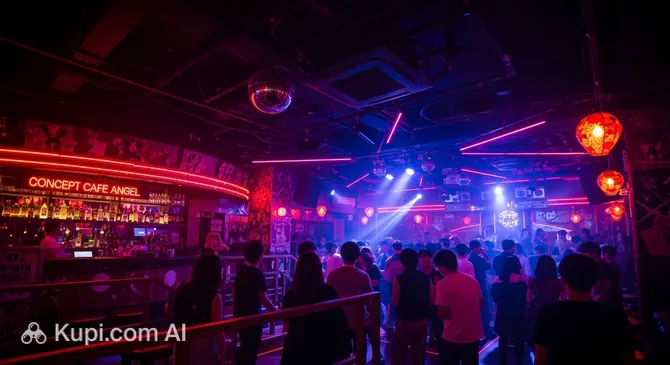
For lovers of a relaxed atmosphere and good drinks, Pipe no Kemuri bar is an excellent choice, where you can enjoy an evening in pleasant company. If you are looking for something more energetic, consider Angel Concept Cafe, which offers a club atmosphere and themed parties. Many restaurants, such as Bariron, also stay open late, allowing for a delicious dinner before heading out to explore the city's nightlife or simply to enjoy a late-night meal.

Pipe no Kemuri. Illustration.
Source: Kupi.com AI

Traveler photos:

Practical tips for night outings: the best time to visit most bars and clubs is after 9:00 PM, especially on Fridays and Saturdays. Prices can vary: some clubs may have an entrance fee, which sometimes includes a drink. The most convenient way to get around the city at night is by taxi, which can be easily found at the station or called via an app. Utsunomiya, like most cities in Japan, is considered a safe place for night walks, though standard precautions should always be observed.

Concept Cafe Angel. Illustration.
Source: Kupi.com AI

Traveler photos:

During the day, Utsunomiya also offers many interesting activities. You can visit historical shrines, stroll through picturesque parks like Hachimanyama Park, or explore local museums. The city is famous for its gyoza dumplings, so tasting this dish in one of the many specialized restaurants is a must. Thus, Utsunomiya offers a balanced vacation, combining cultural discoveries by day and vibrant experiences by night.

Parks & Museums

Utsunomiya offers its guests a harmonious blend of well-kept green spaces for relaxation and interesting sites reflecting the city's cultural and historical heritage. Here, everyone will find something to their liking, whether it's a quiet nature walk or an introduction to local traditions.

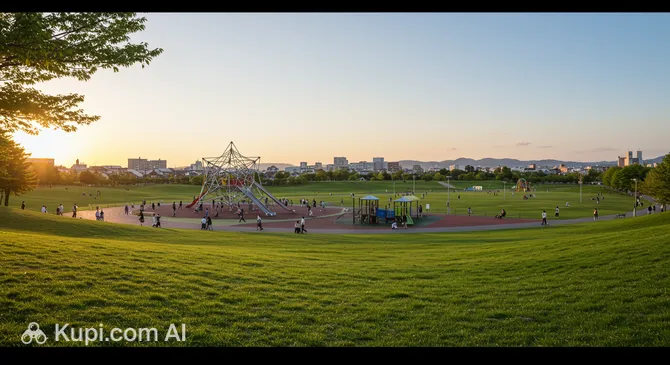
Among Utsunomiya's green oases, Hachimanyama Park stands out particularly. This is a popular spot for locals, where you can not only enjoy nature but also visit the impressive Utsunomiya Tower, which offers a panoramic view of the city and its surroundings. Another wonderful place for walks and outdoor relaxation is Utsunomiya Central Park, featuring spacious lawns, picturesque alleys, and cozy corners for relaxation.

Hachimanyama Park. Illustration.
Source: Kupi.com AI

Traveler photos:

Central Park (Utsunomiya). Illustration.
Source: Kupi.com AI

Traveler photos:

While specific museums are not listed, Utsunomiya, like many Japanese cities, surely has cultural institutions where you can dive deeper into the rich history of Tochigi Prefecture and unique local crafts. We recommend checking upon arrival for opportunities to visit the prefectural museum or city art galleries to enrich your cultural itinerary.

The city also takes pride in its historical and architectural landmarks. Matsugamine Catholic Church is a must-see, known for its unique architecture using local Oya stone, which gives it a distinct character. No less interesting is Yasaka Imaizumi Shrine, an important spiritual center for locals that allows you to touch upon traditional Japanese culture and beliefs.

Matsugamine Catholic Church. Illustration.
Source: Kupi.com AI

Traveler photos:

For those seeking authentic experiences and wishing to immerse themselves deeper into the atmosphere of Utsunomiya, we suggest walking through the lesser-known streets away from the main avenues. It is there that you can stumble upon small family-run shops, traditional eateries offering local delicacies, and feel the real, non-touristy spirit of this Japanese city.

Getting Around

When planning your travel around Utsunomiya, you will find that the city offers several convenient public transport options. The backbone of the transport system consists of buses and a modern light rail system (LRT), known as Utsunomiya Light Rail or Lightline, launched in 2023. This new line represents a significant step in the development of urban mobility.

The Utsunomiya Light Rail (Lightline) is the city's pride and a key element of its transport infrastructure. The line connects the eastern and western parts of Utsunomiya, running from JR Utsunomiya Station (East Exit) to the Haga-Takanezawa Industrial Park. The trains are modern, comfortable, and environmentally friendly. This is an excellent way to travel quickly between key points along the main route. The cost of a single trip on the LRT depends on the distance and varies, starting from about 150 yen up to 400 yen for the longest routes on the line.

The bus network in Utsunomiya is quite extensive and serves areas not covered by the LRT. The main operators are Kanto Bus and JR Bus Kanto. Buses run according to a schedule that can be found at stops or online. They are a reliable way to reach most of the city's attractions and residential areas. The fare for a bus ride usually starts at 170 yen and can also increase based on the distance traveled.

For paying fares on Utsunomiya public transport, rechargeable IC cards such as Suica or Pasmo, which are widely used throughout Japan, are the most convenient. These cards can be used on both the LRT and buses. On the LRT, you must tap your IC card on the reader both when entering and exiting. On buses, the card is usually tapped on the reader when entering and when exiting if the fare depends on distance. Cash payment is also possible; buses usually have a special machine next to the driver that can provide change or requires the exact amount. A single trip ticket for the LRT can be purchased from machines at the stations. Regarding special passes, while IC cards are the primary method of payment, tourists should check at JR Utsunomiya Station or on the official websites of transport companies (Kanto Bus, JR Bus Kanto, Utsunomiya Light Rail) for the availability of day passes or tourist tickets. Sometimes options are available that are beneficial for intensive transport use over one or several days. For route planning and viewing current schedules in Utsunomiya, mobile apps such as Google Maps, which is well-integrated with the Japanese transport system, are very useful, as well as specialized Japanese apps like Japan Transit Planner (Jorudan) and Navitime for Japan Travel. These apps will help you navigate routes and departure times, and also show the approximate fare.

IC cards can be purchased and recharged at machines at major railway stations, including JR Utsunomiya Station. Public transport usually operates from early morning until late evening, but it is recommended to check the current schedule, especially for the last runs. Ticket or card validation occurs when entering an LRT station or boarding a bus.

As an alternative to public transport, taxis are available in Utsunomiya. They can be found at stands near stations, large hotels, or called by phone. Taxis offer greater comfort and speed but are a more expensive option. For short trips and exploring the city at your own pace, you might consider renting a bicycle – in Utsunomiya, as in many Japanese cities, this is a popular and convenient way to get around, especially in central areas.

Accommodation

When planning a trip to Utsunomiya, you will find a variety of accommodation options to suit different preferences and budgets. The city offers a wide range of housing: from budget-friendly guesthouses and hostels for economical travelers to comfortable mid-range hotels and more luxurious options for those seeking a higher level of service. Apartments and rental options are also available for those who prefer more space and a home-like environment.

For tourists, areas near the Utsunomiya railway station will be particularly convenient as they provide easy access to transportation for trips around the city and its surroundings. Central areas of the city are also popular due to their proximity to main attractions like Hachimanyama Park, as well as restaurants and shops. While specific famous hotels are not listed in the provided data, in Utsunomiya you can find both chain hotels with a predictable level of comfort and local inns featuring unique Japanese hospitality.

Regarding price range, Utsunomiya offers options for every wallet: from budget to mid-range and premium. It is recommended to book accommodation in advance, especially if your trip coincides with peak tourist season or major local festivals and events. The most common booking methods are popular online platforms and travel aggregators, although some hotels offer the option of direct booking through their websites.

Nearby Cities

For those looking to explore the surrounding area, Utsunomiya serves as an excellent starting point for day trips to several interesting nearby locations:

CityPopulationDistance
Kanuma94 59112 km
Kaminokawa30 88613 km
Takanezawa29 12313 km
Mibu39 15116 km
Haga14 83316 km

Among these cities, a few destinations stand out. For instance, Kanuma, located just 12 km away, attracts visitors with its traditional crafts, especially kumiko woodwork, as well as its picturesque parks. The city of Tochigi, often called "Little Edo," charms visitors with its old merchant storehouses along the Uzuma River, where you can take a boat ride. And Mooka is famous for its steam locomotive railway and history of cotton production, offering unique experiences for history and technology buffs.

These nearby destinations provide an insight into the diverse culture and landscapes of the region.

Shopping & Souvenirs

Utsunomiya, known as the "gyoza capital," offers tourists not only gastronomic delights but also pleasant shopping opportunities. While the city doesn't compare in scale to Tokyo or Osaka, you can find both large shopping centers and authentic local shops selling unique goods and souvenirs.

The main shopping spots are concentrated around JR Utsunomiya Station. Here you will find many shops, from small boutiques to large department stores. One of the city's main shopping arteries is Orion Street (オリオン通り) – a lively covered arcade where it is pleasant to stroll and shop in any weather. It features stores selling clothes, shoes, accessories, cosmetics, as well as cafes and restaurants.

Among the major shopping centers, Tobu Department Store Utsunomiya, located right by the station, is noteworthy. This is a classic Japanese department store with a wide range of goods: from food and delicacies on the basement floor to fashion, cosmetics, and home goods on the upper floors. Another popular shopping complex is Bell Mall, which is located a bit further from the center but offers a large selection of shops, restaurants, and entertainment. Also worth attention is FKD Shopping Mall Utsunomiya Interpark, a large mall with diverse stores and a food court.

While Utsunomiya doesn't have famous markets like Tsukiji in Tokyo, you can look for local produce stalls selling fresh vegetables and fruits from Tochigi Prefecture. Occasionally, small weekend fairs may be held at shrines or in parks, where you can find handmade items and local delicacies. For those interested in wholesale or just wanting to see local flavor, the Utsunomiya Central Wholesale Market may be of interest, though most of it is business-oriented, some nearby shops may offer goods to retail customers.

As for souvenirs, the main specialty of Utsunomiya is, of course, gyoza. You will find many variations: frozen gyoza to cook at home, various sauces for them, gyoza-flavored snacks, and even themed souvenirs featuring these popular dumplings. Tochigi Prefecture is also famous for its strawberries, especially the "Tochiotome" variety, so strawberry jams, sweets, and drinks make excellent gifts. Also look for local sake and traditional craft products, such as Mashiko-yaki pottery from the neighboring town of Mashiko.

Most shops in Utsunomiya open around 10:00-11:00 and work until 19:00-20:00. Large shopping centers and department stores may have slightly extended hours. Credit cards are widely accepted, especially in major stores and malls. However, in small shops or at markets, cash may be required, so it is always useful to have some Japanese yen on hand.

For foreign tourists in Japan, a Tax Free system is in place. In many Utsunomiya shops participating in this program (look for the "Japan Tax-free Shop" logo), you can get a refund of the consumption tax (usually 10%) when purchasing goods over a certain amount (typically over 5,000 yen excluding tax). You will need your passport to process the refund.

Reached the end of the page?

That means the route is fully explored