Support

Shimotsuke

About

Shimotsuke is a small but incredibly cozy city located in Tochigi Prefecture on the island of Honshu. Situated just 100 kilometers north of Tokyo, it offers travelers a chance to see a completely different side of the country. Here, in the heart of the Kanto region, Japan reveals its most soulful and tranquil side, far from the neon lights of bustling metropolises.

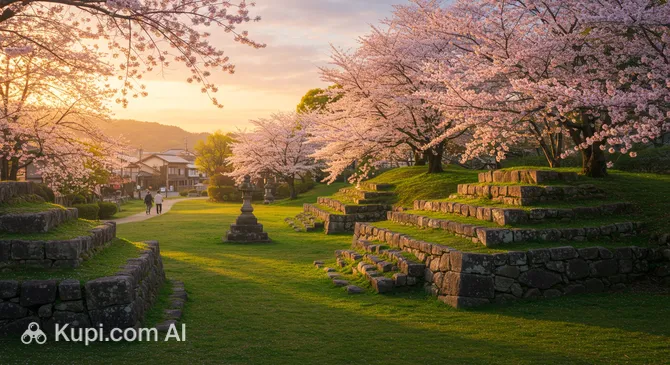
Shimotsuke. Illustration.
Source: Kupi.com AI

The city spans an area of about 75 km² and is surrounded by picturesque rural landscapes: endless rice fields and low green hills. With a population of just under 60,000, Shimotsuke maintains a measured pace of life, allowing guests to enjoy peace and harmony with nature. It is an ideal destination for those seeking tranquility and wishing to immerse themselves in the atmosphere of the authentic Japanese countryside.

Despite the city gaining its current administrative status as recently as 2006, these lands have a rich past. The fascinating history of Shimotsuke dates back centuries, as this territory has long played an important role in the region's life. Today, modernity and antiquity intertwine here in surprising ways: new residential quarters neighbor ancient temples and well-kept parks, creating a unique local character.

A trip to Shimotsuke will give you a unique experience of getting to know local traditions and culture. Be sure to stroll through the cozy streets, visit the local shrines, and breathe in the fresh air of the Japanese heartland. This city is definitely worth including in your itinerary if you want to feel the true spirit of the country and find some peace for your soul.

Weather Overview

The climate in this region features distinct seasons, making the city interesting to visit at different times of the year. In general, expect warm, sometimes hot summers with frequent rain and cool, dry winters. To properly plan your wardrobe and travel program, we recommend checking in advance what the weather in Shimotsuke is expected to be on your travel dates.

Summer months here are the warmest and most humid. The peak of the heat usually falls in August, when the average temperature reaches 26.8°C, and during the day the air often warms up to above 30°C. At the same time, summer is the rainy season: for example, in July, up to 23 days with precipitation are recorded, so a light raincoat or umbrella will be your indispensable companions.

Winter, on the contrary, brings freshness and clear skies. The coldest month is January with an average temperature of about 3.4°C, and at night the thermometer can drop to -1.0°C. However, the amount of precipitation in the winter period is minimal (only 1–2 mm per month), which is conducive to invigorating walks if you dress warmly.

Spring and autumn offer the most comfortable conditions for tourism. May with an average temperature of 17.8°C and October (16.6°C) are considered among the best months for excursions, when there is neither the humid heat of summer nor the winter cold.

Average monthly temperature

Average monthly precipitation

Interesting Facts

In addition to the main attractions, Shimotsuke holds many fascinating details that reveal the soul of the Japanese province and the daily life of its residents.

  • Unique Symbolism. The city has chosen elements that emphasize its connection with nature as its official symbols: the bottle gourd (lagenaria) flower, the Japanese zelkova tree, and the Japanese bush warbler. This choice is not accidental and reflects the region's deep agricultural roots.

  • Unusual Plant Use. The bottle gourd, which became one of the city's symbols, has long played an important role in the residents' daily lives. Locals grew it not only as a crop but also used the dried fruits to make convenient utensils and even musical instruments.

  • A Center of Living Crafts. Shimotsuke is a place where ancient traditions have not faded into the past but remain part of everyday life. Masters engaged in hand-weaving and ceramics still live and work here, and visitors can not only observe the process but also participate in workshops.

  • Authentic Festivals. Although there are no major world-shaking historical events here, the city is famous for its heartfelt festivals. Spring cherry blossom viewing (hanami) and autumn harvest festivals take place here in a warm, almost family-like atmosphere, gathering guests from all around.

How to Get There

When planning a trip to this cozy corner of Tochigi Prefecture, it is important to think through the logistics in advance. Shimotsuke is conveniently located relative to the major transport hubs of the Kanto region. You can find out more about how to get to Shimotsuke and choose the most suitable route for you by reviewing the information below.

There is no airport in Shimotsuke itself, so most tourists arrive via the air gateways of neighboring prefectures or the capital. One of the most popular options is Narita International Airport (IATA: NRT). It is located in the region serving Tokyo and is approximately 85 km from Shimotsuke. This is the largest international hub, receiving flights from all over the world. The journey from here by car or taxi will take about 2.5 hours depending on traffic.

Another important hub is Haneda Airport (IATA: HND), which also serves Tokyo and is located 93.8 km from the city. It is one of the busiest airports in the world, offering many domestic and international flights. The trip by taxi or bus from here to Shimotsuke will take about 2 hours and 40 minutes.

If you are looking for a closer option, consider Ibaraki Airport (IATA: IBR). It is located in Ibaraki City, just 55.9 km from Shimotsuke. This is a regional airport with lower passenger traffic, which guarantees faster processing of formalities. A transfer by car from here will take about 1 hour and 45 minutes.

For clarity, here is summary information on the main airports through which you can reach the region:

AirportPassenger trafficDistance
Ibaraki Airport776 06356 km
Narita International Airport40.8 mln85 km
Haneda Airport85.7 mln94 km
Fukushima Airport250 000106 km
Matsumoto Airport112 618175 km

As for rail connections, Japan is famous for its developed train network. Although there is no Shinkansen station in the city of Shimotsuke, it is perfectly connected to the transport network via regular railway lines (for example, the Utsunomiya Line). The nearest major high-speed train station is in the neighboring city of Oyama, from where Shimotsuke can be reached by local train in just a few minutes. This makes the trip from Tokyo fast and comfortable.

Main Attractions

Shimotsuke is a city where the history of ancient Japan harmoniously intertwines with European fairy tales and modern comfort. Despite its modest size, it offers travelers several unique spots that provide a deeper understanding of the culture and traditions of this region.

One of the city's main gems is Tenpyo-no-Oka Park. This is a favorite vacation spot for both locals and tourists, especially during the spring. The park is famous for its magnificent cherry blossom alley, where rare varieties of cherry trees can be seen, including the famous "Usuzumi-zakura." Every year, a colorful Flower Festival is held here, turning the area into a pink sea of petals. Additionally, the park holds historical significance: the ruins of an ancient state monastery are located on its grounds, serving as a reminder of the region's rich past.

For lovers of unusual atmospheres, Grimm no Mori (Grimm Forest) will be a true discovery. This theme park was created thanks to Shimotsuke's strong sister-city ties with a German municipality. The architecture of the buildings here is done in a traditional German style, and the well-kept paths and gardens seem to transport guests into the pages of the famous Brothers Grimm fairy tales. In winter, the park is transformed by magical illuminations, creating an incredibly cozy and romantic setting.

Those interested in the history of Buddhism should visit Shimotsuke Yakushi-ji Temple and the adjacent history museum. During the Nara period, this was one of the three most important Buddhist centers in the country, holding the right to conduct monk ordination ceremonies. Today, you can see the ruins of ancient structures and learn about the significant role this temple played in the spiritual life of society for centuries.

You shouldn't pass by Michi-no-Eki Shimotsuke either—a popular roadside station that has long surpassed the status of a simple rest stop. It is a true center for gastronomic tourism, where farmers offer the freshest vegetables and fruits, and local cafes serve dishes made from local products. It also features an observation deck with picturesque views of the surrounding area, making a visit here a pleasant conclusion to a walk through the city.

Local Cuisine

Shimotsuke's cuisine is a true paradise for gourmets wishing to get acquainted with the authentic flavors of the region. The city's gastronomic scene relies on the freshest local products: rice, vegetables, and meat, which are supplied directly from surrounding farms. A cult of seasonality prevails here, so menus in establishments are often updated depending on the time of year, offering guests the very best and healthiest options.

A special place in the city's culinary tradition is occupied by the bottle gourd (kanpyo), which is the official symbol of Shimotsuke. Local chefs show incredible imagination, using this ingredient in many different variations. Travelers should definitely try soups with the addition of gourd, various snacks, and even desserts based on it. This is a unique gastronomic experience that is difficult to replicate in other regions.

Lovers of classic Japanese cuisine will also not be disappointed. Shimotsuke prepares excellent sushi, sashimi, crispy tempura, and hearty udon. A distinctive feature of local dishes is the generous addition of fresh vegetables grown in the prefecture's fields. To feel the real atmosphere of the city, we recommend stopping by small family restaurants where food is prepared according to home recipes passed down through generations.

An important part of the food culture is the farmers' markets. People come here not only for groceries but also for ready-made treats. On the counters, you can find appetizing stuffed buns, traditional rice cakes, and sweets made from beans and fruit. This is a great option for those who want to grab a snack on the go or have a picnic in nature.

Speaking of drinks, it is impossible not to mention the local alcohol. Tochigi Prefecture, where the city is located, is famous for its sake (nihonshu), produced from high-quality rice and pure water. In local izakayas (Japanese pubs), you will be offered an excellent selection of seasonal sake. Among non-alcoholic drinks, green tea is popular, perfectly complementing the taste of local desserts.

If your trip coincides with one of the gastronomic festivals, consider yourself very lucky. Such events regularly take place in Shimotsuke, gathering locals and tourists. This is a wonderful opportunity to taste dishes from different parts of the region in one place and even participate in workshops to learn how to prepare traditional Japanese treats yourself.

Travel Tips

Welcome to Shimotsuke! To make your trip to this cozy corner of Tochigi Prefecture as comfortable and worry-free as possible, we have prepared a list of useful recommendations to help you easily navigate the local environment.

  1. Clothing and Seasonality. The climate here has distinct seasons. In summer, the city is hot and humid, so prefer light natural fabrics, but be sure to have an umbrella or raincoat with you. In winter, warm layered clothing will be useful as winds can be biting. Since Shimotsuke encourages long walks in parks, comfortable and broken-in shoes are your top priority.
  2. Transport Nuances. While the city is easy to reach by train, it is most convenient to use a rental car for moving within Shimotsuke, especially if you want to visit remote farms or the "Grimm no Mori" park. Public transport follows a strict schedule, but intervals can be long. If you plan to use taxis, download the JapanTaxi or GO app, as catching a car on the street in the province can be tricky.
  3. Finances and Payment. The official currency is the Japanese Yen. In large supermarkets and at the popular "Michi-no-Eki" station, cards are accepted without issues, but in small family shops and temples, only cash is often needed. Be sure to withdraw cash at 7-Eleven ATMs (they usually work with foreign cards). Remember that tipping in Japan is not customary—quality service is the standard here.
  4. Health and Safety. Shimotsuke is a very calm and safe city. However, there are few 24-hour pharmacies here, so it's better to bring a basic set of medicines with you. In summer, when visiting natural areas (for example, Tenpyo-no-Oka Park), be sure to use repellents to protect yourself from insects. Tap water is drinkable, but tourists often prefer bottled.
  5. Communication and Language. The level of English proficiency here is lower than in Tokyo or Osaka. We strongly recommend installing a translation app on your smartphone with a photo translation feature (indispensable for reading menus and signs). Free Wi-Fi is not available everywhere, so for stable communication, it's better to rent a pocket router or buy a tourist SIM card in advance.
  6. Local Etiquette. Greetings are accompanied by a slight bow; handshakes are rarely used. In public places, especially on transport, it is customary to observe silence: loud conversations, including on the phone, are considered a sign of disrespect to others. When entering some traditional restaurants or private homes, always pay attention to whether you need to take off your shoes at the threshold.
  7. What to Avoid. Never stick your chopsticks vertically into a bowl of rice—this action is associated with funeral rites and can shock the locals. Also, try not to eat on the go while walking down the street: it is better to stop at a vending machine or sit on a bench to have a snack.
  8. Shopping Lifehack. If you want to buy the best local souvenirs or fresh fruit, head to the "Michi-no-Eki Shimotsuke" station in the first half of the day. By evening, the most popular items, especially the famous products and sweets made from bottle gourd (kanpyo), may already be sold out by the locals.

We hope these tips help you feel confident and allow you to focus on the main thing—enjoying the beauty, peace, and hospitality of Shimotsuke. We wish you an unforgettable journey and bright impressions!

Entertainment & Nightlife

Nightlife in Shimotsuke is not about loud clubs and dancing until dawn, but about heartfelt conversations, delicious food, and immersion in the authentic atmosphere of the Japanese countryside. Evenings here pass at a measured pace: locals gather in cozy establishments to relax after a workday, enjoy seasonal dishes, and have a glass of sake.

The gastronomic heart of the city's evening life is the traditional Japanese pub—the izakaya. The atmosphere in such places is incredibly warm and informal: there is no strict dress code, and the crowd is always happy to see new faces. This is the best way to see the real, non-touristy life of the region. When you find yourself in such an establishment, be sure to ask the chef for dishes made from kanpyo (dried bottle gourd)—Shimotsuke's main specialty. Locals particularly recommend trying the warming soup with egg and kanpyo, which pairs perfectly with Japanese drinks.

Depending on the season, the city's evening appearance is transformed by colorful festivals and illuminations. In winter, Grimm no Mori (Grimm Forest) becomes a real fairy tale. In the run-up to Christmas, thousands of lights are lit here, turning the area into a magical forest that is a pleasure to stroll through with a cup of a hot drink. In summer, Tenpyo-no-Oka Park takes over with the "Shimotsuke To-o-e" lantern festival. Thousands of flickering lamps create a mystical and romantic atmosphere, ideal for leisurely promenades.

Those looking for more active entertainment, trendy cocktail bars, or jazz clubs should keep in mind the proximity to the major city of Utsunomiya. Just a 10–15 minute train ride separates quiet Shimotsuke from the "city of cocktails," known nationwide for its bars. This is a great option for those who want to combine a quiet provincial holiday with a vibrant night in the metropolis, as trains run until late evening.

In terms of safety, Shimotsuke is an ideal place; the streets are calm even in the middle of the night. However, it should be noted that public transport (buses) stops running quite early, so for late returns, it is better to save the number of a local taxi in advance or use a ride-hailing app. Most establishments close around midnight, but some stay open until the last customer leaves.

Parks & Museums

The city of Shimotsuke offers travelers an amazing combination of natural beauty and deep historical heritage, where well-kept parks sit alongside ancient ruins. It is a place where you can not only enjoy the tranquility of the Japanese countryside but also touch a culture dating back to the Nara period. Walks here turn into a journey through time, and the green zones surprise with their variety—from classic Japanese landscapes to European fairy tales.

One of the most picturesque spots is Tenpyo-no-Oka Park. This is a vast green area famous for its collection of cherry blossoms: about 450 trees of various varieties are planted here, including the late-blooming "Yaezakura." In spring, the park becomes a hub for hanami (flower viewing) enthusiasts, and the spacious lawns are perfect for picnics. The park's uniqueness lies in the fact that it is situated on the site of historical monuments, so a walk among the trees here seamlessly transitions into a tour of ancient burial mounds and monastery ruins.

Grimm no Mori (Grimm Forest) offers a completely different atmosphere. This theme park originated from sister-city ties with a German region, the birthplace of the Brothers Grimm. Here, visitors are greeted by European-style buildings, well-tended flower beds, and winding paths that seem to have come from the pages of children's fairy tales. It is a great place for family vacations and photo shoots. The "Grimm no Yakata" building often hosts exhibitions and concerts, and the cafe inside offers dishes inspired by German cuisine, which is a rare exotic find in the Japanese heartland.

For those who want to understand the region's past more deeply, the Shimotsuke Yakushi-ji History Museum is a must-visit. The museum is located near the ruins of the temple of the same name, which in the 8th century was one of the three main Buddhist centers in the country. The exposition includes archaeological finds: ancient tiles, ceramics, and ritual objects found during excavations. Interactive models and video materials help you imagine what the majestic temple complex looked like over a thousand years ago and realize the significance of this place in the history preserved by Japan.

The city's architectural heritage is also represented by ancient burial mounds—kofun, scattered throughout Tenpyo-no-Oka Park. The most famous among them are the Kabutoyama and Iizuka mounds. These monumental burials, dating back to the 6th–7th centuries, are impressive in their scale and shape (some are made in the form of a keyhole). Exploring these monuments allows you to touch the pre-Buddhist history of Japan and feel the mystical atmosphere of antiquity.

As an insider tip, we recommend paying attention to the small shrines hidden in residential neighborhoods, such as the Shimotsuke Kokubun-ji Temple. Although only fragments of the foundations remain from the original majestic complex, this place possesses a special energy of peace. Crowds of tourists are rare here, allowing you to reflect on the eternal in solitude among centuries-old trees and mossy stones.

Getting Around

The public transport system in Shimotsuke is simple and efficient, but it differs significantly from what you might see in major metropolises like Tokyo or Osaka. There is no subway or tram network here. The city's main transport artery is the railway, while local transportation is provided by an extensive network of bus routes. For comfortable travel, it is important for tourists to understand the specifics of the schedule and payment methods used in the Japanese countryside.

The primary way to reach Shimotsuke and move between its districts is by the JR Utsunomiya Line (part of the main Tohoku Line). Within the city limits, there are three key stations: Ishibashi, Jichi-Idai, and Koganei. Trains run frequently and punctually, connecting the city with neighboring major centers. This is the most reliable mode of transport if you need to quickly get from one part of town to another along the railway tracks.

For trips deep into residential neighborhoods or to attractions far from the stations, municipal buses known as the "Yu-gao Bus" are used. They run several routes, covering main social facilities and tourist spots. It is important to note that bus intervals can be quite long (sometimes once an hour), and service often ends in the early evening (around 7:00 PM – 8:00 PM). Therefore, it is strongly recommended to check the schedule in advance via Google Maps or on information boards at stops.

The fare payment system in Shimotsuke is integrated into the national network. At railway stations, you can freely use IC transport cards (Suica, Pasmo, and their equivalents). Simply tap your card on the gate at the entrance and exit. If you don't have a card, tickets can be purchased at vending machines with cash. The fare depends on the distance.

In buses, payment has its own nuances. Boarding is through the rear door. If you are paying in cash, you need to take a ticket from the machine upon entering (it shows your boarding zone number). When exiting through the front door, you check your ticket number against the display above the driver to find out the amount and drop the coins along with the ticket into the transparent box. If you have a Suica or Pasmo card, you need to tap it on the reader by the rear door when entering and by the front door when exiting. Drivers do not accept large bills, but buses usually have a change machine for coins and 1,000 yen notes.

As an alternative to public transport, taxis are popular in Shimotsuke. They can always be found at the stands by Ishibashi and Koganei railway stations. Since catching a car just on the street in residential areas is difficult, it is recommended to use ride-hailing apps (like GO) or ask hotel or restaurant staff to order a car. This is especially relevant in the evening when buses stop running.

Given the flat terrain, a bicycle is an excellent option for getting around in good weather. Rental points are often located near the stations. However, for those who want full freedom and plan to visit remote parks or neighboring cities in Tochigi Prefecture, the most convenient solution will be to rent a car. This will eliminate reliance on bus schedules and allow you to explore the region at your own pace.
Accommodation

In Shimotsuke, travelers can expect a calm and relaxed atmosphere, which is also reflected in the hospitality sector. You won't find noisy resort areas or luxury five-star complexes here. The city's hotel stock is mainly represented by functional and cozy options aimed at practical tourists who value comfort and reasonable prices.

The most strategically convenient areas to stay are the surroundings of the city's main railway stations—Ishibashi and Koganei. Choosing a hotel in these locations will provide you with easy access to the transport network: you can quickly reach both local attractions and neighboring major cities. Furthermore, the main urban life, with shops, supermarkets, and restaurants, is concentrated around the stations, which is very convenient for travelers.

Typical accommodation in Shimotsuke consists of classic Japanese business hotels. They offer compact, impeccably clean rooms with all the necessary amenities (Wi-Fi, bath supplies, kettle) at very affordable prices. This is an ideal format for those who plan to spend their days walking through parks and museums, returning to the room only for a night's sleep. For those seeking a more authentic experience, small guest houses can be found in the vicinity where the owners will surround you with home-like care.

Experienced tourists know one important secret: it is worth taking care of booking accommodation in Shimotsuke in advance if your trip falls during the cherry blossom season (late March – April). During this time, the famous Tenpyo-no-Oka Park attracts thousands of guests from all over the country, and available rooms in the city run out very quickly. At other times of the year, a suitable option can be found even a couple of weeks before the visit.

The price range varies from budget to mid-range. Staying here will cost significantly less than in Tokyo or popular tourist centers like Nikko. Most hotels are available for booking through major international online aggregators, simplifying the planning process. If you prefer a wider selection of luxury categories or large chain hotels, it makes sense to consider staying in the neighboring city of Utsunomiya, which is only 10–15 minutes away by train.

Nearby Cities

For those who want to explore the surroundings, Shimotsuke serves as an excellent starting point for day trips to several interesting nearby locations. Thanks to its convenient location in the center of the Kanto region, you can easily reach cities that each possess their own unique character and attractions.

Just 18 kilometers to the north is Utsunomiya—the administrative center of the prefecture, which proudly bears the title of "Gyoza Capital." This is an ideal destination for gastronomic tourism: hundreds of establishments in the city serve the famous fried dumplings. Additionally, it is worth visiting the impressive Oya Stone Museum, located in huge underground quarries that resemble a science fiction movie set, and strolling through the Castle Ruins Park.

History and traditional architecture enthusiasts should definitely visit the city of Tochigi, located just 11 kilometers away. It is often called "Little Edo" (Koedo) for its old-world atmosphere. The city's main highlight is the district of ancient merchant warehouses (kura) with white walls, lined up along the picturesque Uzuma River. Here you can take a leisurely stroll along the embankment or take a boat tour, enjoying views that look as if they came straight out of an old woodblock print.

For those who want to combine cultural leisure with shopping, Sano is an excellent choice. This city is famous for one of the largest premium outlet malls in the region—Sano Premium Outlets, which features well-known global brands. After shopping, travelers usually head to try the local pride—"Sano Ramen," the noodles for which are traditionally handmade using a bamboo pole. The city is also known for the Sano Yakuyoke Daishi Temple, which attracts many pilgrims during the New Year holidays.

CityPopulationDistance
Mibu39 1516 km
Kaminokawa30 8867 km
Oyama167 87410 km
Yuki50 21810 km
Tochigi153 50811 km

These nearby destinations provide an insight into the diverse culture and landscapes of the region, making your trip even more fulfilling.

Shopping & Souvenirs

Shopping in Shimotsuke is not a pursuit of global brands or high fashion, but a fascinating immersion into the world of local flavors and crafts. Unlike the shopping districts of Tokyo, you won't find huge department stores with luxury clothing here. However, this city offers a unique opportunity to purchase authentic goods produced specifically in Tochigi Prefecture and bring home souvenirs with a soul.

The main shopping magnet for all city guests is the "Michi-no-Eki Shimotsuke" station. This place is much more than just a roadside stop. It is a true shopping complex, considered one of the best in the Kanto region. Here, farmers sell the freshest vegetables and fruits, just gathered from the fields. Tourists should pay attention to the souvenir department, which features a huge selection of local products—from sweets to sauces and jams.

A special place on the shelves is occupied by kanpyo—dried bottle gourd shavings, which are the gastronomic symbol of the city. Japan produces most of this product in this very region. As a gift, you can buy not only the classic dried gourd for making rolls but also more original options: udon noodles with added kanpyo, pickled snacks, or even sweet pumpkin-shaped pastries. This is an exclusive souvenir that is hard to find in other parts of the country.

Since Shimotsuke is in Tochigi Prefecture, known as the "strawberry kingdom," be sure to look for products related to the Tochiotome strawberry variety. In season (winter and spring), you can buy fresh berries of incredible sweetness, and at other times—cookies, chocolate, and drinks with strawberry flavor. This is a win-win delicious gift for friends and family.

For those looking for something unusual, it's worth stopping by the souvenir shop in Grimm no Mori park. Thanks to sister-city ties with Germany, you can find goods here that are untypical for the Japanese countryside: German wooden toys, Christmas decorations, and European sweets. This is a great place to buy cute trinkets reminiscent of the park's fairy-tale atmosphere.

On a daily basis, the city is served by chain supermarkets and drugstores where you can purchase cosmetics, green tea, and household items at affordable prices. When planning your purchases, remember a few important nuances:

  • Cash. Although cards are accepted at the large "Michi-no-Eki" station, payment is often only possible in cash at small farm stalls and old shops.
  • Eco-bags. In most stores, plastic bags incur a fee, so having a foldable shopping bag with you is a good habit.
  • Seasonality. The range of goods, especially edible ones, depends heavily on the time of year. The best offers are always displayed in the most prominent place near the entrance.

Reached the end of the page?

That means the route is fully explored