Support

Kanuma

About

Kanuma is a charming city in Tochigi Prefecture, located approximately 100 kilometers north of Tokyo. The city is situated on a plain surrounded by green hills and picturesque forests, and its advantageous position on the ancient route between Edo (now Tokyo) and Nikko historically made Kanuma an important station for travelers and merchants. It is easily accessible from both the capital and the famous Nikko, making Kanuma an excellent point for exploring traditional Japan.
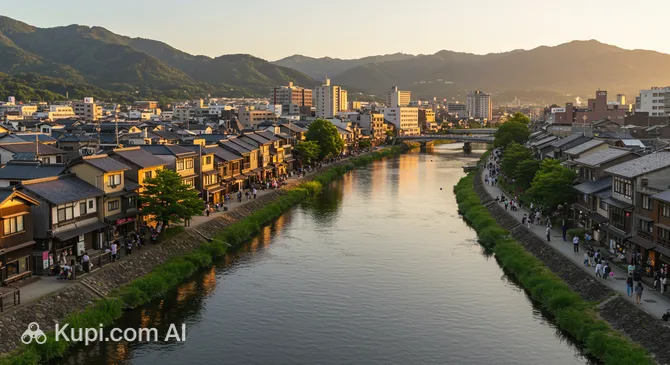
Kanuma. Illustration.
Source: Kupi.com AI

With a population of about 95,000, Kanuma retains the atmosphere of a small but very welcoming city. A slow pace of life can be felt here, and the streets are filled with comfort, traditional architecture, and the aromas of local cuisine. The city is particularly famous as a center for crafts and artistic woodcarving, and its colorful festivals, such as the Kanuma Buttsuke Autumn Festival, attract many guests.

The main reason to visit Kanuma is the opportunity to immerse yourself in the atmosphere of old Japan, get acquainted with unique traditions, and witness the true craftsmanship of local artisans. Travelers will enjoy the combination of cultural attractions, peaceful nature, and an authentic Japanese atmosphere. Kanuma enchants with its modest beauty and warmth, giving guests unforgettable impressions and inviting them to explore its hidden treasures.

You can find more interesting facts on the Kanuma city history page.

Weather Overview

The weather in Kanuma is characterized by noticeable seasonal changes. Summer, especially in July and August, is quite warm, with average temperatures around 23-24.5°C and maximum values reaching 26-27°C. This period also sees the highest amount of rainfall, with July being the wettest month with approximately 9 mm of precipitation and 26 rainy days. Winters, in contrast, are cold: the average temperature in January is about 0.5°C, with night frosts down to -3.2°C. Winter months like January and February are the driest, with precipitation of only about 2 mm.

Spring and autumn are transitional seasons with moderate temperatures. In April, the average temperature is about 10.5°C, and in October, it's about 14.3°C. The amount of precipitation and rainy days is also moderate during these periods. In general, expect a warm, humid summer and a cold, relatively dry winter. To get more detailed information, you can explore the Kanuma climate.

Average monthly temperature

Average monthly precipitation

Interesting Facts

Beyond its picturesque landscapes and hospitable atmosphere, Kanuma holds many fascinating secrets and lesser-known details that make getting to know this Japanese city even more interesting. Here are just a few of them that can surprise even a seasoned traveler:

  • In the past, Kanuma played an important role as a station town on the famous route connecting Edo (modern-day Tokyo) and Nikko. It was here that pilgrims and merchants heading to the majestic Nikko Toshogu Shrine would stay. Thanks to this status, crafts actively developed and trade flourished in Kanuma.

  • The city is famous for its Kanuma Autumn Festival, which takes place on the second Saturday and Sunday of October. The main highlight of the celebration is the parade of luxury festive floats decorated with handmade carvings. These floats are true works of art created by masters whose skills have been passed down for generations. The creations of sculptor Hidari Jingoro XII are particularly noted, as his work adorns not only the festival floats but also the famous Yomeimon Gate in Nikko.

  • The traditions of woodworking are carefully preserved in Kanuma. The skills of local carpenters were valued so highly that they were the ones who participated in the construction and decoration of the Nikko Toshogu Shrine, one of the most revered in Japan. This emphasizes the city's deep historical ties to art and crafts.

  • Local legends tell of mysterious forest spirits and ancient masters whose hands were said to be guided by the gods themselves. To this day, in Kanuma, you can meet descendants of famous carvers who continue the family business, participating in the creation of new works of art for city festivals and preserving a unique heritage.

How to Get There

There are various ways to reach the city of Kanuma, nestled in Tochigi Prefecture. For tourists arriving from afar, the most common option is a flight to one of the international airports serving the Kanto region, followed by a ground transfer to Kanuma.

Although Kanuma itself does not have its own airport, the closest one is Ibaraki Airport (IBR), located in the city of Ibaraki, about 73.8 km away. This is a small regional airport. A trip from here to Kanuma by taxi or car will take about 2 hours and 10 minutes. This option can be convenient if you find a suitable flight specifically to Ibaraki.

For most international travelers, the main air gateways to the region are the two largest airports located in Tokyo. Narita International Airport (NRT) is located about 106.1 km from Kanuma. This is one of Japan's main international hubs, receiving flights from all over the world. The journey from Narita to Kanuma by car or using a combination of train and local transport will take approximately 3 hours. Another major capital airport is Haneda (HND), also known as Tokyo International Airport. It is located slightly further away, about 112.6 km from Kanuma, and the travel time will be about 3 hours and 10 minutes. Both Tokyo airports offer advanced infrastructure and many options for further travel to Kanuma, including high-speed trains (Shinkansen) to the nearest major stations, followed by local trains or buses.

For clarity, here is a summary of information on the main airports through which you can reach Kanuma:

AirportPassenger trafficDistance
Ibaraki Airport776 06374 km
Fukushima Airport250 00095 km
Narita International Airport40.8 mln106 km
Haneda Airport85.7 mln113 km
Niigata Airport1.1 mln164 km

Main Attractions

Kanuma, nestled in Tochigi Prefecture, offers travelers a unique blend of natural beauty, rich history, and traditional crafts. Known for its festivals and woodwork, this city hides many interesting places worth visiting.

One of the main gems of Kanuma is the Furumine Shrine. Located in the mountains, it is famous for its impressive collection of Tengu masks—mythical creatures from Japanese folklore. In addition to its spiritual atmosphere, the shrine attracts visitors with picturesque landscapes, which are especially beautiful in autumn when the maples turn vibrant colors. This place is perfect for those seeking tranquility and wanting to touch ancient traditions.

Another iconic site is the Imamiya Shrine. It plays a central role in the cultural life of the city, as it is here that the famous Kanuma Buttsuke Autumn Festival is held. This vibrant celebration, inscribed on the UNESCO Intangible Cultural Heritage list, includes a parade of magnificently decorated wooden floats, demonstrating the high art of local master carvers. A visit to the shrine, especially during the festival, will leave an unforgettable impression.

Nature and gardening enthusiasts should definitely stop by the Kanuma City Kaboku Center. Its vast territory features a huge variety of plants, flowers, and trees. The center is particularly famous for its collection of Satsuki azaleas, which bloom profusely in late spring and early summer. It is a wonderful place for leisurely walks and admiring Japanese landscape art.

To gain a deeper understanding of the region's history and culture, visit the Yokoyama Kyodokan Local History Museum. The museum's exhibits tell the story of Kanuma's rich heritage, with a special focus on traditional crafts, specifically the famous "Kanuma Kumiko" wood carving. Here, you can see exquisite works by local masters and learn more about techniques passed down from generation to generation.

Local Cuisine

The gastronomic scene of Kanuma is a true immersion into the authentic tastes of Japan, where special attention is paid to the freshness of local products and centuries-old culinary traditions. Travelers will find dishes here that reflect the richness of nature in the Tochigi region.

The main pride of Kanuma is undoubtedly soba—buckwheat noodles. It is believed that the crystal-clear water from the surrounding mountains gives it a unique taste. Local restaurants carefully preserve ancient soba recipes, serving it with aromatic broth and fresh seasonal vegetables. Trying real Kanuma soba is a must for any foodie.

Another iconic dish of the region is yuba, delicate thin layers that form on the surface of soy milk. Yuba is usually served with soy sauce and wasabi, and this simple yet refined treat perfectly demonstrates Japanese culinary art. Also popular in Kanuma are dishes made from local tofu and various vegetables grown in the fertile lands of the prefecture.

To feel the true spirit of the city, stop by Kanuma's farmers' markets. Here, you can not only buy the freshest vegetables and local rice but also try homemade pickles. Traditional Japanese rice flour sweets and cakes, which pair perfectly with a cup of aromatic green tea, deserve special attention. This is a great opportunity to taste local delicacies and observe the daily life of the townspeople.

If your trip coincides with October, you can dive into the atmosphere of the autumn festival, when the city streets are filled with the aromas of street food. During this time, you can enjoy grilled yakitori skewers, sweet potato balls, and seasonal chestnut treats for which the region is famous. Although specific local alcoholic drinks are not mentioned in the provided information, traditional dishes are perfectly complemented by classic Japanese sake or shochu.

A culinary journey through Kanuma promises many discoveries: from exquisite dishes in restaurants to the lively atmosphere of markets and festivals. This is a city where every meal becomes an opportunity to touch the rich culture and traditions of Japan.

Travel Tips

Planning a trip to the charming city of Kanuma, located in Tochigi Prefecture? These practical tips will help you better prepare for your journey and get the most out of getting to know this cozy corner of Japan.

  1. Seasonal Clothing and Useful Items: The climate in Kanuma is temperate, with four distinct seasons. In summer (June-August), it is hot and humid, so choose light, breathable clothing; don't forget a raincoat, especially if the trip falls at the beginning of summer (the tsuyu rainy season). In spring (March-May) and autumn (September-November), the weather is pleasant, so layered clothing and a light jacket are ideal. In winter (December-February), it can be cold and it sometimes snows, so warm clothes will be needed. It is extremely important to bring comfortable shoes for walking. Don't forget an adapter for electrical appliances (Japan uses type A and B sockets, 100V voltage). When visiting temples and shrines, dress modestly and be prepared to remove your shoes at the entrance.
  2. Getting Around Town: The main public transport in Kanuma will likely be local buses. JR and Tobu railway lines pass through the city. For a more detailed exploration of the surroundings of Tochigi Prefecture, you can consider renting a car (an international driving permit is required, driving is on the left). Taxis are available but can be expensive. The central part of Kanuma is quite comfortable to explore on foot or by bicycle.
  3. Finances and Payments: The official currency is the Japanese Yen (JPY). It is best to exchange currency at the airport upon arrival or at banks in large cities; there may be fewer options in Kanuma. Credit cards are accepted in many hotels, restaurants, and shops, however, cash is still very important, especially in small establishments, at markets, and when paying entrance fees to some temples. ATMs that accept international cards can most often be found in 7-Eleven stores and at the post office (Japan Post Bank). Tipping is not customary in Japan – good service is considered the norm.
  4. Health and Safety: Japan is one of the safest countries in the world, and Kanuma is no exception. Observe standard precautions. Pharmacies (look for the 薬 - "kusuri" sign) exist, but there may not be any 24-hour ones in a small city. It is recommended to have travel medical insurance. In case of emergencies, call: police – 110, ambulance/fire service – 119.
  5. Language and Connectivity: The official language is Japanese. English may be understood in tourist areas and hotels, but in general, its prevalence in small cities like Kanuma is lower than in metropolises. Learn a few basic phrases: "konnichiwa" (hello), "arigato" (thank you), "sumimasen" (excuse me/sorry). For connectivity, it's convenient to purchase a tourist SIM card or rent a pocket Wi-Fi router at the airport. Free Wi-Fi is available in some hotels and public places.
  6. Local Etiquette: Japanese people are very polite. Greetings are usually accompanied by a bow; for a foreigner, a slight nod is often sufficient. In public places, especially on transport, try not to make noise. Remove your shoes when entering a Japanese home, some temples, and traditional restaurants. When using chopsticks, do not stick them vertically into rice and do not pass food from chopsticks to chopsticks.
  7. What to Avoid: Try not to blow your nose loudly in public – it is considered impolite. It is also not customary to eat or drink on the go in the street, unless it's in specially designated areas (e.g., food festivals). Do not point at people with your finger; it's better to use an open palm.
  8. Kanuma Specialty: The city of Kanuma is famous for its traditional crafts, in particular, complex wood carving using the "Kumiko" technique. If you visit the city in late May or early June, try not to miss the Satsuki Festival – it is a magnificent sight of blooming azaleas, which the region is also famous for. This is a great opportunity to see the local culture in all its glory.

We hope these tips make your trip to Kanuma even more pleasant and rewarding. Enjoy the hospitality of Japan and the unique atmosphere of this city!

Entertainment & Nightlife

Evening and nightlife in Kanuma offer travelers the chance to immerse themselves in an authentic atmosphere of Japanese leisure, which differs from the hustle and bustle of megacities. Here, you won't find massive nightclubs or noisy entertainment districts, but you can enjoy a more relaxed and soulful experience in local establishments, feeling the true spirit of Japan.

The main evening activity points in Kanuma are usually concentrated around the JR Kanuma railway station and on the adjacent central streets. This is where you can find most bars and restaurants that stay open late. The atmosphere in such places is generally very friendly and welcoming, and the crowd is predominantly local, which adds flavor to your evening.

The stars of Kanuma's nightlife are traditional Japanese pubs – izakaya. These are ideal places to try various local snacks, sake, or Japanese beer in a relaxed setting. For example, you can visit Furusato izakaya, known for its authentic cuisine and hospitality. Also, karaoke is incredibly popular in Japan, and Kanuma is no exception – you will surely find several karaoke bars here, such as Kanuma Karaoke Box, where you can have a great time with friends. For those who prefer a more classic format, you might encounter small bars with a selection of cocktails and other drinks, like Sakura Bar, where you can unwind after a busy day.

Most establishments are welcoming to tourists. The dress code is usually casual, unless it's a particularly fine dining restaurant. Izakayas and bars mostly open in the early evening and work until midnight or one or two in the morning, especially on weekends. Karaoke bars may stay open even longer, providing the opportunity to sing until dawn.

In terms of practical tips, the best time to explore Kanuma's nightlife is on Friday and Saturday evenings, when locals also go out to relax. Prices in Kanuma establishments are generally more moderate compared to Japan's major cities. When planning late-night entertainment, keep in mind that public transport may stop running relatively early. Taxis are a reliable way to get back to your hotel at night; they can be found at stands near the station or requested by the establishment.

Kanuma, like most cities in Japan, is a very safe place for night walks. Nevertheless, it's always worth taking basic precautions, especially if you are alone. Stick to well-lit streets and keep an eye on your belongings.

During the day, Kanuma also offers interesting leisure options. You can explore local temples and shrines, stroll through city parks, or visit small museums and craft shops that introduce the culture of Tochigi Prefecture. This will allow you to form a more complete impression of the city and its traditions, complementing evening entertainment with daytime discoveries.

Parks & Museums

The city of Kanuma, located in Tochigi Prefecture, offers its guests both charming green spots for outdoor relaxation and interesting cultural sites that allow for a deeper acquaintance with local history and art.

Among the park areas of Kanuma, Senjosan Park (Senjōsan Kōen) particularly stands out. This is a popular spot for families thanks to its picturesque views, especially in spring during the cherry blossom season, as well as a small amusement park with a mini Ferris wheel that children will certainly enjoy. Here you can enjoy a quiet walk and panoramic views of the surroundings.

Another notable place is the Kanuma City Kaboku Center (Flower and Tree Center). While it is not a park in the traditional sense, it consists of an extensive area with beautiful gardens, greenhouses, and seasonal flower exhibitions. It's a great place for botany lovers and those who want to enjoy the beauty of Japanese garden art and purchase local plants.

For art connoisseurs, the Kanuma Municipal Art Museum of Kawakami Sumio is a must-visit. The museum is dedicated to the work of this famous woodblock print master, whose works feature a unique style and often depict scenes from Nagasaki life and exotic motifs. The exhibition provides an opportunity to get acquainted with an important part of Japanese artistic heritage.

To learn more about the traditional crafts of the region, it's worth visiting the Kanuma Traditional Crafts Museum (Ki no Machi Kanuma Dentō Kōgeikan). The city of Kanuma has long been famous for its woodworkers, and this museum showcases the best examples of local woodworking art, from furniture to decorative items. This is a wonderful opportunity to appreciate the craftsmanship and rich traditions of the region.

In addition to formal museums and parks, the city of Kanuma itself retains the atmosphere of the past in some areas. Walking through its streets, you can encounter ancient houses and shops. A special experience would be a visit to local workshops, where you can not only see the process of creating wooden products but also purchase unique souvenirs. Also, keep an eye on the city events calendar—many festivals and fairs take place in the parks or are dedicated to local crafts, offering authentic experiences.

Getting Around

Public transport in Kanuma is mainly represented by buses and railway connections. To get around the city itself and its surroundings, it's most convenient to use local bus routes. Railway lines, such as JR or private lines (for example, Tobu, if it serves the city), connect Kanuma with other cities in the region and larger transport hubs, which is convenient for intercity travel.

The fare payment system in Japan, and in Kanuma in particular, is quite standardized. The primary method of payment is contactless IC cards, such as Suica or Pasmo, which are valid on most types of transport throughout the country, including buses and trains in the Kanto region where Kanuma is located. These cards can be topped up at stations or in some convenience stores. It is also possible to pay with cash directly on the bus (prepare small change, as change may not be given or may be given with restrictions) or to buy one-off train tickets from machines at stations. Fares usually depend on the distance traveled.

Tourists are recommended to purchase an IC card upon arrival in Japan at major airports or railway stations – this will significantly simplify movement. When boarding a bus (often through the back or middle door), you need to tap your IC card on the reader or take a paper ticket if paying with cash. When exiting (through the front door, next to the driver), tap your card again or pay the fare according to the number on your ticket and the information on the display. Trains have ticket gates at the entrance and exit of stations where IC cards or paper tickets are also used. Public transport usually operates from early morning to late evening, but the frequency of trips may decrease in the evening hours and on weekends, especially on less popular routes.

As an alternative to public transport, taxis are always available in Kanuma. They can be found at stands near stations or called by phone. Taxis in Japan are known for their high level of service but are a more expensive option. For exploring the city over short distances or walking through picturesque spots, you could consider renting a bicycle if such a service is available at local rental points or hotels. Car sharing is less common for short-term use by tourists compared to large metropolises.

Accommodation

When planning a trip to Kanuma, you will find a variety of accommodation options to suit different preferences and budgets. The city offers a choice from traditional Japanese inns (ryokans), where you can immerse yourself in the local culture, to more familiar European-style hotels. Guesthouses and potentially apartment rentals through online platforms are also available, which can be convenient for long stays or families traveling together.

When choosing a place to stay in Kanuma, you should pay attention to areas located near major transport hubs, such as the railway station, which will provide easy access to attractions both in the city itself and in its surroundings. Areas with good transport accessibility also often offer more options for cafes and restaurants. While it's difficult to highlight specific popular tourist zones for accommodation without detailed information on the location of attractions, focus on convenience of movement and proximity to the sites that interest you.

Regarding the price range, in Kanuma, as in most Japanese cities, you can find both budget options and medium to high-class accommodation. Popular international online platforms are most convenient for searching and booking accommodation. It is recommended to book your stay in advance, especially if your trip coincides with the peak tourist season or the time of major local festivals, to ensure the best choice and prices.

Nearby Cities

For those who want to explore the surrounding area, Kanuma serves as an excellent starting point for day trips to several interesting nearby locations:

CityPopulationDistance
Utsunomiya518 19712 km
Mibu39 15116 km
Nikko77 02717 km
Kaminokawa30 88620 km
Tochigi153 50821 km

Just 12 kilometers from Kanuma is Utsunomiya, the lively capital of Tochigi Prefecture. This city is known throughout Japan as the "gyoza capital"—be sure to try the famous fried dumplings in one of the many specialized restaurants. In addition to gastronomic delights, Utsunomiya offers a visit to the impressive Oya History Museum, located in a huge former underground quarry, or a stroll through the picturesque Hachimanyama Park.

Another attractive option for a day trip is the city of Tochigi, which is often called "Little Edo" for its beautifully preserved historical center. Traditional merchant storehouses (kura) line the Uzuma River, creating a unique atmosphere of old Japan. Here you can enjoy a leisurely walk, take a boat ride on the river, or visit one of the local museums to dive deeper into the history and culture of the region.

If you are interested in a combination of history and nature, then Ashikaga, located about 37 kilometers away, is an excellent choice. The city is famous for Ashikaga Flower Park, especially its stunning wisterias that attract visitors from all over the world in the spring. Also in Ashikaga is the Ashikaga Gakko, Japan's oldest academic school, which is recognized as a national historic site.

These nearby destinations provide insight into the diverse culture and landscapes of the region.

Shopping & Souvenirs

Shopping in Kanuma offers tourists the opportunity to get acquainted with local goods and traditional crafts that differ from the assortment found in Japan's major metropolises. The city is not famous for huge shopping malls, but here you can find unique products and feel the authentic atmosphere of the Japanese province. Particular attention should be paid to shops offering items by local craftsmen and agricultural products from Tochigi Prefecture.

The main retail outlets in Kanuma are likely to be concentrated around the railway station and on the city's central streets. Here you can find small shops offering everyday goods, clothing, as well as traditional Japanese sweets and snacks. It's possible the city has preserved small shopping arcades (shotengai), home to family-run stalls with long histories offering unique goods and food products.

Large multi-story shopping centers characteristic of big cities may not exist in Kanuma. However, it is quite likely that there are small department stores or shopping complexes of local significance where you can find various goods – from clothing and cosmetics to household items. Such places are usually oriented toward the needs of local residents, but they can also be interesting for tourists.

As for markets, in Kanuma it's worth looking out for the chance to visit local morning markets (asaichi), if they are being held. Farmers often sell fresh vegetables, fruits, pickles, and other local delicacies there. This is an excellent opportunity to try seasonal products and dive into the daily life of the city. Specialized flea or large souvenir markets may not be present, but individual souvenir stalls will certainly be encountered.

From Kanuma, it's worth bringing home unique souvenirs reflecting local traditions. The city and Tochigi Prefecture are known for their crafts. Pay attention to:

  • Kanuma Kumiko (鹿沼組子): Exquisite wooden products made using a complex lattice inlay technique without the use of nails. These can be decorative panels, lamps, coasters, and other interior items.
  • Kanuma Hoki (鹿沼箒): Traditional brooms made from sorghum, known for their quality and durability. Such a broom can be both a practical and authentic souvenir.
  • Hemp Products (麻製品): Tochigi Prefecture is one of the centers for growing industrial hemp in Japan, and you can find high-quality textiles made from it here – clothing, bags, and accessories.
  • Local sweets and products: For example, products using the famous Tochigi strawberries (Tochiotome), or other regional delicacies.

Most shops in Kanuma, as in Japan as a whole, are typically open from 10:00 or 11:00 AM to 7:00 or 8:00 PM. Small family shops may have their own individual working hours and days off (often Wednesday or Thursday). Large stores and department stores may operate without days off. Regarding payment, credit cards are accepted in many places, especially in larger stores. However, in small shops and at markets, it's preferable to have cash (Japanese Yen) with you.

For foreign tourists in Japan, a consumption tax refund system (Tax Free) is in place. Look for shops with the corresponding "Japan Tax-free Shop" logo. Usually, to process a tax refund, you must make a purchase of a certain amount (most often over 5,000 yen excluding tax) in one shop within one day and present your passport. Check the conditions directly in the shop, as not all goods may fall under this system.

Reached the end of the page?

That means the route is fully explored