Support

Ashikaga

About

Ashikaga is a true oasis of tranquility and beauty, located in the heart of Tochigi Prefecture, just 80 kilometers from Tokyo, Japan. The city is nestled on the banks of the Watarase River, surrounded by picturesque mountains, giving it a special atmosphere of seclusion and peace. Ashikaga invites you to forget the hustle and bustle of the metropolis and immerse yourself in the harmony of nature and rich history.
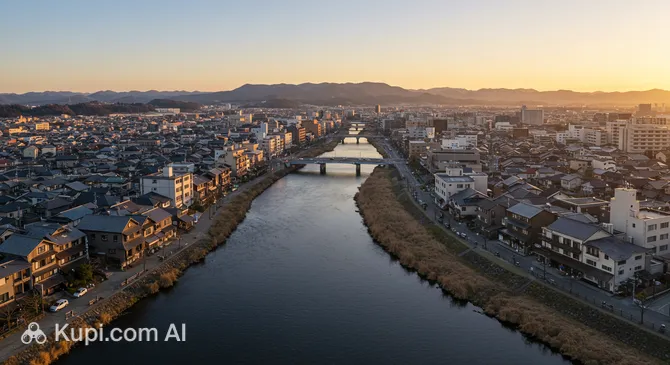
Ashikaga. Illustration.
Source: Kupi.com AI

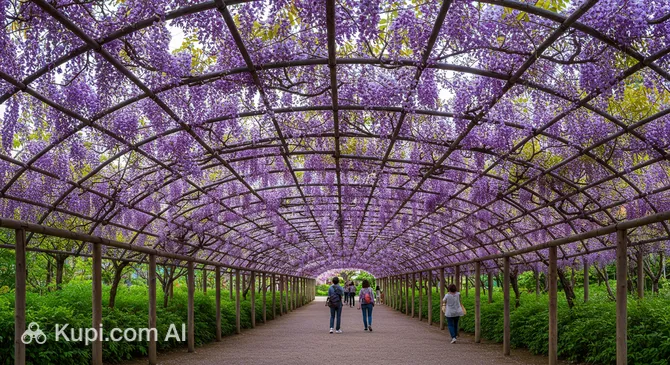
With a population of about 143,000, Ashikaga remains an intimate and friendly city where it’s easy to feel like a welcome guest. The city is known for its textile past—famous Japanese silk has been woven here for centuries. One of the main historical gems is Ashikaga Gakko, which is considered the oldest school in the country. Equally attractive to tourists is the magnificent Ashikaga Flower Park, world-renowned for its stunning wisterias that create a magical spectacle during the blooming season.

Ashikaga exudes a wonderful atmosphere where leisurely provincial life harmoniously combines with cultural monuments and picturesque natural landscapes. Walks along cozy streets with craft shops and a taste of local cuisine will complete your experience of visiting this charming city. Ashikaga is a place where past and present meet at every turn, offering travelers a unique experience and unforgettable memories.

You can find more interesting facts on the history of Ashikaga page.
Weather Overview

The weather in Ashikaga is characterized by distinct seasons. Summer, especially in July and August, is warm here, with average temperatures reaching 25.9°C and maximums up to 29.2°C. This period also sees the most rainfall, for example, up to 8 mm in July and about 24 rainy days. Winters, by contrast, are quite cold and dry: in January, the average temperature is about 2.6°C, with minimums dropping to -1.3°C, and precipitation is minimal (about 1 mm). Spring and autumn are transitional seasons with moderate temperatures and changeable weather.

In general, expect warm summers with occasional rain and cold, relatively dry winters. For more detailed information, see the full forecast: Ashikaga Climate.

Average monthly temperature

Average monthly precipitation

Interesting Facts

Beyond its famous landmarks, Ashikaga hides many surprising stories and curious details that make this city truly special. Here are just a few of them:

Banna-ji Temple. Illustration.
Source: Kupi.com AI

Traveler photos:

  • Ashikaga is not just a city, but the historical ancestral home of the powerful Ashikaga clan, which ruled Japan during the Muromachi shogunate (1336–1573). Their legacy is still felt in the city today, especially in places like Banna-ji Temple, which is closely linked to the history of this influential lineage.

  • The city is home to Ashikaga Gakko—the oldest active academic school in Japan, whose origins date back to the 9th or 10th century. It was famous for its extensive library of rare manuscripts and attracted students not only from all over the country but also from abroad. According to legend, even the famous warlord Oda Nobunaga dreamed of studying within its walls.

  • Ashikaga Flower Park, one of the world's most famous spots for viewing wisteria, is home to a unique wisteria tree over 100 years old. During the blooming period, usually from mid-April to mid-May, the park transforms into a truly magical realm, bathed in cascades of purple, pink, and white flowers, attracting tens of thousands of tourists annually.

  • Ashikaga actively develops international ties and is a sister city to Kamakura in Japan and Springfield, Illinois, in the USA. This underscores the city's openness to the world and its commitment to cultural exchange.

How to Get There

Reaching the city of Ashikaga can be done in several ways; however, there are no direct flights to the city itself, as Ashikaga does not have its own airport. Tourists typically need to use the services of the nearest major air hubs in Japan and then continue their journey by land transport.

One of the primary options is to fly into Haneda Airport (HND), located in Tokyo. It is one of the busiest international airports in the world, situated approximately 92 km from Ashikaga. A trip from here to the center of Ashikaga by taxi or a combination of train and taxi will take roughly 2.5 to 3 hours.

Another major international hub is Narita International Airport (NRT), also located in Tokyo and serving the capital region. The distance from Narita to Ashikaga is about 106 km. Travel time by car or public transport is comparable to the trip from Haneda and usually takes around 3 hours.

A closer option is Ibaraki Airport (IBR), located in Ibaraki, approximately 89 km from Ashikaga. This is a regional airport, and from here, Ashikaga can be reached by car or bus in about 2 to 2.5 hours.

After arriving at one of these airports, the onward journey to Ashikaga usually involves transferring to trains or buses. Japan is famous for its efficient public transport system, so getting to Ashikaga from major transport hubs like Tokyo is straightforward. Renting a car is also an option for greater flexibility when traveling around Tochigi Prefecture and its surroundings.

For convenience, here is a summary of the main airports used to reach Ashikaga:

AirportPassenger trafficDistance
Ibaraki Airport776 06389 km
Haneda Airport85.7 mln92 km
Narita International Airport40.8 mln106 km
Fukushima Airport250 000132 km
Matsumoto Airport112 618139 km

Main Attractions

The city of Ashikaga is rich in interesting places where history harmoniously blends with natural beauty. Among the many attractions, several stand out and are definitely worth including in your itinerary.

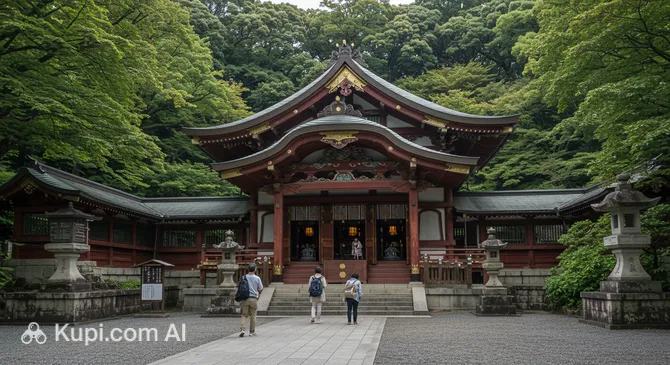
One of the main gems is Banna-ji Temple. This historical site is closely linked to the powerful Ashikaga clan, which played a significant role in Japanese history. Surrounded by a moat and walls, the temple resembles a castle, and its main building is designated as a National Treasure of Japan. Tourists are drawn not only by its magnificent architecture and rich history but also by its peaceful atmosphere, which allows visitors to step back in time and enjoy the serenity.

Banna-ji Temple. Illustration.
Source: Kupi.com AI

Traveler photos:

For lovers of picturesque landscapes and outdoor walks, Orihime Park is a must-visit. Located on a hill, it offers visitors breathtaking panoramic views of the city. The park is home to the Orihime Shrine, dedicated to the deities of weaving and marriage, making it a popular spot for couples and those seeking luck in love. The park is especially charming in spring during the cherry blossom season and in autumn when the tree foliage turns vibrant colors.

Orihime Park. Illustration.
Source: Kupi.com AI

Traveler photos:

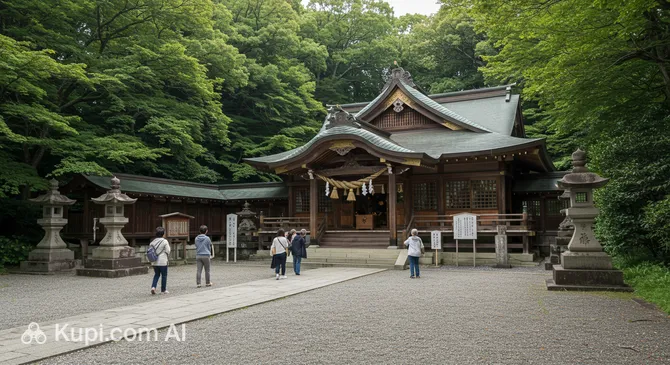
Another iconic place to experience Japan's spiritual culture is Soja Yakumo Shrine. This ancient Shinto shrine attracts visitors with its calm atmosphere and beautiful traditional architecture. Dedicated to several deities, it is an important place for locals who come here for prayers and to participate in traditional festivals. A visit to the shrine will leave a pleasant impression and provide a better understanding of local customs.

Sōja Yakumo Shrine. Illustration.
Source: Kupi.com AI

Traveler photos:

Also worth noting is the Watarasebashi Monument. This monument is dedicated to the famous Watarase Bridge, which is not just an engineering structure but a true symbol of Ashikaga, celebrated even in a popular song. The bridge spans the river of the same name and is a favorite spot for walks and photo sessions, which are particularly picturesque at sunset. The monument serves as a reminder of the cultural and historical significance of this location for the city.

Local Cuisine

The gastronomic scene in Ashikaga pleasantly surprises with its combination of traditional flavors and local specialties. Located in the fertile Tochigi Prefecture, the city is famous for dishes made from the freshest seasonal vegetables and fruits. Every season brings its own gifts to the table: from tender spring greens to fragrant autumn chestnuts, making the culinary experience in Ashikaga truly unforgettable.

Among the dishes you should definitely try in Ashikaga is the street food. You can enjoy mouth-watering yakisoba (fried noodles with vegetables and meat) or hot takoyaki (batter balls with octopus filling), prepared right before your eyes. Don't forget to sample traditional Japanese sweets made from rice and sweet bean paste—they make a perfect end to a meal.

Local winemaking deserves special attention. Ashikaga is known for its vineyards, and the products of local wineries enjoy well-deserved popularity. A tasting of wines made from Japanese grape varieties can be a highlight of your gastronomic experience. For non-alcoholic options, various types of traditional Japanese tea are always available, perfectly complementing any meal.

Menya Tsururu. Illustration.
Source: Kupi.com AI

Traveler photos:

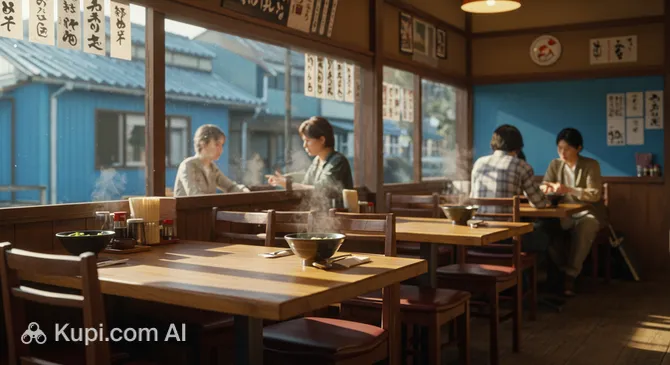
The food culture in Ashikaga is diverse. Locals and tourists often choose small street stalls and lively markets where you can not only grab a snack but also purchase fresh farm products and unique local delicacies. For a more thorough introduction to local cuisine, you can visit one of the city's restaurants, such as Menya Tsururu, which serves traditional dishes. The city is also known for its gastronomic festivals, including harvest celebrations and street food festivals, which offer a deeper immersion into the region's culinary traditions.

Travel Tips

Welcome to Ashikaga! To ensure your journey to this charming city in Tochigi Prefecture is as comfortable and pleasant as possible, we have prepared some practical tips. They will help you better navigate and enjoy all the beauties and features of Ashikaga.

  1. Clothing and seasonal items: Japan, and Ashikaga in particular, is characterized by four distinct seasons. In summer (June–August), it can be hot and humid, so choose light, breathable clothing. Winters (December–February) can be chilly, so warm clothes, including a jacket, hat, and gloves, will be useful. Spring (March–May) and autumn (September–November) offer comfortable weather, but the principle of layering is always relevant. Be sure to bring comfortable shoes, as you will be doing a lot of walking, especially if you plan to visit the famous Ashikaga Flower Park or local temples. Don't forget a universal adapter for electrical appliances (Japan uses Type A and B sockets, with a voltage of 100V). When visiting religious sites, while a strict dress code is rare, clothing that covers the shoulders and knees is recommended as a sign of respect.

  2. Transport nuances: It is convenient to get around Ashikaga and its surroundings using public transport. The city has railway stations such as JR Ashikaga and Tobu Ashikagashi, providing connections to other regions. Local bus routes are also available. Taxis can be found, but they are a relatively expensive mode of transport. Taxi-hailing apps like JapanTaxi may work, but it's best to check their availability on the spot. Renting a car can be justified if you plan to actively explore Tochigi Prefecture, but it is not necessary for getting around the city itself. Remember that an international driving permit is required to rent a car, and traffic in Japan is on the left.

  3. Financial matters: The official currency is the Japanese Yen (JPY). We recommend always having some cash on hand, as not all small shops, cafes, and temples accept bank cards. You can exchange currency at airports, major banks, and some post offices (Japan Post). Credit and debit cards (Visa, Mastercard) are widely accepted in hotels, department stores, and most restaurants. ATMs that accept international cards can usually be found at 7-Eleven (Seven Bank), post offices (Japan Post Bank), and Aeon Bank. It's important to remember that tipping is not practiced in Japan and may be taken as a misunderstanding. An approximate daily budget per person (excluding accommodation and major purchases) can range from 7,000 to 15,000 yen.

  4. Health and safety: Ashikaga, like Japan in general, is a very safe place for tourists. The crime rate is low. Nevertheless, standard precautions, such as keeping an eye on personal belongings in crowded places, are always a good idea. Pharmacies (look for the "薬" - kusuri sign) are available in the city, but not all are open 24 hours, and pharmacists may not always speak English. It is recommended to carry a small first-aid kit with essential medicines. Be sure to take out travel medical insurance before your trip. In case of a medical emergency, call 119 (ambulance and fire service) or 110 (police).

  5. Communication and connectivity: The official language is Japanese. In tourist areas, hotels, and at major stations, staff may speak English, but overall, the level of English proficiency among the population is not high. Learn a few basic Japanese phrases: "Konnichiwa" (Hello), "Arigato" (Thank you), "Sumimasen" (Excuse me/I'm sorry). This will be highly appreciated by locals. For constant internet access, consider buying a local SIM card or renting a pocket Wi-Fi router—this is a very popular solution among tourists. Free Wi-Fi is available in many hotels, cafes, and some public places. Useful apps include Google Maps for navigation and HyperDia (or Jorudan) for planning train trips.

  6. Local etiquette: Japanese people highly value politeness and following codes of conduct. A greeting is usually accompanied by a bow; a slight nod is sufficient for a foreigner. In public places, especially on transport, try to speak quietly and not disturb those around you. Remove your shoes before entering homes, some temples, and traditional restaurants (usually there is a designated place for shoes). When using chopsticks (hashi), do not stick them vertically into rice and do not pass food to another person with your chopsticks—this is considered bad manners.

  7. What to avoid: Try not to litter on the streets. Japan takes waste sorting very seriously, so use the designated bins. Avoid loud conversations and boisterous behavior in public places, especially in temples and on transport. It is also not customary to eat or drink while walking (except in designated areas, such as at festivals).

  8. Special tip for Ashikaga: If your trip falls in spring (usually from late April to early May), don't miss the chance to visit Ashikaga Flower Park. It is world-famous for its stunning wisteria tunnels and other floral displays. It truly is an unforgettable sight! Also, Ashikaga and Tochigi Prefecture are famous for their soba noodles—be sure to try this local dish.

We hope these tips help you better prepare for your trip and get the most out of your stay in Ashikaga. We wish you an unforgettable experience in this amazing corner of Japan!

Entertainment & Nightlife

Evening Ashikaga offers quiet and cozy options for relaxation after a busy day. While the city is not famous for boisterous nightclubs like Japan's major metropolises, you can find pleasant spots to spend the evening, enjoy delicious food, and soak in the local atmosphere.

Most of the evening life in Ashikaga centers around restaurants and traditional Japanese pubs—izakayas. Many establishments are located near the train station or along the central streets. Here you can immerse yourself in an authentic setting and try local dishes and drinks. The atmosphere in such places is usually relaxed and welcoming, suitable for both dinner with friends and a quiet evening for two. Most establishments are open until late evening, though not necessarily deep into the night, so it's best to check opening hours in advance. There is usually no specific dress code; neat casual style is encouraged.

Among the popular dinner spots are restaurants offering both Japanese and international cuisine. For example, you can visit Menya Tsururu, known for its noodle dishes, or stop by Taipen Main Restaurant to enjoy a varied menu. These establishments are perfect for experiencing the local gastronomy in a pleasant setting.

Menya Tsururu. Illustration.
Source: Kupi.com AI

Traveler photos:

When planning your evening, keep in mind that public transport may stop running relatively early. However, taxis are available and are a reliable way to reach your hotel or other destinations at night. You can call a taxi via an app, ask at the hotel reception, or find them at designated taxi stands. Average prices in Ashikaga's restaurants and bars are moderate, making evening leisure affordable.

Ashikaga is generally considered a safe city, and nighttime walks through well-lit central areas usually pose no concerns. Nevertheless, it is always wise to follow standard safety precautions, especially when in an unfamiliar place.

During the day, Ashikaga also offers plenty of interesting activities. You can visit the famous Banna-ji Temple, stroll through the picturesque Orihime Park, or explore other cultural and historical landmarks. For families with children, Kids Pia Ashikaga might be of interest. Thus, your day will be filled with impressions, and the evening can be dedicated to quiet relaxation and gastronomic discoveries.

Parks & Museums

The city of Ashikaga invites travelers to enjoy a harmonious blend of picturesque green spaces and rich cultural heritage. Here you can find both tranquil parks for outdoor relaxation and significant historical sites that tell the story of this corner of Japan.

Among the green oases of Ashikaga, Orihime Park stands out. This place attracts visitors not only with its well-maintained grounds but also with the opportunity to enjoy beautiful views, especially during blooming periods. The park is ideal for leisurely strolls and photo sessions, providing a break from the hustle and bustle of the city.

Orihime Park. Illustration.
Source: Kupi.com AI

Traveler photos:

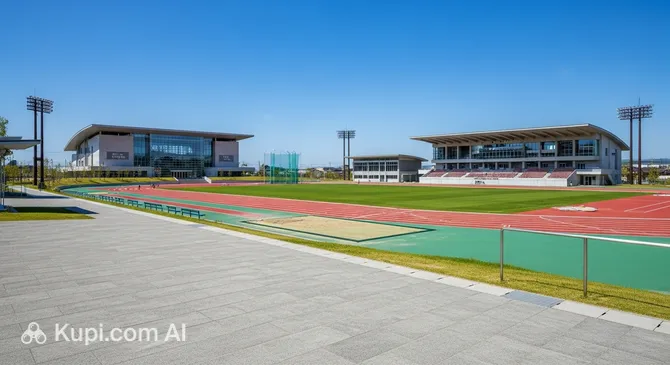
For those who prefer active recreation or a spacious spot for family picnics, Yobe Sports Park is an excellent choice. It offers various courts and areas for activities, being a popular spot among locals and visitors wishing to spend time in the fresh air.

Yobe Sports Park. Illustration.
Source: Kupi.com AI

Traveler photos:

While Ashikaga may not be famous for large museum complexes in the traditional sense, its cultural heritage is vividly represented in numerous temples and shrines. One of the key historical sites is Banna-ji Temple. This ancient temple is of great importance to the city's history and serves as an important center of spiritual life, attracting pilgrims and tourists with its architecture and atmosphere.

Banna-ji Temple. Illustration.
Source: Kupi.com AI

Traveler photos:

Besides Banna-ji Temple, it is worth visiting Soja Yakumo Shrine, another iconic religious structure that immerses you in the traditions of the region. The Watarasebashi Monument is also of interest, serving as an important landmark and a reminder of local history. These sites allow for a deeper understanding of the culture and spirit of Ashikaga.

For travelers with children, Kids Pia Ashikaga can be an interesting place, offering entertainment for young visitors. And to get a truly authentic experience, don't limit yourself to just the famous sights—walk through the quiet streets of the city, and peek into small local shops and cafes to feel the true atmosphere of Ashikaga.

Getting Around

Getting around Ashikaga is quite convenient thanks to a combination of rail services and bus routes. The backbone of the transport system consists of trains that connect different parts of the city and provide links to neighboring towns. Buses complement the rail network, taking passengers to areas not reached by trains.

The city's main railway arteries are the lines of the JR East company (e.g., the Ryōmō Line) and Tobu Railway (Isesaki Line). These trains are the primary way for both locals and tourists to get around. For example, to reach the famous Ashikaga Flower Park, you can take a JR train to the specifically created Ashikaga Flower Park Station. The bus network in Ashikaga serves local routes, connecting residential neighborhoods, public institutions, and tourist sites not covered by rail services.

The fare payment system in Ashikaga, as in many Japanese cities, is quite convenient. For train and bus travel, you can use rechargeable smart cards such as Suica or Pasmo. These cards significantly simplify the payment process: just tap the card against the reader at the turnstile or on the bus. Of course, there is always the option to purchase single tickets for trains at station vending machines or pay the fare in cash on the bus (it's advisable to have small change, as the driver may not have change for large bills). The fare depends on the distance for trains and can be fixed or zone-based for buses.

Train tickets are purchased at railway stations from special machines or ticket offices. When using an IC card, it must be tapped against the validator at the station entrance and exit. In buses, payment is made upon entering or exiting (depending on the type of bus), either in cash to the driver or by tapping an IC card against the validator. Public transport usually starts operating in the early morning (around 5-6 AM) and ends in the late evening (around 11:00 PM–12:00 AM), but schedules can vary depending on the route and day of the week, so it is always recommended to check in advance, especially for late trips.

In addition to public transport, other ways of getting around are available in Ashikaga. Taxis can be found at railway stations and in busy areas of the city. This is a more expensive but comfortable option, especially if you are traveling with luggage or in a small group. For a leisurely exploration of the city and its surroundings, especially in good weather, you might consider renting a bicycle. Some hotels and tourist information centers may offer this service.

Accommodation

In Ashikaga, travelers can find a variety of accommodation options to suit different preferences and budgets. The range of available housing includes budget choices such as guesthouses and hostels, as well as mid-range hotels. For those seeking a more authentic experience, traditional Japanese inns (ryokans) can be found in the region, while apartments and rental houses are suitable for independent travelers or families.

When choosing a place to stay in Ashikaga, consider its proximity to major attractions and transport hubs. While the city is relatively compact, staying near iconic sites like Banna-ji Temple or the flower park can make your stay more convenient. Look for areas with good transport accessibility to easily move around the city and its outskirts.

While specific hotel examples are not provided in the data, Ashikaga typically offers various types of hotels. You will find small family-run hotels as well as larger establishments with a diverse range of services. It is recommended to check reviews and offers on specialized websites before booking.

A general booking tip: plan your stay in advance, especially if your trip coincides with popular tourist seasons, such as the wisteria blooming period at Ashikaga Flower Park or major local festivals. Early booking not only guarantees availability but often allows you to secure better prices.

The price range for accommodation in Ashikaga varies from budget to mid-range and above average, depending on the type of accommodation, its location, and the season. The most common booking methods are popular international online travel platforms, and in some cases, direct booking through hotel websites or by phone.

Nearby Cities

For those who want to explore the surrounding area, Ashikaga serves as an excellent starting point for day trips to several interesting nearby locations.

Among them, Kumagaya is worth highlighting, known for its lively atmosphere and picturesque parks, such as Kumagaya Sakura Tsutsumi Park, which is especially beautiful in spring during the cherry blossom season. Also interesting is the city of Tochigi, which attracts visitors with the historical atmosphere of its old town—sometimes called "Koedo" (Little Edo)—featuring traditional merchant houses (kura) and charming canals along the Uzuma River. These and other nearby cities, shown in the table below, offer a variety of opportunities for short trips and exploring the region.

CityPopulationDistance
Ora25 62310 km
Oizumi41 68111 km
Sano114 84212 km
Tatebayashi73 99113 km
Kiryu105 46513 km

These nearby destinations allow for a deeper immersion into the diverse culture and the chance to enjoy the region's scenic landscapes, perfectly complementing a visit to Ashikaga.

Shopping & Souvenirs

Ashikaga offers tourists pleasant shopping opportunities, though they are not comparable to metropolises like Tokyo. Here you can find both traditional Japanese goods and local delicacies, as well as modern items. Historically, the city is known for the production of "Ashikaga Meisen" silk fabrics, and items made from them can make a unique souvenir.

Main shopping spots are generally concentrated around the city's railway stations and on small shopping streets (shotengai). Here you will find small family-run stores, shops with local products, and souvenirs. While there are no major shopping streets in Ashikaga comparable to those in the capital, a stroll through the city center will allow you to discover interesting places for shopping.

There are few large modern shopping centers in Ashikaga, as the city is more oriented toward traditional trading formats. However, you may come across small department stores or retail spaces offering a variety of goods—from clothing to household items. There are no specialized shopping centers mentioned in tourist guides, but this is compensated for by the authenticity of the local shops.

As for markets, in Ashikaga, as in many Japanese cities, you can find small local markets selling fresh produce, seasonal vegetables and fruits, and local delicacies. There may not be specialized large tourist markets or regular flea markets here, but it is worth looking out for temporary fairs or festivals, during which trading is often organized.

For souvenirs from Ashikaga, consider products made from traditional "Ashikaga Meisen" silk. Local sweets and snacks (omiyage) are also popular and can be found in most souvenir shops. Don't forget about traditional Japanese amulets (omamori), which are sold at temples, for example, at Banna-ji Temple or Soja Yakumo Shrine. The city is also famous for Ashikaga Flower Park, so souvenirs featuring wisteria (fuji) are very popular.

Most shops in Ashikaga are open from about 10:00 or 11:00 AM to 7:00 or 8:00 PM. Small private shops may have their own schedules and closing days. Regarding payment, cash remains a widely used method, especially in small shops and markets. Credit cards are accepted in larger stores and department stores. Contactless payments and payment with IC cards (e.g., Suica, Pasmo) are also gradually gaining popularity.

For international tourists in Japan, a Tax-Free system is available for many goods when purchasing a certain amount at participating stores. Look for the corresponding "Tax Free Shop" logo. To process the tax refund, you will need to present your passport. Usually, the refund is processed directly in the store at the time of purchase or at a special service desk.

Reached the end of the page?

That means the route is fully explored