Support

Maebashi

About

Maebashi is a charming city known as the green heart of Gunma Prefecture. It is nestled at the foot of the majestic Mount Akagi, one of the region's natural symbols. The city is embraced by the wide Tone River—the largest in Japan by basin area and the second longest—giving Maebashi a special freshness and picturesque appeal. Thanks to its convenient location, it is easily accessible from Tokyo; just about an hour by train, and you will find yourself in a completely different, calm, and peaceful world.
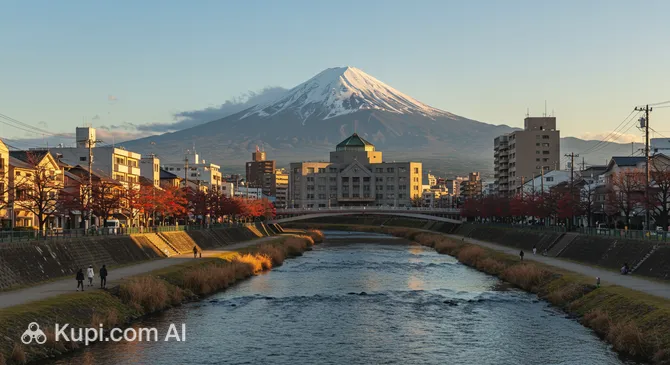
Maebashi. Illustration.
Source: Kupi.com AI

Home to approximately 330,000 people, Maebashi is the administrative and cultural center of the prefecture. It is often called the "city of water, greenery, and poets"—and for good reason! The city is filled with parks, flower gardens, and shaded alleys, while clean rivers and fresh air create a unique atmosphere for walks and relaxation.

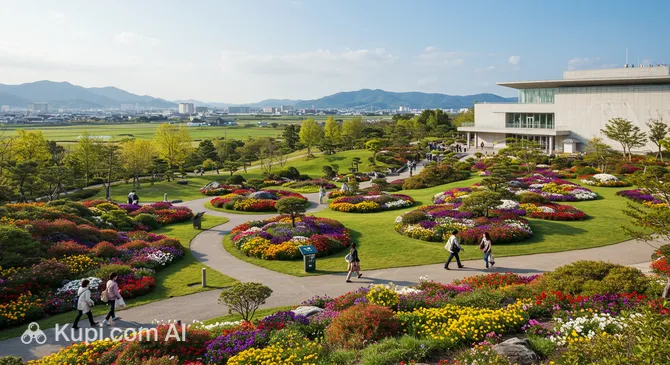
Maebashi is famous for its spacious green zones. Highlights include Shikishima Park, with its magnificent rose garden featuring about 7,000 roses, a botanical garden, and a pine forest, as well as the Gunma Flower Park, where you can admire stunning plants year-round. The city takes on a special charm in spring when thousands of cherry blossoms bloom on the slopes of Mount Akagi, forming a magical pink-and-white corridor known as Akagi Nanme Senbondzakura.

Maebashi is a wonderful place to be inspired by nature, get acquainted with local culture, enjoy leisurely strolls along the rivers, and soak in the atmosphere of Japanese comfort and hospitality. Visit Maebashi to discover its unique charm and tranquility!

You can find more interesting facts on the Maebashi city history page.
Weather Overview

The weather in Maebashi is characterized by noticeable seasonal changes. Expect warm and humid summers, especially in July and August, when average temperatures reach 23-25°C, and rainfall and rainy days are at their maximum. In contrast, winters are quite cold, with average temperatures around 1-4°C in January and February, and minimal precipitation. Spring and autumn are transitional seasons with moderate temperatures and changeable weather. The highest amount of precipitation falls from May to October, peaking in July (8 mm) and October (7 mm), with July also being the month with the highest number of rainy days (24 days). The driest months are January, February, November, and December with 2 mm of precipitation.

For a more detailed forecast and information about weather conditions in different months, you can visit the Maebashi climate page.

Average monthly temperature

Average monthly precipitation

Interesting Facts

Beyond its well-known attractions, Maebashi holds many fascinating secrets and lesser-known details that make it a truly unique city. Ready to learn a little more about it?

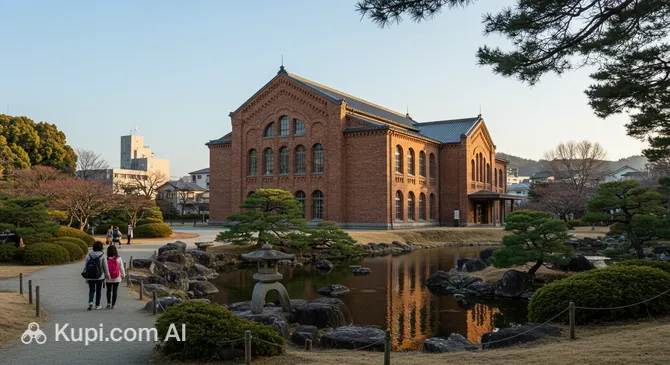
Rinkokaku. Illustration.
Source: Kupi.com AI

Traveler photos:

  • Maebashi is often called the cradle of modern Japanese poetry. It was here that prominent poets such as Sakutaro Hagiwara, as well as Naoya Shiga and Ryunosuke Akutagawa, were born or drew inspiration, leaving a profound mark on the literary heritage of Japan.

  • In the past, the city was one of the key centers for sericulture (silk production) in Japan. This rich heritage can be explored at the Silk Memorial Museum (though the museum itself is not a standalone attraction in our guide), which displays vintage tools and details the production process of the famous Japanese silk that once formed the backbone of the local economy.

  • One of the city's architectural gems is Rinkokaku. This magnificent complex was built in 1884 as a state guest house to host members of the Imperial family and is today considered one of the finest examples of Meiji-period Japanese architecture, attracting visitors with its historical atmosphere and scenic views of the Tone River.

How to Get There

There are several ways to reach Maebashi, located in Gunma Prefecture. For most international travelers, the most convenient option is to fly into one of the major international airports serving the Kanto region, followed by a ground transfer.

One of the primary options is Haneda Airport (IATA: HND) in Tokyo. It is one of the busiest airports in the world, offering many international and domestic flights. The distance from Haneda to Maebashi is approximately 113 km. A trip by car or bus can take about 3 to 3.5 hours, depending on traffic. From Haneda Airport, it is also convenient to reach Tokyo's train stations, where trains depart for Maebashi.

Another major international hub is Narita International Airport (IATA: NRT), also located in the Tokyo area, about 138 km from Maebashi. Narita serves a vast number of international destinations. The journey to Maebashi from here takes roughly 3.5 to 4 hours by car. As with Haneda, you can easily reach Tokyo's train stations from Narita for a transfer.

Additionally, other airports may be considered depending on your itinerary and flight availability. These include Matsumoto Airport (IATA: MMJ), located in Matsumoto (about 105 km from Maebashi), and Ibaraki Airport (IATA: IBR) in Ibaraki (about 124 km from Maebashi). These airports are smaller but may offer convenient regional or some international flights.

For your convenience, here is a summary of the main airports used to reach Maebashi:

AirportPassenger trafficDistance
Matsumoto Airport112 618105 km
Haneda Airport85.7 mln113 km
Ibaraki Airport776 063124 km
Narita International Airport40.8 mln138 km
Fukushima Airport250 000153 km

After arriving at one of the airports serving the capital region, the most convenient and often fastest way to reach Maebashi is by rail. Japan is famous for its excellent and punctual train network, including Shinkansen high-speed lines and extensive regional routes. Trains run regularly to Maebashi from major transport hubs like Tokyo. The travel time by train is often shorter than by car, especially considering potential road congestion. We recommend checking the current schedules and planning your route on the websites of Japanese railway operators in advance.

Main Attractions

Maebashi, snugly located in Gunma Prefecture, offers its guests a chance to explore Japan's rich culture and history. The city takes pride in several notable landmarks that are definitely worth including in your itinerary.

One of Maebashi's gems is Rinkokaku. This magnificent wooden building, constructed during the Meiji era, served as a guest house for dignitaries and a venue for public events. Today, it fascinates visitors with its exquisite traditional architecture, beautiful garden, and the atmosphere of a bygone era. A walk through its halls and grounds allows you to touch the history of the region.

Rinkokaku. Illustration.
Source: Kupi.com AI

Traveler photos:

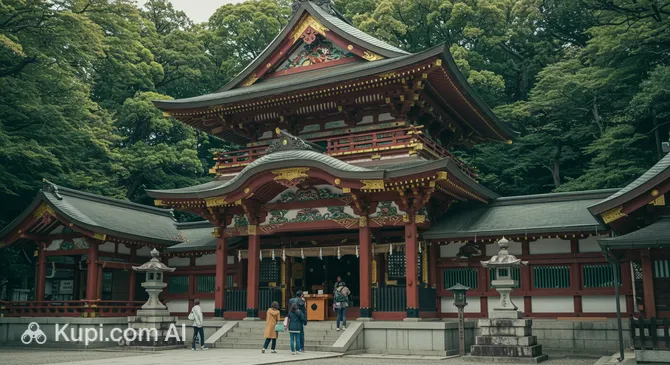
For those interested in the spiritual side of Japan, the Kozuke-no-kuni Sōja Shrine is a must-visit. This ancient shrine holds great significance for the local community, serving as a place of worship and traditional rituals. Its peaceful atmosphere and beautiful architecture, surrounded by nature, create ideal conditions for reflection and learning about Shinto traditions.

Sōja Shrine of Kōzuke Province. Illustration.
Source: Kupi.com AI

Traveler photos:

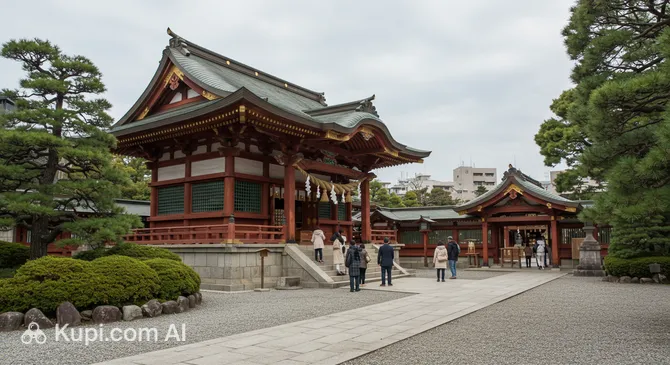
Another iconic religious site is the Maebashi Toshogu Shrine. Like other Toshogu shrines in Japan, it is dedicated to Tokugawa Ieyasu, the founder of the Tokugawa shogunate. Visitors can appreciate the elaborate carvings, vibrant colors, and serene setting characteristic of these shrines. This place is not only beautiful but also deeply historical.

Maebashi Tōshōgū Shrine. Illustration.
Source: Kupi.com AI

Traveler photos:

If you are looking for a place to relax in nature, Rakuhodo Maebashi Park is an excellent choice. This picturesque park offers wonderful opportunities for walks, picnics, and simply enjoying the silence away from the city bustle. Depending on the season, you can admire cherry blossoms or the vibrant colors of autumn leaves, making it attractive at any time of year.

Rakuhōdō Maebashi Park. Illustration.
Source: Kupi.com AI

Traveler photos:

Local Cuisine

The gastronomy of Maebashi is a true discovery for foodies, where pork dishes and fresh local vegetables take center stage. The city and the entire Gunma Prefecture are famous for culinary traditions that turn simple ingredients into exquisite delicacies, making the local cuisine highly attractive to tourists.

Among the dishes you must try in Maebashi, tonkatsu stands out—a juicy pork cutlet in crispy breading, traditionally served with shredded cabbage and rice. Another source of gastronomic pride is the unique local style of udon, thick wheat noodles served with a variety of rich broths and toppings. Also, don't miss the chance to enjoy dishes made from seasonal vegetables grown in the fertile lands at the foot of Mount Akagi—these might be light salads, aromatic soups, or hearty stews.

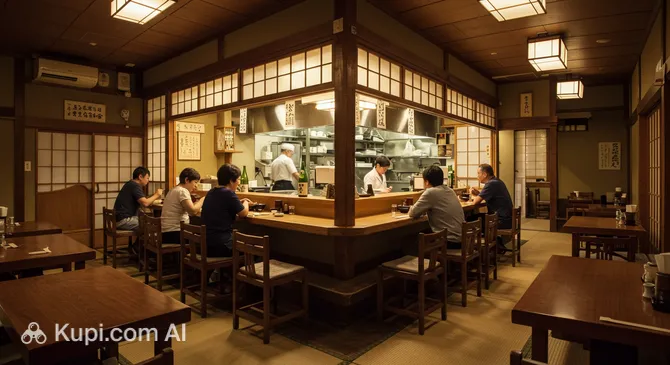
Torihei Main Restaurant. Illustration.
Source: Kupi.com AI

Traveler photos:

The food culture in Maebashi is quite diverse. Locals and visitors can enjoy meals at numerous restaurants that take pride in the quality of their ingredients and the skill of their chefs. For example, to experience authentic dishes, you can visit the Toriei Main Restaurant. For a more informal snack, street food is perfect: food trucks and stalls offer treats such as sweet rice balls or fried buns filled with meat and vegetables. City markets, especially on weekends, transform into lively gastronomic hubs where you can buy fresh fruits, vegetables, and homemade sweets.

As for drinks, in Maebashi, as throughout Japan, you will find a wide variety. Traditional sake and shochu (Japanese spirit) are popular alcoholic choices. Among non-alcoholic options, various types of aromatic green tea are noteworthy, as is the refreshing ramune lemonade, which is popular with children.

Maebashi's gastronomic scene attracts tourists with its authenticity and emphasis on fresh local products. Signature dishes like tonkatsu and special udon, along with an abundance of vegetable delicacies, make a culinary journey through the city unforgettable. Additionally, Maebashi often hosts food festivals where local chefs showcase their art and farmers offer the best seasonal products, allowing for a deeper immersion into the region's culinary traditions.

Travel Tips

Welcome to Maebashi! To ensure your journey to this charming city in Gunma Prefecture goes smoothly and leaves only pleasant impressions, we have prepared a few practical tips. They will help you better navigate and enjoy every moment of your stay.

  1. Clothing and Essentials: The climate in Maebashi is characterized by four distinct seasons: summers are hot and humid, while winters are quite cool, sometimes with snow. Layered clothing is recommended to easily adapt to the weather. Bring light, breathable fabrics in summer and warm items in winter. Don't forget comfortable walking shoes, as exploring the city on foot is a delight. For visiting temples and shrines, choose modest clothing that covers shoulders and knees; also, be prepared to remove your shoes at the entrance.

  2. Getting Around the City: The main forms of public transport in Maebashi are buses and JR trains. There is no subway in the city. For convenience in paying fares, consider purchasing an IC card such as Suica or Pasmo, which work throughout Japan. Taxis are available but can be expensive; you can use apps to call them. Renting a car can be useful if you plan to explore the outskirts of Gunma Prefecture, but keep in mind that Japan has left-hand traffic and an international driving permit may be required.

  3. Finances and Payments: The national currency is the Japanese Yen (JPY, ¥). While credit and debit cards are increasingly accepted, especially in hotels and large stores, cash is still very important, particularly in smaller establishments and temples. You can exchange currency at airports or banks. ATMs that accept international cards are easy to find in 7-Eleven stores and at post offices (Japan Post Bank). Tipping is not practiced in Japan and may cause confusion.

  4. Health and Safety: Maebashi, like Japan in general, is a very safe city with a low crime rate. Pharmacies (look for the "薬" - kusuri sign) are available in shopping districts, but staff may not always speak English. If medical assistance is needed, your hotel can help find an English-speaking doctor. The emergency number (ambulance, fire) is 119. Always carry your travel insurance details with you.

  5. Language and Communication: The official language is Japanese. English proficiency among the population may be limited, especially outside tourist areas. Learn a few basic phrases like "konnichiwa" (hello), "arigato" (thank you), and "sumimasen" (excuse me/sorry). For connectivity, we recommend purchasing a tourist SIM card or renting a pocket Wi-Fi router upon arrival at the airport. Free Wi-Fi is available in many hotels and some public places.

  6. Local Etiquette and Traditions: Japanese people highly value politeness. A slight bow (ojigi) is a common form of greeting. In public places, especially on transport, try to speak quietly. Remove your shoes when entering homes, traditional restaurants, temples, and some hotels (ryokans). Do not eat or drink while walking on the street—it is considered impolite.

  7. Things to Avoid: Never stick your chopsticks vertically into a bowl of rice—this is associated with funeral rituals. Also, avoid loud phone conversations on public transport. Do not point at people or objects with one finger; it is better to use an open palm.

  8. Local "Specialty": Maebashi is known for its connection to sericulture and poetry. Additionally, the city is an excellent starting point for visiting the natural beauty of Gunma Prefecture, including famous hot springs (onsens) such as Ikaho Onsen. Be sure to try the local delicacy—yakimanju (grilled buns with sweet miso paste).

We hope these tips make your trip to Maebashi even more comfortable and memorable. Enjoy the hospitality of Japan and the unique atmosphere of this city!

Entertainment & Nightlife

When the sun sets over Maebashi, the capital of Gunma Prefecture, the city doesn't go to sleep; instead, it offers residents and guests various options for evening and nighttime relaxation. While Maebashi might not compete with Japan's bustling megalopolises in terms of the scale of its nightlife, you can find cozy spots here to unwind, have fun, and sample local cuisine in an evening setting.

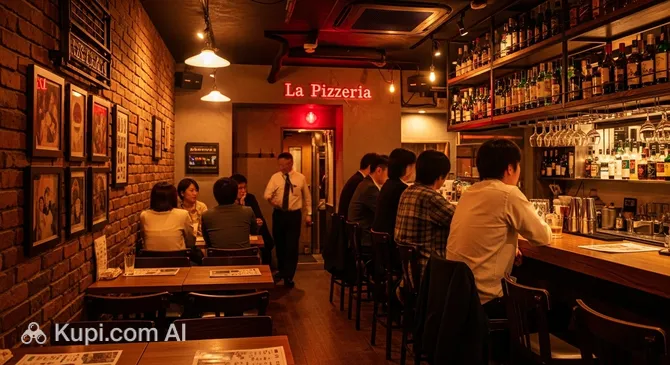
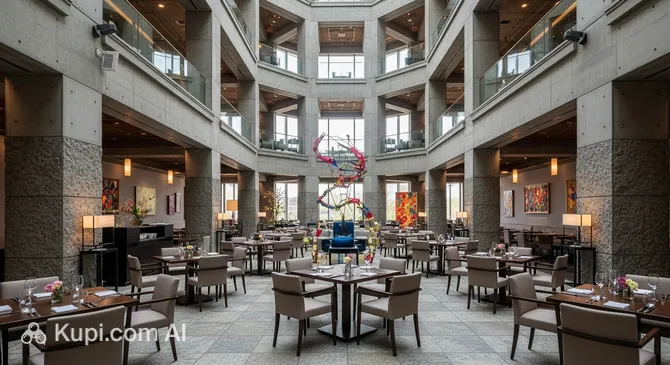
The main concentration of evening venues is usually found in the city center, especially near Maebashi Station. Here, you can find numerous bars, izakayas (Japanese pubs), and restaurants open until late. For those seeking a livelier atmosphere, local karaoke bars are a popular entertainment choice. While there might not be as many large nightclubs in Maebashi as in Tokyo, there are establishments featuring music and dancing. For a pleasant evening, you could drop by La Pizzeria for a bite and a drink in a bar atmosphere. For dinner in a more refined setting, the restaurant at the Shiroiya Hotel, known for its stylish design and quality cuisine, is a great choice.

La Pizzeria. Illustration.
Source: Kupi.com AI

Traveler photos:

The atmosphere in Maebashi's nightlife spots is generally relaxed and friendly. The crowd is mostly local, allowing for a deeper dive into Japanese daily life. Most bars and restaurants are open until midnight or 1:00 AM, while some izakayas may stay open later, especially on weekends. There is usually no specific dress code; smart casual attire is appropriate almost everywhere.

Shiroiya Hotel. Illustration.
Source: Kupi.com AI

Traveler photos:

For the best experience, it's recommended to start your evening outing around 8:00 or 9:00 PM. Prices in Maebashi are generally more moderate compared to major tourist centers. Getting around at night is most convenient by taxi, as public transport may run less frequently or stop service. Maebashi, like most Japanese cities, is considered a safe place for nighttime walks, though standard precautions should always be observed. You can call a taxi at major hotels and stations or ask the staff at the venue where you are relaxing to call one for you.

During the day, Maebashi also offers interesting leisure options. Visitors can head to Luna Park for family fun, explore the historical Rinkokaku building, or stroll through scenic parks like Rakuhodo Maebashi Park. Thus, Maebashi offers a balanced getaway, combining cultural attractions by day and a pleasant atmosphere for evening entertainment.

Parks & Museums

Maebashi, nestled in Gunma Prefecture, offers its guests a harmonious blend of picturesque green spaces for relaxation and a rich cultural heritage reflected in its historical monuments and shrines. Everyone will find something to their liking here, whether it's a peaceful walk in the park or a deep dive into the region's history.

For nature lovers and outdoor enthusiasts, Maebashi offers several wonderful parks. One of the most popular is Rakuhodo Maebashi Park, known for its well-kept landscapes, seasonal flowers, and ponds where you can enjoy the silence and beauty of Japanese nature. It is an excellent spot for leisurely strolls and picnics.

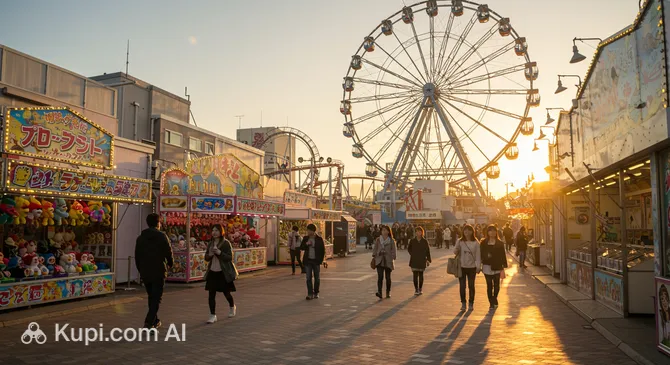
Families with children should definitely visit Maebashi Hino-mae Children's Park. Various playgrounds and attractions await little visitors here, allowing them to have fun in the fresh air. If you are looking for more excitement, Luna Park offers carousels and other amusements for all ages.

Haino-mae Maebashi Children's Park. Illustration.
Source: Kupi.com AI

Traveler photos:

Luna Amusement Park. Illustration.
Source: Kupi.com AI

Traveler photos:

You can get acquainted with the history and culture of Maebashi by visiting its iconic landmarks. While the city may not have traditional museums in the classical sense, its historical buildings and temples serve as living witnesses to the past. A gem of Meiji-era architecture is Rinkokaku—a magnificent wooden building constructed to receive high-ranking guests. Today, it is open to the public and allows you to touch history while admiring the elegance of Japanese craftsmanship.

The spiritual heart of the region can be found at the Kozuke-no-kuni Sōja Shrine. This ancient sanctuary, surrounded by tranquility and centuries-old trees, plays an important role in the religious life of the prefecture and attracts pilgrims and tourists with its atmosphere of peace.

Another iconic site is the Maebashi Toshogu Shrine, dedicated to Tokugawa Ieyasu. It impresses with its architecture and is an important cultural site where you can learn more about the Edo period.

For a more authentic experience, stroll through the streets around the temples—you can often find small local shops with souvenirs or traditional sweets. Also, in the early morning, Maebashi's parks are especially beautiful and uncrowded, allowing you to fully enjoy their beauty.

Getting Around

Getting around Maebashi is quite convenient thanks to a developed public transport system, which primarily includes buses and trains. This allows tourists to explore the city and its surroundings without much difficulty.

The main form of urban public transport in Maebashi is the bus. An extensive network of routes covers most areas of the city, connecting residential neighborhoods, attractions, and stations. There are both regular city buses and special routes, such as community buses like "My Bus" or "Guru-rin," which can be convenient for moving within specific zones. Schedules and routes can be checked at bus stops or on transport company websites.

Rail communication also plays an important role, especially for trips to the suburbs or neighboring towns. Japan Railways (JR) lines, such as the Ryōmō Line, pass through Maebashi, as do local private lines like the Jōmō Line. The main railway hubs are Maebashi Station (JR) and Chūō-Maebashi Station.

The fare payment system in Maebashi is quite flexible. Contactless IC cards, such as Suica or PASMO, are widely used. These rechargeable cards are very convenient as they can be used for both buses and trains, as well as in some stores. Of course, you can always purchase single tickets. For trains, tickets are bought at station vending machines or ticket offices. On buses, payment is usually made in cash (it's best to have small change) or with an IC card upon boarding or exiting, depending on the type of bus (often a numbered zone ticket is taken upon entry, and payment is made upon exit).

Tourists should keep a few practical points in mind. It is better to purchase train tickets in advance, especially if you plan to travel during peak hours. When paying by cash on buses, try to have the exact fare ready. Schedule information can be found at stops (often in Japanese, but sometimes with English subtext) or on the official websites of the transport operators. Public transport usually runs from early morning until late evening, but the frequency of service may decrease in the evening hours and on weekends.

In addition to public transport, other ways of getting around are available in Maebashi. Taxis can be found at designated stands near stations and major hotels or called by phone. This is a more expensive but comfortable option. For fans of active recreation and leisurely strolls, bicycle rentals may be suitable; rental points can sometimes be found near stations or at tourist information centers. Car sharing is less common as a tourist option but is possible with the appropriate international license and service registration.

Accommodation

When planning a trip to Maebashi, you will find a variety of accommodation options to suit different preferences and budgets. The city offers a wide range of lodging: from economical hostels and guest houses, perfect for budget travelers, to comfortable mid-range hotels and more luxurious options for those seeking a higher level of service. Apartments and houses for short-term rent are also available, which can be a convenient choice for families or longer stays.

When choosing a place to stay in Maebashi, it is worth looking at areas near major transport hubs, such as the railway station, or in close proximity to key attractions and business centers. The central part of the city typically offers the highest concentration of hotels and restaurants, as well as easy access to public transport. The city features a wide selection of hotels across various categories, from well-known chain brands to small, cozy private inns, each offering its own unique style and set of amenities.

Regarding the price range, you can find options for any budget in Maebashi—from budget-friendly to luxury. You can book accommodation in several ways: international online booking platforms are the most popular, where you can compare prices and read reviews from other travelers. Additionally, many hotels offer direct booking through their official websites.

To ensure the best choice and most favorable terms, especially if your trip falls during the peak tourist season or coincides with major local events, it is recommended to book your accommodation in advance. This will help you avoid unnecessary hassle and make your stay in Maebashi as comfortable as possible.

Nearby Cities

For those looking to explore the surrounding area, Maebashi serves as an excellent starting point for day trips to several interesting nearby locations:

For example, Takasaki, located just 9 km away, is known for its majestic Byakku Daikannon statue and is the birthplace of the famous Daruma dolls. Another interesting destination is Kiryu (24 km from Maebashi), a city with a rich history of textile production where you can learn about traditional crafts and visit historic weaving mills.

CityPopulationDistance
Yoshioka22 2348 km
Takasaki372 6399 km
Shinto14 19310 km
Tamamura36 04111 km
Shibukawa73 06412 km

These and other nearby destinations shown in the table allow for a deeper acquaintance with the diverse culture, history, and natural beauty of Gunma Prefecture and neighboring regions.

Shopping & Souvenirs

Maebashi offers visitors pleasant shopping opportunities, combining modern stores with the charm of local shops. While the city may not compare to Tokyo's giant shopping malls, you can find quality Japanese goods, souvenirs, and local delicacies here. While it's hard to single out specific goods that Maebashi is famous for throughout Japan, Gunma Prefecture is well-known for silk production and Daruma dolls.

The main shopping areas in Maebashi, as in many Japanese cities, are often concentrated around the main railway station—Maebashi Station. Here and on the surrounding streets, you are likely to find department stores, small specialty shops, and boutiques. It's also worth paying attention to the city's central streets, where covered shopping arcades (shotengai) may be located, offering unique goods and an authentic atmosphere.

Although the provided list of attractions does not include large shopping centers, Japanese cities of Maebashi's size usually have department stores (depato) offering a wide range of goods—from clothing and cosmetics to food and souvenirs. These department stores are often located near major transport hubs, including the railway station.

While there may not be large specialized markets oriented toward tourists in Maebashi, there is always a chance to stumble upon small local markets selling fresh produce or temporary fairs and flea markets, especially on weekends. This is a great opportunity to see the daily life of the city and perhaps find something unique.

For souvenirs from Maebashi and Gunma Prefecture, consider silk products, as the region historically excelled in its production. Daruma dolls—traditional Japanese tumbling dolls that bring good luck—are also popular; nearby Takasaki is famous as the birthplace of these dolls. Don't forget about local sweets (such as manju or senbei), ceramics, and other handmade items that reflect the region's culture.

Most shops in Maebashi are generally open from 10:00 or 11:00 AM to 7:00 or 8:00 PM. Department stores may stay open slightly longer. As for payment, cash is still widely used in Japan, especially in small shops and markets. However, large stores and department stores accept credit cards without issues. Contactless payments and IC card payments (such as Suica or Pasmo) are also becoming increasingly common.

For international tourists in Japan, a consumption tax refund system (Tax Free) is available. Look for stores with the "Tax Free Shopping" logo. Typically, to qualify for a refund, you need to make a purchase of a certain amount (usually over 5,000 yen excluding tax) in one store on the same day and present your passport at the checkout or a special Tax Free counter. This will allow you to save on your purchases.

Reached the end of the page?

That means the route is fully explored