Support

Shibukawa

About

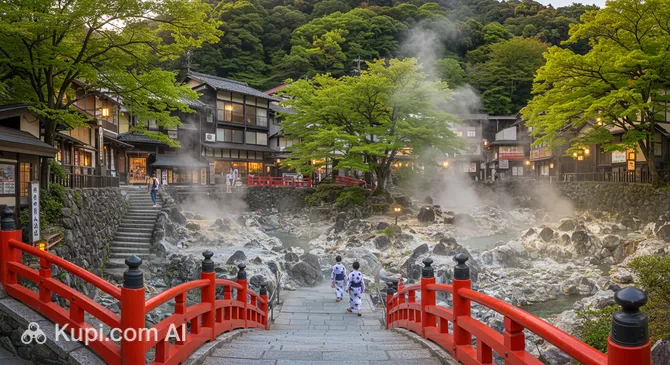
Shibukawa is a charming city and a true gem of Gunma Prefecture, nestled comfortably in the heart of Honshu island in Japan. The city stretches across the foothills of picturesque mountains, making it an excellent starting point for exploring the central part of the country. Due to its unique location at the intersection of rivers and its proximity to mountain ranges, Shibukawa has long held the unofficial title of the "Navel of Japan" — a place where, according to legend, the country's main paths converge.
Shibukawa. Illustration.
Source: Kupi.com AI

With a population of around 73,000, Shibukawa maintains the atmosphere of tranquility and traditional Japanese hospitality typical of smaller towns. It is an administrative center where century-old traditions and modern conveniences blend harmoniously. Clean, well-kept streets and the warmth of the locals create a unique charm.

One of Shibukawa's main draws is its famous hot springs (onsens), particularly the popular Ikaho district. Here, you can immerse yourself in the relaxing atmosphere of ancient baths surrounded by scenic forests and iconic stone steps. The city is beautiful at any time of year: in spring it is bathed in cherry blossoms, in summer it delights with lush greenery, in autumn it strikes with a riot of maple leaf colors, and in winter it turns into a cozy sanctuary for hot spring lovers. Shibukawa is also famous for its picturesque landscapes and opportunities for outdoor activities.

Shibukawa is the perfect destination for those seeking to experience authentic Japanese culture, enjoy natural beauty, taste real local cuisine, and learn more about the region's rich traditions. The city offers a variety of experiences: from peaceful relaxation in onsens to fascinating walks through historical streets and visits to unique museums. Come to Shibukawa to discover its one-of-a-kind charm!

You can find more interesting facts on the Shibukawa city history page.
Weather Overview

The weather in Shibukawa is characterized by distinct seasonal fluctuations. The warmest month is August, with an average temperature of 24.1°C (maximum up to 27.4°C), and the coldest is January, when the average temperature drops to 0.2°C (minimum down to -3.5°C). Summer (June-August) is warm, with average temperatures ranging from 18.8°C to 24.1°C. Winter (December-February) is cool, with average temperatures from 0.2°C to 2.8°C.

The highest amount of precipitation occurs in July (9 mm), which is also the month with the highest number of rainy days (25 days). The lowest amount of precipitation (2 mm) falls in January, February, November, and December. Overall, Shibukawa is characterized by warm summers with frequent rain and cool winters with less precipitation, yet still a noticeable number of days with some form of precipitation. To learn more about the climatic conditions, you can visit the Shibukawa Climate page.

Average monthly temperature

Average monthly precipitation

Interesting Facts

In addition to its famous hot springs and picturesque views, Shibukawa holds many surprising stories and unique features. This city in Gunma Prefecture is ready to amaze even the seasoned traveler. Here are just a few curious facts:

Nikoniko-tei. Illustration.
Source: Kupi.com AI

Traveler photos:

  • Shibukawa is unofficially called the "Navel of Japan" (Nihon no Heso). In honor of this original nickname, the city holds the lively "Heso Matsuri" festival every year. Participants paint funny faces on their bellies and dance in the streets, creating a unique atmosphere of fun.

  • In the area of the famous Ikaho hot springs, there is an impressive stone staircase with exactly 365 steps. Climbing it leads to the ancient Ikaho Shrine, and both sides of the staircase are lined with traditional Japanese ryokan inns, cozy shops, and souvenir stalls.

  • Historically, Shibukawa occupied a strategically important position as a major transport hub on the route from Edo (the old name for Tokyo) to the northern provinces. This location contributed to the active development of trade, crafts, and cultural exchange in the region.

  • For those with a sweet tooth and an interest in unusual exhibits, Shibukawa is home to the Toy and Caramel Museum. Visitors can not only learn about the rich history of Japanese treats but also try their hand at making traditional candies in special workshops.

How to Get There

There are several ways to reach Shibukawa, nestled in Gunma Prefecture, but for most international travelers, the most convenient option is to fly into one of Japan's major airports followed by a ground transfer.

The primary international hub for reaching Shibukawa is Haneda Airport (HND). This major airport is located in Tokyo, approximately 125.5 km from Shibukawa. A trip from Haneda to Shibukawa by car or using a combination of trains and buses usually takes about 3 – 3.5 hours. Haneda Airport handles a vast number of international and domestic flights, making it a popular arrival point for many tourists.

Another significant option is Narita International Airport (NRT), also located in Tokyo. The distance from Narita to Shibukawa is about 148.4 km. This large international airport serves as the gateway to Japan for many travelers. The journey to Shibukawa from here takes approximately 3.5 – 4 hours, depending on the chosen transport.

If you are looking for a closer airport or arriving on a regional flight, consider Matsumoto Airport (MMJ), located in the city of Matsumoto. It is about 103.2 km from Shibukawa, making it geographically the closest of those listed. This is a small airport, and a trip from there to Shibukawa can take about 2.5 – 3 hours. There are other regional airports as well, such as Ibaraki Airport (approx. 131.6 km) and Fukushima Airport (approx. 151.6 km), but they are located further away and may require a longer ground transfer. After arriving at any of the airports, Shibukawa can be reached by rental car, taxi, or by using Japan's extensive network of trains and buses. It is recommended to plan your route from the airport to the city in advance.

For clarity, here is a summary of the main airports through which you can reach Shibukawa:

AirportPassenger trafficDistance
Matsumoto Airport112 618103 km
Haneda Airport85.7 mln125 km
Ibaraki Airport776 063132 km
Narita International Airport40.8 mln148 km
Fukushima Airport250 000152 km

Main Attractions

The city of Shibukawa and its surroundings offer tourists a wealth of interesting sites that combine natural beauty, cultural heritage, and relaxation opportunities. There is something for everyone here, from ancient onsens to modern museums.

One of the main highlights is Ikaho Onsen – a famous hot spring resort with a history spanning many centuries. Its iconic symbol is the Ishidan-gai stone staircase of 365 steps, which leads through the heart of the resort and offers an immersion into the atmosphere of old Japan along with breathtaking views.

Located near Ikaho Onsen is the Mizusawa Kannon Temple, one of the significant Buddhist temples in the Kanto region. It attracts pilgrims and tourists with its beautiful architecture, including an impressive hexagonal pagoda, and its peaceful atmosphere. The temple is also famous for being the birthplace of Mizusawa udon – a special type of thick wheat noodle that became popular in the surrounding area.

Art lovers should visit the Hara Museum ARC. This is a branch of Tokyo's Hara Museum dedicated to contemporary art. Here, you can see works by both Japanese and international artists. The museum building itself, designed by architect Arata Isozaki, is an interesting example of modern architecture and is harmoniously integrated into the surrounding landscape.

For family vacations and nature enthusiasts, Ikaho Green Bokujo farm is an excellent choice. This is a vast pastoral area where you can interact with animals such as sheep and rabbits, enjoy horseback riding, taste fresh dairy products, and simply relax in the fresh air amidst green hills.

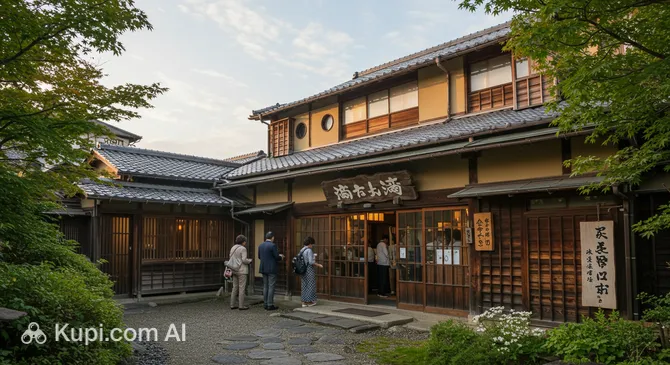
After a full day of exploring Shibukawa's sights, it's nice to refuel at one of the local establishments. For example, the restaurant Nikoniko-tei offers visitors a cozy atmosphere and a chance to get acquainted with the local cuisine.

Local Cuisine

The gastronomic scene in Shibukawa will delight connoisseurs of authentic Japanese cuisine, which is based on fresh local products and age-old traditions. The city's main culinary pride is undoubtedly Mizusawa Udon. These thick, springy wheat noodles, prepared according to ancient recipes, are famous for their texture and taste. You can try them in many family-run restaurants, especially those located along the road to Mizusawa Temple. Udon is usually served with a light broth, fresh vegetables, and seasonal toppings, making it a great choice for a hearty lunch.

A special place in Shibukawa's cuisine is occupied by the gifts of the fertile lands of Gunma Prefecture. Excellent vegetables and fruits are grown here and actively used in local dishes. Autumn marks the season for the famous Japanese apples and pears, while in spring and summer, you can enjoy sweet strawberries, which are often sold at farmers' markets. These fresh ingredients give Shibukawa's dishes a unique taste and aroma.

Those with a sweet tooth should look out for traditional Japanese desserts. In the shops on the famous Ikaho Steps, you can find a variety of treats. Popular items include mochi filled with sweet azuki bean paste, as well as unique caramel candies made according to old local recipes. These sweets make excellent souvenirs or a pleasant addition to tea time.

The food culture in Shibukawa encourages leisurely enjoyment of meals in a cozy setting. Locals and tourists often choose small family restaurants to taste that very Mizusawa Udon, for instance, at Nikoniko-tei. Farmers' markets where you can buy fresh produce and confectioneries with traditional sweets are also popular. Meals are often accompanied by traditional green tea, and for those wishing to try local alcoholic beverages, sake from the Gunma region.

Nikoniko-tei. Illustration.
Source: Kupi.com AI

Traveler photos:

Shibukawa is also known for its gastronomic festivals. These events are a great opportunity to try seasonal delicacies, meet local producers, and even participate in workshops on making udon or Japanese sweets. Attending such a festival will allow you to dive deeper into the city's culinary traditions and take home unforgettable taste impressions.

Travel Tips

Welcome to Shibukawa! To make your journey to this charming corner of Japan as comfortable as possible and leave you with only pleasant impressions, we have prepared some practical tips.

  1. Clothing and Essentials:

    The climate in Gunma Prefecture, where Shibukawa is located, is temperate with four distinct seasons. In summer (June-August), it is hot and humid, so bring light clothing, but don't forget a raincoat. In winter (December-February), it can be cold and snow is possible, especially if you plan mountain trips – dress warmly. Spring and autumn are the most comfortable seasons with moderate temperatures. Comfortable shoes are essential, as you will be doing a lot of walking. Don't forget an adapter for electrical appliances (in Japan, the voltage is 100V, with Type A and B plugs). There is usually no specific dress code for visiting temples and shrines, but modest clothing is appropriate.

  2. Transport in the City and Surroundings:

    The city's main transport hub is JR Shibukawa station. Local buses can be used to get around Shibukawa itself. If you plan to explore the scenic surroundings of Gunma Prefecture, such as the famous onsens (Ikaho Onsen) or Mount Haruna, renting a car can be a good option. Note that driving in Japan is on the left, and you will need an international driving permit. Taxis are available but can be expensive; taxi apps like JapanTaxi or Go can be useful.

  3. Finances: All About Money:

    The local currency is the Japanese Yen (JPY, ¥). It is best to exchange currency at the airport upon arrival or at major banks. ATMs that accept international cards can be found in post offices (Japan Post Bank) and 7-Eleven convenience stores. Credit and debit cards are accepted in many hotels, restaurants, and shops, but always carry some cash with you, especially for smaller establishments, temples, or in rural areas. Tipping is not customary in Japan – excellent service is already included in the price.

  4. Health and Safety:

    Japan is one of the safest countries in the world, and Shibukawa is no exception. Follow standard precautions: keep an eye on your belongings in crowded places. Pharmacies (薬局 - yakkyoku) are easy to find by the "薬" (kusuri) sign, but staff may not always speak English. For serious medical assistance, contact your hotel or call 119 (ambulance/fire service). Travel insurance is highly recommended before your trip.

  5. Communication and Internet:

    The official language is Japanese. English proficiency among the local population may be limited, especially outside tourist areas. Learn a few basic phrases: "Konnichiwa" (Hello), "Arigato" (Thank you), "Sumimasen" (Excuse me/Sorry). For connectivity, we recommend purchasing a local SIM card (at the airport or electronics stores) or renting a pocket Wi-Fi router – it's very convenient. Free Wi-Fi is available in some hotels, cafes, and public places. Useful apps: Google Maps, HyperDia (for train schedules), Gurunavi/Tabelog (for finding restaurants).

  6. Local Etiquette: Respecting Traditions:

    Japanese people value politeness highly. A slight bow is customary when greeting. In public places, especially on transport, try to be quiet and avoid loud phone conversations. Remove your shoes before entering Japanese homes, some temples, traditional restaurants, and ryokans (Japanese-style inns). When using chopsticks, do not stick them vertically into rice or pass food from chopsticks to chopsticks.

  7. What to Avoid:

    Try not to eat or drink while walking – it is considered impolite. If you need a snack, it's better to stop in a designated area or to the side. Also, avoid blowing your nose loudly in public; if necessary, go to a restroom. Do not point at people or objects with a single finger – use an open palm instead.

  8. A Unique Feature of Shibukawa:

    The city of Shibukawa is known as the "Navel of Japan" (日本のおへそ - Nihon no oheso) due to its symbolic central location on Honshu island. If your trip falls at the end of July, you can attend the unique Belly Button Festival (臍祭り - Heso Matsuri) – a bright and fun event with dancing and painted bellies. Also, don't miss the chance to visit nearby onsens, such as the famous Ikaho Onsen, to enjoy traditional Japanese hot springs.

We hope these tips help you better prepare for your trip and enjoy every moment of your stay in Shibukawa. Have a great journey!

Entertainment & Nightlife

Nightlife in Shibukawa is significantly different from the bustling metropolises that Japan is famous for. You won't find massive night clubs with techno music here; instead, you can immerse yourself in the atmosphere of traditional Japanese leisure. Evening entertainment is mainly concentrated in the Ikaho Onsen resort area, where life revolves around the famous Ishidan-gai stone steps. At dusk, the streets are lit by the soft glow of lanterns, creating the perfect setting for leisurely strolls.

The main format of evening leisure here is izakayas (Japanese gastro-pubs) and cozy restaurants. The crowd in such establishments is diverse: from locals stopping by for a glass of sake after work to tourists in yukata (traditional robes) relaxing after the hot springs. There is practically no dress code anywhere, and the clothing style is as relaxed and comfortable as possible.

Nikoniko-tei. Illustration.
Source: Kupi.com AI

Traveler photos:

If you're looking for a place to have a delicious dinner and feel the local flavor, you should check out Nikoniko-tei. This is a popular spot known for its hearty dishes, especially the katsudon with a special sauce, which is perfect for ending a busy day. Keep in mind that many restaurants in the province close quite early, around 8:00 PM – 9:00 PM, so it's best to plan your dinner in advance. After the kitchens close, small "snack bars" and karaoke venues take over, where you can continue the evening with drinks and songs.

In terms of safety, Shibukawa is an exceptionally peaceful city. You can walk here at night without fear, even alone. However, remember the transport situation: buses stop running quite early. If you stay late at a bar, the only way to get back to your hotel will be by taxi. It's better to call a car through the establishment's staff or take one from the stands near the station, as "flagging" them on the street at night can be problematic. The average check in evening establishments is moderate, but many places only accept cash.

During the day, the city offers a more classic cultural program. Tourists can visit local museums, enjoy the views in parks, or go on an excursion around Mount Haruna. Daytime sessions in public baths and visits to theme parks, such as "Ikaho Green Ranch," where you can relax in nature before diving back into the city's cozy evening atmosphere, are also popular.

Parks & Museums

Shibukawa and its surroundings offer travelers a pleasant combination of green spaces for outdoor relaxation and interesting cultural sites that provide a deeper look into the history and art of the Gunma region. The city serves as an excellent base for exploring both peaceful parks and fascinating museums.

Among the green corners where you can enjoy nature, Shibukawa Sogo Park is worth noting. It is a popular spot among locals for walks, picnics, and sports, offering well-maintained spaces and seasonal flowers. For a more extensive nature experience and family fun, the nearby Ikaho Green Bokujo ranch is ideal. Here, you can not only admire the scenic pastures but also interact with animals, which children will especially enjoy. The mountains surrounding the city and the Agatsuma River also provide wonderful opportunities for outdoor activities and landscape contemplation.

The cultural program in Shibukawa and its vicinity is equally diverse. One of the most famous art centers in the region is the Hara Museum ARC, which showcases contemporary artworks by both Japanese and foreign masters; the museum building itself is an architectural masterpiece. A unique site is the Japan Chanson Museum in Shibukawa, dedicated to French song and its influence in Japan. It is also worth visiting the Shibukawa City Museum of Art / Kuwabara Kyomori Sculpture Museum, where you can get acquainted with the works of local artists and sculptors.

While the city of Shibukawa itself may not abound in ancient monuments, it serves as a convenient base for visiting iconic historical sites nearby. For example, the famous stone steps of the Ikaho Onsen resort, leading through the historical center of this resort town, and the majestic Mizusawa Kannon Temple are within easy reach and attract many pilgrims and tourists.

For a more authentic experience, take a stroll through the city's less busy streets and stop by local craft shops where you can find unique souvenirs. Don't miss the chance to try local cuisine in small family restaurants – it's a wonderful way to feel the true spirit of Shibukawa.

Getting Around

When planning your travel around Shibukawa and its surroundings, tourists can rely on several types of transport. The foundation of the public transport system consists of buses and trains, which connect different parts of the city and popular tourist spots like the famous Ikaho Onsen resort.

Buses are the primary means of transport within Shibukawa and for trips to nearby areas, including Ikaho Onsen. The route network is quite developed. Fares are usually paid in cash when exiting the bus; when entering buses with a zonal fare system, you need to take a numbered ticket (整理券 - seiri-ken) so the driver can calculate the cost. An increasing number of bus companies accept popular Japanese IC transport cards, such as Suica or Pasmo, which significantly simplifies payment. It is recommended to carry small change, as buses do not always have machines for changing large bills.

Rail transport is represented by Shibukawa Station, which is served by the JR Joetsu and JR Agatsuma lines. Trains are convenient for traveling to other cities in Gunma Prefecture and beyond. Tickets can be purchased at station vending machines or ticket offices. IC cards are also accepted on JR rail lines.

One of the region's unique features is the Ikaho Ropeway, which carries visitors from the town of Ikaho Onsen to an observation deck offering picturesque views. This is a popular tourist attraction and a convenient way to quickly reach the top. Tickets for the ropeway are purchased at its stations.

Payment system and practical tips: Bus fares depend on the distance. Check current rates on-site. Train tickets also vary in price depending on the destination. For frequent travel around Japan, JR Passes (if applicable to your route) can be beneficial, but for local trips in Shibukawa, the main payment methods are cash or IC cards. Buses and trains usually run on schedule, which can be found at stops and stations. Transport can be more crowded during rush hours and on weekends. Keep in mind that in smaller cities like Shibukawa, public transport may stop running earlier than in major metropolises.

Alternative modes of transport: Taxis are available in Shibukawa and can be found at the train station and in tourist areas. This is a more expensive but comfortable way to get around, especially if you are traveling with luggage or a small group. For exploring Gunma Prefecture, you might consider car rental, especially if you plan to visit places that are difficult to reach by public transport. Bicycle rentals may be available in tourist areas like Ikaho Onsen, offering a pleasant way to see the surroundings at a leisurely pace.

Accommodation

In the city of Shibukawa, tourists can find a variety of accommodation options to suit different preferences and budgets. The range of available housing includes traditional Japanese inns (ryokans) as well as more familiar European-style hotels, guest houses, and potentially apartments for short-term rent.

When choosing a place to stay, it is worth paying attention to areas close to major transport hubs or the attractions you are interested in. While specific tourist districts are not as clearly defined as in major metropolises, a convenient location will save time on travel. In Shibukawa and its surroundings, you can find both budget options and mid-range hotels offering a comfortable stay. Specific famous hotels are not mentioned in the provided data, but travelers usually find suitable options through popular online booking systems.

When planning a trip, especially during popular tourist seasons, it is recommended to book accommodation in advance. This not only guarantees availability but often allows you to choose from a larger number of options at better prices. The main booking methods are international and Japanese online platforms, and in some cases, direct booking through hotel websites. The price range varies from economy class to more expensive offerings, depending on the level of comfort, location, and services provided.

Nearby Cities

For those looking to explore the surrounding area, Shibukawa serves as an excellent starting point for day trips to several interesting nearby locations.

Notable among them are Maebashi and Takasaki. Maebashi, the administrative center of Gunma Prefecture, attracts visitors with the beautiful Shikishima Park, featuring its famous rose garden and picturesque pond, and serves as a starting point for climbing Mount Akagi, a popular hiking spot. Takasaki, being an important transport hub, is known for its majestic statue of the goddess Kannon (Takasaki Byakue Daikannon) and as the traditional production center for Daruma dolls, which symbolize good luck and perseverance.

CityPopulationDistance
Yoshioka22 2345 km
Shinto14 1936 km
Maebashi331 84912 km
Nakanojo15 18618 km
Higashiagatsuma12 35618 km

These and other nearby destinations allow for a deeper acquaintance with the diverse culture, history, and picturesque landscapes of the Gunma region.

Shopping & Souvenirs

Shopping in Shibukawa offers tourists the chance to purchase unique local goods and souvenirs reflecting the culture of the Gunma region. Although the city is not a major fashion or electronics hub like Tokyo, you can find authentic Japanese products and delicacies here, especially those associated with the nearby famous Ikaho Onsen resort.

The main shopping areas in Shibukawa are likely to be concentrated around Shibukawa Station and in tourist zones like the surroundings of Ikaho Onsen. Here, you will find small shops selling souvenirs, local products, and handicrafts. Walking through these areas will allow you to soak in the local atmosphere and find something special to remember your trip by.

There may not be large shopping malls in the conventional sense in Shibukawa, as the city maintains a more traditional way of life. However, you may come across small local department stores or shopping arcades offering a variety of goods – from clothing and household items to food products. The main emphasis here is on quality and local flavor rather than global brands.

As for markets, farmers' markets may occasionally be held in Shibukawa and the surrounding area, where you can buy fresh local produce, seasonal vegetables and fruits, and homemade preserves. This is a great opportunity to taste the real flavors of Gunma Prefecture. There may be few specialized flea markets or large permanent souvenir markets, but it's always worth checking for information at the local tourist center.

For souvenirs from Shibukawa and the Gunma region, look for items related to onsens (hot springs), such as bath salts, tenugui towels, or yukata. Traditional Daruma and Kokeshi dolls, which are symbols of the prefecture, are also popular. Don't forget about local sweets, such as onsen manju (steamed buns made with hot spring water), and regional sake.

Shops in Shibukawa generally operate from 10:00-11:00 AM to 6:00-7:00 PM. Small private shops may have their own schedules and closing days. Cash is mostly accepted for payment, especially in small shops and markets. In larger establishments and tourist spots, credit card payments may be possible. It is recommended to always carry some cash with you.

For foreign tourists in Japan, a Tax Free system is available. If you see the "Tax-Free Shop" sign, you can receive a refund on consumption tax when purchasing over a certain amount (usually over 5,000 yen) and presenting your passport. Check the conditions directly in the stores.

Reached the end of the page?

That means the route is fully explored