Support

Takasaki

About

Takasaki is the heart of Gunma Prefecture, nestled in the Kanto Plain about 100 kilometers northwest of Tokyo. This city in Japan is surrounded by picturesque mountains, most notably Mount Haruna, famous for its hot springs and mystical atmosphere. This geographical location makes Takasaki an ideal starting point for exploring the region.

Takasaki. Illustration.
Source: Kupi.com AI

With a population of approximately 372,639, Takasaki is a large and dynamic administrative and cultural center. It harmoniously blends centuries-old traditions with modernity, from ancient temples and traditional crafts to contemporary museums and lively shopping streets. The city is renowned for its hospitality and its calm yet vibrant atmosphere.

Key features of Takasaki include its role as a gateway to natural wonders like Mount Haruna and cultural treasures such as UNESCO World Heritage sites, including the famous Tomioka Silk Mill, which is easily accessible from here. History buffs will discover unique temples, while fans of Japanese culture will appreciate the local crafts.

Takasaki is well worth a visit for its unique atmosphere, amazing traditions, and natural beauty. It is a city where the past and present meet face to face, and every walk can turn into a small but exciting adventure, offering a deeper connection with Japanese culture.

You can find more interesting facts on the history of Takasaki page.

Weather Overview

The weather in Takasaki is characterized by clearly defined seasons. Expect warm and humid summers with temperatures averaging 24-25°C in July and August, accompanied by frequent rainfall. Winters, by contrast, are cold and relatively dry, with average temperatures around 2-4°C in January and December, sometimes dropping below zero. Spring and autumn offer moderate temperatures, with rainfall gradually increasing in spring and remaining noticeable in autumn, especially in September and October.

For a more detailed forecast and monthly information, you can visit the Takasaki Climate page.

Average monthly temperature

Average monthly precipitation

Interesting Facts

Beyond its well-known attractions, Takasaki, a city in Gunma Prefecture, holds many fascinating stories and unique features that make it a truly special place in Japan. Let’s take a look behind the scenes and discover some amazing facts about this city!

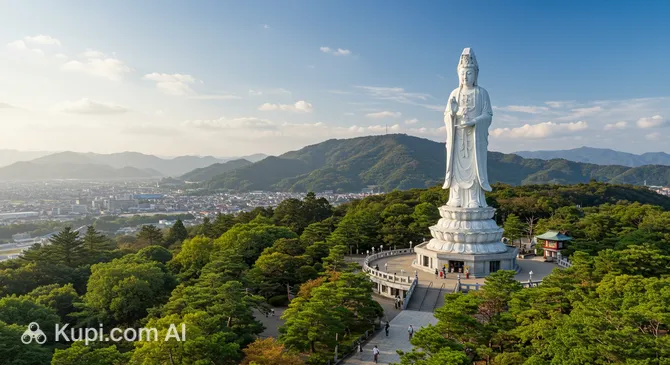
Takasaki Byakue Dai-Kannon (Jigen-in Temple). Illustration.
Source: Kupi.com AI

Traveler photos:

  • Takasaki is rightfully considered the birthplace of the famous Daruma dolls — traditional Japanese roly-poly dolls that bring good luck and help fulfill wishes. It is here, at the Shorinzan Daruma-ji Temple, that one of Japan's largest Daruma festivals, the Daruma Ichi, takes place annually, drawing thousands of people who come to buy their own doll and make a heartfelt wish.

  • The city is also known as an important railway hub, from where genuine retro trains, including legendary steam locomotives, depart. This makes Takasaki a magnet not only for regular tourists but also for true connoisseurs of railway romance and collectors, as you can not only ride a vintage train at the local station but also see unique themed exhibits.

  • Not far from Takasaki lies Mount Haruna — one of the most mysterious and mystical places in the region. On its slopes sits the ancient Shinto shrine Haruna-jinja, whose foundation dates back to the 6th century. Legends say that mountain spirits dwell here, and the steep staircase leading to the temple is guarded by expressive statues of demons clad in tiger skins.

How to Get There

The most convenient way to reach Takasaki, located in Gunma Prefecture, is through Tokyo's major international airports. Takasaki does not have its own international airport, but the capital's aviation hubs are within a reasonable distance, making transfers easy.

The two main gateways for most international travelers are Tokyo's primary airports. Haneda Airport (IATA: HND), one of the world's busiest airports, is located in Tokyo, approximately 110.5 km from Takasaki. A trip from here to Takasaki by train (often involving a transfer to the Shinkansen) or car usually takes about 2.5–3 hours. The other key international hub is Narita International Airport (IATA: NRT), also located near Tokyo, about 139.1 km from Takasaki. Travel time from Narita to Takasaki is approximately 3–4 hours. Both of these major airports offer various transfer options, including high-speed trains (Shinkansen) and express buses, allowing you to reach Takasaki comfortably.

While other regional airports exist, such as Matsumoto Airport (IATA: MMJ) in the city of Matsumoto (about 98.7 km from Takasaki), they typically serve domestic flights or a limited number of international destinations. Therefore, for most tourists arriving from abroad, Tokyo's airports remain the preferred choice for starting a journey to Takasaki.

For your convenience, here is summary information on the main airports used to reach Takasaki:

AirportPassenger trafficDistance
Matsumoto Airport112 61899 km
Haneda Airport85.7 mln110 km
Ibaraki Airport776 063128 km
Narita International Airport40.8 mln139 km
Fukushima Airport250 000162 km

Main Attractions

Takasaki, located in Gunma Prefecture, offers tourists many interesting sites that combine traditional Japanese culture with modern attractions. The city is known for its temples, parks, and unique sites that draw visitors from across the country and abroad.

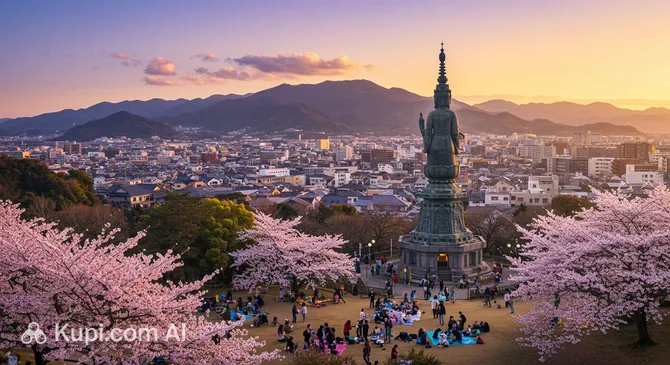
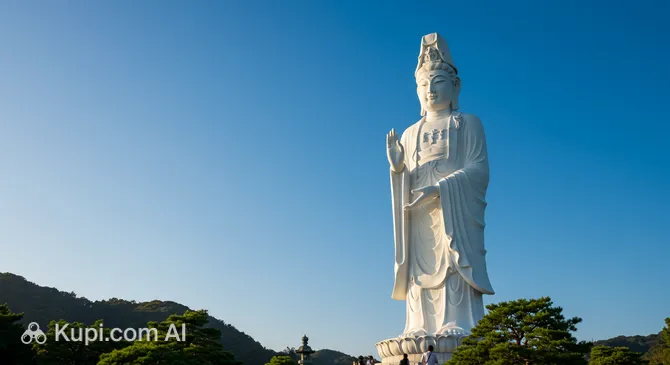
One of Takasaki's most iconic landmarks is the majestic Takasaki Byakue Dai-Kannon statue (Jigen-in Temple). This enormous white statue of Kannon, the Goddess of Mercy, stands on a hill and can be seen from many points in the city. Visitors can climb inside the statue for panoramic views of the surrounding area. The temple at the base of the statue is also worth visiting for its peaceful atmosphere.

Takasaki Byakue Dai-Kannon (Jigen-in Temple). Illustration.
Source: Kupi.com AI

Traveler photos:

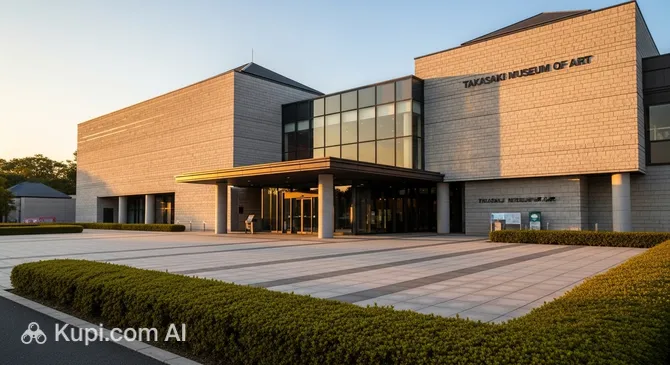
For art lovers, the Takasaki Museum of Art is a must-visit. Its collection includes works by local artists as well as Japanese and international masterpieces. The museum frequently hosts temporary exhibitions, offering visitors a diverse cultural program.

Takasaki Museum of Art. Illustration.
Source: Kupi.com AI

Traveler photos:

Nature enthusiasts and those who enjoy quiet walks will appreciate Kannonyama Park. This expansive park is located on the mountainside where the famous Kannon statue stands. Here, you can enjoy beautiful scenery, especially in spring during the cherry blossom season, and visit small temples and shrines scattered throughout the park.

Kannon-yama Park. Illustration.
Source: Kupi.com AI

Traveler photos:

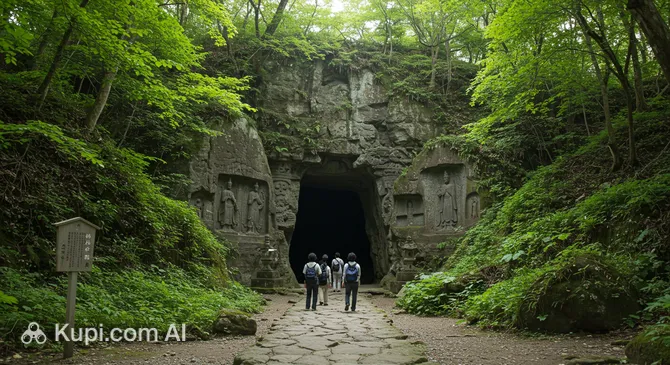
A unique location is the Dokutsu Kannon Cave. This is a man-made cave featuring numerous statues of Buddhist deities carved directly into the rock. Walking through the cave's tunnels creates a mystical atmosphere and allows visitors to connect with the region's history and religious traditions.

Dōkutsu Kannon Cave. Illustration.
Source: Kupi.com AI

Traveler photos:

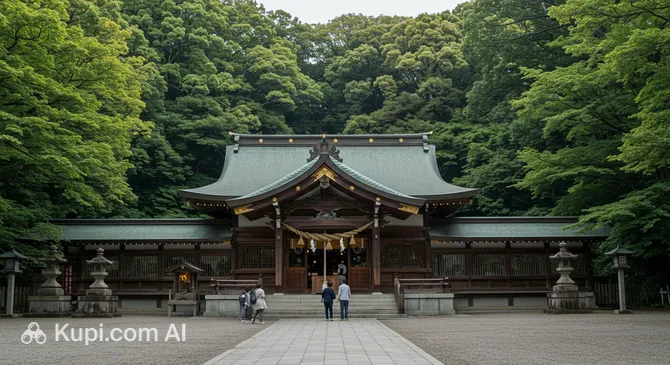
Another significant spiritual site is the Gunma Gokoku Shrine. This Shinto shrine is dedicated to the souls of those who died in service to their country. It features beautiful architecture and a tranquil atmosphere, serving as a place for prayer and reflection.

Gunma Gokoku Shrine. Illustration.
Source: Kupi.com AI

Traveler photos:

Local Cuisine

The gastronomy of Takasaki is a fascinating journey into the world of traditional Japanese flavors with vibrant local accents. The city takes pride in its culinary traditions, offering dishes that reflect the abundance of local products and centuries-old recipes.

Be sure to try the local pride — soba buckwheat noodles. In Takasaki, it is prepared using special recipes passed down through generations, often served with seasonal vegetables and fresh fish from mountain rivers. Another iconic treat is Daruma-manju. These are sweet steamed buns shaped like a Daruma doll, a symbol of good luck, with various fillings ranging from classic red bean paste (anko) to original fruit variations. They are often purchased as souvenirs. At street markets and during festivals, don't miss out on yakisoba (fried noodles) and takoyaki (octopus-filled dough balls).

Among drinks, the local sake is worth noting; it is particularly warming during the cold season, especially if you visit one of the winter Daruma fairs. Of course, the various types of Japanese tea, which perfectly complement any meal, cannot be overlooked. Non-alcoholic beverages are also widely available, including traditional lemonades and juices.

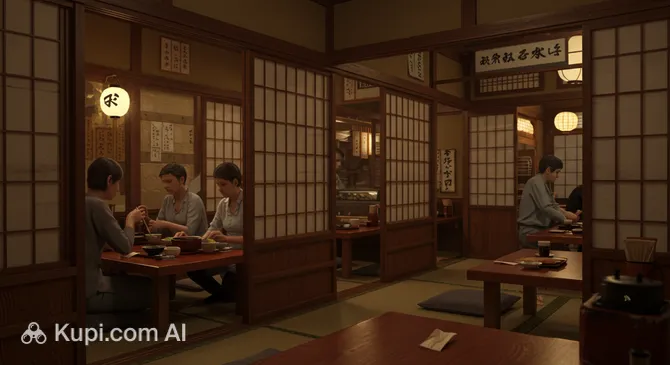
The food culture in Takasaki is diverse. Locals and tourists alike enjoy visiting cozy restaurants serving classic dishes as well as bustling street markets where you can grab a quick and tasty snack. Gastronomic festivals are an integral part of city life: harvest fairs are held in the fall, and cherry blossom festivals with themed treats take place in the spring. If you are looking for a place to explore local cuisine in a restaurant setting, you might consider establishments like Masaka. This is a wonderful opportunity to enjoy authentic dishes.

Masaka. Illustration.
Source: Kupi.com AI

Traveler photos:

Overall, Takasaki's gastronomic scene offers a unique blend of tradition and seasonal products, where every dish can tell its own story and surprise even the most discerning gourmet.

Travel Tips

Planning a trip to Takasaki? Wonderful! To ensure your journey through this interesting city in Gunma Prefecture goes smoothly and leaves only pleasant memories, we have prepared some practical tips.

  1. Clothing and Essentials: The climate in Takasaki, like most of Japan, is temperate with four distinct seasons. Summers can be hot and humid, while winters are cool, sometimes with snow. Spring and autumn offer the most comfortable weather. Bring seasonal clothing and definitely comfortable walking shoes, as exploring the city on foot is a true pleasure. Don't forget an adapter for electrical appliances (Japan uses Type A and B sockets, 100V). When visiting temples and shrines, choose modest clothing that covers your shoulders and knees.
  2. City Transport: Takasaki is a major transport hub, making it quite convenient to get around the city and its surroundings. The main types of public transport are local trains and buses. The Japan Rail Pass can be useful for tourists if you plan to travel extensively around the country, as Shinkansen lines pass through Takasaki. Taxis are available but can be expensive. A rental car might be necessary if you want to explore more remote corners of Gunma Prefecture, but it's not essential for the city itself.
  3. Finances: The national currency is the Japanese Yen (JPY). Credit cards (Visa, Mastercard) are accepted in many hotels, large shops, and restaurants; however, it's always useful to carry some cash, especially for small establishments, temples, and markets. You can exchange currency at the airport, banks, or specialized exchange offices. ATMs that accept international cards are most commonly found in post offices (Japan Post Bank) and 7-Eleven stores. Tipping is not customary in Japan and may be perceived as impolite.
  4. Health and Safety: Japan is one of the safest countries in the world, and Takasaki is no exception. Pharmacies (薬, kusuri) are easy to find, but not all pharmacists speak English, so it's helpful to have the names of necessary medications or their international equivalents with you. If you need medical assistance, go to a large hospital (byōin) — there is a better chance of finding English-speaking staff. Standard precautions, such as looking after your personal belongings, are always relevant.
  5. Communication: The official language is Japanese. English is common in tourist areas, hotels, and at major stations, but in general, the level of proficiency among the local population may be low. Learn a few basic phrases in Japanese: "konnichiwa" (hello/good day), "arigato" (thank you), "sumimasen" (excuse me/sorry). For connectivity, you can purchase a tourist SIM card or rent a pocket Wi-Fi router. Free Wi-Fi is available in many hotels, cafes, and at stations.
  6. Local Etiquette: Japanese people are very polite and appreciate a respectful attitude toward their culture. Greetings are usually accompanied by a bow. In public places, especially on transport, try to speak quietly. It is customary to remove your shoes when entering a Japanese home, some temples, and traditional restaurants (where you sit on tatami).
  7. What to Avoid: You should not speak loudly on the phone in public transport. Never stick your chopsticks vertically into rice — this is associated with funeral rituals. Also, avoid pointing at people or objects with a single finger; use your whole palm instead.
  8. Takasaki Specialty: The city is known as the birthplace of Daruma dolls — traditional Japanese roly-poly dolls symbolizing luck and the fulfillment of wishes. Be sure to visit the Shorinzan Daruma-ji Temple, dedicated to these dolls, or purchase a Daruma as a souvenir. It is a unique symbol of your trip to Takasaki.

We hope these tips help you better prepare for your trip to Takasaki and enjoy every moment of your stay in this hospitable Japanese city. Have a great journey!

Entertainment & Nightlife

Takasaki, a city in Gunma Prefecture, offers its guests various options for evening and night leisure, though it does not boast the scale of Tokyo's nightlife. The evening atmosphere here is calmer and centered around cozy establishments where you can enjoy your time after a busy day.

The majority of evening entertainment is concentrated in the area around Takasaki Railway Station. Here, you can find many izakaya (traditional Japanese pubs), small bars, and restaurants offering both local and international cuisine. The crowd is mostly local, and the atmosphere is friendly and relaxed. Many establishments stay open until midnight or 1:00 AM, especially on weekends. There is usually no specific dress code; casual style is welcomed.

For dinner, you might consider places like Masaka or Kuromatsu, which offer traditional dishes. Although these are restaurants, they can be a great starting point for your evening program. Karaoke lovers will also find venues to their liking, as it is a popular form of entertainment in Japan. Nightclubs in Takasaki are not as widespread as in major metropolises, but you can find spots with dance music, especially on weekends.

Masaka. Illustration.
Source: Kupi.com AI

Traveler photos:

The best time to go out is after 7:00 PM or 8:00 PM when restaurants and bars fill up with patrons. Prices in Takasaki establishments are generally moderate. You can get back to your hotel at night by taxi, which are usually waiting at the station or can be called by phone. The city is considered quite safe for nighttime walks, especially in the central areas, though standard precautions should always be observed.

During the day, there is also plenty to do in Takasaki. Guests can visit the Takasaki Museum of Art, stroll through the picturesque Kannonyama Park, or see the famous Takasaki Byakue Dai-Kannon statue. For fans of active recreation and events, the Takasaki Arena, which sometimes hosts concerts and sporting events, may be of interest.

Parks & Museums

Takasaki is a city where peaceful green oases and a rich cultural heritage blend harmoniously, offering guests various opportunities for relaxation and discovery.

One of the most famous places for a stroll is Kannonyama Park. It spreads across the slopes of the mountain of the same name and is famous not only for its scenic trails and views but also for being the home of the famous Takasaki Byakue Dai-Kannon statue. It is a wonderful place for a leisurely rest and for admiring nature.

Kannon-yama Park. Illustration.
Source: Kupi.com AI

Traveler photos:

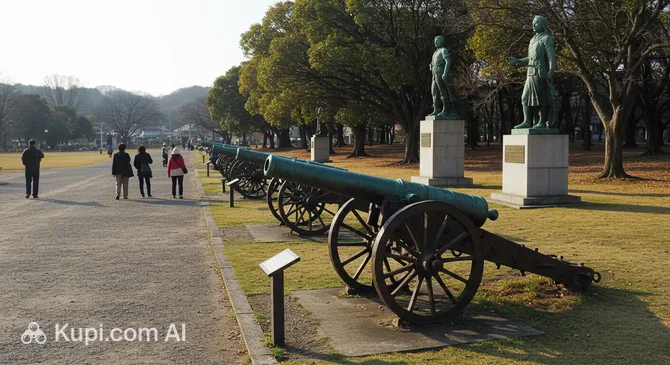
Another popular urban oasis is Takasaki Park, located near the ruins of Takasaki Castle. It attracts locals and tourists alike with the opportunity to relax by the water, enjoy the cherry blossoms in spring, and simply spend time in the fresh air. For connoisseurs of traditional Japanese garden art, Tokumeien Garden is a must-visit, offering an atmosphere of tranquility and contemplation amidst carefully planned landscapes.

Takasaki Park. Illustration.
Source: Kupi.com AI

Traveler photos:

To explore the art and culture of the region, the Takasaki Museum of Art is well worth a visit. Its collection features works by both local and world-renowned artists, making it interesting for a wide range of visitors. The exhibitions are frequently updated, offering a fresh perspective on various art movements.

Takasaki Museum of Art. Illustration.
Source: Kupi.com AI

Traveler photos:

The city of Takasaki is rich in historical and spiritual sites. The main landmark visible from afar is the Takasaki Byakue Dai-Kannon — an enormous statue of Kannon, the Goddess of Mercy, located at the Jigen-in Temple on Mount Kannonyama. This is not only an impressive engineering feat but also an important pilgrimage site. Near the statue is the unique Dokutsu Kannon Cave, carved into the rock and decorated with numerous Buddhist sculptures, creating a mystical atmosphere. Also noteworthy is the Gunma Gokoku Shrine, dedicated to the memory of fallen warriors — a place of deep historical and spiritual significance.

Takasaki Byakue Dai-Kannon (Jigen-in Temple). Illustration.
Source: Kupi.com AI

Traveler photos:

For a deeper immersion into the local atmosphere, explore the surroundings of Mount Haruna, where you can find lesser-known temples and enjoy natural beauty. Also, when planning a visit to Mount Kannonyama, set aside time not only to see the statue but also to walk through Kannonyama Park and visit the Dokutsu Kannon Cave to get a full impression of this iconic location.

Getting Around

Public transport in Takasaki is well-developed and offers several convenient ways to get around the city and its surroundings. The transport system is based on buses and local trains, which connect various city districts and suburban areas. Takasaki is an important railway hub, so trains play a significant role not only for intercity travel but also for moving within the metropolitan area.

The fare payment system in Takasaki is quite universal. The most convenient method is using rechargeable IC cards, such as Suica or Pasmo, which are accepted on most buses and all railway lines. These cards can be purchased and topped up at machines in railway stations or in some convenience stores. The cost of a single trip on a bus or local train usually starts from 200-220 yen, depending on the route and distance. For multiple trips, it is convenient to top up an IC card with an amount from 1,000 to 3,000 yen. Additionally, single-use tickets can always be purchased. In Takasaki, special day passes for buses (for example, for the "Gurutto Takasaki Bus" system) or tourist tickets may be available, allowing you to save money if you use public transport frequently. It is recommended to check for such passes and their terms at the station or tourist information centers. In buses, payment is usually made upon exiting (sometimes upon entering), and it is advisable to have small change if you are not using an IC card. For trains, tickets are bought at machines at the stations before boarding.

Tourists are advised to check transport schedules in advance, especially if planning trips to remote areas or during evening hours. Schedules are usually available at stops and stations, as well as online. Buses and trains in Japan are famous for their punctuality. To validate an IC card, simply tap it against the reader when entering and exiting (on buses) or at the ticket gates (at railway stations). Public transport usually operates from early morning until late evening, but the frequency of services may decrease during off-peak hours.

In addition to public transport, alternative ways of getting around are available in Takasaki. Taxis can be found at designated stands near stations, large hotels, and shopping centers, or called by phone. Keep in mind that taxis are a more expensive option. In some city areas, bicycle rentals may be available, which is a great way for a leisurely exploration of local attractions, especially in good weather. Car-sharing services are less common compared to large metropolises but may be available through specialized apps.

Accommodation

When planning a trip to Takasaki, you will find a variety of accommodation options to suit different preferences and budgets. The city offers a choice ranging from budget-friendly guesthouses and hostels to comfortable mid-range hotels, including well-known Japanese business hotels famous for their convenience and functionality. While luxury resorts may not be as widely represented directly in the center, high-quality hotels for tourists and business travelers are common.

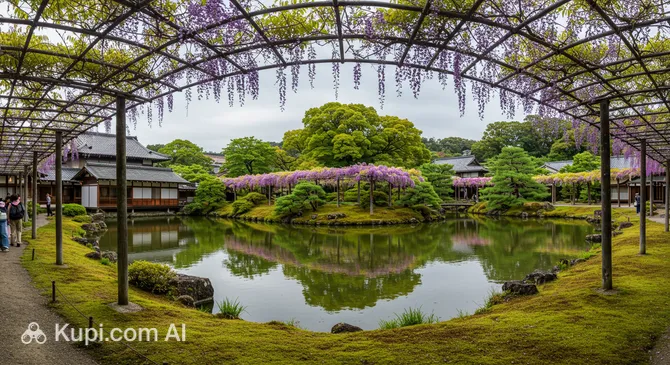
For maximum convenience, many travelers prefer to stay near Takasaki Station. It is not only a major transport hub providing easy access to various parts of the city and its surroundings but also a center of business and tourist activity. Areas near famous landmarks are also popular, such as the vicinity of Takasaki Park or locations with easy access to iconic sites like Takasaki Byakue Dai-Kannon. Staying in such areas often allows you to enjoy a more peaceful atmosphere.

Tokumeien Garden. Illustration.
Source: Kupi.com AI

Traveler photos:

Although the list of attractions does not include specific hotels, in Takasaki, you can find both chain hotels with predictable service levels and small local hotels offering a unique experience and hospitality. The choice depends on your personal preferences and the goals of your trip.

It is recommended to book your accommodation in advance, especially if your trip coincides with the peak tourist season, major festivals, or other significant city events. This will help you not only guarantee availability but also secure better price offers.

The price range for accommodation in Takasaki varies from budget options to mid-range and higher-end hotels. You can book accommodation through popular international and Japanese online travel platforms, as well as directly on official hotel websites, which sometimes offers special deals or conditions.

Nearby Cities

For those looking to explore the surrounding areas, Takasaki serves as an excellent starting point for day trips to several interesting nearby locations:

CityPopulationDistance
Maebashi331 8499 km
Tamamura36 04110 km
Fujioka62 60810 km
Annaka54 60710 km
Kanra12 56711 km

Here is what makes some of these cities interesting for a day trip:

Maebashi, the capital of Gunma Prefecture, attracts visitors with its picturesque parks, such as Shikishima Park with its famous rose garden and pond. The Gunma Prefectural Government Building is also worth a visit, as its observation deck offers a panoramic view of the city. The city offers a pleasant mix of urban life and nature.

Isesaki is known for its traditional Isesaki Meisen silk and related crafts. Nature lovers will appreciate the Isesaki City Flower Park, which is particularly beautiful during the blooming season. The city also offers shopping opportunities and a chance to get to know the local culture.

Honjo was once an important post town on the ancient Nakasendo highway. A trip here allows you to immerse yourself in the atmosphere of the Edo period, stroll through historical streets, and visit local temples that have preserved the spirit of the past.

These nearby destinations provide a glimpse into the diverse culture and landscapes of the region.

Shopping & Souvenirs

Takasaki offers its guests pleasant shopping opportunities, combining modern shopping centers with traditional Japanese goods. The city is especially famous as the birthplace of Daruma dolls, which are the primary local souvenir and a symbol of good luck. Here you can find large department stores as well as small specialized shops offering unique items.

The main shopping areas are concentrated around Takasaki Railway Station. Numerous shops, boutiques, and department stores are located around the station and on the adjacent streets, where you can buy clothing, cosmetics, electronics, and much more. A stroll through this area will allow you to see the main range of goods available in the city.

In Takasaki, as in many Japanese cities, large department stores and shopping complexes can be found near the station. For example, well-known chains such as Takashimaya and E’site Takasaki (which includes Montresor) are located here, offering a wide selection of goods: from fashion apparel and accessories to food and souvenirs. These shopping centers are convenient for all-in-one shopping.

While Takasaki is not famous for large tourist markets, you can find local fairs here, especially those dedicated to Daruma dolls. The most famous is the Shorinzan Nanakusa Taisai Daruma Market, which takes place in early January at the Shorinzan Daruma-ji Temple and attracts many visitors. At such fairs, you can purchase not only Daruma but also other local products and handmade items.

The main souvenir to bring home from Takasaki is undoubtedly a Daruma doll. These bright roly-poly dolls, symbolizing perseverance and the fulfillment of wishes, are sold everywhere and make a great memento of your trip. Besides Daruma, look for local sweets, textile products, and Gunma Prefecture ceramics. Souvenir shops also carry products related to other city landmarks, such as Takasaki Byakue Dai-Kannon (Jigen-in Temple).

Most shops in Takasaki are open from about 10:00 AM or 11:00 AM to 7:00 PM or 8:00 PM. Large shopping centers and department stores may have longer operating hours, especially on weekends. As for payment, credit cards (Visa, Mastercard, JCB) are widely accepted in most department stores and chain shops. However, in small private shops and at markets, it is preferable to have Japanese Yen (JPY) cash on hand.

For international tourists in Japan, a Tax-Free system is available. Many shops in Takasaki, especially large department stores and electronics shops, participate in this program. Look for the "Tax Free Shop" sign. To process a tax refund (usually 10% on most items, except for food and some other categories where the rate may be 8%), you must make a purchase of a certain minimum amount (usually 5,000 yen excluding tax) in one shop within one day and present your passport at the cash desk or a special Tax-Free counter.
Reached the end of the page?

That means the route is fully explored