Support

Kumagaya

About

Kumagaya is a charming city where historical heritage harmoniously intertwines with the dynamics of modern life. It is nestled in the northern part of Saitama Prefecture, in a picturesque area between two major rivers — the Arakawa and the Tone. Due to its proximity to Tokyo, from where the train journey takes just over an hour, Kumagaya is an excellent destination for those looking to explore less-known corners of Japan.
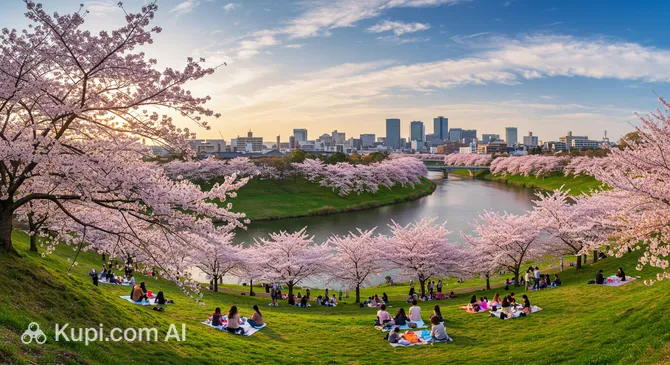
Kumagaya. Illustration.
Source: Kupi.com AI

With a population of 193,190 people, Kumagaya maintains a welcoming and cozy atmosphere while possessing a well-developed infrastructure. It is known as an important transport and cultural hub for the region, and its compact size makes it particularly convenient for independent travelers wishing to immerse themselves in the local culture.

Kumagaya attracts tourists with its unique atmosphere, where traditions and nature create a distinctive flavor. In spring, the city is transformed as sakura blooms along the banks of the Arakawa River, turning the surroundings into a veritable pink garden. In summer, Kumagaya comes alive with grand festivals, such as the famous Uchiwa (Fan) Festival, which allows visitors to witness ancient rituals. Other highlights include ancient temples, historical burial mounds, interesting museums, and scenic nature parks.

If you are looking for an authentic experience and want to discover a new side of Japan, away from standard tourist routes, Kumagaya will be a true discovery for you. This city offers a unique combination of history, culture, and natural beauty, leaving an unforgettable impression on every guest.

You can find more interesting facts on the history of Kumagaya page.
Weather Overview

In Kumagaya, there is a climate with clearly defined seasons, which is important to consider when planning your trip. Expect hot and quite humid summers: average temperatures in July and August hover around 26-27°C, while maximums can reach 30.5°C. These months also see the highest number of rainy days (up to 21 days in July) and precipitation (up to 8 mm). Winters, by contrast, are cold and significantly drier. The average temperature in January is about 4.1°C, and in December – 6.1°C, while the amount of precipitation is minimal (about 1 mm) with only 5-6 rainy days.

Spring brings a gradual warming: from an average of 9.5°C in March to 18.3°C in May, with an increase in rainfall. In autumn, the temperature gradually decreases: in September, the average temperature is about 23.3°C, and in October – already 17.0°C, while the number of rainy days and precipitation remains moderate. To get a more complete picture of the weather conditions at different times of the year, you can explore detailed information on the climate of Kumagaya.

Average monthly temperature

Average monthly precipitation

Interesting Facts

Kumagaya is not just a point on the map of Saitama Prefecture. This city holds many fascinating stories and unexpected details that make it truly special. Here are just a few of them:

  • Kumagaya is home to the unique Menuma Shodenzan Kangi-in temple, recognized as a National Treasure of Japan. It is the only temple structure in the country built in the rare gon-do-zukuri architectural style, and its intricate wood carvings inspire admiration in all visitors.

  • Every summer, the city comes alive during the grand Kumagaya Uchiwa Matsuri. The festival is famous for colorful parades of richly decorated floats, solemn processions with portable mikoshi shrines, and exciting drum competitions, creating a unique atmosphere of general celebration.

  • It is believed that Kumagaya owes its name to the legendary warrior Kumagaya Naoezane, a hero of the epic Genpei War. His valor and exploits became part of Japanese folklore, and in his memory, spectacular historical reenactments are still held in the city today.

How to Get There

The most convenient way to reach the city of Kumagaya, located in Saitama Prefecture, is via Tokyo's major international airports, as Kumagaya itself does not have its own airport. After arriving at one of the capital's airports, you can continue your journey to Kumagaya by train or bus.

The primary option for international travelers is Haneda Airport (IATA: HND), located in Tokyo. It is one of the busiest airports in the world, offering many international and domestic flights. The distance from Haneda to Kumagaya is about 75 km. A trip by car or express bus to Kumagaya can take between 1.5 and 2.5 hours, depending on traffic conditions. From the airport, it is also easy to reach Tokyo railway stations, where trains depart for Kumagaya, including the high-speed Shinkansen lines.

Another major international hub is Narita International Airport (IATA: NRT), which also serves Tokyo and its surroundings. It is located approximately 100 km from Kumagaya. Narita handles a large number of international flights from all over the world. The journey from Narita to Kumagaya by car or bus typically takes 2 to 3 hours. Like Haneda, you can reach Kumagaya from Narita by train with a transfer in Tokyo.

While other regional airports exist, such as Ibaraki Airport (IATA: IBR) or Matsumoto Airport (IATA: MMJ), they are located further away and may be less convenient for a direct journey to Kumagaya if you are arriving on an international flight. However, they can be an option for some domestic flights within Japan.

For clarity, here is a summary of the main airports through which you can reach Kumagaya:

AirportPassenger trafficDistance
Haneda Airport85.7 mln75 km
Ibaraki Airport776 06392 km
Narita International Airport40.8 mln99 km
Matsumoto Airport112 618132 km
Fukushima Airport250 000152 km

After arriving at one of the Tokyo airports, the most convenient way to reach Kumagaya is by rail transport. Japan is famous for its developed train network, and Kumagaya can be reached via high-speed Shinkansen trains (for example, the Joetsu Shinkansen line stops at Kumagaya Station) or regular local trains. Bus routes and taxi services are also available.

Main Attractions

Kumagaya, a city with a rich history and culture in Saitama Prefecture, offers its guests several interesting places worth visiting. From scenic natural spots to modern sports complexes, there is something here for every traveler exploring this part of Japan.

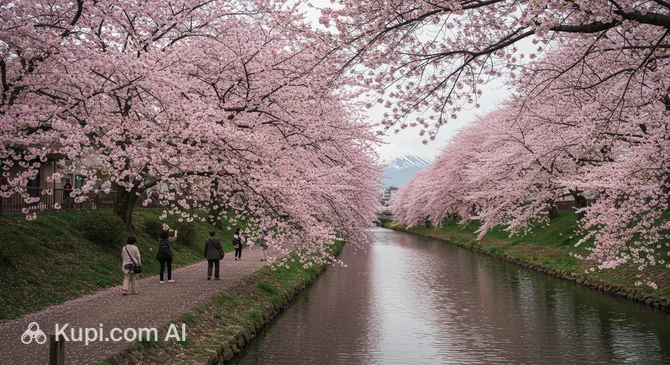
One of the city's main gems, particularly beautiful in spring, is Kumagaya Sakura Tsutsumi. This is a famous embankment where about 500 cherry trees are planted, stretching for approximately 2 kilometers. During the blooming period, this place turns into a magnificent pink corridor, attracting many visitors for hanami – the traditional Japanese custom of flower viewing. A walk here offers peace and wonderful opportunities for photography.

Kumagaya Sakura Tsutsumi. Illustration.
Source: Kupi.com AI

Traveler photos:

For sports and outdoor enthusiasts, as well as those interested in cultural events, Kumagaya Sports and Culture Park is a must-see. This massive complex includes the famous Kumagaya Rugby Stadium, which hosted matches for the Rugby World Cup, an athletics stadium, an indoor arena, and other sports facilities. Additionally, the park features beautiful green zones for walking and relaxation. Various sports competitions and cultural festivals are often held here, making it a center of social life in the city.

Kumagaya Sports and Culture Park. Illustration.
Source: Kupi.com AI

Traveler photos:

After a busy day full of impressions and discoveries, it is nice to relax and refuel. Carpe Diem Cafe and Restaurant offers its visitors a chance to enjoy delicious dishes in a cozy and welcoming atmosphere. It is a wonderful place to unwind, discuss what you've seen, and regain energy for further exploration of Kumagaya.

Cafe & Dining Carpe Diem. Illustration.
Source: Kupi.com AI

Traveler photos:

Local Cuisine

The gastronomic map of Kumagaya will delight travelers with its diversity, offering both traditional Kanto region dishes and unique local delicacies. The city is famous for its ability to use fresh seasonal products, turning them into true culinary masterpieces. One of the main gastronomic symbols of Kumagaya, which is definitely worth a try, is Kumagaya-style udon. These thick wheat noodles, served with seasonal vegetables and a signature sauce, have won the love of not only locals but also city guests looking for authentic flavors of Japan.

In addition to the famous udon, Kumagaya offers other interesting dishes. Fish lovers should pay attention to dishes made from freshwater fish caught in the local Arakawa and Tone rivers. Roasted eel (unagi) is particularly popular, as well as various soups with fish and vegetables. In the summer months, especially during festivals, the city's gastronomic life comes alive thanks to numerous street stalls. Be sure to try the aromatic yakisoba (fried noodles with vegetables and meat or seafood) and the charming taiyaki – fish-shaped cakes with various sweet fillings.

As for drinks, in Kumagaya, you can sample local varieties of sake, especially during themed fairs and gastronomic events. For those who prefer non-alcoholic options, there are always refreshing fruit desserts and drinks, as well as traditional Japanese tea. Those with a sweet tooth should check out local farmers' markets, which sell fresh seasonal fruits, mochi (rice cakes with unusual fillings), and traditional Japanese sweets called wagashi.

The food culture in Kumagaya is diverse: locals and tourists enjoy food both in traditional restaurants and by buying it from lively street stalls and farmers' markets. The gastronomic scene is particularly vibrant during summer festivals and specialized food fairs, where you can get acquainted with the products of local farmers and participate in tastings. If you are looking for a cozy place for lunch or dinner, check out Carpe Diem Cafe and Restaurant, which offers a pleasant atmosphere and delicious dishes.

Overall, the cuisine of Kumagaya is a fascinating combination of traditions and local specialties. It is a place where you can enjoy authentic Japanese flavors, fresh products, and a welcoming atmosphere, discovering new gastronomic horizons.

Travel Tips

Planning a trip to Kumagaya? Wonderful! To ensure your journey through this interesting city in Saitama Prefecture goes smoothly and leaves only pleasant impressions, we have prepared a few practical tips.

  1. Clothing and Essentials: Keep in mind that Kumagaya is known for its hot summers, so light, breathable clothing made from natural fabrics will be the ideal choice from June to September. In other seasons, the weather is changeable, so layering is your best friend. Be sure to bring comfortable shoes, as you will likely be walking a lot. Don't forget an adapter for electronics (Japan uses type A and B sockets, 100V voltage), as well as sunscreen and a hat for the summer months.
  2. Transport: It is convenient to get around Kumagaya by train (JR and Chichibu Railway lines) and bus. Public transport here is well-developed and runs on schedule. Taxis are available but can be expensive; taxi-calling apps like JapanTaxi or Go can be useful. Renting a car might be necessary if you plan to explore the surroundings of Saitama Prefecture, but for moving within the city itself, it is not always mandatory.
  3. Finance: The local currency is the Japanese Yen (JPY). It is recommended to always have some cash with you, as not all small establishments and shops accept cards. Currency can be exchanged at the airport, banks, or specialized exchange points. International credit and debit cards are accepted in major hotels, shops, and restaurants. ATMs that work with foreign cards can be found in post offices (Japan Post Bank) and 7-Eleven stores. Tipping in Japan is not practiced and may be perceived incorrectly.
  4. Health and Safety: Kumagaya, like Japan in general, is a very safe place. However, standard precautions never hurt: keep an eye on your belongings in crowded places. Pharmacies (薬, kusuri) are easy to find, but most are not open 24/7, and pharmacists may not always speak English. It's better to carry a basic first aid kit. In case you need medical assistance, your hotel can help with calling a doctor or pointing out the nearest clinic. Emergency numbers: 119 (fire/ambulance), 110 (police).
  5. Communication: The main language is Japanese. The level of English proficiency varies; in tourist spots and hotels, staff usually speak English, but generally, it's better not to rely on it too much. Learn a few basic phrases in Japanese, such as "Konnichiwa" (Hello), "Arigato" (Thank you), "Sumimasen" (Excuse me/I'm sorry). This is always appreciated by locals. For constant internet access, consider buying a local SIM card or renting a portable Wi-Fi router. Free Wi-Fi is available in some public places, cafes, and hotels.
  6. Local Etiquette: Greetings are accompanied by a bow; its depth depends on the situation and the status of the person you are addressing. In public places, especially on transport, try to speak quietly and not disturb others. It is customary to remove your shoes when entering a Japanese home, some temples, and traditional restaurants (ryokans). Keep it clean: it is customary to take your trash with you if there are no bins nearby.
  7. What to Avoid: Do not talk loudly on the phone on public transport – it is considered bad manners. Do not stick chopsticks vertically into rice – this is associated with funeral rituals. Passing food from one person's chopsticks to another's is also not practiced.
  8. Additional Tip: Kumagaya is known as one of the hottest cities in Japan in summer. If your trip falls during this period, be sure to drink plenty of water, wear a hat, and try to avoid direct sunlight during the peak heat. Also, the famous Uchiwa Matsuri (Fan Festival) takes place here in July – a colorful spectacle worth visiting if you find yourself in the city at that time.

We hope these tips help you better prepare for your trip to Kumagaya and get the most out of discovering this unique city. We wish you an unforgettable journey through Japan!

Entertainment & Nightlife

When the sun sets over Kumagaya, the city offers various opportunities for evening relaxation, though it is not as bustling as in larger metropolises. Nightlife here is centered around cozy bars, traditional Japanese drinking establishments (izakaya), and restaurants where you can enjoy a delicious dinner in a pleasant atmosphere. Main activity usually concentrates in the areas adjacent to Kumagaya Railway Station – this is the heart of the evening city, where you can find many venues for every taste.

In the vicinity of Kumagaya Station, you will easily find both modern bars with a wide selection of drinks and authentic izakayas. These traditional Japanese pubs, often recognizable by the characteristic red paper lanterns (chochin) at the entrance or wooden signs, offer local sake, beer, and a variety of snacks such as yakitori or edamame in an informal setting. Nearby, there may be small, cozy bars with a more modern interior where you can enjoy a cocktail to soft music. Many restaurants also stay open until late evening, offering Japanese and international cuisine. For example, Carpe Diem Cafe and Restaurant is one of the places where you can spend a pleasant evening. The atmosphere in most venues is quite relaxed and friendly, catering to both locals and city guests. The dress code is usually casual, unless it is a particularly high-end spot.

When planning an evening out, keep in mind that many small establishments may close earlier than in big cities, usually around midnight or slightly later. The best time to visit bars and restaurants is from early evening, roughly between 7:00 PM and 10:00 PM. As for prices, they are generally moderate, especially compared to the capital. At night, the main way to get around becomes taxis, which can be called by phone or found at designated stands near the station. Kumagaya is generally considered a safe city, but as with anywhere, it is worth taking standard precautions, especially in uncrowded places late at night.

While the nightlife has its charms, daytime Kumagaya will also keep you entertained. The city is known for its parks and natural beauty. It is definitely worth visiting the famous Kumagaya Sakura Tsutsumi, especially in spring during the cherry blossom season, or spending time at Kumagaya Sports and Culture Park. The city also features museums and cultural centers where you can learn about local history and art, complementing your travel experience.

Parks & Museums

The city of Kumagaya offers its guests not only sports arenas but also wonderful opportunities for relaxation in the lap of nature and acquaintance with cultural heritage. Everyone will find a spot to their liking here: from blooming embankments to places that preserve the history and art of Saitama Prefecture.

One of the most picturesque places, especially in spring, is Kumagaya Sakura Tsutsumi. This famous two-kilometer embankment along the Arakawa River, where about 500 cherry trees are planted, turns into a veritable living corridor of pale pink petals during the blooming period. This is not just a beautiful sight, but an iconic place for hanami — the traditional Japanese custom of cherry blossom viewing, attracting locals and tourists alike for leisurely walks and to enjoy the fleeting beauty of nature.

Kumagaya Sakura Tsutsumi. Illustration.
Source: Kupi.com AI

Traveler photos:

For those who prefer active recreation or simply want to spend time in a large green area, the Kumagaya Sports and Culture Park is an ideal choice. This multifunctional space serves not only as an arena for major sporting events, including rugby matches at the famous stadium, but also as a favorite holiday spot for citizens. Here you can find well-kept lawns for picnics, shady alleys for walking, as well as playgrounds and sports fields, making the park a center of attraction for families and healthy lifestyle enthusiasts at any time of year.

Kumagaya Sports and Culture Park. Illustration.
Source: Kupi.com AI

Traveler photos:

Although Kumagaya may not be famous for huge world-class museum complexes, the city carefully preserves its history and culture. To get acquainted with the region's past, it is worth visiting local history museums, known in Japan as "kyodo shiryokan" or "rekishi hakubutsukan." Their exhibitions usually present artifacts, documents, and household items that tell the story of Kumagaya's development, traditional crafts, and the life of the local population. This is a wonderful opportunity to gain a deeper understanding of the city's unique character.

Art lovers might pay attention to small art galleries that can be encountered while walking through the city. They are often dedicated to the work of local artists or present themed exhibitions, offering a more intimate atmosphere for connoisseurs of beauty. Such visits can be a pleasant addition to the cultural program of your trip.

An integral part of Kumagaya's cityscape, like any Japanese city, are local temples and shrines. Though they may not be as grand as the sanctuaries of Kyoto or Nara, each possesses its own atmosphere and history. Visiting such places allows you to touch the spiritual life of Japan, appreciate traditional architecture, and enjoy the silence away from the city bustle.

For a more secluded holiday and to observe the daily life of the locals, look for small neighborhood parks or gardens. Often, it is in such non-tourist spots that you can feel the true spirit of the city. Also, do not miss the opportunity to visit seasonal fairs or festivals, which are often held in open areas and parks, offering a unique chance to get acquainted with local traditions, crafts, and, of course, cuisine.

Getting Around

Getting around the city of Kumagaya is quite convenient thanks to a well-developed public transport system. The backbone of the transport network consists of trains and buses, which connect various city districts and its surroundings.

Main types of transport:

Trains: Kumagaya is an important railway hub. JR East lines pass through Kumagaya Station, including the high-speed Shinkansen (Joetsu and Hokuriku Shinkansen), as well as the Takasaki and Shonan-Shinjuku lines. Additionally, there is a station for the private Chichibu Railway, which offers scenic routes through the region. Trains are a fast and reliable way to reach different parts of the city and neighboring settlements.

Buses: The city's bus network complements the rail service, providing access to areas without railway stations. Buses run on established routes and schedules. This is a good option for short trips within the city.

Payment system:

The most convenient way to pay for travel on public transport in Japan, and Kumagaya is no exception, is using rechargeable smart cards, such as Suica or PASMO. These cards can be purchased at railway stations from vending machines or ticket offices. They are accepted on both trains and buses. Simply tap the card on the reader at the ticket gate or when boarding/exiting the bus. You can also buy single tickets for a specific journey. The fare depends on the distance. The approximate cost of a train ride within the city starts from a few hundred yen.

Practical tips for tourists:

Buying tickets and cards: Train tickets and IC cards (Suica, PASMO) can be bought at station vending machines. Vending machines usually have an English interface. You can also top up your card at these machines or at convenience stores (konbini).

Validation: When using an IC card, it is necessary to tap it on the reader at the ticket gate when entering and exiting the station. On buses, tap the card on the reader when boarding (and sometimes when exiting, depending on the specific bus company's payment system).

Operating hours: Public transport in Kumagaya typically starts early in the morning (around 5-6 AM) and finishes late in the evening (around midnight). At night, transport services are limited or non-existent.

Route planning: To plan trips, it is convenient to use online maps and apps like Google Maps or HyperDia, which provide up-to-date information on schedules and routes.

Alternative ways of moving:

Taxis: Taxi services are available in Kumagaya. They can be found at stands near stations or called by phone. Taxis in Japan are known for high levels of service but are a more expensive option compared to public transport.

Bicycle rental: To explore the central part of the city or park areas, you might consider renting a bicycle. Rental points may be available in some areas.

A feature of Kumagaya's transport system is its role as a major railway hub, making the city a convenient starting point for traveling around the Kanto region.

Accommodation

In the city of Kumagaya, travelers can find various accommodation options to suit different budgets and preferences. The range of available housing includes economical options, such as guesthouses or hostels, as well as more comfortable mid-range hotels. For those looking for more privacy or planning a long stay, apartment rental options are possible.

When choosing a place to stay in Kumagaya, it is worth paying attention to areas that provide easy access to transport hubs and the city's main attractions. For instance, proximity to iconic spots like Kumagaya Sakura Tsutsumi can be attractive for tourists. The central districts of the city generally offer good infrastructure with shops, cafes, and restaurants within walking distance.

Kumagaya Sakura Tsutsumi. Illustration.
Source: Kupi.com AI

Traveler photos:

To guarantee the availability of a suitable option, especially during the peak tourist season or during local festivals and events, it is recommended to book accommodation in advance. The most common booking methods are popular online platforms and travel aggregators, as well as direct contact with hotels. The price range varies from budget offers to mid-range hotels, allowing you to choose the best option for your trip to Kumagaya.

Nearby Cities

For those who want to explore the surrounding area, Kumagaya serves as an excellent starting point for day trips to several interesting nearby locations:

CityPopulationDistance
Gyoda78 4886 km
Namegawa19 8859 km
Fukaya141 33611 km
Oizumi41 68111 km
Ranzan17 95412 km

These nearby destinations provide an insight into the diverse culture and landscapes of the Japan region. Each trip promises new discoveries and impressions, complementing your journey to Kumagaya.

Shopping & Souvenirs

Kumagaya offers tourists pleasant shopping opportunities, combining modern retail outlets with traditional shops. Although the city is not a major trading hub like Tokyo, you can find everything you need here, as well as unique local products. Kumagaya is particularly known for its traditional sweets, such as gokabo (cylindrical sweets made from glutinous rice and soybean flour) and igamanju (steamed buns filled with red bean paste), as well as beautiful Kumagaya uchiwa fans, which make excellent souvenirs, especially given the city's reputation as one of the hottest in Japan.

Main shopping activity in Kumagaya is centered around Kumagaya Station. Here you will find department stores, specialty shops, and covered shopping arcades (shotengai), where you can stroll and shop in any weather. These areas offer a good selection of clothing, accessories, electronics, and local products.

For more concentrated shopping, it is worth visiting local shopping centers. One of the most convenient is AZ Kumagaya, located directly at Kumagaya Station. It offers a variety of clothing stores, household goods, cosmetics, as well as restaurants and cafes. Another popular shopping complex is Knightsbridge (Knit Mall), which also presents a wide range of goods and entertainment.

While Kumagaya may not have large daily tourist markets like in big cities, you can find small local shops selling fresh produce and seasonal fairs. Occasionally, flea markets are held where you can find interesting vintage items and handmade goods. Keep an eye out for local announcements or ask at the tourist information center about such events during your visit.

In addition to the already mentioned gokabo and igamanju sweets and Kumagaya uchiwa fans, excellent souvenirs from Kumagaya include products made by local artisans. Look for ceramics, textiles, or other traditional goods from Saitama Prefecture. You can also bring home local sake or other regional delicacies. Souvenir shops are often found near the station and in shopping centers.

Most shops in Kumagaya are generally open from 10:00 or 11:00 AM to 7:00 or 8:00 PM. Department stores and shopping centers may stay open a bit longer. Some small private shops might have a closing day in the middle of the week. As for payment, cash is still widely used, especially in smaller establishments. However, most department stores, shopping centers, and chain stores accept credit cards (Visa, MasterCard, JCB, Amex). Payments using Japanese IC cards, such as Suica or Pasmo, are also becoming increasingly popular.

Foreign tourists can take advantage of the Tax-Free system in Japan when making purchases over 5,000 yen (excluding tax) at licensed stores. Typically, such shops have a corresponding "Tax Free" sign. To process a tax refund, you will need to present your passport at the checkout during purchase. This procedure allows you to save on the consumption tax.

Reached the end of the page?

That means the route is fully explored