Support

Sano

About

Sano is a charming city nestled in Tochigi Prefecture on Honshu Island, approximately 80 kilometers north of Tokyo. It lies in a picturesque valley surrounded by green hills and forests, creating a special atmosphere of peace and tranquility. Sano is a wonderful example of how to harmoniously combine proximity to nature with the amenities of a modern city, offering guests a chance to relax from the hustle and bustle of megalopolises and experience the authentic culture of Japan.

With a population of about 115,000, Sano successfully maintains a balance between a measured provincial life and a dynamic modern rhythm. The city serves as an important regional transport hub and is a center for the cultural and gastronomic life of Tochigi Prefecture. There is a surprisingly warm and homey atmosphere here, perfect for leisurely strolls through narrow streets and discovering local traditions.
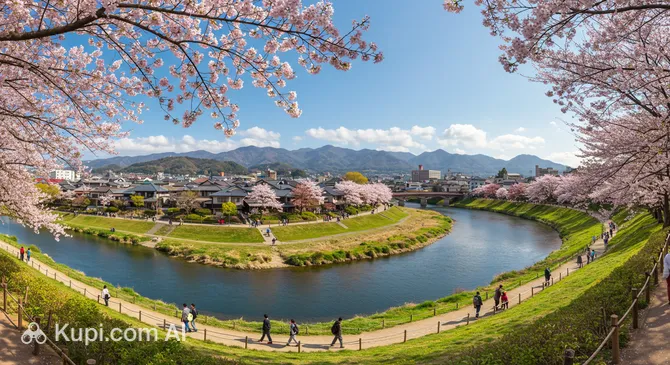
Sano. Illustration.
Source: Kupi.com AI

Sano attracts travelers not only with its rich history and architecture but also with its magnificent natural scenery. The city is known for its ancient temples, traditional crafts, and, of course, the hospitality of its residents. In spring, you can enjoy the cherry blossoms, while in autumn, the city is transformed, immersed in the crimson and gold colors of maple leaves. Furthermore, Sano is famous for its local cuisine, particularly Sano ramen, which is a must-try.

If you are looking for a place to experience the real Japan, away from busy tourist routes, Sano is an excellent choice. This city is ideal for those who appreciate slow travel, love exploring off-the-beaten-path corners, and enjoy discovering new gastronomic horizons. Come to Sano to feel its unique character and take home a piece of the Japanese soul.

You can find more interesting facts on the Sano city history page.
Weather Overview

The weather in Sano is characterized by warm and humid summers, with average temperatures in July and August around 25-26°C, while maximum values can rise to 28-30°C. This period also sees the highest amount of rainfall and rainy days. Winters in Sano are cool and drier, with average temperatures in January and December in the range of 2-5°C, with minimum temperatures sometimes dropping below freezing. Expect a warm summer with occasional rain and cool, dry winters. You can find more detailed information about climatic conditions on the Sano Climate page.

Average monthly temperature

Average monthly precipitation

Interesting Facts

In addition to its famous ramen shops and charming streets, Sano hides many surprising stories and cultural treasures. Here are just a few lesser-known facts that will help you see this city from a new perspective:

Sanomaru House. Illustration.
Source: Kupi.com AI

Traveler photos:

  • Sano is home to the ancient Sano Yakuyoke Daishi temple, which is considered one of the most powerful places in Japan for protection against misfortune and evil. Every year, thousands of pilgrims visit it seeking blessings and good luck for the year ahead.

  • For fans of deep history, the Sano area features the Kuzuu Fossil Museum, which displays unique exhibits, some dating back millions of years. This is a real find for those interested in paleontology and the ancient history of the region.

  • The city carefully preserves the traditions of ancient crafts. The production of washi (Japanese paper) still thrives here, as does the art of ceramics and lacquer miniatures. Local masters often hold workshops, allowing tourists to touch the ancient Japanese arts.

  • According to local legend, the name of the city Sano is associated with the heroic act of a mythical character who defeated an evil spirit and saved the residents. In honor of this event, colorful festivals with theatrical processions and folk festivities are held annually in the city.

How to Get There

The most convenient way to reach the city of Sano, located in Tochigi Prefecture, is through Tokyo's major international airports or closer regional airports. After arriving at one of the airports, Sano can be reached by train, bus, or car.

The primary air gateways for travelers heading to Sano are the two main airports of Japan's capital. Haneda Airport (HND), located in Tokyo, is one of the busiest in the world. It is about 86.5 km from Sano. A taxi ride or a combination of train and taxi from here to Sano can take about 2-2.5 hours. Another major international hub is Narita International Airport (NRT), also located in the Tokyo area, about 95 km from Sano. Travel time from Narita to Sano is comparable, taking about 2.5-3 hours depending on the chosen transport.

Closer to Sano is Ibaraki Airport (IBR), located in Ibaraki city, approximately 77 km away. This is a small regional airport serving mainly domestic and some international flights. From here, Sano can be reached by car or bus in about 1.5-2 hours. Although smaller in size, its proximity may be convenient for certain routes.

For clarity, here is summary information on the main airports used to reach Sano:

AirportPassenger trafficDistance
Ibaraki Airport776 06377 km
Haneda Airport85.7 mln86 km
Narita International Airport40.8 mln95 km
Fukushima Airport250 000127 km
Matsumoto Airport112 618150 km

There is a railway station in Sano itself, making train travel across Japan a very convenient option. After arriving at one of the international airports, you can use Japan's extensive rail network, including Shinkansen high-speed trains (if applicable for part of the route), to reach Sano. Intercity buses also run from the airports and major cities to Sano.

Main Attractions

Sano, a cozy city in Tochigi Prefecture, offers its guests not only a peaceful atmosphere but also several interesting places worth visiting. While the city gained particular fame for its unique ramen, there is plenty to see beyond its gastronomic delights.

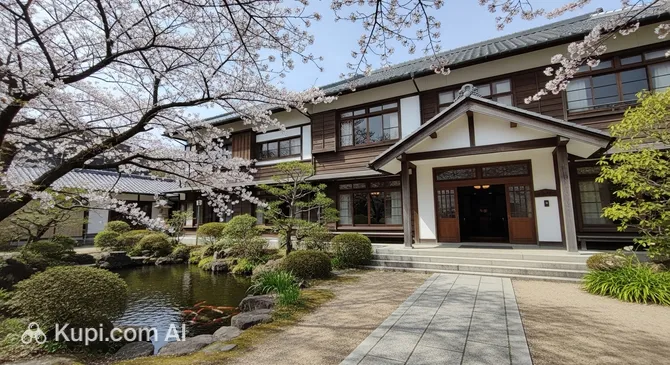
One of Sano's unique attractions is the Sanomaru House. Sanomaru is the city's charming mascot—a samurai dog with a ramen bowl on its head—and its house is a place where you can get closer to this symbol of Sano. This is an especially interesting spot for families with children and anyone interested in modern Japanese culture and cute mascot characters. Here, you can take fun photos and buy souvenirs dedicated to this friendly hero.

Sanomaru House. Illustration.
Source: Kupi.com AI

Traveler photos:

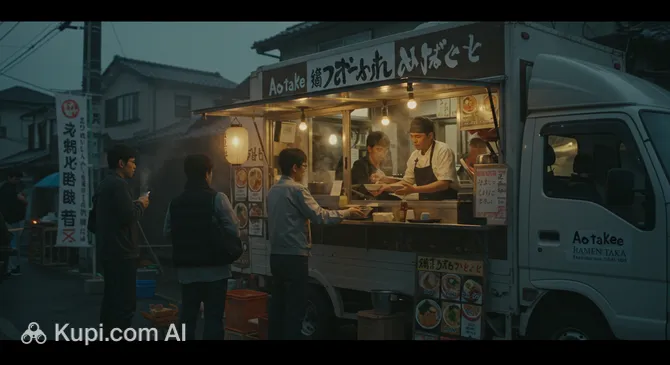
Of course, a trip to Sano wouldn't be complete without tasting the famous local ramen. The restaurant Aotake Handmade Ramen Taka is one of the establishments where you can enjoy this dish. Sano ramen is famous for its clear, light broth, often soy sauce-based, and its flat, wavy handmade noodles, which are often prepared using water from a local spring. Visiting this restaurant will allow you to appreciate the authentic taste of regional cuisine and understand why Sano ramen is so popular in Japan.

Aotake Handmade Ramen Taka. Illustration.
Source: Kupi.com AI

Traveler photos:

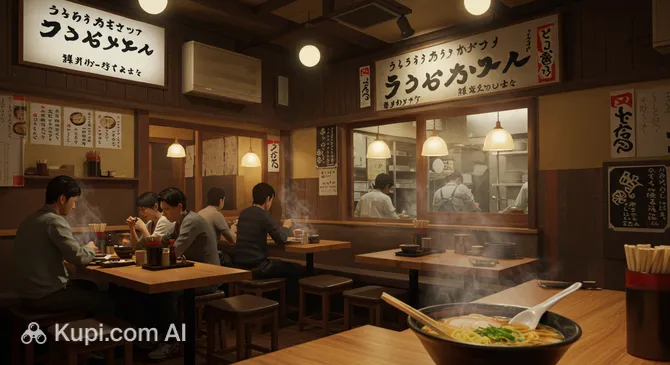
Another place worth visiting for Japanese noodle lovers is Seichiku Handmade Sano Ramen Hareruya. Like other Sano establishments specializing in ramen, they pay special attention to the quality of ingredients and traditional methods of hand-making noodles. This is a great opportunity to try another version of the local delicacy, perhaps compare different interpretations, and simply enjoy a hearty and delicious lunch in an authentic setting.

Seichiku Handmade Sano Ramen Hareruya. Illustration.
Source: Kupi.com AI

Traveler photos:

Local Cuisine

The gastronomic scene in Sano is a true discovery for foodies, and its main star, without a doubt, is the famous Sano ramen. This city in Tochigi Prefecture is proud of its unique culinary tradition, which attracts Japanese food enthusiasts from all over the country and abroad.

Sano ramen is not just a dish, but an entire culture. It is distinguished by its special, handmade noodles, which have a wonderful elasticity, and a crystal-clear yet rich broth. Recipes for this soup are carefully preserved and passed down through generations in the city's numerous family-run ramen shops. There are dozens of such establishments in Sano where you can try this local specialty, considered one of the best in Japan. To experience the authentic taste, stop by Aotake Handmade Ramen Taka, one of the places where you can enjoy this culinary masterpiece.

Beyond ramen, Sano's cuisine will delight you with fresh vegetables and fruits from local farms. Be sure to try dishes made with tofu produced from local soybeans and a variety of fresh greens. Street food is also an integral part of the gastronomic experience in Sano: numerous stalls offer aromatic yakitori (chicken skewers), appetizing takoyaki (octopus balls), and traditional rice flour sweets. Each of these treats is prepared right before your eyes, turning a snack into a small culinary adventure.

Locals and tourists in Sano enjoy food in various settings. These can range from cozy family-run ramen restaurants to lively farmers' markets selling seasonal produce. Street food stalls are also very popular. Additionally, Sano regularly hosts food festivals. This is a great opportunity not only to taste the region's best dishes but also to participate in workshops, meet local chefs, and learn the secrets of Japanese cuisine firsthand.

Regarding drinks, traditional Japanese green tea perfectly complements a hearty ramen or other local dishes. Local establishments also offer a variety of non-alcoholic beverages and, of course, classic Japanese alcoholic drinks like sake or shochu, which will round out your meal and allow you to dive deeper into the city's gastronomic culture.

Travel Tips

Planning a trip to Sano? Wonderful! To ensure your journey through this cozy corner of Japan is as comfortable as possible and leaves only pleasant impressions, we have prepared some practical tips.

  1. Clothing and Items by Season:

    The climate in Sano, like most of Japan, is clearly divided into four seasons. In summer (June-August), it is hot and humid, so choose light, breathable clothing. Winter (December-February) can be chilly, sometimes with snow – pack warm things. Spring and autumn offer moderate temperatures, ideal for layered outfits. Be sure to bring comfortable walking shoes, as well as a pair that is easy to slip off, since it is customary to remove your shoes in many places (temples, traditional restaurants). Don't forget an adapter for electrical appliances (Japan uses type A and B, voltage 100V). When visiting temples and shrines, prefer modest clothing that covers shoulders and knees.

  2. Getting Around the City:

    Sano is easy to navigate using local buses and trains. If you plan to explore the surrounding areas of Tochigi Prefecture, consider renting a car (remember left-hand traffic and the need for an international driving permit). Within the city itself, many interesting places are within walking distance. Taxis are available but can be an expensive pleasure. Check public transport schedules in advance, especially for trips to remote areas.

  3. Financial Matters:

    The local currency is the Japanese yen (JPY, ¥). While credit cards are accepted in many hotels and large stores, always carry cash with you, especially for small establishments and markets. You can exchange currency at banks or post offices; ATMs accepting international cards are often found in 7-Eleven stores and at the post office. In Japan, it is not customary to leave tips – excellent service is already included in the bill.

  4. Health and Safety:

    Sano, like Japan in general, is a very safe place. However, standard precautions never hurt. Pharmacies (薬, kusuri) are easy to find, but keep in mind that not all pharmacists speak English. It is recommended to have travel medical insurance. Tap water in Japan is safe to drink.

  5. Language and Communication:

    The official language is Japanese. English is common in tourist areas but not everywhere. Learn a few basic phrases: "Konnichiwa" (Hello), "Arigato" (Thank you), "Sumimasen" (Excuse me). This will help a lot when communicating with locals. Consider buying a travel SIM card or renting pocket Wi-Fi for constant internet access. Translation apps and maps (e.g., Google Maps) will be your indispensable assistants.

  6. Local Etiquette:

    Japanese people value politeness and respect for tradition. A light bow is a common greeting. In public places, especially on transport, try to speak quietly. It is not common to eat while walking on the street. Be sure to remove your shoes when entering homes, temples, and some traditional restaurants. There are also specific rules for using chopsticks (for example, do not stick them vertically into rice).

  7. What to Avoid:

    First, as mentioned, do not try to leave tips – it may cause confusion. Second, always ask for permission before taking close-up photos of people, and respect photography bans in temples or museums.

  8. Special Tip for Foodies:

    Sano is famous for its unique dish – Sano Ramen (佐野ラーメン). Its special feature is the noodles, which are traditionally rolled out using a bamboo pole, giving them a unique texture. Be sure to try this local culinary treasure in one of the city's many ramen shops!

We hope these tips help you better prepare for your trip and enjoy every moment of your stay in Sano. Have a great trip!

Entertainment & Nightlife

Evening Sano offers guests the chance to immerse themselves in the authentic atmosphere of a Japanese city, where nightlife is more relaxed and focused on gastronomic pleasures and cozy local establishments rather than noisy clubs. Here you won't find massive entertainment districts like in Tokyo, but you can enjoy sincere hospitality and local color.

The main "star" of evening Sano is undoubtedly the famous Sano Ramen. Many establishments specializing in this dish stay open until late evening, offering the perfect dinner after a busy day. Noteworthy among them are Aotake Handmade Ramen Taka and Seichiku Handmade Sano Ramen Hareruya, where you can try various versions of this hearty soup with handmade noodles. The atmosphere in such places is usually very casual and welcoming.

In addition to ramen shops, the evening can be spent in traditional Japanese pubs – izakayas. They are scattered around the city, especially near the train station and on the central shopping streets. Here they serve a variety of snacks, sake, and beer. Some small bars and karaoke venues are also open, offering a more relaxed way to unwind. The crowd is mostly local, and there is generally no dress code – comfort is valued. Most establishments close relatively early, around 10:00 PM to 11:00 PM, especially on weekdays.

In terms of practical tips, for evening outings, it's better to arrive at establishments by 8:00 PM or 9:00 PM to guarantee a seat. Prices in Sano are quite moderate. Public transport runs less frequently at night, so a taxi is the most convenient way to get around. You can call a taxi by asking the staff at an establishment or by finding a taxi stand at the station. The city is generally safe for night walks, especially in central areas, but standard precautions should always be observed.

During the day in Sano, there is also plenty to do. You can stroll through city parks, visit local shops, or explore cultural sites. For example, the Sanomaru House, dedicated to the city's mascot, is of great interest. You can also find traditional temples and shrines in and around the city that tell the story of the region's rich history.

Parks & Museums

Sano, nestled in Tochigi Prefecture, offers its guests not only famous ramen but also wonderful opportunities for relaxation in nature and immersion in local culture. The city carefully preserves its heritage, providing interesting leisure options for fans of peaceful walks in picturesque parks and for history buffs exploring local museums.

Among Sano's green oases, Shiroyama Park stands out – a popular recreation spot for residents where you can enjoy seasonal blooms and stroll along well-maintained paths. Equally noteworthy is Manyo Nature Park Katakuri no Sato, known for its picturesque natural landscapes and the chance to see rare plants, especially in the spring. These parks are ideal for leisurely walks, relaxed outdoor recreation, or picnics. Additionally, it is worth remembering that many temple complexes in Japan traditionally have their own quiet gardens where you can enjoy peace and beauty.

For those seeking a deeper connection with the culture and history of Sano, the city offers interesting museum exhibits. A visit to the Sano City Local Museum is a must, where artifacts detailing the region's rich past, its development, and traditional crafts are collected. Those interested in paleontology will find the Kuzuu Fossil Museum fascinating, presenting unique finds of ancient flora and fauna. Visiting such places allows for a better understanding of Sano's unique character. You can also find small art galleries in the city showcasing the work of local artists.

A special place among cultural sites reflecting the modern spirit of the city is the Sanomaru House. As the home of the beloved city mascot, it is not just a tourist spot but a vibrant symbol of Sano's identity. Visiting the Sanomaru House allows you to glimpse modern Japanese pop culture at a local level and take home a piece of the city's cheerful and unique mood.

To get the most authentic experience during your stay in Sano, we suggest stepping off the beaten tourist path. Explore small local shrines and temples, which often hide a unique atmosphere of tranquility and centuries-old traditions. Also, look out for craft shops and workshops where you can find unique handmade items reflecting Japan's cultural heritage and the skill of local artisans – this is a great way to bring home a truly special souvenir.

Getting Around

Public transport in Sano offers convenient ways to move around the city and its surroundings. The transport system is based on local trains and buses that connect different city districts and nearby settlements.

For fare payment, the most convenient option is rechargeable smart cards (IC cards), such as Suica or Pasmo. They are accepted on many train lines and buses throughout Japan, including Sano. These cards can be purchased and topped up at machines at train stations or in some convenience stores. Cash payment is also possible directly when entering the bus (usually you need to take a ticket upon entry and pay upon exit according to the zone) or by purchasing single train tickets at station machines. The fare depends on the distance, but a single bus or train trip within the city usually starts from 150-200 yen. While specialized tourist passes specifically for Sano might not be as common as in large metropolises, it's always worth checking at stations or tourist information centers for daily or regional passes that might cover your routes.

Tourists are recommended to purchase an IC card for convenience and to save time. Trains usually run according to schedules, which can be found at stations or online. Bus routes also have their own schedules, and stops are generally clearly marked. For route planning and checking current schedules, mobile apps like Google Maps or Navitime (Japan Travel), which work well in Japan, are very useful. Public transport usually starts operating early in the morning and ends late in the evening, but it's better to check the exact schedule in advance, especially for the last trips.

As an alternative to public transport in Sano, taxis are always available. They can be found at stands near stations or called by phone. For short trips around the city center or for walks in picturesque spots, you might consider renting a bicycle if such a service is available. The city transport system is focused on efficiency and convenience, although it does not possess unique features like a historic subway or cable cars.

Accommodation

In the city of Sano, travelers will find various accommodation options to suit different budgets and preferences. The selection usually includes standard hotels of various categories, from budget-friendly to comfortable mid-range options. You may also find small local inns or guesthouses offering a more authentic living experience.

When choosing a place to stay in Sano, it is worth looking at areas near major transport hubs, such as railway stations, which will ensure ease of movement around the city and its surroundings. Hotels located near central districts or local attractions are also popular, allowing for easy access to points of interest on foot or by public transport.

When planning a trip, especially during peak tourist season or local festivals, it is recommended to book accommodation in advance. This will allow you to choose the most suitable option at the best price. Most hotels and guesthouses in Sano are available for booking through popular online platforms, or you can consider direct booking on the hotel websites. The price range varies from budget offers to mid-range and higher-level comfort hotels, so every tourist will be able to find something suitable.

Nearby Cities

For those looking to explore the surrounding area, Sano serves as an excellent starting point for day trips to several interesting nearby locations. Here are some of them:

  • Ashikaga: Just 12 km from Sano, this city is famous for its magnificent Ashikaga Flower Park, especially known for its wisteria, as well as the historical Ashikaga Gakko, the oldest school in Japan. It is a wonderful place for nature and history lovers.
  • Tochigi: Located 16 km away, the city of Tochigi attracts visitors with its well-preserved historical Kura-no-machi (warehouse district) along the Uzuma River. Here you can enjoy leisurely walks and boat tours, immersing yourself in the atmosphere of old Japan.
  • Oyama: Located 20 km from Sano, Oyama is not only an important transport hub but also offers various entertainment, including a popular amusement park and the Oyama Yuen Harvest Walk shopping complex, as well as several interesting historical sites.

Below is a table with information about some of the nearby cities:

CityPopulationDistance
Tatebayashi73 9918 km
Itakura14 03911 km
Ora25 62312 km
Ashikaga142 88212 km
Tochigi153 50816 km

These nearby destinations provide insight into the diverse culture and landscapes of the region. Every trip promises new discoveries, whether it's historical landmarks, natural beauty, or unique local traditions.

Shopping & Souvenirs

Sano offers interesting shopping opportunities, especially for those looking for great deals from famous brands. The city is primarily known for its large outlet mall, which attracts visitors from across the region. In addition to the outlet, you can find traditional Japanese goods and local delicacies in Sano.

The main magnet for shopping enthusiasts in Sano is Sano Premium Outlets®. This extensive open-air complex offers a wide selection of international and Japanese brand stores for clothing, footwear, accessories, home goods, and much more at significant discounts. You can spend an entire day here, combining shopping with relaxation in numerous cafes and restaurants. Besides the outlet, the central part of the city features small local shops and stalls offering everyday goods and unique items by local craftsmen.

While Sano is not famous for large traditional markets like some other Japanese cities, seasonal fairs or festivals are sometimes held here where local farmers and artisans present their products. It is best to check for information on such events before your trip, for example, at a tourist information center. The main shopping focus here is still on the outlet and modern stores.

In addition to outlet shopping, it's worth bringing something back from Sano as a memory of the local culture. The city is famous for its "Sano ramen," so souvenirs related to this dish (e.g., cooking kits, themed tableware) can be an excellent choice. Also, look for products featuring the local mascot – the adorable dog Sanomaru. Such goods can be found in souvenir shops and potentially at the Sanomaru House. Of course, don't forget traditional Japanese souvenirs like ceramics, textiles, or sweets, which can be found in specialized shops.

Most shops in Sano, including Sano Premium Outlets, typically operate from 10:00 AM or 11:00 AM to 8:00 PM or 9:00 PM. Small private shops may have their own, shorter schedules. Japanese yen in cash is accepted everywhere. In large shopping centers and outlet stores, credit cards from international payment systems (Visa, Mastercard, American Express) are widely accepted. In small shops and at local fairs, cash may be preferred.

For foreign tourists in Japan, there is a value-added tax return system (Tax Free). Many stores in Sano Premium Outlets and other large retail outlets offer this service for purchases over a certain amount (usually over 5,000 yen). Typically, to process the tax return, you must present your passport at the checkout at the time of purchase. Look for stores with the "Tax Free Shopping" sign and feel free to clarify the conditions directly with the sellers.

Reached the end of the page?

That means the route is fully explored